Maximize Metal Recovery with Advanced Circuit Board Recycling Equipment: A Comprehensive Guide
Electronic waste is one of the fastest-growing waste streams globally, with millions of tons discarded every year. Among all e-waste components, printed circuit boards (PCBs) stand out as particularly valuable due to their high metal content. For recycling businesses, investing in the right circuit board recycling equipment can transform waste into profit while contributing to environmental sustainability.
What Are PCBs and Why Recycle Them?
Printed Circuit Boards (PCBs) are the backbone of modern electronics, providing mechanical support and electrical connections for components in devices ranging from smartphones and computers to industrial machinery and automotive systems. Despite their small size, PCBs contain significant amounts of recoverable materials including copper, gold, silver, palladium, and other valuable metals.
Recycling PCBs offers three major benefits. First, it creates substantial economic value through metal recovery. Copper typically represents the largest metal component, while precious metals like gold and silver add considerable worth. Second, proper recycling prevents harmful substances such as lead and mercury from contaminating soil and water. Third, it reduces the demand for virgin mining, supporting a circular economy model that benefits both business and the environment.
Understanding the PCB Recycling Process
Modern PCB recycling relies primarily on mechanical processing technologies that are environmentally friendly and highly efficient. The standard process includes several key stages:
1. Sorting and Pre-processing: Waste PCBs are collected and sorted by type. Large components such as batteries, capacitors, and plastic parts are removed before mechanical processing begins.
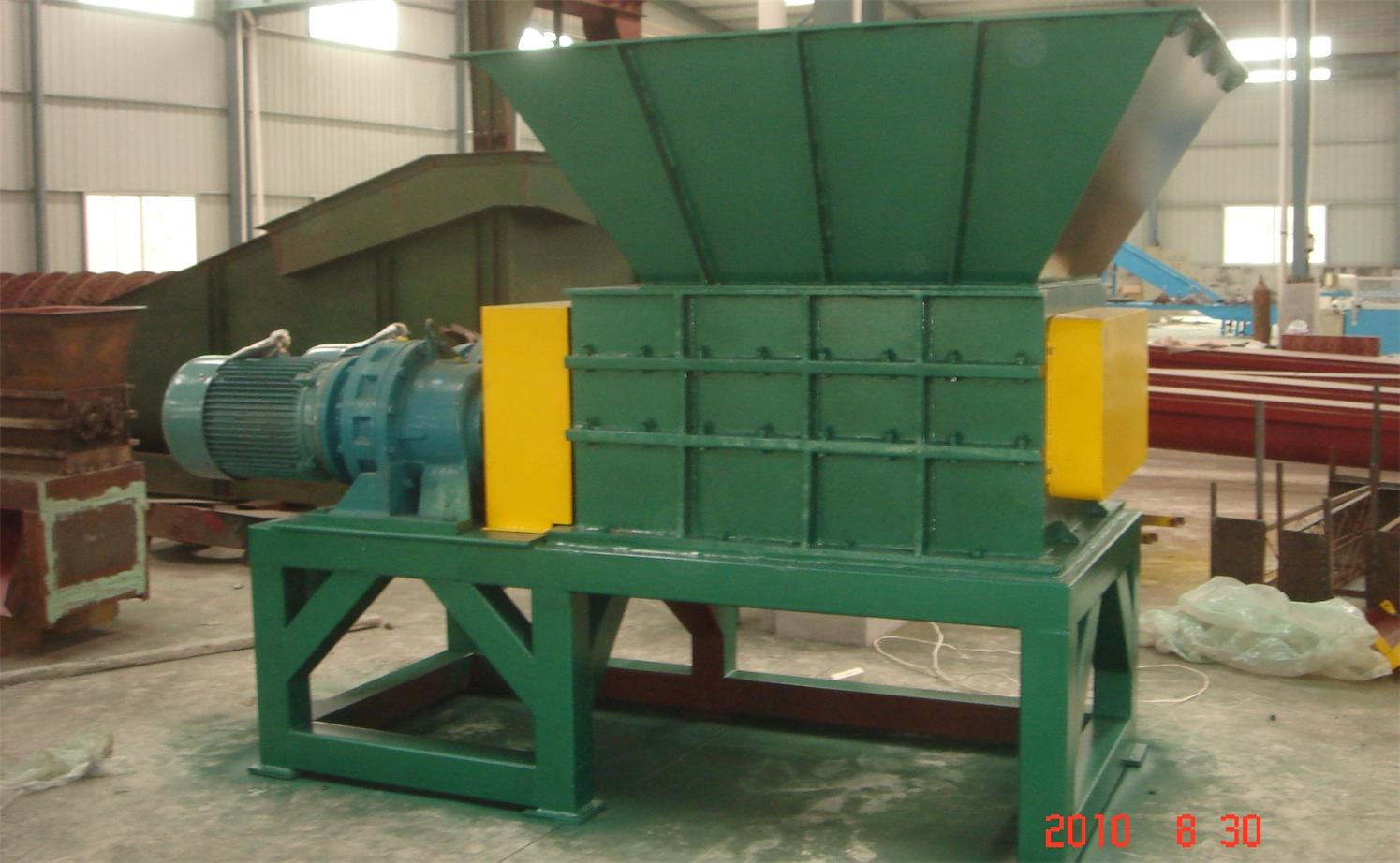
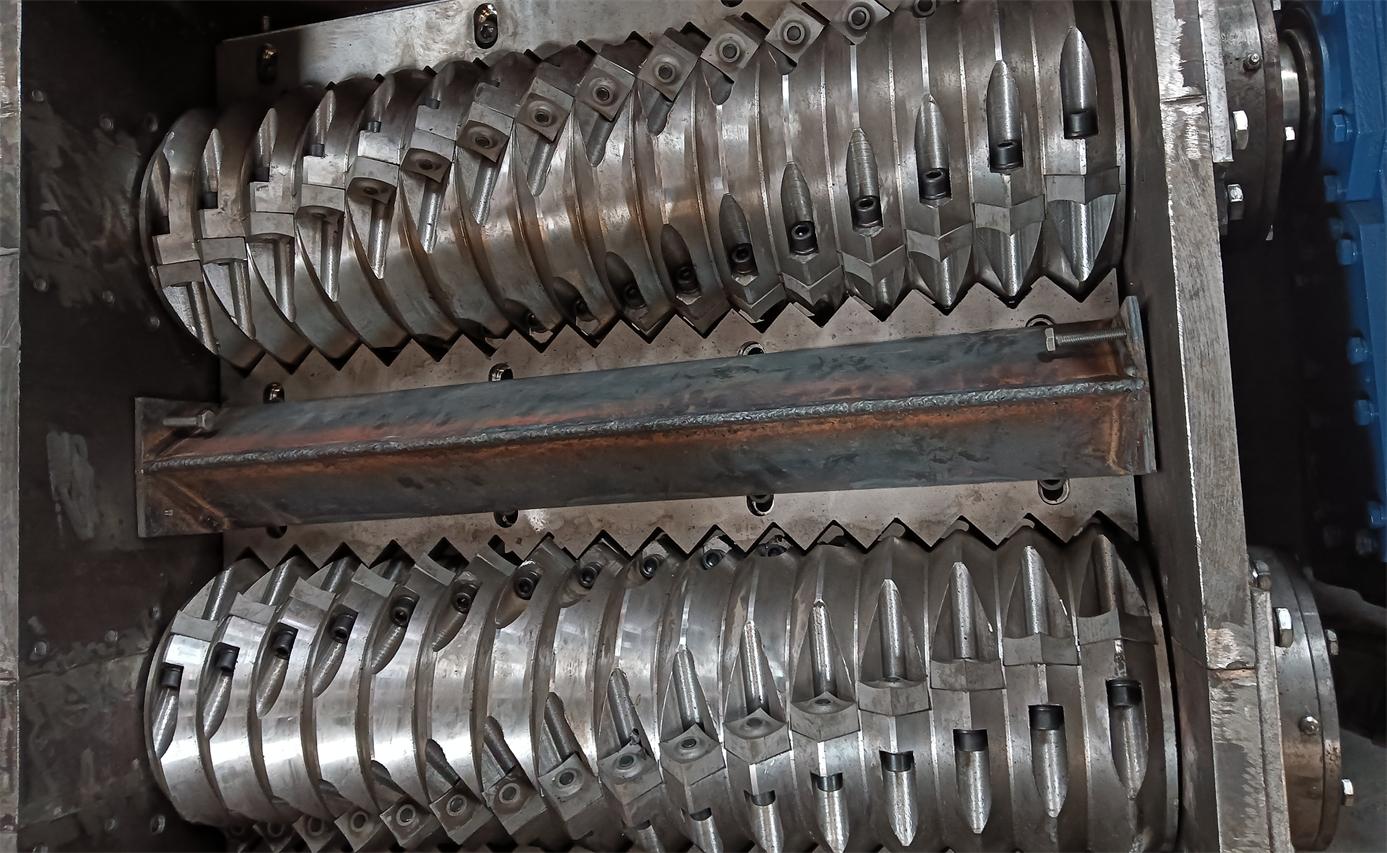
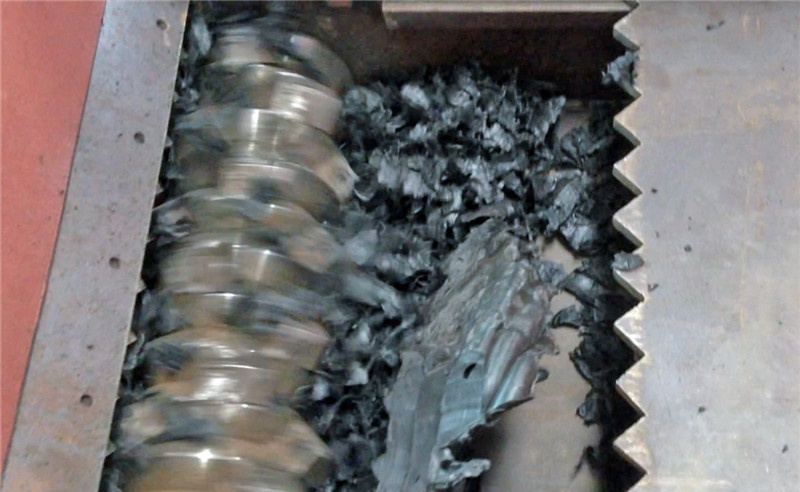
2. Crushing: Specialized shredders break circuit boards into smaller particles, increasing surface area and improving liberation of metal from non-metal materials.
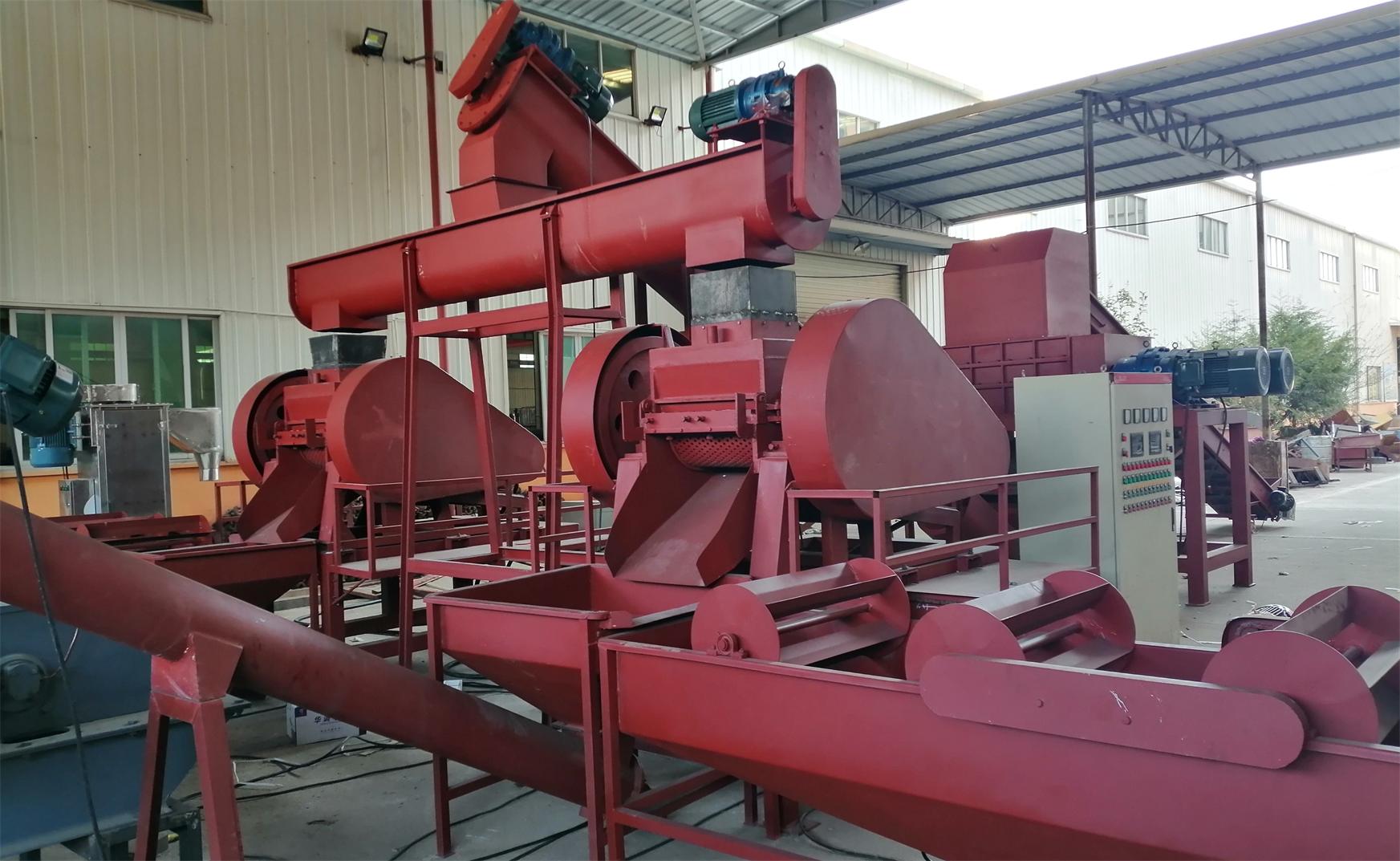
3. Grinding: Hammer mills or grinding systems further reduce particle size to separate metals from fiberglass and resin.
4. Separation: Air separators, electrostatic separators, or wet separation systems isolate metal particles from non-metallic powder.
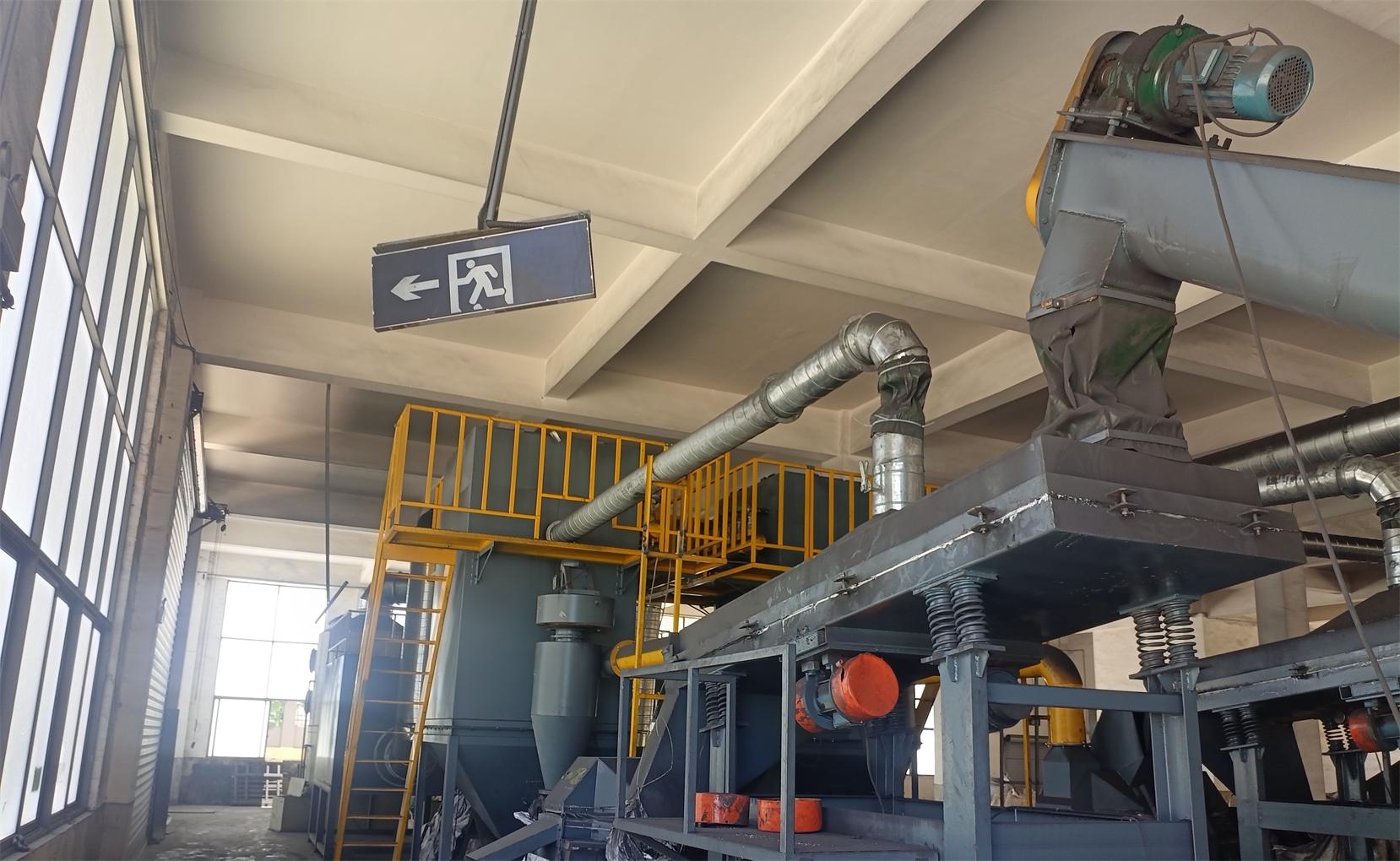
5. Dust Collection: Professional dust removal equipment controls emissions and ensures safe, compliant operation.
Dry Separation vs. Wet Separation: Choosing the Right Technology
When selecting circuit board recycling equipment, understanding the difference between dry and wet separation technologies is essential for matching equipment to your specific operational needs.
Dry separation systems use air classifiers and electrostatic separators to sort materials without water. These systems are ideal for operations where water availability is limited or where wastewater treatment infrastructure is not in place. Dry processes are typically more energy-efficient and easier to maintain.
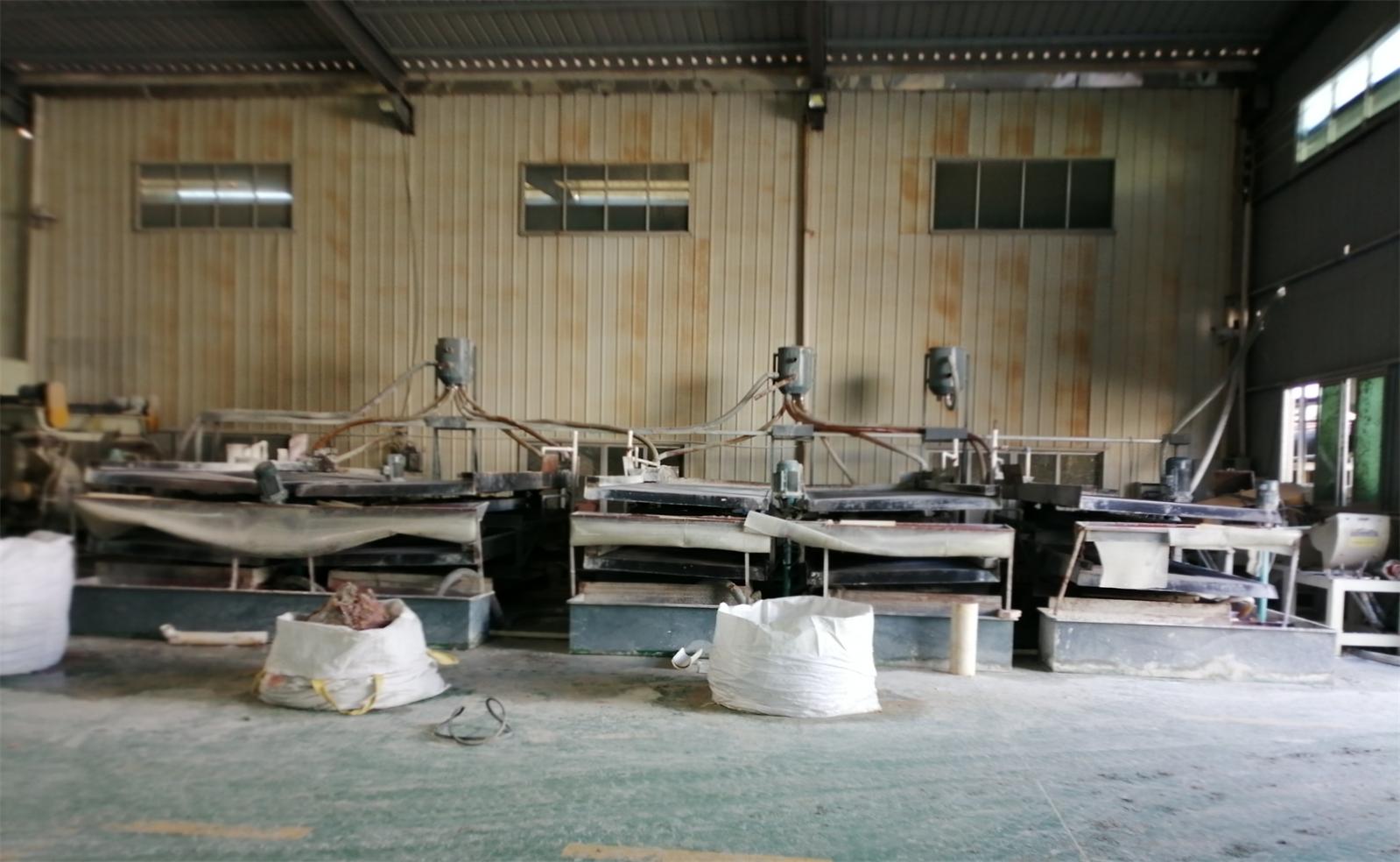
Wet separation systems use water-based methods to achieve high-purity metal recovery, particularly for fine particles. These systems can handle PCB waste with components still attached and often produce higher-grade copper powder. The trade-off is the need for water treatment and sludge management.
San Lan Technologies: Proven PCB Recycling Solutions
Founded in 2007, San Lan Technologies Co., Ltd has built a strong reputation as a professional manufacturer of WEEE recycling machinery. With customers in over 21 countries including Singapore, Colombia, Vietnam, Mexico, Argentina, and South Africa, San Lan delivers equipment backed by more than 15 years of engineering experience and comprehensive EPC project expertise.
Circuit Board Recycling Plant Product Line
| Model | Separation Method | Capacity | Key Features |
|---|---|---|---|
| WCBD-2000A | Dry (Air Separator) | 2000 kg/hour | 3rd generation technology, copper powder purity 96-98% |
| WCBD-1000A | Dry (Air Separator) | 1000 kg/hour | Recovery rate 95%, no dust pollution |
| WCB-2000C | Wet (Water Separator) | 2000 kg/hour | Designable for 300-5000 kg/hour range |
| WCB-005C | Wet (Water Metal Separator) | 500 kg/hour | Can recycle PCB waste with components, 4-6 MT/day |
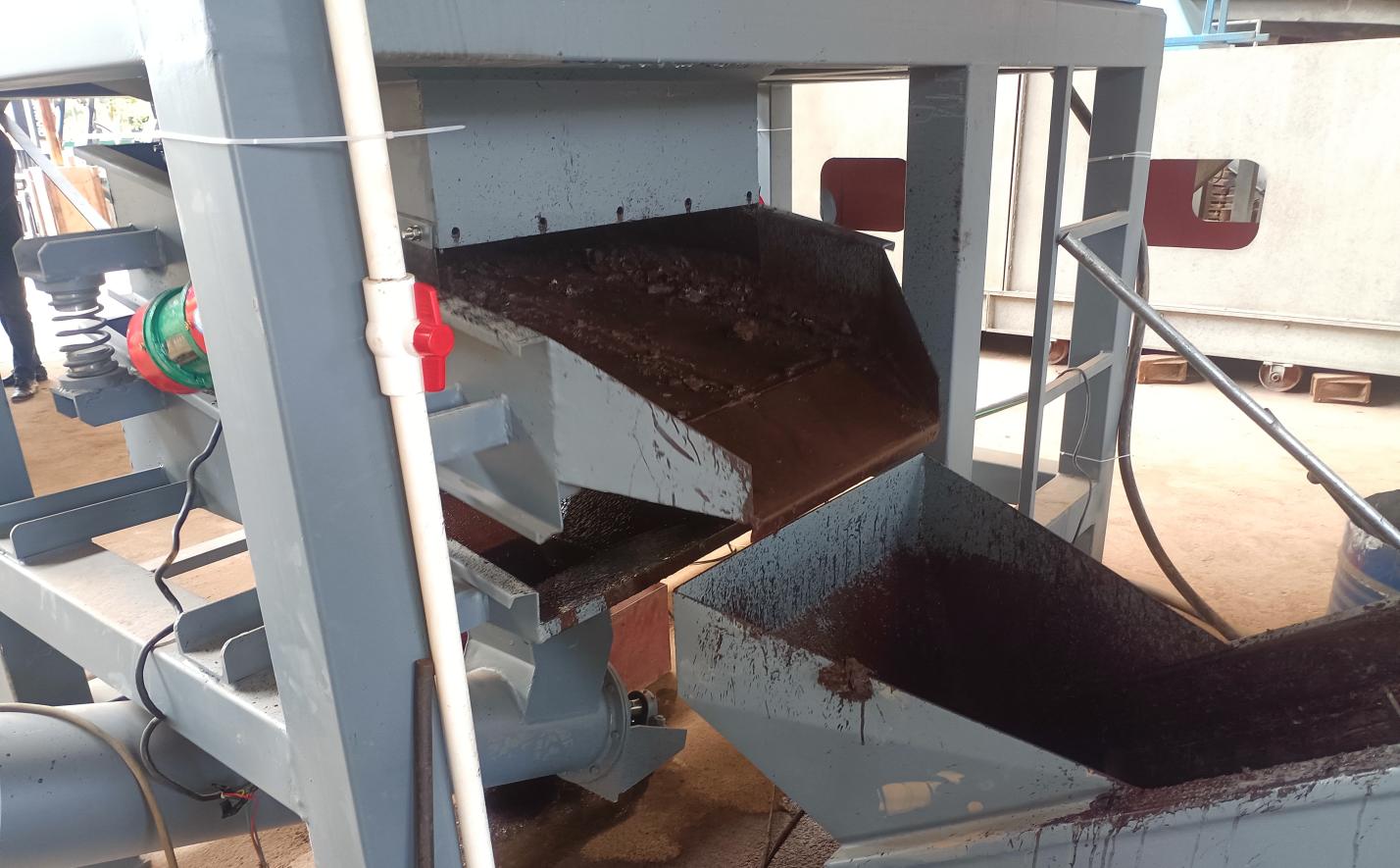
| WCBD-300A | Dry (Electrostatic + Air) | 300-500 kg/hour | Includes vibrating screen, cyclone, pulse dust collector |
All San Lan circuit board recycling plants feature mechanical automated processes that are stable, easy to operate, and environmentally friendly. The dry separation systems achieve copper powder purity of 96-98% with recovery rates up to 95%, while wet separation options handle more complex feed materials including PCBs with components still attached.
How to Choose the Right PCB Recycling Equipment
Selecting appropriate recycling machinery requires careful evaluation of several operational factors:
Processing Capacity: Match equipment throughput to your expected waste supply. Small workshops may operate efficiently at 300-500 kg/hour, while industrial-scale facilities require 1000-2000 kg/hour or more.
Recovery Rate and Purity: High-quality equipment should deliver metal recovery rates above 90% with copper powder purity exceeding 95%. San Lan's dry separation systems achieve 95% recovery with 96-98% copper purity.
Feed Material Type: If your operation receives PCBs with electronic components still mounted, wet separation systems offer better handling. For pre-sorted bare boards, dry separation provides excellent efficiency.
Automation Level: Automatic feeding, crushing, separation, and control systems reduce labor costs and improve production stability. San Lan offers customized automation levels to match local labor costs and technical capabilities.
Environmental Compliance: Ensure equipment includes dust collection, noise reduction, and wastewater treatment (for wet systems) to meet local environmental regulations. San Lan provides air pollution control systems and water treatment plants as integrated options.
Manufacturer Support: A reliable supplier should offer installation, commissioning, technical training, and spare parts availability. San Lan provides complete EPC services including customized design, installation, and after-sales support.
Beyond PCBs: Complete E-Waste Recycling Solutions
While circuit boards represent high-value recycling targets, successful recycling operations often diversify across multiple waste streams. San Lan Technologies manufactures comprehensive recycling equipment lines that complement PCB processing capabilities.
For operations handling battery waste, San Lan offers complete lead acid battery recycling equipment including battery cutters, breaking and separation systems, desulfurization units, rotary furnaces, and refinery kettle furnaces achieving 99.999% lead purity. The lithium battery recycling line recovers black mass, copper, aluminum, and plastic with capacities from 500 to 2500 kg/hour.
For cable recyclers, San Lan's cable recycling equipment includes scrap cable strippers handling diameters from 1.5mm to 150mm and cable granulators with dry separators. The product range covers compact units for small workshops through high-capacity industrial plants.
Additional product lines include refrigerator and AC recycling machines, CRT cutters, motor recycling equipment, shredders and pre-choppers, lamp recycling systems, and metal melting furnaces. This broad portfolio allows San Lan to design integrated recycling facilities that handle multiple waste streams under a single operational framework.
The Business Case for PCB Recycling Investment
The global electronics market continues expanding, driven by consumer electronics, electric vehicles, renewable energy systems, and industrial automation. Each of these sectors generates end-of-life electronics containing valuable PCBs. Market analysts project sustained growth in e-waste volumes, creating reliable feedstock supplies for recycling operations.
From a financial perspective, PCB recycling offers attractive returns. Copper prices remain historically strong due to electrification trends. Precious metals including gold, silver, and palladium add significant upside potential. A well-configured recycling plant with 1000-2000 kg/hour capacity can process substantial volumes daily, converting low-cost waste inputs into high-value metal outputs.
San Lan supports customers beyond equipment supply by helping source waste materials including cable scrap and PCB scrap, and by assisting with product sales for recovered materials such as copper rice, copper powder, and lead ingots. This integrated approach reduces market risk for new recycling ventures.
Why Recycling Businesses Choose San Lan Technologies
San Lan differentiates itself through technical depth and comprehensive service capabilities. The engineering team includes master's degree-level mechanical engineers with over 15 years of direct experience in e-waste recycling machine design. This expertise translates into reliable equipment that performs consistently in demanding industrial environments.
Key advantages of partnering with San Lan include:
Complete EPC project capabilities from initial design through installation and commissioning
Customized equipment configurations matching local waste characteristics and regulatory requirements
One-stop purchasing centers reducing procurement complexity for multi-line facilities
Assistance with waste material sourcing and recycled product sales
Bilingual English and Chinese technical support for international projects
Strategic partnership opportunities for plant construction investment
Start Your PCB Recycling Project Today
Whether you are planning a new recycling facility or upgrading existing equipment, San Lan Technologies offers the technical expertise and product range to maximize your metal recovery and profitability. Our team provides detailed proposals including equipment specifications, layout designs, and investment projections tailored to your specific requirements.
Contact San Lan Technologies to discuss your project:
- Website: www.san-lan.com
- Email: info@san-lan.com
- WhatsApp: +86 139 2377 4083
- WeChat: curbing1970
- Skype: curbing.jiang