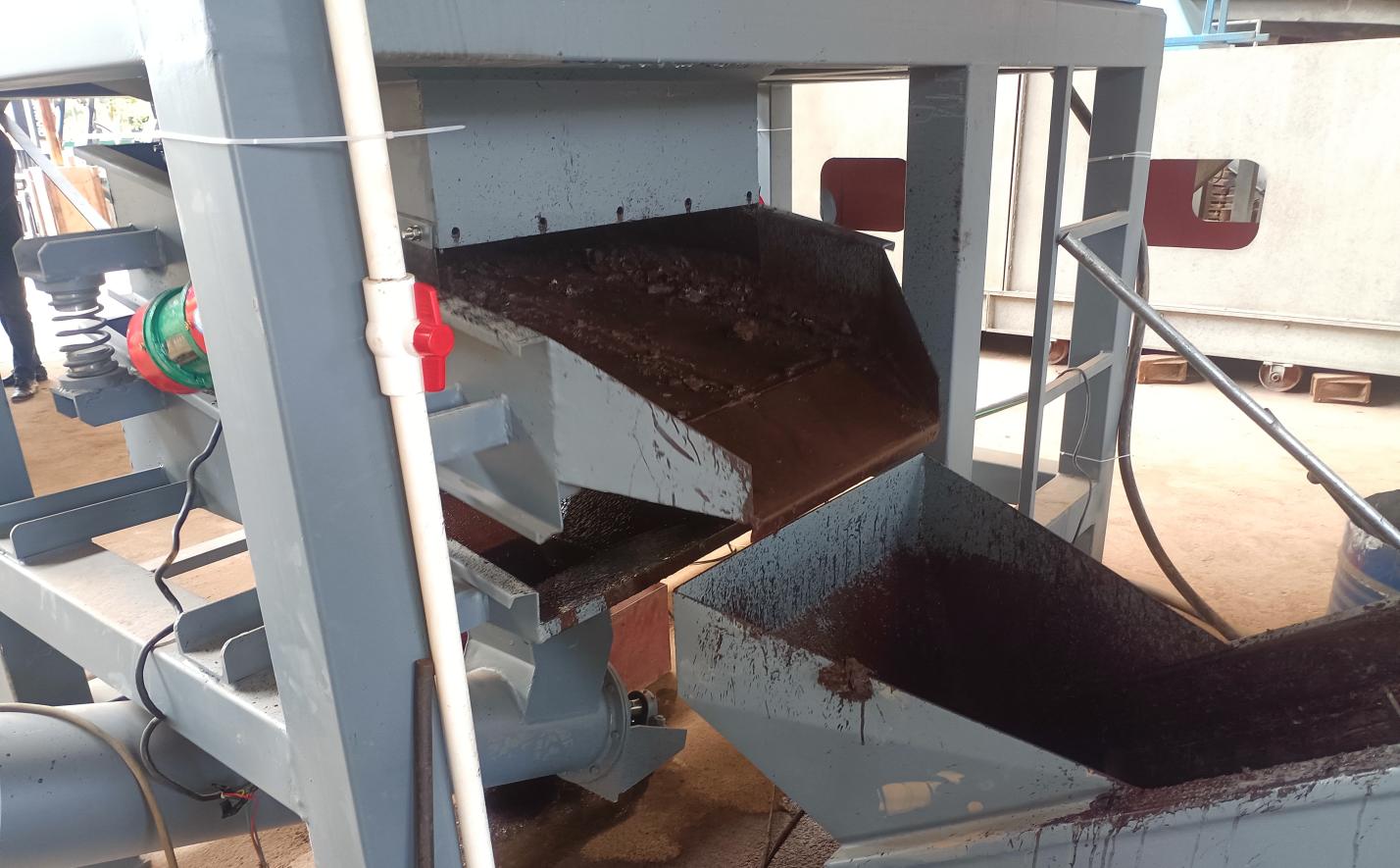
How the right machinery and operational discipline turn scrap cable into a profitable, sustainable business
With global e-waste generation exceeding 60 million tons annually and copper prices remaining strong, the cable recycling industry has never been more attractive. Scrap cables and wires represent one of the most accessible and profitable waste streams for recyclers, containing valuable copper and aluminum that can be recovered and returned to the manufacturing cycle. However, achieving high recovery rates and consistent product quality requires more than just ambition—it demands the right cable recycling equipment and operational know-how.
Why Cable Recycling Is a Smart Investment
Discarded electrical cables are everywhere: in demolition sites, automotive salvage yards, telecom infrastructure upgrades, and industrial maintenance projects. Instead of letting this material pile up in landfills, modern cable recycling machines can transform waste into high-purity copper granules and separated plastic pellets—both of which command strong market prices.
The economics are compelling. A well-configured cable wire granulator can process hundreds to thousands of kilograms of scrap cable per hour, achieving copper purity levels of 96–99% depending on the separation technology used. With proper material sourcing, many operators recover their equipment investment within 12 to 24 months.
Beyond the financial returns, cable recycling delivers significant environmental benefits. It reduces the need for virgin copper mining, cuts landfill volumes, and prevents the burning of insulated cables—a practice that releases toxic dioxins and furans into the atmosphere.
Key Factors When Choosing Cable Recycling Equipment
Not all cable recycling systems are created equal. Whether you are starting a new operation or upgrading an existing line, consider the following criteria:
- Processing Capacity — Match the equipment throughput to your expected feedstock volume. Small operations may start with compact units processing 100–200 kg/hour, while industrial-scale facilities often require systems handling 1,000 kg/hour or more. Over-specifying leads to unnecessary capital expense; under-specifying creates bottlenecks and lost revenue.
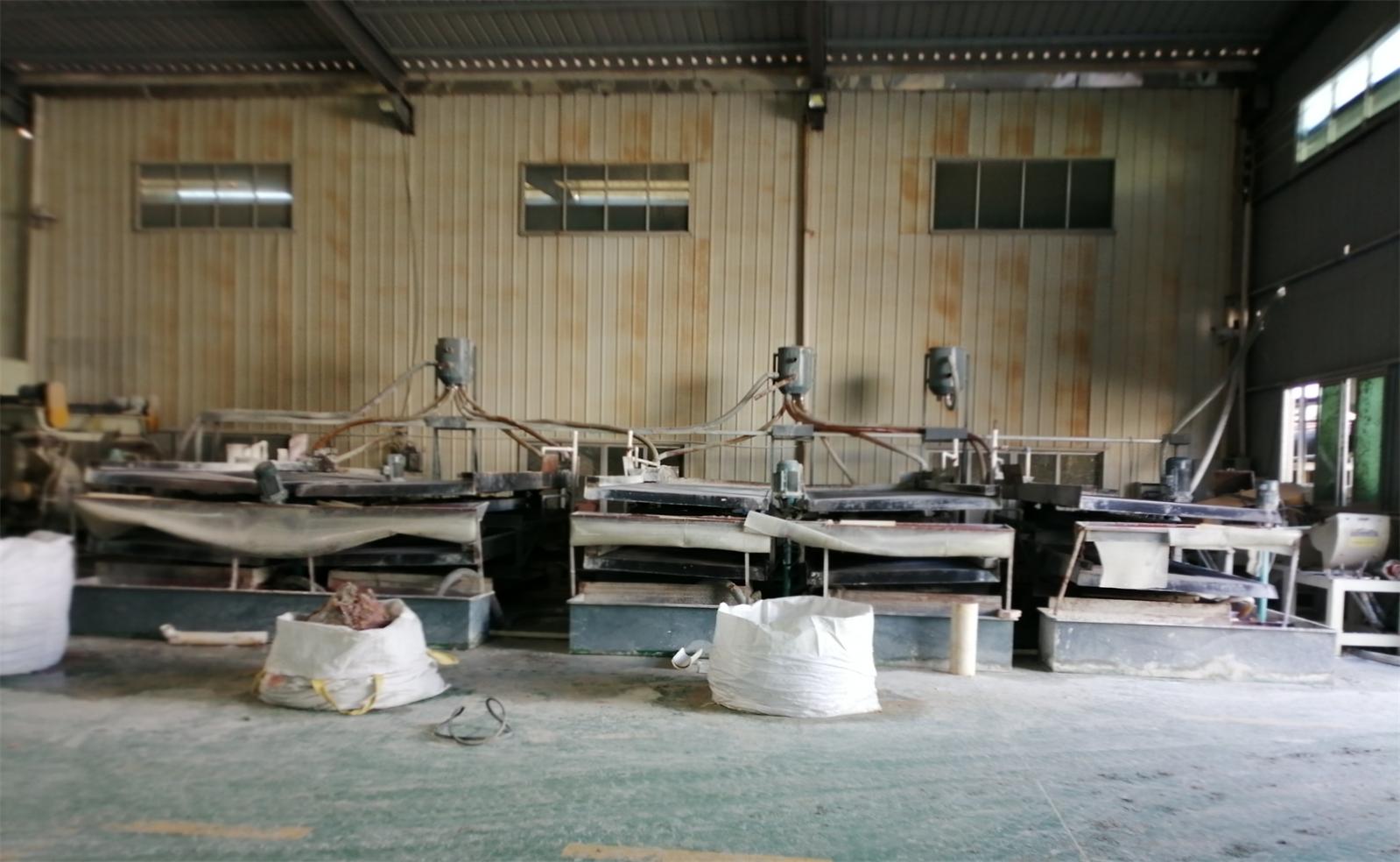
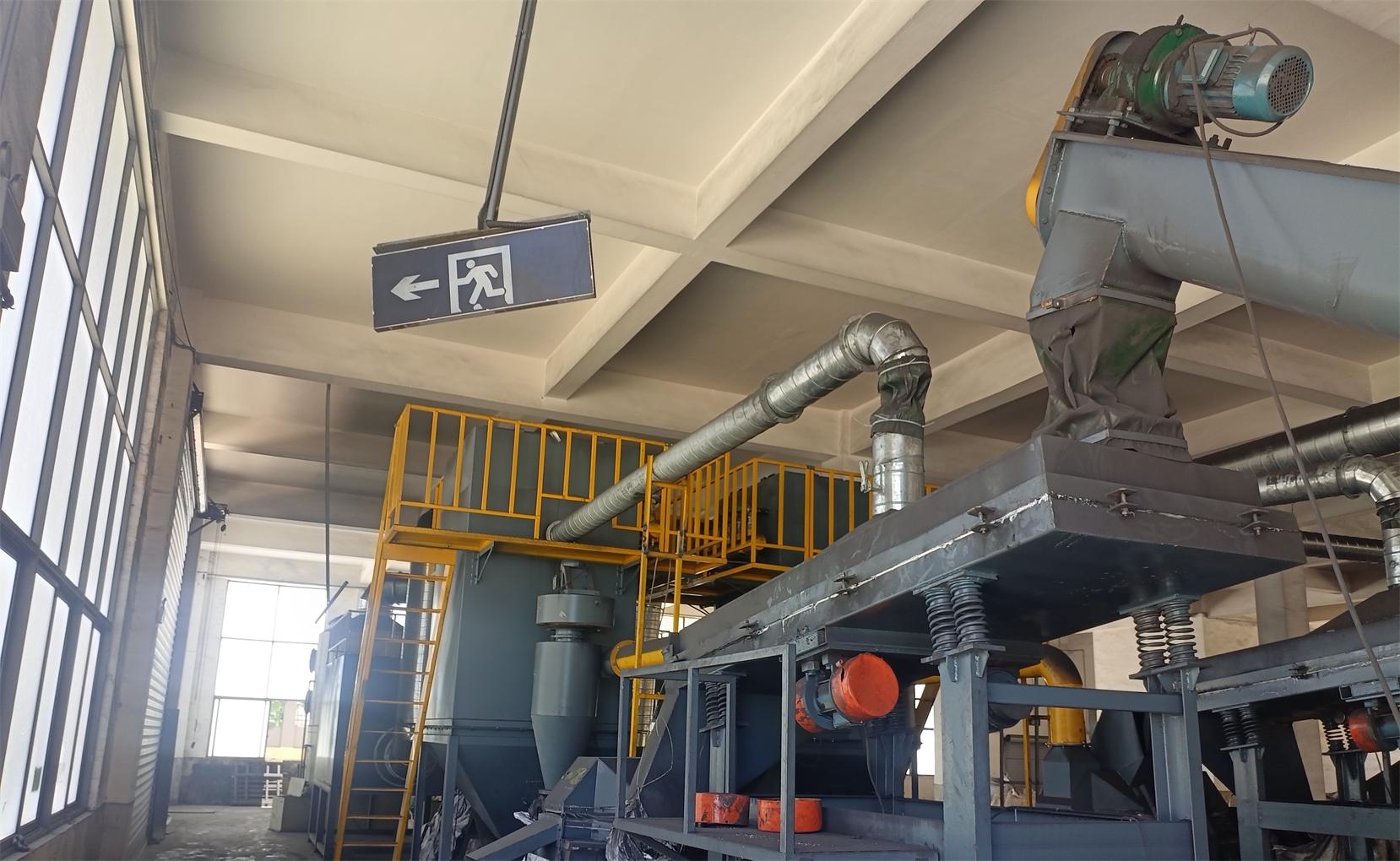
- Separation Technology — Modern cable recyclers typically use a combination of mechanical crushing, air separation, and sometimes electrostatic or water-based separation. Dry separation systems are preferred for their lower environmental footprint and simpler operation, while wet systems can achieve higher purity when processing complex mixed materials.
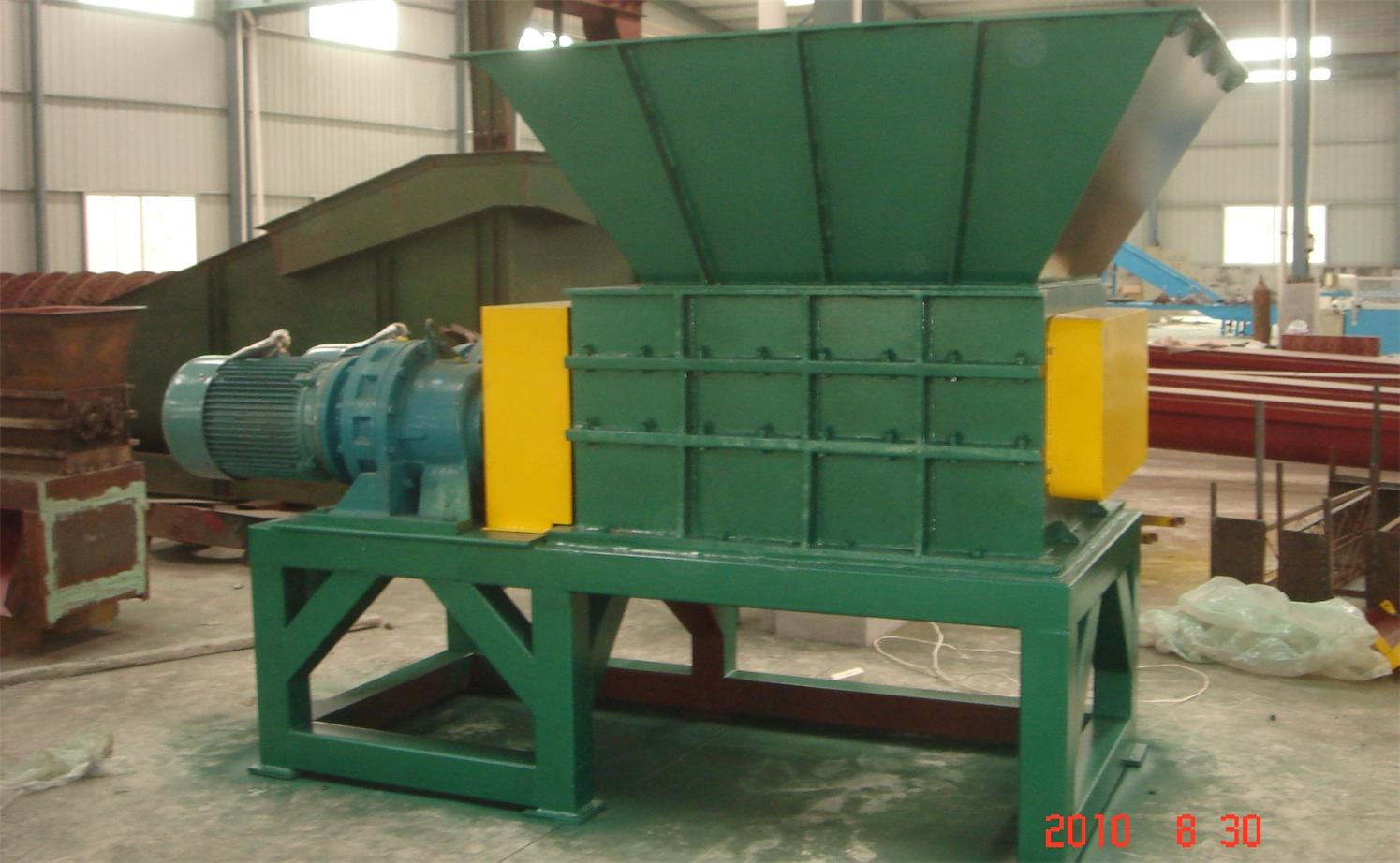
- Input Material Flexibility — The best cable recycling plant configurations can handle a range of wire diameters and insulation types—from thin telecom wires to thick armored power cables. Look for systems with adjustable crusher gaps and multiple screening stages.
- Dust and Noise Control — Cable shredding and grinding generate dust and noise. Ensure the equipment includes effective dust collection systems and acoustic enclosures to meet local workplace safety and environmental regulations.
San Lan Technologies: Cable Recycling Solutions Built on Experience
Founded in 2007, San Lan Technologies Co., Ltd has spent nearly two decades designing and manufacturing WEEE recycling machinery and mining equipment for customers in more than 21 countries. The company’s cable recycling product line reflects this deep engineering experience.
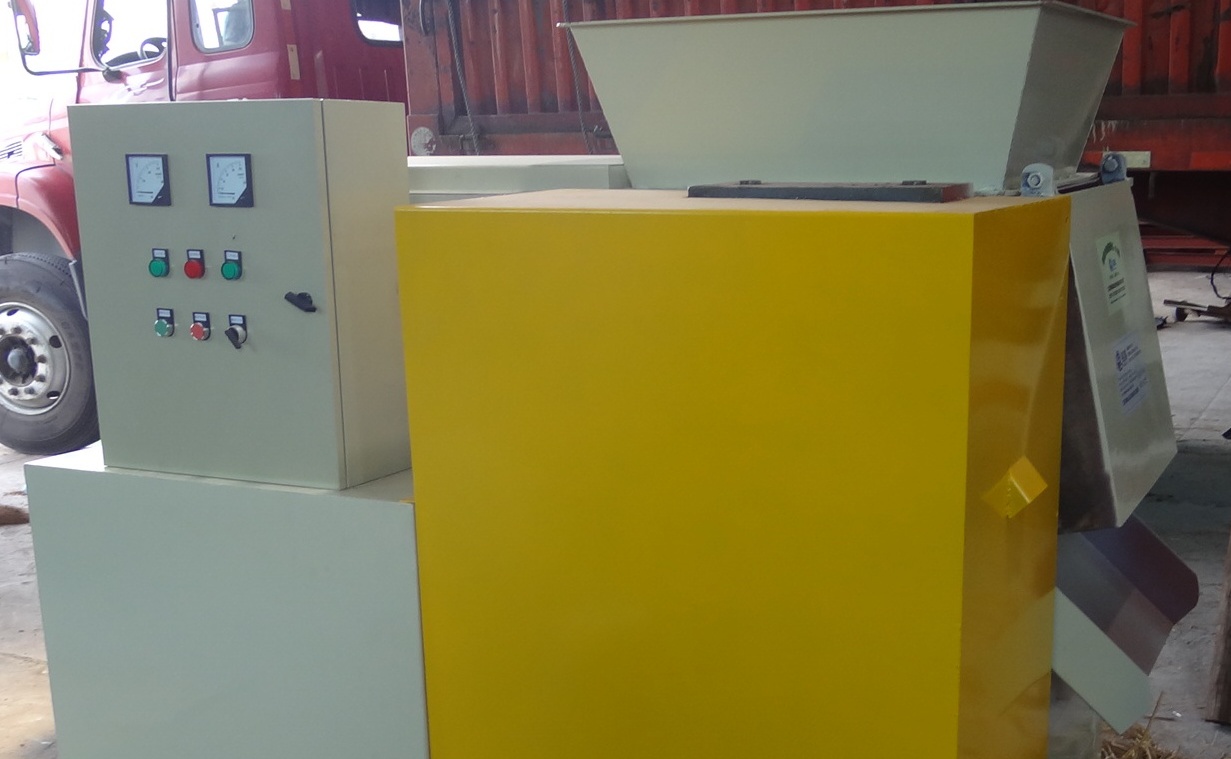
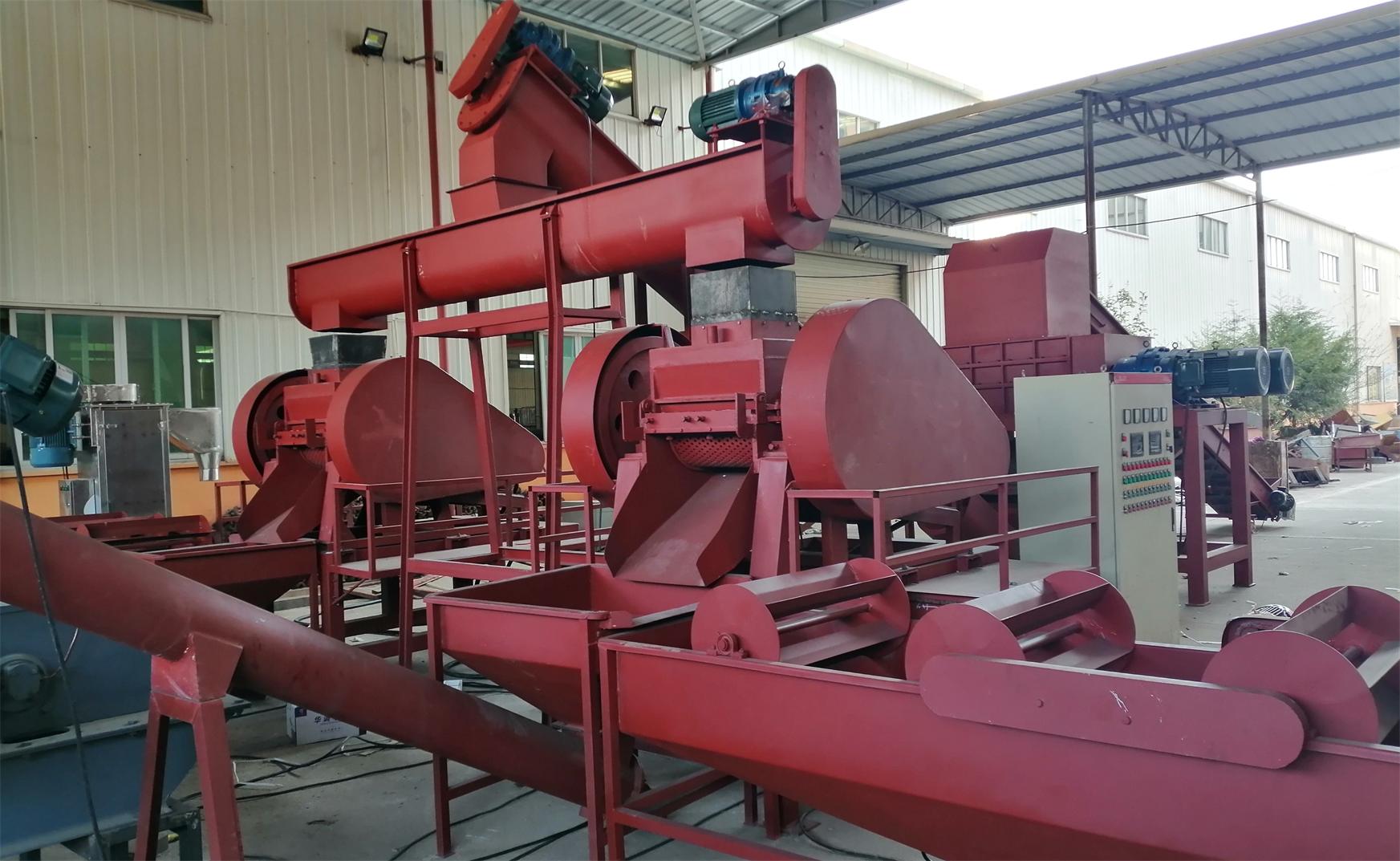
San Lan offers a comprehensive range of cable recycling equipment, from manual and semi-automatic scrap cable strippers for entry-level operators to fully automated cable granulator plants for high-volume processors. Popular models include the compact WCD-200C cable granulator with dry separator, the high-capacity WCD-1200S cable recycling machine, and the versatile WCD-600S granulator system.
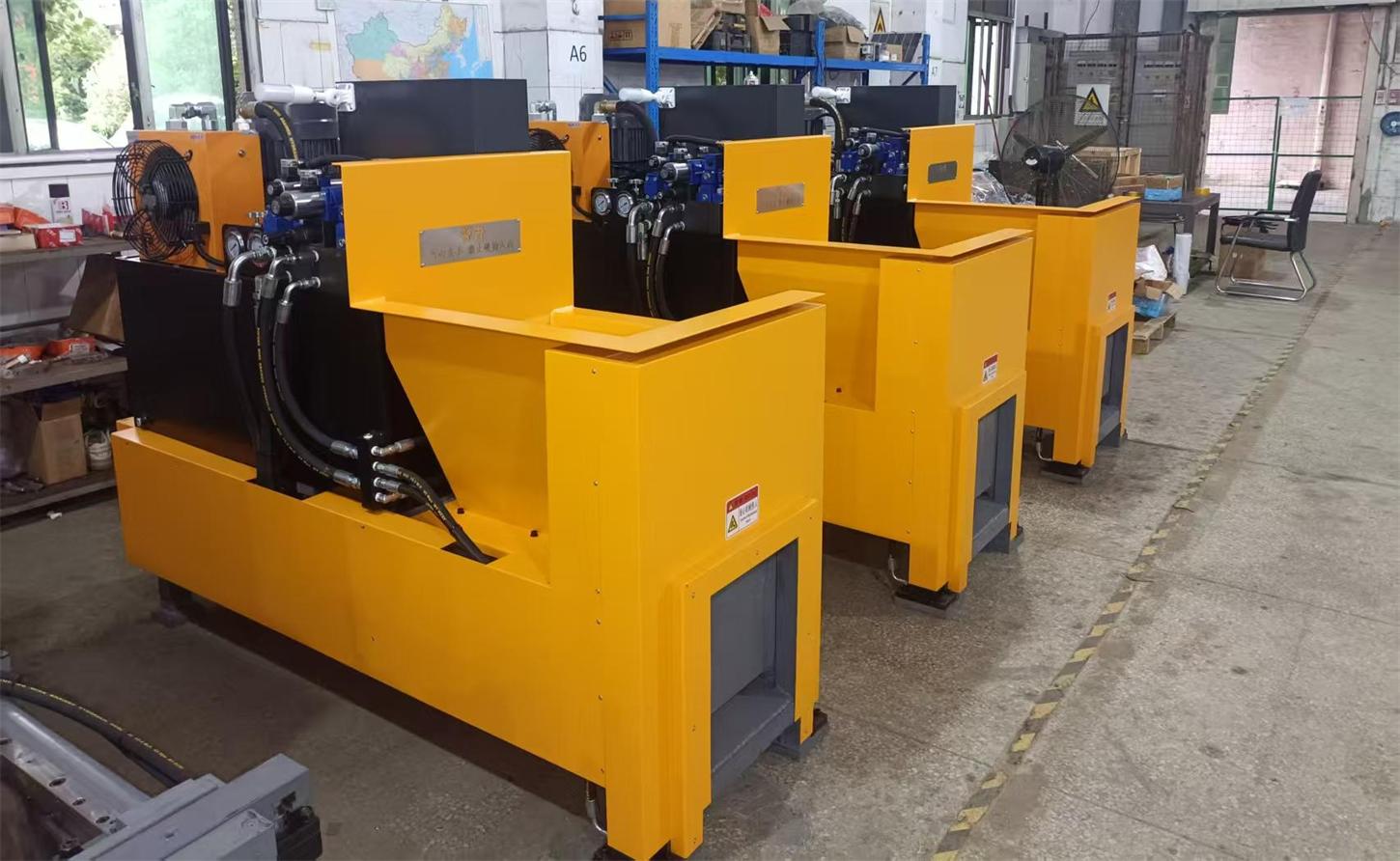
For operations dealing with jelly-filled telecom cables, the WCW-500J recycling plant provides specialized processing capabilities. Pre-processing options include hydraulic scrap cable strippers such as the D01-6B, D01-8A, and D01-8B series, which efficiently remove insulation from large-diameter cables before granulation.
What distinguishes San Lan’s approach is the company’s end-to-end project capability. With a technical team holding master’s degrees in mechanical engineering and over 15 years of hands-on experience in e-waste recycling machines, San Lan supports customers through equipment selection, customized plant design, installation, commissioning, and after-sales service. The company also assists clients with sourcing scrap materials and finding buyers for recovered copper and plastic products.
Practical Tips to Improve Separation Efficiency
Even with high-quality equipment, operational discipline determines your bottom line. Here are proven methods to minimize sorting losses and maximize metal recovery:
- Standardize Installation and Setup — Place the granulator on a level surface and calibrate the vibrating separator bed angle and screen aperture to match your typical feedstock. A misaligned separator allows copper particles to escape with the plastic fraction.
- Fine-Tune Airflow Parameters — If your system uses air separation, adjust the frequency converter to match airflow and amplitude precisely. Excessive airflow blows small copper particles into the plastic stream; insufficient airflow leaves copper strands in the output. Finding the sweet spot requires patience but pays dividends in recovery rates.
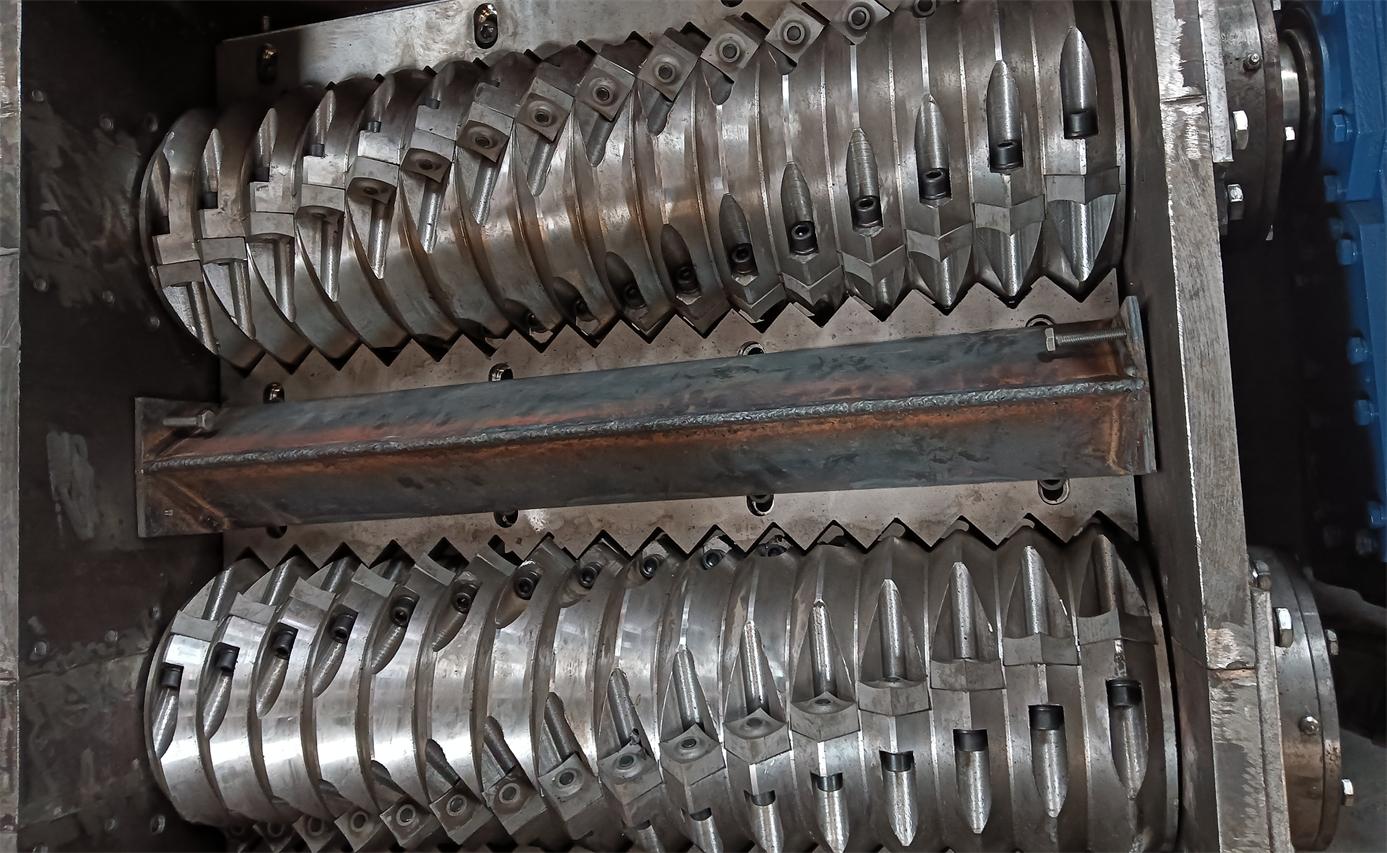
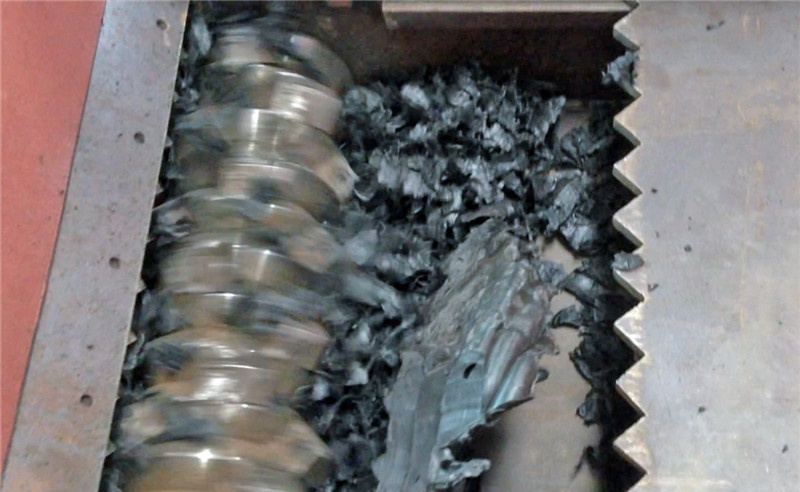
- Maintain Crushing Blades on Schedule — Dull blades tear rather than cut, producing irregular particles that complicate separation. Sharpen or replace blades quarterly, and adjust the gap between moving and stationary blades according to wire diameter. Uniform particle size is the foundation of efficient sorting.
- Consider Secondary Purification — For operations requiring maximum purity, adding an electrostatic separator after primary air separation can remove residual copper from the plastic fraction. This upgrade is particularly valuable when selling plastic pellets to demanding buyers.
- Implement Preventive Maintenance — Stop the line regularly to inspect fasteners, clean accumulated debris from screens and conveyors, and lubricate bearings. A 15-minute daily cleaning routine prevents hours of unplanned downtime.
The Bottom Line
Cable recycling is a resilient, environmentally responsible business with strong fundamentals. Success depends on selecting reliable cable recycling equipment and operating it with discipline. San Lan Technologies offers the product range, engineering depth, and international project experience to help both newcomers and established recyclers achieve their production and profitability goals.
Ready to start or upgrade your cable recycling operation?
Contact San Lan Technologies at info@san-lan.com or via WhatsApp at +86 139 2377 4083. The team welcomes inquiries in both English and Chinese and can provide customized quotations based on your material types and target capacity.