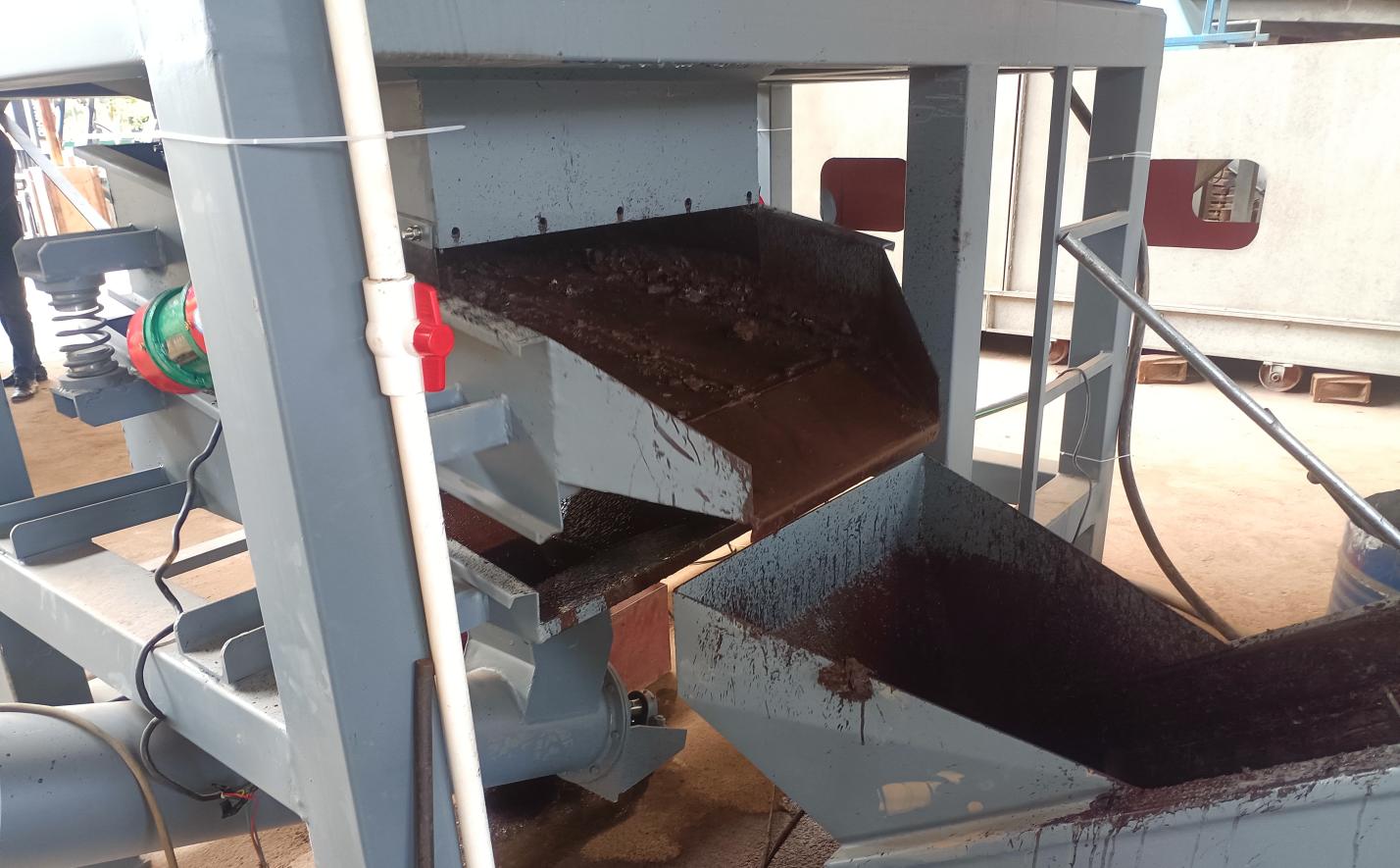
Every year, millions of tons of waste cables and wires are discarded worldwide from construction sites, power grid upgrades, telecommunications projects, and end-of-life electronics. Buried within this waste is a valuable resource: high-purity copper and aluminum. For recycling entrepreneurs and established plant operators alike, investing in the right cable recycling equipment is the critical first step toward turning scrap into profit while supporting environmental sustainability.
Why Cable Recycling Represents a Growing Opportunity
The global push for resource circularity has put metal recycling at the center of waste management strategies. Copper, in particular, maintains strong market demand due to its essential role in electrical infrastructure, renewable energy systems, and electric vehicles. Rather than mining virgin ore, recovering copper from waste cables offers a fraction of the environmental impact and increasingly competitive economics.
Waste cables come in many forms, each presenting unique processing requirements. Thick industrial power cables contain large-diameter copper conductors, while household wiring and communication cables are thinner and often mixed with aluminum. Jelly-filled telecommunications cables require specialized handling. A well-designed recycling line must accommodate this diversity to maximize recovery rates and minimize material loss.
Key Factors When Evaluating Cable Recycling Machines
Not all cable recycling machine systems deliver the same results. Buyers should evaluate equipment across several practical dimensions before making a purchase decision.
Processing capacity and flexibility. Small workshops handling a few hundred kilograms per day have different needs than industrial plants processing several tons hourly. Look for equipment with scalable capacity and the ability to process mixed cable types without constant reconfiguration.
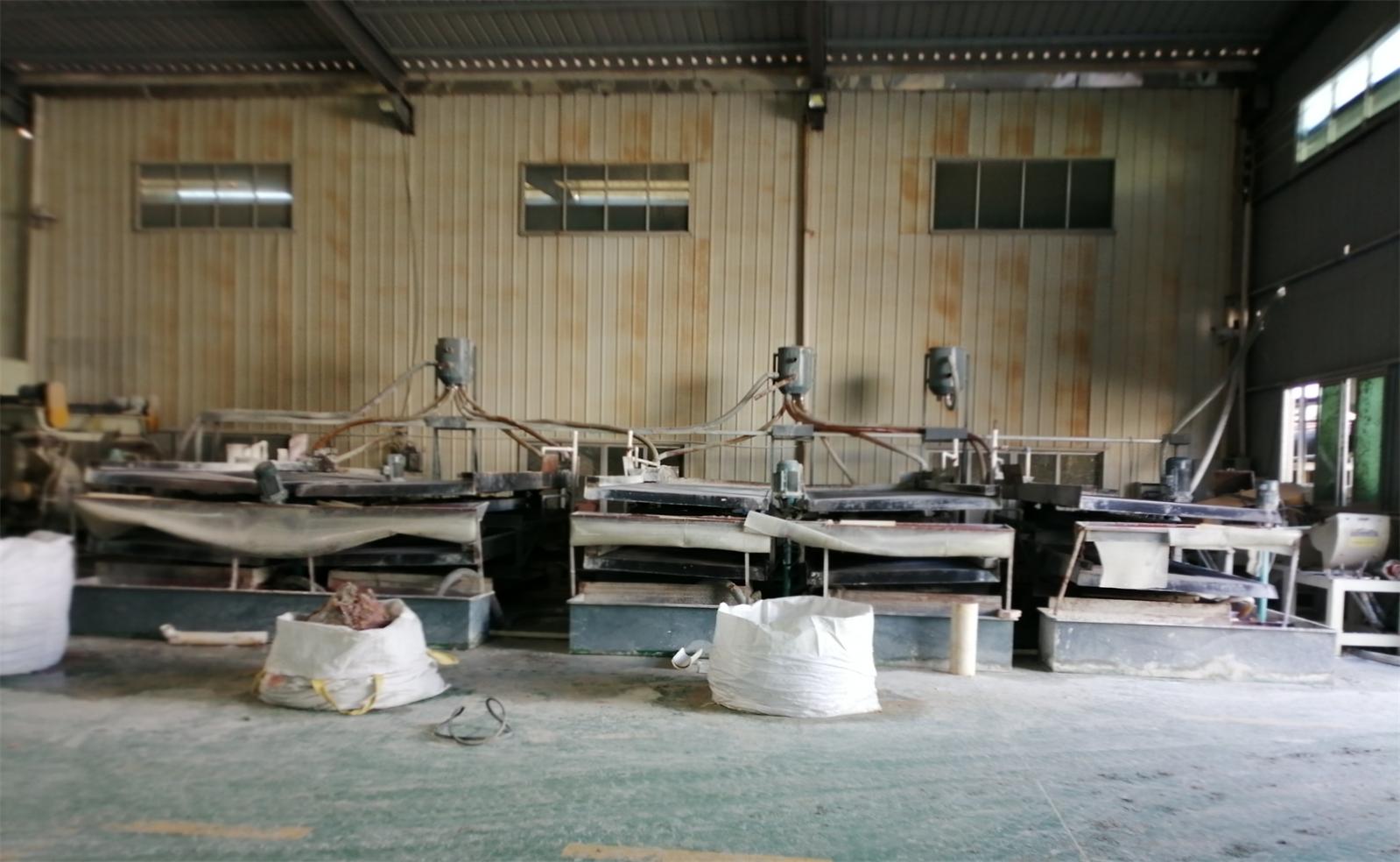
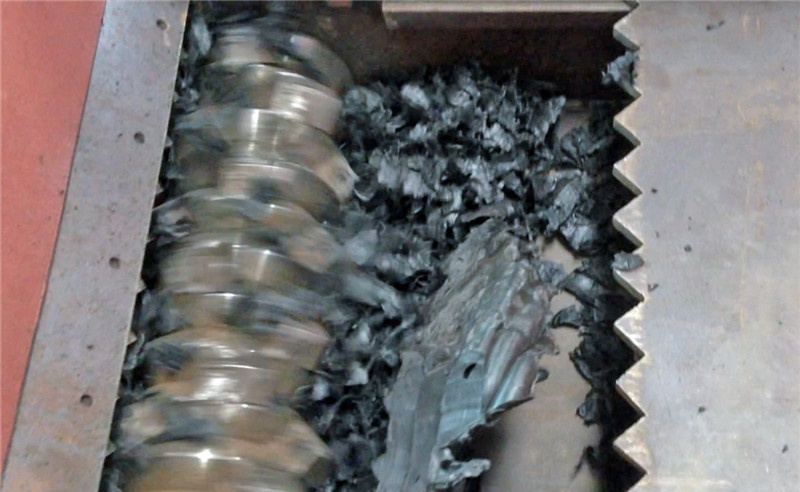
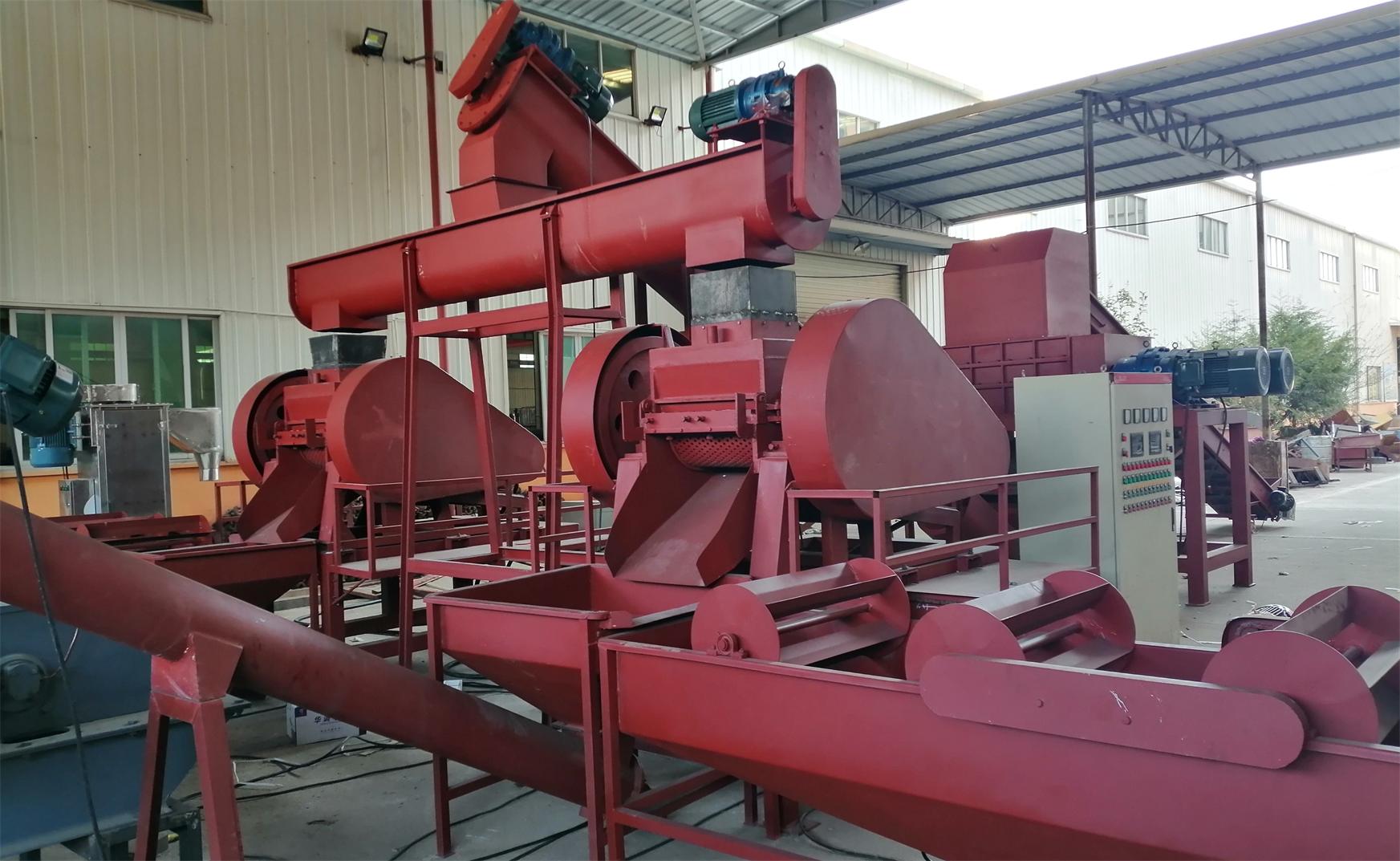
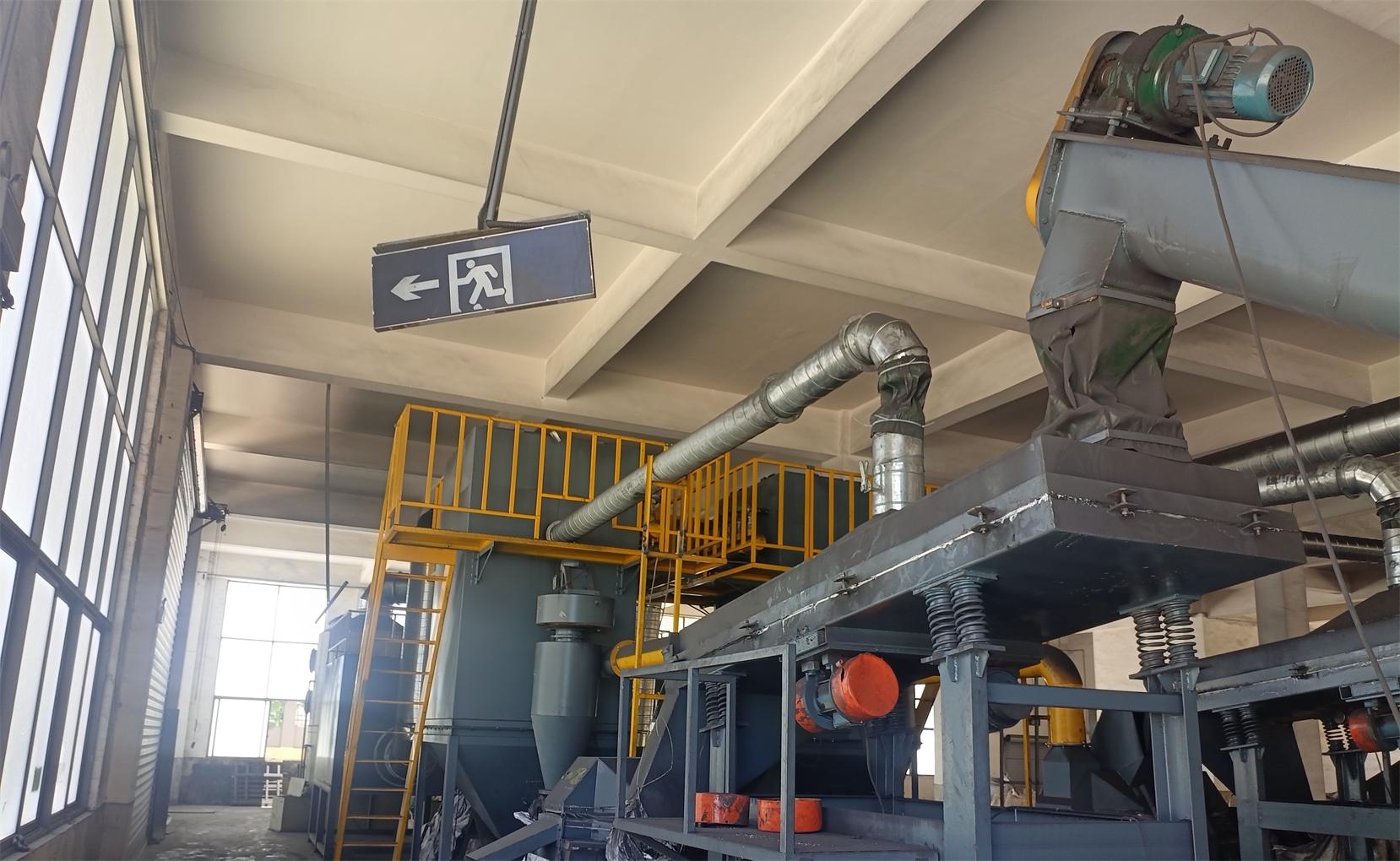
Separation efficiency. The core purpose of any cable granulator is separating metal from plastic insulation. Advanced dry separation systems using air classifiers and vibrating screens achieve copper purity levels of 96-98 percent, which directly impacts resale value.
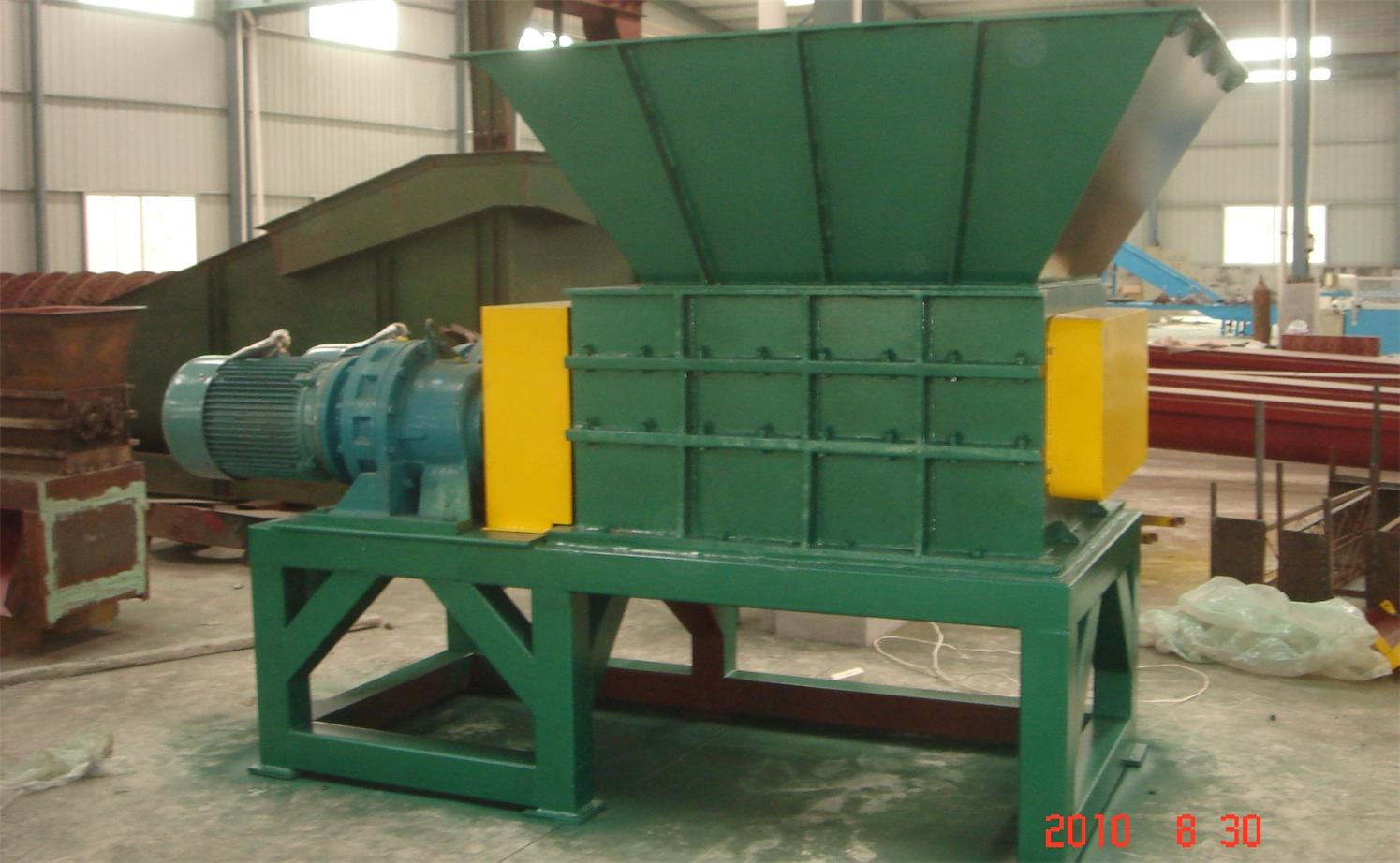
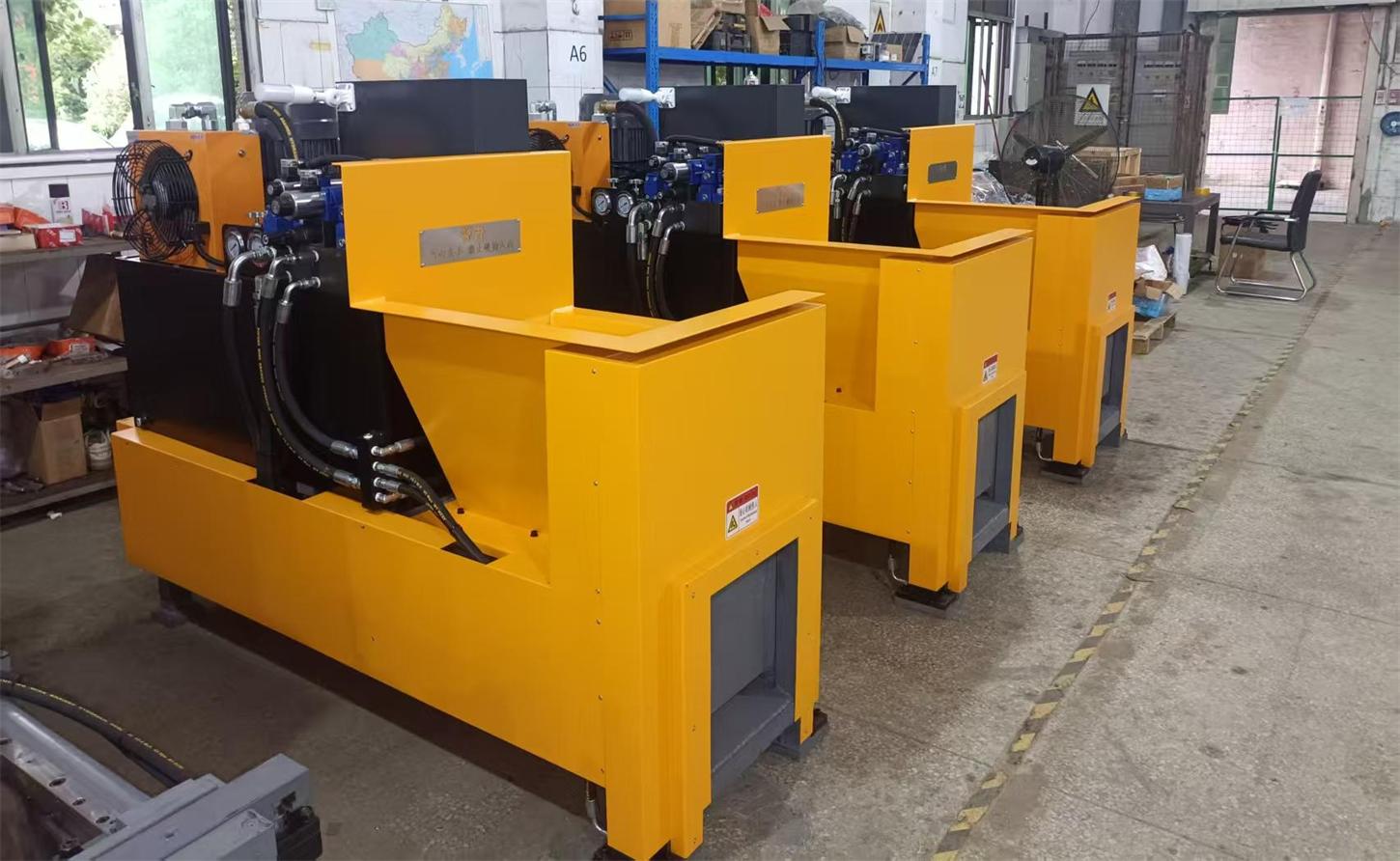
Pre-processing capabilities. Large-diameter industrial cables often cannot be fed directly into a granulator. Integrated stripping machines or pre-shredders that handle thick outer jackets and armored layers significantly improve overall line efficiency.
Dust and emission control. Cable shredding generates fine plastic dust and occasional metal particles. Effective pulse-bag dust collection and cyclone separation protect worker health, ensure regulatory compliance, and prevent material loss.
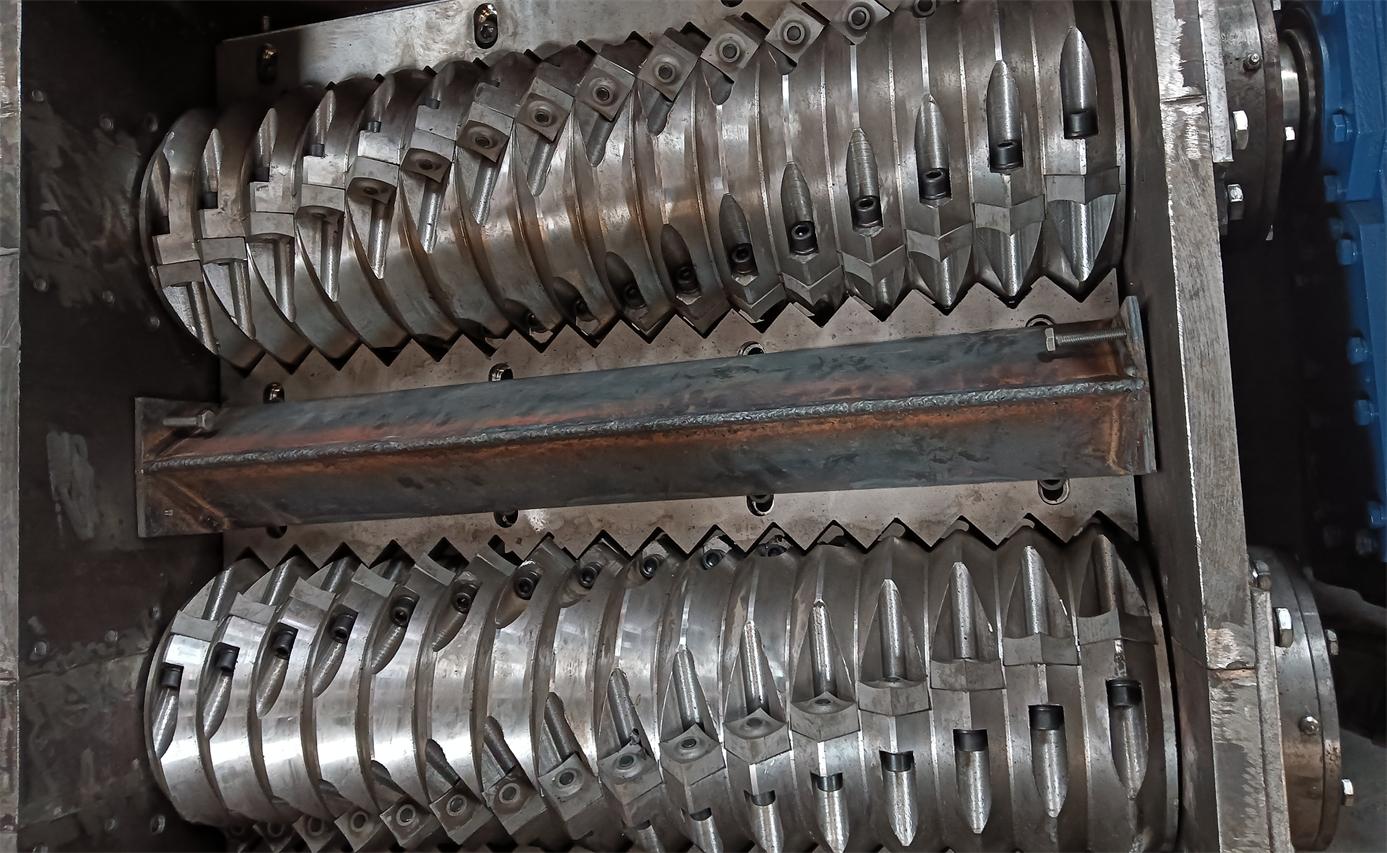
Operational durability. Recycling equipment operates in demanding conditions. Blade hardness, motor specifications, and frame construction determine maintenance frequency and machine lifespan. Look for hardened steel components and reputable motor brands.
San Lan Technologies: Cable Recycling Solutions Built on Experience
San Lan Technologies Co., Ltd, established in 2007 and headquartered in Ganzhou, Jiangxi Province, China, has spent nearly two decades developing practical recycling machinery for operators across more than twenty countries. Their copper wire recycling machine lineup reflects hands-on understanding of what plant operators actually need.
Granulators for every scale:
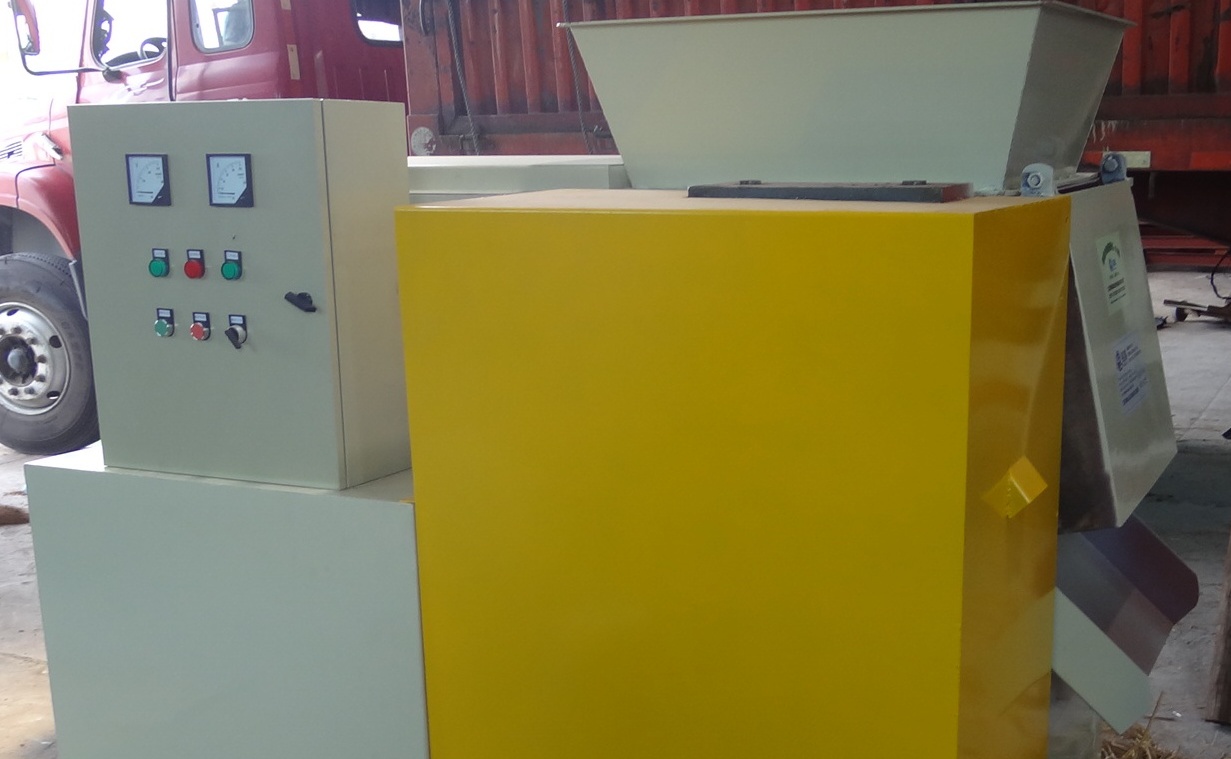
- Compact cable granulator WCD-200C with dry separator for small to medium operations
- Cable granulator WCD-600S for mid-capacity processing lines
- Cable granulator WCD-1200S for higher throughput requirements
- WCD-100C compact unit suitable for workshops with limited floor space
For operations dealing with large-diameter feed material, San Lan offers a full range of scrap cable strippers including the D01-6B, D01-8A, and D01-8B series, plus the heavy-duty MX-D01-6Y6 and MX-A02-8F3 models. These units handle cable diameters from 1.5 millimeters up to 150 millimeters, preparing thick industrial cables for efficient granulation.
Specialized applications are also covered. The jelly-filled cable recycling plant WCW-500J addresses the specific challenges of telecommunications cable waste, while the WCW-001 cable recycling plant provides a complete integrated solution for general-purpose operations.
Beyond Machines: Turnkey Project Support
Equipment purchase is only one element of a successful recycling operation. San Lan distinguishes itself through comprehensive project support that extends far beyond machine delivery. Their technical team includes mechanical engineering specialists with over fifteen years of direct experience in e-waste recycling plant design and operation.
For clients undertaking larger investments, San Lan provides full EPC, Engineering, Procurement, and Construction services covering customized plant design, equipment integration, installation supervision, and commissioning. This turnkey approach reduces the coordination burden on new entrants and helps experienced operators expand capacity with confidence.
The company also offers practical business development assistance that many equipment suppliers ignore. Their team helps customers source reliable waste material streams, including cable scrap, PCB scrap, and used lead acid batteries. On the output side, they assist with marketing recovered products such as copper rice, copper powder, and lead ingots to established buyers. For entrepreneurs seeking to build or expand recycling facilities, San Lan actively seeks investors and construction partners to bring projects to fruition.
Making the Right Investment Decision
Choosing cable recycling equipment requires balancing upfront capital, expected throughput, material mix, and local market conditions. Start by auditing your expected feedstock: cable types, diameters, daily volumes, and contamination levels. Then match these requirements to equipment specifications rather than making generic purchases based on price alone.
Consider total cost of ownership over a five-year horizon. Lower-priced machines with inferior separation efficiency or higher maintenance demands often prove more expensive in the long run when lost metal recovery and downtime are factored in. Request detailed technical specifications, visit manufacturing facilities when possible, and speak with existing operators using the equipment under consideration.
Ready to explore cable recycling equipment for your operation? San Lan Technologies offers a full range of cable granulators, strippers, and integrated recycling plants backed by nearly twenty years of manufacturing experience and comprehensive project support. Contact their team via email at info@san-lan.com or through WhatsApp at +86 139 2377 4083 to discuss your material requirements and find the equipment configuration that matches your business goals.