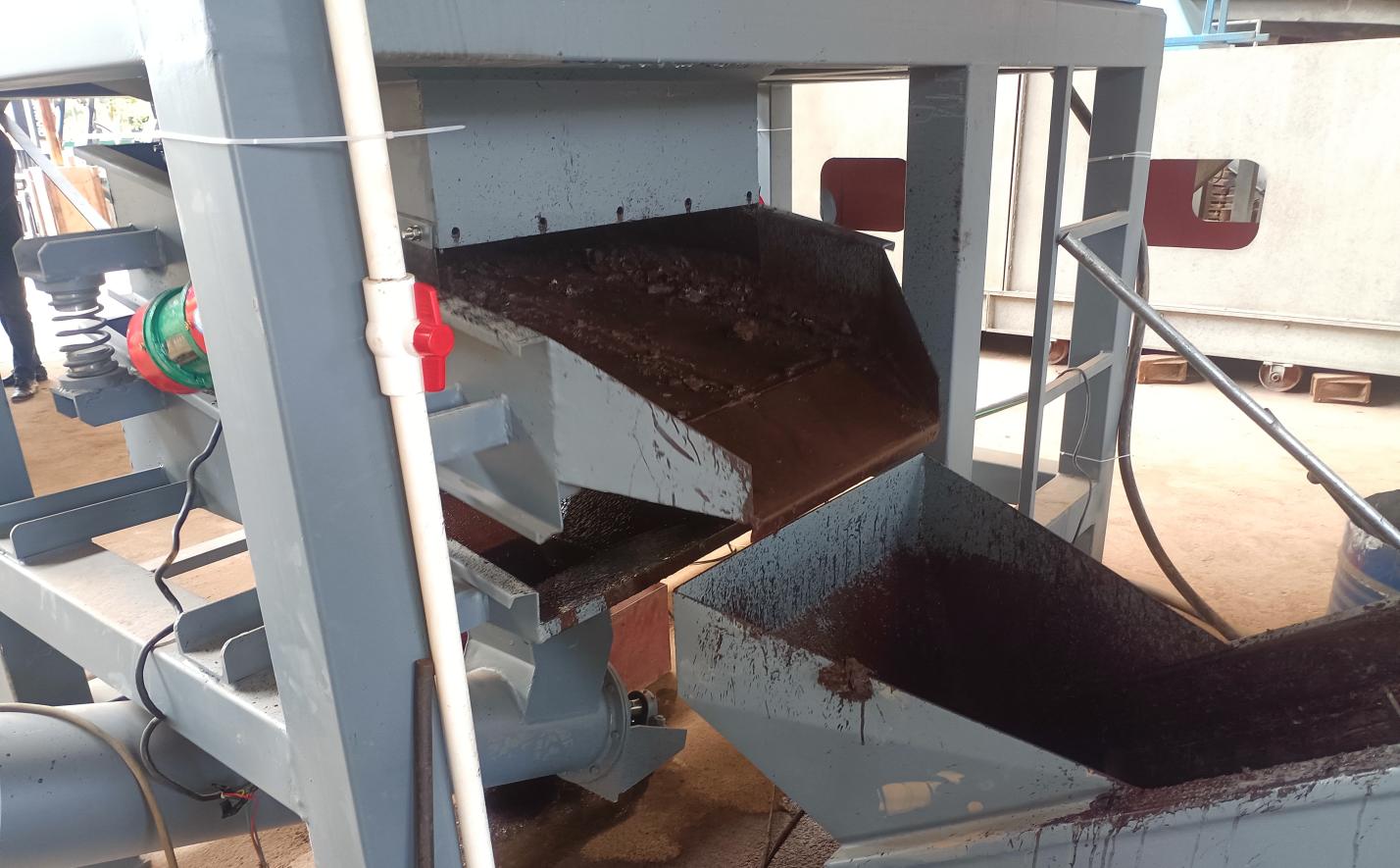
Discover how the right machinery and engineering partnerships turn electronic waste into profitable, environmentally compliant resource recovery operations.
The surge in global electronics consumption has created an unprecedented waste challenge—and an equally significant business opportunity. Every year, millions of tonnes of end-of-life electronics, batteries, and cables pile up in landfills, locking away valuable metals like copper, gold, lead, and lithium. For operators entering the recycling sector, the difference between a marginal operation and a highly profitable one often comes down to one factor: selecting the right equipment.
Whether you are building a new recycling plant or upgrading an existing line, understanding which machines match your feedstock, capacity targets, and environmental regulations is critical. This guide breaks down the core equipment categories and shows what to look for when investing in a long-term recycling solution.
Lead Acid Battery Recycling: A High-Volume Opportunity
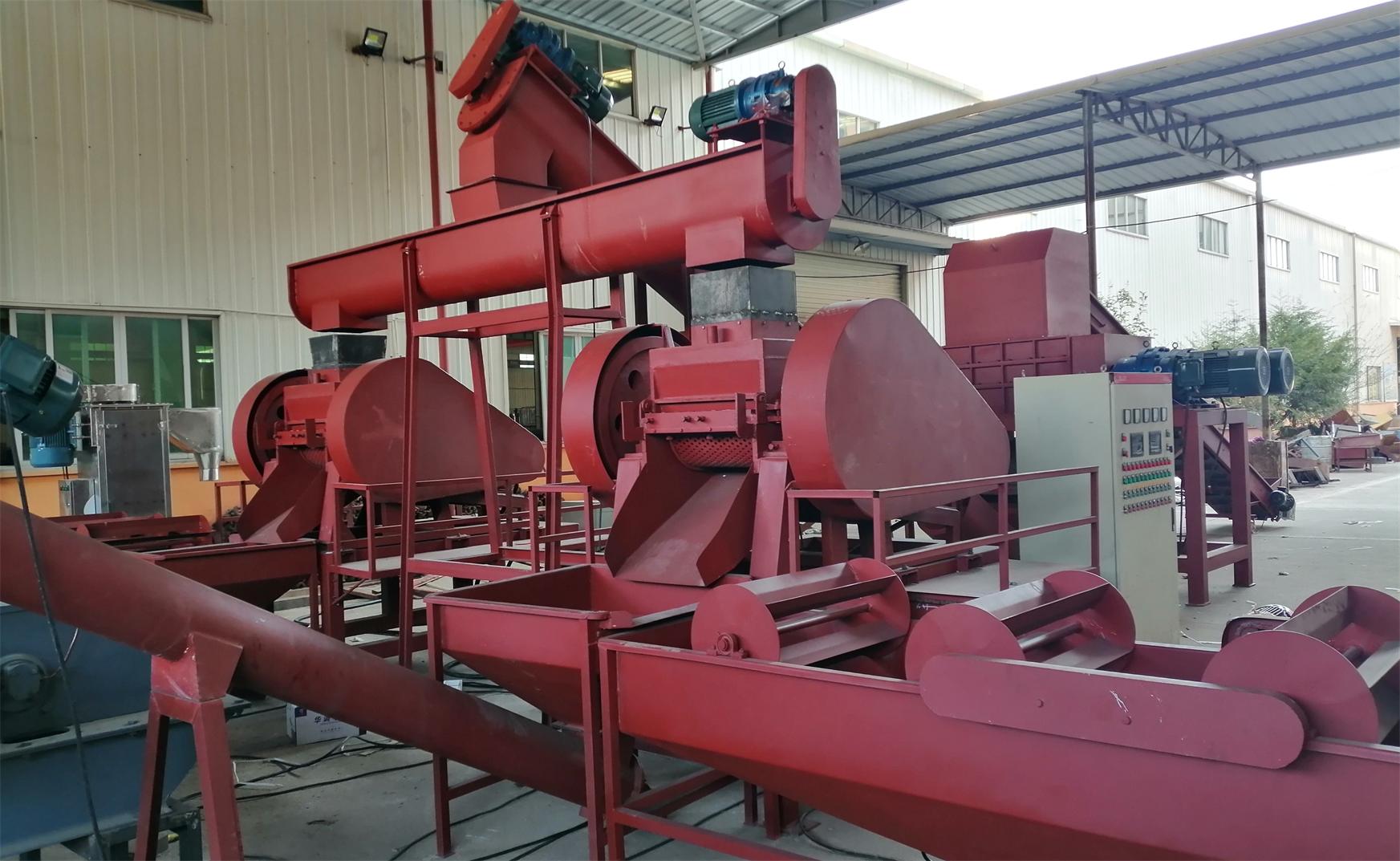
Used lead acid batteries (ULAB) remain one of the most recycled consumer products globally. A complete lead acid battery recycling equipment line typically begins with a breaking and separation system that crushes batteries and classifies acid, lead paste, lead grids, and plastic shells. Capacity usually ranges from 1 to 10 MT per hour.
Downstream, rotary furnaces or blast (cupola) furnaces reduce lead paste into crude metallic lead, with recovery rates reaching 95% at temperatures up to 1800°C. For operators targeting battery-grade purity, a lead refinery kettle furnace can refine crude lead to 99.999% purity. Modern electric heated refinery kettles use near-infrared heating technology, offering energy savings of 30–50% compared to conventional fuel-heated units.
Supporting systems matter just as much as the core line. A de-sulfurization unit removes sulfur from PbSO4 before smelting, which lowers melting temperatures, cuts SO2 emissions, and reduces additive costs. Paired with an air pollution control system and a water treatment plant, the entire operation can meet strict environmental requirements while maintaining high throughput.
Lithium Battery Recycling: Capturing Critical Materials
As electric vehicles and consumer electronics expand, lithium-ion batteries have become the fastest-growing waste stream in the recycling industry. Unlike lead acid systems, lithium battery recycling demands precise handling to recover black mass—a mixture containing nickel, cobalt, and graphite—along with separated copper, aluminum, and plastic.
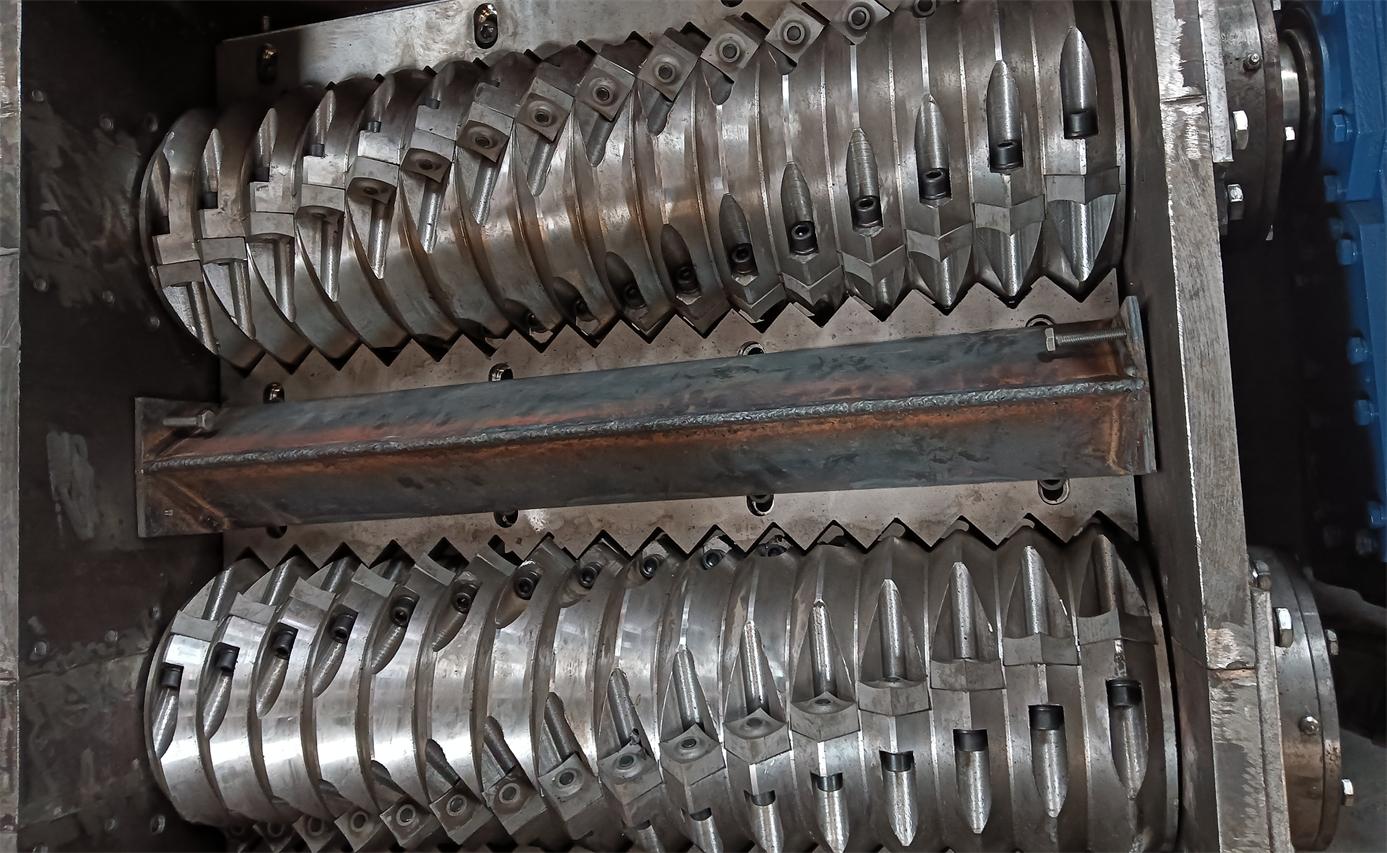
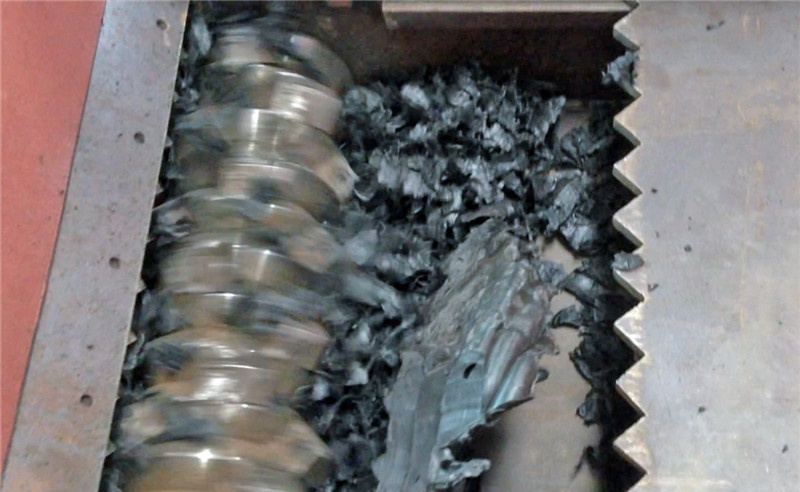
A standard li battery recycling equipment setup includes discharging stations, pre-crushers, secondary granulators, and magnetic separators. Advanced lines then use air separation and screening to isolate black powder from metallic fractions. Capacities typically range from 500 to 2,500 kg per hour.
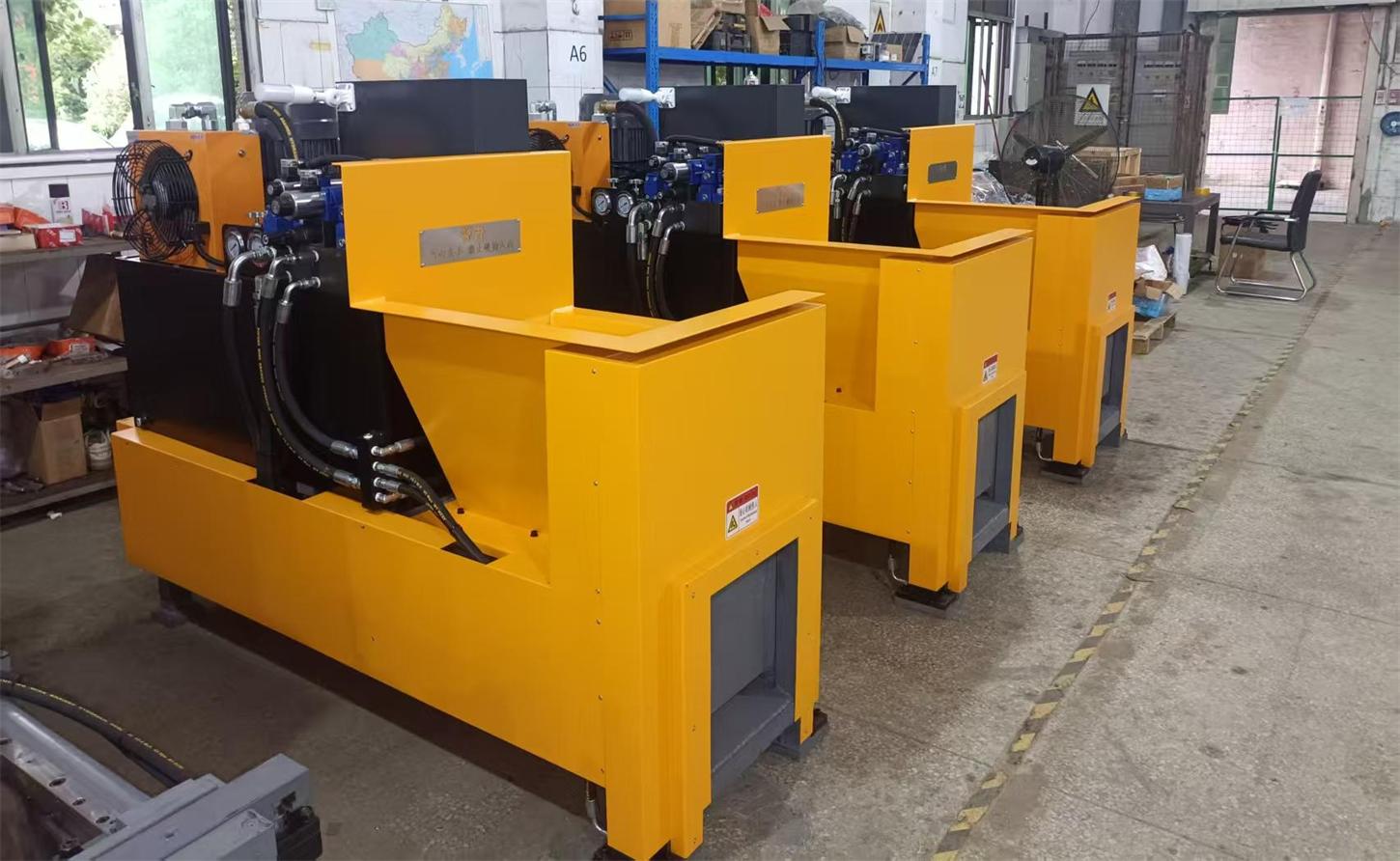
Because lithium battery crushing releases harmful gases, an integrated air pollution control system is non-negotiable. Additionally, plastic separator films can be collected via a pneumatic conveying system and compressed into dense blocks using a hydraulic briquetter, achieving volume compression ratios of 10:1. This not only reduces waste volume but also creates a sellable plastic by-product.
Circuit Board Recycling: Unlocking Precious and Base Metals
Printed circuit boards (PCBs) contain some of the highest concentrations of copper and precious metals found in any e-waste category. The right circuit board recycling equipment can transform PCB scrap into high-purity copper powder and precious metal concentrates.
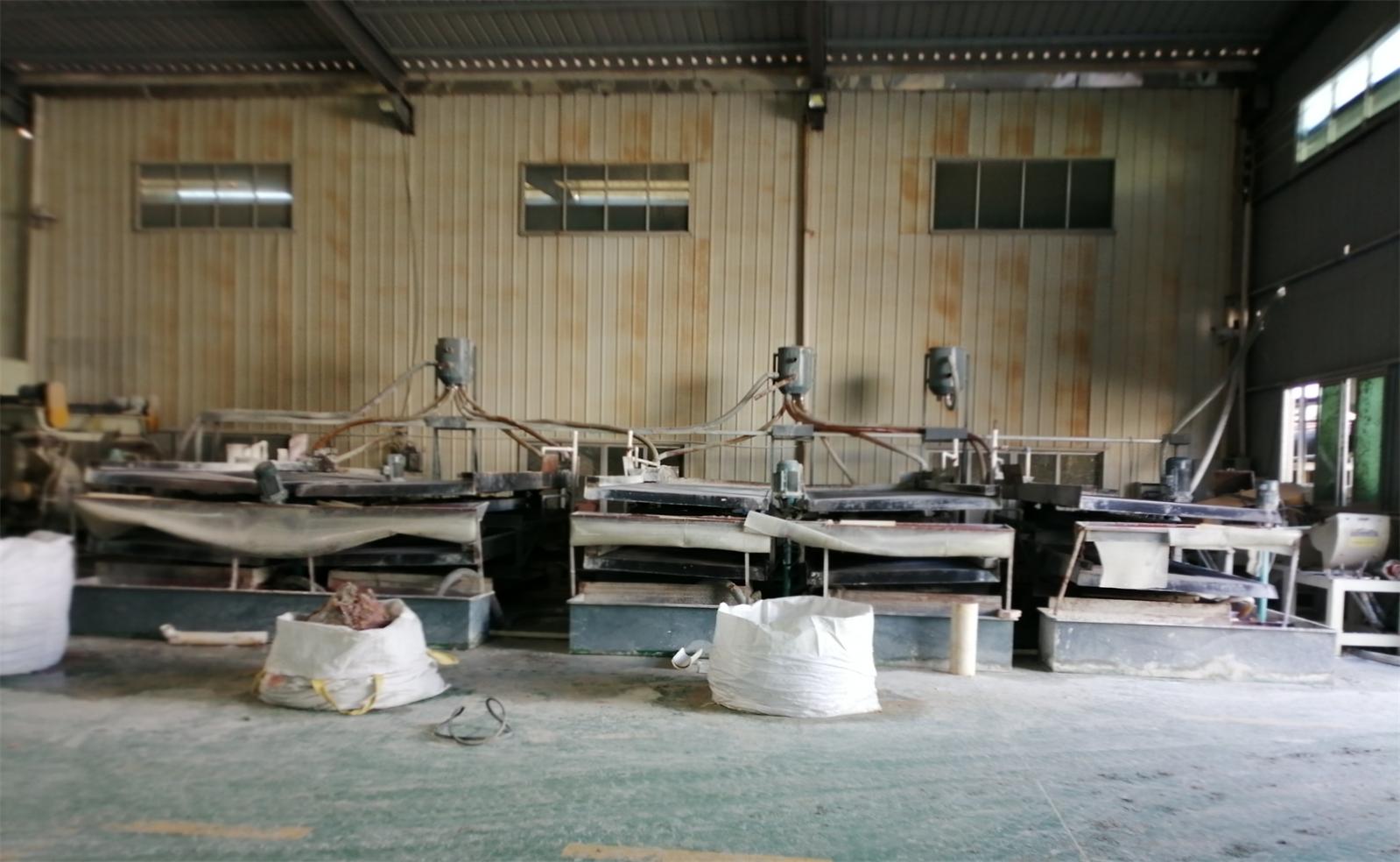
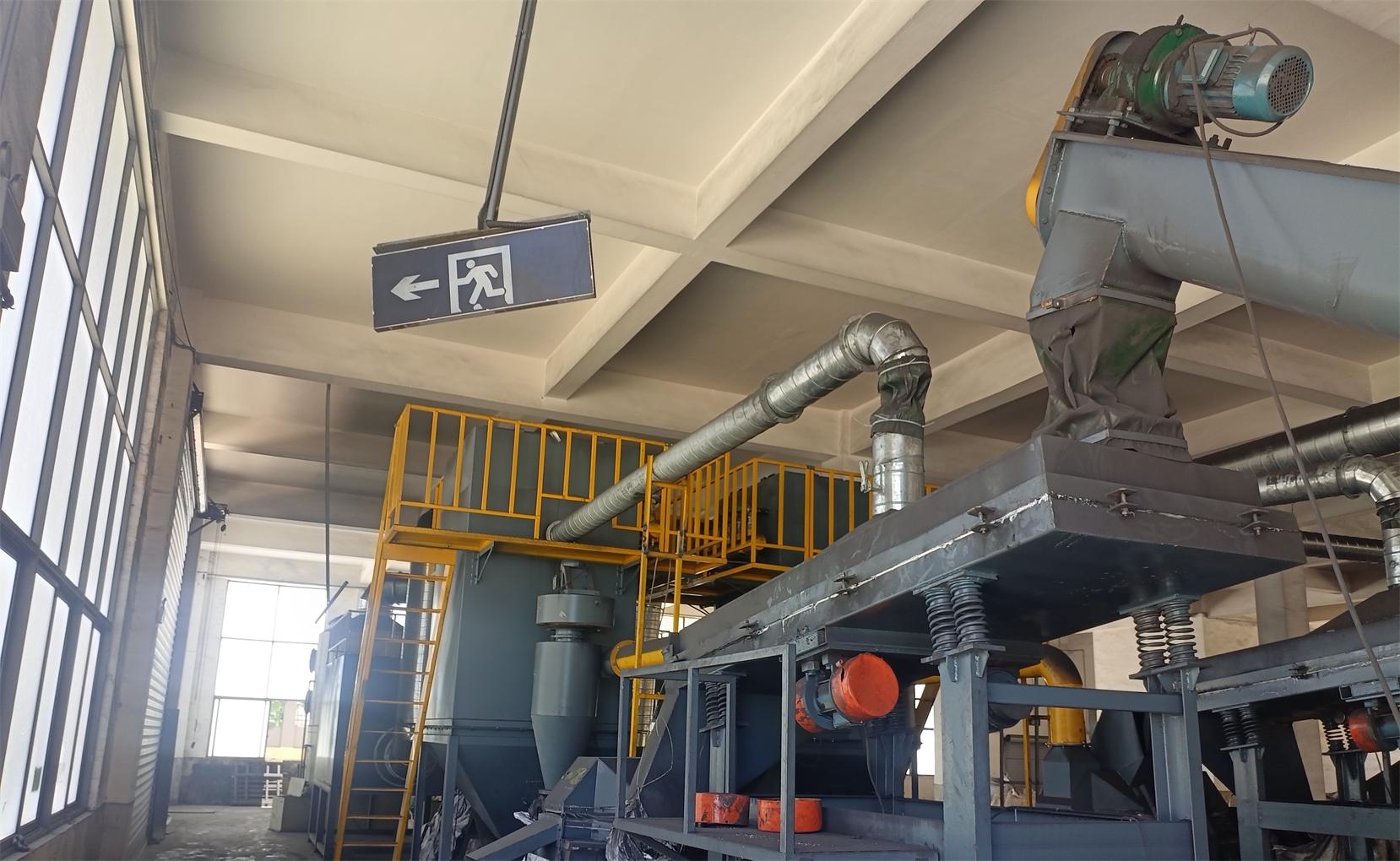
Operators can choose between dry and wet separation technologies. Dry systems use air separators, vibrating screens, and electrostatic separators, achieving copper powder purity of 96–98% with recovery rates around 95%. These systems generate no dust pollution when paired with cyclone separators and pulse bag dust collectors. Wet separation systems, on the other hand, use water-based metal separation and can process PCB waste even with electronic components still attached. Throughput ranges from 300 kg/hour for compact units up to 2,000 kg/hour or more for industrial-scale plants.
Cable Recycling: Efficient Copper and Aluminum Recovery
Scrap cables represent one of the most straightforward recycling propositions: separate the metal from the plastic insulation and sell both fractions. The equipment spectrum ranges from manual scrap cable strippers for small-diameter wires to fully automated cable granulators with dry separators.
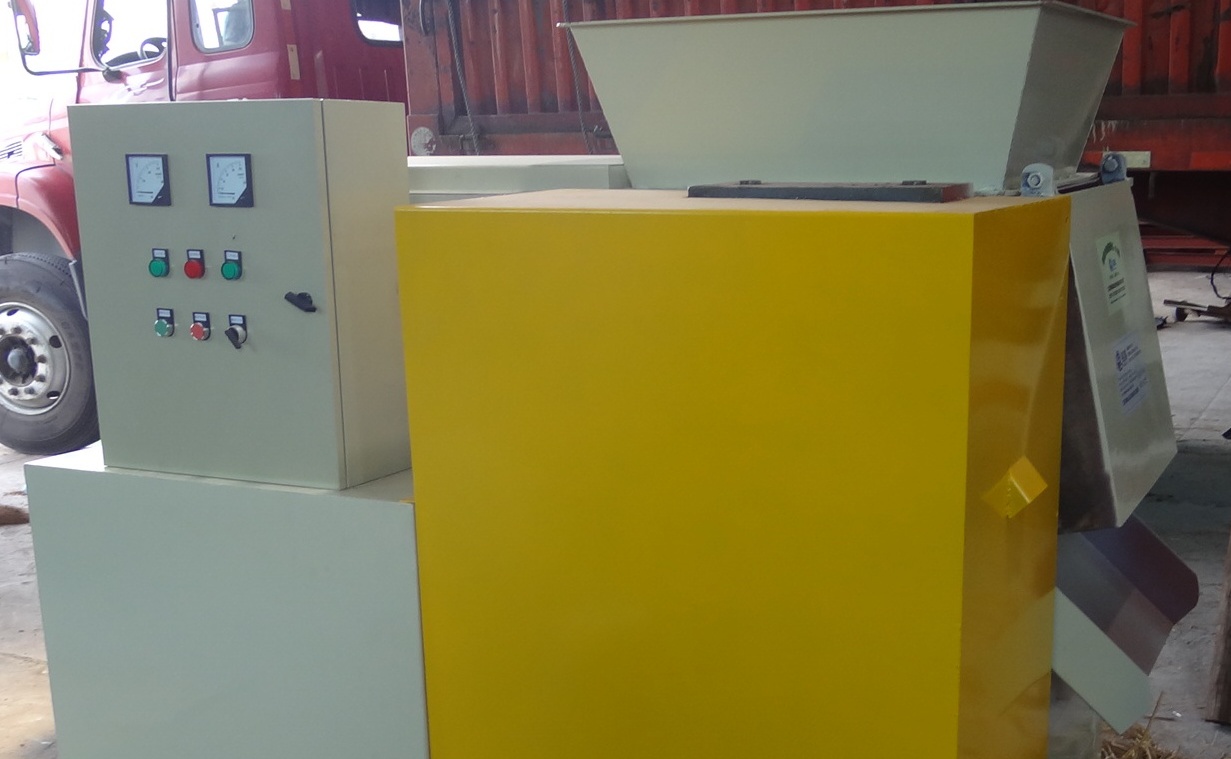
Granulators crush cables into small particles, then use air separation or water separation to isolate copper or aluminum from plastic. Strippers, available in various models handling cable diameters from 1.5 mm to 150 mm, serve as a cost-effective pre-processing step before granulation. For large-scale operations, complete cable recycling plants integrate shredders, granulators, and separation units into a single continuous line.
Beyond the Core Lines: Shredders, Furnaces, and Specialty Equipment
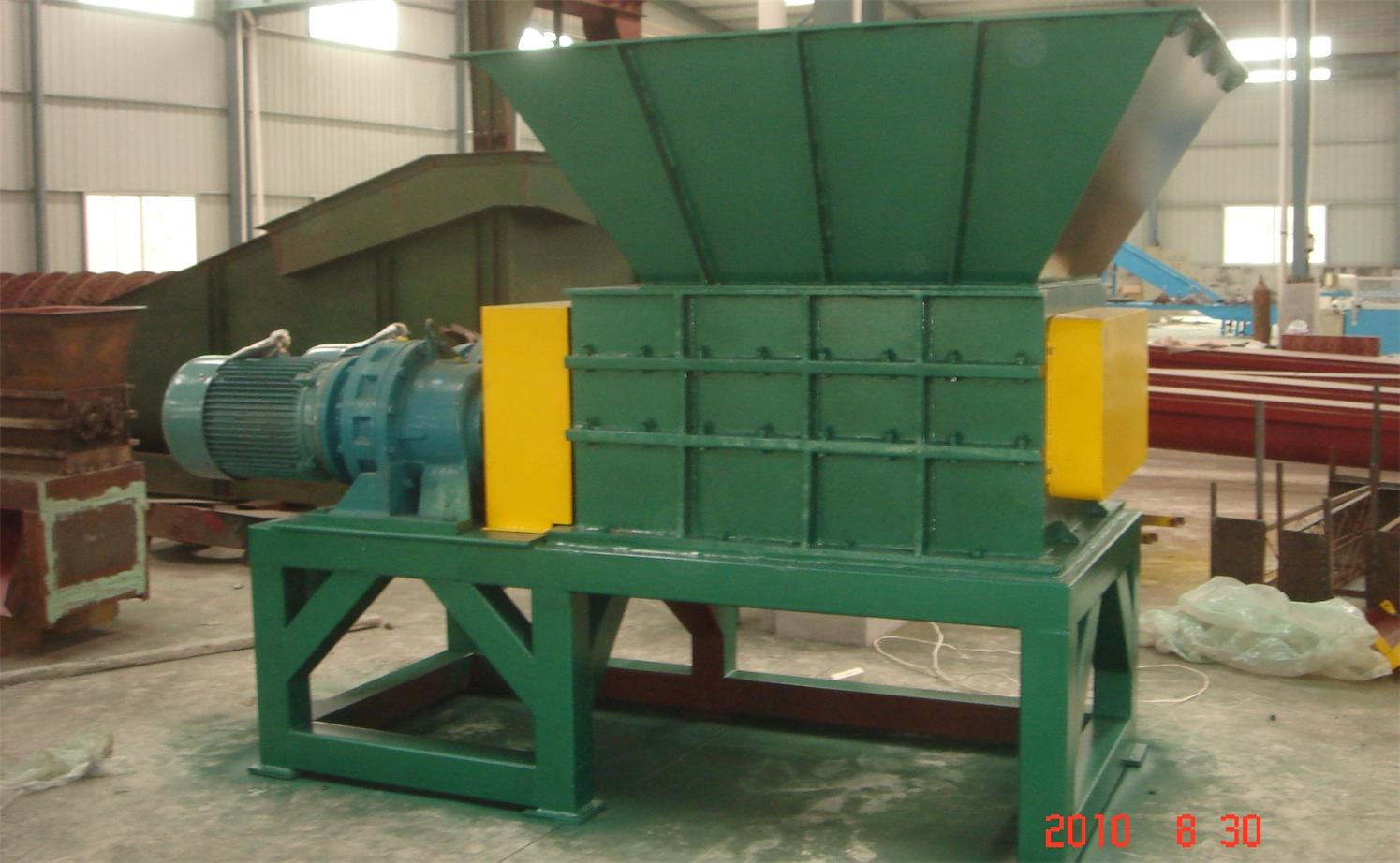
No modern recycling plant operates with a single machine. Pre-shredders and four-shaft shredders handle bulky items like refrigerators, air conditioners, and CRT monitors before they enter dedicated recycling lines. A refrigerator shredding and separating plant, for example, can process 20–30 units per hour while recovering over 90% of iron, copper, aluminum, plastic, and polyurethane foam.
For metal consolidation, hydraulic briquetting machines compress loose metal chips into cylindrical blocks, while hydraulic balers bundle plastics or other recyclables for transport. At the end of the value chain, medium-frequency induction furnaces melt recovered metals into ingots, ready for resale to foundries or manufacturers.
What Separates Great Equipment from Adequate Equipment
When evaluating suppliers, look beyond catalog specifications. Consider these operational factors:
- Recovery rate and purity: Higher recovery directly impacts revenue. Ask for documented performance data, not just theoretical estimates.
- Environmental compliance: Air pollution control, water treatment, and dust collection systems should be engineered into the plant design, not added as afterthoughts.
- Scalability: Start with a mechanical line and expand into pyrometallurgical or hydrometallurgical refining as volumes grow.
- After-sales support: Installation, commissioning, and spare parts availability determine long-term uptime.
Why Experienced Manufacturers Deliver Better Outcomes
San Lan Technologies Co., Ltd, established in 2007, has spent nearly two decades specializing in WEEE recycling machines and mining equipment. With a technical team holding master's degrees in mechanical engineering and over 15 years of hands-on experience in e-waste recycling machines, the company offers more than standalone units—it delivers complete EPC (Engineering, Procurement, Construction) solutions.
San Lan's portfolio spans the full recycling value chain: from lead acid and lithium battery recycling plants to circuit board recycling systems, cable granulators, shredders, and metal melting furnaces. The company serves customers across 21+ countries, including Singapore, Colombia, Vietnam, Mexico, Argentina, Korea, Malaysia, and South Africa.
Beyond equipment supply, San Lan provides end-to-end project support: customized plant design, one-stop purchasing centers, installation and commissioning, and even assistance sourcing raw material feedstock or selling finished products like copper rice, copper powder, and lead ingots. This integrated approach reduces the execution risk for new entrants and helps established operators scale efficiently.
Conclusion
The e-waste recycling industry rewards operators who invest in reliable, high-recovery equipment backed by experienced engineering partners. Whether your focus is lead acid batteries, lithium-ion cells, circuit boards, or scrap cables, choosing machines that match your feedstock and regulatory environment is the foundation of profitability.
If you are planning a new recycling plant or expanding an existing facility, evaluate your options based on real recovery data, environmental compliance, and long-term support. Companies with proven EPC track records and global deployment experience can help you move from concept to production faster—and with fewer surprises along the way. Contact San Lan Technologies today to discuss your project requirements and discover how the right equipment partnership can maximize your recovery rates.