Maximizing Resource Recovery: A Complete Guide to Industrial E-Waste Recycling Equipment
With global e-waste generation exceeding 60 million metric tons annually, businesses and governments face mounting pressure to implement sustainable recycling solutions. The right industrial recycling equipment not only reduces environmental impact but also transforms discarded materials into valuable raw resources. Whether you are processing used lead-acid batteries, lithium-ion cells, printed circuit boards, or scrap cables, selecting the appropriate machinery is critical to achieving high recovery rates and long-term profitability.
Lead-Acid Battery Recycling: Turning Hazardous Waste into Pure Lead
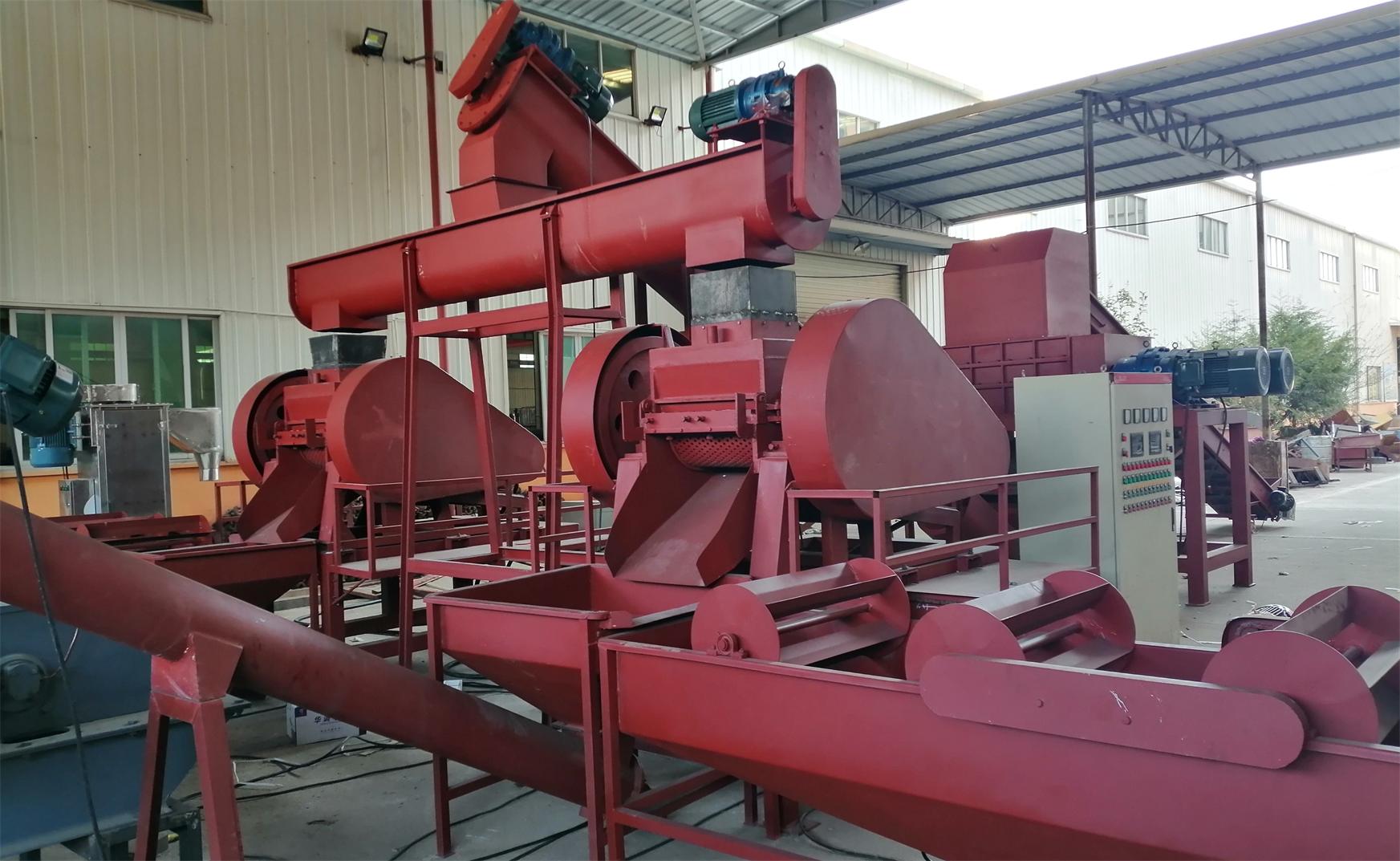
Used lead-acid batteries represent one of the most recycled consumer products in the world, yet improper handling poses severe environmental and health risks. A complete lead acid battery recycling equipment setup typically includes a breaking and separation system, paste desulfurization unit, rotary furnace or blast furnace for smelting, lead refinery kettle, and air pollution control system.
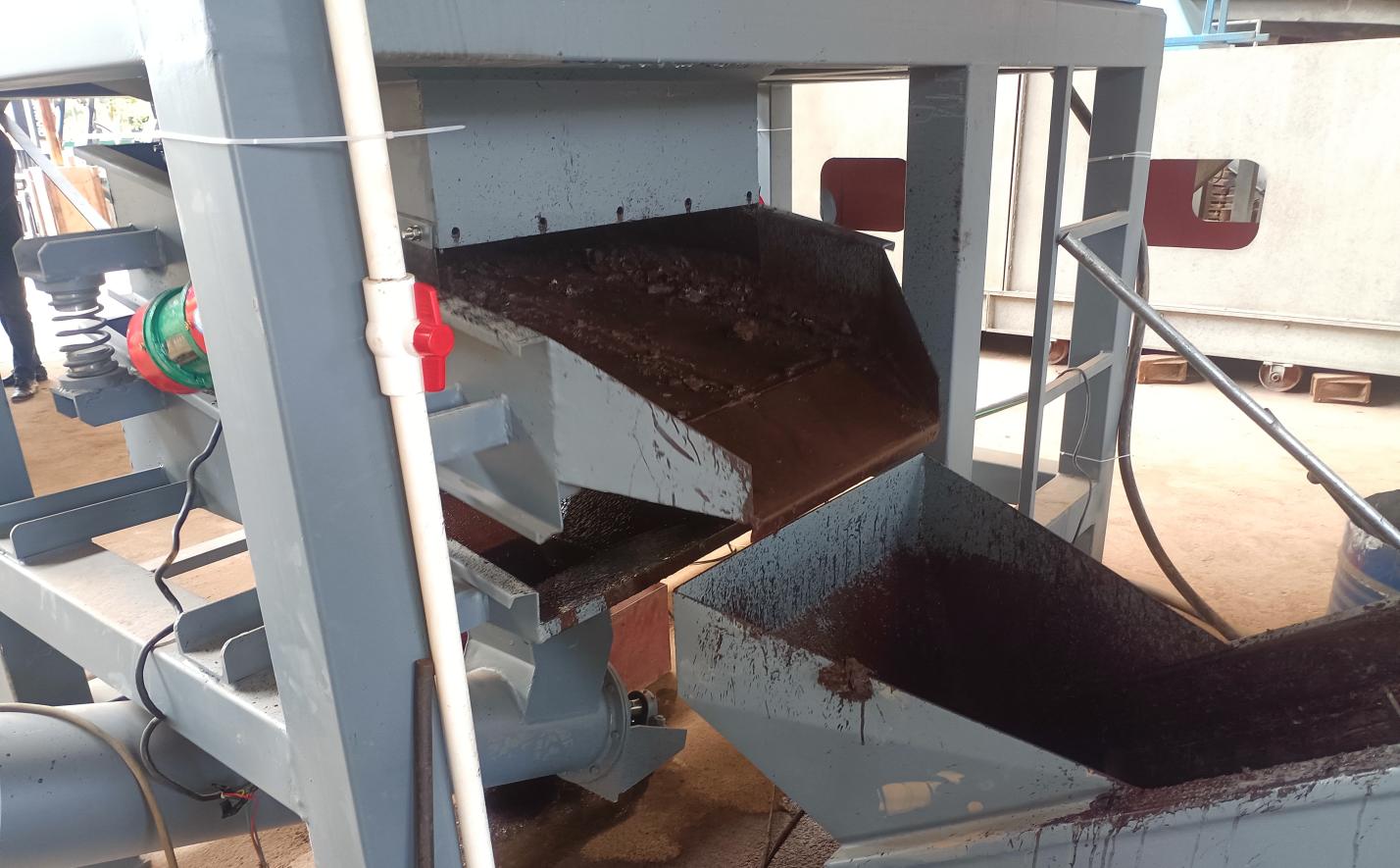
Modern breaking and separating plants can process 1–10 metric tons per hour, efficiently separating lead paste, lead grids, plastic shells, and acid. Advanced de-sulfurization technology removes sulfur from lead paste before smelting, which lowers melting temperatures, reduces sulfur dioxide emissions, and saves energy. Recovery rates for lead can reach 95% or higher when using properly configured rotary furnaces, while electric heated refinery kettles can achieve 99.999% pure lead using near-infrared heating technology that saves 30–50% energy compared to traditional methods.
Key Consideration: Environmental compliance is non-negotiable in lead battery recycling. Integrated water treatment plants and air pollution control systems ensure acidic wastewater and furnace emissions meet local environmental standards before discharge.
Lithium Battery Recycling: Capturing Critical Materials
The surge in electric vehicles and portable electronics has created an urgent need for efficient lithium battery recycling infrastructure. Unlike lead-acid batteries, lithium-ion batteries contain a complex mix of lithium, cobalt, nickel, graphite, copper, aluminum, and plastic separators, making mechanical separation the preferred first step before hydrometallurgical or pyrometallurgical refining.
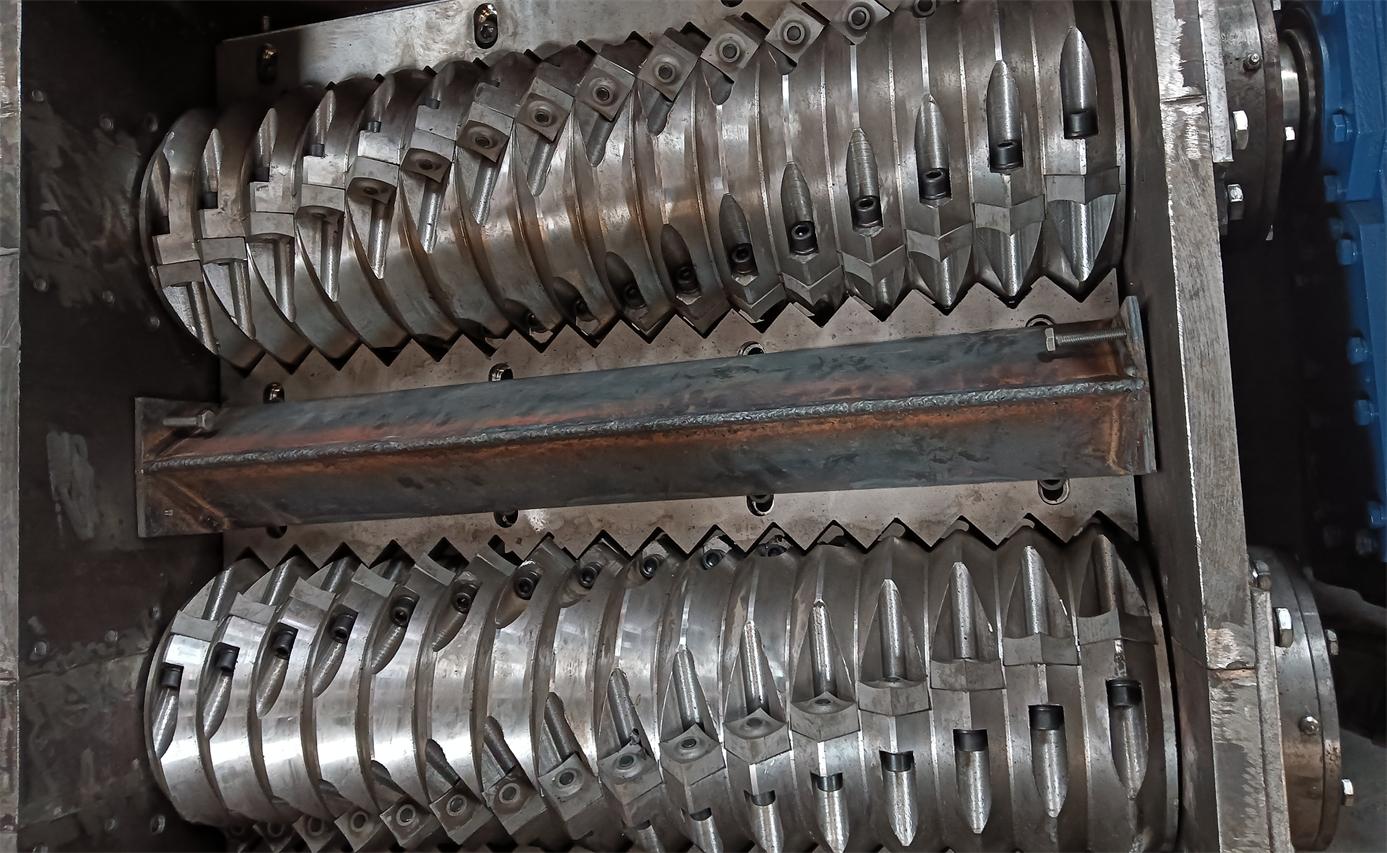
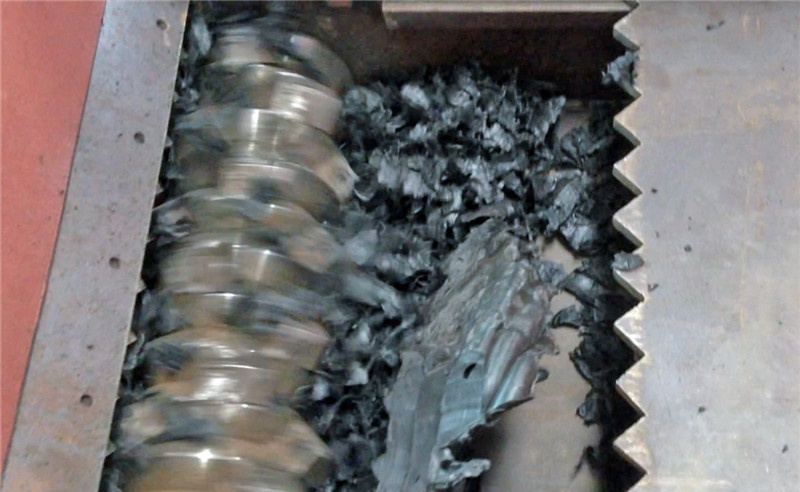
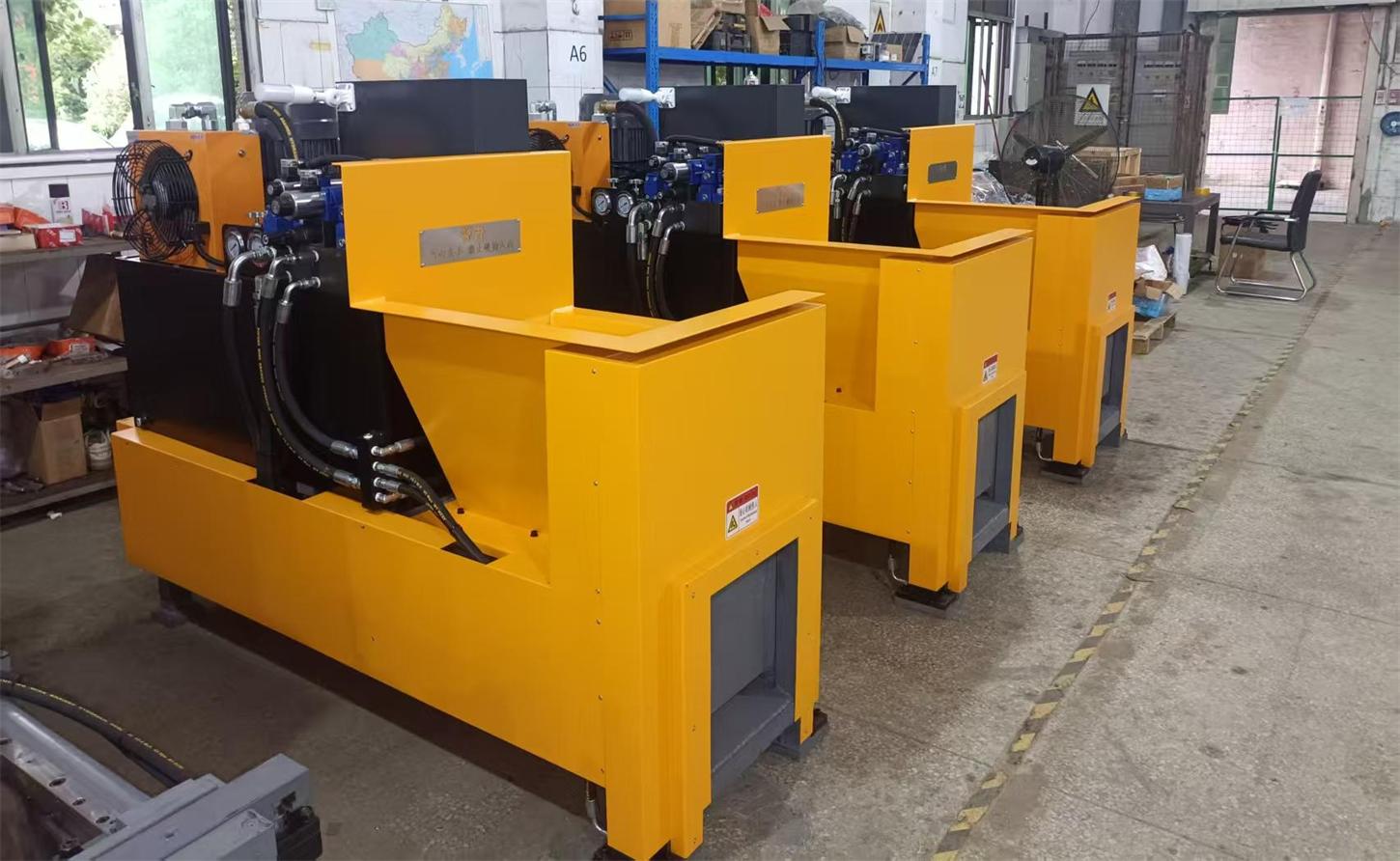
A standard li battery recycling equipment line includes discharge stations, pre-crushers, secondary granulators, magnetic separators for ferrous metals, and specialized separation systems to recover black mass containing nickel, cobalt, and graphite. Plastic separator films are pneumatically conveyed and compressed into dense blocks using hydraulic briquetters, achieving volume reduction ratios of 10:1. Capacities typically range from 500 to 2,500 kg per hour, depending on battery type and feedstock composition.
Safety is paramount when shredding lithium batteries. Proper gas collection and air pollution control systems must neutralize harmful emissions generated during crushing. Custom-designed plants allow operators to adjust parameters based on whether they process cylindrical cells, pouch cells, or prismatic battery packs.
Circuit Board Recycling: Recovering Precious Metals and Copper
Printed circuit boards contain copper, gold, silver, palladium, and other valuable materials, with metal content sometimes exceeding that of natural ore deposits. Efficient circuit board recycling equipment uses mechanical crushing combined with dry or wet separation technologies to isolate metal powders from non-metallic fractions.
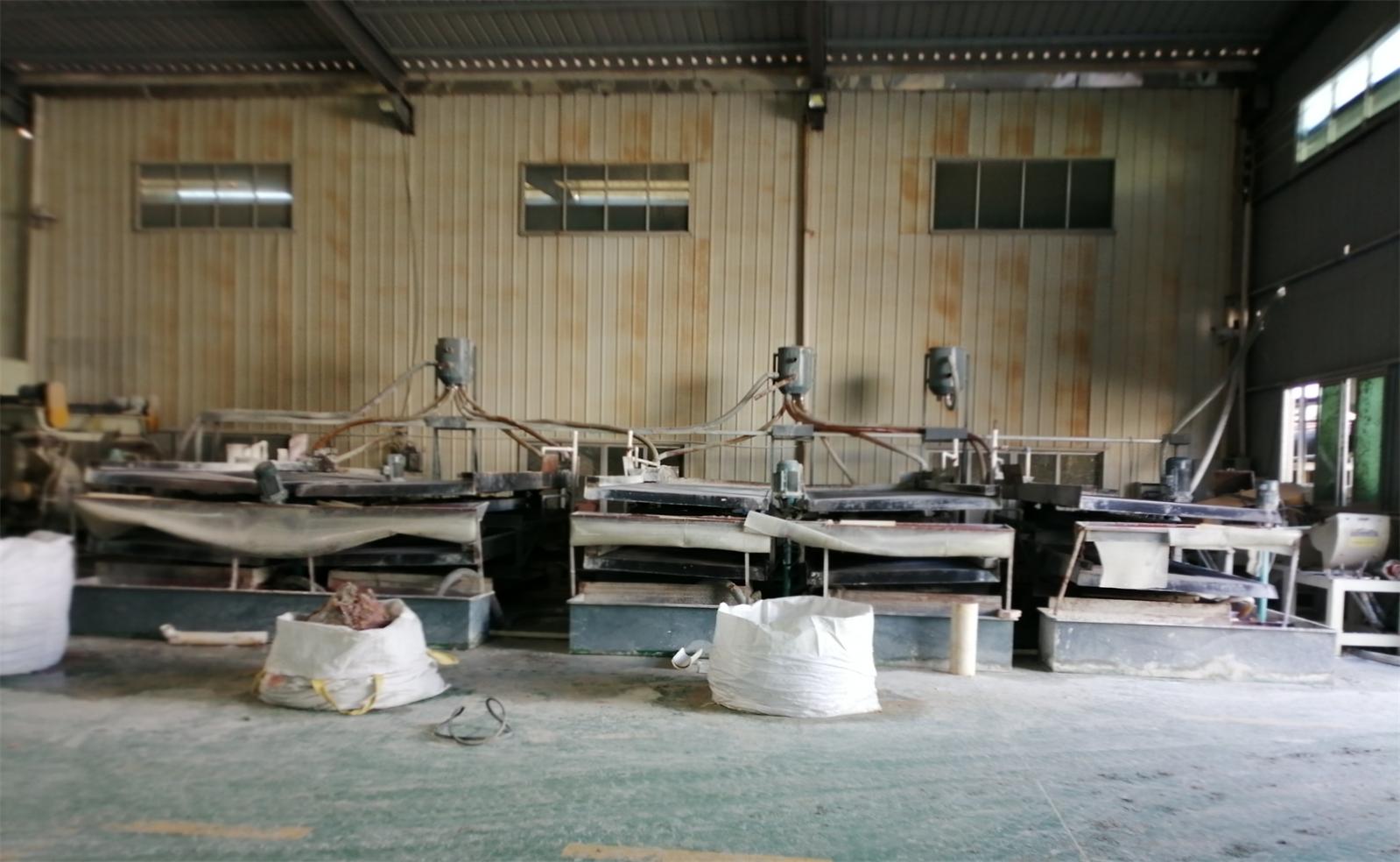
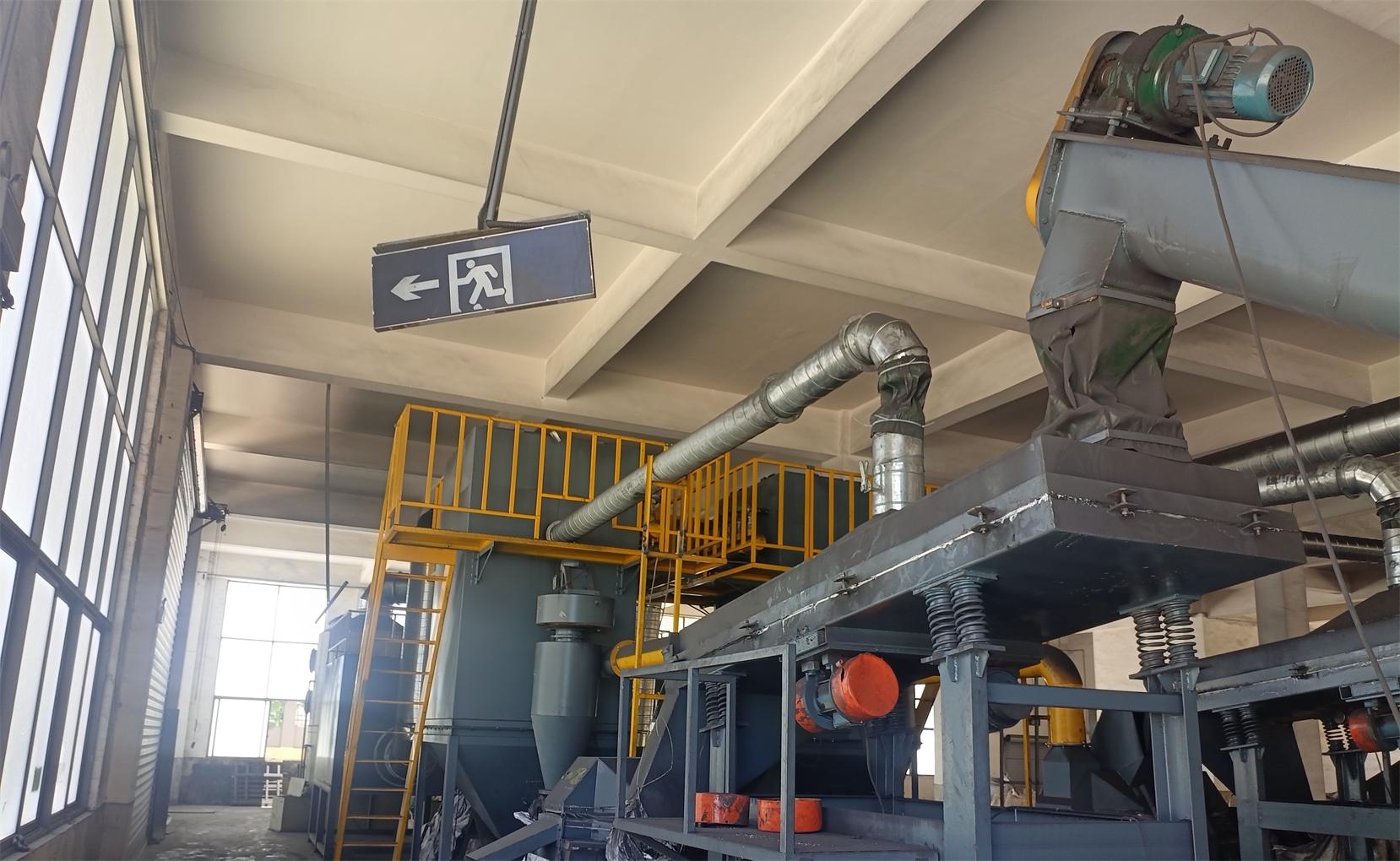
Dry separation plants use air classifiers, electrostatic separators, vibrating screens, and cyclone dust collectors to achieve copper powder purity of 96–98% with recovery rates around 95%. Wet separation systems, suitable for processing boards with electronic components still attached, use water-based metal separation to avoid dust pollution entirely. Plants are available in capacities from 300 kg/hour to 2,000 kg/hour, with larger custom designs up to 5,000 kg/hour available for industrial-scale operations.
The choice between dry and wet separation depends on local environmental regulations, feedstock characteristics, and the desired end-product specifications. Wet systems eliminate airborne dust but require wastewater treatment, while dry systems offer lower operational complexity in regions with water scarcity.
Cable Recycling: Separating Copper from Plastic
Scrap cables represent one of the highest-margin feedstocks in the recycling industry when processed efficiently. Cable recycling equipment ranges from simple scrap cable strippers for large-diameter wires to fully automated cable granulators with integrated dry separators that handle mixed cable waste.
For operations processing diverse cable types, a two-stage approach works best. Large cables are first stripped using hydraulic or mechanical scrap cable strippers capable of handling diameters from 1.5 mm to 150 mm. The remaining mixed fine cables and stripped copper wires then feed into cable granulators equipped with dry separators that use air classification and vibrating screens to separate copper or aluminum granules from plastic insulation.
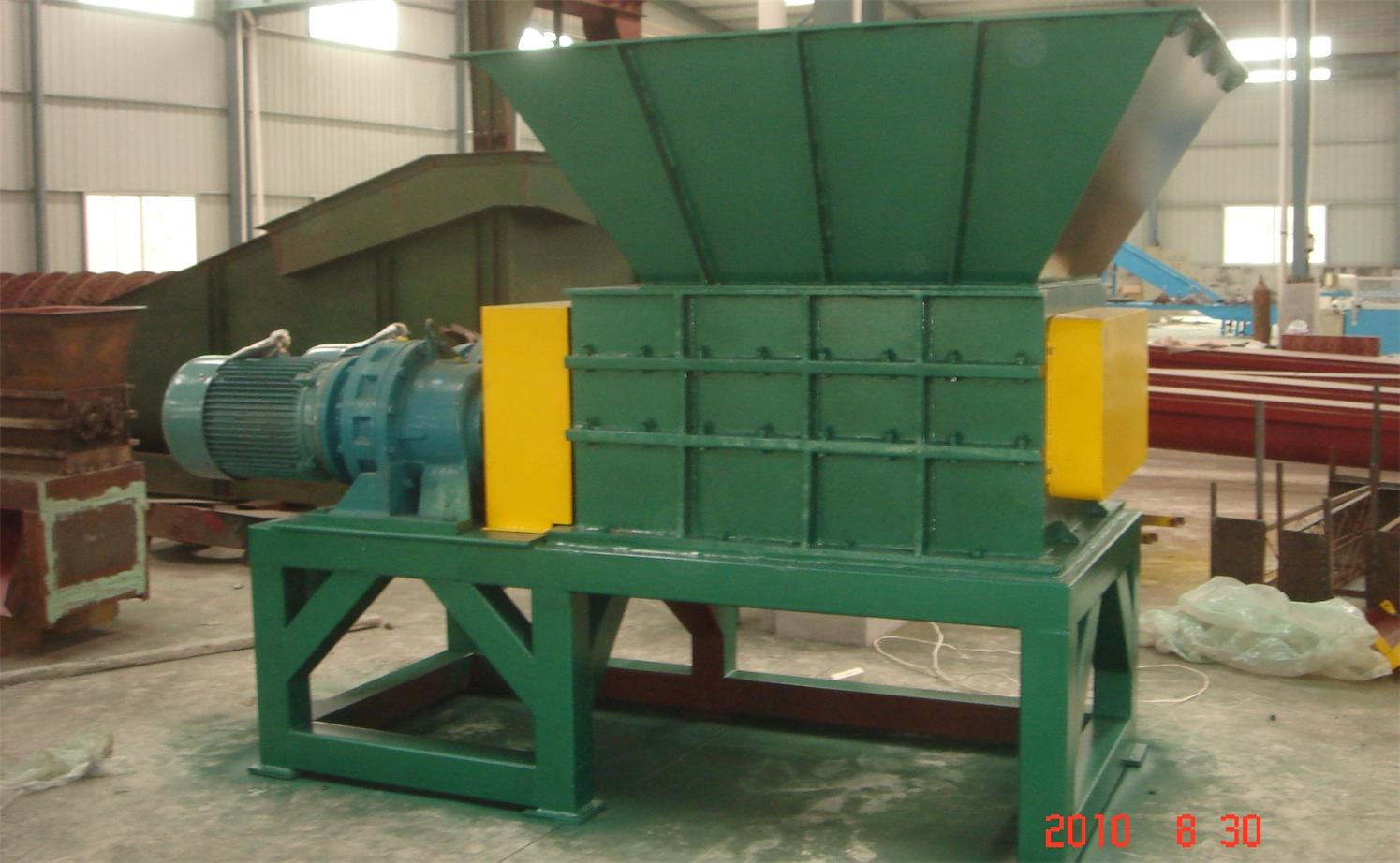
Compact granulators with dry separators are ideal for small to medium operations, offering throughputs from 100 kg/hour to 1,200 kg/hour depending on model. Pre-shredding with single-shaft or dual-shaft shredders improves granulator efficiency when processing bulky or tangled cable bundles.
Choosing the Right Equipment Partner
Beyond individual machines, successful recycling operations require integrated plant design, installation, commissioning, and ongoing technical support. Look for manufacturers with proven experience in EPC (Engineering, Procurement, Construction) projects who can deliver customized solutions rather than one-size-fits-all equipment packages.
San Lan Technologies, established in 2007, has supplied recycling equipment to customers across 21 countries including Singapore, Colombia, Vietnam, Mexico, Argentina, Korea, and South Africa. Their engineering team combines mechanical engineering expertise with over 15 years of hands-on experience in e-waste recycling plant design. From helping customers source raw material feedstocks to assisting with the sale of finished products like copper rice, lead ingots, and precious metal concentrates, they provide end-to-end support that extends far beyond equipment delivery.
- Customized plant design based on your specific feedstock and capacity requirements
- One-stop purchasing centers that simplify procurement of complete recycling lines
- On-site installation, commissioning, and operator training
- Assistance with feedstock sourcing and product offtake partnerships
- Bilingual English and Chinese technical support for international projects
Conclusion
Investing in industrial e-waste recycling equipment is a strategic decision that balances environmental responsibility with economic returns. Whether your focus is lead-acid batteries, lithium-ion cells, circuit boards, or cables, selecting machinery with proven recovery rates, robust safety features, and reliable after-sales support will determine your long-term success. Partnering with an experienced manufacturer who understands both the technical and commercial aspects of recycling operations ensures your plant runs efficiently from day one.
Ready to start your recycling project? Contact San Lan Technologies today to discuss your specific requirements. With over 60 products across 13 categories and a track record of successful installations worldwide, we can design a recycling solution that maximizes your resource recovery and profitability. Reach us via WhatsApp at +86 139 2377 4083 or email info@san-lan.com for a consultation.