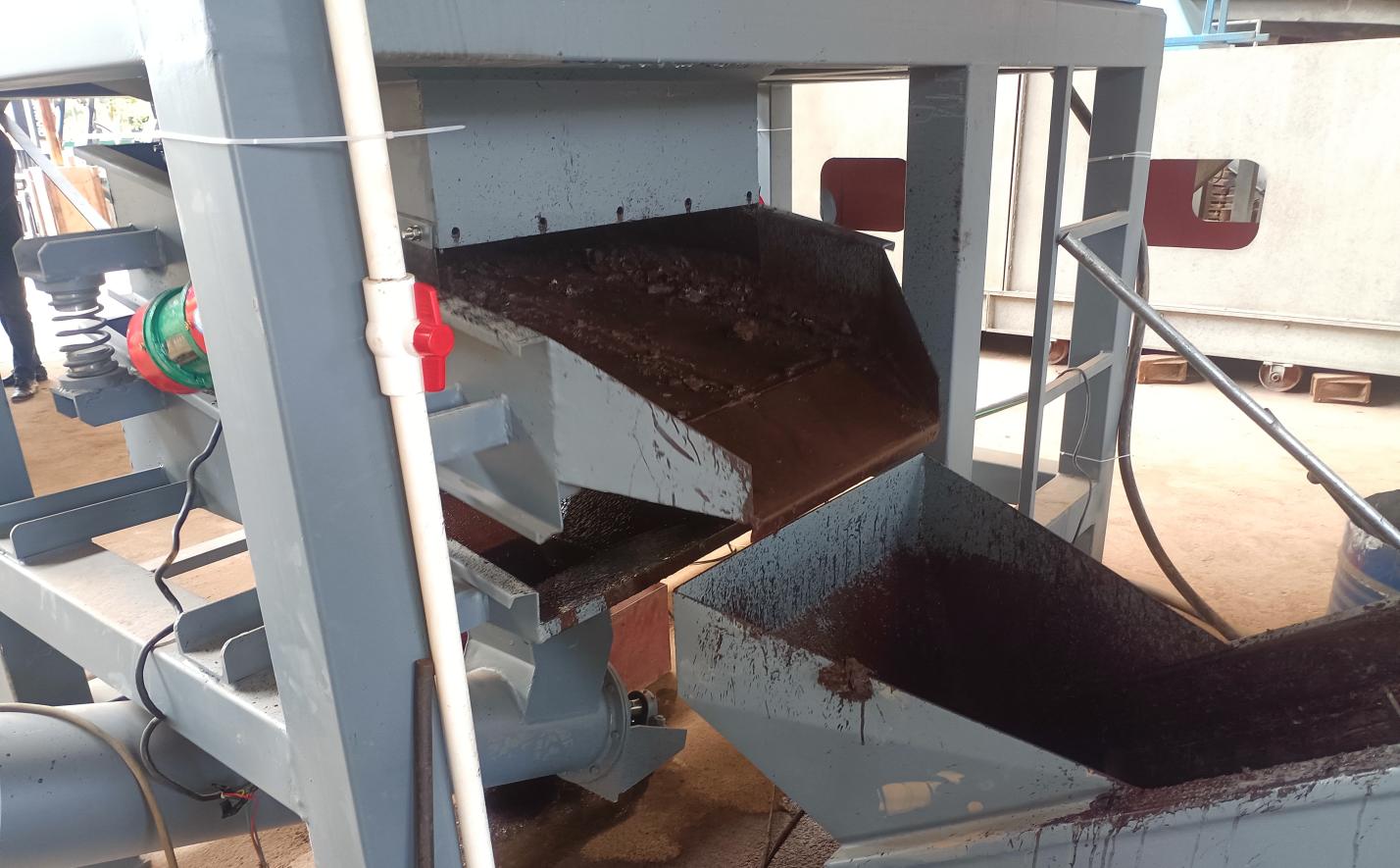
You have already invested in crushing, separating, and sorting equipment to recover valuable metals from e-waste, scrap cables, or used batteries. But here is the question that determines your actual profit margin: are you selling loose scrap metal, or are you casting uniform ingots that command a 15–30 percent price premium on the global market? The difference comes down to one critical piece of equipment — the melting furnace.
Why Melting Is the Missing Link in Your Recycling Chain
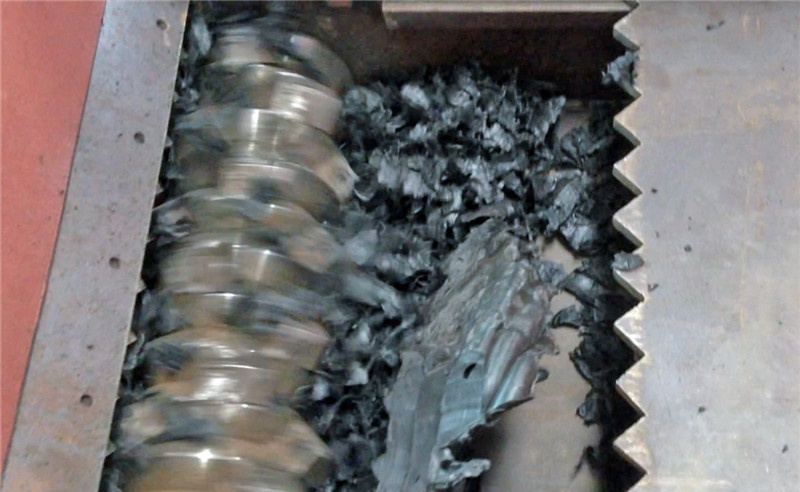
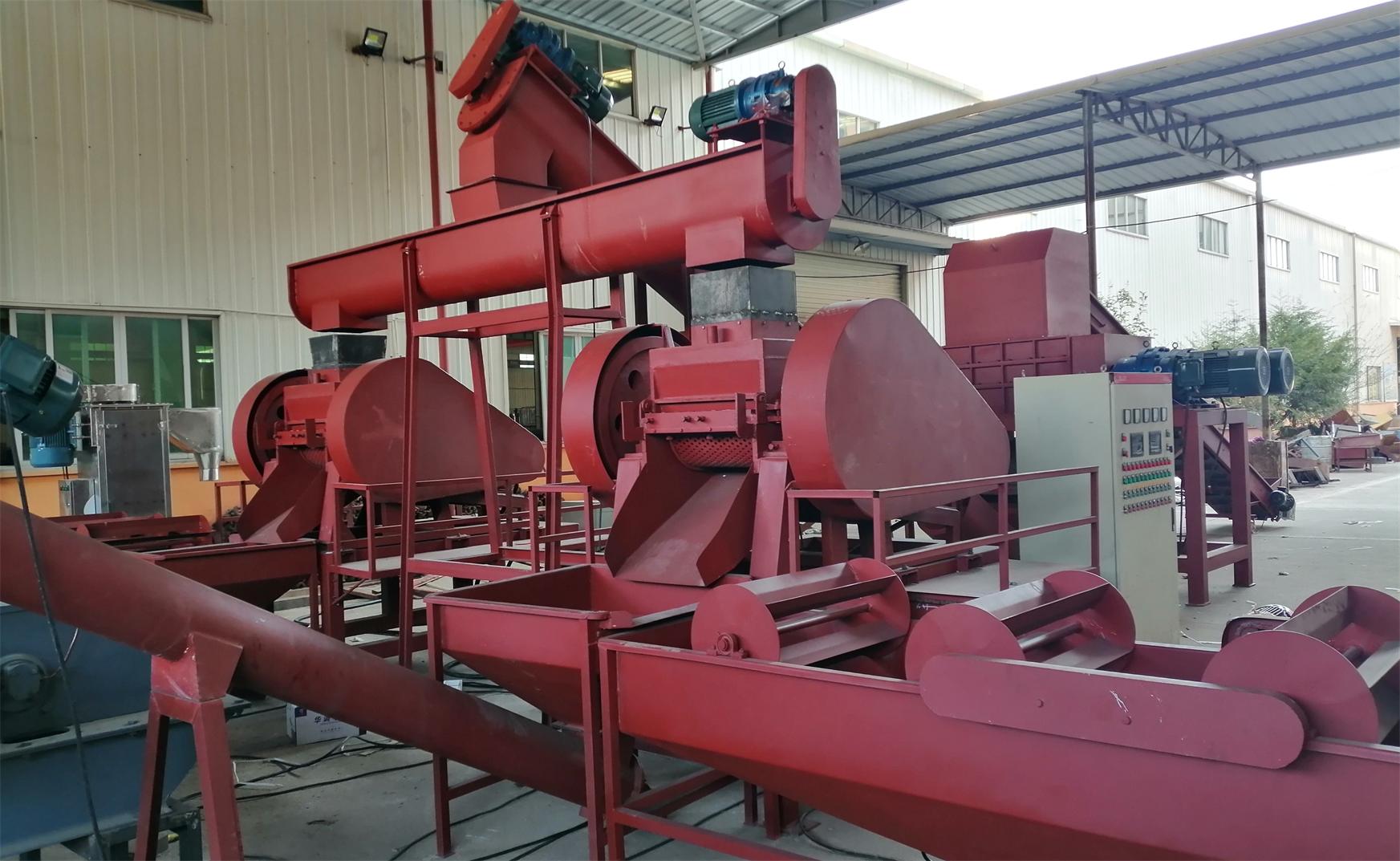
Most recycling plants focus heavily on the front end: shredding, granulating, and separating copper, aluminum, and lead from plastic or other waste streams. Yet the recovered metal often leaves the facility as powder, granules, or irregular pieces that sell at a discount to foundries and refineries. By adding a metal melting furnace to your line, you convert these loose materials into standardized ingots that are easier to transport, store, and sell at full market value.
In a typical lead acid battery recycling equipment line, for example, the breaking and separation system yields lead paste, lead grids, and plastic. The lead paste must be smelted in a rotary furnace or blast furnace to produce crude lead, which then goes to a refinery kettle to reach 99.999 percent purity. Without the final melting and refining stage, the recovered lead cannot be reused by battery manufacturers. The same logic applies to copper powder from cable recycling equipment and to aluminum fractions from refrigerator shredding lines — melting transforms them into tradable commodities.
Induction Melting vs. Traditional Fuel-Based Furnaces
Traditional fuel-fired furnaces — whether blast furnaces, rotary furnaces, or cupolas — rely on burning coal, natural gas, or diesel to generate heat. While these technologies are still common in large-scale primary smelting, they present several challenges for secondary recycling operations:
High fuel consumption and fluctuating energy costs
Significant emissions of CO₂, SO₂, and particulate matter
Long heat-up times, reducing daily throughput
Difficulty controlling temperature precisely, leading to metal loss through oxidation
Large physical footprints and expensive refractory maintenance
Medium frequency induction furnaces address all of these pain points. Instead of an external flame, they use electromagnetic induction to heat the metal charge directly. The crucible itself remains cooler, energy transfers efficiently to the metal, and the furnace can reach operating temperature in minutes rather than hours. For recycling plants handling batches of 5 kg to 250 kg per melt, this efficiency translates directly into lower operating costs and higher daily output.
Key Applications in E-Waste and Metal Recycling
A medium frequency induction furnace is not limited to one metal or one type of feedstock. In a diversified recycling plant, the same unit can process multiple materials on different shifts, provided the crucible is matched to the metal being melted. Here are the most common applications in the recycling industry:
Lead and Lead Alloys
After desulfurization and separation, lead paste and lead grids from used batteries are melted into crude lead ingots. A dedicated lead refinery kettle then brings the metal to battery-grade purity. Induction heating is ideal for the refinery stage because it allows precise temperature control near 330–350 °C, minimizing dross formation.
After desulfurization and separation, lead paste and lead grids from used batteries are melted into crude lead ingots. A dedicated lead refinery kettle then brings the metal to battery-grade purity. Induction heating is ideal for the refinery stage because it allows precise temperature control near 330–350 °C, minimizing dross formation.
Copper and Copper Alloys
Copper powder or "copper rice" recovered from cable granulators and PCB recycling lines can be consolidated into copper anodes or ingots. Induction furnaces handle copper efficiently because the metal's high electrical conductivity couples well with the magnetic field, producing rapid, uniform melting.
Copper powder or "copper rice" recovered from cable granulators and PCB recycling lines can be consolidated into copper anodes or ingots. Induction furnaces handle copper efficiently because the metal's high electrical conductivity couples well with the magnetic field, producing rapid, uniform melting.
Aluminum
Aluminum fractions from refrigerator shredding, cable insulation, or engine casings are lightweight and bulky when loose. Melting them into ingots reduces volume by roughly 90 percent and removes residual plastic or paint contamination through fluxing and skimming.
Aluminum fractions from refrigerator shredding, cable insulation, or engine casings are lightweight and bulky when loose. Melting them into ingots reduces volume by roughly 90 percent and removes residual plastic or paint contamination through fluxing and skimming.
Precious Metals
Small-scale recyclers recovering gold, silver, or tin from circuit boards and connectors need a compact furnace that can start quickly and run small batches economically. Medium frequency induction units as small as 15 kW fit this niche perfectly.
Small-scale recyclers recovering gold, silver, or tin from circuit boards and connectors need a compact furnace that can start quickly and run small batches economically. Medium frequency induction units as small as 15 kW fit this niche perfectly.
What to Look for When Selecting a Melting Furnace
Not every induction furnace suits every recycling operation. Before committing to a purchase, evaluate your requirements against the following criteria:
Power Rating vs. Batch Size: Higher kW ratings enable faster melting but also demand larger electrical infrastructure. Match the furnace to your typical daily batch size rather than buying oversized capacity.
Crucible Material: Graphite crucibles work well for copper, gold, and silver; silicon carbide or refractory crucibles are preferred for aluminum; and specialized crucibles are needed for lead to prevent contamination.
Frequency Range: Medium frequency (typically 150 Hz–10 kHz) offers the best balance between melting speed and stirring action. Lower frequencies produce stronger metal stirring, which is useful for alloying but can increase oxidation if not controlled.
Cooling System: Induction coils require continuous water cooling. Check whether the supplier includes a closed-loop chiller or whether you must source cooling equipment separately.
Control and Safety Features: Digital temperature control, automatic power regulation, and over-temperature alarms are essential for consistent ingot quality and operator safety.
Footprint and Installation: Recycling plants often operate in retrofit workshops rather than purpose-built foundries. Verify the furnace dimensions, weight, and whether the supplier provides installation guidance.
San Lan Medium Frequency Induction Furnace Range
San Lan Technologies manufactures a comprehensive range of medium frequency induction furnaces designed specifically for the recycling industry. With eight models spanning from compact 15 kW units to heavy-duty 160 kW systems, the product line covers everything from small precious-metal batches to large-volume copper and aluminum melting.
| Model | Power | Iron Capacity | Copper Capacity |
|---|---|---|---|
| ZP-15 | 15 kW | 4 kg | — |
| ZP-25 | 25 kW | 8 kg | — |
| ZP-35 | 35 kW | 12 kg | — |
| ZP-45 | 45 kW | 22 kg | — |
| ZP-70 | 70 kW | 50 kg | — |
| ZP-90 | 90 kW | 80 kg | — |
| ZP-110 | 110 kW | 100 kg | 200 kg |
| ZP-160 | 160 kW | 100 kg | 250 kg |
Note: All models can be configured for iron, copper, aluminum, tin, gold, or silver melting with appropriate crucible selection.
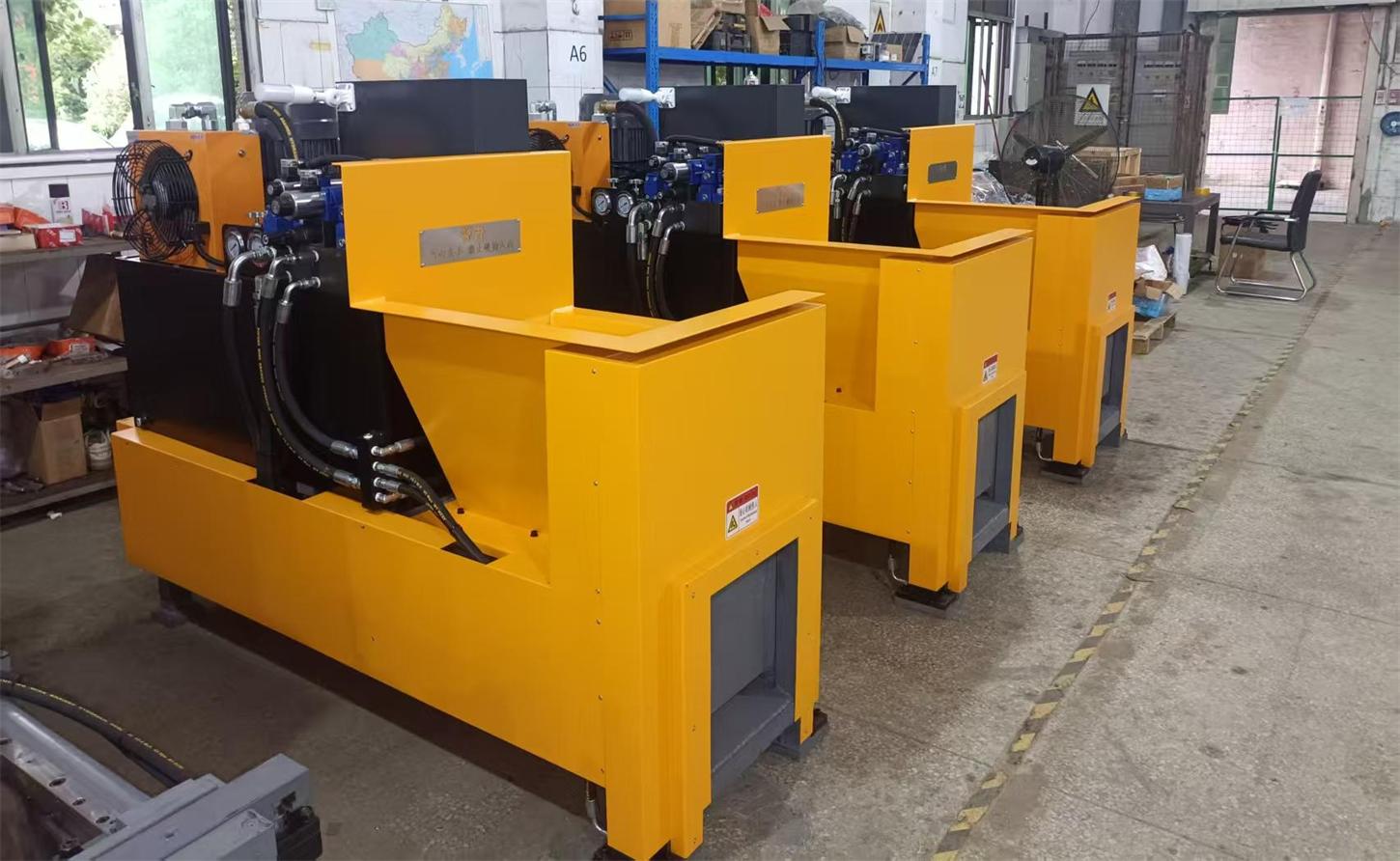
Each furnace is built with IGBT-based power supplies for stable frequency output and includes digital temperature control, automatic fault detection, and comprehensive water-cooling protection. San Lan also provides auxiliary equipment such as ingot molds, slag skimmers, and refractory lining kits to get your melting station operational from day one.
Integrating the Furnace into Your Existing Line
A common mistake when adding melting capacity is treating the furnace as a standalone unit rather than integrating it with upstream recycling processes. The most efficient layouts position the induction furnace within easy reach of the separation equipment's output conveyor or collection bin. For example, in a lead acid battery recycling equipment plant, the filter press collects lead paste from the breaking-separation line; this paste can be fed directly into a rotary furnace for primary smelting, and the resulting crude lead is then transferred to an induction refinery kettle for final purification.
Similarly, in a cable recycling equipment facility, the copper granules from the air separator or wet separator are collected in bins beside the induction furnace. A 90 kW or 110 kW unit can process a full day's copper output into ingots before the next shift begins, eliminating double-handling and storage of loose granules.
Safety and Environmental Compliance
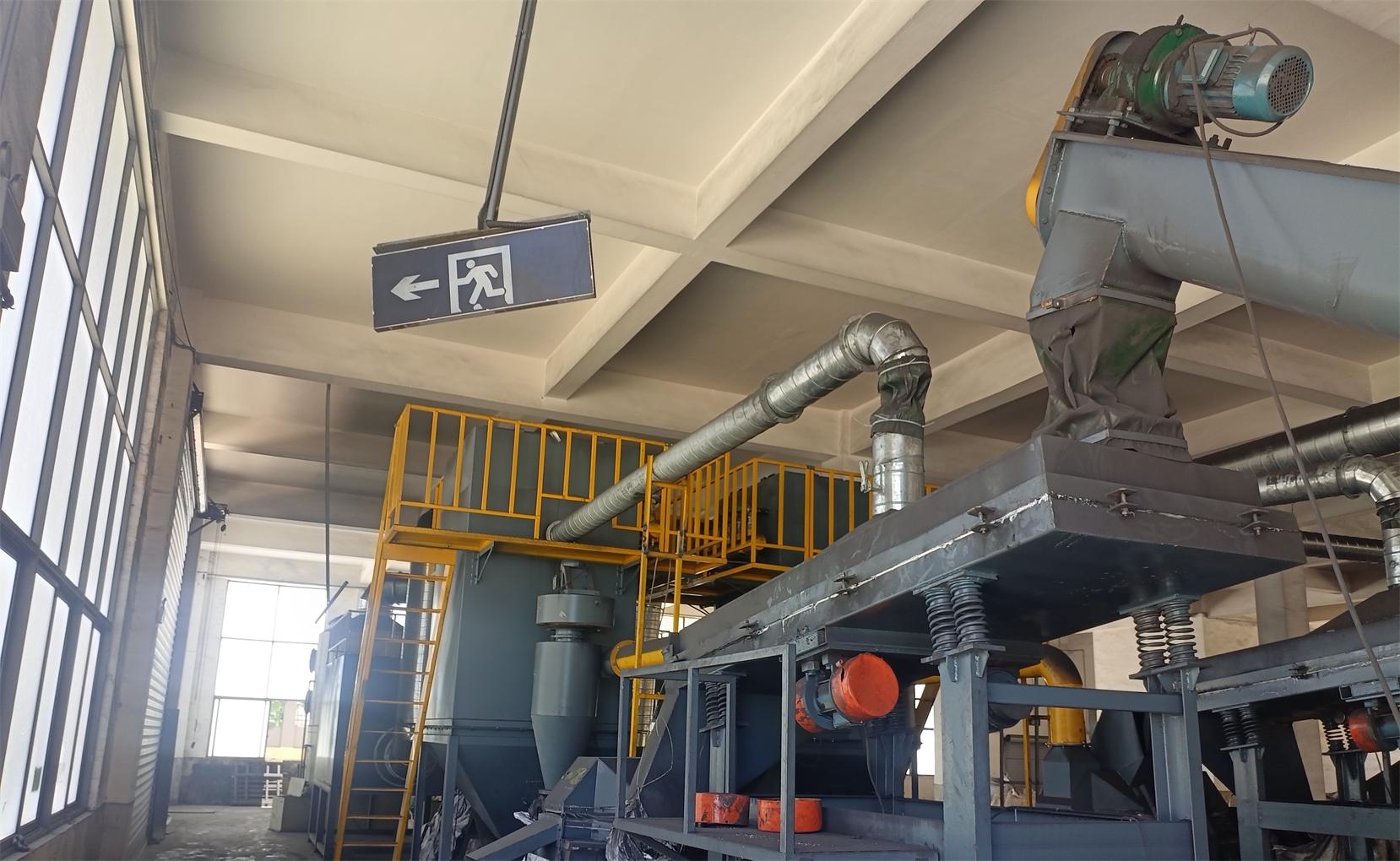
Melting metals generates fumes, dust, and in some cases hazardous gases. Even though induction furnaces produce fewer emissions than fuel-fired alternatives, a proper pollution control system is still mandatory. For lead melting operations, San Lan supplies dedicated air pollution control systems that capture and neutralize lead vapor and SO₂ before discharge. For general metal melting, bag-house dust collectors and afterburners keep particulate levels within regulatory limits.
Operator safety is equally important. Induction furnaces eliminate open flames, but they still involve molten metal, high voltages, and hot surfaces. Standard protective equipment includes face shields, heat-resistant gloves, and safety boots. San Lan provides operation manuals and can supervise commissioning to ensure your team understands emergency shutdown procedures, crucible replacement protocols, and daily maintenance checks.
Making the Right Investment Decision
If your recycling plant is already producing separated metal fractions but you are still selling them as loose scrap, adding an induction furnace is one of the fastest ways to improve margins. The payback period depends on metal prices, batch sizes, and local energy costs, but many operators report recovering their investment within 12 to 18 months through ingot premiums alone.
When evaluating suppliers, look beyond the furnace itself. Consider whether the manufacturer can support you with layout design, electrical specifications, installation supervision, and spare parts availability. A metal melting furnace is a long-term asset, and the quality of technical support often matters more than a small difference in upfront price.
Ready to Turn Your Recovered Metal into High-Value Ingots?
San Lan Technologies has been manufacturing recycling machinery and melting equipment since 2007. Our medium frequency induction furnaces are installed in recycling plants across 21 countries, handling everything from lead battery scrap to copper cable granules. Contact our engineering team today for a free consultation on furnace sizing, layout integration, and full-line solutions tailored to your material stream.
San Lan Technologies has been manufacturing recycling machinery and melting equipment since 2007. Our medium frequency induction furnaces are installed in recycling plants across 21 countries, handling everything from lead battery scrap to copper cable granules. Contact our engineering team today for a free consultation on furnace sizing, layout integration, and full-line solutions tailored to your material stream.