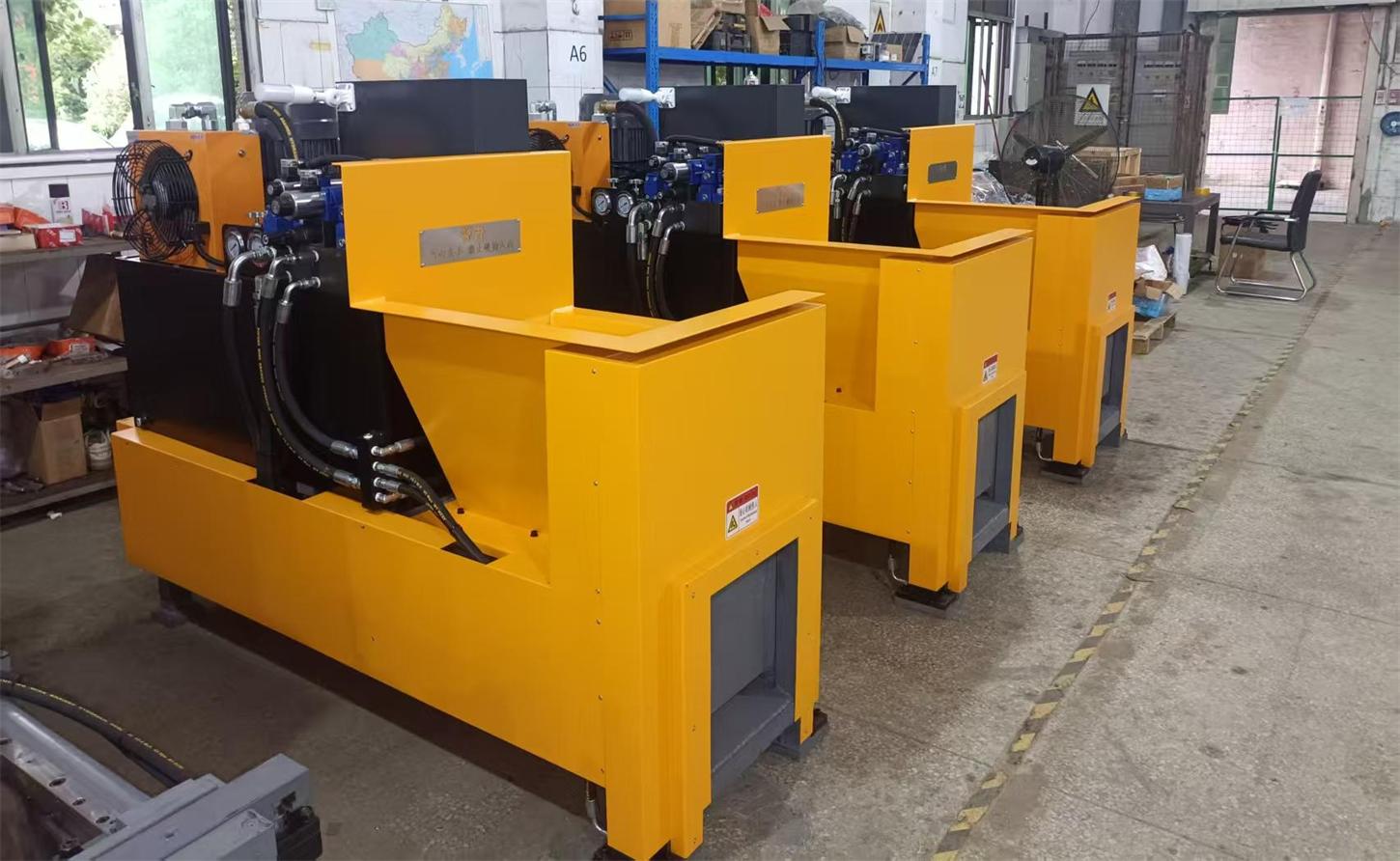
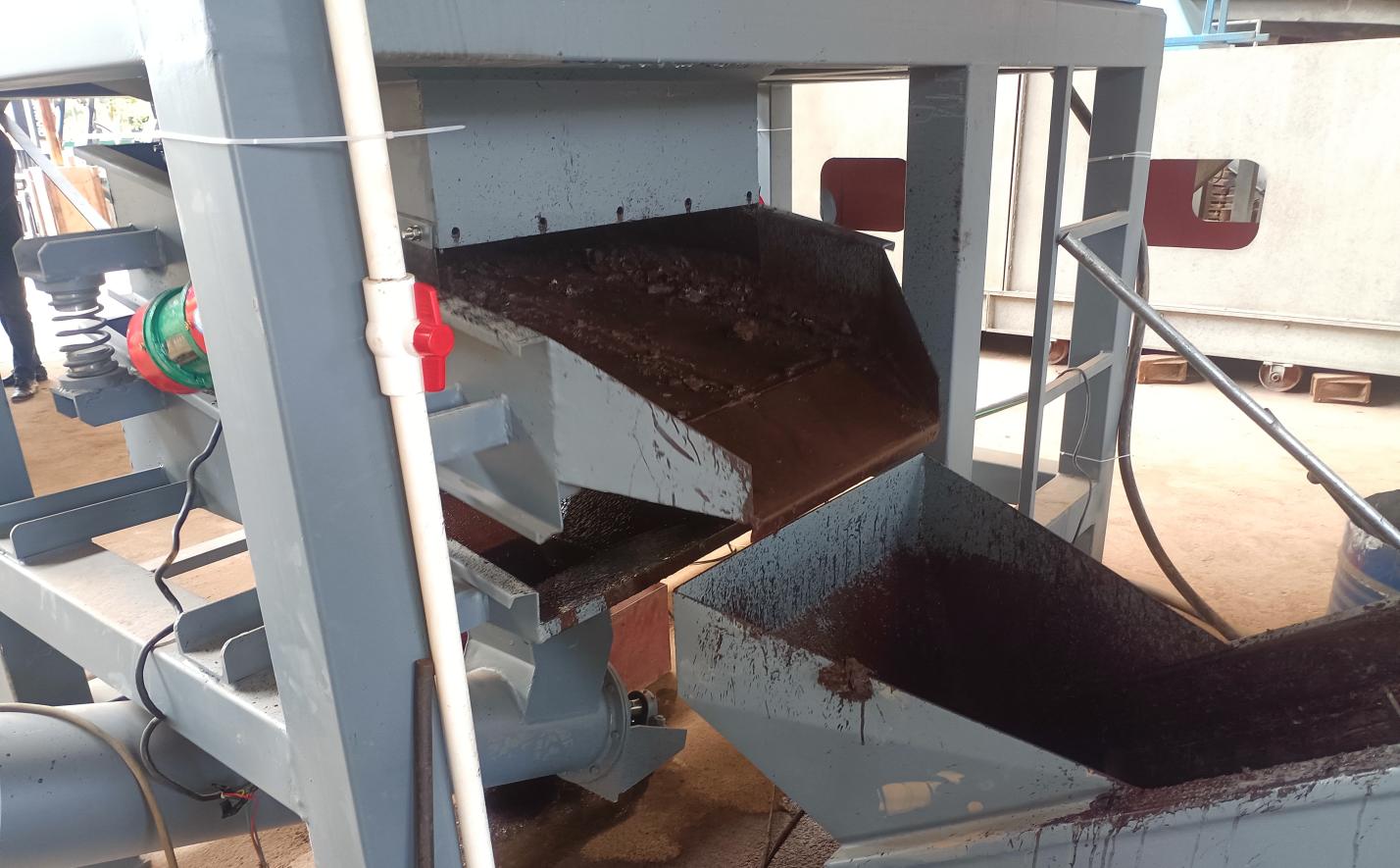
That moment when you power up a hydraulic press – the deep hum of machinery coming to life, the sheer force contained in those steel jaws. It's thrilling, isn't it? But let's be honest, that raw power demands respect. I've seen too many seasoned pros get complacent, thinking "it's just another press job." That's when trouble starts.
Over coffee breaks and safety debriefs, I've collected stories that'll make your hair stand on end. Like the time Mike almost lost fingers because he skipped positioning checks. Or when Sarah's quick "just this once" decision led to a $15,000 repair bill. These aren't just cautionary tales; they're real reminders that hydraulic presses don't forgive shortcuts.
Today, we're diving deep into the hidden pitfalls that turn routine operations into nightmares. We'll cover positioning tricks you never learned in training, fluid checks that prevent catastrophic failures, and why that "annoying" safety gear is your best friend. I'll also share some game-changing workflow adjustments that transformed chaotic workshops into smooth-running operations.
The Silent Killer: Fluid Failures
Remember opening a machine to find hydraulic fluid looking like overcooked coffee? That sludge isn't just gross – it's a disaster waiting to happen. Hydraulic oil is the lifeblood of your press, and contaminated fluid causes more premature deaths than overloads.
Pro Tip: Use the "white glove test" – wipe the dipstick with a white cloth. If you see shimmering metallic particles or dark streaks, your fluid needs immediate changing. Better yet, invest in portable oil analyzers that detect microscopic wear particles before they escalate.
Here's what most manuals won't tell you: Temperature changes matter. If your shop swings from frigid mornings to tropical afternoons, thin fluids leak while thick fluids strain pumps . The solution? Seasonal viscosity adjustments using quality multigrade oils.
And about leaks – that slow drip-drip isn't just messy. Over months, it draws in abrasive dust, creating sandpaper slurry inside your system. During shutdowns, check reservoir seals with the "dollar bill test": slide paper between seals. If it pulls out easily, moisture and contaminants are sneaking in.
The Positioning Trap
You're rushing to meet a deadline. The workpiece "looks" centered. You hit the switch. CRACK! Suddenly, shrapnel flies as misaligned pressure shatters materials. I've seen this movie too many times.
The secret? Create foolproof positioning routines:
- Laser alignment guides – project crosshairs onto the workpiece
- Magnetic zero-point centering systems
- Digital angle gauges for precision pressing tasks
And please – stop using random metal scraps as spacers! That practice causes uneven pressure distribution , damaged dies, and dangerous ejections. Instead, invest in modular press tooling with built-in alignment features. For occasional odd-shape jobs, high-strength polyurethane backers absorb inconsistencies.
Game Changer: Implement the "three-point verification" rule. Operator verifies position, supervisor confirms it, and a camera system records positioning before activation. This reduced positioning errors by 84% in automotive plants I've consulted with.
The Overload Illusion
"Just 5% over won't hurt..." Famous last words before pistons blow seals. Here's the frightening truth: Exceeding rated capacity by just 10% cuts component life in half .
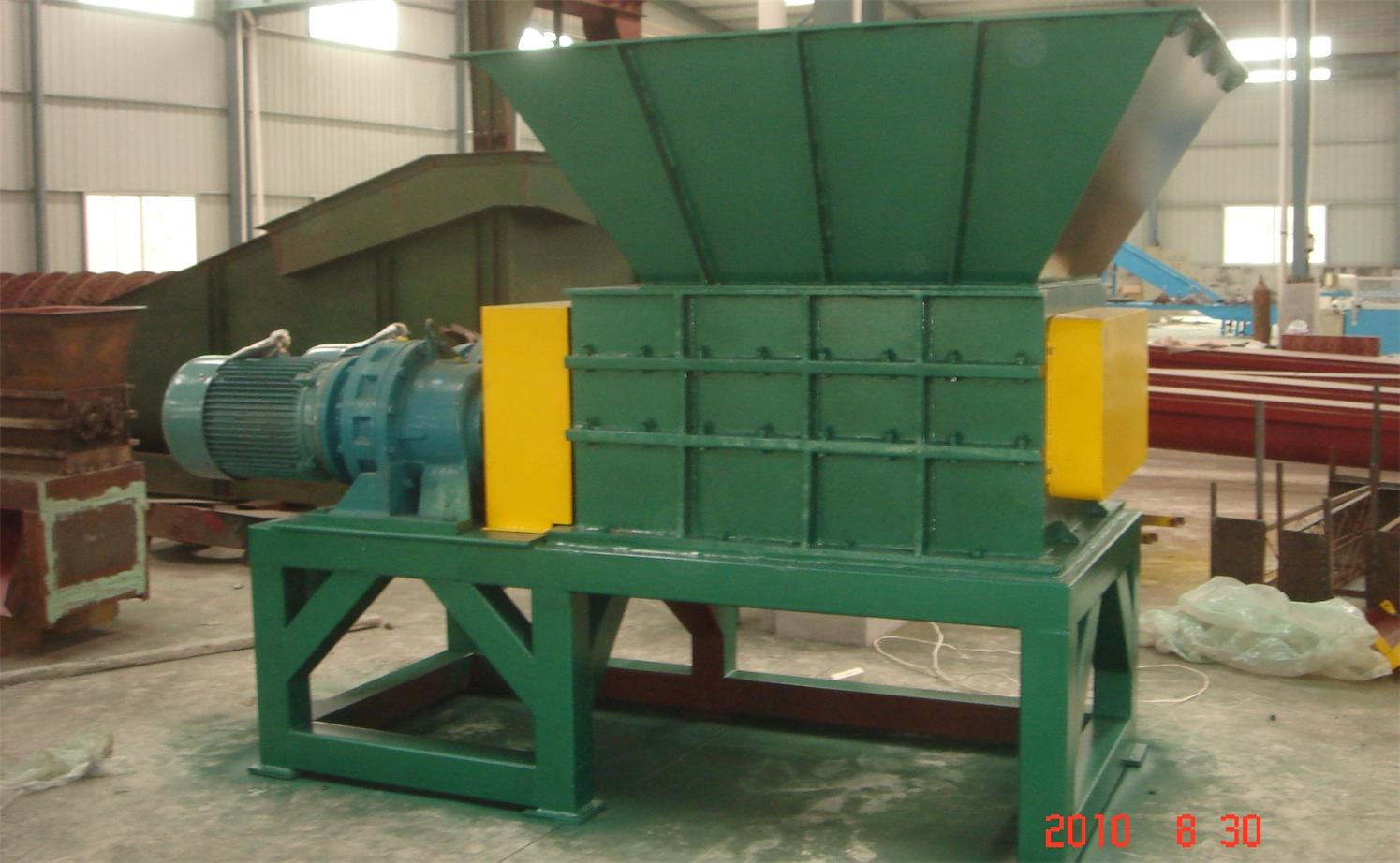
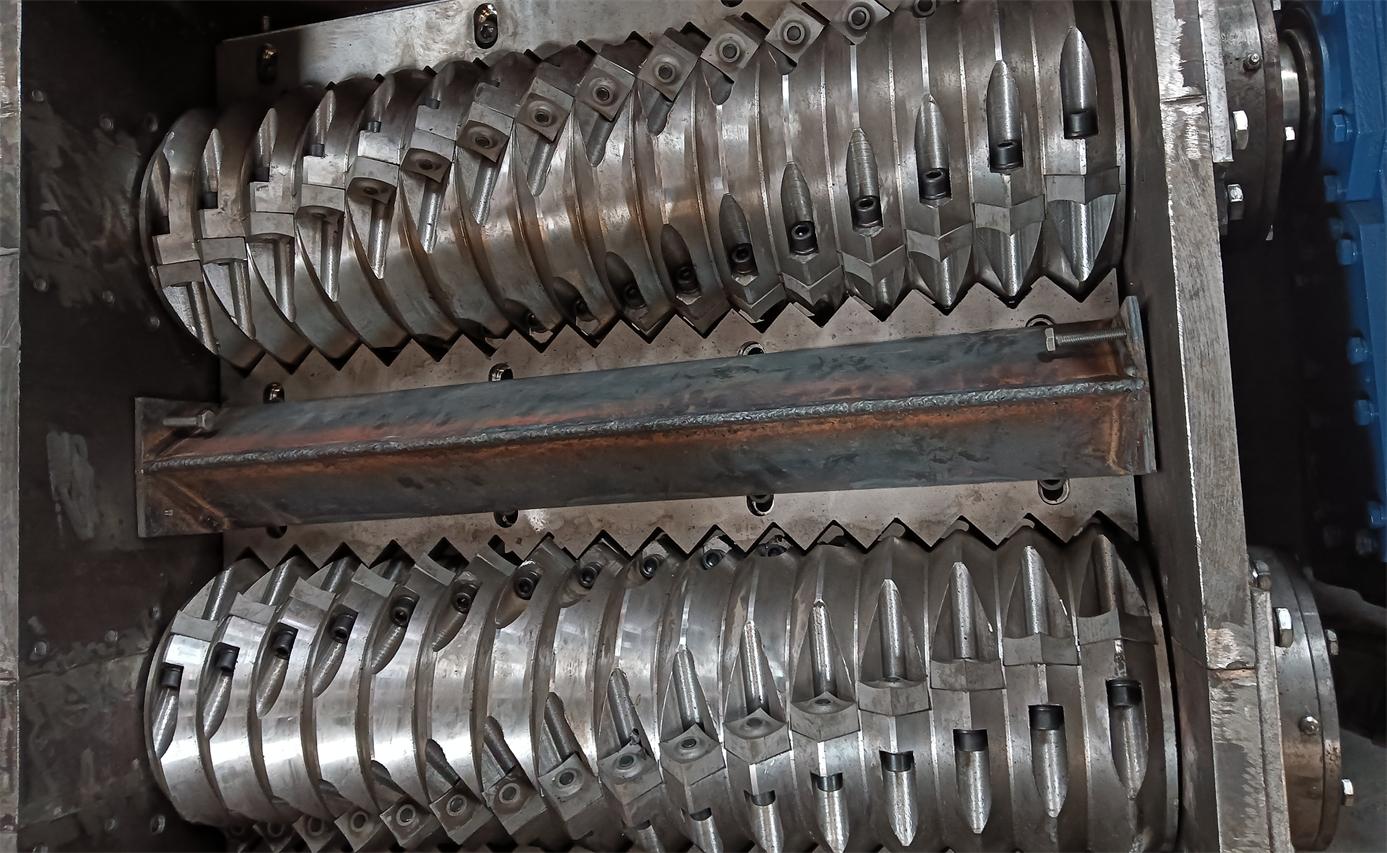
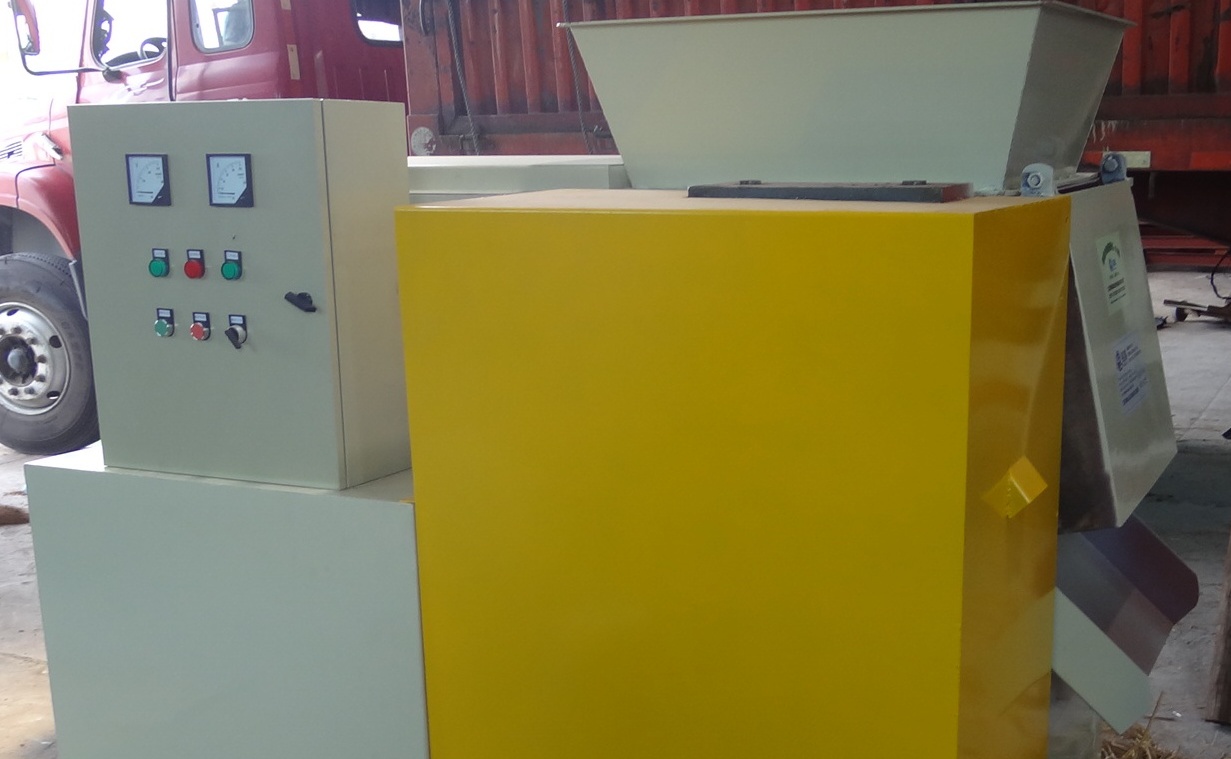
Modern presses hide their distress signals well. That slight vibration? Damaged thrust bearings. The faint whining? Pumps crying over contaminated fluid. For demanding operations, consider pairing your press with industrial shredders to pre-process materials, reducing peak loads.
How to protect your machine:
- Install digital load monitors that flash warnings at 90% capacity
- Implement automated job logging to track press force histories
- Use strain-gauge stickers on critical frames for visual stress checks
Remember: Pressing force multiplies through leverage points. A 20-ton press can generate localized pressures equivalent to 200 tons at tooling interfaces. Always calculate maximum die pressure, not just machine ratings.
The Maintenance Mirage
We've all skipped "non-essential" maintenance during busy periods. But hydraulic presses remember every shortcut. From neglected pistons developing microscopic corrosion pits to neglected hoses hardening into failure points.
Transform maintenance from chore to advantage:
| Component | Critical Check | Frequency |
|---|---|---|
| Piston Rods | Micro-polish & chroming integrity | Monthly |
| Hydraulic Hoses | Ultrasonic thickness testing | Quarterly |
| Seal Kits | Compression set measurement | 6 months |
Try the "three-color tag system": Green for perfect, yellow for monitoring, red for immediate replacement. This visual management transforms abstract maintenance schedules into clear action points.
Post-operation rituals matter: Always retract pistons completely. Leaving them extended invites dust contamination and uneven stress on seals. Wipe rods with VCI-impregnated cloths to create corrosion-inhibiting microfilms.
PPE: Your Final Defense
Safety glasses fog up. Gloves reduce dexterity. I get the excuses. But that one moment when debris flies at 200 mph transforms inconvenience into life-saving necessity.
Modern PPE solutions eliminate traditional objections:
- Anti-fog coated safety glasses with panoramic view
- Cut-resistant gloves with silicone grips improving tool control
- Exoskeleton vests reducing fatigue during long press operations
Your safety arsenal should include hearing protection. Hydraulic systems operate at 85+ decibels – enough to cause permanent hearing damage over time. Consider custom-molded earplugs for comfort during extended shifts.
The unsung hero? Press floor mats. Anti-fatigue matting prevents slips while reducing leg strain. More importantly, they prevent conductive paths for stray currents that could energize hydraulic fluids during electrical faults.
Hidden Workflow Killers
Beyond obvious hazards, subtle workflow mistakes silently sabotage productivity:
The tool change trap: Manual tool changes waste 20 minutes/hour. Implement quick-change systems with RFID verification to ensure correct die pairing. For specialized operations, multi-station rotary tables allow seamless transitions between pressing tasks.
Press control customization: Reprogramming control sequences can reduce cycle times by 40% while improving safety. Programmable acceleration curves prevent workpiece "bouncing" while electronic pressure profiling protects delicate components.
Record standard operating videos for each press configuration. Visual references reduce setup errors by new technicians and serve as training resources. Include QR codes on machines linking to setup videos.
Don't forget environmental factors: Temperature changes of just 15°F alter hydraulic fluid viscosity by 30%. Implement shop temperature monitoring with automated viscosity compensators or seasonal fluid change schedules.
Building Your Safety Culture
Safety isn't about rules – it's about mindset. The best workshops I've seen make safety a shared mission through:
- "Near-miss" reporting rewards: Incentivize reporting close calls before they become disasters
- Cross-training rotations: Toolroom experts learn press risks firsthand
- Monthly "safety innovations": Workers propose/implement safety improvements
Remember: Complacency kills. When operations become routine, we skip steps. Implement mandatory "pause points" before high-risk tasks – 30 seconds where technicians verbalize safety checks to colleagues.
Your hydraulic press will serve reliably for decades with proper care. But demand that care through disciplined operation, relentless maintenance, and respect for the immense forces contained within its frame. Because when that press bends metal, you want it controlled – not controlling you.