In the fast-paced world of industrial machinery, change isn't just constant – it's accelerating. When I first started working with hydraulic balers over a decade ago, upgrading equipment felt like performing open-heart surgery. Weeks of downtime, specialized technicians flown in from across the globe, and nail-biting moments wondering if everything would sync back correctly. Those days are fading fast, and here's why: modular design is revolutionizing how we deploy and upgrade hydraulic balers.
What Exactly Is Modular Design?
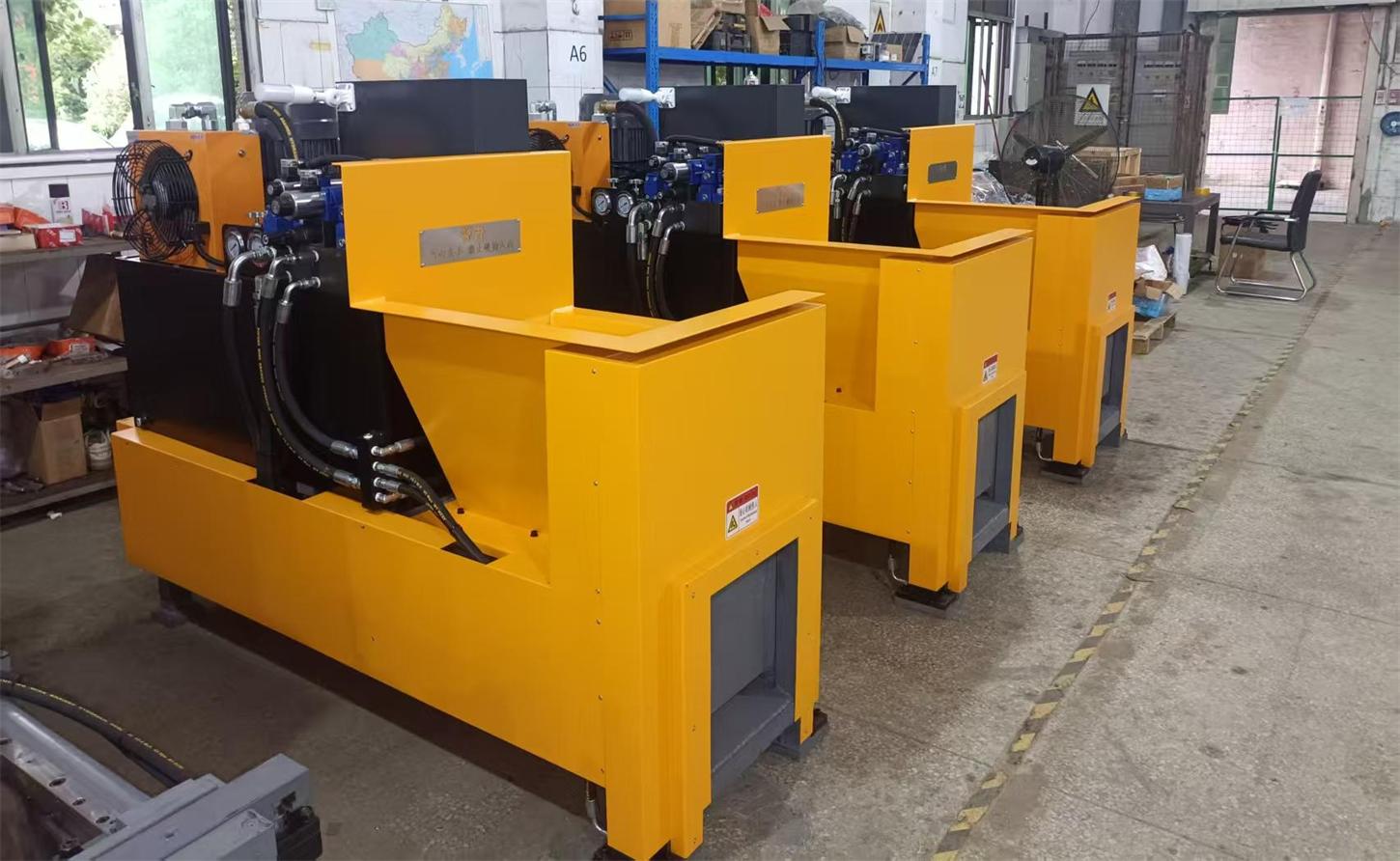
Picture it like building with LEGO blocks instead of carving from solid marble. Modular design breaks complex systems like hydraulic balers into independent, plug-and-play units. Each component – the hydraulic press machine, control systems, compression chambers – becomes its own self-contained module. You can swap them out like changing batteries in a flashlight. That "aha!" moment when you realize you don't need to replace the entire machine? That’s the magic of modular engineering.
Why This Matters for Hydraulic Balers
Hydraulic balers are the muscle-bound giants of recycling facilities and manufacturing plants. When they go down, production lines stagger. Traditional monolithic designs created painful bottlenecks. Need a stronger compression ratio? Time to disassemble half the machine. Spot corrosion in a hydraulic cylinder? Better order parts and pray they arrive before deadlines get crushed. Modularity flips this script.
Here's what modularity unlocks:
- Deployment Speed: New balers arrive partially assembled. Setup that took weeks now completes in days or even hours. When a factory in Ohio recently needed emergency capacity expansion, their modular baler went from truck bed to operation in 53 hours.
- Upgrade Flexibility: replace outdated sensors? Swap the power unit? Upgrade compression plates? It's now component-specific rather than machine-wide. That hydraulic press machine core stays untouched while peripherals evolve.
- Cost Control: Modular designs slash "forklift upgrades" (total machine replacements) by 60-80%. Plants invest incrementally instead of taking capital-draining leaps every 7-10 years.
- Sustainability: Failed modules get refurbished instead of entire machines heading to scrapyards. At a scrap metal yard in Texas, modular upgrades helped them reduce equipment-related carbon emissions by 40%.
How Modular Chassis Architecture Changes Everything
The chassis isn't just a frame; it's the skeleton of the operation. Modular chassis architecture takes the LEGO concept further. We're seeing standardized docking interfaces and smart connectors that allow modules to self-calibrate. Imagine a compression force adjustment that requires no manual tuning - the chassis recognizes the new module and automatically optimizes hydraulic flow.
This isn't just convenient; it's transformational. When a recycling plant near Detroit integrated modular balers, they reduced operational downtime from an industry-average 9% to under 2%. That’s like adding a full production month annually just by making downtime vanish.
Real-World Impacts: Case Studies
Carnegie Scrap Metals: Transitioned from three traditional balers to two modular units. The change resulted in:
- 78% faster setup when relocating a production line
- Ability to handle 50% more material types without re-engineering
- Annual maintenance savings exceeding $120,000
Veridian Packaging: Faced sudden new compression standards for bale density. Instead of replacing machines, they swapped compression modules at a weekend cost less than their previous quarterly maintenance budget.
Future-Proofing Through Modularity
Looking ahead, modular design isn't just solving today's problems; it's anticipating tomorrow's. The next wave involves AI-enabled predictive modules and hybrid power systems that integrate seamlessly. When hydrogen-cell power becomes viable? Modular balers will likely adopt it through swap-in power modules rather than full redesigns.
The greatest win? You're not betting on today's technology pyramid. You're building a foundation where your baler evolves alongside your operations rather than forcing painful migrations. That's not just smart engineering; it's sustainable business.
Making the Transition Work
Adopting modular design requires mental shifts:
- Training Overhaul: Maintenance teams learn diagnostics and module replacement instead of welding and total rebuilds.
- Supplier Relationships: Partner with manufacturers committed to backward/forward compatibility to avoid becoming dependent on "orphan modules".
- Planning Cycles: Upgrade budgets transition from periodic mega-projects to rolling component investments.
What surprised me most? The freedom modularity brings. When equipment problems become temporary module swaps instead of multi-day crises, stress levels plummet across operations teams. That human factor might be modularity's quietest revolution.
Whether you're configuring a new plant or retrofitting old infrastructure, modular hydraulic balers represent more than just a tech upgrade. They're an insurance policy against obsolescence. In a world demanding sustainability and adaptability, modularity isn't just the path forward; it's the only one that keeps pace with tomorrow's needs.