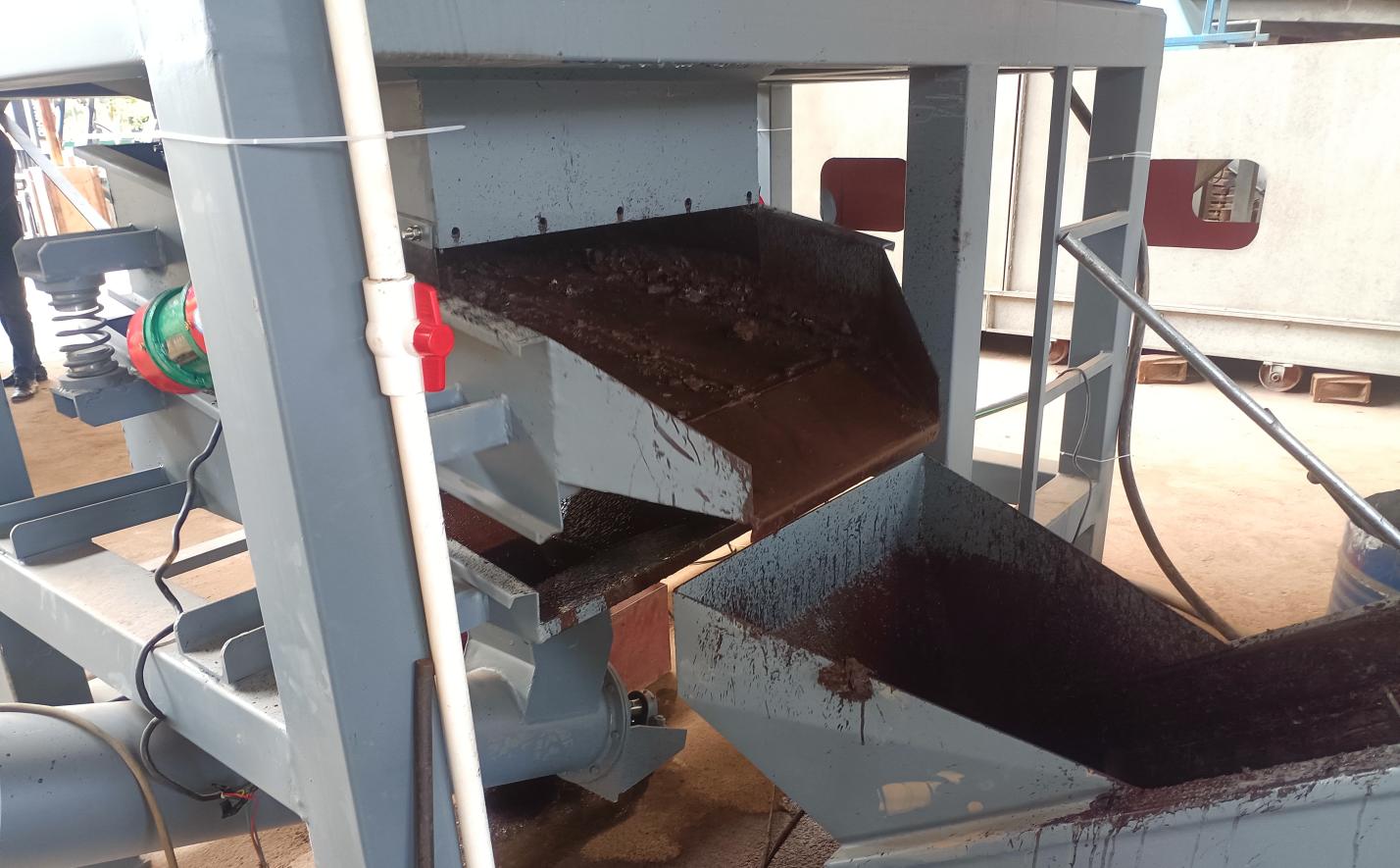
In today's world, where sustainability isn't just a buzzword but a business imperative, investing in a wastewater treatment plant (WWTP) has become a critical decision for industries, municipalities, and communities alike. Whether you're a manufacturing facility aiming to reduce environmental impact, a city expanding its infrastructure, or a tech park prioritizing green operations, a well-designed WWTP does more than just treat water—it protects ecosystems, ensures regulatory compliance, and even unlocks opportunities for resource recovery. But with the complexity of modern treatment technologies, varying regulatory landscapes, and long-term operational costs, diving into such an investment without careful planning can lead to inefficiencies, financial strain, or missed sustainability goals. To help you navigate this journey, we've compiled 10 essential factors to consider before breaking ground on your wastewater treatment plant.
1. Regulatory Compliance: Know the Rules Before You Build
The first and most non-negotiable factor is understanding the regulatory framework governing wastewater discharge in your region. Every country, state, and even local municipality has its own set of rules—from permissible contaminant levels (like BOD, COD, or heavy metals) to discharge permits and reporting requirements. For example, in the EU, the Urban Waste Water Treatment Directive sets strict standards for municipal plants, while industries in the U.S. must adhere to the EPA's Clean Water Act, which outlines effluent limitations for specific sectors.
Non-compliance isn't just a slap on the wrist; it can result in hefty fines, operational shutdowns, or reputational damage. That's where effluent treatment machine equipment comes into play—these systems are engineered to meet precise regulatory benchmarks, whether it's removing 99% of suspended solids or reducing nitrogen levels to single-digit mg/L. Before finalizing your plant design, consult local environmental agencies, hire a compliance expert, and map out exactly what your plant must achieve. Ask: What are the discharge limits for my industry? Are there upcoming regulatory changes (like stricter phosphorus rules) that could affect my plant in 5–10 years? Answering these questions early ensures your plant isn't just compliant today, but future-proofed for tomorrow's regulations.
2. Wastewater Characteristics: "Know Thy Water" to Choose the Right Treatment
Not all wastewater is created equal. A food processing plant's wastewater, rich in organic matter and fats, demands different treatment than a semiconductor facility's water, which may contain heavy metals or toxic chemicals. Before selecting equipment or technology, you need to conduct a thorough analysis of your wastewater's characteristics. Start with the basics: What is the daily flow rate (in cubic meters or gallons)? Is it consistent, or does it fluctuate seasonally? Then dig deeper into contaminants: Are you dealing with biodegradable organics, pathogens, oils, heavy metals (like lead or mercury), or complex chemicals (like pharmaceuticals)?
This analysis directly impacts the type of water process equipment you'll need. For example, high-strength organic wastewater might thrive with anaerobic digestion, while heavy metal-laden water may require chemical precipitation or membrane filtration. Even subtle details matter—if your wastewater has high temperatures, you'll need heat-resistant equipment; if it's highly acidic, corrosion-resistant materials become a priority. Skipping this step is like buying a car without knowing if you'll be driving on highways or off-road—you might end up with a system that's overkill, underperforming, or simply incompatible with your actual needs.
3. Treatment Technology: Balancing Efficiency, Cost, and Scalability
Once you understand your wastewater and regulatory obligations, the next step is selecting the right treatment technology. The market is flooded with options: biological treatments (like activated sludge or membrane bioreactors), physical processes (sedimentation, filtration), chemical treatments (coagulation, disinfection), and even advanced systems (reverse osmosis, UV oxidation). Each has its strengths and weaknesses, and the "best" choice depends on your specific goals.
For instance, biological treatments are cost-effective for organic-rich wastewater but require space and consistent operating conditions. Membrane bioreactors (MBRs), a type of water process equipment , offer compact designs and high-quality effluent but come with higher energy and maintenance costs due to membrane cleaning. If water reuse is a priority—say, for irrigation or industrial processes—reverse osmosis might be necessary, even if it adds upfront expenses. It's also crucial to think about scalability: Can the technology grow with your needs? Modular systems, which allow adding treatment units as flow increases, are often smarter than fixed-size plants that leave no room for expansion. Don't just default to the "most popular" technology—work with engineers to model scenarios, test pilot systems if possible, and choose a solution that aligns with your long-term vision.
| Technology Type | Best For | Key Advantages | Considerations |
|---|---|---|---|
| Activated Sludge (Biological) | Municipal or low-strength industrial wastewater | Cost-effective, proven reliability | Requires large tanks, sensitive to temperature changes |
| Membrane Bioreactor (MBR) | High-effluent quality needs, limited space | Compact design, removes fine contaminants | High energy use, membrane replacement costs |
| Chemical Coagulation | Wastewater with suspended solids or heavy metals | Fast treatment, effective for turbidity | Produces sludge, requires chemical storage |
| Reverse Osmosis (RO) | Water reuse, desalination, high-purity needs | Removes salts, pathogens, and micro-pollutants | High energy consumption, membrane fouling risks |
4. Operational Costs: Looking Beyond the Initial Price Tag
It's easy to get fixated on upfront construction costs, but the true cost of a WWTP lies in its day-to-day operation. Operational expenses—energy, chemicals, labor, maintenance, and sludge disposal—can account for 60–80% of a plant's total lifecycle cost. For example, aeration systems in biological treatments are energy hogs, consuming up to 50% of a plant's electricity. Chemicals like chlorine (for disinfection) or polymers (for sludge dewatering) add recurring expenses, and labor costs rise if the system requires constant monitoring by skilled operators.
Even equipment maintenance can sneak up on you: pumps need regular part replacements, membranes in MBRs require cleaning or replacement every 3–5 years, and filters clog over time. To avoid budget shocks, create a detailed operational cost model that includes: How much electricity will the plant use annually? What chemicals are needed, and how do their prices fluctuate? How often will key components (like effluent treatment machine equipment filters) need servicing? Don't forget to factor in sludge management—disposal costs (landfilling, incineration) or opportunities (composting, biogas recovery) can swing the budget significantly. A plant with low upfront costs might end up costing millions more over 10 years than a slightly pricier but more efficient alternative.
5. Environmental Impact: Beyond Water—Air, Sludge, and Carbon Footprint
A WWTP's job isn't done once clean water is discharged. Modern sustainability demands considering the plant's full environmental footprint, including air emissions, sludge byproducts, and energy use. For example, anaerobic digestion, a process that breaks down organic matter to produce biogas, reduces sludge volume but can release methane (a potent greenhouse gas) if not properly captured. Similarly, chemical treatments might release volatile organic compounds (VOCs) or ammonia, requiring additional controls.
This is where air pollution control system equipment becomes essential. Scrubbers, biofilters, or thermal oxidizers can mitigate odors and harmful emissions, ensuring the plant doesn't trade water pollution for air pollution. Sludge, too, needs responsible handling—can it be recycled as fertilizer, converted to energy, or safely landfilled? Some plants even recover resources from wastewater: phosphorus from sewage sludge, biogas for energy, or metals from industrial effluent. These practices not only reduce environmental impact but can also generate revenue or cost savings. When evaluating options, ask: What is the plant's carbon footprint? How will it manage byproducts? Is there potential for resource recovery? A truly green WWTP considers the entire cycle, not just the water leaving the plant.
6. Site Selection: Location Matters More Than You Think
You wouldn't build a house without checking the soil, and the same logic applies to WWTPs. Site selection impacts everything from construction costs to operational efficiency. Start with basics like land availability: Does the site have enough space for treatment tanks, equipment, and future expansion? Is it flat, or will grading be needed (a costly and time-consuming step)? Proximity to the wastewater source is another key factor—transporting wastewater over long distances requires larger pipes and more energy, increasing costs. Similarly, proximity to the discharge point (river, ocean, or reuse site) reduces pumping expenses.
Soil quality matters too: Sandy soil might require liners to prevent leakage, while clay soils can complicate excavation. Access to utilities is critical—will you have reliable power, water, and gas? What about transportation for equipment delivery and sludge removal? Finally, community considerations: Is the site far enough from residential areas to avoid noise or odor complaints? Local opposition can delay projects for years, so engaging stakeholders early and choosing a site with minimal impact on quality of life is often worth the extra effort.
7. Workforce and Expertise: Skilled Operators Are Your Plant's Backbone
Even the most advanced WWTP is only as good as the team running it. Operating a modern plant requires skilled technicians who understand complex processes, can troubleshoot equipment issues, and adapt to changing conditions (like sudden spikes in wastewater flow or contaminant levels). Unfortunately, the wastewater industry faces a skills gap in many regions, with experienced operators retiring and new talent needing training.
Before investing, assess the local labor market: Are there qualified operators available, or will you need to train new hires? Does the equipment manufacturer offer training programs for your team? Some water process equipment suppliers provide on-site support or remote monitoring tools, which can ease the burden on staff, but human expertise remains irreplaceable. Investing in ongoing training—certifications, workshops, or partnerships with technical schools—pays off in fewer breakdowns, better efficiency, and longer equipment lifespan. Don't underestimate this factor: A plant with cutting-edge technology but untrained operators will struggle to meet performance goals.
8. Water Reuse and Resource Recovery: Turning Waste into Value
In water-scarce regions or industries with high water demand, wastewater isn't just a waste product—it's a resource. Many modern WWTPs are designed for water reuse, treating effluent to levels suitable for irrigation, industrial processes, or even potable use (with advanced polishing). For example, Singapore's NEWater plants treat wastewater to drinking water standards, meeting 40% of the country's water needs. Similarly, industries like textiles or paper manufacturing can reuse treated water, reducing reliance on freshwater and lowering costs.
Resource recovery takes this a step further. Sludge from municipal plants can be processed into biosolids for agriculture; industrial wastewater might contain precious metals (like gold or silver) that can be extracted and sold. Even energy recovery—through biogas from anaerobic digestion or heat from treatment processes—can offset operational costs. While these strategies add complexity and upfront investment, they transform the WWTP from a "cost center" into a revenue-generating asset. If water scarcity or sustainability goals are priorities for your organization, integrating reuse and recovery systems early can deliver long-term dividends.
9. Maintenance and Reliability: Keeping the Plant Running Smoothly
A WWTP is a 24/7 operation—downtime isn't an option when wastewater is constantly flowing in. That's why equipment reliability and maintenance planning are critical. Before choosing suppliers, research their track records: How durable is their effluent treatment machine equipment ? Do they offer responsive support? Are spare parts readily available, or will you face long delays for replacements?
Preventive maintenance is key to avoiding breakdowns. This includes regular tasks like cleaning filters, lubricating pumps, and calibrating sensors, as well as scheduled overhauls of major components. Some modern plants use IoT sensors and AI to monitor equipment health in real time, alerting operators to issues before they cause failures. It's also wise to design redundancy into critical systems—backup pumps, generators, or treatment units—so a single failure doesn't shut down the entire plant. Remember: Every hour of downtime can lead to non-compliant discharge, fines, or even environmental harm. Investing in reliable equipment and a proactive maintenance plan isn't just about avoiding headaches—it's about protecting your investment and reputation.
10. Long-Term Vision: Future-Proofing for Innovation and Change
Finally, a WWTP is a long-term investment—most plants operate for 20–30 years or more. In that time, regulations will evolve, technologies will advance, and your needs may change. A plant designed rigidly for today's conditions could become obsolete tomorrow. To future-proof, start with flexible design: for adding treatment units, using modular water process equipment that can be upgraded, and ensuring electrical and plumbing systems can handle increased loads.
Stay informed about emerging trends: Could electrochemical treatment replace chemical processes in the next decade? Will stricter microplastic regulations require new filtration systems? What role might AI play in optimizing operations? Building partnerships with technology providers, attending industry conferences, and engaging with regulatory bodies can help you anticipate changes. It's also smart to include a "technology upgrade fund" in your budget, setting aside money annually to adopt innovations that improve efficiency, reduce costs, or enhance sustainability. A plant that can adapt to the future isn't just a better investment—it's a testament to your commitment to long-term environmental stewardship.
Investing in a wastewater treatment plant is a journey that requires balancing science, economics, and sustainability. By considering these 10 factors—from regulatory compliance and technology selection to operational costs and future-proofing—you'll build a system that not only meets today's needs but thrives in tomorrow's world. Remember, the goal isn't just to treat water—it's to create a facility that protects the planet, supports your community or business, and stands as a model of responsible resource management. With careful planning, your WWTP can be more than a treatment plant; it can be a cornerstone of your sustainability legacy.