Introduction: The Quiet Revolution Fueling Global Furnace Demand
In the bustling landscape of global industry, some technologies work tirelessly behind the scenes, rarely grabbing headlines but forming the backbone of progress. Furnaces are among these unsung heroes—quietly transforming raw materials, recycling waste, and enabling the circular economy that the world increasingly relies on. As 2025 unfolds, the global demand for furnaces is experiencing a remarkable surge, driven by a convergence of sustainability goals, regulatory pressures, and the exploding growth of industries like battery recycling, e-waste management, and metal recovery. This report dives into the forces shaping this demand, the regions leading the charge, and the innovative furnace technologies making it all possible.
At its core, the furnace market's growth is a story of adaptation. Traditional furnaces, once associated primarily with heavy manufacturing, are now evolving to meet the needs of a planet in transition. Today's furnaces are not just tools for melting metal—they are critical components in the fight against climate change, helping to divert millions of tons of waste from landfills and reduce reliance on virgin resources. From small-scale recycling facilities in rural India to state-of-the-art plants in Germany, these machines are bridging the gap between industrial progress and environmental responsibility.
Nowhere is this more evident than in the recycling sector. As the world grapples with mountains of e-waste, spent batteries, and scrap metal, furnaces have become indispensable. Consider lead-acid batteries, which power everything from cars to backup generators. Each year, over 50 million metric tons of lead-acid batteries reach the end of their life globally—and nearly 99% of them are recycled, thanks in large part to specialized furnaces designed for lead recovery. Similarly, the lithium-ion battery boom, driven by electric vehicles (EVs) and renewable energy storage, has created a urgent need for furnaces that can safely process lithium, cobalt, and nickel from spent batteries. These are not just industrial machines; they are the engines of a sustainable future.
At its core, the furnace market's growth is a story of adaptation. Traditional furnaces, once associated primarily with heavy manufacturing, are now evolving to meet the needs of a planet in transition. Today's furnaces are not just tools for melting metal—they are critical components in the fight against climate change, helping to divert millions of tons of waste from landfills and reduce reliance on virgin resources. From small-scale recycling facilities in rural India to state-of-the-art plants in Germany, these machines are bridging the gap between industrial progress and environmental responsibility.
Nowhere is this more evident than in the recycling sector. As the world grapples with mountains of e-waste, spent batteries, and scrap metal, furnaces have become indispensable. Consider lead-acid batteries, which power everything from cars to backup generators. Each year, over 50 million metric tons of lead-acid batteries reach the end of their life globally—and nearly 99% of them are recycled, thanks in large part to specialized furnaces designed for lead recovery. Similarly, the lithium-ion battery boom, driven by electric vehicles (EVs) and renewable energy storage, has created a urgent need for furnaces that can safely process lithium, cobalt, and nickel from spent batteries. These are not just industrial machines; they are the engines of a sustainable future.
Key Drivers: Why Furnace Demand Is Soaring in 2025
To understand the surge in furnace demand, we must first look at the broader trends reshaping global industry. Three key drivers stand out: the rise of the circular economy, the explosion of e-waste and battery recycling, and increasingly strict environmental regulations. Together, these forces are creating a perfect storm of demand for advanced, efficient furnaces.
The Circular Economy: From "Take-Make-Waste" to "Reduce-Reuse-Recycle"
Governments and corporations worldwide are abandoning the linear "take-make-waste" model in favor of a circular economy, where resources are kept in use for as long as possible. This shift has put recycling at the center of industrial strategy—and recycling, by its nature, relies on furnaces. Whether it's melting down scrap metal to make new car parts or processing circuit boards to recover precious metals like gold and silver, furnaces are the critical link between waste and reuse. In 2025, the circular economy is no longer a buzzword; it's a legal mandate in regions like the European Union, where directives such as the Waste Framework Directive and the Battery Regulation require strict recycling targets. Companies that fail to comply face heavy fines, driving investment in recycling infrastructure—including furnaces.
E-Waste and Battery Recycling: A Crisis Driving Opportunity
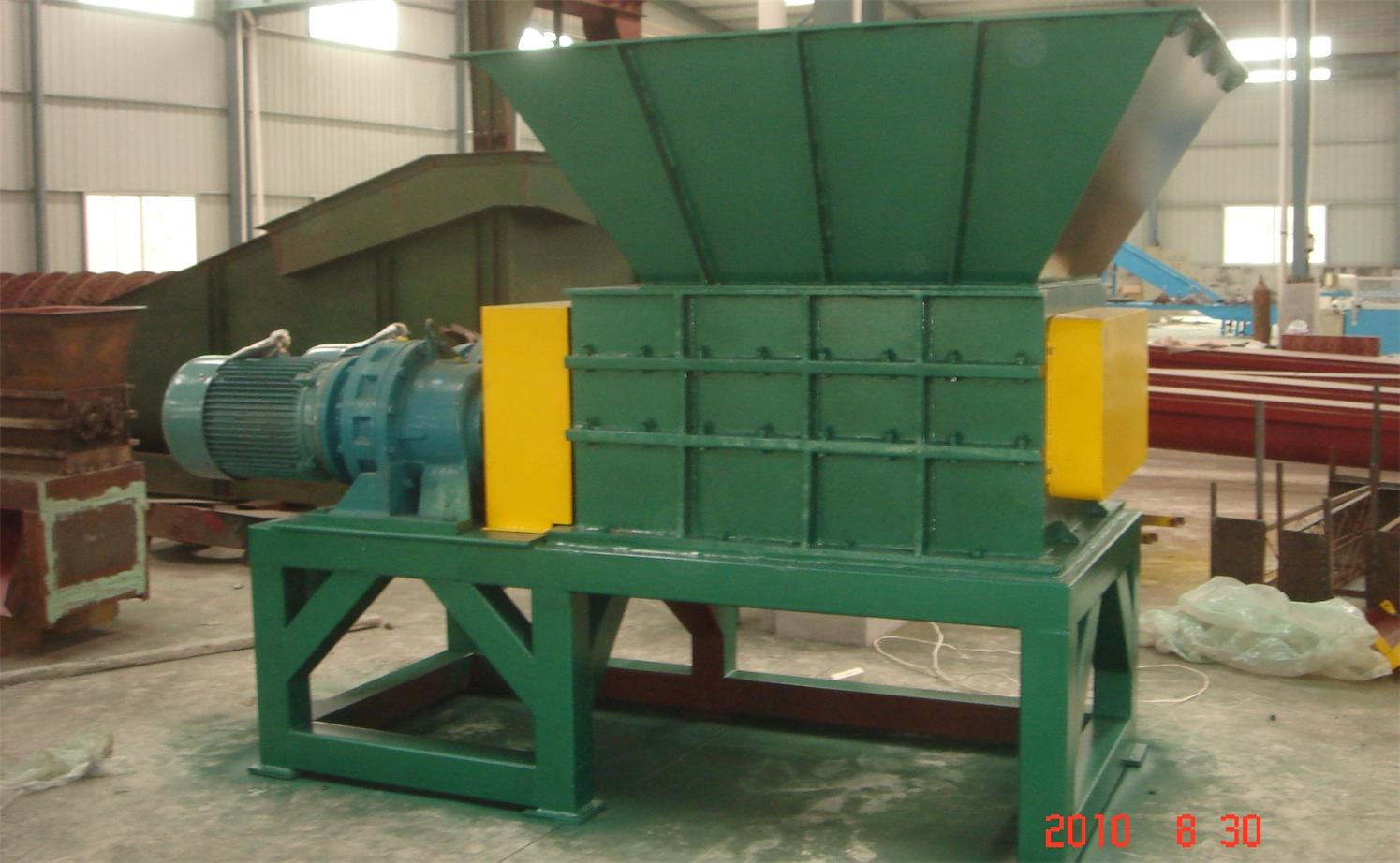
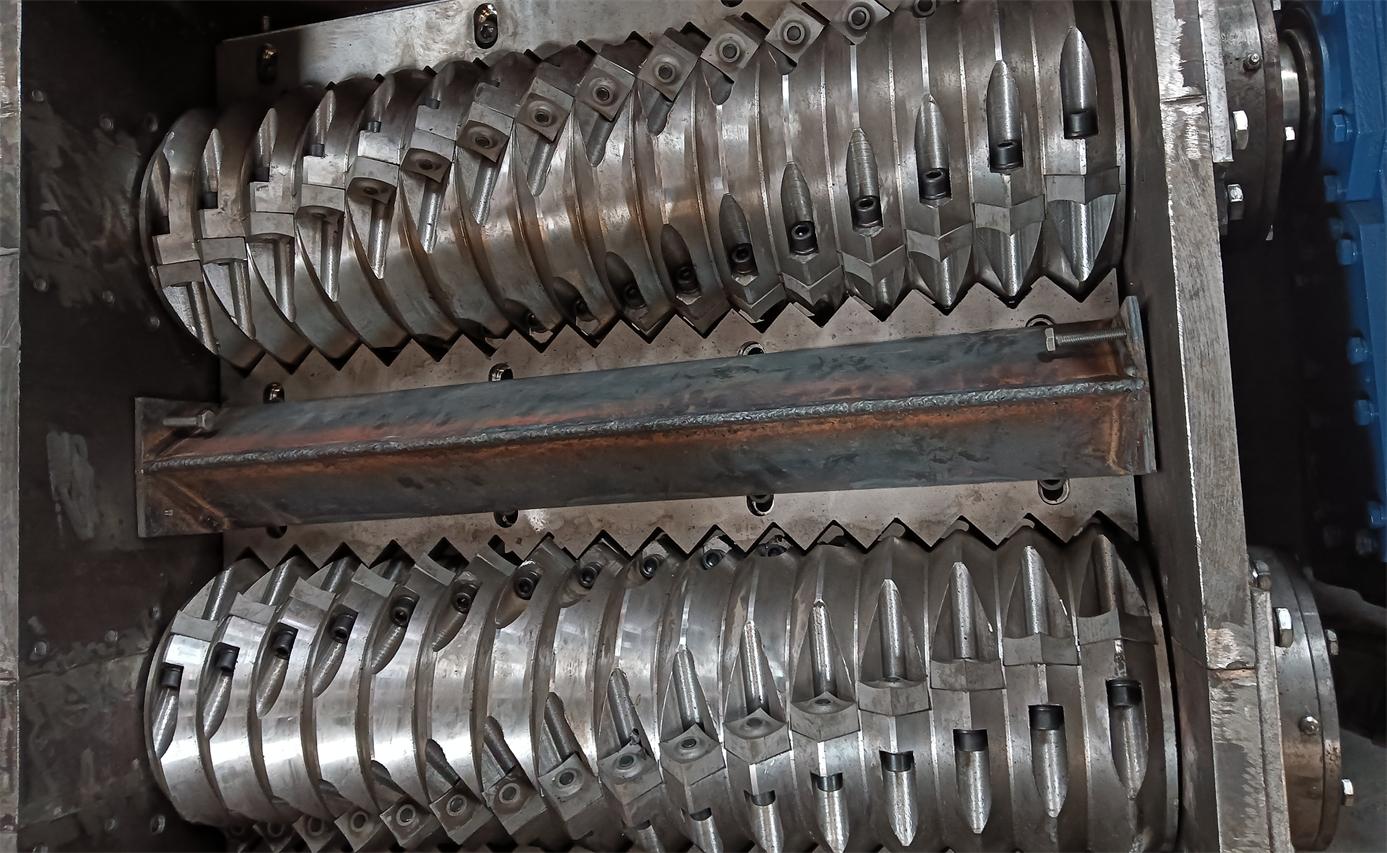
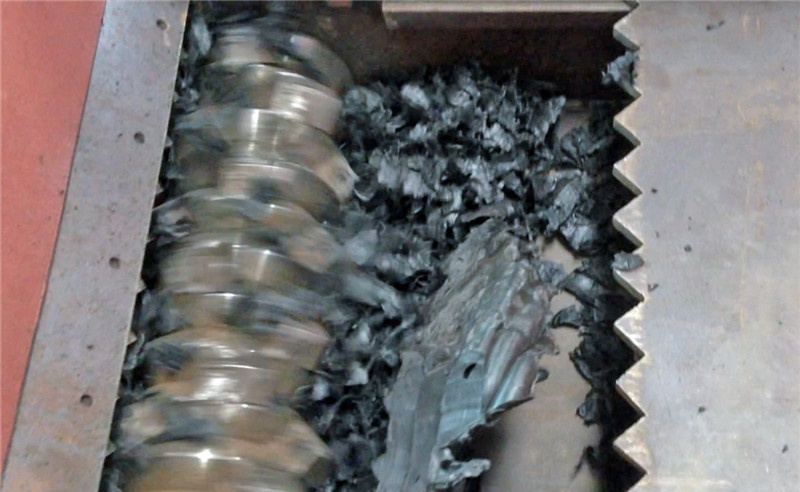
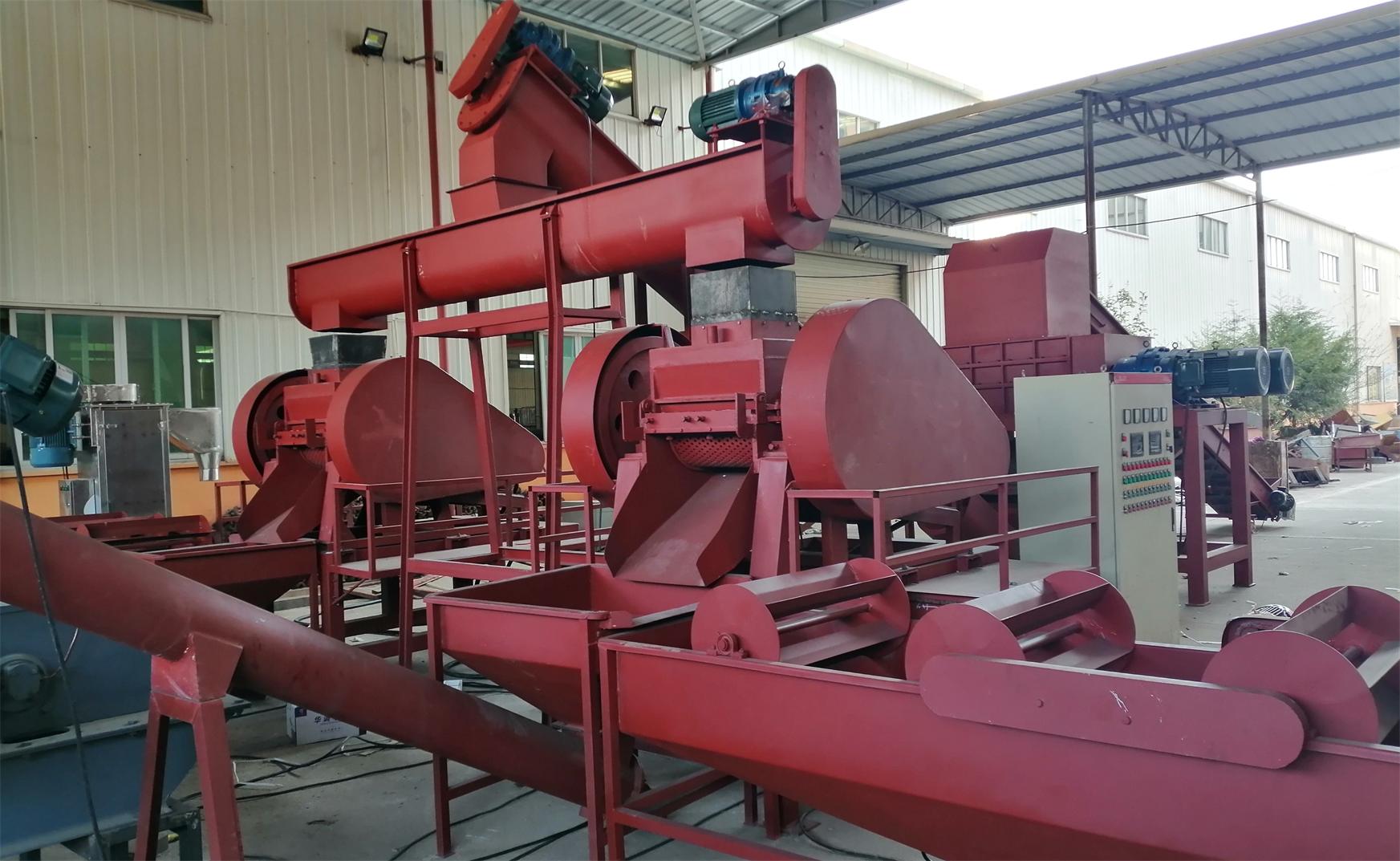
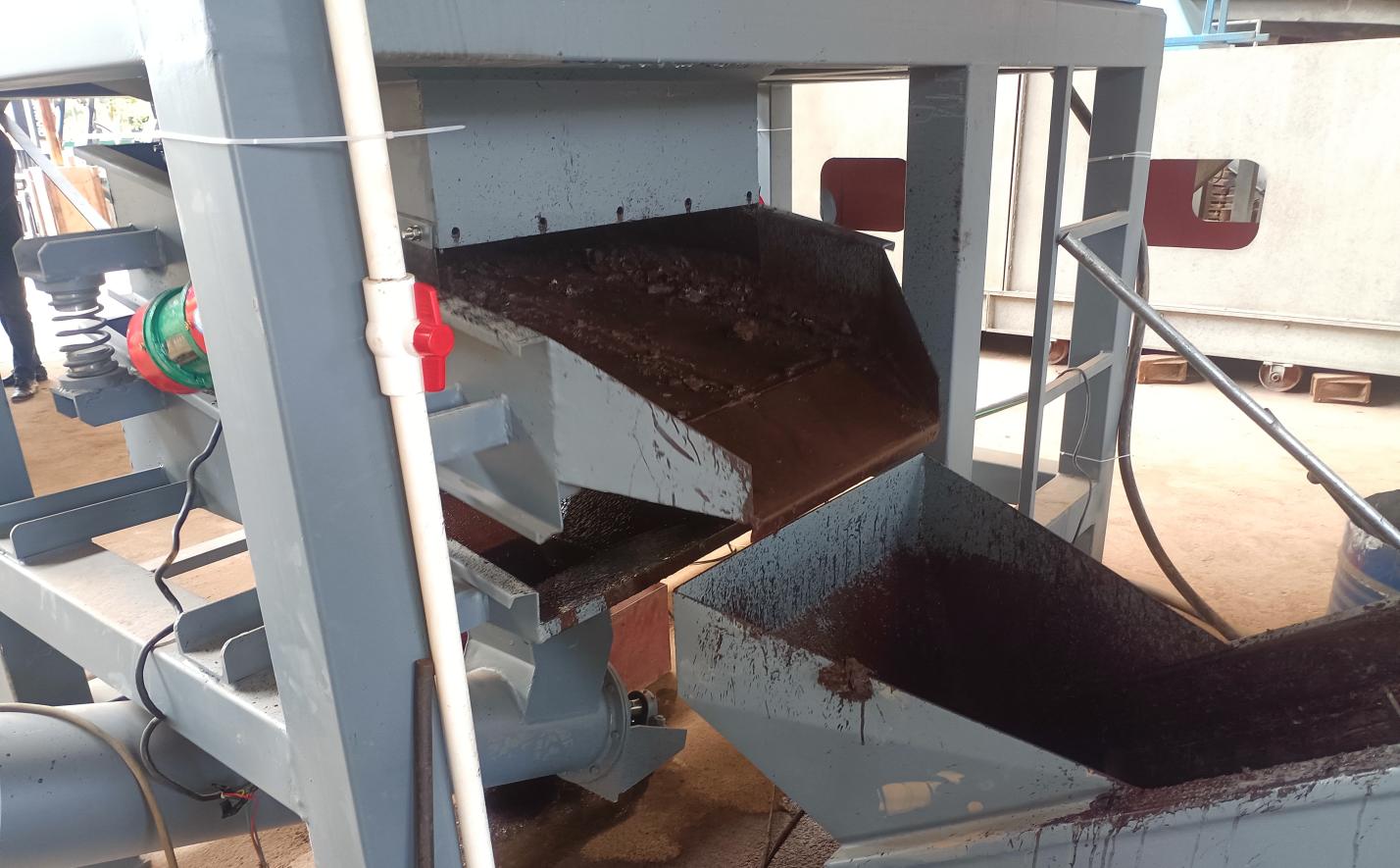
The numbers are staggering: the United Nations estimates that global e-waste will reach 74 million metric tons by 2030, up from 53 million in 2019. Every discarded smartphone, laptop, and EV battery contains valuable materials—copper, lithium, lead, and rare earth elements—that can be recovered and reused. But extracting these materials safely and efficiently requires specialized equipment, and furnaces are often the final step in the process. For example, lead-acid battery recycling facilities rely on a lead acid battery breaking and separation system to first crush and sort battery components, after which the lead paste is processed in a rotary furnace for paste reduction —a technology specifically designed to recover lead with minimal environmental impact. Similarly, lithium-ion battery recycling plants use furnaces to melt down battery casings and separate metals, turning what was once waste into feedstock for new batteries. As EV adoption accelerates (global EV sales are projected to hit 35 million units by 2025), the demand for these recycling-focused furnaces is skyrocketing.
Environmental Regulations: Pushing for Cleaner, Greener Solutions
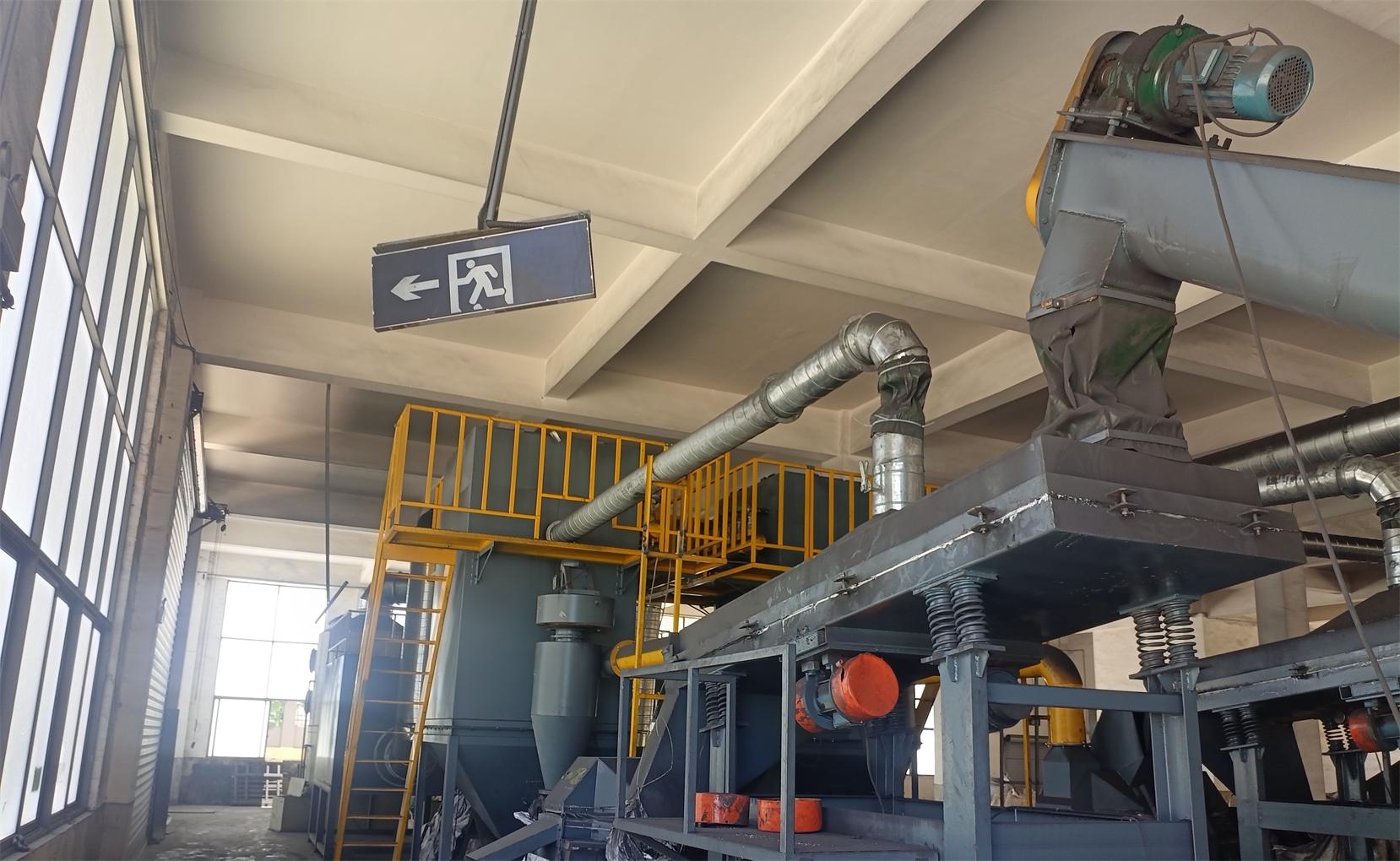
Strict emissions standards are no longer optional. Governments from China to Canada are cracking down on air and water pollution, forcing industries to upgrade their equipment. Traditional furnaces, which often emitted high levels of greenhouse gases and pollutants, are being replaced with cleaner alternatives. Enter the medium frequency electricity furnace —a technology that uses high-frequency currents to generate heat, reducing energy consumption by up to 30% compared to older models. These furnaces not only meet strict emissions limits but also cut operating costs, making them a win-win for businesses and the planet. Additionally, the rise of air pollution control system equipment —scrubbers, filters, and catalytic converters—has become integral to furnace operations, ensuring that even high-temperature processes don't harm local communities. In 2025, a furnace isn't just a tool for production; it's a statement of environmental responsibility.
The Circular Economy: From "Take-Make-Waste" to "Reduce-Reuse-Recycle"
Governments and corporations worldwide are abandoning the linear "take-make-waste" model in favor of a circular economy, where resources are kept in use for as long as possible. This shift has put recycling at the center of industrial strategy—and recycling, by its nature, relies on furnaces. Whether it's melting down scrap metal to make new car parts or processing circuit boards to recover precious metals like gold and silver, furnaces are the critical link between waste and reuse. In 2025, the circular economy is no longer a buzzword; it's a legal mandate in regions like the European Union, where directives such as the Waste Framework Directive and the Battery Regulation require strict recycling targets. Companies that fail to comply face heavy fines, driving investment in recycling infrastructure—including furnaces.
E-Waste and Battery Recycling: A Crisis Driving Opportunity
The numbers are staggering: the United Nations estimates that global e-waste will reach 74 million metric tons by 2030, up from 53 million in 2019. Every discarded smartphone, laptop, and EV battery contains valuable materials—copper, lithium, lead, and rare earth elements—that can be recovered and reused. But extracting these materials safely and efficiently requires specialized equipment, and furnaces are often the final step in the process. For example, lead-acid battery recycling facilities rely on a lead acid battery breaking and separation system to first crush and sort battery components, after which the lead paste is processed in a rotary furnace for paste reduction —a technology specifically designed to recover lead with minimal environmental impact. Similarly, lithium-ion battery recycling plants use furnaces to melt down battery casings and separate metals, turning what was once waste into feedstock for new batteries. As EV adoption accelerates (global EV sales are projected to hit 35 million units by 2025), the demand for these recycling-focused furnaces is skyrocketing.
Environmental Regulations: Pushing for Cleaner, Greener Solutions
Strict emissions standards are no longer optional. Governments from China to Canada are cracking down on air and water pollution, forcing industries to upgrade their equipment. Traditional furnaces, which often emitted high levels of greenhouse gases and pollutants, are being replaced with cleaner alternatives. Enter the medium frequency electricity furnace —a technology that uses high-frequency currents to generate heat, reducing energy consumption by up to 30% compared to older models. These furnaces not only meet strict emissions limits but also cut operating costs, making them a win-win for businesses and the planet. Additionally, the rise of air pollution control system equipment —scrubbers, filters, and catalytic converters—has become integral to furnace operations, ensuring that even high-temperature processes don't harm local communities. In 2025, a furnace isn't just a tool for production; it's a statement of environmental responsibility.
Regional Demand Analysis: Who's Leading the Furnace Boom?
Furnace demand isn't uniform across the globe—it's shaped by regional priorities, economic conditions, and regulatory landscapes. In 2025, three regions stand out as drivers of global growth: Asia-Pacific, Europe, and North America. Each has its own story, but all share a common thread: a commitment to recycling and sustainability.
Asia-Pacific: The Unquestioned Leader
Asia-Pacific dominates the global furnace market, accounting for over 45% of demand in 2025. China, the region's heavyweight, leads the charge, driven by its dual goals of reducing reliance on imported raw materials and cleaning up its environment. The Chinese government has invested billions in recycling infrastructure, particularly for batteries and e-waste. In provinces like Guangdong and Jiangsu, lead-acid battery recycling plants are popping up at a rapid pace, each equipped with rotary furnaces and lead acid battery breaking systems. India, too, is emerging as a key player, with a growing middle class generating more e-waste and a government push to achieve a 25% recycling rate by 2025. Small and medium enterprises (SMEs) in India are increasingly adopting compact metal melting furnace equipment to process scrap metal, while larger facilities invest in medium frequency electricity furnaces for higher efficiency.
What sets Asia-Pacific apart is scale. The region is home to both the world's largest manufacturers and its biggest consumers, creating a closed loop of production, consumption, and recycling. In Southeast Asia, countries like Vietnam and Thailand are becoming hubs for electronics manufacturing, driving demand for circuit board recycling equipment—and the furnaces that power it. As these nations seek to avoid the "waste colonialism" of the past, they're investing in domestic recycling capacity, with furnaces at the heart of their strategies.
Europe: Regulation as a Catalyst
Europe may not match Asia's scale, but it leads in regulatory ambition—and that ambition is fueling furnace demand. The European Union's Circular Economy Action Plan, which includes targets for recycling 70% of packaging waste and 65% of municipal waste by 2030, has created a urgent need for advanced recycling technologies. Germany, in particular, is a hotbed of innovation, with companies like Daimler and BMW investing in in-house battery recycling facilities that use state-of-the-art furnaces to recover materials for new EV batteries. The EU's Battery Regulation, which mandates that 95% of lead-acid batteries and 70% of lithium-ion batteries be recycled by 2030, has also spurred demand for specialized furnaces. In countries like Sweden and the Netherlands, where environmental consciousness runs deep, air pollution control system equipment is often paired with furnaces to ensure emissions are near-zero, reflecting a commitment to both recycling and public health.
Europe's focus on sustainability extends beyond compliance. Many European companies view recycling as a competitive advantage, using recycled materials to market their products as "green" to eco-conscious consumers. This has led to demand for high-tech furnaces that can process complex materials, such as the circuit board recycling plant with dry separator —a system that uses furnaces to recover metals from printed circuit boards without toxic chemicals. As the EU moves toward a carbon-neutral economy by 2050, furnaces that run on renewable energy (like electric arc furnaces powered by wind or solar) are becoming increasingly popular, further driving innovation in the sector.
North America: Tech-Driven Growth
In North America, furnace demand is driven by a mix of technological innovation and growing awareness of e-waste challenges. The United States generates more e-waste per capita than any other country, with an estimated 6.9 million metric tons discarded in 2024 alone. This has led to a surge in startups focused on e-waste recycling, many of which are turning to furnaces as a key part of their processes. Companies like Li-Cycle and Retriev Technologies are building large-scale lithium-ion battery recycling plants, using furnaces to melt down battery cells and recover lithium, cobalt, and nickel. Meanwhile, in Canada, the government's $1 billion Critical Minerals Strategy includes funding for recycling infrastructure, with a focus on furnaces that can process rare earth elements from e-waste.
What makes North America unique is its emphasis on technology integration. Many North American furnace manufacturers are pairing their machines with AI and IoT sensors to optimize performance—monitoring temperature, energy use, and emissions in real time to reduce waste and improve efficiency. For example, a medium frequency electricity furnace in Michigan might use machine learning to adjust power input based on the type of scrap metal being processed, cutting energy costs by 15-20%. This focus on "smart furnaces" is attracting investment from tech giants and venture capitalists alike, positioning North America as a leader in furnace innovation.
Asia-Pacific: The Unquestioned Leader
Asia-Pacific dominates the global furnace market, accounting for over 45% of demand in 2025. China, the region's heavyweight, leads the charge, driven by its dual goals of reducing reliance on imported raw materials and cleaning up its environment. The Chinese government has invested billions in recycling infrastructure, particularly for batteries and e-waste. In provinces like Guangdong and Jiangsu, lead-acid battery recycling plants are popping up at a rapid pace, each equipped with rotary furnaces and lead acid battery breaking systems. India, too, is emerging as a key player, with a growing middle class generating more e-waste and a government push to achieve a 25% recycling rate by 2025. Small and medium enterprises (SMEs) in India are increasingly adopting compact metal melting furnace equipment to process scrap metal, while larger facilities invest in medium frequency electricity furnaces for higher efficiency.
What sets Asia-Pacific apart is scale. The region is home to both the world's largest manufacturers and its biggest consumers, creating a closed loop of production, consumption, and recycling. In Southeast Asia, countries like Vietnam and Thailand are becoming hubs for electronics manufacturing, driving demand for circuit board recycling equipment—and the furnaces that power it. As these nations seek to avoid the "waste colonialism" of the past, they're investing in domestic recycling capacity, with furnaces at the heart of their strategies.
Europe: Regulation as a Catalyst
Europe may not match Asia's scale, but it leads in regulatory ambition—and that ambition is fueling furnace demand. The European Union's Circular Economy Action Plan, which includes targets for recycling 70% of packaging waste and 65% of municipal waste by 2030, has created a urgent need for advanced recycling technologies. Germany, in particular, is a hotbed of innovation, with companies like Daimler and BMW investing in in-house battery recycling facilities that use state-of-the-art furnaces to recover materials for new EV batteries. The EU's Battery Regulation, which mandates that 95% of lead-acid batteries and 70% of lithium-ion batteries be recycled by 2030, has also spurred demand for specialized furnaces. In countries like Sweden and the Netherlands, where environmental consciousness runs deep, air pollution control system equipment is often paired with furnaces to ensure emissions are near-zero, reflecting a commitment to both recycling and public health.
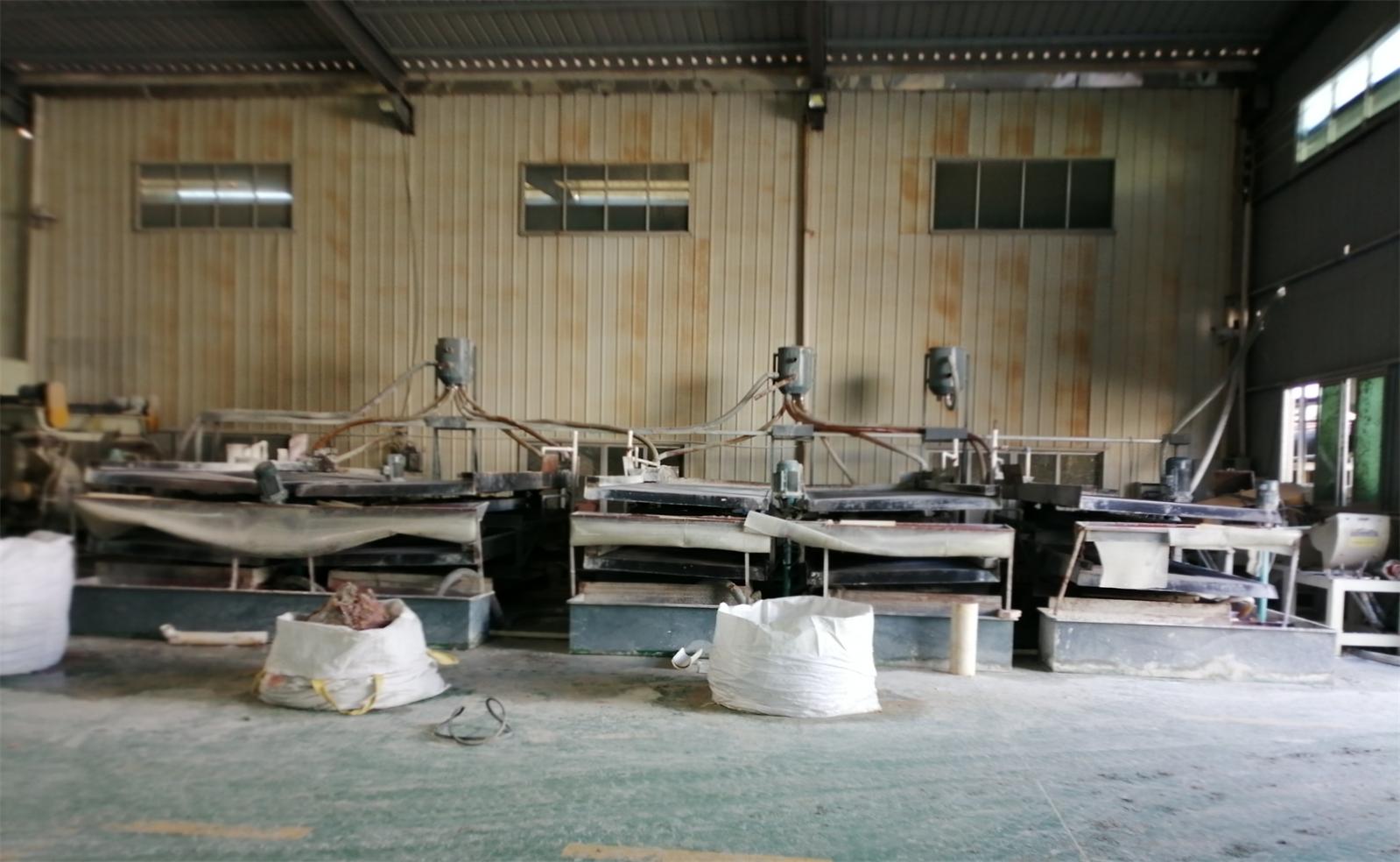
Europe's focus on sustainability extends beyond compliance. Many European companies view recycling as a competitive advantage, using recycled materials to market their products as "green" to eco-conscious consumers. This has led to demand for high-tech furnaces that can process complex materials, such as the circuit board recycling plant with dry separator —a system that uses furnaces to recover metals from printed circuit boards without toxic chemicals. As the EU moves toward a carbon-neutral economy by 2050, furnaces that run on renewable energy (like electric arc furnaces powered by wind or solar) are becoming increasingly popular, further driving innovation in the sector.
North America: Tech-Driven Growth
In North America, furnace demand is driven by a mix of technological innovation and growing awareness of e-waste challenges. The United States generates more e-waste per capita than any other country, with an estimated 6.9 million metric tons discarded in 2024 alone. This has led to a surge in startups focused on e-waste recycling, many of which are turning to furnaces as a key part of their processes. Companies like Li-Cycle and Retriev Technologies are building large-scale lithium-ion battery recycling plants, using furnaces to melt down battery cells and recover lithium, cobalt, and nickel. Meanwhile, in Canada, the government's $1 billion Critical Minerals Strategy includes funding for recycling infrastructure, with a focus on furnaces that can process rare earth elements from e-waste.
What makes North America unique is its emphasis on technology integration. Many North American furnace manufacturers are pairing their machines with AI and IoT sensors to optimize performance—monitoring temperature, energy use, and emissions in real time to reduce waste and improve efficiency. For example, a medium frequency electricity furnace in Michigan might use machine learning to adjust power input based on the type of scrap metal being processed, cutting energy costs by 15-20%. This focus on "smart furnaces" is attracting investment from tech giants and venture capitalists alike, positioning North America as a leader in furnace innovation.
Product Spotlight: The Furnaces Driving 2025 Demand
Not all furnaces are created equal. In 2025, three types stand out for their versatility, efficiency, and alignment with recycling trends: metal melting furnaces, medium frequency electricity furnaces, and rotary furnaces for paste reduction. Each serves a unique purpose, but together, they form the backbone of the global recycling infrastructure. The table below compares these key furnace types, highlighting their applications, demand drivers, and growth potential.
| Furnace Type | Core Applications | Key Features | 2025 Demand Drivers | Regional Hotspots |
|---|---|---|---|---|
| Metal Melting Furnace Equipment | Scrap metal recycling, automotive parts manufacturing, jewelry making | High-temperature capacity (up to 1,800°C), compact design, suitable for small to medium-scale operations | Growth in scrap metal volumes, SME adoption in emerging markets | India, Southeast Asia, Eastern Europe |
| Medium Frequency Electricity Furnace Equipment | Steel recycling, aluminum recovery, large-scale metal processing | Energy-efficient (30% lower consumption than traditional furnaces), fast melting times, precise temperature control | Strict emissions regulations, demand for high-volume recycling | China, Germany, United States |
| Rotary Furnace for Paste Reduction (Lead Acid Battery Recycling) | Lead recovery from lead-acid battery paste, lead smelting | Continuous operation, low lead loss, integrated pollution control | Global lead-acid battery recycling mandates, automotive industry growth | China, United States, Brazil |
Metal Melting Furnaces: The Workhorses of Small-Scale Recycling
For small businesses and local recycling facilities, metal melting furnace equipment is often the first step into recycling. These compact, affordable furnaces can process everything from scrap copper wires to aluminum cans, turning them into ingots that can be sold to manufacturers. In rural India, for example, a family-owned scrapyard might use a small metal melting furnace to process 50-100 kg of scrap metal per day, generating income while reducing waste. What makes these furnaces popular is their simplicity—they require minimal training to operate and can be powered by electricity or gas, making them adaptable to local energy grids. As emerging markets grow and disposable incomes rise, the demand for small-scale metal melting furnaces is expected to climb, particularly in regions where formal recycling infrastructure is still developing.
Medium Frequency Electricity Furnaces: Efficiency for the Masses
When it comes to large-scale recycling, medium frequency electricity furnace equipment reigns supreme. These furnaces use high-frequency alternating current to generate heat through electromagnetic induction, resulting in faster melting times and lower energy use than traditional coal-fired furnaces. In China's steel hubs, for example, medium frequency furnaces are replacing older models, helping the country reduce its carbon footprint while meeting skyrocketing demand for recycled steel. The automotive industry is another major consumer—companies like Ford and Volkswagen use these furnaces to recycle scrap metal from production lines, turning waste into new car parts. With energy costs rising globally, the efficiency of medium frequency furnaces has become a key selling point, driving adoption in both developed and developing markets.
Rotary Furnaces: Specialized Tools for Critical Materials
In the world of lead-acid battery recycling, the rotary furnace for paste reduction is irreplaceable. Lead-acid batteries, which power most cars and trucks, contain lead plates and lead paste—both of which can be recycled, but require careful processing to avoid lead contamination. After a lead acid battery breaking and separation system crushes the batteries and separates the plastic, lead plates, and paste, the paste is fed into a rotary furnace. The furnace rotates slowly, heating the paste to 800-900°C and converting lead sulfate into metallic lead, which is then poured into ingots. What makes rotary furnaces ideal for this task is their ability to operate continuously, handling large volumes of paste with minimal lead loss (typically less than 2%). As the global fleet of vehicles grows—particularly in developing markets—demand for these specialized furnaces is set to rise, ensuring that lead-acid batteries remain one of the most recycled products on the planet.
Navigating Challenges: What's Holding Back Furnace Demand?
For all its growth, the global furnace market faces significant challenges. High initial costs, technical expertise gaps, and the need for
air pollution control system equipment
are just a few of the hurdles that must be overcome to sustain momentum.
The Cost Barrier: A Heavy Lift for Small Players
Advanced furnaces are not cheap. A medium frequency electricity furnace can cost upwards of $200,000, while a complete lead-acid battery recycling line with a rotary furnace can exceed $1 million. For SMEs in emerging markets, this is often prohibitive, forcing them to rely on outdated, inefficient equipment—or to abandon recycling altogether. Governments and international organizations are stepping in to bridge the gap: the World Bank, for example, offers low-interest loans for recycling infrastructure in developing countries, while the EU provides grants for SMEs adopting green technologies. But more needs to be done to make these technologies accessible, particularly in regions where recycling is most needed.
Technical Expertise: Operating in a Complex Landscape
Modern furnaces are not just metal boxes with fire—they're sophisticated machines that require trained operators and regular maintenance. A rotary furnace for paste reduction , for instance, needs to be calibrated to specific temperatures and rotation speeds to maximize lead recovery and minimize emissions. In many developing countries, there's a shortage of technicians with the skills to operate and repair these systems, leading to downtime, inefficiency, and even safety risks. Training programs are emerging to address this gap: in India, the National Institute of Recycling (NIR) offers courses on furnace operation, while in China, manufacturers like Henan Doing Environmental Protection Technology provide on-site training for customers. But scaling these programs will be critical to ensuring that furnaces are used to their full potential.
Air Pollution Control: Balancing Production and Planet
Perhaps the biggest challenge is ensuring that furnace operations are environmentally sustainable. Even the most efficient furnace emits some pollutants, and without proper controls, these emissions can harm local communities and ecosystems. This is where air pollution control system equipment comes into play—scrubbers, filters, and electrostatic precipitators that capture particulates and toxic gases before they're released into the air. In Europe, these systems are often mandatory, but in some regions, enforcement is lax, leading to "pollution havens" where companies cut corners to save costs. To address this, international bodies like the UN Environment Programme are pushing for global standards for recycling emissions, while consumers are increasingly demanding transparency about the environmental practices of the companies they support. Over time, the cost of air pollution control is likely to become a standard part of furnace investment, as companies recognize that sustainability is not just a regulatory requirement but a business imperative.
The Cost Barrier: A Heavy Lift for Small Players
Advanced furnaces are not cheap. A medium frequency electricity furnace can cost upwards of $200,000, while a complete lead-acid battery recycling line with a rotary furnace can exceed $1 million. For SMEs in emerging markets, this is often prohibitive, forcing them to rely on outdated, inefficient equipment—or to abandon recycling altogether. Governments and international organizations are stepping in to bridge the gap: the World Bank, for example, offers low-interest loans for recycling infrastructure in developing countries, while the EU provides grants for SMEs adopting green technologies. But more needs to be done to make these technologies accessible, particularly in regions where recycling is most needed.
Technical Expertise: Operating in a Complex Landscape
Modern furnaces are not just metal boxes with fire—they're sophisticated machines that require trained operators and regular maintenance. A rotary furnace for paste reduction , for instance, needs to be calibrated to specific temperatures and rotation speeds to maximize lead recovery and minimize emissions. In many developing countries, there's a shortage of technicians with the skills to operate and repair these systems, leading to downtime, inefficiency, and even safety risks. Training programs are emerging to address this gap: in India, the National Institute of Recycling (NIR) offers courses on furnace operation, while in China, manufacturers like Henan Doing Environmental Protection Technology provide on-site training for customers. But scaling these programs will be critical to ensuring that furnaces are used to their full potential.
Air Pollution Control: Balancing Production and Planet
Perhaps the biggest challenge is ensuring that furnace operations are environmentally sustainable. Even the most efficient furnace emits some pollutants, and without proper controls, these emissions can harm local communities and ecosystems. This is where air pollution control system equipment comes into play—scrubbers, filters, and electrostatic precipitators that capture particulates and toxic gases before they're released into the air. In Europe, these systems are often mandatory, but in some regions, enforcement is lax, leading to "pollution havens" where companies cut corners to save costs. To address this, international bodies like the UN Environment Programme are pushing for global standards for recycling emissions, while consumers are increasingly demanding transparency about the environmental practices of the companies they support. Over time, the cost of air pollution control is likely to become a standard part of furnace investment, as companies recognize that sustainability is not just a regulatory requirement but a business imperative.
Future Outlook: Innovation and the Next Generation of Furnaces
Looking ahead to 2026 and beyond, the global furnace market shows no signs of slowing down. If anything, innovation is set to accelerate, driven by advances in materials science, automation, and a growing focus on "green" technology. Here are three trends to watch:
Smart Furnaces: The Rise of IoT and AI
The future of furnaces is connected. Imagine a medium frequency electricity furnace that uses sensors to monitor temperature, energy use, and emissions in real time, adjusting settings automatically to optimize efficiency. Or a rotary furnace that sends alerts to maintenance teams when parts need replacing, preventing costly breakdowns. This is not science fiction—it's already happening. Companies like Siemens and ABB are integrating IoT technology into furnace systems, allowing operators to monitor performance remotely and make data-driven decisions. AI algorithms are also being used to predict maintenance needs and optimize melting cycles, reducing energy use by up to 15%. As these technologies become more affordable, even small-scale operators will be able to adopt smart furnaces, leveling the playing field and driving further growth.
Decarbonization: Furnaces Powered by Renewables
The fight against climate change is pushing furnace manufacturers to rethink energy sources. Traditional furnaces often run on natural gas or coal, but the future belongs to electric furnaces powered by renewable energy. In Sweden, where 95% of electricity comes from hydropower and wind, companies are already using all-electric furnaces to recycle steel with near-zero carbon emissions. In Germany, solar-powered metal melting furnaces are being tested for small-scale operations, while in Australia, researchers are exploring the use of hydrogen as a clean fuel for high-temperature furnaces. As renewable energy costs continue to fall, decarbonized furnaces will become not just environmentally responsible but also economically viable, opening up new markets and driving demand for innovative designs.
Specialization: Furnaces for Niche Materials
As recycling becomes more sophisticated, so too will the furnaces that power it. We're already seeing demand for furnaces designed for specific materials: lithium ore extraction equipment for battery raw materials, circuit board recycling plant with dry separator for e-waste, and lamp recycling equipment for fluorescent bulbs. In the future, we can expect even more specialization—furnaces tailored to recover rare earth elements from hard drives, or to process medical waste into reusable metals. This trend is being driven by the growing complexity of waste streams: today's e-waste contains hundreds of different materials, each requiring unique processing. Furnace manufacturers that can adapt to these niche needs will thrive, while those stuck in one-size-fits-all designs may struggle to compete.
Smart Furnaces: The Rise of IoT and AI
The future of furnaces is connected. Imagine a medium frequency electricity furnace that uses sensors to monitor temperature, energy use, and emissions in real time, adjusting settings automatically to optimize efficiency. Or a rotary furnace that sends alerts to maintenance teams when parts need replacing, preventing costly breakdowns. This is not science fiction—it's already happening. Companies like Siemens and ABB are integrating IoT technology into furnace systems, allowing operators to monitor performance remotely and make data-driven decisions. AI algorithms are also being used to predict maintenance needs and optimize melting cycles, reducing energy use by up to 15%. As these technologies become more affordable, even small-scale operators will be able to adopt smart furnaces, leveling the playing field and driving further growth.
Decarbonization: Furnaces Powered by Renewables
The fight against climate change is pushing furnace manufacturers to rethink energy sources. Traditional furnaces often run on natural gas or coal, but the future belongs to electric furnaces powered by renewable energy. In Sweden, where 95% of electricity comes from hydropower and wind, companies are already using all-electric furnaces to recycle steel with near-zero carbon emissions. In Germany, solar-powered metal melting furnaces are being tested for small-scale operations, while in Australia, researchers are exploring the use of hydrogen as a clean fuel for high-temperature furnaces. As renewable energy costs continue to fall, decarbonized furnaces will become not just environmentally responsible but also economically viable, opening up new markets and driving demand for innovative designs.
Specialization: Furnaces for Niche Materials
As recycling becomes more sophisticated, so too will the furnaces that power it. We're already seeing demand for furnaces designed for specific materials: lithium ore extraction equipment for battery raw materials, circuit board recycling plant with dry separator for e-waste, and lamp recycling equipment for fluorescent bulbs. In the future, we can expect even more specialization—furnaces tailored to recover rare earth elements from hard drives, or to process medical waste into reusable metals. This trend is being driven by the growing complexity of waste streams: today's e-waste contains hundreds of different materials, each requiring unique processing. Furnace manufacturers that can adapt to these niche needs will thrive, while those stuck in one-size-fits-all designs may struggle to compete.
Conclusion: Furnaces as Catalysts for a Sustainable Future
The growth in global furnace demand is more than a market trend—it's a sign of a world waking up to the urgency of sustainability. In 2025, furnaces are no longer just tools of industry; they are symbols of progress, enabling the transition from a throwaway culture to a circular economy. From the
lead acid battery breaking and separation system
in a Chinese recycling plant to the
medium frequency electricity furnace
in a German steel mill, these machines are quietly reshaping how we produce, consume, and reuse materials.
The road ahead is not without challenges. High costs, technical barriers, and environmental concerns must be addressed to ensure that furnace growth benefits both industry and the planet. But with innovation, regulation, and collaboration, these challenges can be overcome. As governments, businesses, and communities work together to build a more sustainable future, furnaces will continue to play a critical role—turning waste into wealth, and hope into action.
In the end, the story of global furnace demand is a story of resilience. It's about finding opportunity in crisis, innovation in necessity, and hope in the knowledge that even the most industrial of technologies can be a force for good. As we look to 2025 and beyond, one thing is clear: the future is forged in fire—and that fire is burning brighter than ever.
The road ahead is not without challenges. High costs, technical barriers, and environmental concerns must be addressed to ensure that furnace growth benefits both industry and the planet. But with innovation, regulation, and collaboration, these challenges can be overcome. As governments, businesses, and communities work together to build a more sustainable future, furnaces will continue to play a critical role—turning waste into wealth, and hope into action.
In the end, the story of global furnace demand is a story of resilience. It's about finding opportunity in crisis, innovation in necessity, and hope in the knowledge that even the most industrial of technologies can be a force for good. As we look to 2025 and beyond, one thing is clear: the future is forged in fire—and that fire is burning brighter than ever.