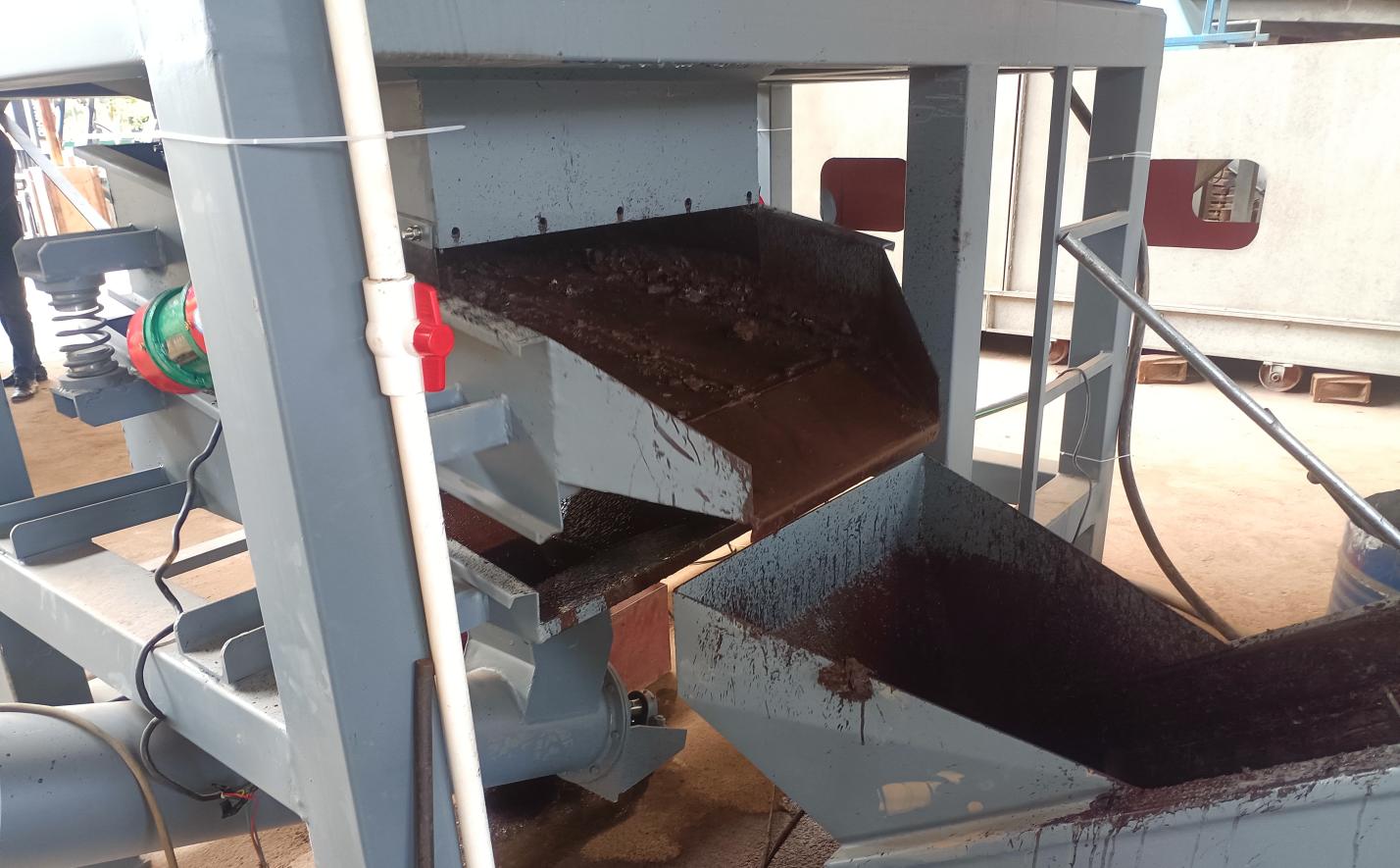
Walk into any modern recycling plant, plastic manufacturing facility, or even a food processing warehouse, and you'll likely encounter a silent workhorse keeping operations running smoothly: the plastic pneumatic conveying system. These systems use air pressure to transport granular materials—think plastic pellets, recycled flakes, or even powdered additives—through a network of pipes, eliminating the need for manual handling and streamlining workflows. In an era where efficiency, sustainability, and regulatory compliance are non-negotiable, their role has evolved from "nice-to-have" to "critical infrastructure."
As we step into 2025, the global market for these systems is at a crossroads. Industries are grappling with rising raw material costs, stricter environmental regulations, and a growing demand for automation. All of these factors are converging to reshape price trends, making it more important than ever for buyers, plant managers, and industry stakeholders to understand what's driving costs—and where the market might head next. In this article, we'll break down the 2025 price landscape for plastic pneumatic conveying systems, explore the key factors influencing costs, and take a closer look at how regional dynamics and system components play into the final price tag.
The 2025 Market: Growth, Demand, and the Push for Sustainability
First, let's set the stage: Why are plastic pneumatic conveying systems in such high demand in 2025? The short answer: sustainability and efficiency. With governments worldwide cracking down on waste and emissions—from the EU's Circular Economy Action Plan to China's updated Environmental Protection Law—industries are under pressure to optimize their processes. Pneumatic systems, which reduce material waste, minimize manual labor, and integrate easily with air pollution control system equipment, have become a go-to solution for companies aiming to meet these standards.
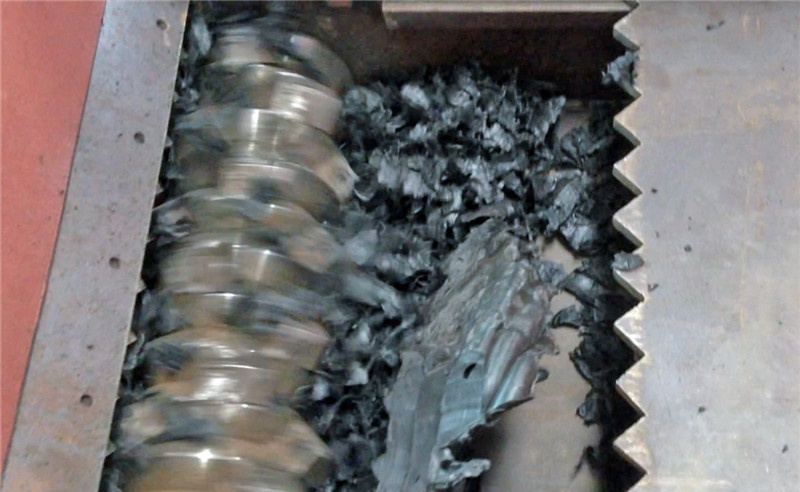
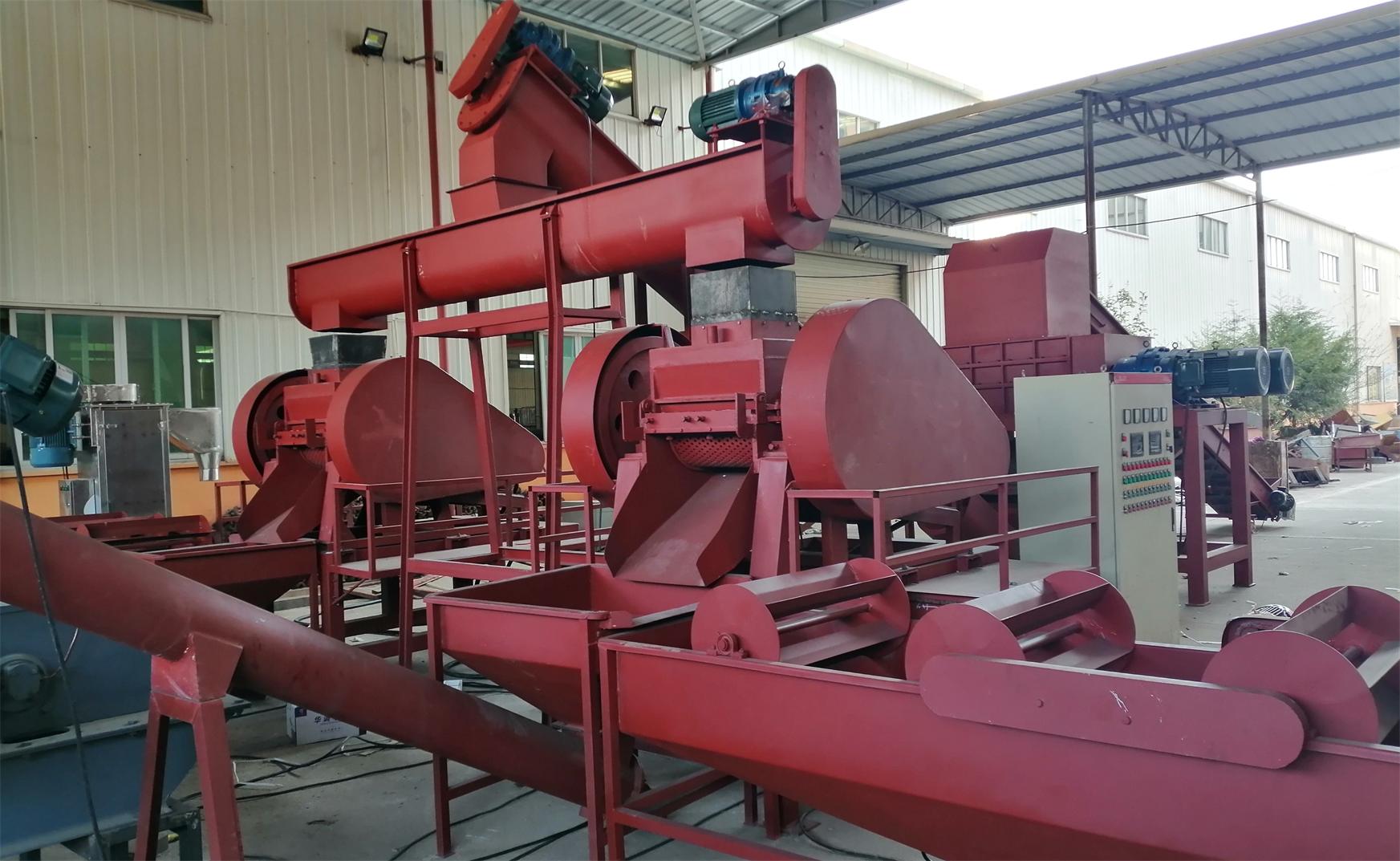
Another driver is the boom in recycling. As the global push to reduce single-use plastics gains momentum, recycling facilities are scaling up, and they need reliable systems to move plastic scrap from shredders to separators to processing lines. Plastic pneumatic conveying systems excel here, especially when paired with auxiliary equipment like hydraulic briquetter equipment (used to compact loose scrap before conveying) and filter press equipment (to separate contaminants, ensuring cleaner material flow).
According to industry reports, the global plastic pneumatic conveying system market is projected to grow at a CAGR of 5.8% through 2025, with Asia-Pacific leading the charge. But growth doesn't come without cost fluctuations—and understanding those fluctuations is key to budgeting for these systems this year.
What's Shaping 2025 Prices? The Key Influencers
If you're in the market for a plastic pneumatic conveying system in 2025, prepare for a price tag that's shaped by a mix of old reliables and new challenges. Let's break down the biggest factors:
1. Raw Materials: Steel, Polymers, and the Global Supply Chain
At the heart of any pneumatic system are its pipes, valves, and blowers—most of which are made from steel or aluminum. In 2024, steel prices spiked due to trade tensions and energy costs, and while they've stabilized slightly, they're still hovering 12-15% higher than 2023 levels. Aluminum, used for lighter, corrosion-resistant components, has seen similar volatility, driven by demand from the automotive and aerospace sectors.
Then there are the polymers used in hoses, gaskets, and seals. With crude oil prices remaining unpredictable (thanks to geopolitical conflicts and OPEC+ policies), plastic resin costs have stayed elevated. A system's "soft parts" might not seem like a big expense, but for large-scale setups, they can add 5-8% to the total cost.
2. Technological Upgrades: Smart Systems and Energy Efficiency
Gone are the days of basic on/off pneumatic systems. In 2025, buyers are demanding "smart" features: IoT-enabled sensors to monitor airflow, variable frequency drives (VFDs) to optimize energy use, and predictive maintenance software. These upgrades boost efficiency—some systems now use 20% less energy than their 2020 counterparts—but they also add to the price. A basic system might start at $50,000, while a smart, automated version with these features can push $150,000 or more.
Energy efficiency itself is another cost driver. With global energy prices still high, systems that meet strict efficiency standards (like the EU's IE3 motor requirements) are in demand. Manufacturers are investing in better blowers and air compressors, which cost more upfront but save money long-term—a tradeoff buyers are increasingly willing to make.
3. Regulatory Pressures: Compliance Comes at a Cost
Regulations around emissions and worker safety are tighter than ever, and they're directly impacting system design. For example, the U.S. EPA's new air quality standards require systems to include advanced air pollution control system equipment, like high-efficiency particulate air (HEPA) filters or activated carbon scrubbers. In Europe, the REACH regulation mandates that materials used in conveying systems be free of certain hazardous substances, pushing manufacturers to source pricier, compliant components.
These additions aren't optional—non-compliance can result in fines or shutdowns. As a result, compliance-related features now account for 15-20% of a system's total cost, up from 10% in 2020.
Regional Price Trends: Where You Buy Matters
Prices for plastic pneumatic conveying systems vary dramatically by region in 2025, thanks to differences in labor costs, regulations, and demand. Let's take a tour:
| Region | Price Range (USD for a Mid-Size System) | Key Drivers |
|---|---|---|
| Asia-Pacific | $80,000 – $180,000 | High demand from China/India, lower labor costs, focus on basic to mid-range systems. |
| Europe | $150,000 – $280,000 | Strict emissions regulations (driving air pollution control system costs), preference for smart, energy-efficient systems. |
| North America | $130,000 – $250,000 | Tech-driven market, focus on automation and IoT integration; higher labor and material costs. |
| Latin America/Middle East | $60,000 – $140,000 | Emerging demand, price sensitivity, focus on entry-level systems with minimal auxiliary equipment. |
Europe: The Premium Market
Europe stands out for its premium pricing, largely due to its strict environmental laws. For example, a mid-size system in Germany might include air pollution control system equipment (like a $30,000 scrubber), filter press equipment for particulate removal ($15,000), and energy-efficient motors ($10,000 upgrade)—all adding to the base cost. Buyers here prioritize long-term sustainability over upfront savings, so manufacturers are happy to oblige with high-end features.
Asia-Pacific: Volume and Affordability
In contrast, Asia-Pacific is all about volume. China, the world's largest plastics producer, is installing hundreds of new recycling plants, driving demand for affordable systems. Here, auxiliary equipment like hydraulic briquetter equipment (used to compress plastic scrap into dense blocks for easier conveying) is often sold as an add-on, allowing buyers to keep initial costs low. Indian manufacturers are also entering the fray, offering budget-friendly systems that sacrifice some smart features but deliver reliable performance.
Beyond the Base System: Key Components That Impact Price
A plastic pneumatic conveying system isn't just a single unit—it's a ecosystem of components, each with its own price tag. Let's dive into the ones that matter most in 2025:
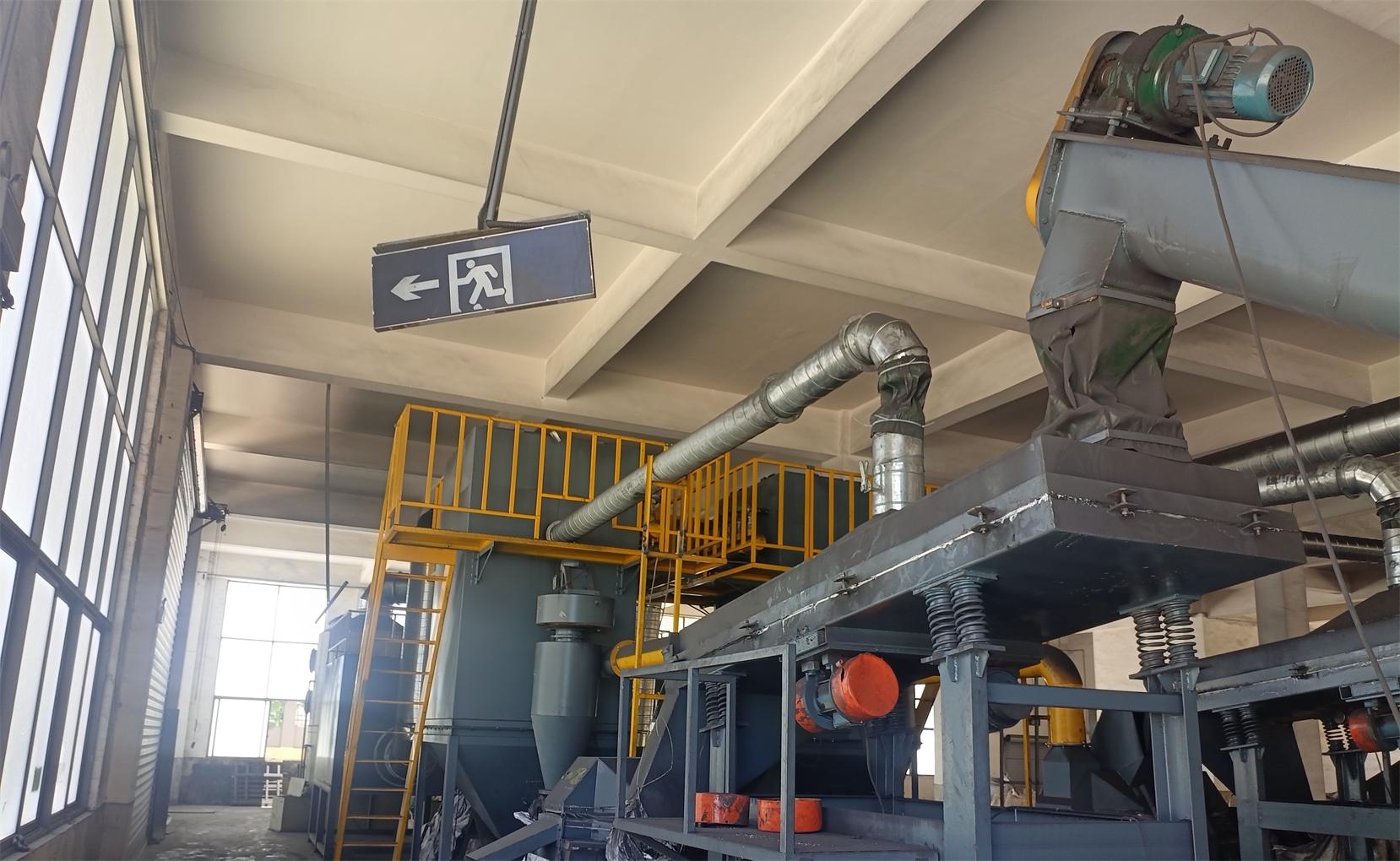
1. Air Pollution Control System Equipment: Non-Negotiable in 2025
Gone are the days when you could skip emissions control. In 2025, every system needs air pollution control system equipment to capture dust, fumes, and particulates. Options range from basic bag filters ($8,000 – $15,000) to advanced electrostatic precipitators ($40,000 – $70,000) for high-volume operations. In Europe, most buyers opt for the latter, while Asia-Pacific leans toward mid-range filters—both adding significantly to the total cost.
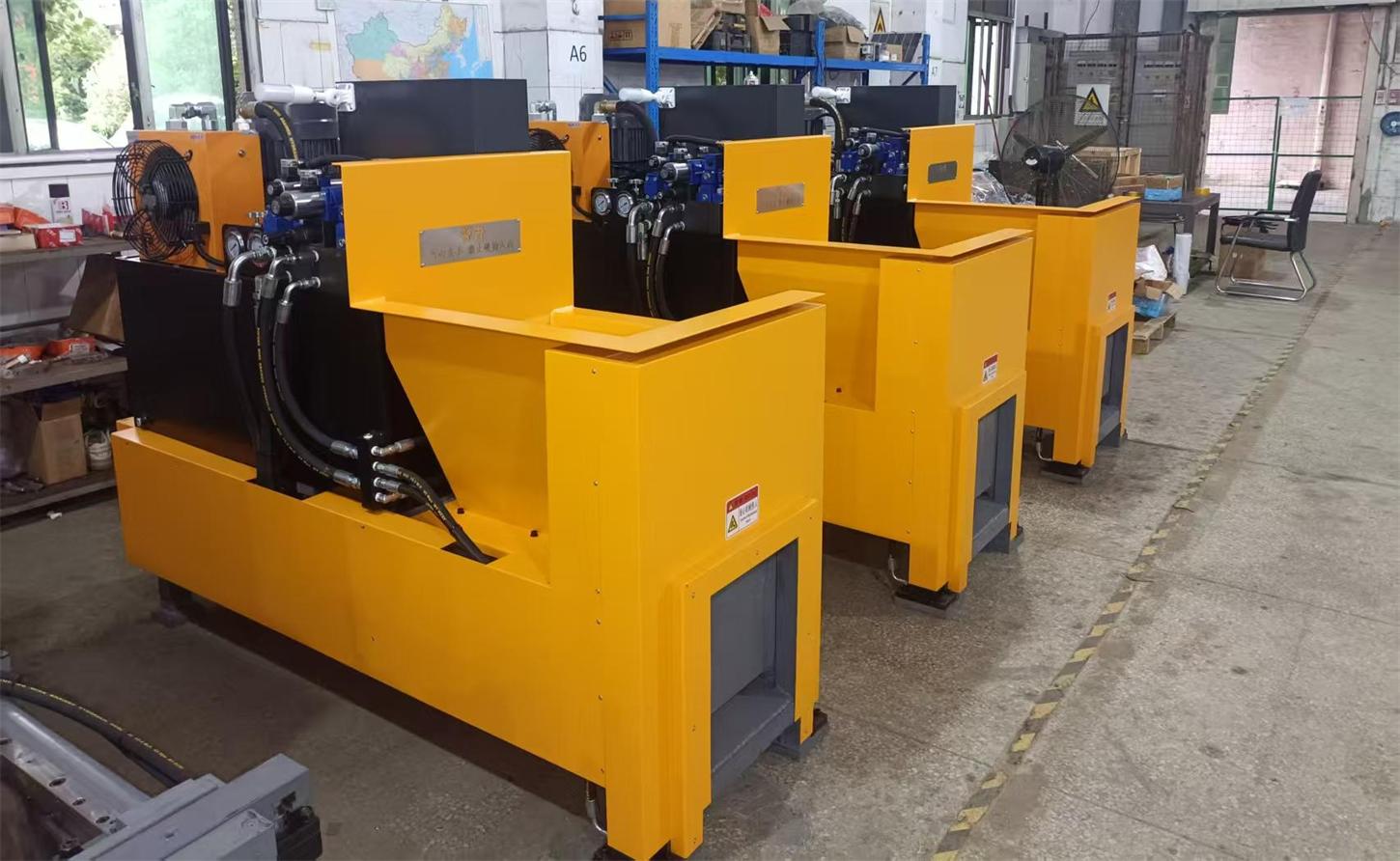
2. Hydraulic Briquetter Equipment: The Unsung Hero of Material Handling
Loose plastic scrap is bulky and hard to convey efficiently. That's where hydraulic briquetter equipment comes in: it compresses scrap into dense briquettes, reducing volume by up to 70% and making conveying faster and cheaper. In 2025, these machines range from $12,000 (small, manual models) to $45,000 (large, automated ones). For recycling plants processing 500+ kg/hour, they're a must-have, adding 10-15% to the system's total cost but paying off in lower energy use.
3. Filter Press Equipment: Keeping the System Clean
Even with briquetting, contaminants like dirt or moisture can sneak into the conveying line. Filter press equipment uses pressure to separate solids from liquids, ensuring the air and materials moving through the system are clean. Prices start at $10,000 for small units and go up to $30,000 for industrial-scale models. They're especially critical in food-grade or medical plastic applications, where purity is non-negotiable.
Looking Ahead: What 2025 Means for the Future
So, what's the takeaway for buyers and industry watchers? 2025 is shaping up to be a year of "pay now or pay later." While prices are higher than in 2023-2024, the systems being sold today are more efficient, compliant, and future-proof. The integration of smart technology means better monitoring and lower maintenance costs over time, while energy-efficient designs will shield buyers from volatile energy prices.
Regional disparities will likely grow, with Europe and North America doubling down on high-tech systems and Asia-Pacific dominating the volume market. Meanwhile, auxiliary equipment like hydraulic briquetters and filter presses will become standard add-ons, not optional extras, as industries realize their long-term value.
For those in the market, the key is to balance upfront costs with lifecycle savings. A $200,000 system with smart features might cost more today, but it could save $50,000 in energy and maintenance over five years. And with sustainability regulations only getting stricter, investing in a compliant system now will avoid costly retrofits later.
Final Thoughts: More Than Just a Machine
At the end of the day, a plastic pneumatic conveying system isn't just a piece of machinery—it's a bridge between today's industrial needs and tomorrow's sustainability goals. In 2025, its price tag reflects that: the cost of raw materials, the value of innovation, and the urgency of compliance. Whether you're a small recycler in India or a multinational manufacturer in Germany, understanding these trends will help you make a decision that's not just good for your budget, but good for your business's future.
Here's to smoother workflows, cleaner operations, and a market that keeps evolving—one pneumatic pipe at a time.