Close your eyes and listen. What do you hear? The distant hum of traffic? Birds chirping? Or maybe the irritating roar of machinery from a nearby recycling plant? In our modern world, noise pollution has become a constant companion – one that’s not just annoying, but actually harmful to our health and well-being.
Recent studies show that over 40% of people in urban areas are regularly exposed to noise levels exceeding safe limits, leading to everything from sleep disorders to cardiovascular problems. And when it comes to industrial noise sources, shredders stand out as some of the biggest offenders.
Understanding the Shredder Noise Problem
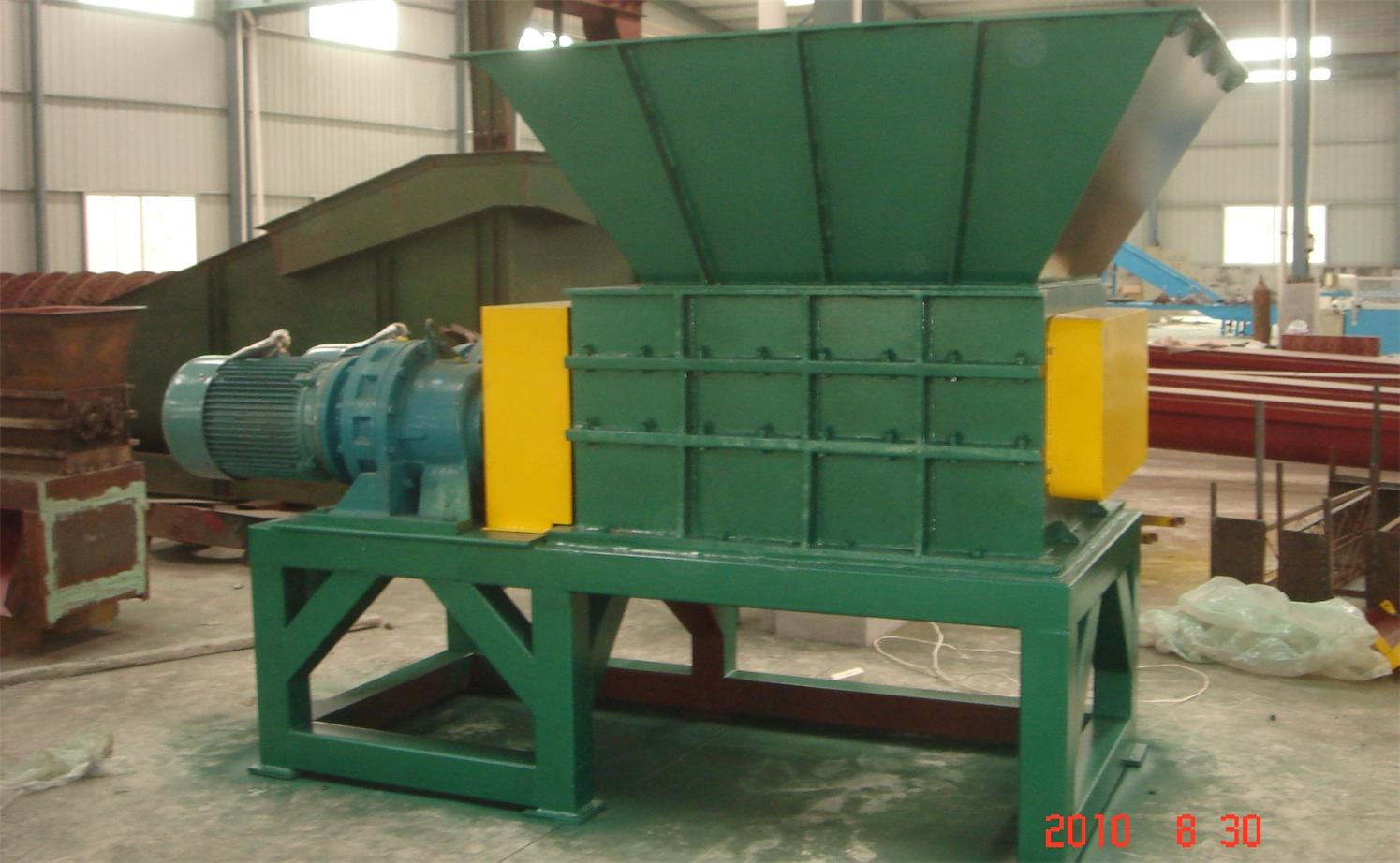
Industrial shredders are essential workhorses across many industries. They break down everything from paper documents to massive metal components, electronic waste to recycling materials. But this powerful destruction comes with a sonic cost – traditional shredders can scream at volumes over 100 decibels .
To put this in perspective:
- 100 dB is equivalent to a jackhammer or motorcycle revving nearby
- Prolonged exposure can cause permanent hearing damage in under 15 minutes
- Workers report chronic fatigue and reduced productivity in noisy environments
- Communities near industrial facilities suffer diminished quality of life
The breakthrough came when engineers started rethinking shredder design from the ground up. Instead of just adding mufflers to existing machines, they took inspiration from noise-cancellation principles in aviation and automotive industries.
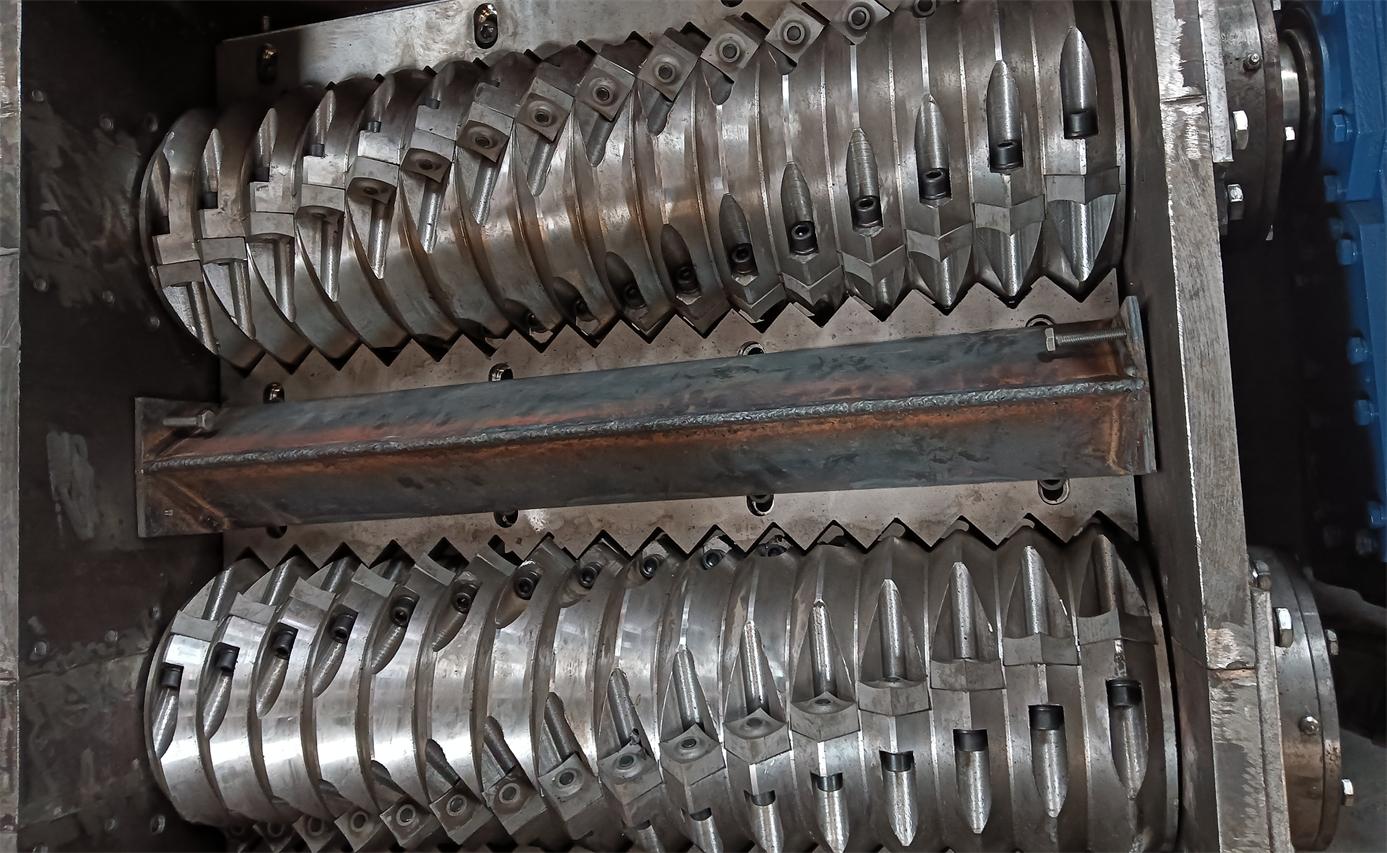
By using computer simulations to map acoustic footprints, designing vibration-damping mounts, incorporating sound-absorbing materials directly into the shredder structure, and developing innovative low-noise blade geometries, manufacturers successfully created a new category: Silent Shredders .
Decoding the 85 dB Milestone
Why aim for 85 decibels specifically? This isn't an arbitrary number – it's carefully calibrated to:
| Decibel Level | Equivalent Sound | Exposure Limit |
|---|---|---|
| 85 dB | Busy city traffic | Safe for 8-hour work shift |
| 90 dB | Lawn mower | Maximum 2 hours |
| 100 dB | Industrial shredder | Damage in 15 minutes |
| 110 dB | Rock concert | Immediate risk |
Modern low-noise solutions achieve this through several integrated technologies:
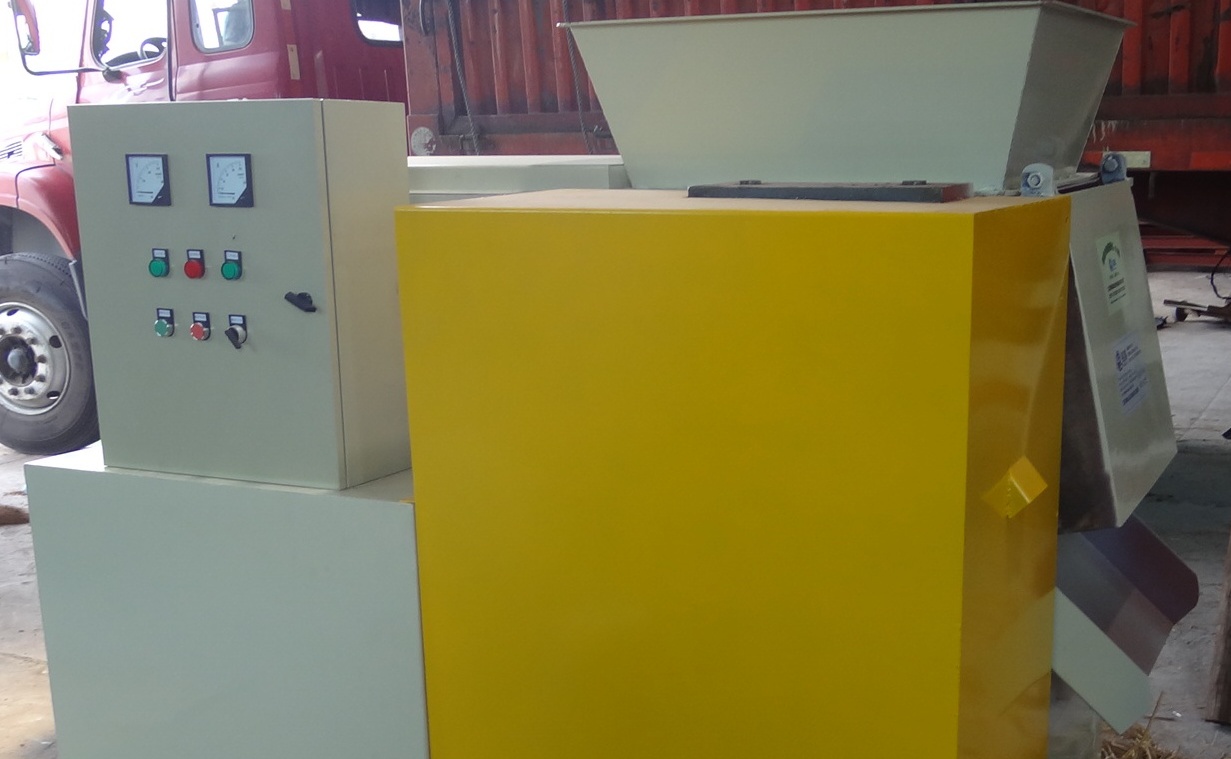
The most visible innovation is the specially engineered housing surrounding shredding mechanisms. These aren't just metal boxes – they're precision-designed chambers using:
- Multi-layer dampening materials with varying densities
- Angled interior surfaces to deflect sound waves
- Internal sound absorption channels
- Sealed joints preventing noise leakage
When properly designed, these enclosures can reduce noise transmission by up to 30 dB – equivalent to lowering the volume from a chainsaw to a normal conversation.
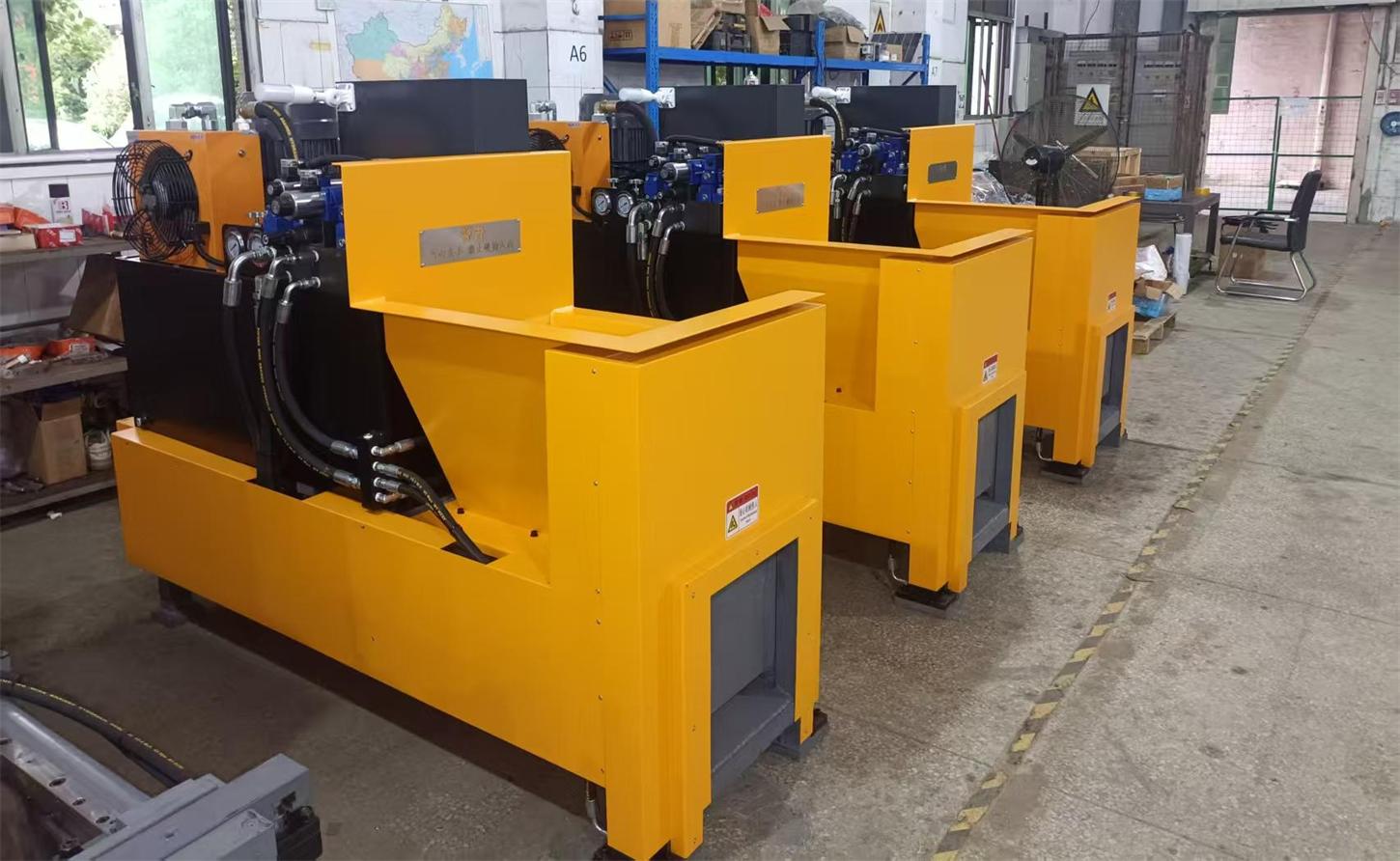
What truly separates advanced shredders is their handling of vibrational energy. Using specially engineered dampers – often incorporating hydraulic press technology for precision control – manufacturers prevent vibrations from becoming airborne noise.
This vibration isolation strategy is crucial because:
- Up to 40% of industrial noise comes from structure-borne vibrations
- Low-frequency vibrations travel far and penetrate barriers
- Resonant frequencies amplify noise at certain operating speeds
- Advanced vibration control allows operation near residential areas
Beyond Compliance – Real World Benefits
While meeting noise regulations is essential, the benefits of shredder noise reduction extend far beyond legal compliance:
According to WHO data, reducing workplace noise has measurable impacts:
- 29% decrease in stress-related sick days
- Improved communication reduces errors and accidents
- Better sleep quality for shift workers
- Lower risk of cardiovascular disease after long-term exposure reduction
Quieter operations often correlate with mechanical efficiency:
- Reduced vibration equals less component wear
- Lower cooling costs when machinery doesn't overwork
- Enables co-location of shredders with other operations
- Eliminates need for separate soundproof rooms or hearing protection
Industrial facilities often face neighborhood opposition due to noise concerns. Silent shredders serve as powerful community goodwill tools:
- Allow expansion without triggering noise regulations
- Make urban recycling operations feasible
- Demonstrate commitment to being a good neighbor
- Simplify approval process for new facilities
Implementing Your Noise Reduction Solution
Transitioning to silent shredder technology requires careful planning:
| Strategy | Implementation Level | Noise Reduction | Investment Range |
|---|---|---|---|
| Acoustic Enclosure Retrofit | Medium | 10-15 dB | $5K-$20K |
| Vibration Isolation System | Medium | 8-12 dB | $8K-$25K |
| Low-Noise Blade Package | High | 15-20 dB | $15K-$50K |
| Full Silent Shredder Replacement | Complete | 25-40 dB | $50K-$200K+ |
For operations requiring intensive shredding capabilities like cable recycling machines, a comprehensive approach combining multiple strategies delivers optimum results.
Implementing noise reduction does require operational adjustments:
- Reduced noise may require new cues to identify machine issues
- Maintenance access requires removable acoustic panels
- Increased airflow management to prevent overheating
- Employee training on new operational features
The Quiet Future of Industrial Processing
As regulations tighten and community expectations rise, noise reduction technology is evolving rapidly:
Innovations on the horizon promise even greater quiet:
- Active Noise Cancellation: Microphone arrays detecting and countering sound waves in real-time
- Predictive Acoustics: AI systems using vibration patterns to predict mechanical issues
- Nanocomposite Materials: Lightweight sound-absorbing materials integrated into structural components
- Magnetic Gear Systems: Contactless mechanisms eliminating gear grinding noises
We're witnessing a fundamental shift in industrial priorities. Noise is no longer just an unfortunate side effect - it's becoming a critical design parameter:
- Low-noise design features now appear in equipment procurement specs
- Facility architects incorporate noise control into site planning
- ISO certification standards are evolving to include acoustic impact measurements
- Municipalities offer incentives for noise-reduction retrofits
Embracing the Sound of Silence
The journey from deafening shredders to whisper-quiet operations represents more than just technical innovation – it's a fundamental rethinking of industrial responsibility. That constant roar we've accepted as normal? Turns out we don't have to live with it.
With today's noise reduction technologies, we can protect workers' health, be better neighbors, and prove that industrial efficiency doesn't need to come at the cost of our peace and quiet. The 85-decibel shredder solution isn't just a technical achievement – it's a blueprint for how industry can thrive while respecting our human need for tranquility.
So next time you see a recycling plant humming quietly in a residential area, remember: that silence wasn't accidental. It took physics, engineering, and a commitment to redefining what industry can sound like. As the technology continues to advance, the future sounds promising – and much, much quieter.