Why CRT Recycling Efficiency Matters
Ever thought about what happens to that chunky old TV or bulky computer monitor when you toss it out? You're not alone. Cathode Ray Tubes (CRTs) were once a staple in electronic gadgets, but their recycling process is notoriously complex. Each year, over 3 million tons of e-waste pile up globally, with CRTs making up a solid chunk. The thing is—if we don’t recycle these properly? Lead and toxic phosphors end up leaching into soil and water. That’s why optimizing a CRT recycling line isn’t just about efficiency—it’s an environmental necessity.
A common hiccup in CRT recycling lines is poor layout. You’ll see workstations bottlenecked, workers running back and forth sorting parts, and valuable time wasted sorting through glass fragments. But here’s the kicker: a well-designed line could boost throughput by 40% while cutting manual handling errors in half.
The Core Principles of Streamlined Workflow Design
When I visited facilities in Japan and Germany, the big difference wasn’t just machinery—it was layout . Smart plants use what engineers call "cellular flow" instead of traditional straight-line production. That means arranging stations in loops or U-shapes, cutting walking distance between disassembly and crushing stations.
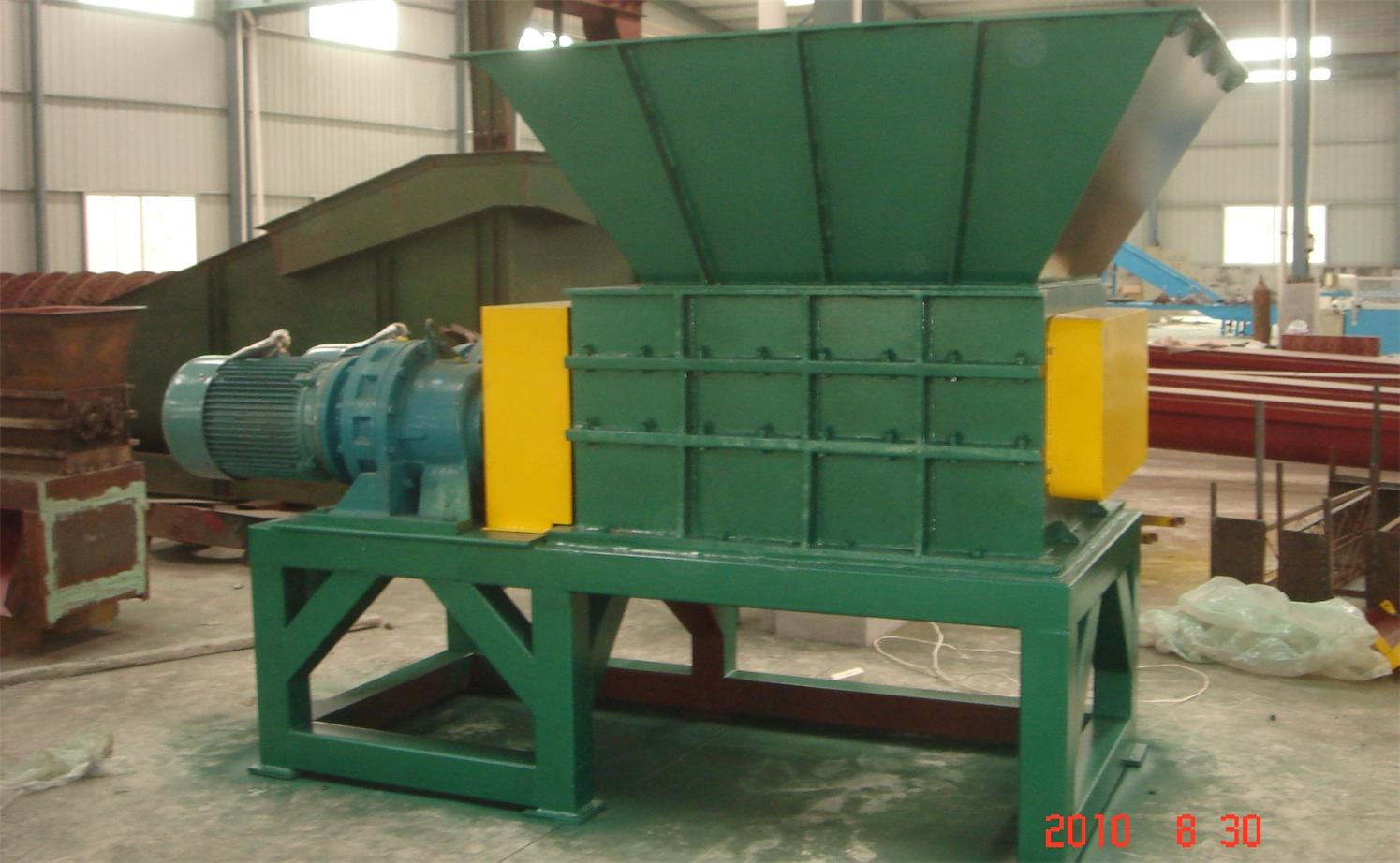
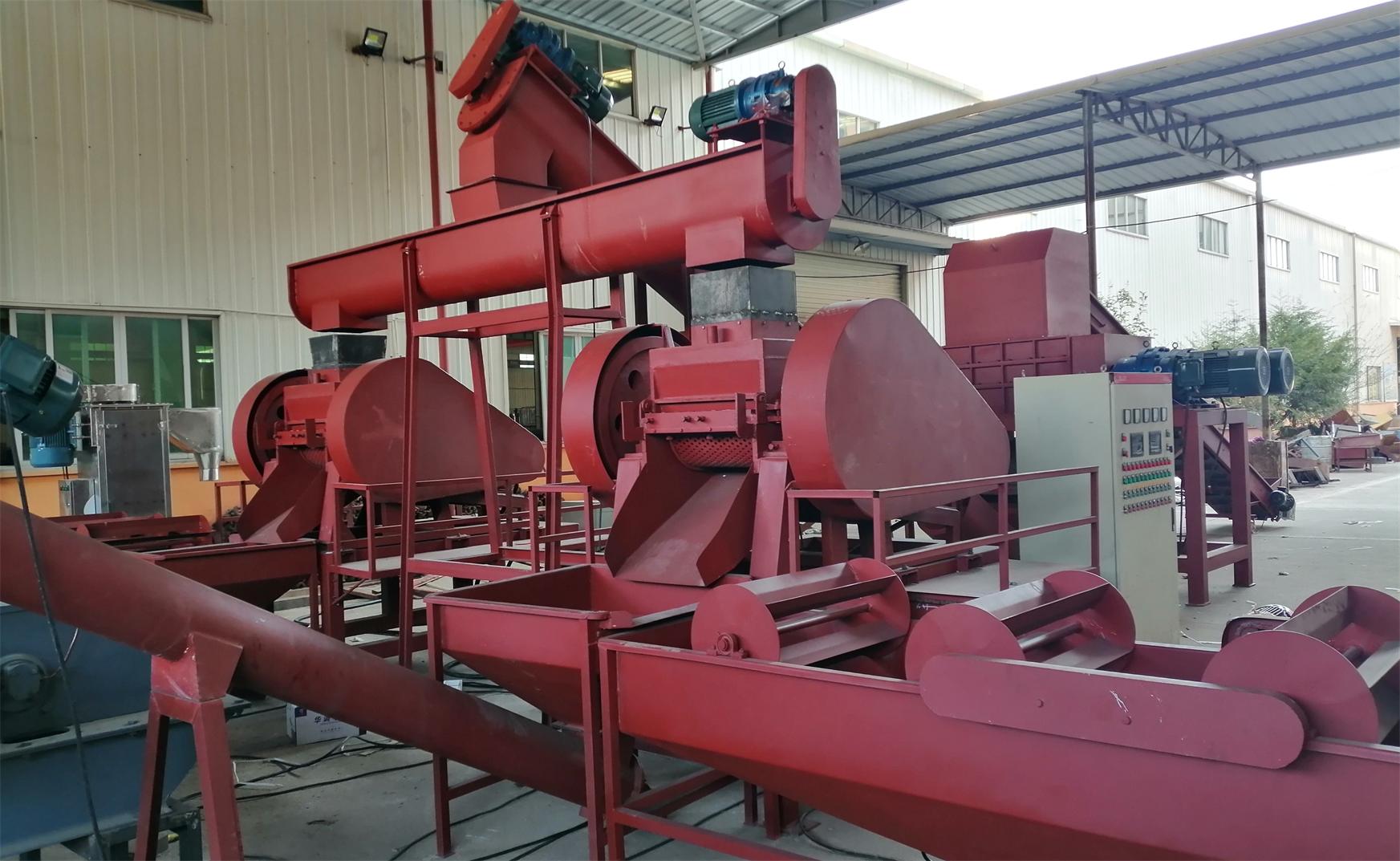
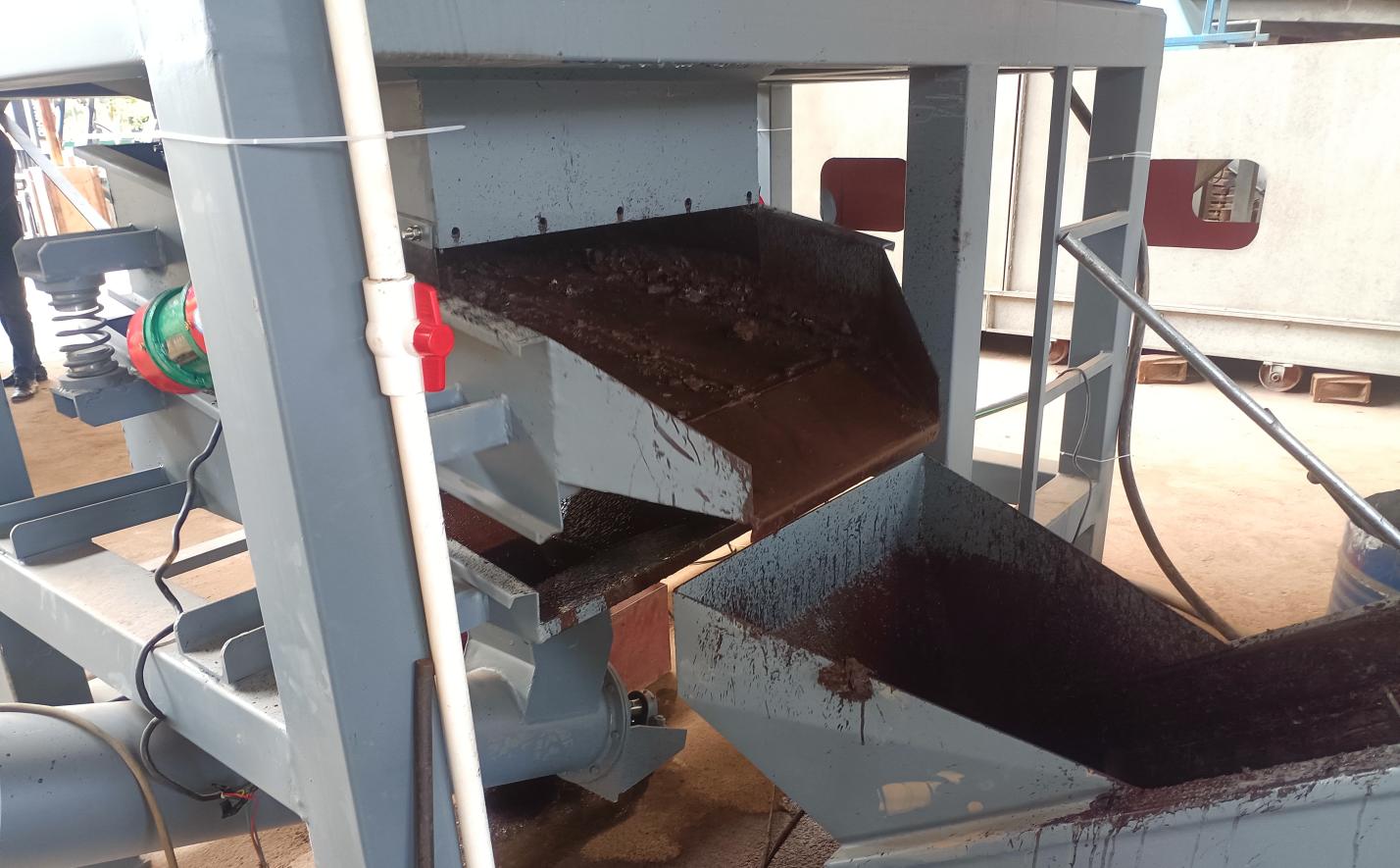
Picture this: dismantled tubes flow from conveyors right next to crt recycling machine crushers, while lead-recovery units sit a few steps away. Workers aren’t crossing paths—materials move seamlessly. This slashes downtime while boosting safety (fewer collisions or drop hazards). Plus, modular setups let you swap equipment fast when scaling up output.
- Zone-based Material Flow : Separate areas for incoming CRTs, disassembly, glass processing, and lead refining minimize cross-traffic
- Ergonomic Workstations : Height-adjustable tables + tool racks at arm’s reach reduce repetitive-motion strain
- Flexible Paths for Oversized Materials : Use retractable conveyors or rolling carts for easy handling of bulky tubes
Making Smart Tech Choices: Automation vs Human Touch
I’ve seen high-tech plants with robotic arms sorting glass by color and weight—amazing, right? But smaller facilities often skip it for good reason. High upfront costs ($120k+) and inflexibility can kill ROI if volumes vary seasonally. The sweet spot? Semi-automation.
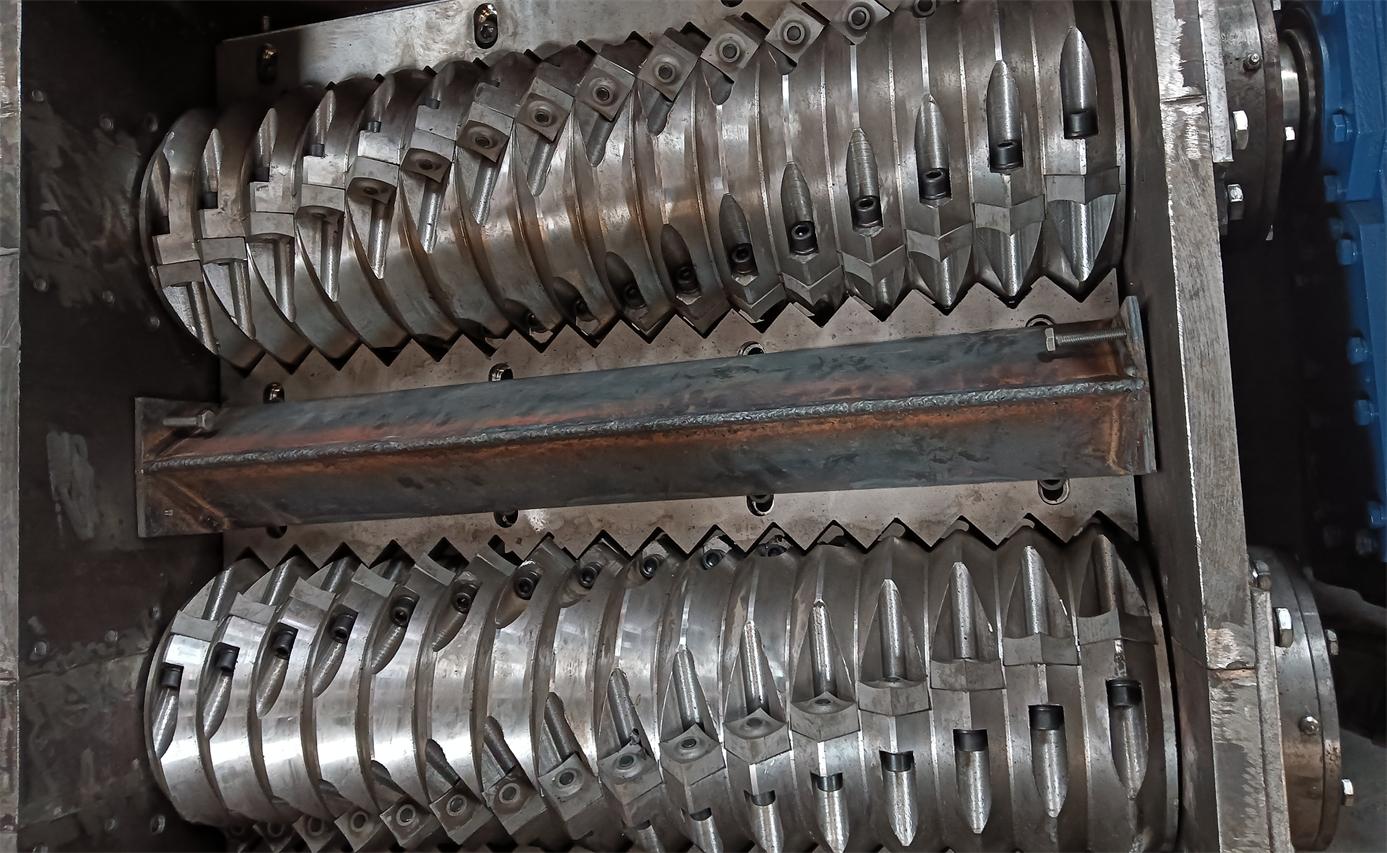
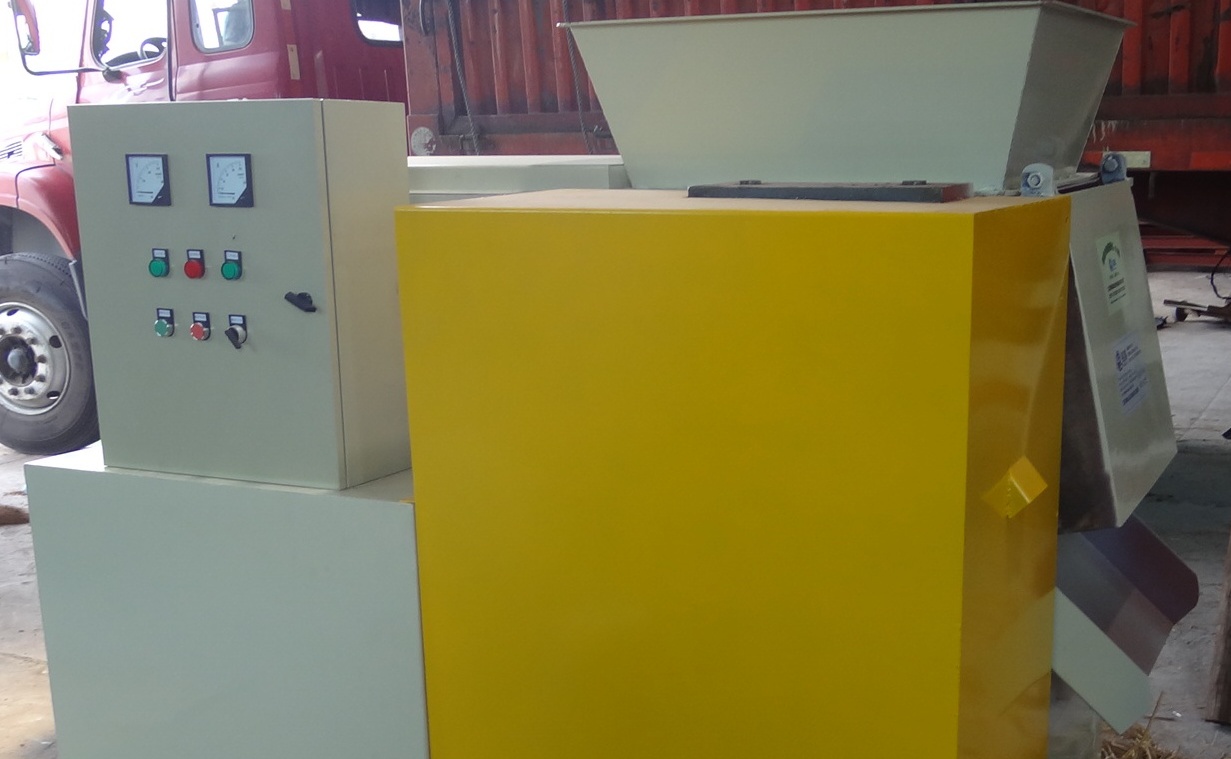
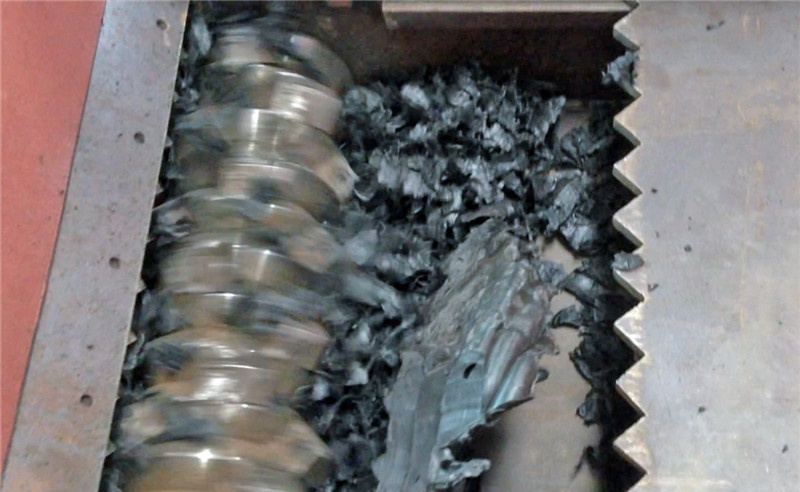
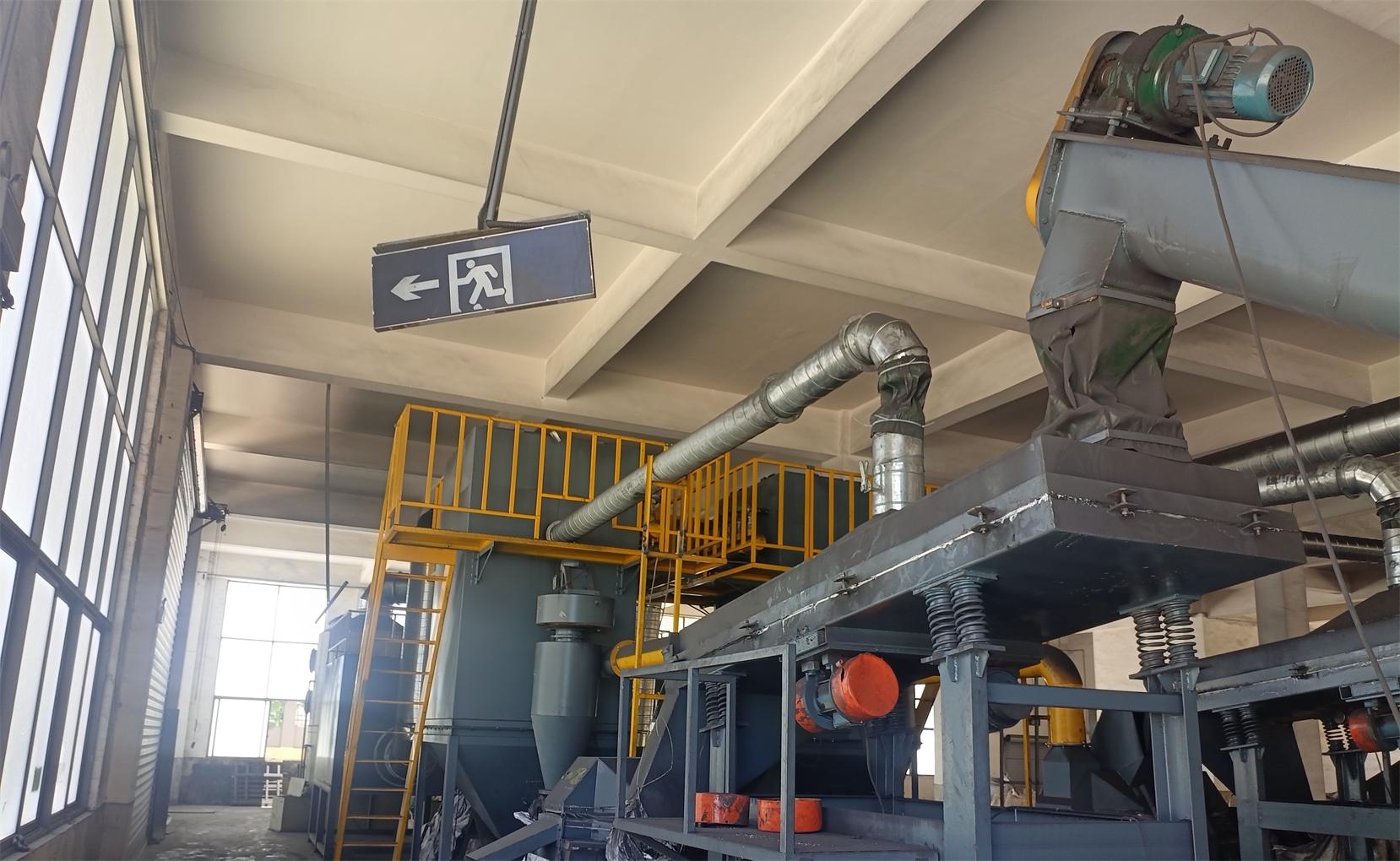
Manual work still rocks at tasks like removing capacitors or detaching metal frames—robot fingers struggle with irregular shapes. Meanwhile, crt recycling machine gear like pneumatic glass cutters and conveyor-fed shredders handle heavy lifting. One plant in Finland uses vacuum suction tools for lead dust extraction alongside manual sorting tables. Outcome? 85% less human exposure to toxins, with a payback period of under 18 months.
Cost-Saving Hacks That Actually Work
Budget’s tight? Been there. Instead of splurging on brand-new crt recycling machine shredders, refurbished industrial crushers can do the job at 60% less cost. Also—don’t sleep on energy. Motors and conveyors guzzle 70% of the power. Switching to VFD (variable-frequency drive) systems saved a plant in Ohio $15k/year by slowing belts during low-load hours.
Another sneaky win? Use gravity wherever possible. Tilted chutes can transport broken glass to bins instead of motorized systems—cuts noise and electric bills. Or consider reverse vending techniques to track recycled glass output and reward workers via efficiency bonuses.
Real Stories From the Frontlines
Take S&K Recycling in Spain: they ran CRTs through a tangled maze of workbenches. After redesigning into pod-based zones? Output leapt from 50 to 135 units/hour. How? Grouping like tasks together—like combining panel separation + funnel cutting into one station run by paired workers.
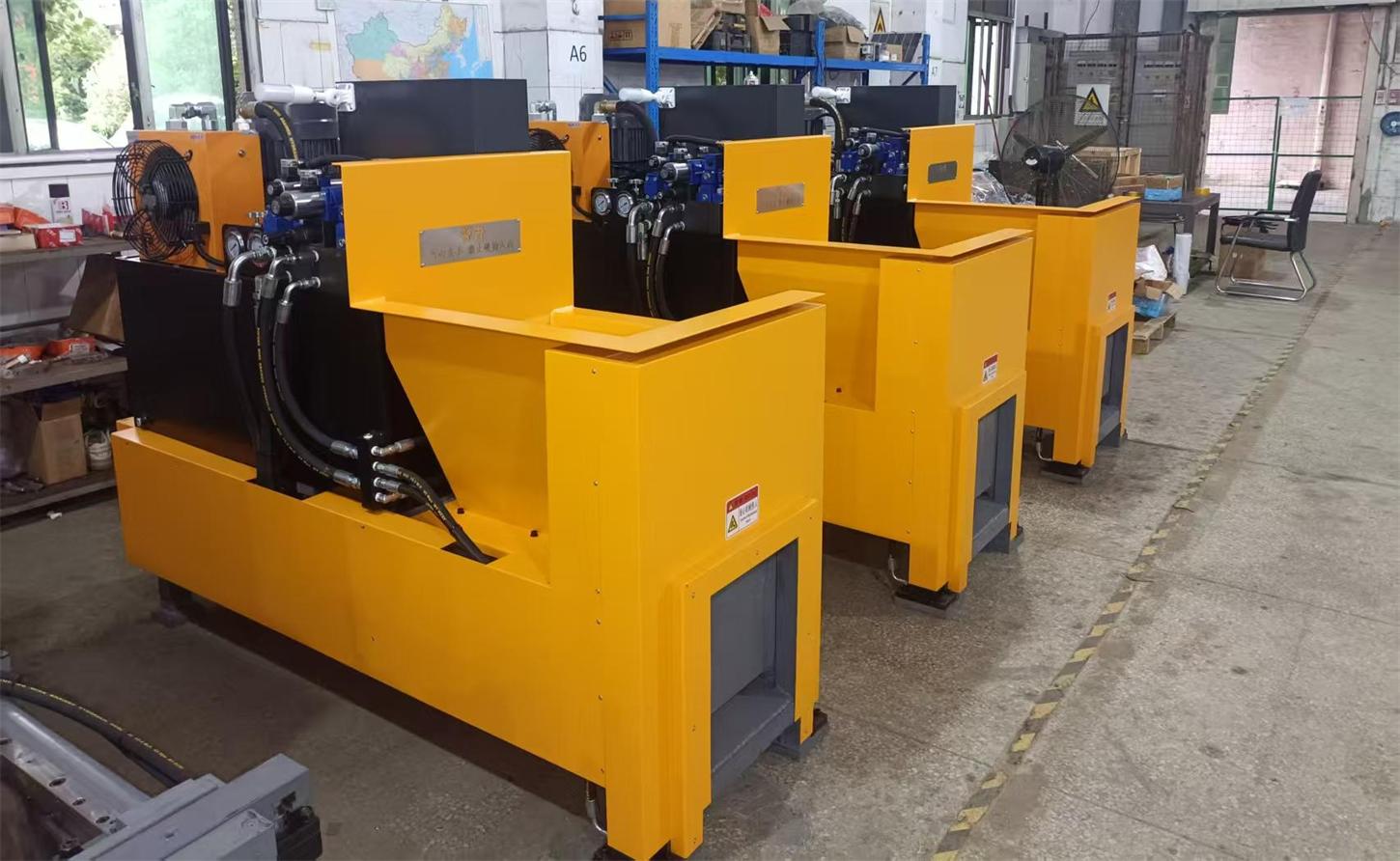
Or GreenTech in Canada: by installing overhead cranes to hoist large monitors, they slashed handling injuries. Pairing that with semi-automatic hydraulic press crushers kept lead dust contained. Now they recycle 12 tons/day with just three shifts.
- Daily downtime reduced from 90 mins to 25 mins per line
- Workers report lower fatigue scores (based on wearable sensors)
- 6-month ROI on $200k layout redesign
What’s Next: Scaling for Tomorrow’s E-Waste
Future-proofing your line means planning for mixed e-waste streams. More OLEDs, tablets, and hybrid devices will enter the flow—so adjustable conveyors, multi-material shredders, and machine learning -based sorting algorithms are becoming essentials. Also: sensor tech for real-time purity checks of recovered lead or glass cuts contamination risks.
Just remember—the most optimized line still depends on people. Train teams on cross-functional skills like basic maintenance or hazard spotting. I’ve seen facilities shrink defect rates by 30% simply through daily huddles to tweak station roles.
Revamping a CRT recycling line isn’t about massive overhauls. It’s the small tweaks—positioning the crt recycling machine closer to dismantling teams, color-coding waste bins—that snowball into huge gains. Done right? You’re not just moving faster. You’re making tech trash a little less troublesome for our planet.