The Lithium Recycling Imperative
Picture this – your old electric car battery has reached its end of life. Instead of ending up in a landfill, it embarks on a journey to be reborn as new battery components. This transformation is powered by lithium battery recycling technologies that recover valuable materials like cobalt, nickel, and lithium. But the magic truly happens in the post-processing stage, where raw outputs from initial recycling become high-purity materials ready for new batteries.
Post-processing refining is where the real alchemy happens. After batteries are shredded and separated, we get what’s called "black mass" – a messy mix of metals and compounds. Turning this dark powder into battery-grade materials requires sophisticated technology and carefully orchestrated equipment partnerships. This refinement process determines whether we achieve closed-loop recycling where materials truly circle back into new batteries.
Why does this matter so much? Because recovering battery-grade lithium isn't just about economics – it’s critical for our sustainable future. As electric vehicle adoption skyrockets, recycling could supply 50% of lithium needs by 2040. But only if we master post-processing refinement.
Breaking Down Battery Recycling
Before we dive into the refinement, let’s understand the bigger picture. Most recycling processes start similarly:
Initial Processing Steps
1. Discharge & Disassembly : Batteries are electrically discharged (safer than you think!) and manually or mechanically dismantled.
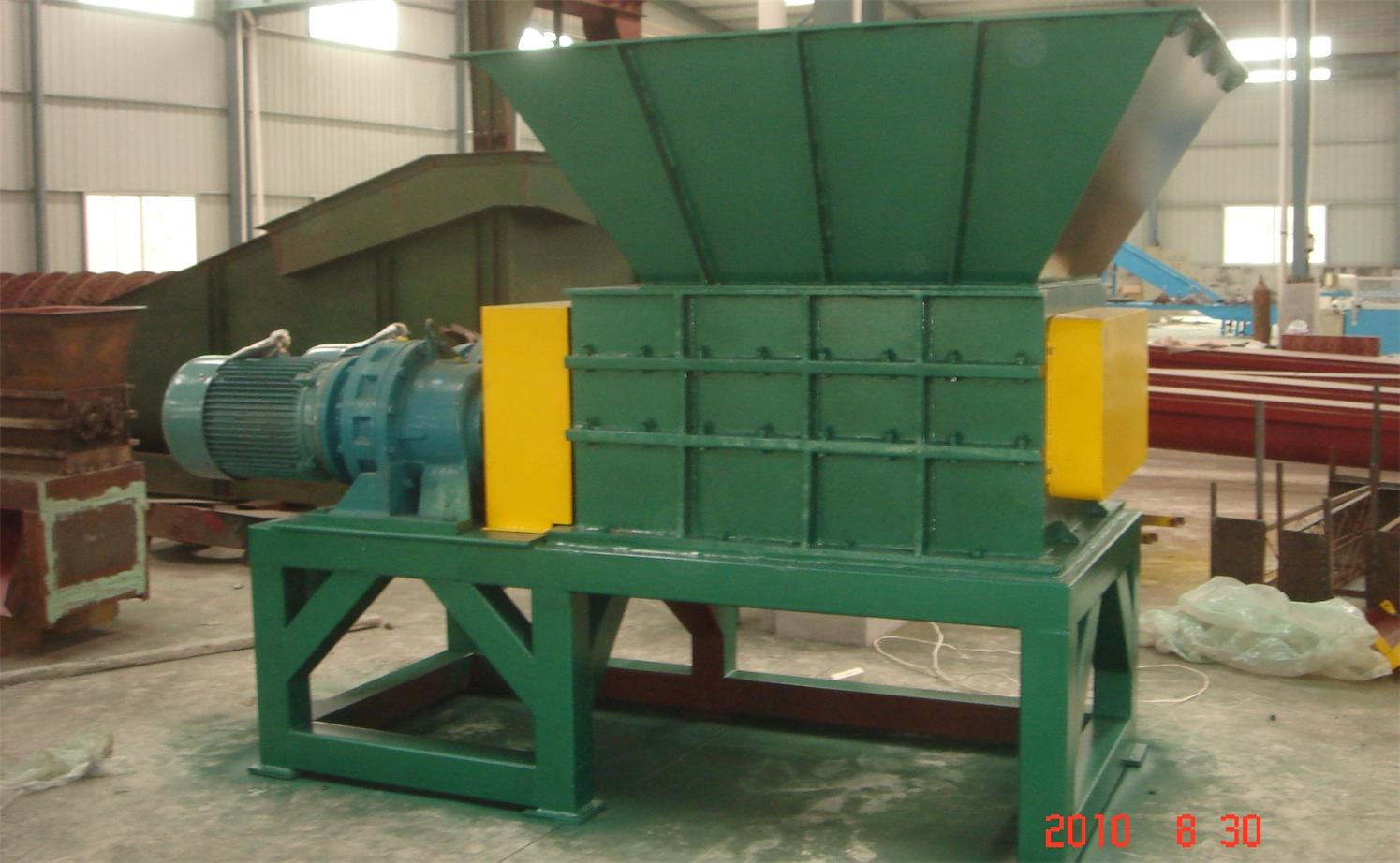
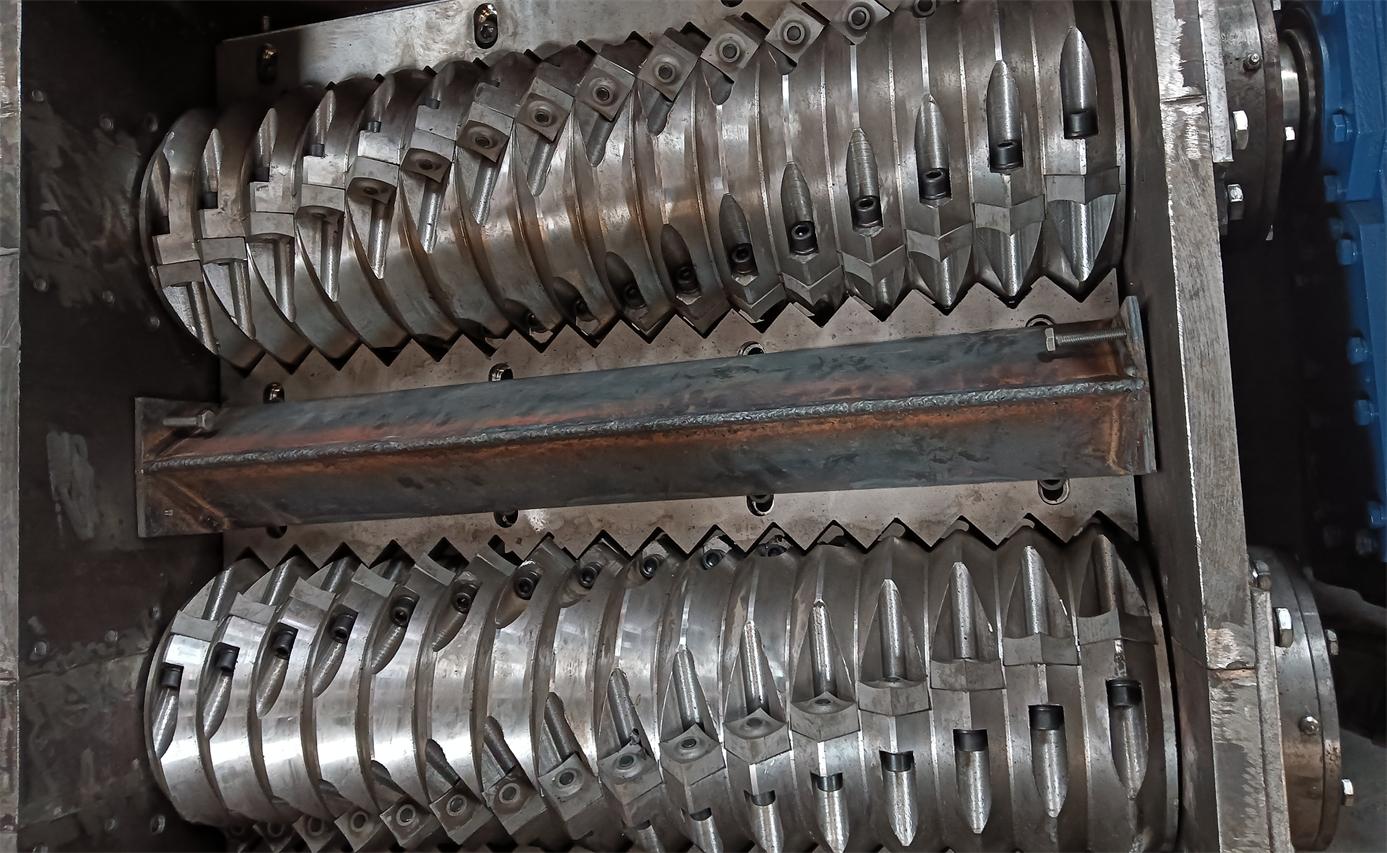
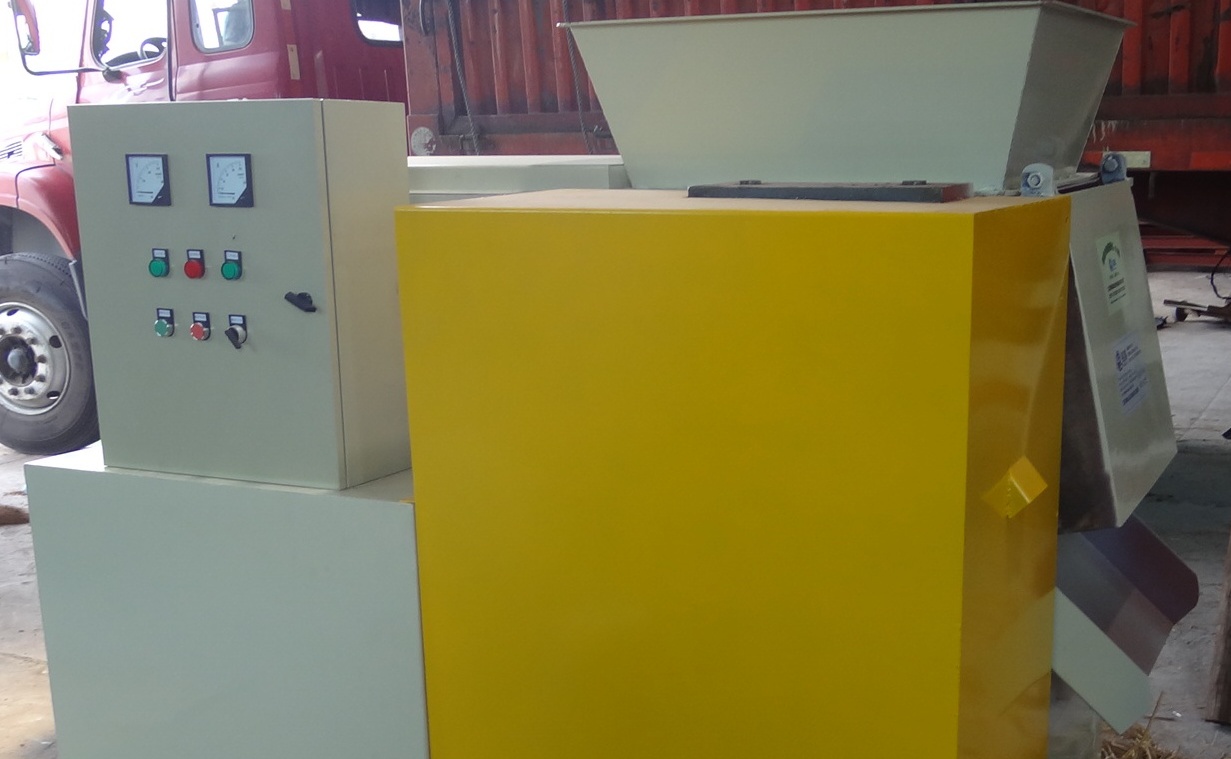
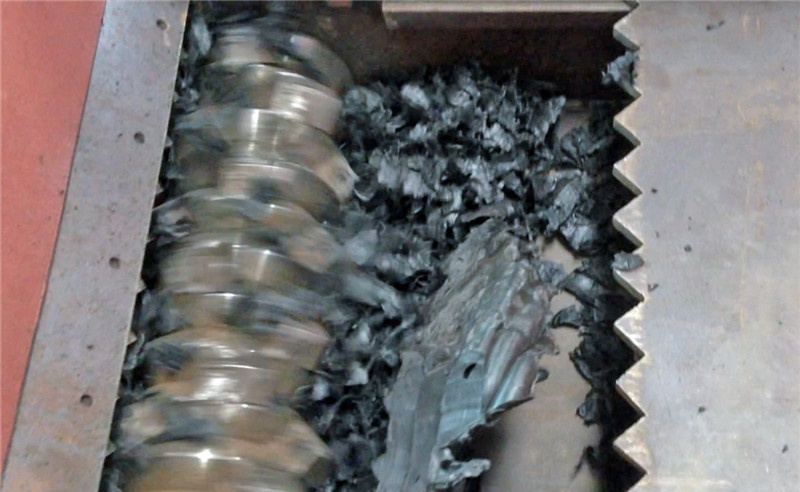
2. Shredding : Components are shredded into smaller pieces – imagine a high-tech metal confetti maker.
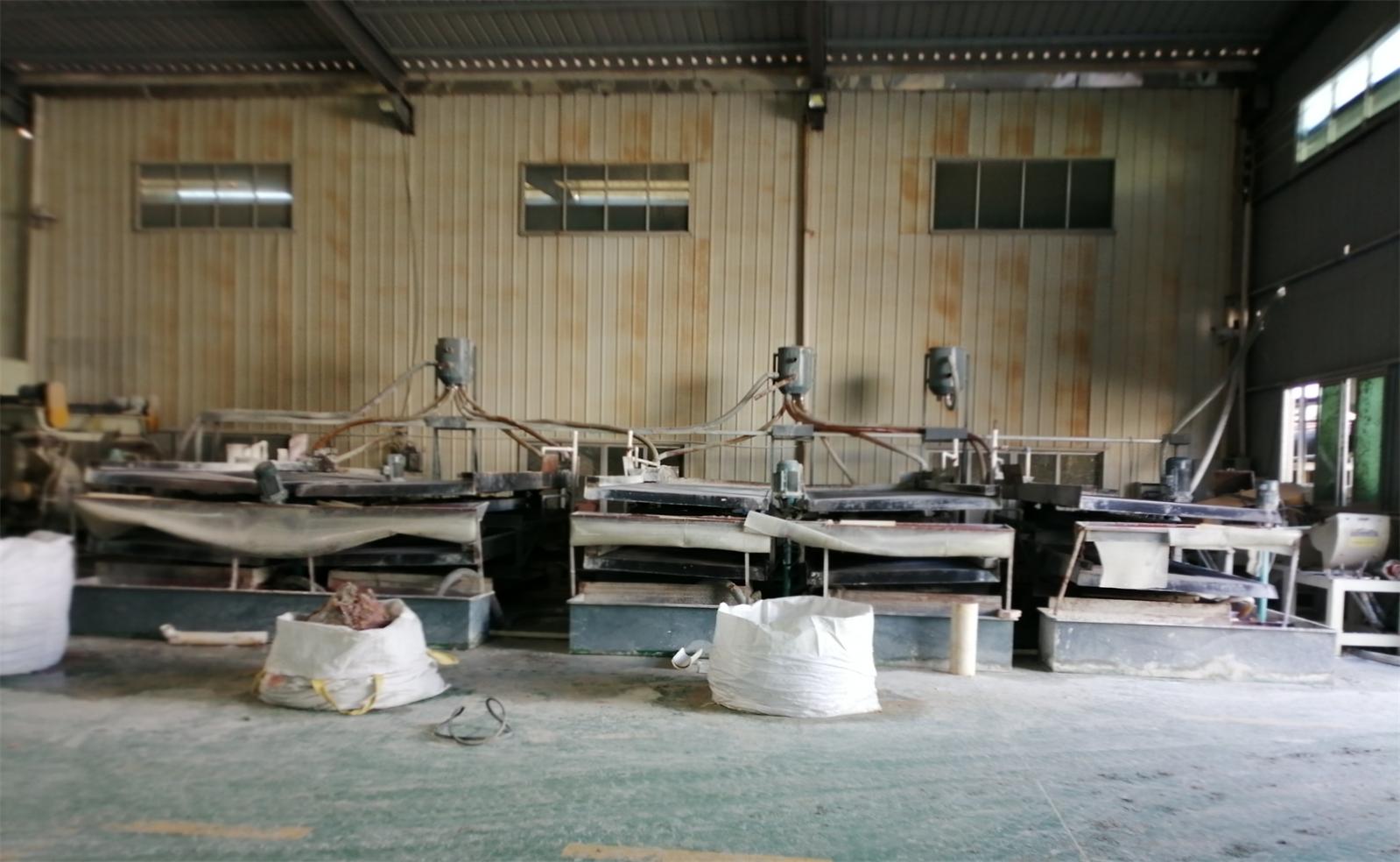
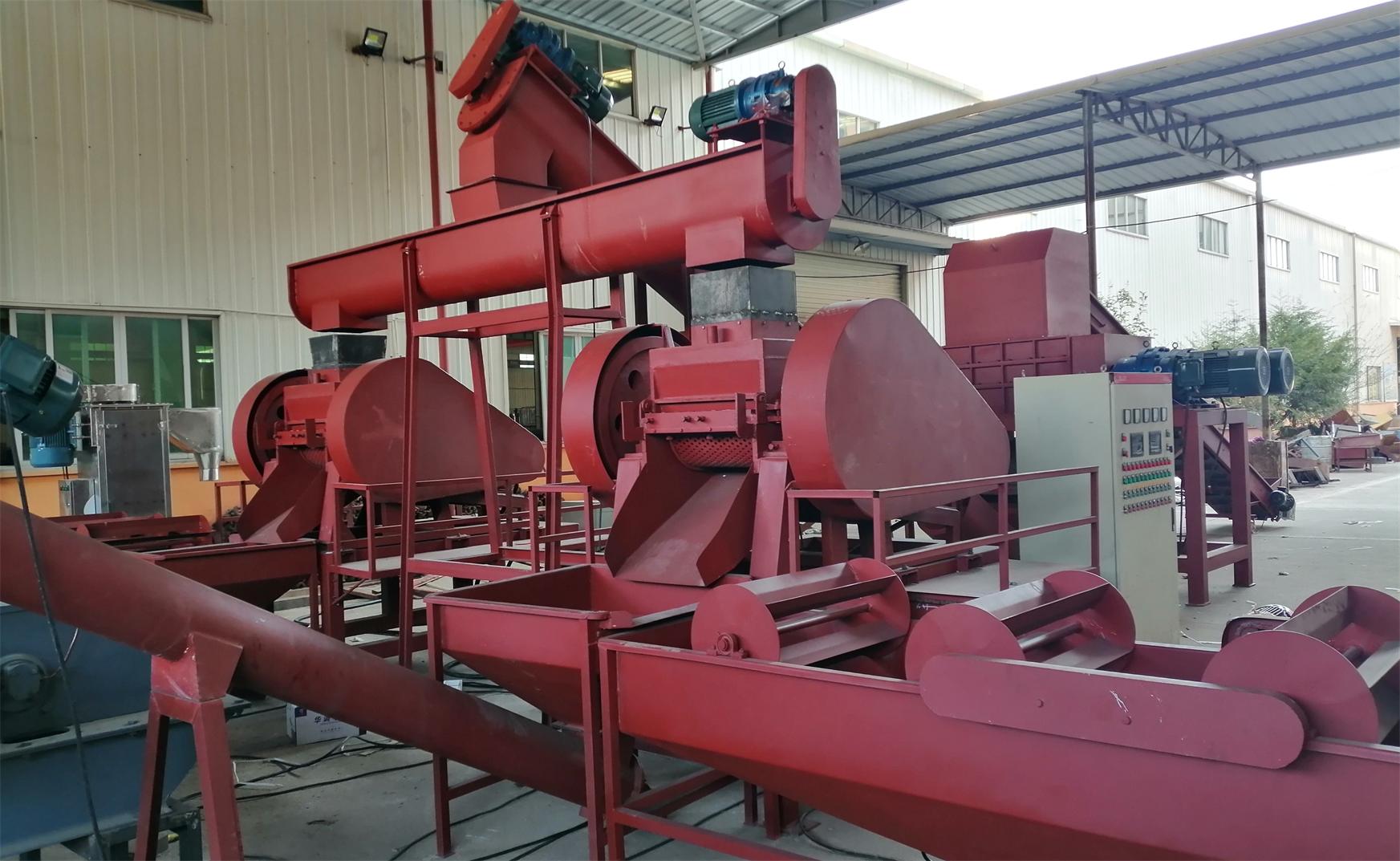
3. Separation : Using clever techniques like air classification and magnets, we separate:
- Steel casings
- Aluminum components
- Copper wiring
- Plastic fractions
4. Black Mass Production : The core electrode materials become a dark powder containing valuable metals like cobalt, nickel, manganese – and most importantly, lithium.
Here's where things get interesting. That black mass isn't ready for prime time yet. Depending on whether a recycler uses pyrometallurgical or hydrometallurgical methods, we get different starting points for refinement. This impacts what technology we need downstream.
Hydrometallurgical Refining: Chemistry in Action
Most modern recyclers favor hydrometallurgy for lithium recovery. It's like an intricate chemical dance:
Critical Hydrometallurgical Stages
1. Leaching Process : The black mass is dissolved in acid baths – typically sulfuric acid with hydrogen peroxide as a reducing agent. Think of it as making metallic soup where all ingredients are in liquid form.
2. Purification : Chemical wizards work their magic here:
- Adjust pH levels to selectively precipitate impurities like iron and aluminum
- Use solvent extraction (special organic compounds like Cyanex 272) to isolate cobalt
3. Selective Recovery : Different techniques for different materials:
- Precipitation: Add chemicals to form solid compounds (like lithium carbonate)
- Crystallization: Grow pure crystals from solution
- Electrowinning: Use electricity to deposit pure metals
The coordination between purification and recovery equipment is crucial. Consider solvent extraction units – they require precise pH control from preceding purification stages, and their output solution concentration must match crystallization equipment requirements. It's a technological relay race where each handoff matters.
Equipment Symphony: Making the Connection
Getting these processes to work seamlessly requires carefully orchestrated equipment partnerships:
Core Equipment Components
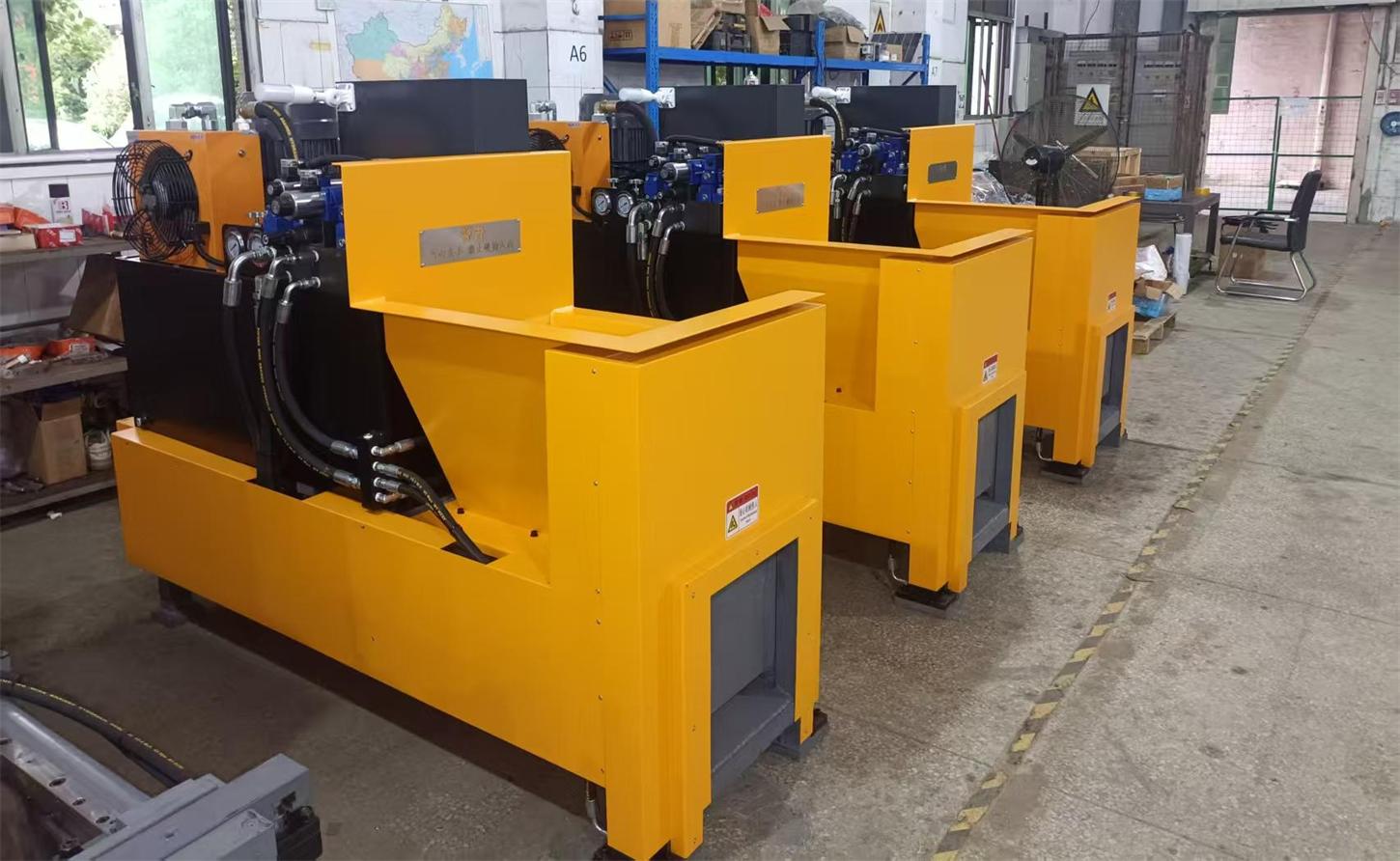
Filtration Systems : Critical for separating solids from liquids at multiple stages. Modern filter presses like those from Met-Chem feature:
- Automated plate shifting
- Membrane squeeze technology
- Cake washing capabilities
Evaporation Units : Temperature-controlled evaporators concentrate solutions while managing volatile components. They're the unsung heroes that turn weak solutions into potent liquors ready for recovery.
Precipitation Tanks : Engineered for controlled chemical addition and mixing. Their design ensures homogeneous conditions throughout the tank – vital for consistent crystal formation.
Solvent Extraction Contactors : Special mixer-settler units where organic and aqueous solutions intermingle then separate. These sophisticated units transfer target metals from water to organic solvents like molecular taxis.
Crystallizers : Temperature-controlled vessels that grow high-purity crystals through careful supersaturation control. Size and shape matter here – perfect crystals flow better in subsequent processes.
When equipment is thoughtfully connected, magic happens. Imagine lithium brine moving from an evaporator directly into a precipitating reactor where sodium carbonate is added. When tank levels automatically trigger pump transfers and pH monitoring alerts adjust chemical dosing rates – that’s the beauty of integrated refining systems.
Material Flow: From Waste to Resource
Following materials through the refinement journey reveals the technological ballet:
Lithium’s Path : After initial leaching, lithium remains in solution while other metals get extracted. It then moves to precipitation tanks where sodium carbonate transforms it into lithium carbonate solid crystals. The coordination between purification equipment removing impurities and precipitation tanks maintaining exact conditions makes lithium recovery possible.
Cobalt’s Journey : Solvent extraction units pull cobalt into organic solutions that then go to stripping units. Electrochemical systems finally deposit pure cobalt metal. Precise process control connections prevent co-mingling with nickel or other metals.
What’s fascinating is how recycling outputs become inputs. Plastic from separator recovery provides fuel for thermal processes. Recovered copper wiring becomes conducting materials. Even electrolytes can be reclaimed as solvents. This material looping relies on integrated systems that communicate across different unit operations.
Here's where cutting-edge **lithium extraction equipment** becomes crucial – the keyword we must naturally incorporate. Advanced extraction systems precisely manage chemical environments to isolate lithium from complex brines, enabling recoveries above 95%.
The Innovation Frontier
Refinement technologies are rapidly evolving:
Direct Recycling Approaches : Emerging methods skip complete dissolution, instead directly regenerating cathode materials. These promise energy savings but require sophisticated disassembly and separation upstream.
Green Chemistry Innovations : Bio-based solvents and organic acids offer environmentally friendly alternatives to harsh chemicals, reducing processing footprints.
Advanced Separation Tech : Membrane technologies show promise for selective ion separation, potentially replacing some solvent extraction steps.
Automation & AI : Smart systems continuously monitor process parameters and automatically optimize conditions using neural networks.
The big challenge? Scaling lab breakthroughs to industrial reality requires rethinking equipment connections. A novel membrane separator lab unit might process liters per hour – translating that to thousands of gallons means re-engineering piping, control systems, and chemical handling infrastructure. The bridge between innovation and implementation is equipment adaptability.
Closing the Loop
True battery circularity requires perfection in the refining stage:
- Each percentage point of lithium recovered matters – at scale, 1% improvement means tons of preserved resources annually
- Purity standards are non-negotiable – battery-grade materials require 99.5%+ purity
- Efficiency connects directly to sustainability – optimized processes conserve energy and water
As lithium demand grows exponentially (projected 40x increase by 2040), refining technology becomes the linchpin of sustainable electrification. The equipment connections we build today determine tomorrow's circular economy viability.
Ultimately, sophisticated refining represents more than metallurgical processing – it transforms waste streams into value streams, closes material loops, and reduces dependence on environmentally costly mining. Perfecting these connections isn't just technical excellence; it's environmental stewardship.
The Road Ahead
Industry evolution points toward exciting developments:
1. Modular Design : Pre-configured refining skids that accelerate deployment
2. Material-Specific Plants : Facilities specialized for dominant battery chemistries like NMC or LFP
3. Tighter OEM Integration : Automakers co-locating recycling with manufacturing
4. Digital Twins : Virtual replicas of refinement processes optimizing performance
The refining technology journey reflects humanity's progress – from primitive smelting to atomically-precise material engineering. Each equipment connection perfected contributes to cleaner transportation, reduced mining impacts, and truly renewable energy storage. When your next electric vehicle contains recycled lithium, you'll understand the complex dance of technology that made it possible.