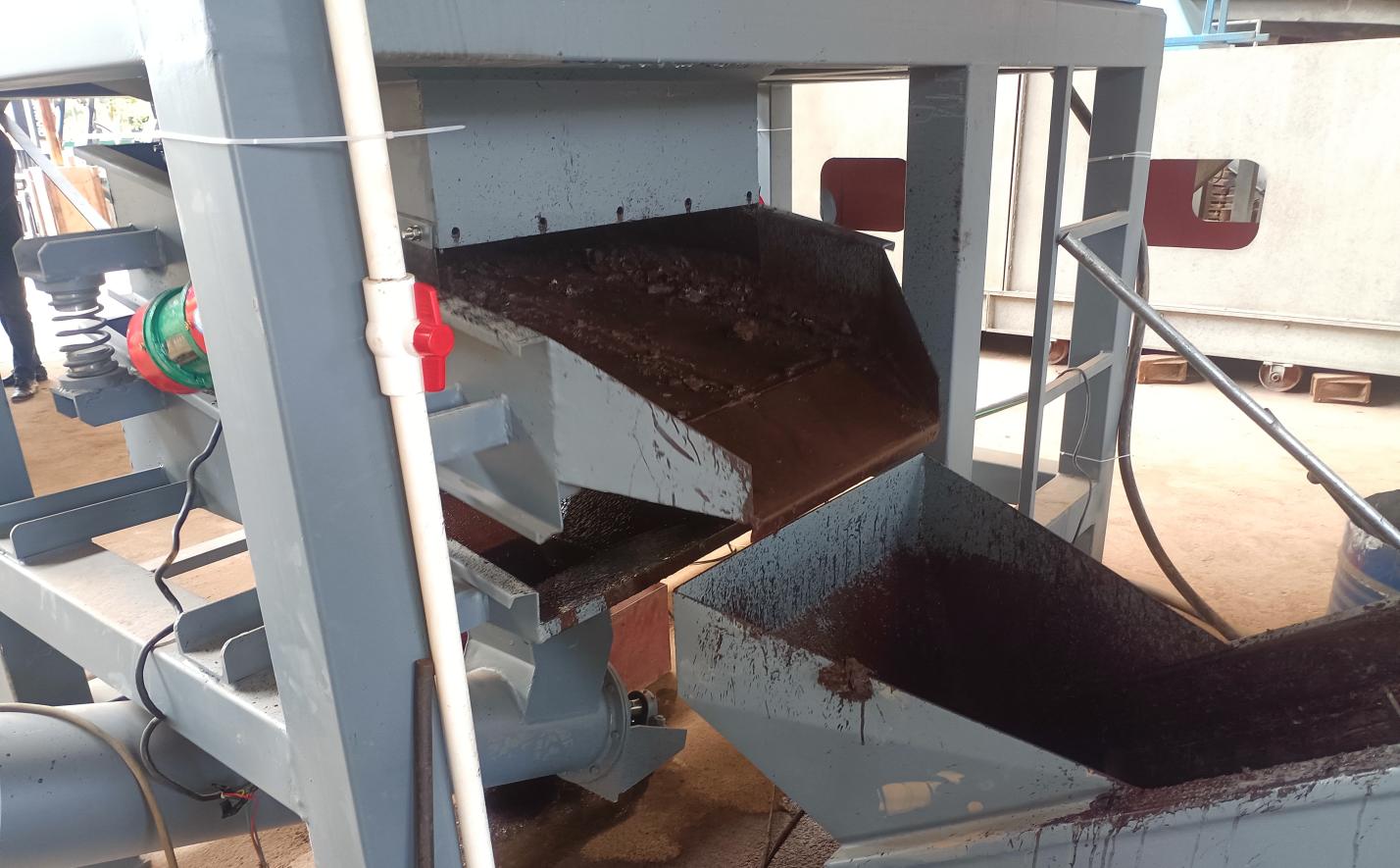
Walk through any neighborhood, and you'll probably take clean water for granted. Turn on the tap, and there it is—clear, safe, ready to drink or wash with. But what happens to that water after it goes down the drain? That's where wastewater treatment plants come in, quietly working behind the scenes to protect our health, our rivers, and our future. In 2025, as communities around the world grapple with growing populations, stricter environmental rules, and a push for sustainability, the cost of building and upgrading these plants is more important than ever. Let's dive into what shapes these prices, how much key equipment really costs, and why investing in wastewater treatment isn't just about dollars—it's about the well-being of people and the planet.
The Growing Need: Why Wastewater Treatment Matters Now More Than Ever
Think about a small town in rural India that, until recently, dumped raw sewage into the local river. Kids got sick from waterborne diseases, fish disappeared, and farmers struggled with contaminated irrigation. Then, with help from a government grant, they built a modest wastewater treatment plant. Within a year, hospital visits dropped by 40%, the river started teeming with life again, and farmers reported better crop yields. That's the power of wastewater treatment—it transforms communities.
Globally, the demand for these plants is skyrocketing. By 2025, the United Nations estimates that 68% of the world's population will live in urban areas, up from 55% in 2018. More people mean more wastewater, and cities can't keep up with outdated infrastructure. Add to that stricter regulations—like the EU's Urban Wastewater Treatment Directive or California's new water quality standards—and it's clear: upgrading wastewater systems isn't optional anymore. It's a necessity.
But here's the catch: building or upgrading a wastewater treatment plant isn't cheap. Prices can range from hundreds of thousands to millions of dollars, depending on the size, technology, and location. For small towns or developing countries, these costs can feel overwhelming. That's why understanding price benchmarks—what you're paying for, why prices vary, and where you can find value—is so critical. Let's break down the numbers and the stories behind them.
Market Overview: A Snapshot of the Global Wastewater Treatment Industry
The global wastewater treatment market is booming, and 2025 is shaping up to be a record year. Industry reports project the market will hit $300 billion by 2025, growing at a steady 5-6% annually. Why? Three key drivers: urbanization, tighter environmental laws, and a global shift toward sustainability.
In developed countries, the focus is on replacing aging infrastructure. In the U.S., for example, the Environmental Protection Agency (EPA) estimates that $472 billion is needed over the next 20 years to upgrade wastewater systems—many of which are over 100 years old. In developing countries, it's about building new plants from scratch to keep up with urban growth. Places like Vietnam, Nigeria, and Brazil are seeing double-digit growth in wastewater treatment investments as they strive to meet the UN's Sustainable Development Goal 6: ensuring access to clean water and sanitation for all.
Key players in the market range from multinational giants like Suez and Veolia to regional manufacturers specializing in affordable, small-scale solutions. But regardless of who's building them, the core components remain similar: tanks, pumps, filters, and advanced systems to remove contaminants. And that's where the price tags start to add up. Let's look at what actually influences how much these systems cost.
What Drives the Price Tag? Key Factors Behind Wastewater Treatment Plant Costs
If you've ever shopped for a car, you know that the base model is one price, but add leather seats, a sunroof, and advanced safety features, and suddenly you're looking at a much bigger number. Wastewater treatment plants are no different—prices vary wildly based on a handful of key factors. Let's unpack the most important ones:
1. Raw Materials and Manufacturing Costs
Steel, concrete, and specialized chemicals (like activated carbon or membrane filters) are the building blocks of wastewater treatment plants. In 2025, steel prices have fluctuated due to trade tensions and supply chain disruptions, with European and North American manufacturers paying 10-15% more than their Asian counterparts. Concrete costs depend on local availability of sand and gravel, while chemicals can spike in price if there's a shortage—like the 2024 global chlorine shortage that temporarily drove up disinfection system costs by 20%.
2. Technology and Efficiency
Not all treatment plants are created equal. A basic "primary treatment" plant, which removes large solids and debris, is far cheaper than an "advanced tertiary treatment" plant that uses membranes, UV disinfection, and smart sensors to produce water clean enough to reuse for irrigation or even drinking. For example, a small primary treatment system for a town of 10,000 people might cost $500,000, while an advanced tertiary system for the same population could top $5 million. The difference? The latter can remove 99% of contaminants, including microplastics and pharmaceuticals, making it future-proof against stricter regulations.
3. Scale and Capacity
Size matters—literally. A plant designed to treat 1 million gallons per day (MGD) will cost more than one designed for 100,000 MGD, but the price per gallon decreases as capacity increases. This is called "economies of scale." For example, a 1 MGD plant might cost $2,000 per gallon of capacity, while a 10 MGD plant could cost $1,200 per gallon. That's why cities often build larger plants than they need today, planning for future growth.
4. Regional Labor and Regulations
Labor costs vary dramatically by region. In Switzerland, where skilled engineers command high salaries, building a plant can cost 30-40% more than in Poland or Mexico for the same design. Local regulations also play a role: in Germany, strict environmental laws require plants to have backup generators and noise-canceling equipment, adding 15-20% to the total cost. In contrast, some developing countries have looser regulations, but this can backfire—plants built to lower standards often need costly upgrades sooner, costing more in the long run.
Price Benchmarks: How Much Do Key Equipment and Systems Cost in 2025?
Now, let's get to the numbers. Below is a breakdown of average price ranges for common wastewater treatment equipment and systems, based on data from industry reports, manufacturer quotes, and regional market analysis. These are ballpark figures—your actual cost could be higher or lower depending on the factors we discussed earlier, but they'll give you a starting point.
| Equipment/System Type | Average Price Range (USD) | Key Features | Regional Price Variations |
|---|---|---|---|
| Water Process Equipment (Basic) | $100,000 – $500,000 | Includes pumps, screens, and primary clarifiers for removing solids. | Asia: $100k–$300k; Europe: $250k–$500k (higher labor/regulatory costs). |
| Effluent Treatment Machine Equipment | $200,000 – $800,000 | Advanced systems for treating industrial effluent (e.g., from factories, refineries) with heavy metals or chemicals. | North America: $500k–$800k (strict industrial regulations); Latin America: $200k–$400k (simpler designs). |
| Wet Process Equipment | $300,000 – $1.2 million | Uses biological processes (like bacteria) and chemical treatments to break down organic matter; common in municipal plants. | Europe: $800k–$1.2 million (high-efficiency designs); Africa: $300k–$600k (smaller, community-scale systems). |
| Advanced Tertiary Treatment Systems | $1 million – $5 million+ | Membrane filtration, UV disinfection, and smart controls for producing reusable water; includes water process equipment integration. | Middle East: $3 million–$5 million (desert regions prioritize water reuse); Australia: $2 million–$4 million (drought resilience). |
*Note: Prices are approximate and based on 2025 Q1 data from industry surveys and manufacturer quotes. Costs include equipment, installation, and basic training, but exclude land, permits, or long-term maintenance.
Regional Price Variations: Why a Plant in Texas Costs More Than One in Thailand
If you're a city planner in Texas, you might sticker-shock when you see what a similar wastewater plant costs in Thailand. Why the difference? Let's take a closer look at four key regions:
North America: High Costs, High Standards
In the U.S. and Canada, prices are driven up by strict regulations (like the Clean Water Act), high labor costs, and a preference for "future-proof" technology. For example, a 5 MGD municipal plant in Texas with advanced tertiary treatment and smart sensors (to monitor water quality in real time) costs around $15 million. Compare that to a similar plant in Mexico, just across the border, which might cost $8–10 million—largely because Mexican manufacturers can source steel and labor more cheaply, and regulations are slightly less stringent (though they're catching up).
Europe: Sustainability Premium
Europe leads the world in green technology, and wastewater plants are no exception. Many European plants are designed to be energy-neutral, using biogas from wastewater to power themselves. This adds upfront costs—for example, a 3 MGD plant in Germany with biogas recovery might cost $12 million, vs. $8 million for a non-energy-neutral plant in France. But the long-term savings (lower energy bills) often offset the initial investment. Plus, EU grants for sustainability projects can reduce out-of-pocket costs by 30–50% for eligible communities.
Asia: Fast Growth, Affordable Solutions
Countries like China, India, and Thailand are building wastewater plants at a breakneck pace to keep up with urbanization. Here, local manufacturers dominate, offering affordable, scaled-down versions of Western technology. A 2 MGD plant in Thailand, using Chinese-made wet process equipment and local labor, might cost $3–4 million—less than half the price of a similar plant in the U.S. But there's a trade-off: some of these plants use older technology that may need upgrades in 10–15 years, whereas Western plants often last 25–30 years with minimal upgrades.
Africa and Latin America: Community-Focused and Budget-Conscious
In regions with limited budgets, small-scale, community-owned plants are the norm. For example, a village in Kenya might invest $200,000 in a decentralized wet process equipment system that serves 5,000 people, using local materials and labor. These plants are simpler—no smart sensors or advanced filtration—but they get the job done, reducing waterborne diseases and improving quality of life. International aid organizations like the World Bank or UNICEF often subsidize these projects, bringing costs down to $100–$150 per person served.
Looking Ahead: Future Trends That Will Shape Prices in 2025 and Beyond
The wastewater treatment industry isn't standing still, and neither are prices. Here are three trends to watch that could change what you pay for a plant in the next 5–10 years:
1. Smart Technology: More Sensors, Lower Long-Term Costs
Imagine a plant that texts operators when a pump is about to fail, or adjusts chemical doses automatically based on real-time water quality data. That's the future of "smart" wastewater treatment, and while it adds 10–15% to upfront costs (for sensors, software, and training), it can cut maintenance costs by 20–30% over 10 years. By 2025, 60% of new plants in developed countries will include smart technology as standard, according to industry forecasts. For example, a $5 million plant with smart controls might save $1 million in maintenance over a decade—making the extra upfront cost a no-brainer.
2. Modular and Prefabricated Systems: Faster, Cheaper, Greener
Traditional plants are built on-site, with workers pouring concrete and assembling equipment piece by piece. Modular systems, by contrast, are built in factories, shipped in sections, and bolted together on-site. This cuts construction time by 40–50% and reduces labor costs by 25%. A modular wet process equipment system for a small town might cost $400,000 vs. $600,000 for a traditional build. Plus, prefab systems are often greener, using recycled steel and energy-efficient components. In 2025, modular plants are especially popular in remote areas or disaster zones, where speed is critical—like the 2024 floods in Pakistan, where modular plants were deployed in weeks to replace destroyed infrastructure.
3. Circular Economy: Turning Waste into Wealth
The most innovative plants aren't just treating wastewater—they're turning it into a resource. For example, some plants extract phosphorus (a key fertilizer ingredient) from wastewater, selling it to farmers. Others use anaerobic digesters to turn sewage into biogas, which can be sold as renewable energy. These "resource recovery" systems add $1–2 million to upfront costs, but they create new revenue streams. In Denmark, the Marselisborg Wastewater Treatment Plant generates $2 million per year from biogas sales, covering 30% of its operating costs. By 2030, the UN predicts that 25% of global wastewater plants will include resource recovery, turning a cost center into a profit center.
Conclusion: Investing in Wastewater Treatment Is Investing in Our Future
At the end of the day, the price tag on a wastewater treatment plant isn't just a number—it's an investment in public health, environmental protection, and economic resilience. A $5 million plant might seem expensive, but compare that to the cost of a cholera outbreak (which can cost a community $10 million in medical bills and lost productivity) or the loss of a river ecosystem (priceless). For cities, towns, and industries, understanding these price benchmarks is the first step toward making informed decisions—whether you're a mayor in Iowa looking to upgrade an aging plant or a factory owner in Vietnam needing to treat industrial effluent.
In 2025, the message is clear: wastewater treatment isn't a luxury. It's a foundation for healthy, thriving communities. And while costs vary, one thing is certain: the longer we wait to invest, the higher the price will be—for our wallets, our health, and our planet. So let's stop seeing wastewater treatment as a "cost" and start seeing it for what it is: an investment in a cleaner, safer, more sustainable future for everyone.