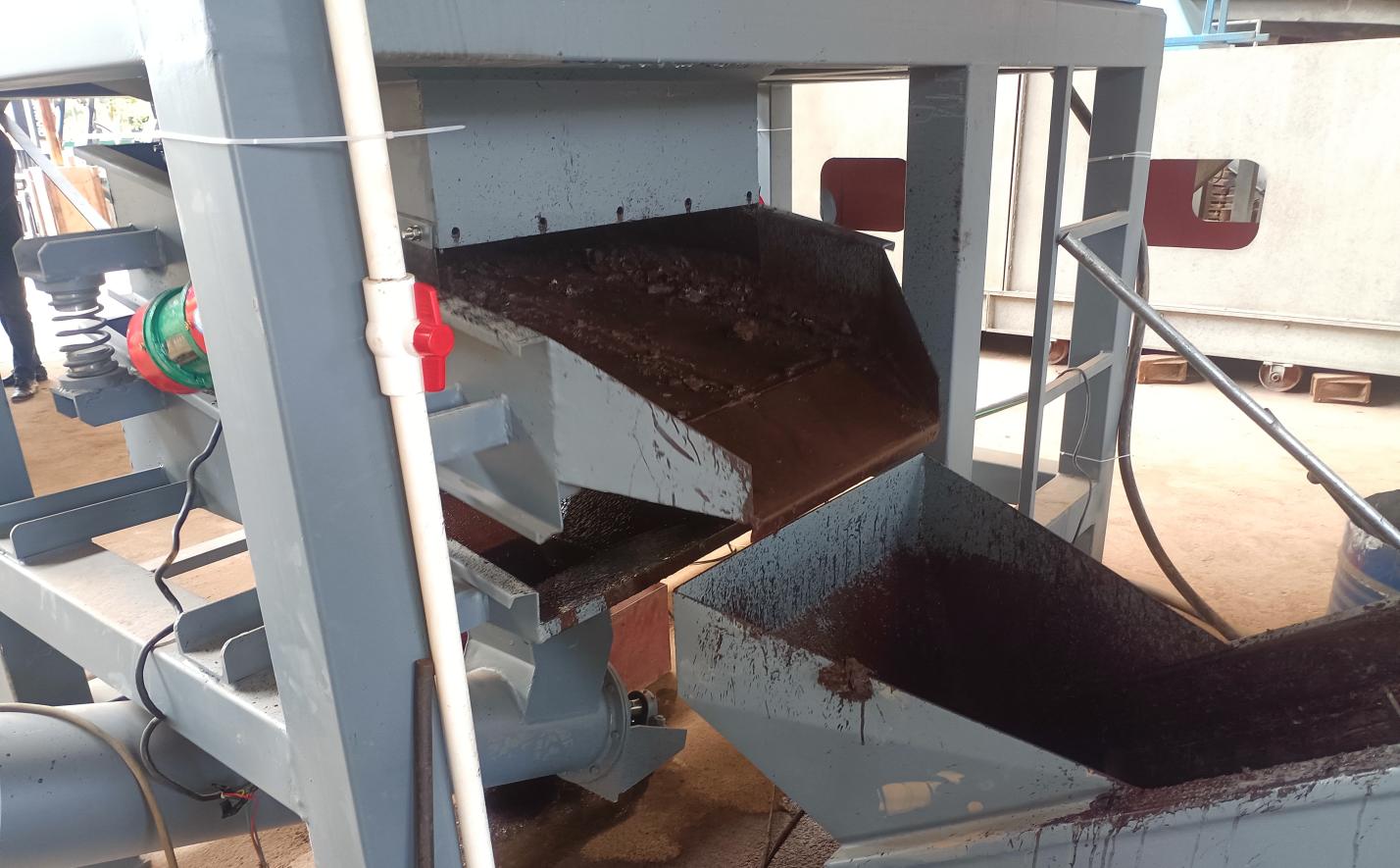
China's rapid industrial growth over the past few decades has been nothing short of remarkable, fueling economic development and lifting millions out of poverty. But this progress has come with a significant environmental cost—rising industrial wastewater. From manufacturing hubs in Guangdong to chemical zones in Jiangsu, untreated or poorly treated wastewater has strained rivers, lakes, and groundwater, threatening ecosystems and public health. In response, the country has doubled down on sustainable industrial practices, and at the heart of this effort are wastewater treatment plant factories. These facilities don't just build machines; they craft solutions that turn industrial waste into manageable, even reusable, resources. In 2025, as environmental regulations tighten and businesses prioritize green operations, the role of these factories has never been more critical. Today, we're diving into the top players in this space, ranking the leading wastewater treatment plant factories in China based on innovation, sustainability, and real-world impact.
How We Ranked: The Criteria Behind Our List
Ranking the best isn't just about popularity—it's about tangible results. To compile this list, we evaluated dozens of factories against five key criteria, ensuring our picks aren't just industry names but true drivers of change:
- Technological Innovation: Do they lead in developing cutting-edge solutions, or do they rely on outdated methods? We prioritized factories with a track record of patent filings, R&D investment, and adoption of smart technologies like AI-driven monitoring.
- Sustainability Focus: Wastewater treatment shouldn't solve one problem by creating another. We looked for factories that design energy-efficient systems, minimize chemical use, and prioritize circular economy principles—like reusing treated water or recovering valuable materials.
- Scalability & Adaptability: A solution that works for a small textile mill might fail for a large chemical plant. The best factories offer scalable systems, from compact setups for SMEs to industrial-grade plants for mega-facilities, with flexibility to adapt to different wastewater types.
- Customer Trust & After-Sales Support: A great machine is only as good as the support behind it. We considered customer reviews, warranty terms, and the availability of on-site maintenance and training—because downtime in wastewater treatment can cost businesses dearly.
- Compliance & Certification: In a regulatory landscape as strict as China's, adherence to national and international standards (like GB/T, ISO, and CE) is non-negotiable. Factories with a history of passing rigorous third-party audits scored highest here.
Top 5 Leading Wastewater Treatment Plant Factories in China 2025
1. EcoTech Solutions Co., Ltd.
At the top of our list is EcoTech Solutions, a Shanghai-based powerhouse that has redefined what wastewater treatment can be. Founded in 2008, EcoTech has built its reputation on one core promise: "Treat water, don't just filter it." Their claim to fame? A suite of effluent treatment machine equipment that doesn't just meet discharge standards but turns wastewater into a resource. Take their flagship "EcoFlow Pro" system, which integrates advanced water process equipment with AI sensors to adjust treatment parameters in real time. For a textile factory in Zhejiang, this meant cutting water consumption by 40% and recovering 95% of dyeing chemicals—slashing operational costs while reducing environmental impact.
What sets EcoTech apart is its obsession with sustainability. Unlike competitors that rely on energy-heavy processes, their systems use solar-powered aeration and gravity-driven filtration, lowering carbon footprints by up to 30%. They also prioritize modular design, meaning clients can start small and expand as their business grows—no need to overhaul the entire system. "We don't sell machines; we sell partnerships," says Li Wei, EcoTech's chief engineer. "A client in Jiangsu started with a 500-ton/day setup in 2020 and now runs a 2,000-ton/day plant with our equipment—same core technology, just scaled up."
Customer support is another area where EcoTech shines. Their "24/7 Green Line" ensures technicians are on call for emergencies, and they offer free annual training sessions for client teams. It's no wonder they've earned a 98% customer retention rate and partnerships with giants like Sinopec and Foxconn.
2. BlueWater Industries
Coming in second is BlueWater Industries, a Guangzhou-based firm that specializes in tackling the toughest wastewater challenges—think heavy metals, high-strength organics, and industrial sludge. What makes BlueWater stand out? Their mastery of wet process equipment , a method that uses water-based chemical reactions to break down contaminants, ideal for industries like mining, electroplating, and pharmaceuticals. "Wet processes get a bad rap for being 'messy,' but when done right, they're the most effective for complex wastewater," explains Zhang Mei, BlueWater's R&D director. "Our systems use biodegradable flocculants and membrane bioreactors to achieve 99% contaminant removal—even for heavy metals like lead and cadmium."
One of BlueWater's star products is the "MudMaster X," a compact wet process unit designed for small to medium enterprises (SMEs). Traditional wet process systems are often too large and costly for SMEs, but the MudMaster X fits in a 20-foot container and can treat up to 300 tons/day. A hardware factory in Dongguan recently installed three units, reducing sludge disposal costs by 60% and meeting strict local discharge limits for the first time. "Before, we were fined monthly for exceeding lead levels," says the factory's operations manager. "Now, we're not just compliant—we're a model for other SMEs in our park."
Sustainability is baked into BlueWater's DNA. Their wet process systems are designed to recover valuable metals like copper and nickel from wastewater, which can then be resold or reused in production. For a battery manufacturer in Hunan, this meant turning a waste stream into a $200,000/year revenue source. With over 500 installations across China and expanding into Southeast Asia, BlueWater proves that targeted expertise—paired with a focus on accessibility—wins in the long run.
3. GreenCycle Engineering
Third on our list is GreenCycle Engineering, a Hangzhou-based innovator that's breaking the mold by combining wastewater treatment with air quality control. While most factories focus solely on water, GreenCycle takes a holistic approach: their systems don't just treat wastewater—they also integrate air pollution control system equipment to capture emissions from treatment processes, ensuring no byproducts harm the environment. "Wastewater treatment can release volatile organic compounds (VOCs) or ammonia into the air," says Chen Bo, GreenCycle's CEO. "Why fix water pollution if you're just trading it for air pollution?"
GreenCycle's flagship offering is the "CleanLoop" system, which pairs dry process equipment (using minimal water) with a multi-stage air filtration unit. Dry processes are ideal for water-scarce regions or industries where water reuse is critical, like food processing or electronics manufacturing. For a potato chip factory in Inner Mongolia, the CleanLoop system reduced water use by 75% and eliminated 92% of VOC emissions from wastewater aeration tanks. "We used to get complaints from nearby villages about the smell," says the factory's sustainability officer. "Now, you can't even tell we have a treatment plant on-site."
What's impressive about GreenCycle is its commitment to transparency. They publish annual "Impact Reports" detailing the environmental benefits of their systems, including carbon saved, water reused, and emissions reduced. This level of accountability has earned them partnerships with government-backed green initiatives, like the "Clean Yangtze" program, which aims to restore the Yangtze River basin. With a 2024 revenue growth of 45% and plans to expand into Europe, GreenCycle is proving that holistic solutions are the future of industrial sustainability.
4. AquaGen Innovations
AquaGen Innovations, based in Suzhou, lands at number four, and for good reason: they're the R&D leaders in the space. With over 200 patents and a team of 150+ engineers, AquaGen isn't just building equipment—they're inventing the next generation of wastewater treatment. Their claim to fame? A proprietary water process equipment line called "AquaMembrane," which uses graphene-based filters to remove contaminants at the molecular level. Traditional membranes clog easily, requiring frequent replacement, but AquaGen's graphene filters last up to 5 years and can filter particles as small as 0.001 microns—smaller than most viruses.
In 2023, AquaGen launched "AquaAI," an AI-powered control system that predicts wastewater composition based on production schedules, adjusting treatment parameters proactively. For a pharmaceutical plant in Shanghai, this meant reducing chemical use by 25% and cutting treatment time by 30%. "Our production batches vary daily, so wastewater composition changes hourly," explains the plant's technical director. "AquaAI learns our schedule and preps the system—no more guesswork, no more over-treating or under-treating."
While AquaGen's technology is cutting-edge, they've faced criticism for high upfront costs. A large-scale AquaMembrane system can cost 30% more than conventional options. But clients argue the investment pays off: lower maintenance costs, longer equipment life, and better compliance. "Yes, we paid more upfront," says a food and beverage client in Chengdu. "But in two years, we've saved enough on chemicals and repairs to cover the difference." With partnerships with top universities like Tsinghua and Zhejiang University, AquaGen shows no signs of slowing down—expect even more breakthroughs from them in 2026.
5. EverClear Systems
Rounding out our top five is EverClear Systems, a Wuhan-based factory that's making wastewater treatment accessible to businesses of all sizes. While others focus on large-scale industrial plants, EverClear specializes in compact, affordable systems for SMEs—the backbone of China's economy. Their best-seller? The "EverClear Mini," a plug-and-play effluent treatment machine equipment unit that fits in a garage and treats up to 100 tons/day. Priced at under ¥100,000 (about $13,800), it's designed for small factories, restaurants, and even hotels that can't afford complex setups.
But don't let the size fool you: the EverClear Mini is packed with features. It uses a combination of biological treatment (bacteria that eat organic matter) and UV disinfection to meet national discharge standards, and it's so user-friendly that no special training is needed. "We tested it with a noodle factory owner who had no technical background," says Wang Jun, EverClear's product manager. "He set it up himself in an hour and was treating wastewater the same day." Since its 2022 launch, the EverClear Mini has sold over 5,000 units across China, helping SMEs avoid fines and improve their environmental credentials.
EverClear also stands out for its focus on rural areas. Many small towns lack centralized wastewater treatment plants, so local businesses often discharge untreated water into rivers. EverClear's "Rural Reach" program partners with local governments to subsidize Mini units for rural SMEs, making clean water a reality even in remote areas. "In a village in Yunnan, we installed 10 units for small rice mills," Wang says. "Within six months, the river that runs through the village went from murky brown to clear enough for fishing again. That's the impact we care about."
Comparing the Top 5: Key Features at a Glance
| Factory Name | Core Technology | Target Industries | Capacity Range | Sustainability Highlights | Customer Support |
|---|---|---|---|---|---|
| EcoTech Solutions | Effluent treatment machine equipment, water process equipment (AI-integrated) | Large manufacturing, chemicals, textiles | 500–5,000 tons/day | Solar-powered systems, 40% water reuse rate | 24/7 emergency support, annual training |
| BlueWater Industries | Wet process equipment, heavy metal recovery | Mining, electroplating, pharmaceuticals | 300–3,000 tons/day | Biodegradable chemicals, metal recovery for resale | On-site installation, 5-year warranty |
| GreenCycle Engineering | Dry process equipment, air pollution control system equipment | Food processing, electronics, water-scarce regions | 200–2,500 tons/day | 75% water reduction, 92% VOC capture | Transparent impact reporting, EU expansion support |
| AquaGen Innovations | Water process equipment (graphene membranes), AI control | Pharmaceuticals, high-tech manufacturing | 1,000–10,000 tons/day | Long-lasting graphene filters (5-year lifespan) | R&D partnerships, technical consulting |
| EverClear Systems | Effluent treatment machine equipment (compact units) | SMEs, rural businesses, hospitality | 50–100 tons/day (Mini); up to 500 tons/day (larger models) | Low energy use, rural subsidy programs | DIY setup guides, affordable maintenance |
Trends Shaping the Industry in 2025
The wastewater treatment landscape is evolving fast, driven by stricter regulations, advancing technology, and a global push for sustainability. Here are the key trends these top factories are already leveraging:
- Smart Treatment: AI and IoT are no longer buzzwords—they're standard. Factories like EcoTech and AquaGen use sensors and machine learning to monitor water quality in real time, adjust treatment processes automatically, and predict maintenance needs. This reduces human error and cuts operational costs by up to 25%.
- Circular Economy Focus: It's not enough to treat wastewater—now, it's about recovery. BlueWater's metal recovery and EcoTech's chemical reuse are examples of how factories are turning waste into resources, aligning with China's "Dual Carbon" goals to peak emissions by 2030.
- Decentralization: Centralized treatment plants are expensive and inefficient for rural or spread-out industries. EverClear's compact units and GreenCycle's modular designs are leading the shift toward decentralized systems, putting treatment power directly in the hands of businesses.
- Energy Neutrality: The next frontier? Treatment plants that produce as much energy as they use. Some factories are experimenting with anaerobic digestion (using bacteria to break down organic waste and produce biogas) to power their systems, turning wastewater treatment into a net energy gain.
Challenges Ahead: What These Factories Are Up Against
Despite their success, these leading factories face hurdles that could shape their future. Here's what keeps industry leaders up at night:
- Cost Pressures: While technology improves, R&D and raw material costs (like graphene for AquaGen or specialized membranes for EcoTech) remain high. Balancing affordability with innovation is a constant tightrope walk, especially as SMEs demand lower prices.
- Regulatory Changes: China's environmental laws get stricter every year. What meets standards today might not tomorrow, forcing factories to constantly update their designs. "We had a client in Shandong who installed a system in 2023 that's already non-compliant in 2025 due to new nitrogen limits," says one factory rep. "We had to retrofit it at our cost to keep their trust."
- Global Competition: European and American firms are entering the Chinese market with their own advanced systems, putting pressure on local factories to innovate faster. GreenCycle's expansion into Europe is partly a defensive move—to learn from competitors and bring insights back home.
- Skilled Labor Gaps: Operating high-tech systems requires trained technicians, but China faces a shortage of workers with expertise in both wastewater treatment and AI/smart tech. Factories like EcoTech are partnering with vocational schools to train the next generation, but it's a long-term fix.
The Road Ahead: What 2025–2030 Holds
Despite the challenges, the future looks bright for China's wastewater treatment plant factories. Here's what we can expect in the next five years:
- Explosive Growth: China's 14th Five-Year Plan allocates $300 billion to environmental protection, with a large chunk earmarked for industrial wastewater treatment. Factories that can scale quickly—like EcoTech and BlueWater—are poised to capture this funding.
- Green Tech Integration: We'll see more pairing of wastewater treatment with renewable energy. Imagine a solar-powered, AI-controlled system that treats water, recovers metals, and sells excess energy back to the grid—that's the vision for 2030.
- Global Expansion: Chinese factories are no longer just serving domestic clients. AquaGen is already in talks to supply systems to factories in Vietnam and Malaysia, while GreenCycle is targeting the EU's strict environmental market. "Made in China" is becoming synonymous with green innovation, not just low cost.
- Focus on Micro-Pollutants: As "big" pollutants like heavy metals become easier to treat, the next battle will be against micro-pollutants—tiny chemicals from pharmaceuticals, cosmetics, and pesticides that slip through traditional filters. Factories are investing in advanced oxidation processes (AOPs) to break these down, ensuring water is truly clean.
Wrapping Up: Why These Factories Matter
At the end of the day, these leading wastewater treatment plant factories in China aren't just businesses—they're guardians of clean water. In a country where industrial growth and environmental protection often clash, they're proving that the two can coexist. From EcoTech's AI-powered systems to EverClear's rural outreach, each factory brings something unique to the table, but they share a common goal: turning wastewater from a liability into an asset.
As we look to 2030, the stakes are higher than ever. With climate change exacerbating water scarcity and public demand for cleaner environments growing, the work of these factories will only become more critical. For businesses, choosing the right partner isn't just about compliance—it's about future-proofing operations and contributing to a sustainable China. For consumers and communities, it's about having faith that the water they drink, swim in, and rely on is safe.
So here's to the innovators, the problem-solvers, and the factories that refuse to accept "good enough." In their hands, the future of China's water is in capable, caring, and forward-thinking hands.