Introduction: The Heart of Lead Recycling
Lead recycling isn't just about sustainability—it's a critical industry that keeps valuable resources in circulation while reducing the need for mining raw lead ore. For buyers looking to invest in lead refining operations, understanding the raw materials that power these processes is like knowing the ingredients in a recipe: it's the foundation of success. Whether you're scaling an existing facility or starting fresh, the choices you make around raw materials and the equipment that processes them directly impact efficiency, output quality, and long-term profitability. In this guide, we'll break down the key raw materials used in lead refiners, how they're processed, and why they matter for your bottom line.
Key Raw Materials in Lead Refining: What Powers the Process?
At its core, lead refining relies on transforming scrap materials into high-purity lead. While the process involves several steps, the raw materials involved are surprisingly focused—with a few critical players that drive the entire operation. Let's dive into the most important ones.
1. Scrap Lead Acid Batteries: The Primary Feedstock
Walk into any lead refinery, and you'll likely find mountains of scrap lead acid batteries. These are the single largest source of raw material for lead recycling, accounting for over 80% of the lead processed globally. Why? Because lead acid batteries are durable, widely used (in cars, trucks, backup power systems, and more), and designed with a high lead content—typically 60-70% of their total weight. For buyers, this means a consistent, abundant feedstock, but it also means investing in the right equipment to safely and efficiently break down these batteries to extract the lead.
2. Lead Scrap from Other Sources
While batteries take center stage, lead refiners also process scrap from other sources to diversify their feedstock. This includes old lead pipes, cables (often processed using cable recycling equipment), lead-based solder from electronics, and even discarded lead weights from fishing or construction. These secondary sources vary in purity and composition, so refiners must sort and test them carefully to ensure they don't introduce harmful impurities into the final product.
3. Flux Materials: Cleaning Up the Mix
Think of flux materials as the "cleaners" of the lead refining process. When lead scrap is melted, it often contains impurities like sulfur, iron, and copper. Fluxes—usually silica (sand), limestone, or fluorspar—react with these impurities to form a slag, a molten byproduct that floats to the surface and can be easily removed. For buyers, choosing the right flux is a balancing act: too little, and impurities remain in the lead; too much, and you waste material and energy. Reputable suppliers often recommend specific flux blends tailored to the type of scrap being processed.
4. Reducing Agents: Bringing Lead Back to Life
Many lead compounds in scrap (like lead oxide from battery plates) are not pure lead—they're chemically bound to other elements. Reducing agents, such as coke (a form of coal), charcoal, or natural gas, react with these compounds to "free" the lead. In simple terms, they strip away oxygen or other elements, leaving behind metallic lead. The choice of reducing agent affects both cost and efficiency: coke is affordable and widely used, while natural gas offers cleaner combustion, which can be a selling point for environmentally conscious operations.
5. Additives: Fine-Tuning the Process
Small but mighty, additives play a supporting role in lead refining. These can include substances like sodium nitrate (to oxidize stubborn impurities) or barium carbonate (to remove sulfate). Some additives help control the viscosity of the molten lead, making it easier to pour and mold, while others prevent the formation of toxic fumes. For buyers, understanding which additives are needed for their specific feedstock can prevent costly delays or subpar product quality.
| Raw Material | Sources | Role in Refining | Key Considerations for Buyers |
|---|---|---|---|
| Scrap Lead Acid Batteries | Automotive, industrial, and consumer waste | Primary source of lead; contains lead plates, sulfuric acid, and plastic casings | Check for (leaking acid) and contamination; prioritize suppliers with battery collection networks |
| Lead Scrap (Other) | Cables, pipes, solder, weights | Supplementary feedstock; varies in purity | Request purity reports; avoid scrap with high levels of mercury or cadmium |
| Flux Materials | Silica mines, limestone quarries | Removes impurities by forming slag | Choose blends matched to your scrap type; inquire about particle size (finer = faster reaction) |
| Reducing Agents | Coke ovens, natural gas suppliers | Frees lead from chemical compounds | Compare cost per unit of lead produced; consider environmental impact (e.g., low-sulfur coke) |
| Additives | Chemical suppliers, specialty manufacturers | Controls viscosity, removes trace impurities, reduces fumes | Work with equipment suppliers to identify required additives for your setup |
From Raw Material to Refined Lead: The Journey
Now that we've covered the "what," let's talk about the "how." Raw materials don't magically turn into pure lead—they go through a carefully orchestrated process, often using specialized equipment that buyers need to understand. Here's a step-by-step look at the journey:
Step 1: Collection and Sorting
It all starts with collecting scrap. Most refiners work with scrap yards, auto shops, and battery retailers to source lead acid batteries and other lead scrap. Once collected, the scrap is sorted: batteries are separated from other lead scrap, and damaged units are set aside for safe handling. For buyers, partnering with suppliers who have strict sorting protocols reduces the risk of processing contaminated material later on.
Step 2: Breaking and Separation
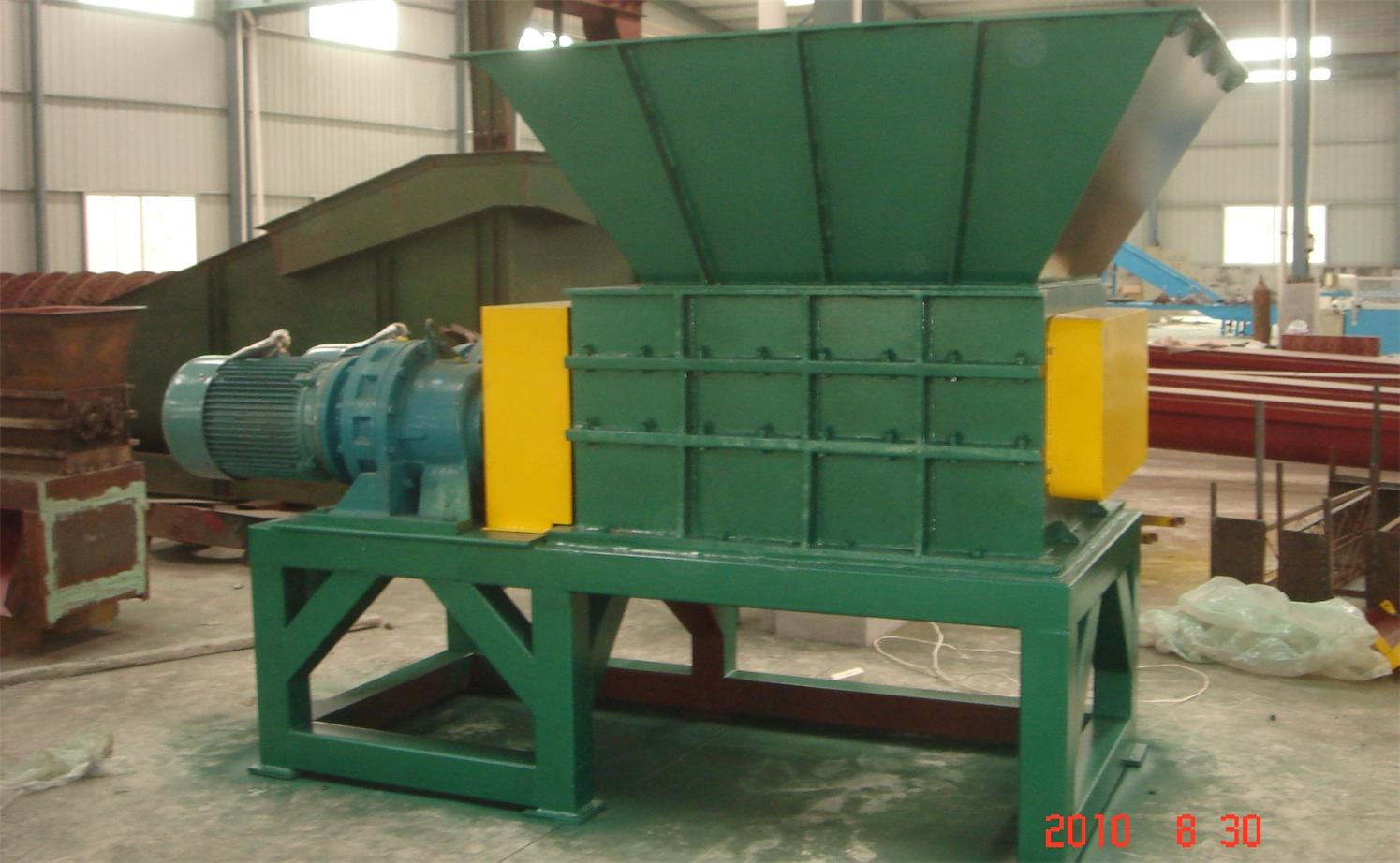
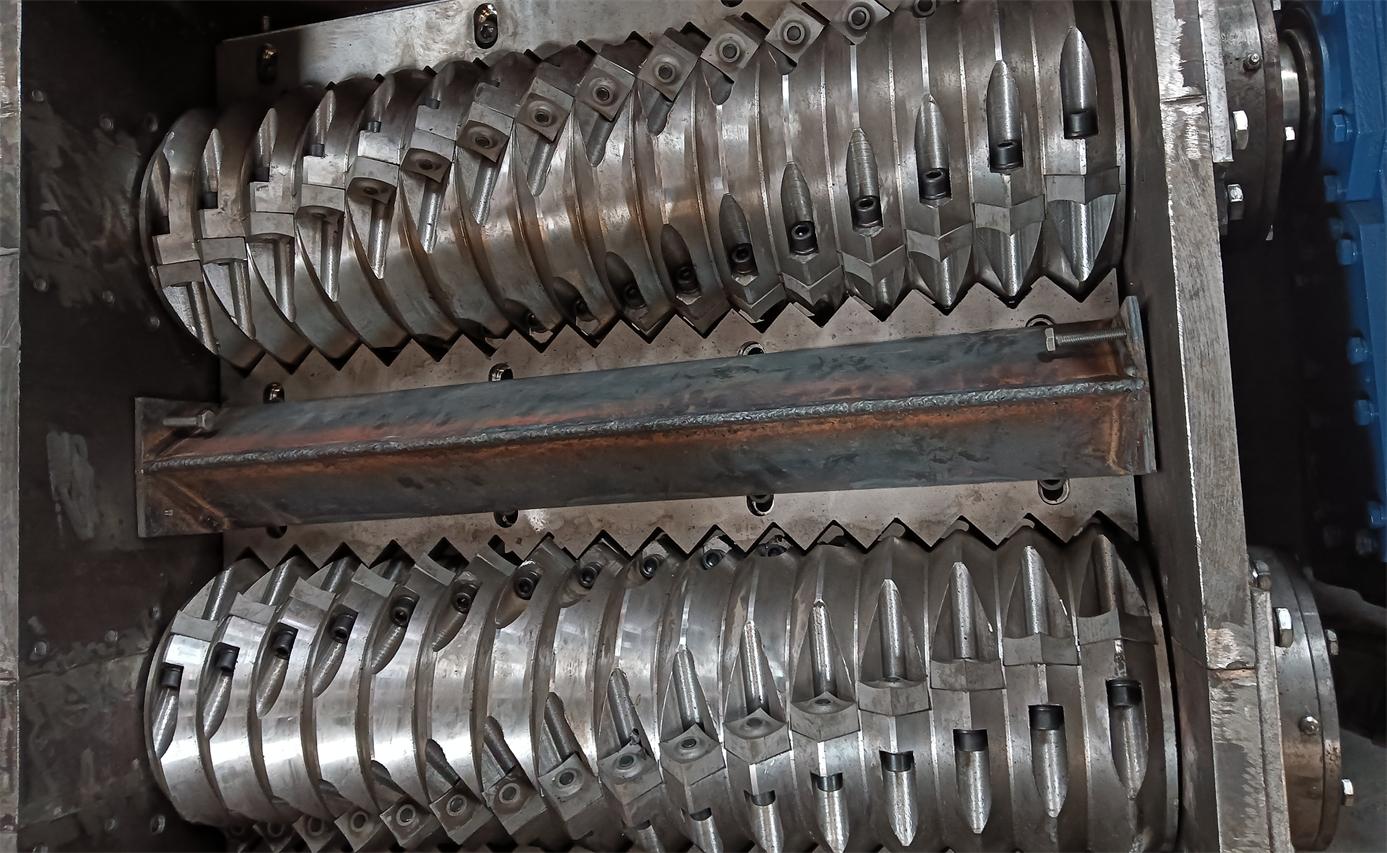
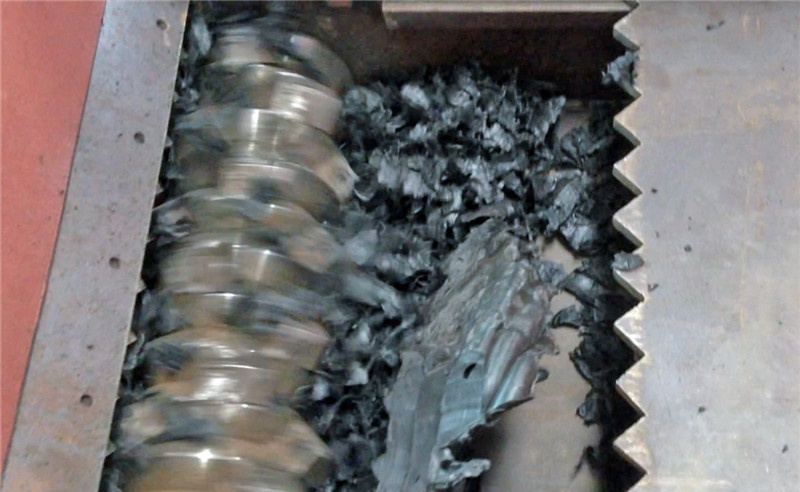
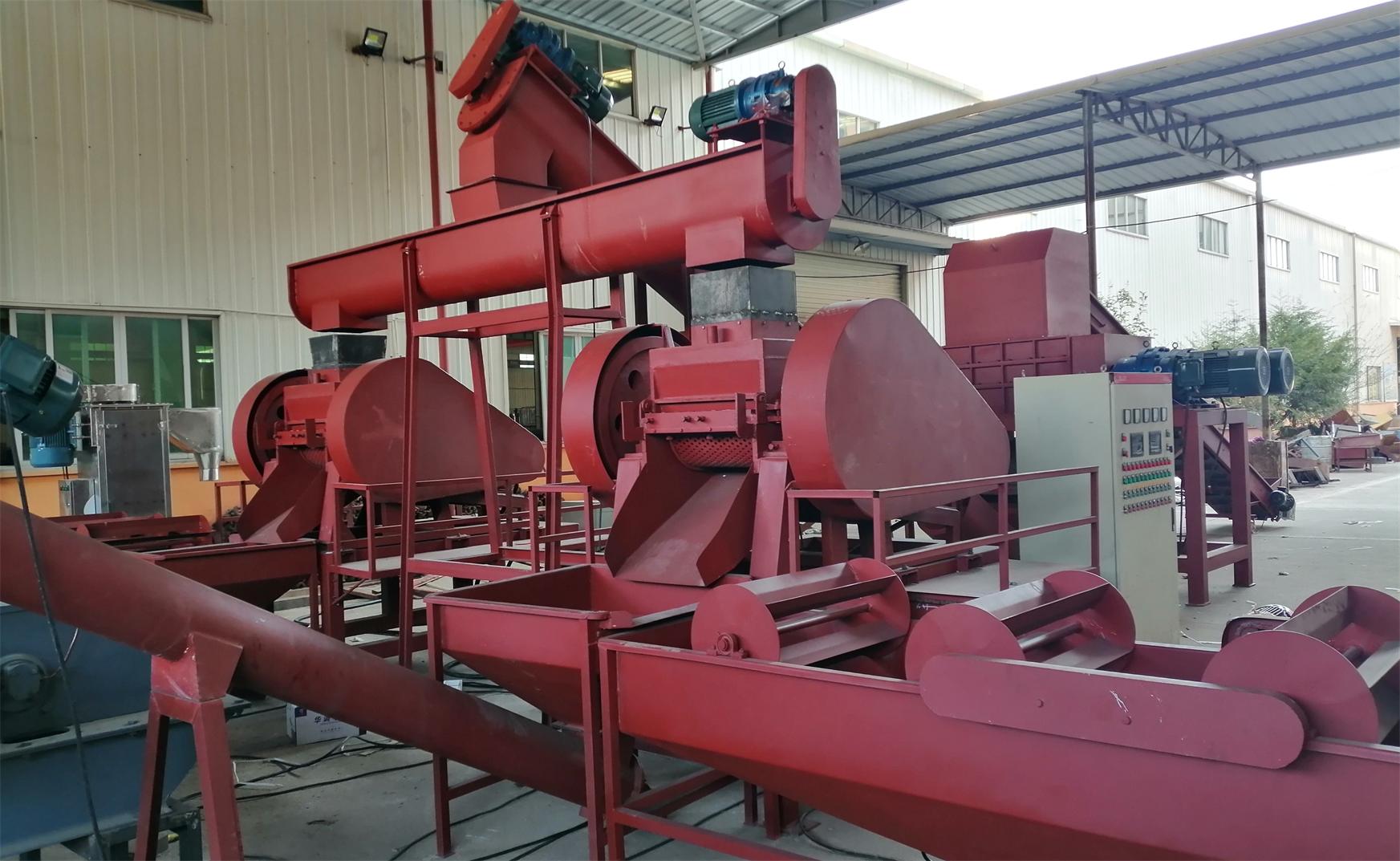
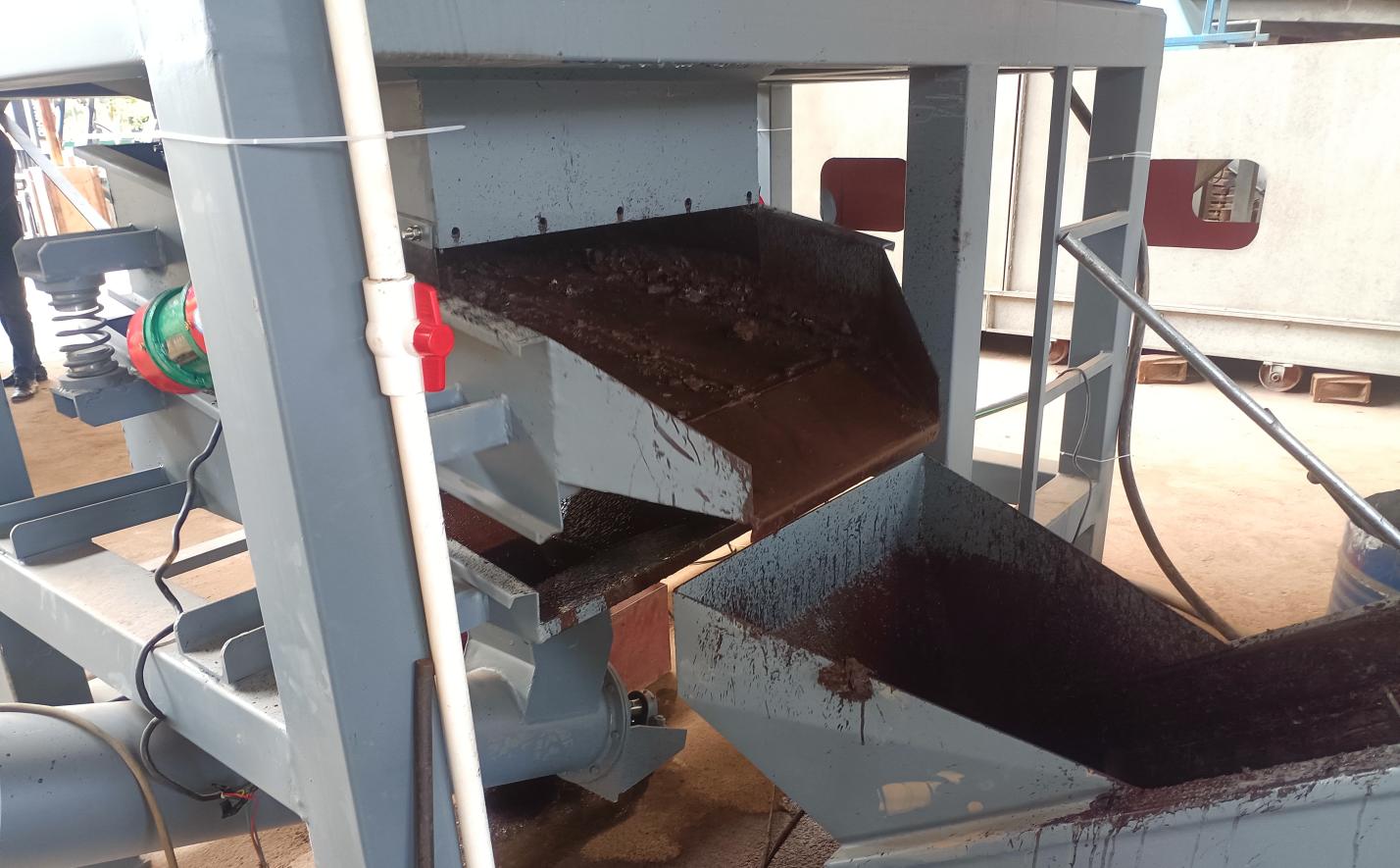
Scrap lead acid batteries are tough—you can't just toss them into a furnace. Instead, they're fed into a lead acid battery breaking and separation system. This equipment uses mechanical force (think rotating blades or hydraulic cutters) to crack open the batteries, then separates the lead plates, plastic casings, and sulfuric acid. The plastic is often recycled into new battery cases, while the acid is neutralized or reused. For buyers, investing in a high-quality breaking and separation system is critical: a poorly designed one can damage lead plates, reducing yield, or leave plastic fragments in the lead, leading to impurities.
Why the Right Breaking System Matters
Modern lead acid battery breaking and separation systems, like those offered by leading suppliers, can process 500-2,500 kg of batteries per hour. Look for features like adjustable cutting speeds (to handle different battery sizes) and integrated dust collection (to meet air pollution control standards). A system with metal detectors can also prevent rogue objects (like bolts or rocks) from damaging the equipment.
Step 3: Smelting
Once separated, the lead plates (and other lead scrap) are ready for smelting—the process of melting the lead to separate it from remaining impurities. This is where metal melting furnace equipment comes into play. Most refiners use either a rotary furnace or a medium frequency electricity furnace. Rotary furnaces are ideal for large batches, slowly rotating to mix lead scrap with flux and reducing agents. Medium frequency electricity furnaces, on the other hand, use electromagnetic induction to heat the metal directly, offering faster melting times and precise temperature control. For buyers, the choice depends on scale: small to medium operations may prefer medium frequency furnaces for their energy efficiency, while large-scale refiners often opt for rotary furnaces for higher throughput.
Step 4: Refining and Purification
Molten lead from the furnace still isn't pure enough for most applications (like new batteries or electronics). That's where lead refinery machine equipment takes over. Refining involves heating the lead again and adding chemicals to remove trace impurities like arsenic, antimony, and tin. One common method is the "Parkes process," which uses zinc to extract silver and gold from lead—a valuable byproduct for some refiners. The end result is 99.99% pure lead, often cast into ingots for sale. For buyers, a reliable refinery machine ensures consistent purity, which is non-negotiable for customers like battery manufacturers.
Step 5: Casting and Packaging
Finally, the pure lead is cast into molds to form ingots, bricks, or other shapes. These are then cooled, inspected, and packaged for shipment. Some refiners also offer custom casting for specific customer needs (e.g., lead sheets for radiation shielding). For buyers, ensuring the casting process is controlled (temperature, cooling rate) prevents defects like cracks or porosity in the final product.
Critical Equipment: Turning Raw Materials into Refined Lead
Raw materials are only as good as the equipment that processes them. For buyers, understanding the key machines involved in lead refining helps in making informed purchasing decisions. Let's focus on the heavy hitters:
1. Lead Acid Battery Breaking and Separation System
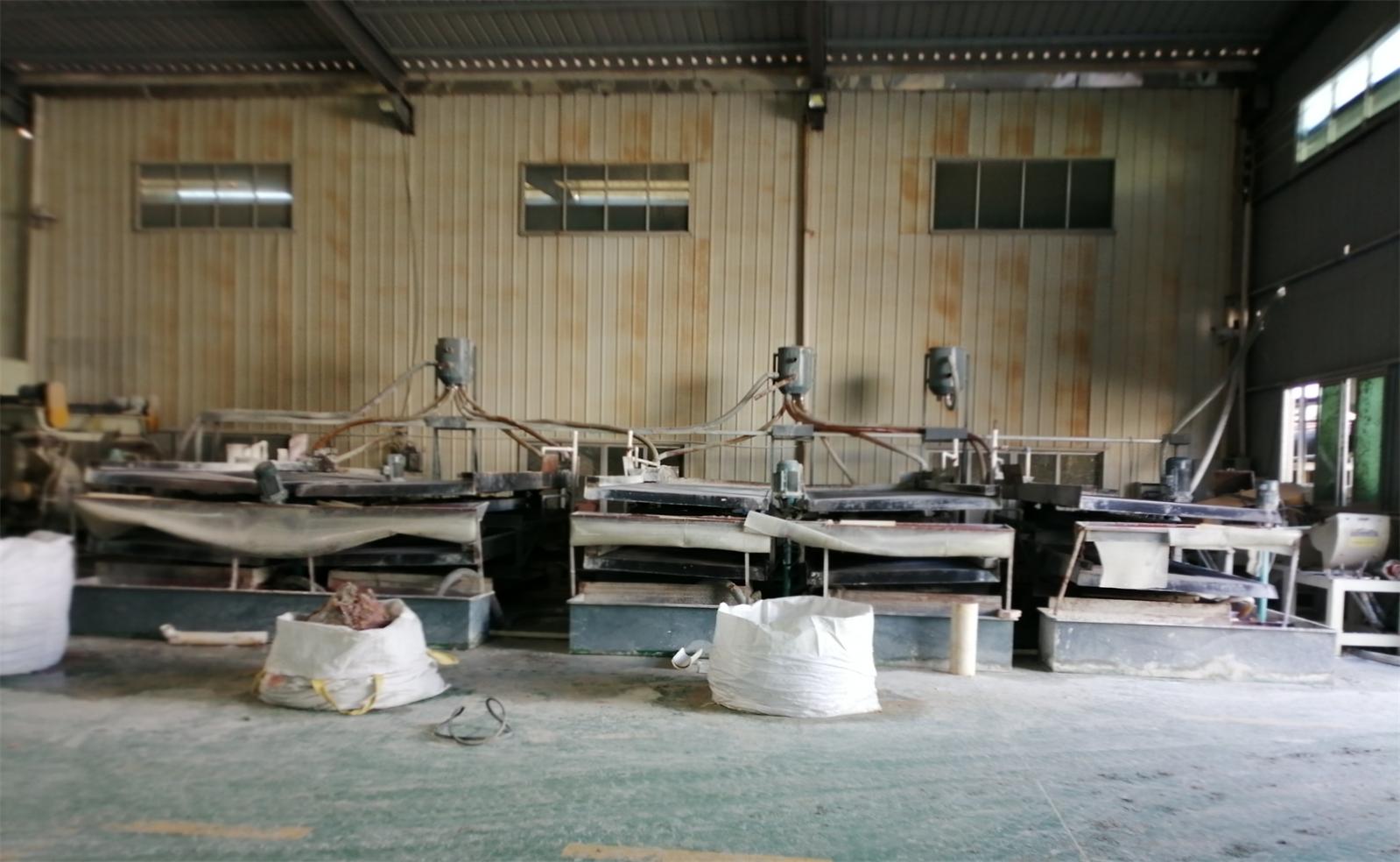
As mentioned earlier, this is the workhorse of battery recycling. A typical system includes a feeder, a breaker (with blades or hammers), a conveyor, and a separator (using gravity or air flow to split lead, plastic, and acid). When evaluating systems, ask about capacity (kg per hour), energy consumption, and maintenance needs. A system with easy-to-replace blades, for example, reduces downtime.
2. Metal Melting Furnace Equipment
Furnaces come in various types, but for lead refining, rotary furnaces and medium frequency electricity furnaces are the most common. Rotary furnaces are cylindrical and tilt to pour molten lead, while medium frequency furnaces use coils to generate heat. Key specs for buyers: maximum temperature (lead melts at 327°C, but refining requires higher temps), fuel type (gas, electricity, or coal), and emissions control features (to meet air pollution regulations).
3. Lead Refinery Machine Equipment
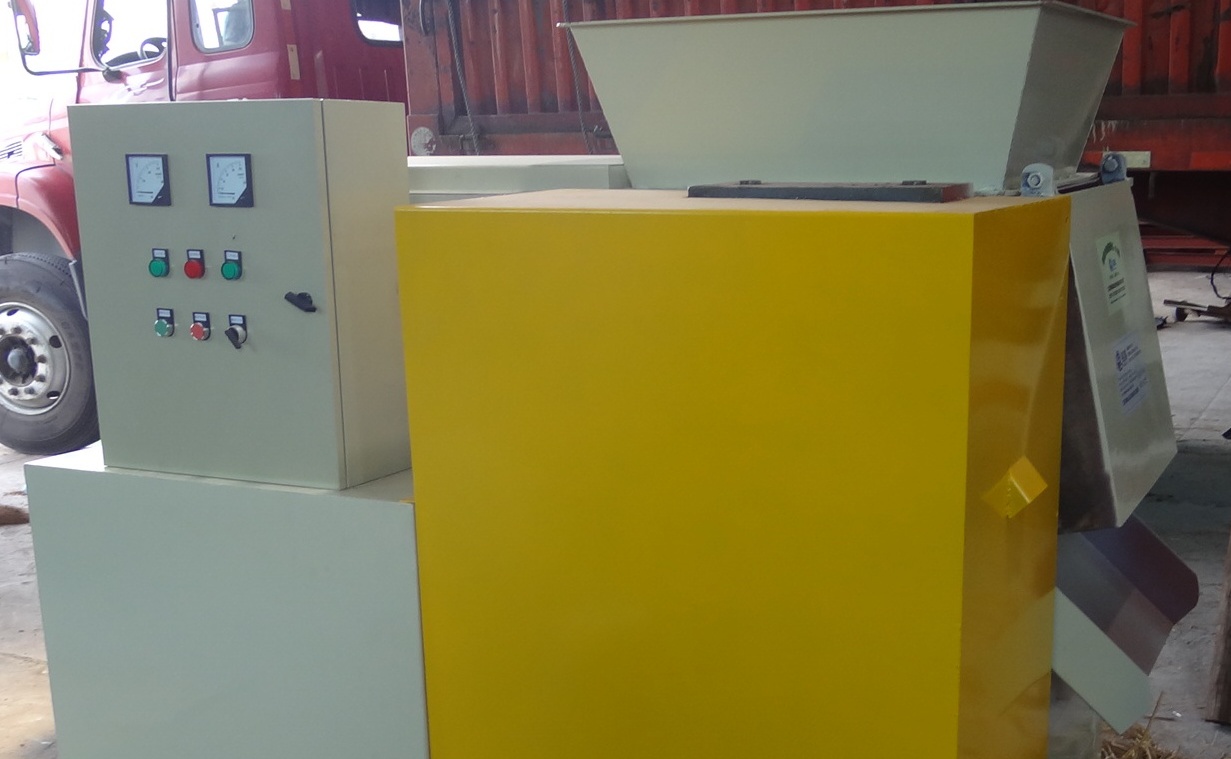
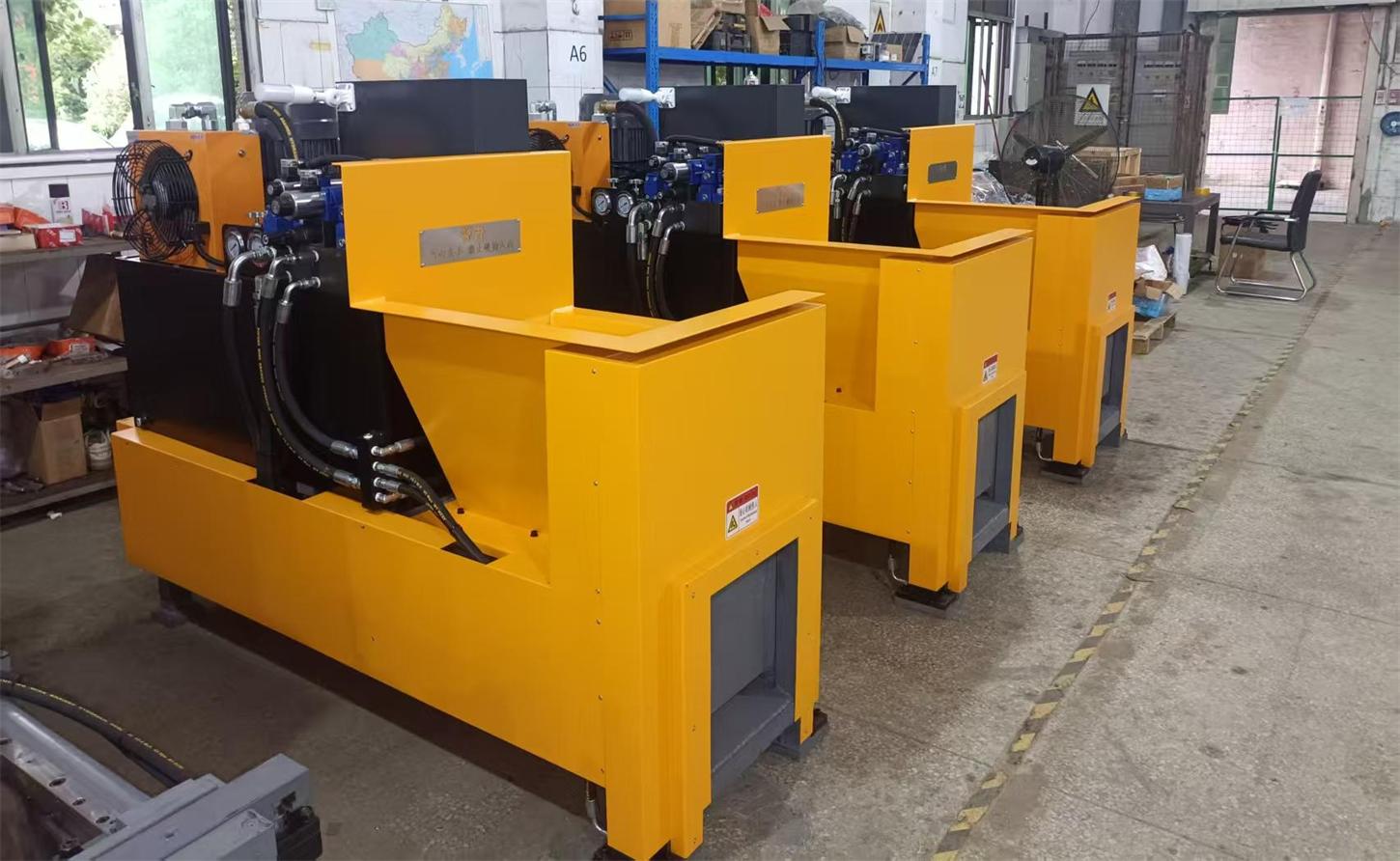
Refining machines vary by process, but most include a kettle (for holding molten lead), stirring mechanisms, and ports for adding chemicals. Some are automated, with sensors to monitor impurity levels in real time. For buyers, look for machines with digital controls—these make it easier to adjust parameters and track performance over time.
4. Air Pollution Control System Equipment
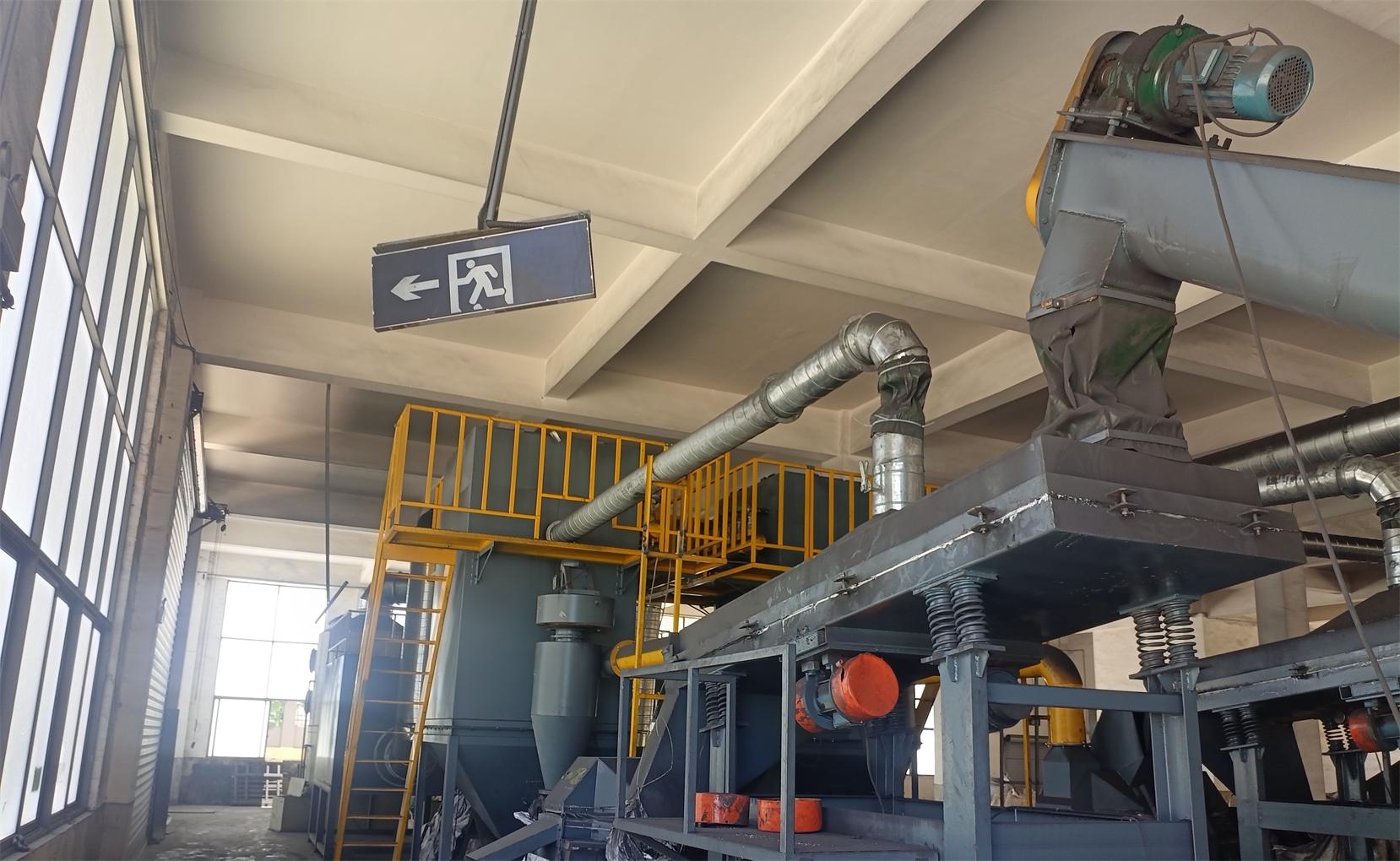
Lead refining can release harmful fumes (like lead oxide dust and sulfur dioxide). An air pollution control system—typically a combination of cyclones, baghouses, and scrubbers—captures these emissions, protecting workers and the environment. For buyers, compliance with local air quality regulations is non-negotiable, so investing in a robust system isn't just ethical—it's legal.
What Buyers Should Prioritize: Quality, Equipment, and Sustainability
So, you're ready to invest in lead refining. What should you look for when evaluating raw materials and equipment? Here's a checklist:
Quality of Raw Materials
– Purity: Ask for certificates of analysis (COAs) for lead scrap and additives. Higher purity means less processing time and better final product quality.
– Consistency: Avoid suppliers with fluctuating scrap quality—this can throw off your refining process and lead to inconsistent output.
– Safety: Ensure scrap batteries are transported and stored safely to prevent acid leaks or fires.
Equipment Reliability
– Durability: Lead is heavy and abrasive; equipment should be built with thick steel or wear-resistant materials (like manganese blades for breakers).
– After-Sales Support: Choose suppliers who offer training, spare parts, and maintenance services. A machine is only useful if you can keep it running.
– Scalability: If you plan to expand, look for equipment that can be upgraded (e.g., adding a second feeder to a breaking system) without replacing the entire unit.
Sustainability and Compliance
– Emissions: Invest in air pollution control system equipment that meets or exceeds local regulations. This not only avoids fines but also improves your brand reputation.
– Energy Efficiency: Medium frequency electricity furnaces, for example, are more energy-efficient than traditional coal-fired furnaces, lowering long-term operating costs.
– Waste Reduction: Look for equipment that maximizes lead recovery (e.g., advanced separators that capture fine lead particles) and minimizes slag production.
Conclusion: Empowering Buyers with Knowledge
Lead refining is a complex process, but at its core, it's about transforming scrap into value. For buyers, understanding the raw materials—from scrap lead acid batteries to flux and reducing agents—and the equipment that processes them (like lead acid battery breaking and separation systems and medium frequency electricity furnaces) is the first step toward building a successful operation. By prioritizing quality, reliability, and sustainability, you can ensure your refinery runs efficiently, produces high-purity lead, and meets the demands of a rapidly evolving market.
Remember, the best partnerships are built on transparency. Don't hesitate to ask suppliers tough questions about their raw materials, equipment specs, and environmental practices. After all, your success depends on the choices you make today—and with the right knowledge, those choices will lead to a profitable, sustainable future.