The Shift That's Changing Everything
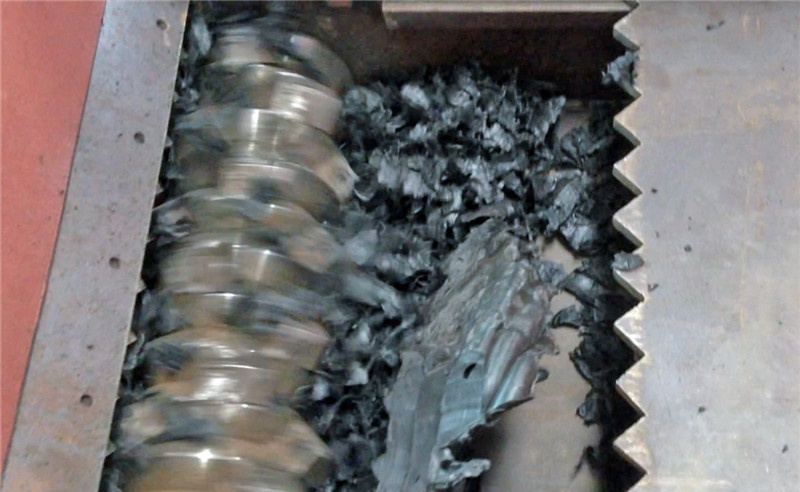
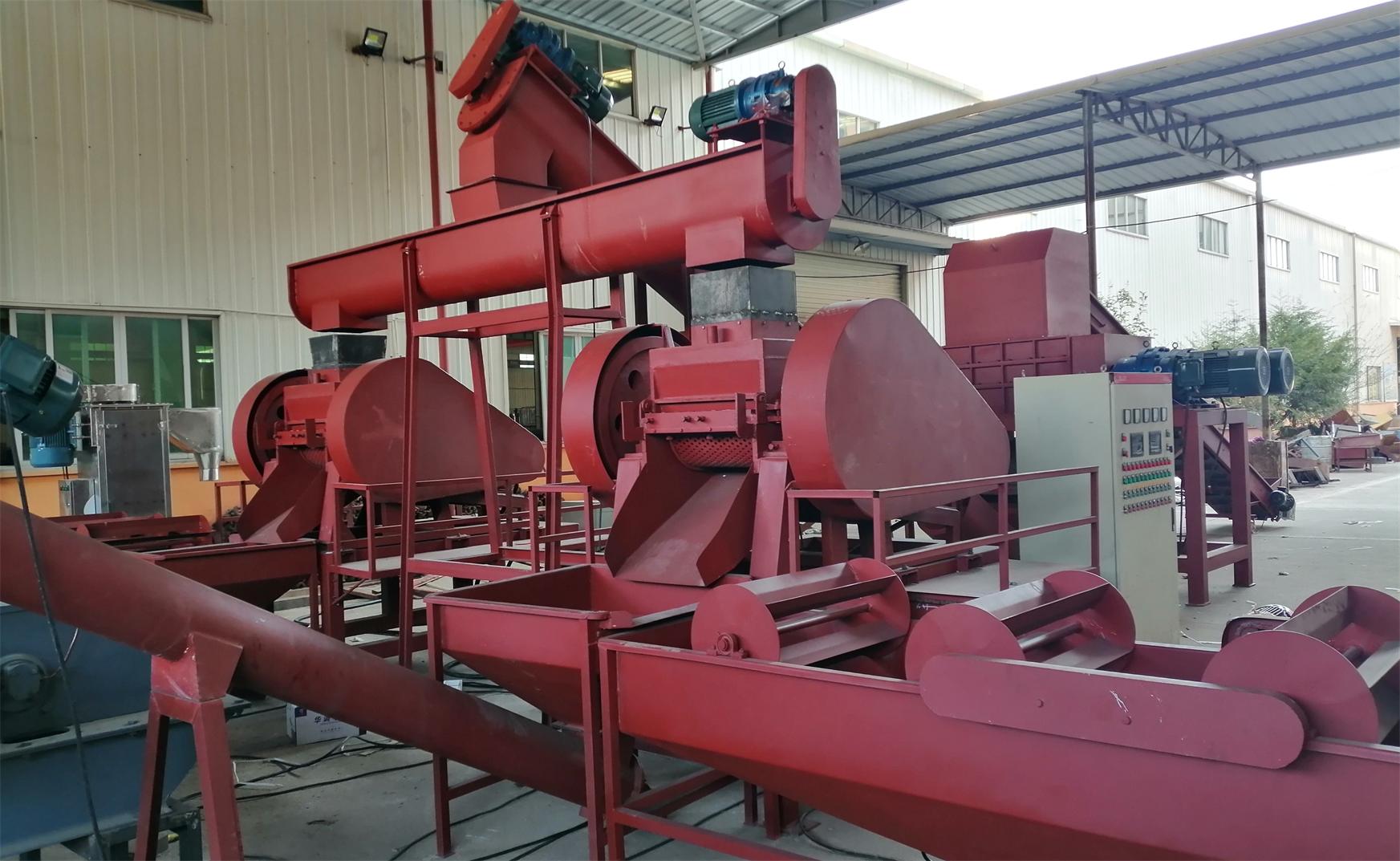
Picture this: it's 3 AM at a motor recycling facility in Germany, and suddenly a critical motor recycling machine grinds to a halt. Under traditional service models, this would mean hours of downtime waiting for a technician to arrive. But instead, engineers thousands of miles away already have their digital hands on the problem. Sounds like sci-fi? Nope – it's today's reality.
Why Businesses Are Saying "Yes" to Remote Services
Let's cut through the tech jargon – why does this matter for your bottom line?
First off, cost efficiency is massive. Think about it: no more expensive cross-country flights for technicians, no hotels, no per-diem meals. That engineer in Michigan can troubleshoot a machine in Malaysia before they finish their morning coffee. Companies are reporting 30-50% reductions in maintenance budgets.
Then there's speed . When seconds count (and in recycling operations, they always do), waiting 48 hours for a technician isn't just annoying – it's revenue bleeding out onto the factory floor. Remote diagnosis turns what used to be days-long delays into hour-long solutions.
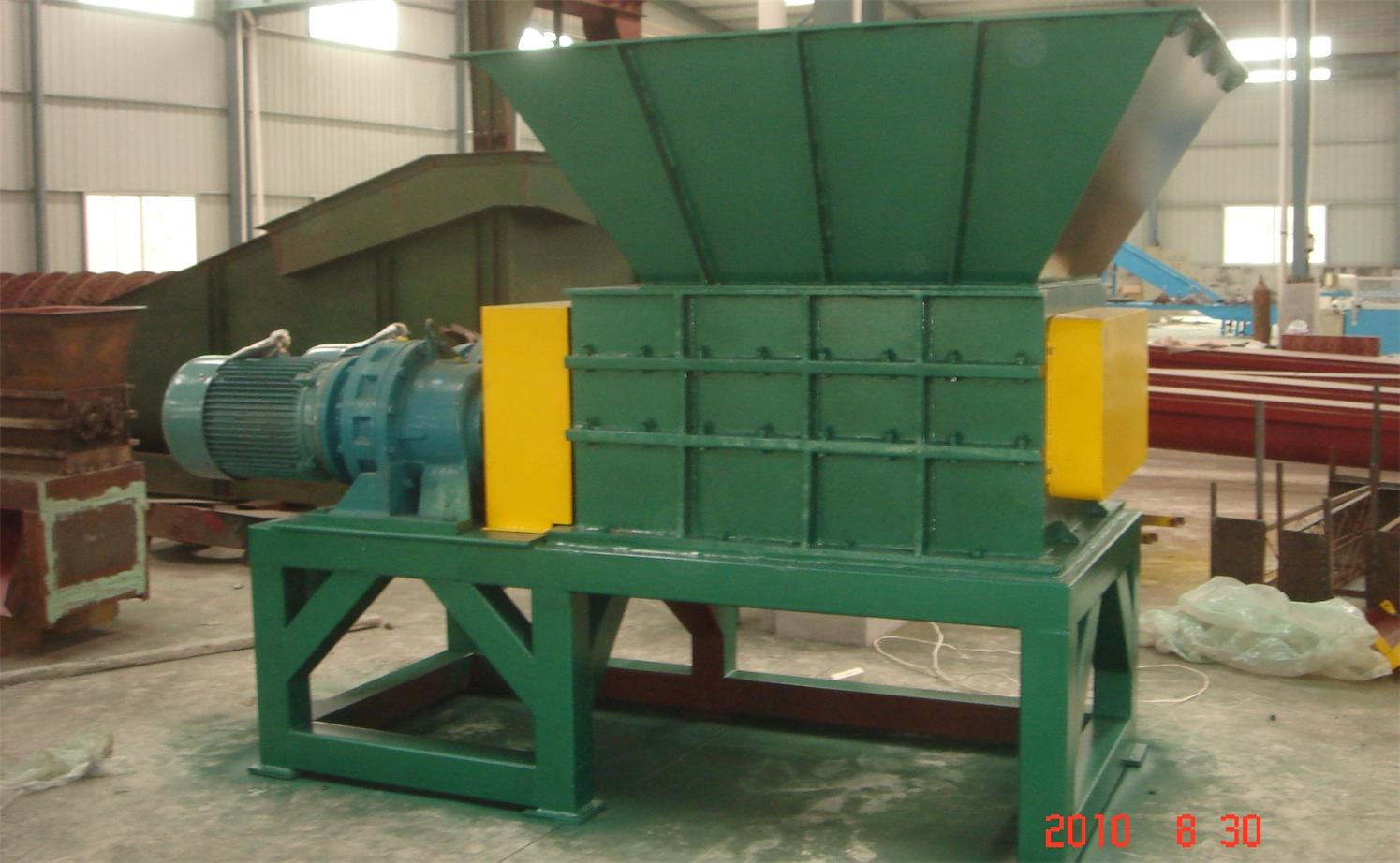
The third game-changer? Access to specialized expertise . You might have a great local technician, but they might not know the specific quirks of your brand-new electric motor recycling machine . With remote support, you're tapping into engineers who literally helped design the equipment.
How It Actually Works (No Tech Degree Required)
Alright, let's get practical. How does this magic happen?
Step 2: Data is encrypted and streamed via IoT gateways to secure cloud servers
Step 3: AI algorithms cross-reference the data with millions of previous cases
Step 4: Remote engineers validate the AI findings and guide on-site staff through fixes
Step 5: When needed, engineers temporarily "take control" using AR overlays – like a ghost mechanic guiding your hands
The beauty? It’s like having the world’s top motor recycling equipment designers sitting right next to your machinery 24/7.
Busting the Big Security Myth
I know what you're thinking: "Great, another thing for hackers to breach!" Let's clear that up.
Modern remote systems use military-grade encryption – the same stuff protecting bank transactions. Equipment manufacturers implement hardware-level security chips that physically isolate control systems from data networks. And with blockchain verification becoming common, tampering attempts actually create permanent, undeniable evidence.
"Our security is tighter than our physical facilities," jokes Lara Simmons of Eco-Recycle Tech. "Ironically, our network is now safer than our cafeteria's wifi."
Training Revolution: When the Customer Knows Best
Here's a dirty little secret in the industry: manufacturers used to like how customers depended on them for every little fix. Remote tech is flipping that script.
With augmented reality (AR) overlays projected onto physical machines via tablets or smart glasses, on-site staff get real-time guidance. It's like having an invisible expert standing over your shoulder. Companies are noticing:
- 70% reduction in minor service calls
- 90% of routine fixes completed locally
- 40% faster training for new technicians
This isn't just convenient – it transforms equipment operators from button-pushers into skilled technologists. That boosts both morale and operational resilience.
The Data Goldmine You Didn't Know You Had
Here's the kicker nobody's talking about enough: all those troubleshooting sessions generate incredibly valuable data. Modern systems track:
- Component failure predictions before they happen
- Energy optimization patterns
- Even correlations between weather patterns and machine efficiency
Progressive manufacturers now give customers customized dashboards showing exactly how their equipment performs compared to industry benchmarks. That's actionable intelligence that used to cost six figures in consulting fees.
Where This Is All Heading
Five years from now, the service call of "my machine's broken" will sound as archaic as "my horse threw a shoe." The future includes:
Predictive prescriptions – Systems won't just flag problems; they'll automatically order replacement components and schedule maintenance during planned downtime.
Hybrid reality interfaces
Decentralized expertise markets – Independent specialists bidding to solve particularly tricky problems globally, creating a "Uber for industrial repair."
The era of service technicians physically turning screws on every machine is ending. Tomorrow belongs to those who master the art of remote triage while empowering local hands.