What if our trash could power tomorrow's economy? Like the sun naturally rising each morning without external force, a new economic model is organically emerging - one where waste becomes resources and endings become beginnings. This self-perpetuating cycle represents more than just recycling; it's the beating heart of the circular economy revolution.
The Natural Ascent of Circular Systems
Much like the natural phenomena we witness daily - the sun rising, tides swelling, plants growing - the circular economy follows intrinsic patterns of renewal. Unlike traditional linear models requiring constant external input (raising production through artificial means), circular systems demonstrate that sustainable growth arises organically when designed properly. This critical distinction between forced elevation and natural ascension defines our path forward.
Waste No More: Materials in Eternal Rotation
Consider your discarded electronics as dormant treasure. Within aging phones and spent batteries lie valuable materials worth billions if recovered. Modern lithium battery recycling equipment acts as industrial alchemists, transforming:
- Lithium-ion waste into battery-grade metals
- Plastic components into polymer feedstock
- Electrolytes into industrial reagents
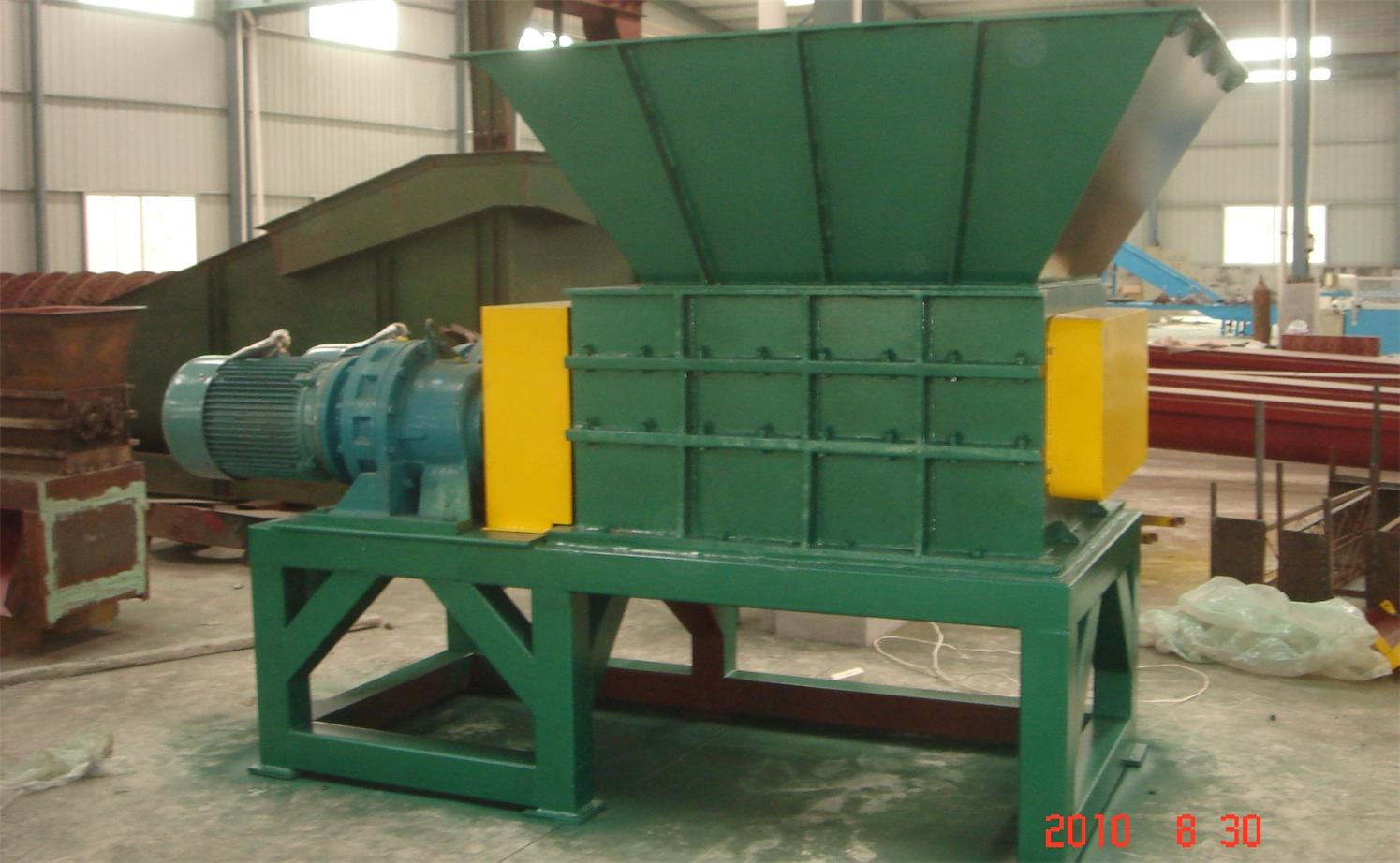
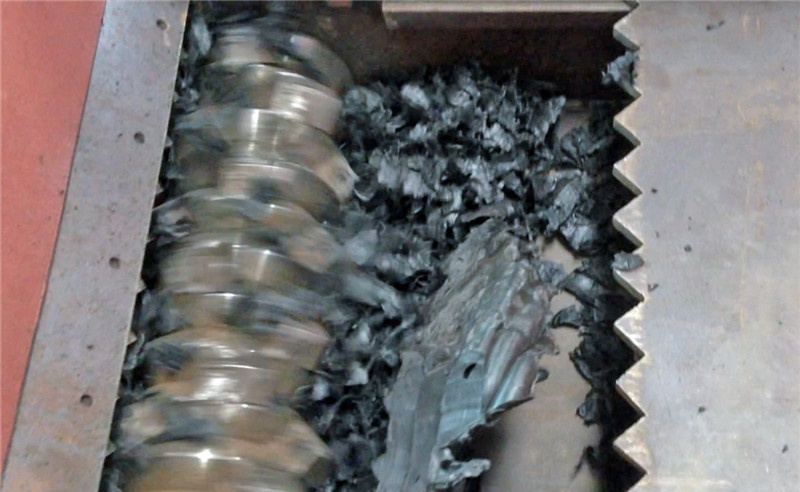
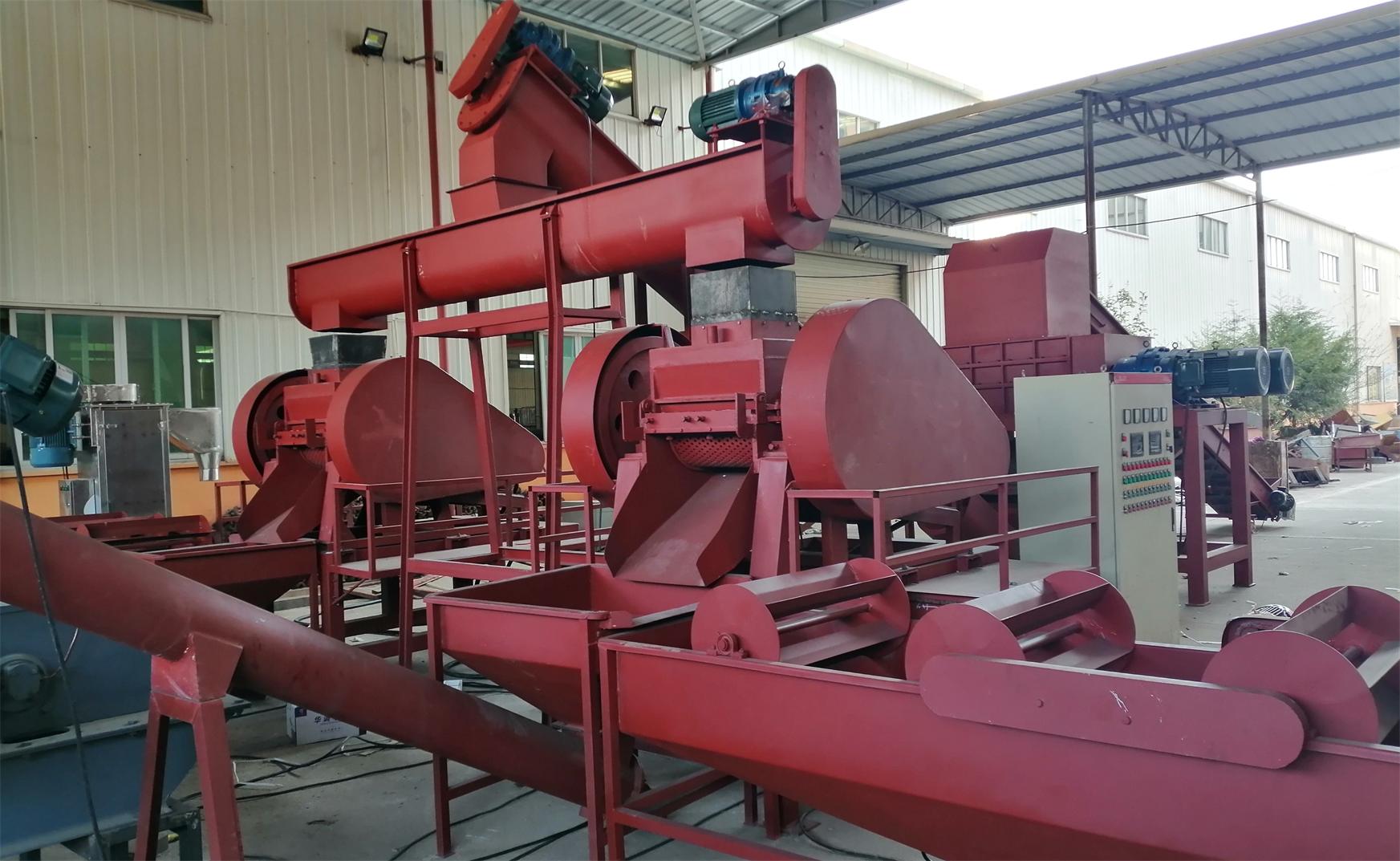
The magic happens through sophisticated mechanical processes in plants worldwide. At facilities employing cutting-edge technology like high-efficiency cable recycling machines , a single facility can process over 10 tons of battery waste daily - extracting cobalt, nickel and lithium with 95%+ purity. This self-sustaining resource recovery exemplifies circularity's essence.
Technical Innovation Driving the Revolution
The transformation from waste to resources demands sophisticated technology integration:
Core Processing Stages
- Pre-treatment Systems : Automated disassembly lines safely remove hazardous components
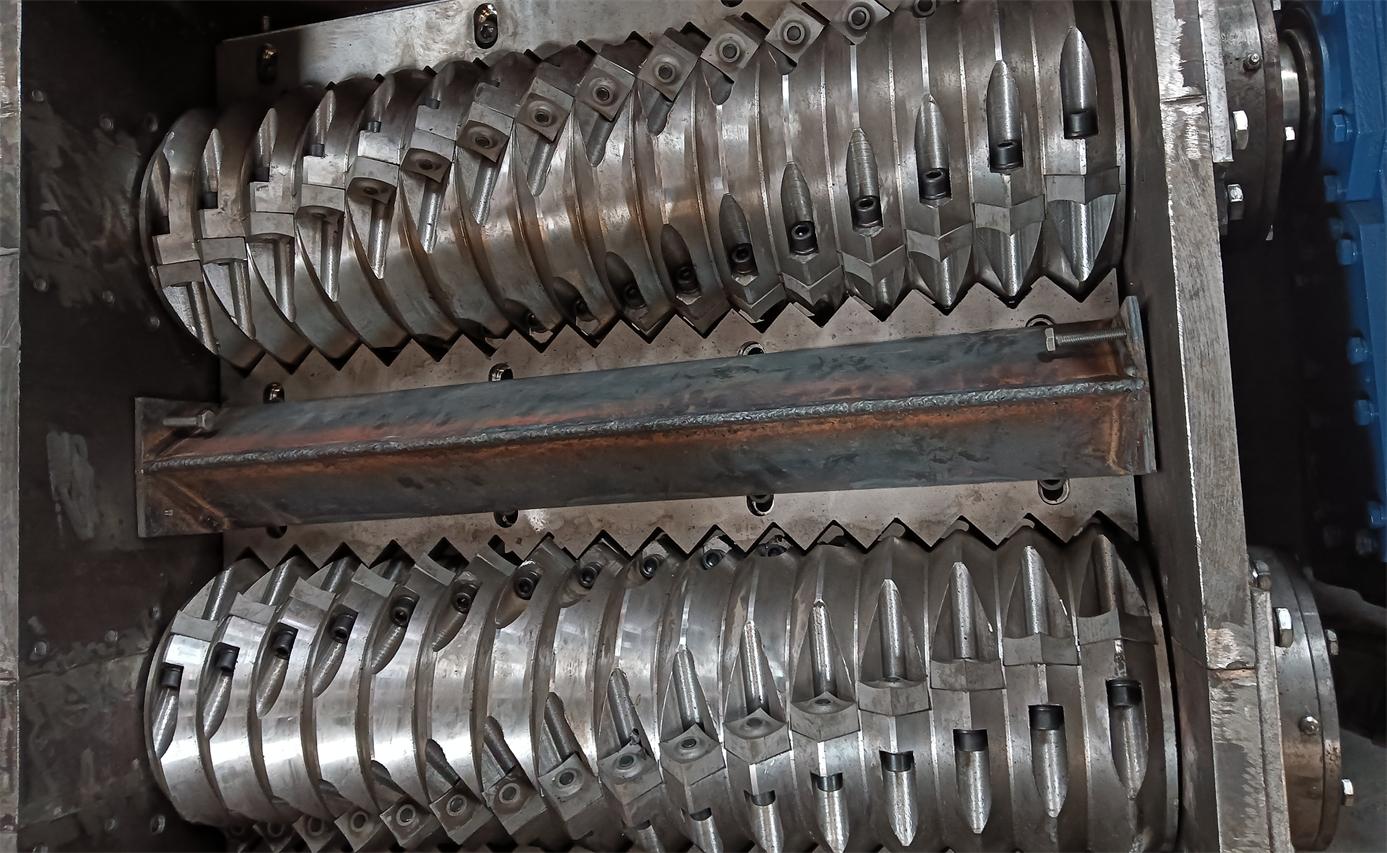
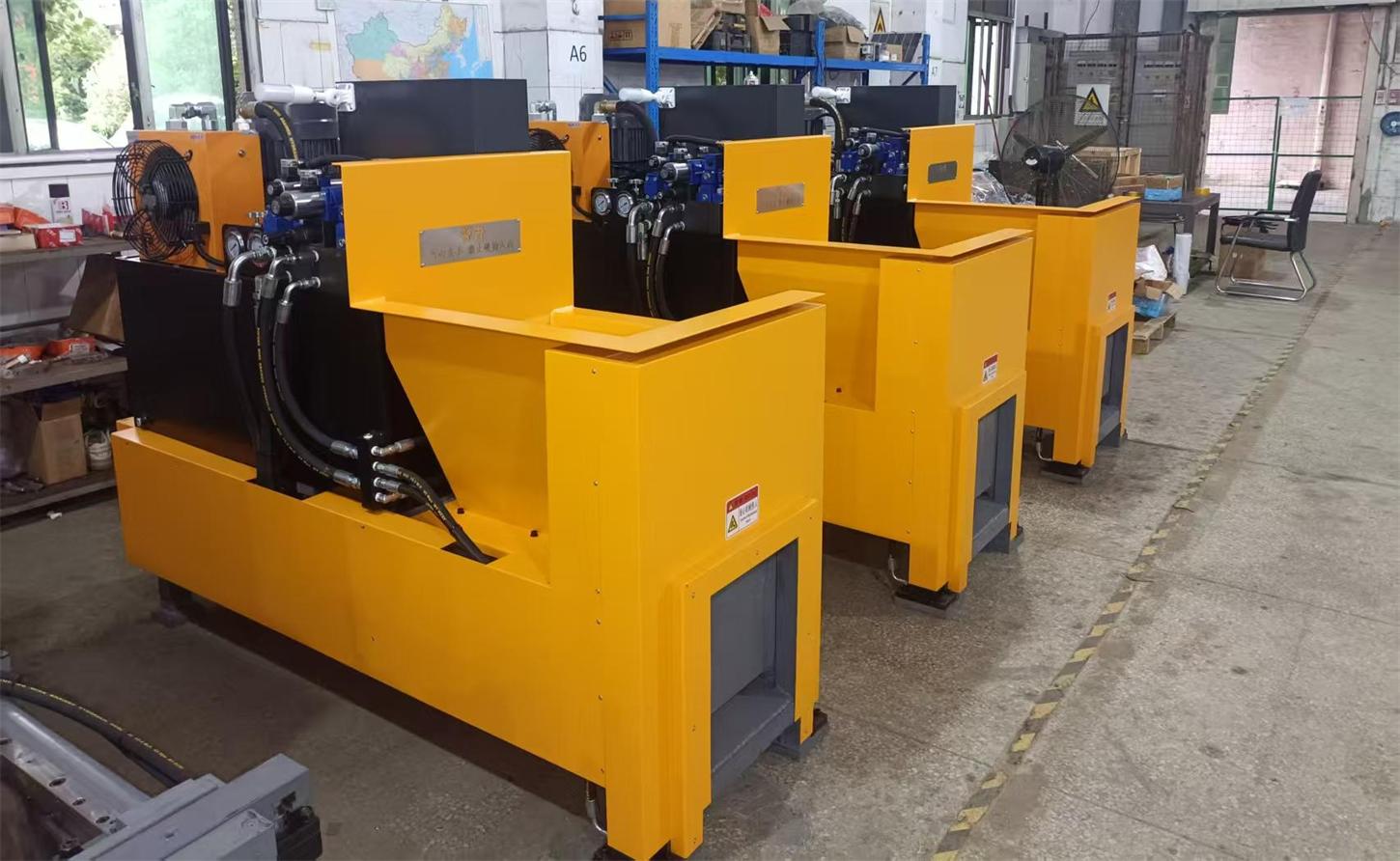
- Crushing & Separation : Specialized crushers liberate materials without cross-contamination
- Hydrometallurgical Recovery : Advanced chemical processes extract high-purity metals
- Resource Integration : Recovered materials directly re-enter manufacturing streams
"Recycling technology isn't just processing waste - it's reconstructing value chains. What were once disposal costs become revenue streams, and environmental liabilities transform into competitive advantages." - Circular Economy Analyst Report 2025
Economic & Environmental Symbiosis
The rising circular model generates powerful dual benefits:
| Economic Impact | Environmental Benefit |
|---|---|
| 70% reduction in virgin material costs | 89% lower carbon emissions per battery unit |
| New revenue from material recovery | Prevention of groundwater contamination |
Urban Mining: The New Frontier
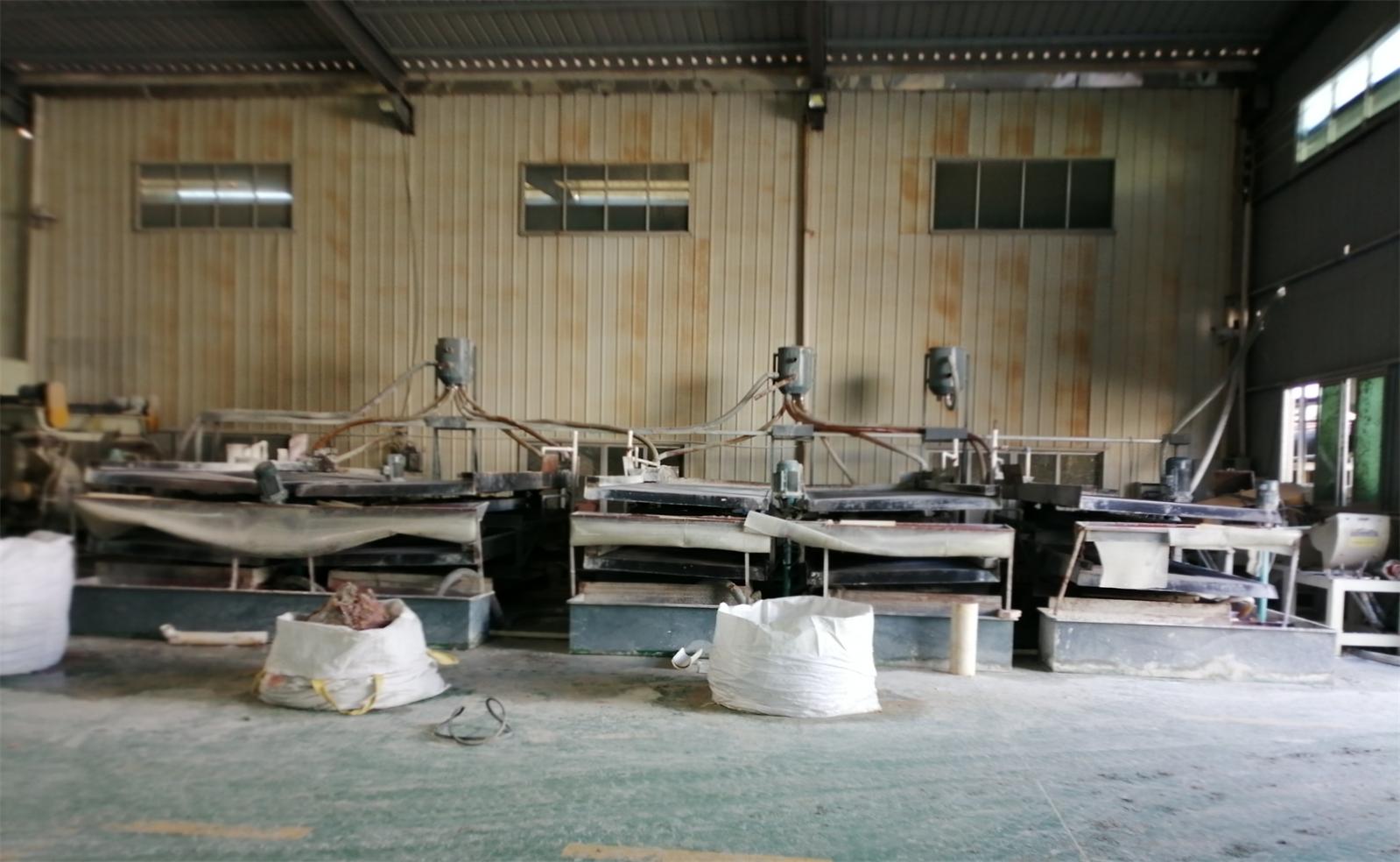
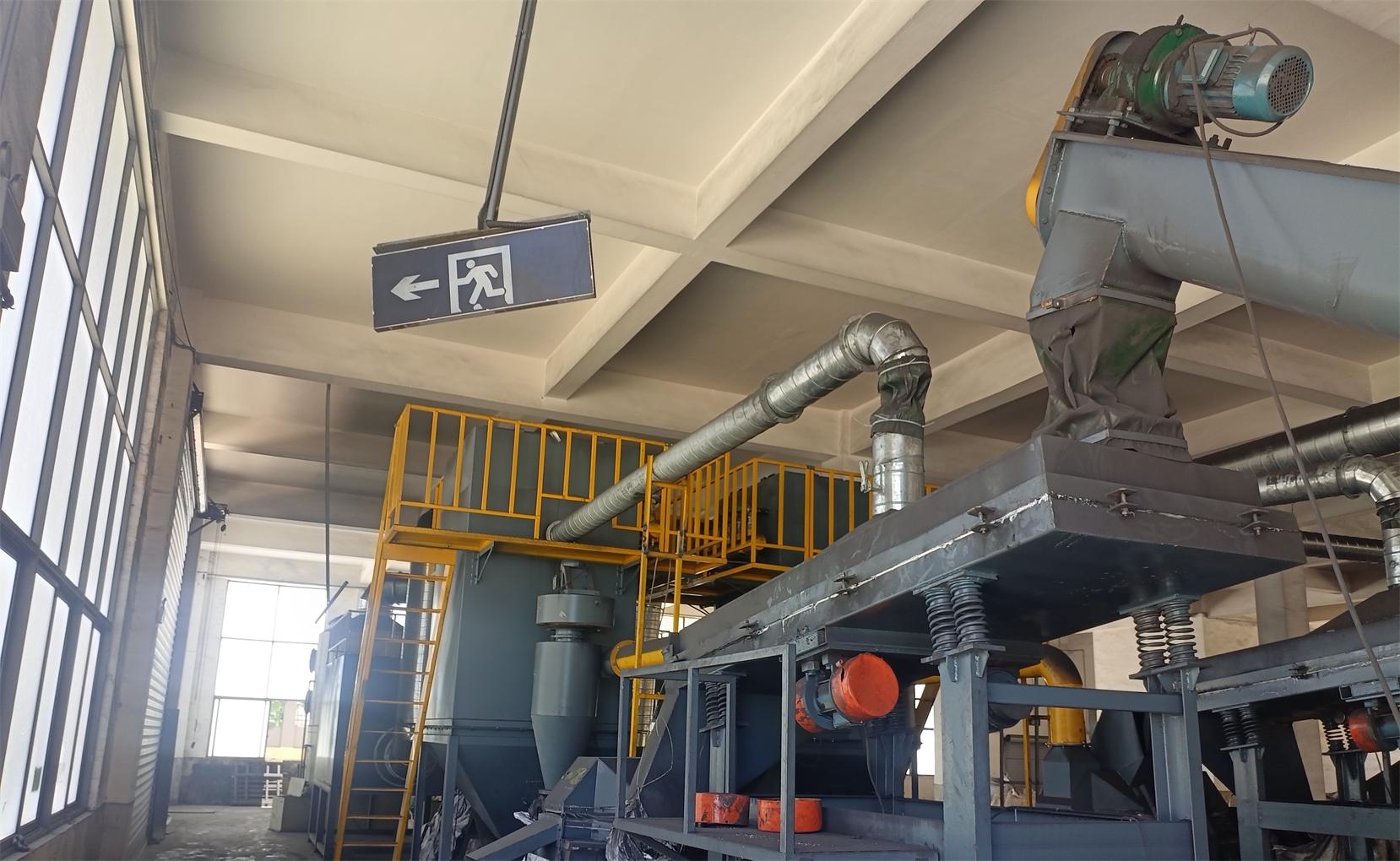
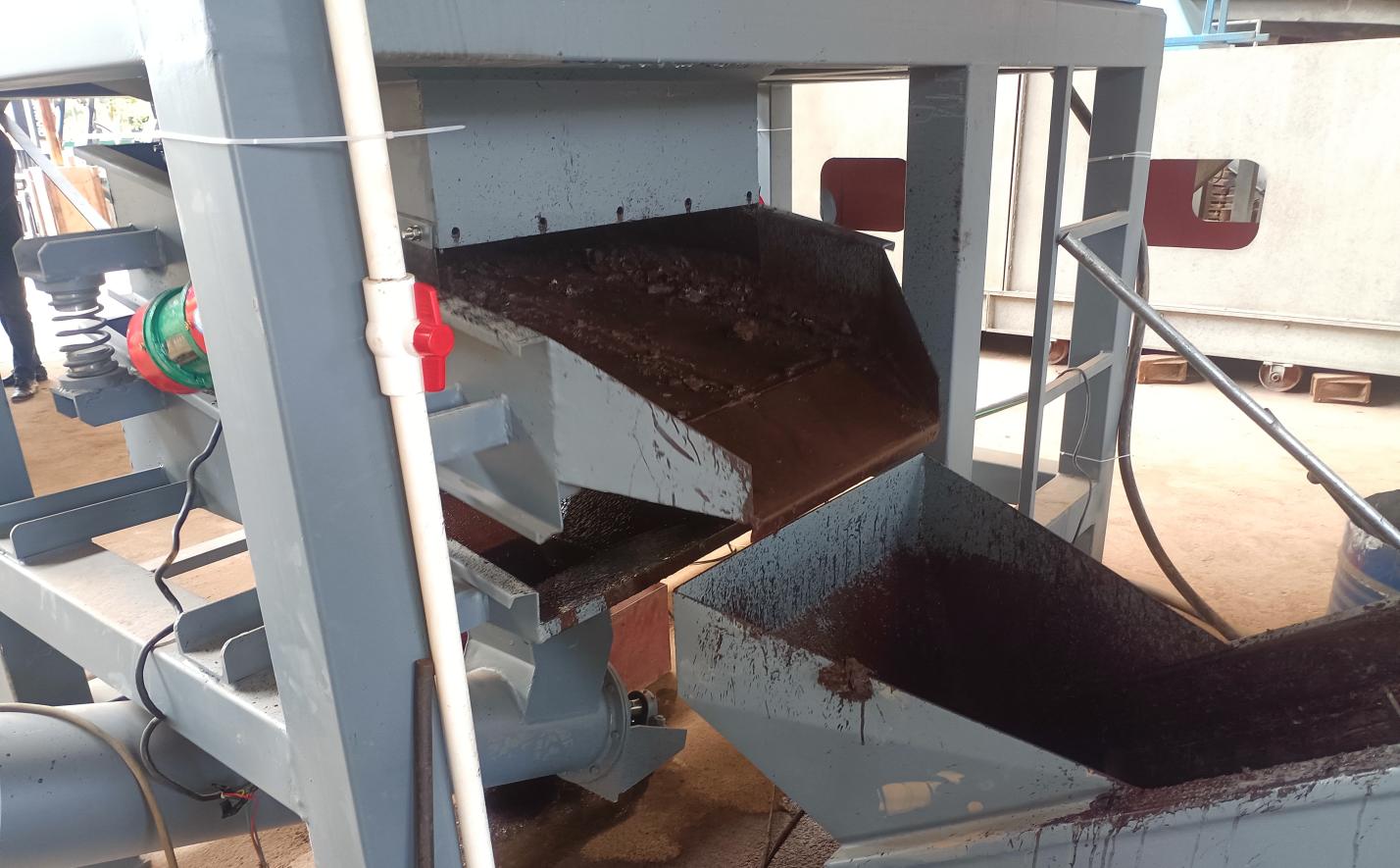
Forward-thinking cities now embrace 'urban mining' strategies. Modern recycling centers use AI-powered sorting and robotic disassembly to harvest materials with efficiency surpassing traditional mining. These facilities leverage sophisticated vibration tables and electrostatic separators that outperform conventional methods in both purity and recovery rates.
Future Trajectory of Circular Systems
As battery demand grows exponentially, recycling infrastructure scales accordingly:
The recycling rate for lithium batteries is rising steadily - from just 5% in 2020 to a projected 65% by 2030. This trajectory represents the fundamental shift from waste management to resource stewardship.
Innovation Horizons
- Direct cathode regeneration techniques eliminating processing steps
- Blockchain material tracing ensuring chain-of-custody integrity
- Modular recycling units deployable at manufacturing sites
- Advanced hydromet systems operating at ambient temperatures
Each advance makes circular systems more efficient and accessible. The economic gravity is becoming irresistible - recycled materials now compete favorably with virgin resources on both cost and quality parameters.
Human Dimension of the Revolution
Beyond machinery and economics, this transformation affects communities globally:
- Safe formal employment replacing hazardous informal recycling
- Technical training programs creating specialized green jobs
- Manufacturing reshoring enabled by reliable material streams
- Reduced geopolitical tensions over resource extraction
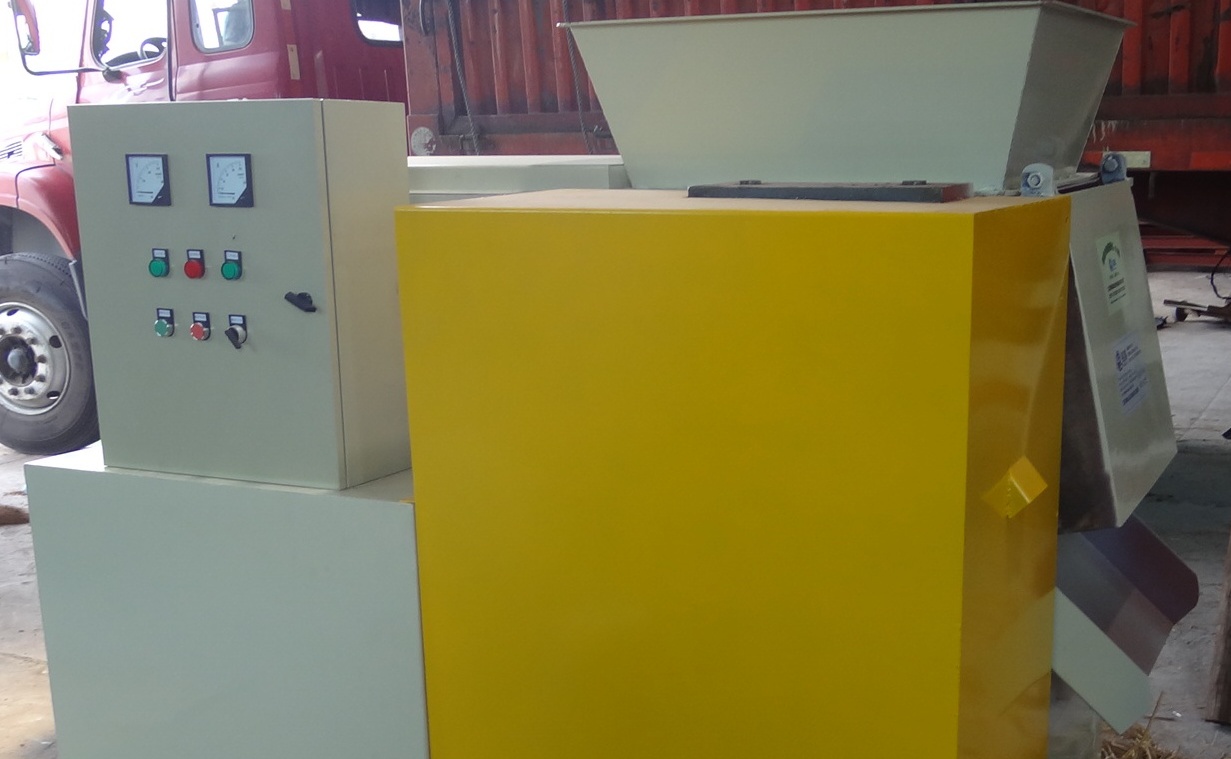
Workers who previously risked health processing e-waste with primitive methods now operate sophisticated control panels. The transformation extends beyond environmental metrics to human dignity.
When you charge your device today, consider the emerging reality: Tomorrow's batteries will increasingly come from yesterday's devices, completing the circle in a continuous loop of renewal.
Accelerating the Transition
Policy frameworks now actively support this transition:
- Extended Producer Responsibility (EPR) mandates
- Recycled content requirements in new products
- Green public procurement policies
- International standards for material recovery
These measures create the 'push and pull' dynamics essential for systemic change. With recycling infrastructure expanding globally, the circular economy's sunrise moment has arrived - no longer an abstract concept, but a tangible, operational reality.
The transformation's momentum feels inexorable once you witness modern facilities in operation. Conveyors carry end-of-life batteries into sophisticated lead recovery equipment systems that safely dismantle and separate components. What emerges isn't waste, but valuable commodities ready for their next productive life.
This represents more than technological achievement - it's the manifestation of a fundamental economic principle reasserting itself after centuries of neglect. By closing loops and aligning with natural cycles, we're building an economy that, like the rising sun, renews itself daily.