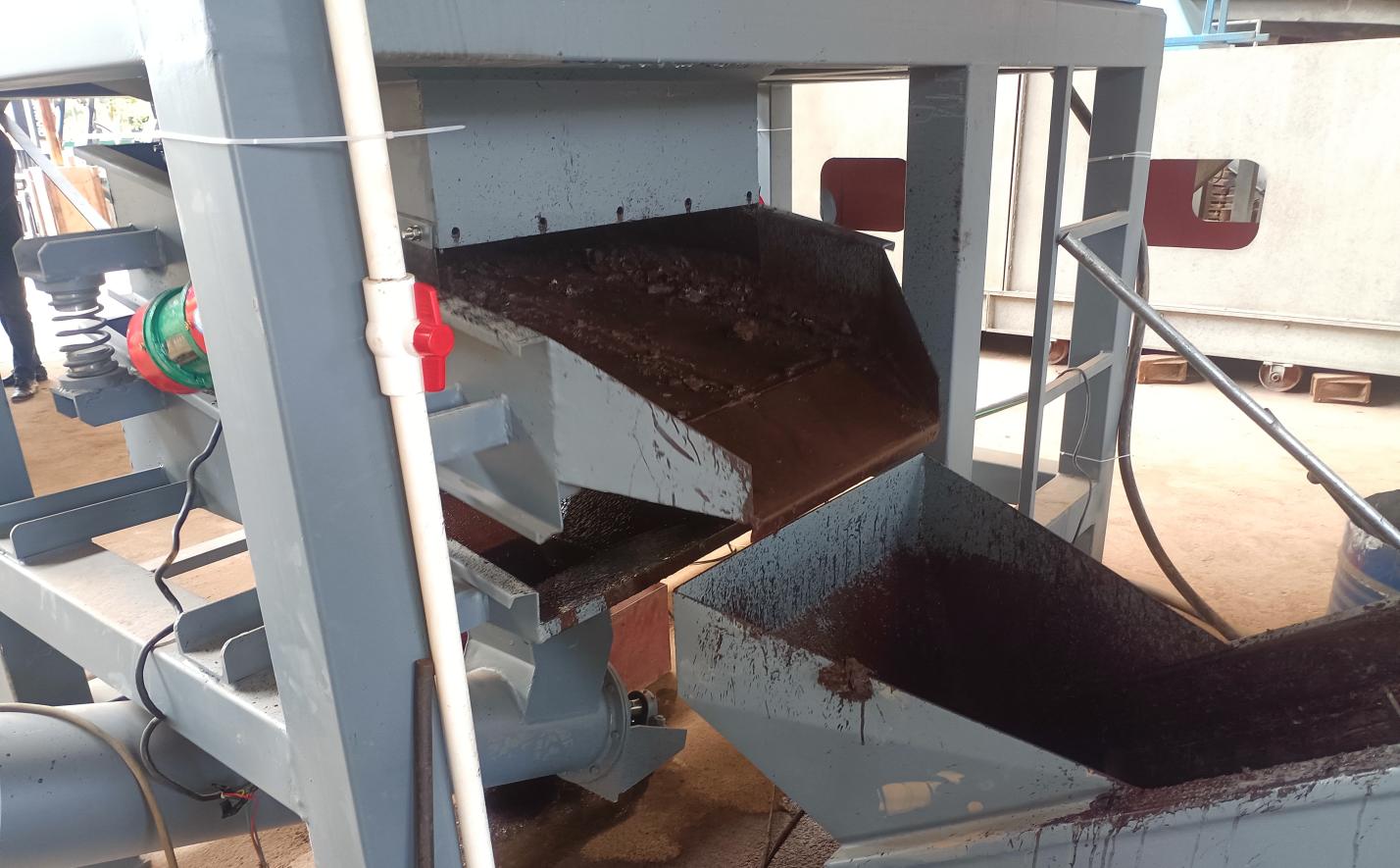
Beneath the hum of pumps and the gentle flow of water, wastewater treatment plants stand as silent guardians of public health and environmental integrity. Every day, these facilities process millions of gallons of sewage, industrial runoff, and stormwater, transforming potential hazards into resources or safe discharge. Yet, for all their importance, these operations are fraught with hidden risks—mechanical failures, chemical leaks, regulatory missteps, and environmental threats—that can disrupt services, harm workers, or damage ecosystems. In this high-stakes environment, risk management isn't just a box-ticking exercise; it's the backbone of reliable, responsible operation. Let's dive into how plant operators and managers can identify, assess, and mitigate these risks, ensuring their facilities run smoothly even when challenges arise.
Understanding the Stakes: Why Risk Management Matters
To appreciate the critical role of risk management, consider the consequences of getting it wrong. A single mechanical breakdown in a key treatment unit could send untreated effluent spilling into local waterways, triggering fish kills, closing beaches, and exposing communities to pathogens. Regulatory fines for non-compliance with discharge limits can run into the millions, while reputational damage can erode public trust for years. For workers, risks like chemical exposure or slips in wet areas can lead to serious injuries or worse. Even operational inefficiencies—like energy waste or equipment downtime—eat into budgets, diverting funds from essential upgrades.
Risk management isn't about eliminating all uncertainty; it's about preparing for it. By anticipating potential issues, plants can reduce their likelihood, minimize their impact, and recover faster when they do occur. It's a proactive mindset that turns "what if?" into "we're ready."
Common Risks in Wastewater Treatment Operations
Wastewater treatment is a complex dance of mechanical, chemical, and biological processes, each with its own set of risks. Let's break down the most prevalent ones:
- Mechanical and Equipment Failures: Pumps, valves, aeration systems, and water process equipment are the workhorses of treatment plants. Wear and tear, poor maintenance, or outdated technology can lead to breakdowns. A failed pump, for instance, might halt the flow of water through clarifiers, causing backups and untreated discharge.
- Chemical Hazards: Treatment relies on chemicals like chlorine, alum, and polymers to disinfect water and remove contaminants. Mishandling—whether through spills, improper storage, or mixing incompatible substances—can expose workers to toxic fumes or corrosive materials.
- Environmental Release: Even with safeguards, untreated or partially treated effluent can escape into rivers, lakes, or soil. This might stem from equipment failures, human error, or extreme weather events like floods overwhelming the system.
- Regulatory Non-Compliance: Discharge limits, air quality standards, and worker safety regulations are stringent and ever-evolving. Missing a deadline for reporting, exceeding pollutant levels, or failing to maintain records can result in fines, legal action, or even plant shutdowns.
- Operational Human Error: From misadjusting a valve to misreading sensor data, human mistakes can cascade into major issues. Fatigue, inadequate training, or poor communication exacerbate these risks.
- Air Quality Concerns: Treatment processes like anaerobic digestion or sludge drying can release odors, methane, or volatile organic compounds (VOCs). Without proper controls, these emissions can harm air quality and nearby communities.
The Role of Equipment in Mitigating Risks
While risks are inevitable, the right equipment acts as a first line of defense. Modern plants rely on specialized tools designed to reduce vulnerabilities, enhance efficiency, and ensure compliance. Let's focus on three critical categories:
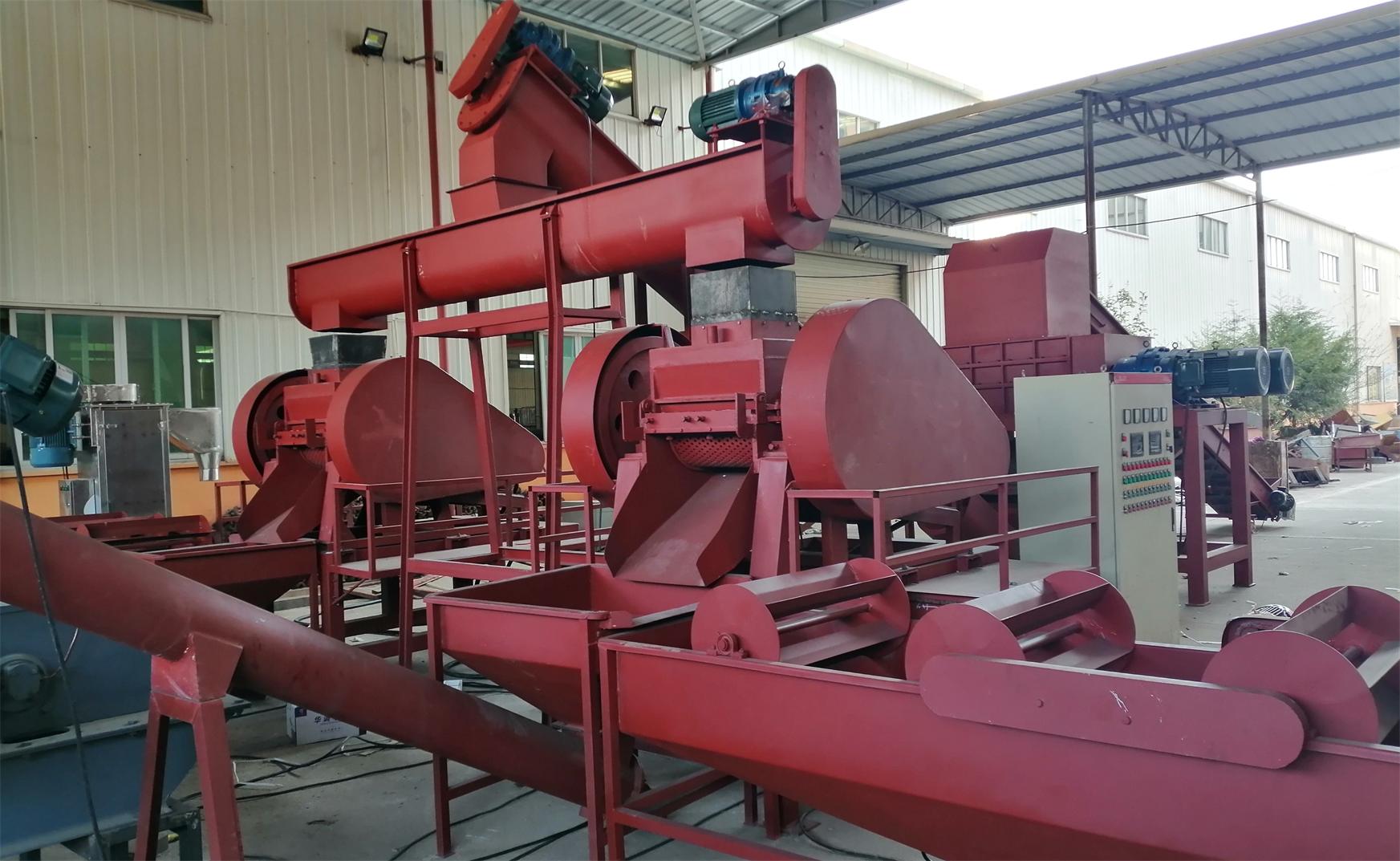
Water Process Equipment: At the heart of any treatment plant, water process equipment —including filters, membranes, and biological reactors—must operate consistently to maintain treatment quality. For example, membrane bioreactors (MBRs) use ultrafiltration to remove pathogens, but clogged membranes or pump failures can compromise performance. Regular maintenance, such as cleaning schedules and performance monitoring, is essential. Investing in smart sensors that alert operators to pressure drops or flow anomalies can catch issues before they escalate.
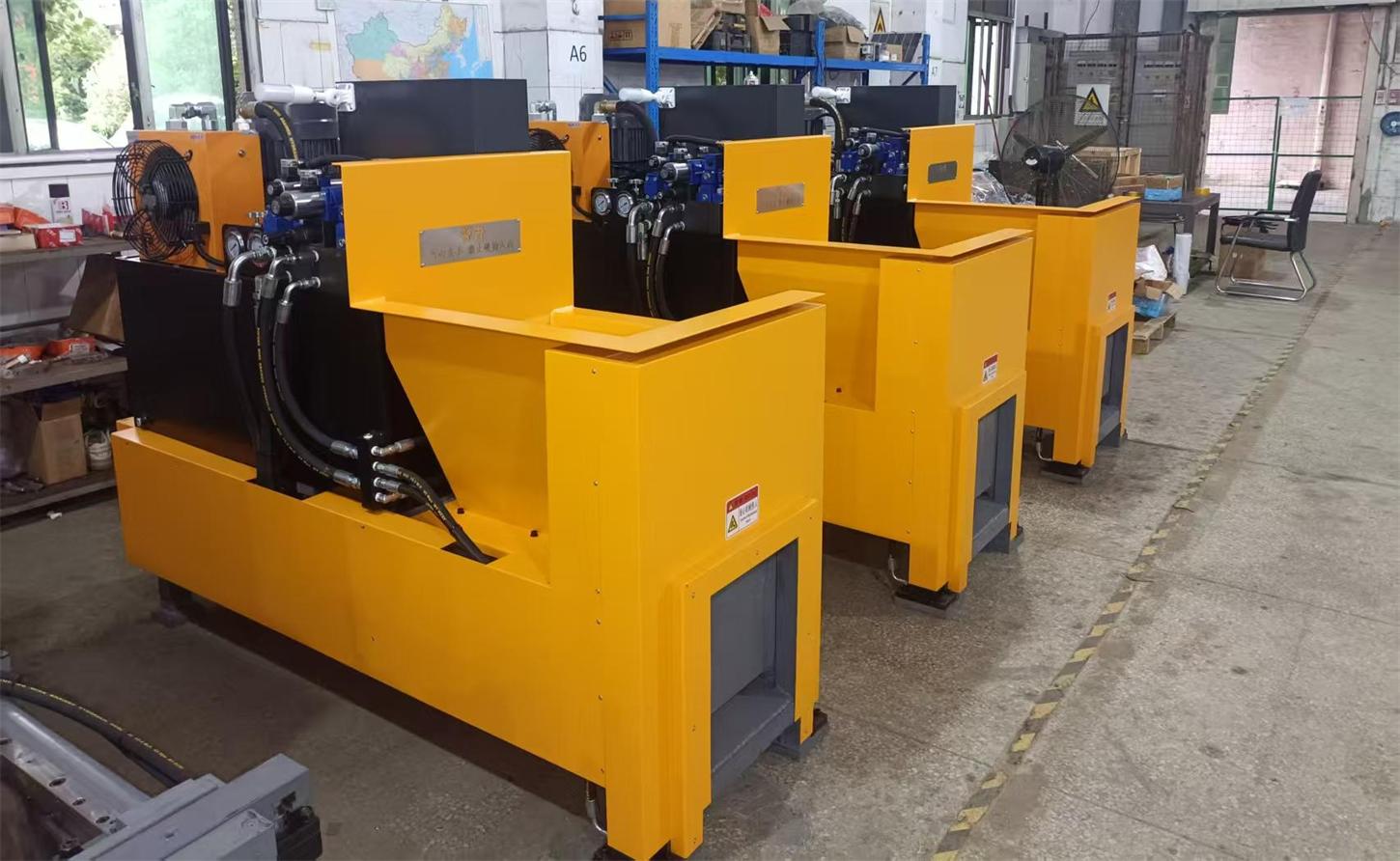
Effluent Treatment Machine Equipment: Before water is discharged, effluent treatment machine equipment ensures it meets regulatory standards. This might include filters to remove suspended solids, disinfection systems (like UV or ozone), or nutrient-removal units to reduce nitrogen and phosphorus. A malfunction here—say, a broken UV lamp—could mean effluent exceeds bacteria limits, risking regulatory penalties and environmental harm. Redundancy is key: installing backup systems or parallel units ensures treatment continues even if one component fails.
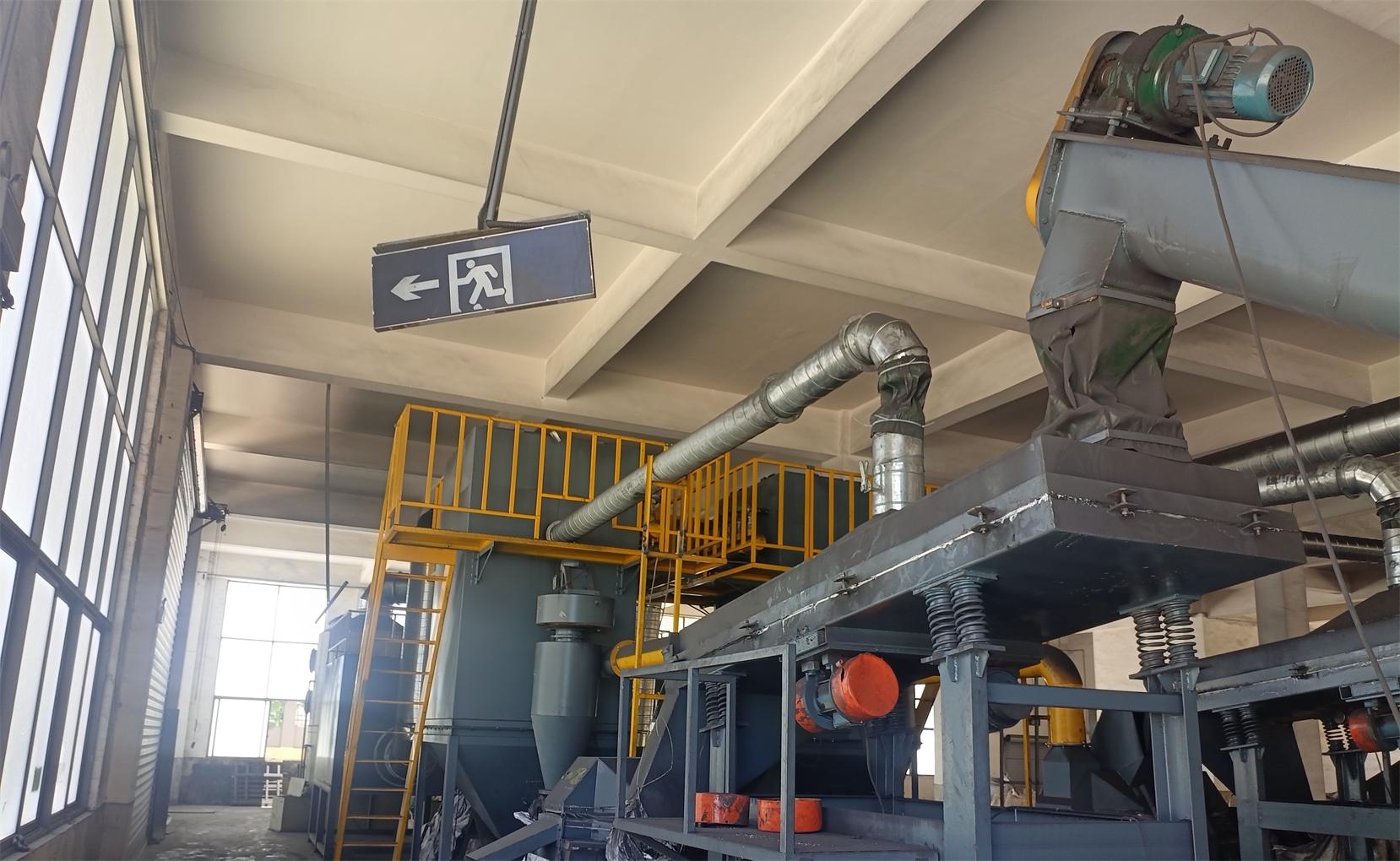
Air Pollution Control System Equipment: To address air quality risks, air pollution control system equipment like scrubbers, biofilters, and activated carbon units trap or neutralize emissions. For example, biofilters use microorganisms to break down odorous compounds from sludge processing, while scrubbers remove acid gases from chemical dosing areas. Without these systems, plants may face complaints from neighboring communities or violations of air quality permits. Regular inspections of fan systems, filter media, and chemical dosing pumps keep these controls effective.
A Structured Approach to Risk Management
Effective risk management isn't ad-hoc; it's a systematic process. Here's a step-by-step framework plants can adopt:
- Identify Risks: Start by mapping all potential hazards. Walk through the plant, talk to operators, and review incident reports. Use tools like fault tree analysis (FTA) to trace how a single failure (e.g., a pump breakdown) could lead to cascading issues.
- Assess and Prioritize: Not all risks are equal. Rate each by likelihood (how often it might occur) and impact (how severe the consequences would be). A high-likelihood, high-impact risk—like a chemical spill from a corroded tank—demands immediate attention, while a low-likelihood, low-impact risk (e.g., a minor leak in a non-critical pipe) can be scheduled for later mitigation.
- Mitigate Risks: For each prioritized risk, develop strategies to reduce likelihood or impact. This might involve engineering controls (e.g., installing guards on moving parts), administrative controls (e.g., training programs), or personal protective equipment (PPE) for workers. For example, to mitigate equipment failure, implement a preventive maintenance schedule for water process equipment and effluent treatment machine equipment .
- Monitor and Review: Risks evolve, so the plan can't gather dust. Regular audits—quarterly or annually—check if mitigation strategies are working. New risks, like emerging contaminants (e.g., PFAS) or stricter regulations, may require updates to equipment or processes.
| Risk Category | Potential Impact | Key Mitigation Strategies |
|---|---|---|
| Mechanical Failure (e.g., pump breakdown) | Untreated effluent release, downtime | Preventive maintenance of water process equipment , backup systems, smart sensor monitoring |
| Chemical Exposure | Worker injuries, environmental contamination | Proper storage, spill kits, PPE training, ventilation systems |
| Regulatory Non-Compliance | Fines, legal action, reputational damage | Regular audits, updated effluent treatment machine equipment , staff training on new regulations |
| Air Emissions | Community complaints, air quality violations | Install air pollution control system equipment , monitor emissions, public communication plans |
Real-World Applications: Case Studies in Effective Risk Mitigation
Take the example of a mid-sized treatment plant in the Midwest that faced recurring issues with its aging water process equipment . In 2022, a failed clarifier motor led to a 12-hour discharge of partially treated water, resulting in a $250,000 fine and a public apology. The plant responded by investing in a condition-based maintenance program: sensors were installed on motors and pumps to track vibration, temperature, and energy use. Within six months, the system detected an early warning sign—a bearing overheating in a secondary clarifier pump—allowing maintenance crews to replace it before failure. The plant also upgraded its effluent treatment machine equipment with a backup UV disinfection system, ensuring compliance even during primary system maintenance.
Another case involves a coastal plant struggling with air quality complaints. Neighbors reported foul odors from its sludge drying beds, leading to regulatory pressure. The plant installed a air pollution control system equipment package: a biofilter to treat odorous air, paired with a cover over the drying beds to contain emissions. Within months, odor complaints dropped by 90%, and the plant avoided potential fines. The key takeaway? Proactive investment in equipment and monitoring pays off in both compliance and community relations.
Future-Proofing: Adapting to Emerging Risks
As the industry evolves, new risks emerge. Climate change, for example, brings more frequent extreme weather—floods that overwhelm treatment capacity, or droughts that reduce water availability for processes. Aging infrastructure, meanwhile, increases the likelihood of equipment failures. To stay ahead, plants must:
- Invest in Resilience: Design systems to withstand climate impacts—e.g., elevating electrical panels to avoid flood damage, or installing flexible water process equipment that can adjust to variable inflow rates.
- Embrace Digitalization: IoT sensors, AI-driven predictive maintenance, and real-time monitoring platforms can spot trends humans might miss. For instance, machine learning algorithms analyzing data from effluent treatment machine equipment can predict when a filter will clog, allowing preemptive cleaning.
- Stay Informed on Regulations: Emerging contaminants like PFAS or microplastics are pushing stricter discharge standards. Plants should engage with regulatory bodies and industry groups to anticipate changes and upgrade effluent treatment machine equipment proactively.
Conclusion: Building a Culture of Safety and Preparedness
Risk management in wastewater treatment isn't just about equipment and protocols—it's about people. A culture where operators feel empowered to report issues, where training is ongoing, and where safety is everyone's responsibility is the foundation of success. By combining robust processes, reliable equipment like water process equipment , effluent treatment machine equipment , and air pollution control system equipment , and a proactive mindset, plants can turn risks into opportunities for improvement. In doing so, they ensure they continue to protect public health, safeguard the environment, and operate sustainably for decades to come.