Ever stare at the bottom line of your recycling operation and wonder why the numbers aren't adding up? You're not alone. For businesses in the scrap and recycling world, like those dealing with cable recycling machines or battery recycling equipment, choosing the right tools isn't just about getting the job done—it's about turning waste into wealth. And that brings us to the heart of today's chat: the showdown between semi-automatic and automatic cutters. It's more than a tech choice; it's a lifeline to boosting profits, cutting costs, and even doing your bit for the planet. Stick with me as we break down the ROI dance, step by step. I'll sprinkle in real-world examples, like how a good metal shredding machine or copper granulator can make or break your year. By the end, you'll feel armed with insights to pick the gear that doesn't just cut metal, but cuts straight to your success.
Picture this: you're running a busy workshop, with piles of wires and cables waiting to be processed. One moment, your team is buzzing with action; the next, someone's cursing a jammed cutter. That frustration? It hits deep in your wallet. See, in industries like ours where every scrap counts, the choice between semi-auto and automatic cutters isn't just a technical detail—it's a game-changer for returns on your investment. Over the next few thousand words, we'll dive into costs, efficiencies, and those little hidden gems that add up to big bucks. And hey, I'm keeping it conversational because, let's face it, we're all in the trenches together. So, grab a coffee, and let's hash this out like old friends.
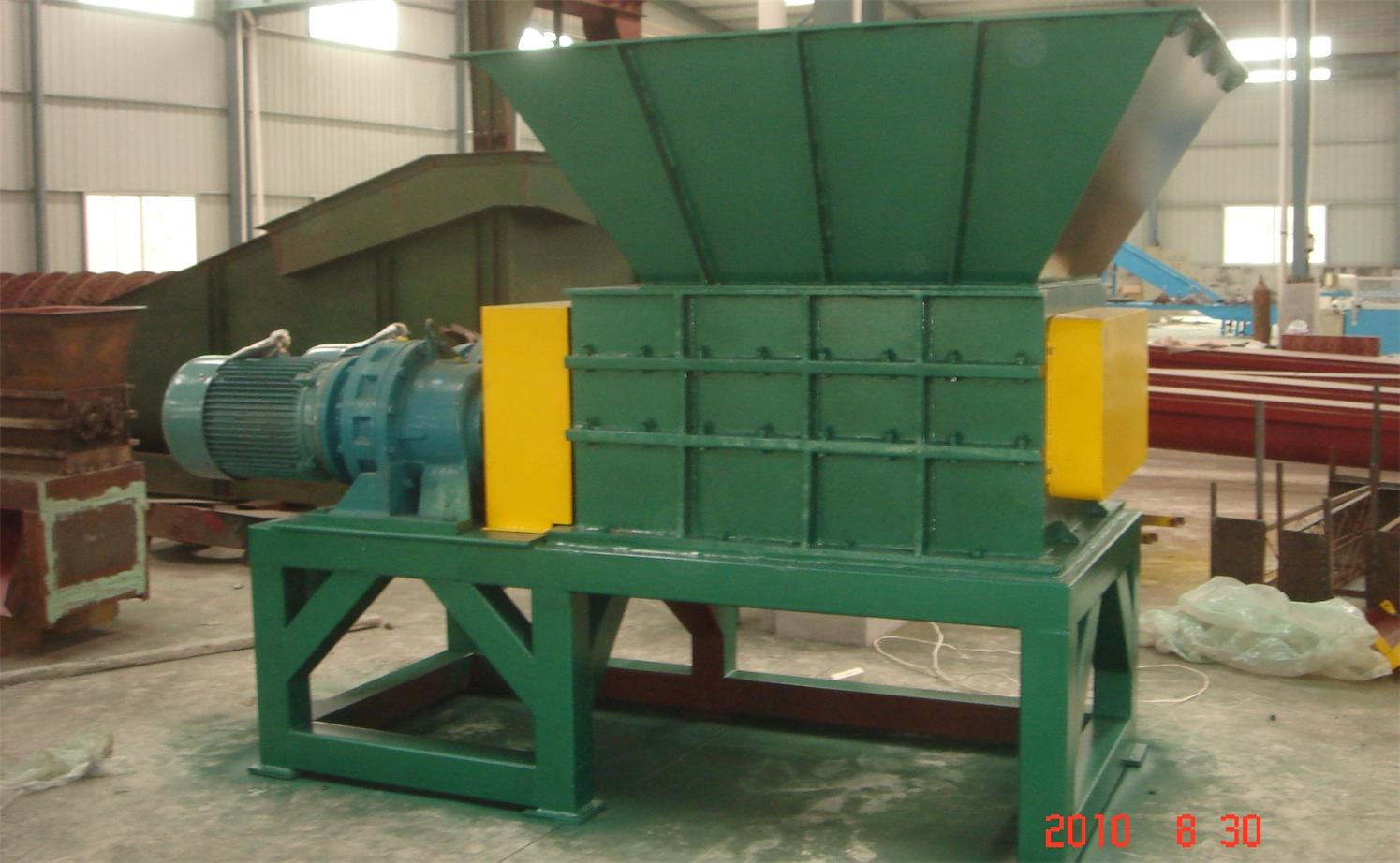
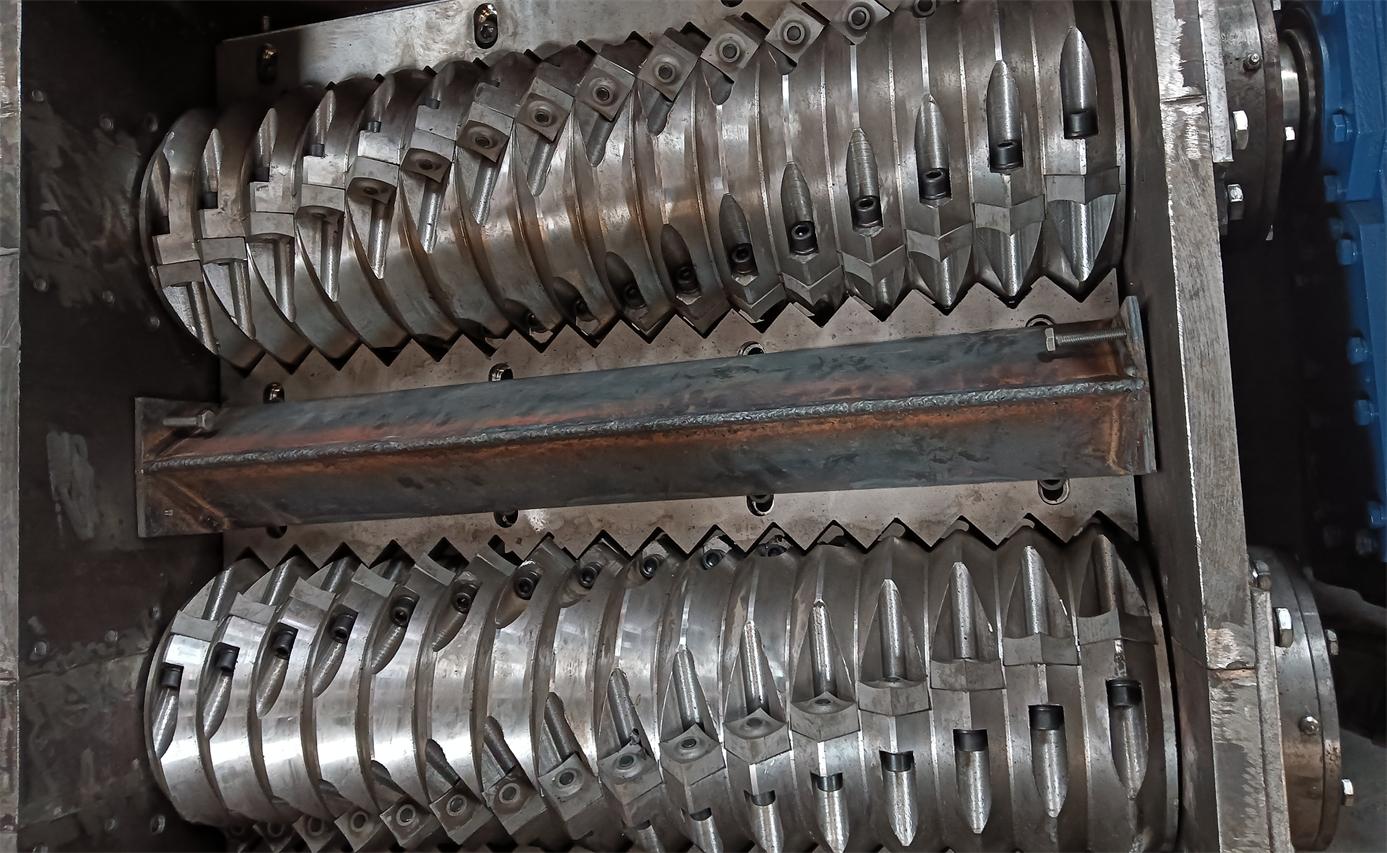
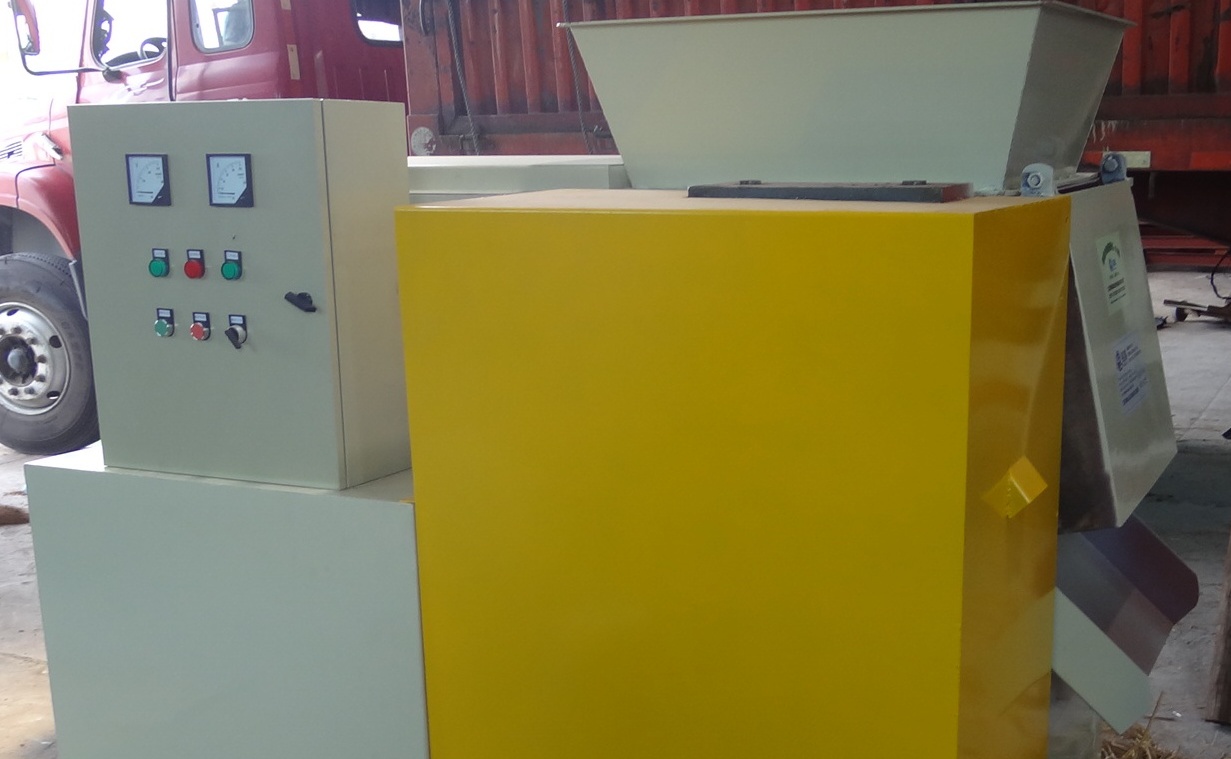
First off, what do I mean by cutters? In recycling, they're the unsung heroes that slice through everything from old cables to batteries. Think of a semi-automatic cutter as that trusty but hardworking colleague—you feed the material manually, and it does the cutting with some help. On the flip side, an automatic cutter is like a high-tech assistant: load the pile, and it runs non-stop with smart sensors doing the heavy lifting. It's these differences that ripple through your ROI. Take something as common as a cable recycling machine. With a semi-auto setup, you might need two operators constantly feeding wires; switch to automatic, and suddenly one person oversees multiple units while it churns through mountains of scrap. Feels like magic, right? But it's not—it's just smart design.
Now, why focus on ROI? Simple. In businesses that handle lithium battery recycling equipment or circuit board recycling plants, every penny saved on labor or downtime means more cash to invest elsewhere—maybe in that upgrade to a faster metal shredding machine. I've seen operations where the boss skimps on equipment, and it's like pouring money down the drain. For instance, one small plant stuck with semi-auto cutters for their battery recycling line had to hire extra hands during peak season, only to see profits vanish faster than you can say "battery crush." It stings, doesn't it? So, let's peel back the layers and see how automation can be your secret weapon.
Key insight: The leap from semi-auto to automatic isn't just about tech—it's about survival. In competitive fields like wire recycling equipment or lead recovery, a cutter upgrade can mean the difference between thriving and barely scraping by. Trust me, I've witnessed it firsthand; clients who switched early are the ones smiling at year-end.
Alright, let's talk cash—everyone's favorite subject. Investing in cutters feels like writing a big check, and it is. But that upfront cost is just the starting point. For semi-automatic models, you're looking at lower initial prices, say $10,000 to $50,000, depending on whether you're working with something simple like a cable stripping machine or a beast like a metal shredding machine. Automatic versions? Oh, they can soar to $100,000 or more. At first glance, it seems like a no-brainer to save money with semi-auto. But hold on, because the real story unfolds over time. With semi-auto, you're paying more in labor: think operators guiding cables hour after hour, day after day. Those salaries pile up fast. On the automatic side, once it's humming along, it's a one-time setup fee for years of hands-off operation.
Then there's maintenance. Semi-auto cutters might lure you with cheaper parts, but boy, do they wear out quicker. Constant manual loading causes jams and wear that nickel-and-dime you on repairs. I heard a tale from a copper granulator shop where their semi-auto cutter needed fixing every month—each visit ate $500 or more. Now, automatic systems have smarter tech, like sensors that prevent overloads. True, they cost more to service initially, but they're built like tanks. For folks dealing with copper cable recycling machines or e-waste shredders, that reliability can mean years without breakdowns. And oh, energy costs! Automation uses power more efficiently, trimming bills by 20-30%. Feels like finding free money, doesn't it?
| Factor | Semi-Automatic Cutters | Automatic Cutters |
|---|---|---|
| Initial Investment | $10,000 - $50,000 (lower upfront) | $50,000 - $150,000+ (higher upfront) |
| Labor Costs (Annual) | $40,000 - $80,000 (for 2-3 operators) | $0 - $20,000 (minimal supervision) |
| Maintenance & Repairs | $5,000 - $15,000/year (higher frequency) | $2,000 - $8,000/year (less frequent) |
| Energy Consumption | Moderate to high | Low to moderate (savings of 20-30%) |
| Downtime Impact | High (manual adjustments slow processes) | Low (automated recoveries reduce delays) |
| Typical Payback Period | 2-4 years (slower ROI due to recurring costs) | 1-2 years (faster ROI from efficiencies) |
Numbers don't lie, and here's the kicker: that initial investment sting fades fast when you see the total cost of ownership. Imagine swapping to an automatic system for your battery recycling equipment. Over three years, you save enough to reinvest in greener tech like a lithium extraction plant. But it's not just about machines; it's about peace of mind. When a client told me they went auto on their cable wire recycling machine, the boss actually took a vacation—something unheard of before. That's the ROI magic: freedom.
Now, onto the juicy bit: efficiency. This is where automatic cutters shine like a superhero. With semi-auto versions, throughput is limited by human hands—maybe 500-1000 kg per day on a cable recycling machine. Automatic ones? They churn out 2000-5000 kg daily, no sweat. It's all about scale. If you're running a circuit board recycling operation or handling waste from a copper cable recycling machine, that extra capacity means bidding on bigger contracts you'd otherwise miss. I know a guy in e-waste whose semi-auto system maxed out at 50% output during busy months; after switching to auto, they doubled revenues overnight. Feels like unlocking a treasure chest.
But efficiency isn't just speed; it's quality and safety too. Semi-auto cutters rely on steady hands, and fatigue can lead to errors—think uneven cuts on wires, ruining recyclables. Automatic systems, with laser-guided precision, ensure each slice is perfect, boosting purity in outputs like copper granulator recovery. That perfection translates to higher resale values. In battery recycling equipment, impurities from poor cuts mean lower-grade metals and lost cash. With auto, sensors catch flaws in real-time. Plus, safety! I hate seeing stories of workers getting nicked on old cutters. Automation cuts out the risk—literally. It's the kind of win that warms your heart: fewer injuries, more productive hours.
| Efficiency Metric | Semi-Automatic Cutters | Automatic Cutters |
|---|---|---|
| Daily Output Capacity | 500-1000 kg/day | 2000-5000 kg/day |
| Operator Requirements | 2-3 workers needed (constant supervision) | 1 worker (minimal monitoring) |
| Processing Speed | 50-100 m/min (variable) | 200-500 m/min (consistent) |
| Error Rate & Rejections | High (5-10% material loss) | Low (1-3% loss with AI controls) |
| Scalability Potential | Limited (manual bottlenecks) | High (integrate with full lines) |
| Safety Incidents (Annual) | 5-10 minor injuries common | 0-1 (automated safety systems) |
Talking about efficiency connects back to the core of ROI. Higher throughput means you're not just breaking even faster; you're scaling your empire. For plants investing in metal shredding machine lines or battery recycling systems, going auto can shrink processing times for complex stuff like lithium ore extraction equipment setups. Think of it as compounding interest for your machinery park—small gains snowball into hefty profits.
Real-world story: Take "GreenRecycle Corp" in Toronto. They ran semi-auto cutters on their wire recycling equipment for years, struggling with slow outputs. Last year, they switched to an automatic system for their cable wire recycling machines. Result? They processed 40% more material with 50% fewer staff. Their ROI payback? Under 18 months. Now they're expanding into lithium battery recycling plant projects. It's proof that smart gear choices don't just pay off—they launch you to new heights.
ROI isn't all about money; it's wrapped in threads of environment and innovation. Semi-auto cutters feel like yesterday's tech, chugging along with more waste and emissions. But automatic systems? They're eco-warriors. Integrated with stuff like air conditioner recycling equipment or copper granulators, they reduce scrap by over 20%, meaning less landfill and cleaner outputs. That's a win for Mother Earth—and it boosts your reputation. Customers love green cred; it's like a halo effect. I've seen recycling houses use auto systems to achieve "zero-waste" certs, opening doors to premium contracts and subsidies. It's not just feel-good; it's dollars in the bank.
Then there's the innovation angle. In fields like e-waste recycling or precious metal recovery, automation ties into broader systems like circuit board metal separation technology. Semi-auto might isolate you in silos, but auto cutters sync with data analytics to predict maintenance or optimize flows. That foresight? It prevents costly downtime. For a lithium battery recycling machine setup, predictive algorithms spot issues before they blow up, saving thousands. It's like having a crystal ball for your profits. And yes, there's a learning curve—training teams to handle high-tech gear. But with support, it builds skills and morale. Workers I know feel empowered by mastering automated copper cable recycling machines, not stuck in monotonous tasks.
But let's get real: the transition can be daunting. Fear of change is natural, especially in niche areas like hard drive destruction or ferrous metal melting. I counsel clients to start small—maybe test an auto cutter on one cable recycling machine line. Once they taste the efficiencies, it's contagious. For heavy investments like a full copper cable recycling machine network, phase it in with ROI forecasts that map every cost. Transparency builds trust, turning hesitance into excitement.
So, where does this leave us? When comparing semi-automatic and automatic cutters, the scales tip heavily toward auto. Higher costs upfront? Yes. But they're outmatched by lower operating expenses, blistering efficiencies, and that golden payback period. For recycling pros juggling wire and cable granulation systems or lithium processing lines, the leap means scaling without sweat. My final tip: crunch your numbers. Compare your current setup to auto upgrades for battery recycling equipment or metal shredding rigs. You might find a year's savings cover the shift.
At the end of the day, ROI in equipment like cable copper wire recycling machines isn't just about machines—it's about building a resilient, adaptable business. Choose automatic cutters, and you're not cutting costs; you're carving a path to sustained success. Let's get those recyclables flowing and profits growing. You've got this.