Electronic waste is exploding at an unprecedented rate - we're talking about mountains of discarded phones, computers, and gadgets stacking up globally. If we don't handle this tsunami of e-waste properly, we're facing serious environmental headaches. That's where hydraulic balers step into the spotlight as unsung heroes. These powerful machines compress waste into compact, manageable bales, making transport and recycling infinitely more practical.
But here's the catch - working with these industrial powerhouses isn't child's play. One wrong move and you're facing serious trouble. In electronic waste operations especially, where you might encounter unexpected surprises like leftover lithium-ion batteries in that pile of old laptops, safety isn't just important - it's life-saving.
In e-waste recycling equipment like hydraulic balers, safety isn't just about rules - it's about creating a culture where everyone looks out for each other and knows how to handle these giants respectfully. Through real stories from the field and battle-tested safety strategies, we'll explore how to make electronic waste processing both safe and smart.
The Nuts and Bolts: Hydraulic Baler Basics for E-Waste
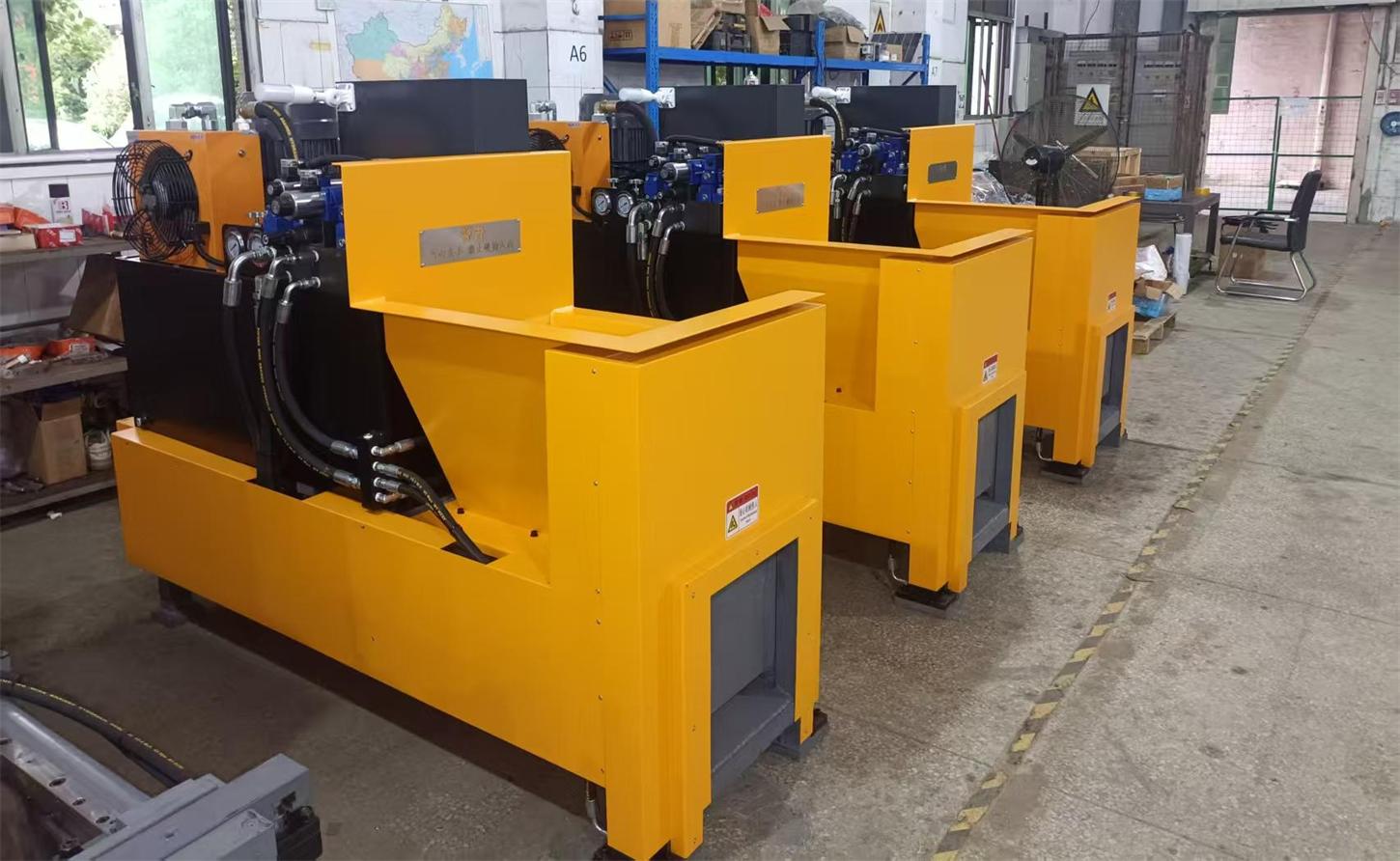
Before we dive into safety procedures, let's get familiar with what we're dealing with. Hydraulic balers are essentially industrial strength trash compactors - using powerful hydraulic pressure to crush materials into dense bales. For electronic waste operations, we primarily see two warriors in the field:
Vertical Balers: The Space-Savers
Perfect for smaller recycling centers with space constraints. You load materials from the top, and they're pressed downward into neat cubes. Most can handle up to 15 tons of pressure - enough to flatten your typical computer towers into compact bricks.
E-Waste Edge: Their smaller footprint makes them ideal for urban collection points where space is gold. But they're generally limited to lighter-duty e-waste loads.
Horizontal Balers: Heavy-Duty Crushers
These industrial beasts are where serious e-waste goes to get compacted. Materials enter horizontally and get crushed under pressures ranging from 30 to over 200 tons. Most recycling plants handling bulk volumes invest in these workhorses.
E-Waste Edge: They devour large volumes of mixed e-waste but need careful operation to avoid surprises like compacting something flammable or reactive.
Modern hydraulic balers working with e-waste come equipped with life-saving features that are non-negotiable in professional settings:
- Emergency Stops: Big red buttons placed within easy reach - your instant response when something goes sideways
- Safety Interlocks: Smart systems preventing operation if doors or access panels aren't properly secured
- Two-Hand Controls: Forces operators to use both hands - keeping them away from dangerous areas during operation
- Pressure Release Valves: Critical fail-safes preventing dangerous pressure build-up
- Metal Detection Systems: Especially crucial for e-waste to avoid compacting potential hazards like batteries
Your Daily Safety Checklist: Non-Negotiable Steps
Think of this as putting on your seatbelt before driving - non-negotiable for baler operators:
- Visual Scan: Walk around the machine checking for leaks (especially hydraulic fluid), weird smells, or obvious damage
- Guard Check: Ensure all protective shields and guards are securely in place
- Control Test: Verify emergency stops actually stop the machine - don't just assume they work
⛑️ Essential Kit: Heavy-duty gloves (cut-resistant), safety goggles (anti-fog), steel-toe boots, and hearing protection. For e-waste handling, add a respirator - you don't want mysterious dust in your lungs.
Electronic waste adds extra layers of caution:
- Battery Patrol: Have separate containers ready to pull out lithium-ion batteries before compacting
- The Squash Test: Visually scan loads - if something looks volatile (swollen batteries, unknown liquids), STOP
- Pre-Bale Triage: Establish a quick sorting station before the baler to catch hazards
Operating Hydraulic Balers: Your Safety Plays
This is where things get real - follow these moves step-by-step:
Smart Loading Tactics
How you load makes all the difference:
- Break It Down: Disassemble electronics as much as possible before loading - flat screens don't bale well!
- Balance Your Bale: Distribute weight evenly to prevent dangerous shifting during compression
- The Arm Rule: Never stick hands or tools into the chamber - use push sticks if needed
Compression Control
- Respect the Tonnage: Know your machine's limits - forcing it causes failures
- Listen Up: Strange noises? Hissing? Grinding? That's your cue to stop and investigate
- E-Waste Caution: Slow and steady pressure works best for unpredictable electronics
⚡ When to Hit Emergency Stop:
- Smell something burning?
- See smoke or sparks?
- Hear unexpected hissing or grinding?
- Notice liquids leaking where they shouldn't?
- Spot a crushed battery starting to swell?
- STOP FIRST - ASK QUESTIONS LATER
Bale Removal: Don't Let Your Guard Down
Here's where many accidents happen - that bale may look stable, but it's a tension-packed cube waiting for a chance to spring:
- Clearance Zone: Establish and enforce a 3-meter clearance area when ejecting bales
- Strapping Rules: Always strap e-waste bales twice - they're unpredictable under pressure
- Lift Smart: Use forklifts with fork guards to prevent "bale avalanches"
- Storage Wisdom: Store bales on level surfaces, never stack higher than 2 units without proper supports
E-Waste Baler Maintenance: More Than Just Oil Changes
Electronic waste is tough on machinery - acid residues, fine dust, and unexpected components demand extra diligence:
- Chamber Cleaning: Blow out conductive dust daily - that static buildup is no joke around electronics
- Hydraulic Health: Check fluid levels and scan for leaks (look for rainbow-colored puddles)
- Safety Test: Verify emergency stops and interlocks with each shift change
- Seal Inspection: E-waste creates abrasive dust - check cylinder seals weekly
- Pressure Tests: Verify pressure relief valves are operating correctly
- Component Scan: Examine wiring for corrosion (common with acidic e-waste residues)
Real-World Wisdom: E-Waste Baler Case Studies
Urban E-Waste Facility: Battery Fire Near-Miss
A Chicago processor almost had disaster when a hidden laptop battery caught fire in their horizontal baler. Their saving grace? Operators smelled the overheating electronics early and hit the emergency stop. The investigation showed:
- Pre-baling visual inspection had been skipped due to workload pressures
- Their baler didn't have a thermal detection system
- Operators did exactly right by hitting emergency stop at first sign of trouble
Changes Made:
- Added mandatory inspection station before baler
- Installed thermal sensors in chamber
- Created dedicated battery collection bins throughout facility
Automotive Electronics Recycler: The Hydraulic Surprise
A facility processing car infotainment systems faced recurring issues:
- Unexpected liquids from screens contaminating bales
- Hydraulic fluid contamination requiring constant filter changes
- Safety hazard from slipping on oily floors
Their Innovative Solution:
They created a three-step pre-compaction stage where technicians:
- Manually remove screens to drain any liquid crystals
- Run units through a specialized centrifuge to extract remaining fluids
- Use a magnetic separator to catch ferrous components before baling
Result: 60% reduction in hydraulic maintenance and zero slip incidents since implementation.
Operational Evolution: Creating Smarter Systems
Beyond individual safety practices, winning facilities build layered defenses:
The Buddy System
No operator works alone with balers. Implement:
- Mandatory two-person operation for loading/troubleshooting
- Visual check protocol before starting compression cycles
- Pre-agreed hand signals for noisy environments
Hazard Mapping
Create visual guides showing:
- Pinch-point danger zones around balers
- Emergency escape routes
- Safety equipment locations with photo references
Maintenance Rituals
Keep detailed logs tracking:
- Hydraulic fluid changes with exact product specifications
- Pressure gauge calibration dates
- Component replacement history
- Regular e-waste residue impact assessments
Final Thoughts: Safety as Culture
Working with hydraulic balers in e-waste isn't just about knowing the rules - it's about developing situational awareness:
- Trust that gut feeling - if something seems "off," stop operation immediately
- E-waste constantly changes - today's harmless gadget might have a new danger tomorrow
- Regularly refresh training - complacency is your worst enemy in recycling operations
The companies leading in safety understand that it saves more than injuries - it saves reputations, avoids regulatory nightmares, and creates a workplace where people feel genuinely cared for. And that's exactly what professional recycling should be about.
Creating a sustainable future requires responsible processing. How we handle this electronic tidal wave matters profoundly - both for people and the planet. With smart safeguards and constant vigilance, hydraulic balers will remain indispensable tools in turning our e-waste challenge into a recycling success story.