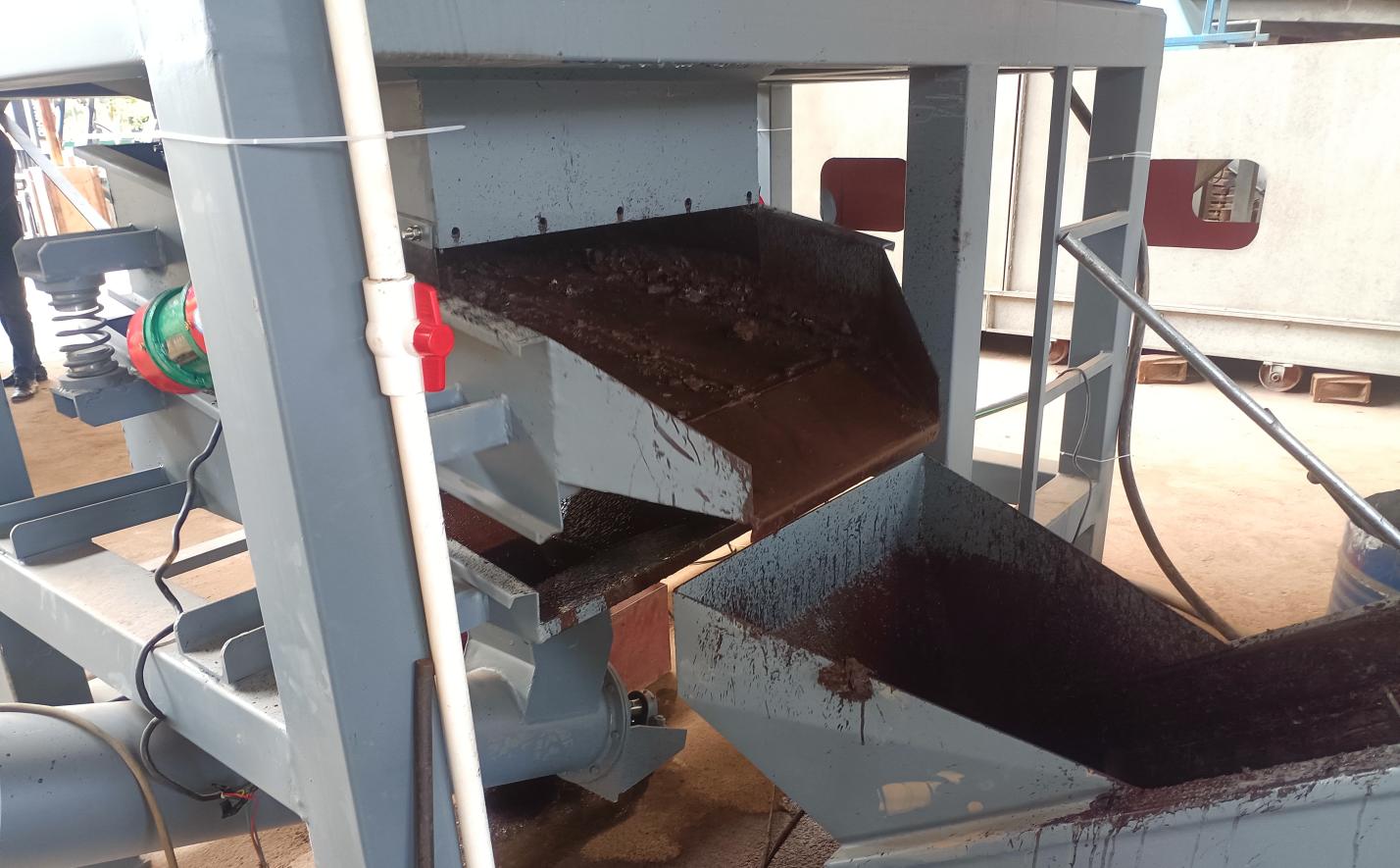
Working with lithium battery recycling equipment isn't just about technical expertise; it's about daily survival. For operators working with lithium extraction equipment, the difference between regular procedures and safety-focused protocols can mean avoiding serious chemical exposure or preventing thermal runaway incidents. This comprehensive guide draws from OSHA standards and field experience to outline essential safety protocols – the kind that stick in your mind long after training ends.
Lithium battery recycling involves handling spent batteries that might be physically damaged or chemically compromised. Exposure risks include:
| Hazard | Potential Consequences |
|---|---|
| Electrolyte Leaks | Chemical burns, skin irritation, respiratory issues from solvent vapors |
| Thermal Runaway | Extreme temperatures (up to 900°C), toxic fumes, fire hazards |
| Sharp Edges | Lacerations from damaged battery casings during handling |
| Heavy Metal Exposure | Cobalt, nickel, and copper particulate inhalation leading to chronic conditions |
PPE isn't about compliance; it's creating a physical barrier between operators and these invisible, high-consequence risks.
Standard hard hats aren't sufficient. We need:
- ANSI Z89.1 Type II, Class G/E rating : Impact protection from dropped batteries with high-voltage electrical coverage
- Integrated polycarbonate full-face shield : Anti-fog coating to maintain visibility during crushing operations
- Replaceable sweatband liners : Prevents chemical absorption into padding material
Temporary irritation can turn into permanent damage without proper eye protection:
- Indirect venting : Prevents splash entry while allowing limited airflow to reduce fogging
- Soft face seal : Made from neoprene or rubber compatible with lithium solvents
- Impact rating : Must withstand shrapnel impact from battery fragment incidents
Battery shredding and separation equipment operate at noise levels exceeding 100 dBA:
- Active noise reduction : Allows situational awareness without removing protection
- Communication-enabled : Integrated microphones for team communication
- Rating of NRR 30+ dB : Tested against industrial equipment frequency profiles
Atmospheric hazards include fluoride gases and cobalt particles:
- PAPR systems with hood interface : For consistent airflow during mechanical separation
- P100 rated cartridges : For occasional lower-exposure tasks like visual inspection
- Mandatory fit testing : Quarterly verification by certified technicians
Standard coveralls disintegrate under thermal runaway conditions:
- Multi-layer construction : Outer DuPont™ Tychem® layer with inner thermal barrier
- Taped seams : Prevents particle penetration at joints
- Integrated hood : Continuous protection with respiratory gear
Hands face simultaneous mechanical and chemical hazards:
- ANSI Level A5 cut resistance : Must withstand blade exposure from crushing equipment
- Butyl rubber inner glove : For electrolyte chemical resistance
- Extended cuff design : Minimum 3" overlap protection beyond jacket sleeves
Battery electrolyte can pool on floors creating multiple hazards:
- ASTM F2413-18 EH rating : Electrical hazard protection up to 18kV
- Metatarsal guards : Crush protection from battery stacks
- Deep lug chemical-resistant soles : Slip prevention on contaminated surfaces
PPE alone isn't enough - creating protective environments is essential:
- Negative pressure containment areas for crushing/stripping stations
- Automated transfer systems with limited manual intervention points
- Thermal runaway detection systems with automated suppression
- Class D fire extinguishers at every workstation
- Emergency eye wash stations with 15-minute flow capacity
- Chemical-neutralizing kits strategically placed throughout facility
- Pre-shift battery inspection checkpoints
- Mandatory thermal monitoring during crushing operations
- Chemical exposure time limits per 8-hour shift
Compliance requires system-wide commitment:
| Responsibility | Implementation Requirements |
|---|---|
| Management | Annual equipment upgrades · Weekly PPE inspection budgets · Safety pause authority |
| Supervisors | Daily gear verification logs · Operation pause protocols · Incident debrief leadership |
| Operators | Gear self-inspection checklists · Hazard recognition training · Peer safety coaching |
Safety transformation happens through consistency:
- Monthly cross-shift safety meetings
- Near-miss reporting without punitive action
- Performance metrics rewarding safety behaviors
- Continuous hazard assessment reviews
Implementing these requirements requires systematic development:
- Quarterly hands-on PPE drills under simulated conditions
- Monthly emergency scenario practice sessions
- Annual competency verification with skills recertification
- Electrically-rated equipment weekly inspection protocols
- Respiratory gear monthly flow testing
- Bi-annual gear integrity audits by third parties
Final Perspective: In battery recycling, safety shortcuts lead directly to avoidable medical emergencies. The right combination of PPE, engineering controls, and safety culture provides more than compliance - it guarantees operators return home unharmed after each shift.