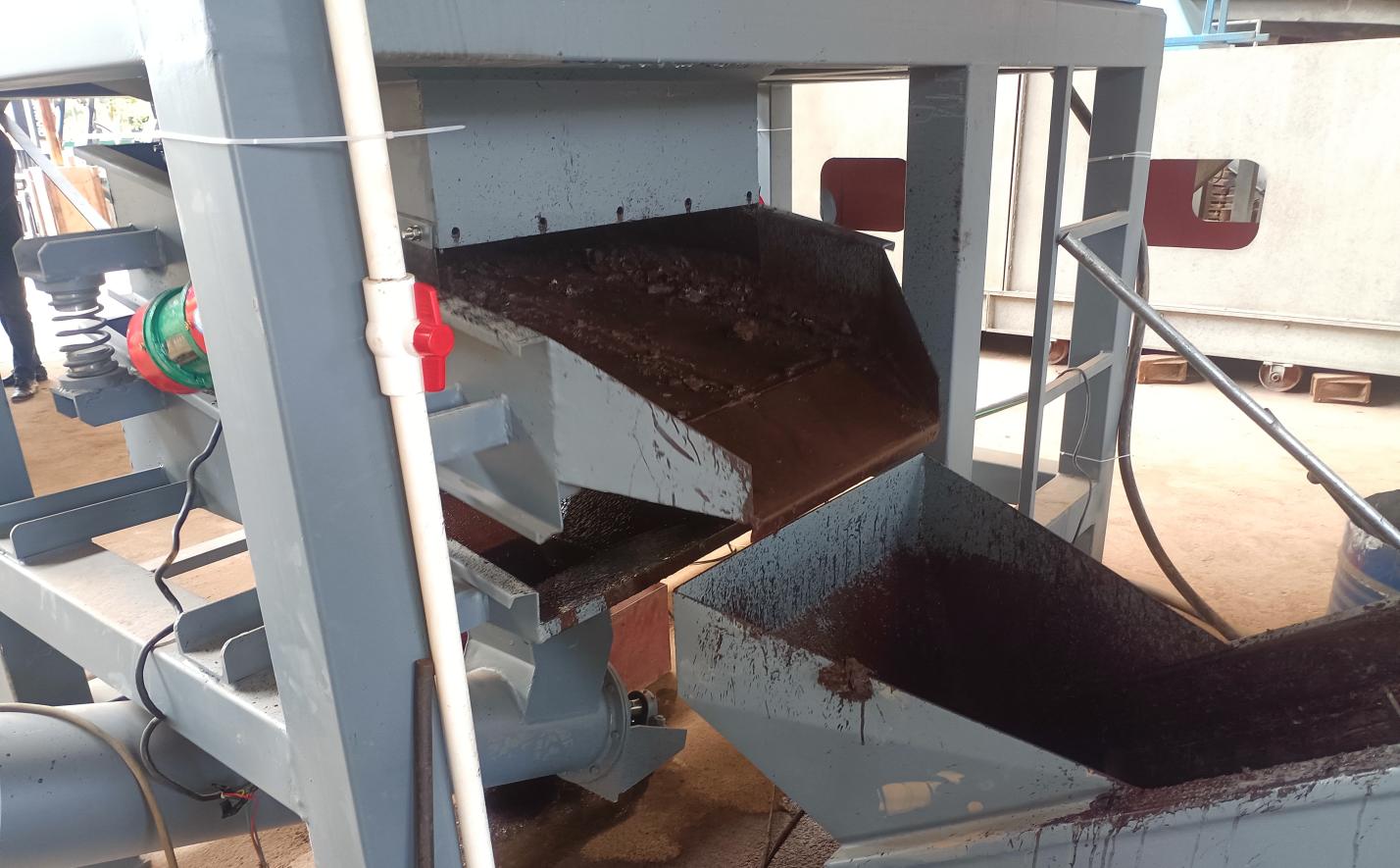
Hey there, let's talk about a choice that keeps factory managers awake at night: picking between semi-automatic and fully automatic machines. You'd be surprised how many businesses stumble at this crossroads, blindly choosing the shiniest option without really considering what their operation actually needs.
Think about it like choosing between driving stick and automatic. One gives you more control, the other does everything for you. But the difference is - your factory's efficiency hangs in this balance. And that's why we're diving deep into this crucial decision today.
What Semi-Automation Really Feels Like on the Floor
When I walk through facilities using semi-automatic setups, I see something beautiful: a dance between human intuition and machine precision. It's not about replacing people - it's about amplifying their capabilities .
Semi-automatic machines are like that reliable coworker who handles the tedious, repetitive tasks while leaving you space for creativity and quality control. You've got:
- The machine doing the heavy lifting and precision work
- Human operators making judgment calls, handling exceptions, and adding that irreplaceable quality touch
The magic happens in that handshake between person and machine. Take packaging lines I've seen - the machine precisely fills containers, while a worker spots-check weight tolerances and handles special packaging requests. It's harmony.
The Allure (and Reality) of Full Automation
Now, stepping into a fully automated operation? It feels like entering tomorrow. Machines humming 24/7 without blinking an eye. It's impressive, but...
The truth is, full automation isn't always the paradise it's made out to be. Yes, you get:
- Unmatched consistency on repetitive tasks
- Crazy production speeds for high-volume items
- Production reports that practically write themselves
But here's the flipside: these systems are like high-maintenance superstars. When they work, they're glorious. When they don't? Production stops dead. I've seen factories lose $10,000/hour during unexpected downtime. Plus, that human touch? Gone.
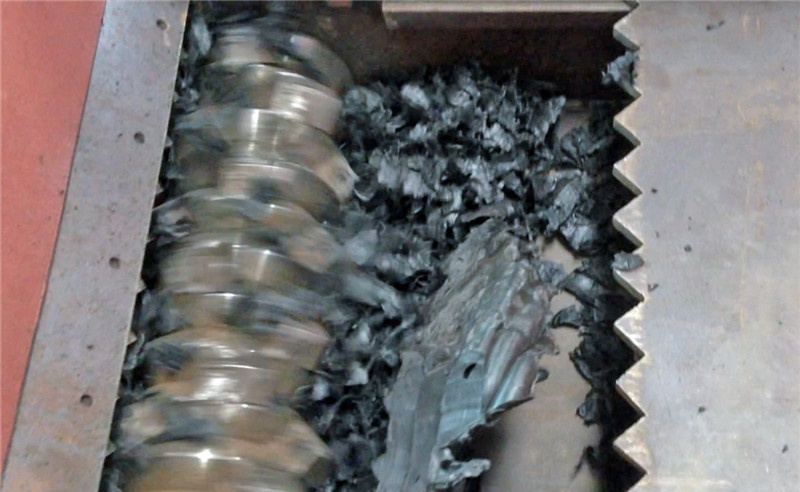
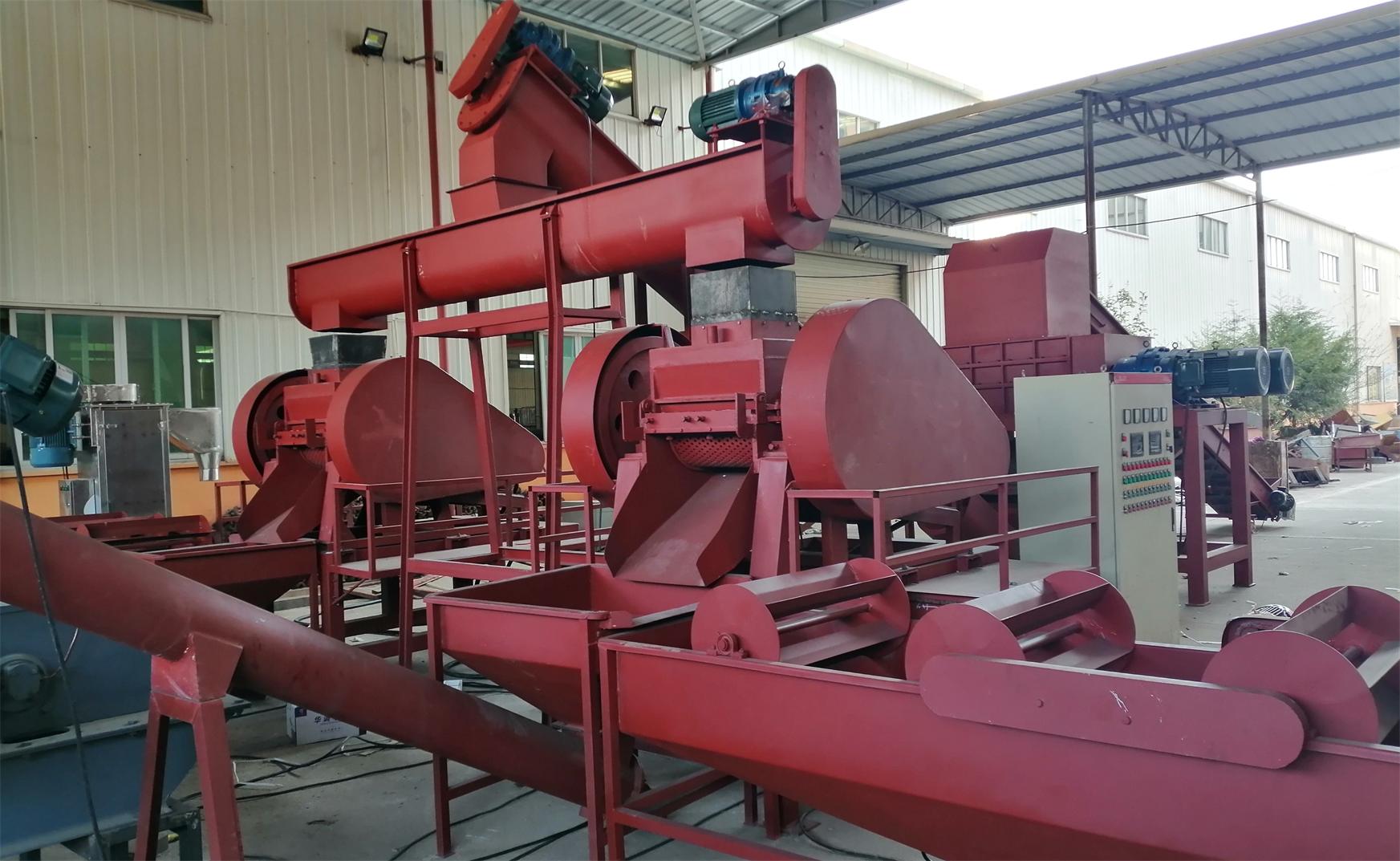
And remember, in areas like scrap metal recycling (a great example of efficient material recovery), human oversight often catches contamination issues machines might miss.
Real Numbers: Side-by-Side Comparison
Semi-Automatic Strengths
- Cost: 40-60% lower upfront investment
- Flexibility: Switch products in minutes
- Downtime: Humans can troubleshoot while machines run
- ROI: Seen in 6-12 months typically
Fully Automatic Advantages
- Output: Up to 300% higher on standardized tasks
- Labor Costs: 60-80% reduction in required staff
- Consistency: Near-perfect repeatability
- Data Tracking: Comprehensive real-time analytics
Your Pain Points? Let's Solve Them
I get it - choosing can feel overwhelming. Let's tackle your real concerns:
"Will semi-auto keep pace as we grow?"
Smartly designed semi-automation scales beautifully. Start with key processes automated, add modules as volume grows. Unlike full automation where you pay for capacity you might not need for years.
"What about worker training costs?"
Semi-auto machines are more intuitive to operate. Your existing workforce can adapt quickly versus the specialists full automation demands. And here's a secret: cross-trained workers prevent dangerous knowledge silos.
"How do we handle specialty products?"
This is where semi-automation shines. Humans can handle exceptions, custom orders, or odd-sized materials while the main process runs. Full automation struggles with anything outside programmed parameters.
Your Decision Checklist
- Product Variety: High = Leans Semi-Auto
- Volume: Very High (millions of identical units) = Leans Full Auto
- Budget: Below $500K = Semi-Auto Likely Fits Better
- Labor Costs: Very High = Full Auto More Attractive
- Change Frequency: Regular Product Updates = Semi-Auto Flexibility Wins
The Sweet Spot: Blending Both Worlds
Here's what experienced operations do: they create a hybrid environment. Automate the heck out of standard, high-volume processes with full automation, but use semi-automatic solutions for:
- New product introduction phases
- Low-volume specialty items
- Final quality check stations
- Packaging customization points
This approach gives you the efficiency peaks of automation with the agility to handle real-world variability. Think about recycling operations where scrap metal separation benefits from automation, but human oversight ensures purity standards.
Implementation: Getting It Right
Whichever path you choose, avoid these common pitfalls:
- Don't Automate Broken Processes: Fix manual workflows before automating
- Include Floor Staff: Their insights prevent expensive redesigns later
- Phased Approach: Start small with one station or product line
- Calculate True Costs: Include hidden costs like specialist salaries and maintenance contracts
And always - always - run a pilot. A three-month test run with real production data reveals more than any sales brochure ever will.
Final Thoughts: What Machines Can't replace
As I finish this, let's remember: automation should empower humans, not replace them. The best factories I've visited have workers who partner with machines.
Semi-automation often creates that sweet spot where craftsmanship meets efficiency. That worker adjusting settings because she notices a material inconsistency today? That's the irreplaceable human touch.
Meanwhile, in high-volume scenarios where every second counts? That robotic precision pays dividends.
The choice isn't about picking a side - it's about making your technology serve your unique business reality. And when you get that right? That's when you see efficiency gains that look like magic to outsiders.