When your shredder screams for help
Ever heard that gut-wrenching grinding noise coming from your shredder? Or worse – watched it shudder to a complete stop mid-job? That sinking feeling is all too familiar for plant managers. But here's the truth: many of these panic-inducing moments are actually solvable headaches if you know where to look.
From my 15+ years dispatching service engineers to shredder emergencies, I've seen it all. The reality? Most failures follow predictable patterns. Understanding these patterns is like having X-ray vision for your shredder machine .
What's really happening inside your shredder
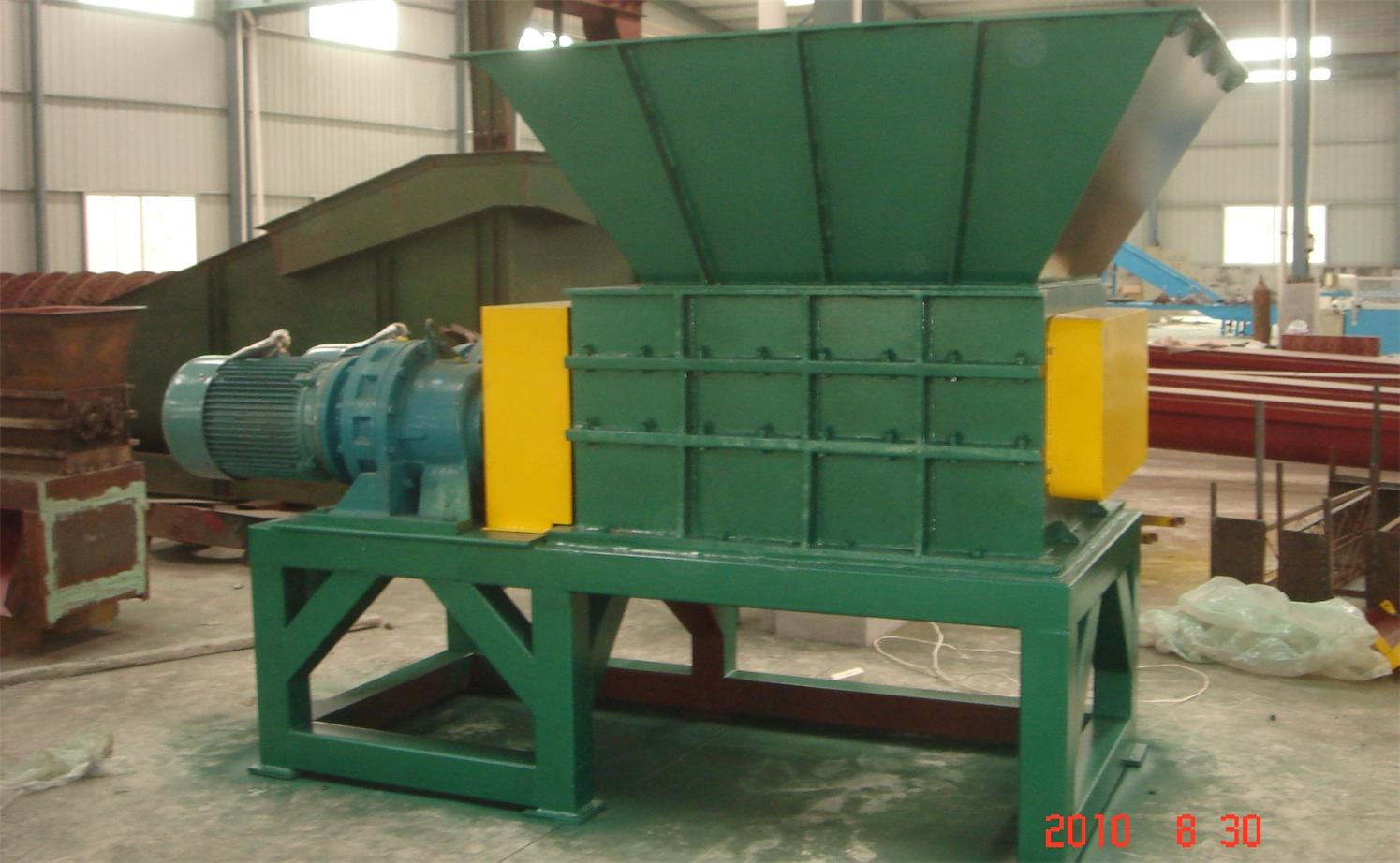
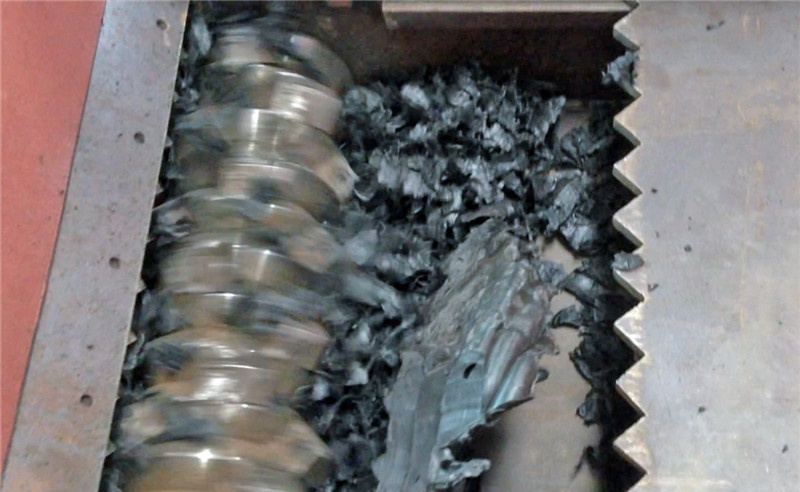
Anatomy of a single-shaft warrior
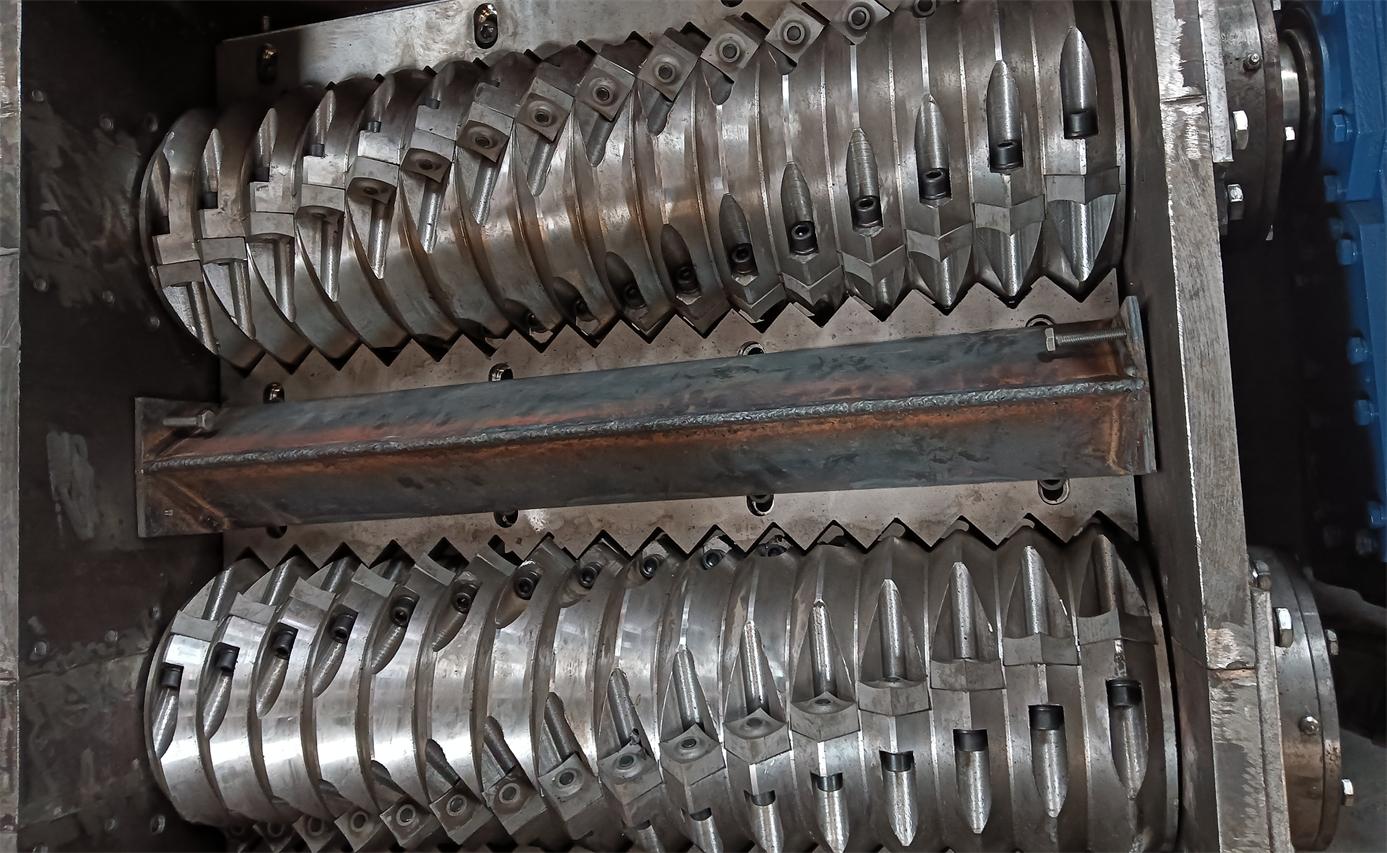
- The Rotor: The spinning heart delivering brutal force
- Blades: Your frontline soldiers taking direct impact
- Bearings: Silent workhorses that scream when overheated
- Screens: Gatekeepers controlling particle size destiny
How it all fits together
Picture this assembly line of destruction: Material enters through the hungry feed throat → Rotor grabs it like a mechanical raptor → Blades shred while counter-knives slice → Particles filtered through precision screens. Simple concept, but boy does it get complicated when components wear down.
A seasoned engineer once told me: "Treat your shredder like a heavyweight boxer. It needs constant hydration (lubrication), sharp gloves (blades), and recovery time between bouts."
Decoding your shredder's SOS signals
The screaming shredder symphony
Sound:
Metal-on-metal grinding or rhythmic banging
Diagnosis:
Foreign objects playing pinball in the rotor chamber
Engineer Action:
Full rotor inspection → Foreign object extraction → Counter-knife damage assessment
"Found a 6-inch wrench jammed sideways once. Operator denied everything!" - John, Lead Service Tech
The indecisive reverser
Behavior:
Constantly changing rotation direction
Diagnosis:
Blade edges worn to butter knives
Engineer Action:
Wear pattern analysis → Blade rotation or replacement → Gap calibration
That constant direction-switching isn't just annoying – it's your shredder desperately trying to find enough bite to chew the material.
Nuclear meltdown bearings
Symptom:
>80°C bearing temperatures
Diagnosis:
Grease desert or contamination invasion
Engineer Action:
Seals inspection → Grease analysis → Thermal imaging → Alignment check
Never ignore hot bearings. That heat is literally friction burning dollars off your equipment lifespan.
Blades: The cutting edge revolution
Hook Warriors
Tame rubber, textiles and tricky polymers
V-shaped Avengers
Shred through steel drums and thick plastics
Toothed Titans
Conquer copper wire and armored cables
The blade replacement dance
Watching an expert shredder blade swap is pure mechanical ballet:
- Isolate & secure - Lockout/tagout religiously
- Component forensics - Document wear patterns
- Calibrated torque - No guesswork tightening
- Micro-adjustments - 0.1mm gaps matter
"The difference between amateur and pro blade work?" veteran engineer Mike explains, "Amateurs change blades. Pros optimize the entire cutting ecosystem."
Beyond repair: The engineering advantage
What separates quick-fix technicians from true shredder surgeons:
Precision diagnostics toolkit
- Vibration analysis sensors
- Infrared thermal cameras
- Metallurgical wear testing kits
- Drive belt tension meters
Last month at a tire recycling plant, our engineers didn't just fix a rotor jam. By analyzing metal fatigue patterns, they predicted (and prevented) a $40k bearing failure three months before it would've happened.
Material mastery
Expert engineers don't just know machines - they speak material dialects:
| Material | Blade Choice | RPM Sweet Spot |
|---|---|---|
| Aluminum cans | V-shaped | 85-95 RPM |
| E-waste boards | Toothed | 60-70 RPM |
| Automotive plastic | Hook | 75-85 RPM |
Case files: Impossible jobs solved
The zombie shredder
Problem:
Paper plant shredder "died" weekly despite repeated fixes
Discovery:
Hidden moisture sensor failure causing lubricant dilution
Solution:
Humidity control retrofit + synthetic grease conversion
Result:
400+ days and counting operation
The phantom blockage
Problem:
Random shutdowns with no visible obstructions
Discovery:
Electrical harmonics disrupting PLC signals
Solution:
Power conditioning module + shielded cabling
Result:
Zero unexplained stops in 8 months
Becoming a shredder whisperer
True mastery transforms repair technicians into performance artists:
- Vibration literacy - Reading frequency patterns like musical notes
- Wear pattern prediction - Seeing failure months before symptoms
- Material-response tuning - Adjusting for "moody" material batches
At an industrial recycling machine facility last quarter, the engineering team achieved what I call mechanical enlightenment - reprogramming the entire shred cycle based on real-time material resistance feedback. Production jumped 22% overnight.
Your shredder's prescription
Daily vitamins
- Temperature checks (morning/noon/night)
- Lubrication walkthroughs
- "Sound baths" - listening for new frequencies
Monthly checkups
- Torque calibration
- Blade edge documentation
- Vibration baselining
Annual surgery
- Rotational balancing
- Metallurgical testing
- Control system diagnostics
Shred smart, not hard
At its core, shredder service engineering isn't about wrenches and spare parts. It's about pattern recognition, material science, and mechanical empathy. The technicians transforming disaster zones into humming productivity temples? They don't see problems - they see puzzles waiting to be solved.
Because when your single-shaft shredder sings instead of screams? That's the sound of manufacturing nirvana.