Wastewater treatment has long been the unsung hero of modern infrastructure, quietly safeguarding public health and ecosystems by turning contaminated water into a resource. But as urban populations grow, industrial activity expands, and climate change intensifies water scarcity, the demands on wastewater treatment plants (WWTPs) have never been greater. Enter the next generation of smart wastewater treatment plants—facilities where cutting-edge technology, data analytics, and advanced equipment converge to deliver not just cleaner water, but also greater efficiency, resource recovery, and environmental responsibility. These plants aren't just upgrading equipment; they're reimagining what wastewater treatment can achieve. Let's dive into the smart features reshaping this critical industry, and how innovations in areas like water process equipment, air pollution control, and resource recovery are leading the charge.
Beyond Reactive: Smart Sensing and Real-Time Monitoring
Traditional wastewater plants often operated on a "react and repair" model: wait for a problem (like a spike in contaminant levels or equipment failure) to occur, then scramble to fix it. This approach was not only inefficient but also risked non-compliance with environmental regulations and higher operational costs. Next-gen plants, however, are flipping the script with smart sensing and real-time monitoring systems that act as the plant's "nervous system."
Imagine a network of IoT-enabled sensors spread throughout the treatment process—from the moment wastewater enters the plant to its final discharge or reuse. These sensors track everything: pH levels, dissolved oxygen, turbidity, chemical concentrations, and even the flow rate of water through pipes. Data from these sensors is fed into a central control system, where AI-powered analytics process it in real time. For example, if sensors detect a sudden increase in organic matter in the incoming wastewater (a common issue during heavy rainfalls or industrial discharge events), the system can automatically adjust the operation of water process equipment—such as increasing the dosage of coagulants in the primary treatment stage or ramping up aeration in biological reactors—to maintain treatment efficiency. This isn't just about preventing problems; it's about optimizing every step of the process.
Predictive maintenance is another game-changer here. Vibration sensors on pumps, temperature monitors on motors, and pressure gauges on filters continuously collect data on equipment health. Machine learning algorithms analyze this data to predict when a component might fail—say, a bearing in a pump showing early signs of wear—and alert operators to schedule maintenance before a breakdown occurs. This not only reduces downtime but also extends the lifespan of expensive equipment, from large-scale water process machinery to smaller, critical components like valves and mixers.
Advanced Treatment Technologies: Wet, Dry, and Everything In Between
At the heart of any wastewater treatment plant lies its treatment processes, and next-gen facilities are embracing a mix of advanced wet process equipment, dry process equipment, and hybrid systems tailored to the plant's specific needs. What makes these "smart" isn't just the equipment itself, but how it's integrated, controlled, and optimized.
Wet process equipment, which relies on water-based treatments (think sedimentation tanks, biological reactors, and membrane filtration), has long been the workhorse of wastewater treatment. But today's wet process systems are far from the passive tanks of the past. Take membrane bioreactors (MBRs), for example: these systems combine biological treatment with ultrafiltration membranes to remove contaminants. In smart plants, MBRs are equipped with sensors that monitor membrane fouling in real time. When fouling begins to slow water flow, the system automatically initiates a backwash or chemical cleaning cycle, ensuring the membrane operates at peak efficiency without manual intervention. Similarly, in activated sludge processes, dissolved oxygen sensors adjust aeration rates minute-by-minute, balancing the needs of microorganisms (which require oxygen to break down organic matter) with energy costs—a win-win for both treatment performance and sustainability.
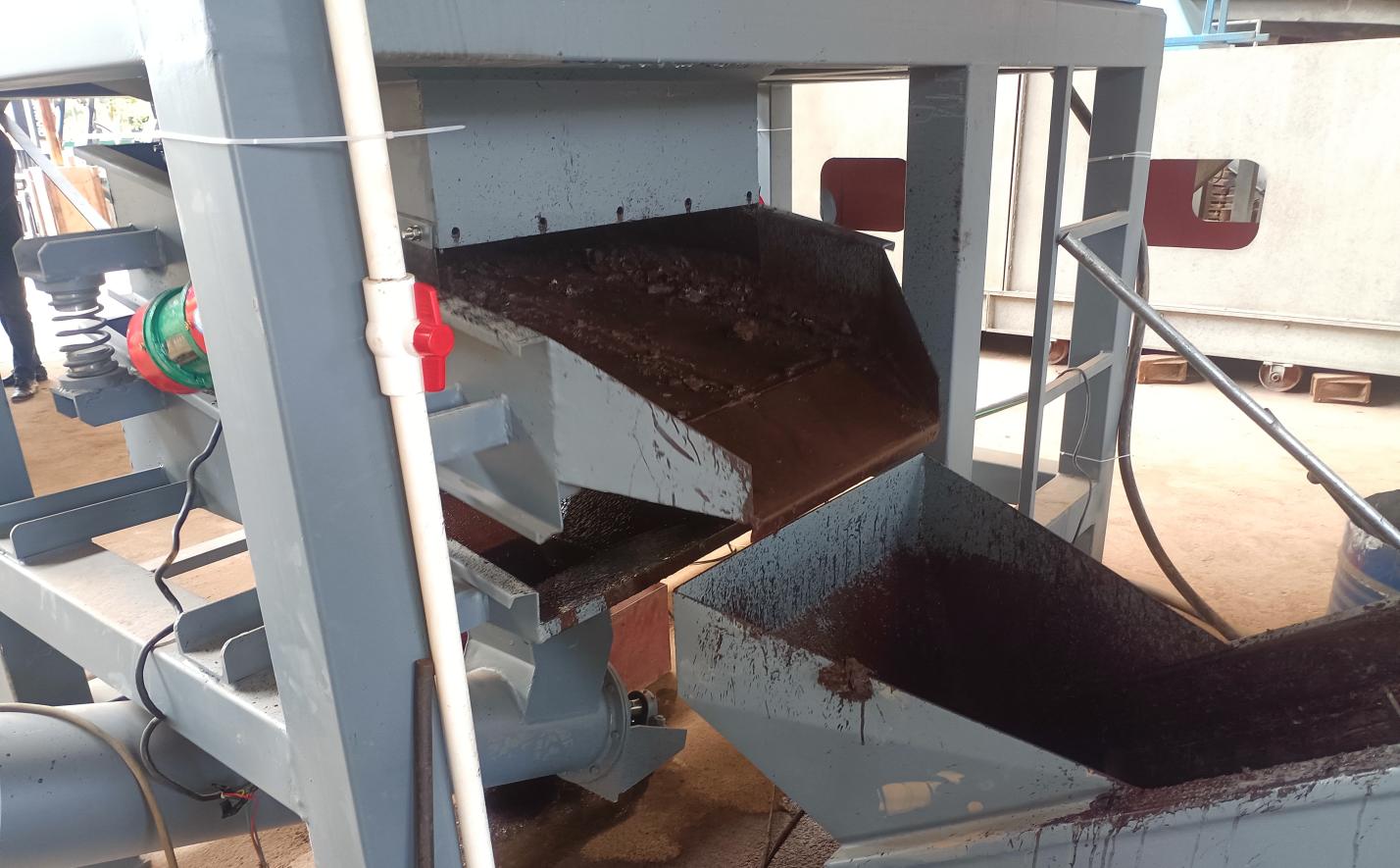
Dry process equipment, which uses physical or thermal methods (like evaporation, filtration, or incineration) with minimal water use, is gaining traction in water-scarce regions or for treating high-solids wastewater (such as industrial sludge). Smart dry process systems, such as thermal drying units, use AI to optimize temperature and airflow based on the moisture content of the sludge. For instance, if incoming sludge is drier than usual, the system reduces heat input, saving energy; if it's wetter, it adjusts airflow to speed up evaporation. This level of precision not only cuts energy costs but also ensures consistent output—whether the end product is dried sludge for landfill, or a nutrient-rich material for agricultural use.
| Feature | Traditional Wet/Dry Process Equipment | Next-Gen Smart Process Equipment |
|---|---|---|
| Control System | Manual or basic automated controls; set parameters rarely adjusted. | AI-driven adaptive controls; adjusts in real time based on sensor data. |
| Energy Efficiency | Fixed operation settings; often overconsumes energy. | Optimized for variable conditions (e.g., adjusting aeration/pump speeds); 20-30% energy savings reported. |
| Water Use (Wet Processes) | High, with little focus on reuse within the plant. | Closed-loop systems; treated water reused for cleaning or irrigation, reducing freshwater intake. |
| Maintenance | Reactive; maintenance scheduled based on calendar, not condition. | Predictive; sensors detect wear and tear, scheduling repairs before failures. |
From Waste to Wealth: Resource Recovery as a Core Goal
One of the most exciting shifts in wastewater treatment is the move from "treatment" to "resource recovery." Next-gen plants don't just see wastewater as a problem to solve—they see it as a source of valuable resources: energy, nutrients, and even raw materials. And smart equipment is making this recovery more efficient and profitable than ever.
Take sludge, for example. Traditionally, sludge (the semi-solid byproduct of treatment) was often hauled to landfills or incinerated, a costly and environmentally questionable practice. Today, smart plants are using anaerobic digesters to break down sludge, producing biogas—a mixture of methane and carbon dioxide—that can be used to generate electricity or heat for the plant itself. The key here is smart digester management: sensors monitor temperature, pH, and gas production, while AI algorithms adjust feeding rates and mixing patterns to maximize biogas output. Some plants even use the excess biogas to power nearby facilities or sell it to the grid, turning a waste product into a revenue stream.
Nutrient recovery is another area where smart technology shines. Wastewater is rich in nitrogen and phosphorus—nutrients that, if discharged into waterways, cause harmful algal blooms, but are also critical for agriculture. Smart plants use specialized water process equipment, such as membrane filtration or ion exchange systems, to extract these nutrients. For instance, reverse osmosis membranes can separate nitrogen-rich water, which is then treated with bacteria to convert it into ammonia— a key ingredient in fertilizers. The process is controlled by AI to ensure optimal nutrient capture, reducing both environmental impact and reliance on synthetic fertilizers.
Even metals and minerals can be recovered. Industrial wastewater, in particular, may contain trace amounts of valuable metals like copper, nickel, or gold. Smart filtration systems, paired with sensors that detect metal concentrations, can target these elements for extraction. For example, electrocoagulation units—where an electric current causes metals to clump together and settle—can be adjusted in real time based on sensor data to maximize recovery efficiency. The recovered metals are then sold to recycling facilities, adding another layer of sustainability to the plant's operations.
Breathing Easy: Air Pollution Control in Smart Plants
Wastewater treatment isn't just about water—it's also about air. Treatment processes, especially those involving biological digestion or chemical reactions, can release harmful emissions like hydrogen sulfide (a toxic, odorous gas), volatile organic compounds (VOCs), or greenhouse gases. Next-gen plants are addressing this with integrated air pollution control system equipment that works in tandem with the rest of the plant's smart infrastructure.
Modern air pollution control system equipment includes scrubbers, biofilters, and activated carbon adsorption units, but what makes these systems "smart" is their ability to adapt to changing emission levels. For example, biofilters—where emissions pass through a bed of microorganisms that break down pollutants—rely on optimal moisture and temperature to function. Sensors in the biofilter monitor these conditions, and the system automatically adjusts water sprays or airflow to keep the microorganisms active. If sensors detect a sudden spike in hydrogen sulfide (common during high-organic load periods), the system can divert emissions to a backup scrubber to ensure compliance with air quality regulations.
Data integration is key here. Air quality data from pollution control equipment is fed into the plant's central control system, alongside water treatment data. This allows operators to see the bigger picture: How does a change in wastewater inflow affect both water treatment efficiency and air emissions? Can adjusting the biological reactor's aeration rate reduce both energy use and VOC emissions? By analyzing these connections, plants can optimize for both water and air quality simultaneously—a level of coordination that was impossible with traditional systems.
Energy Independence: Powering Plants with Renewables and Efficiency
Energy has long been one of the biggest operating costs for wastewater treatment plants, which are energy-intensive due to the need for pumping, aeration, and chemical processing. Next-gen plants are tackling this with a two-pronged approach: maximizing energy efficiency and integrating renewable energy sources.
Smart energy management systems (EMS) are at the core of this effort. These systems monitor energy use across all plant equipment—from large blowers in aeration tanks to small pumps in water process equipment—and identify opportunities to reduce consumption. For example, during off-peak hours (when electricity costs are lower), the EMS might prioritize energy-intensive tasks like sludge drying, while shifting less critical operations to peak hours. AI algorithms can even learn the plant's energy patterns over time, suggesting optimizations like adjusting the speed of variable-frequency drives on pumps or scheduling maintenance during low-demand periods.
Renewable energy integration is the next step. Many smart plants now feature solar panels on site, using excess space (like the roofs of treatment buildings or unused land around the plant) to generate electricity. Some are even experimenting with floating solar arrays on settling ponds, which not only generate power but also reduce evaporation and algae growth. When combined with energy storage systems (like batteries), these plants can operate partially or fully off the grid during peak sunlight hours, further cutting costs and reducing their carbon footprint.
The Road Ahead: What's Next for Smart Wastewater Plants?
The future of wastewater treatment is bright—and smart. As technology advances, we can expect even more integration between plants and the cities they serve. Imagine a WWTP that communicates with local water utilities, adjusting its treatment processes based on predicted water demand, or sharing real-time data with urban planners to help design more water-efficient neighborhoods. Or plants that use blockchain technology to track the carbon footprint of their treatment processes, allowing them to sell carbon credits and fund further upgrades.
At the heart of all these advancements will be the equipment that makes it possible: smarter water process equipment that adapts to changing conditions, air pollution control systems that protect both workers and communities, and resource recovery technologies that turn waste into wealth. These aren't just tools—they're the building blocks of a more sustainable, resilient water future.
In the end, next-gen wastewater treatment plants are more than just facilities—they're living, learning systems that reflect our evolving relationship with water. By combining innovation with responsibility, they're proving that even the "dirtiest" water can be a source of hope for a cleaner, more resource-efficient world.