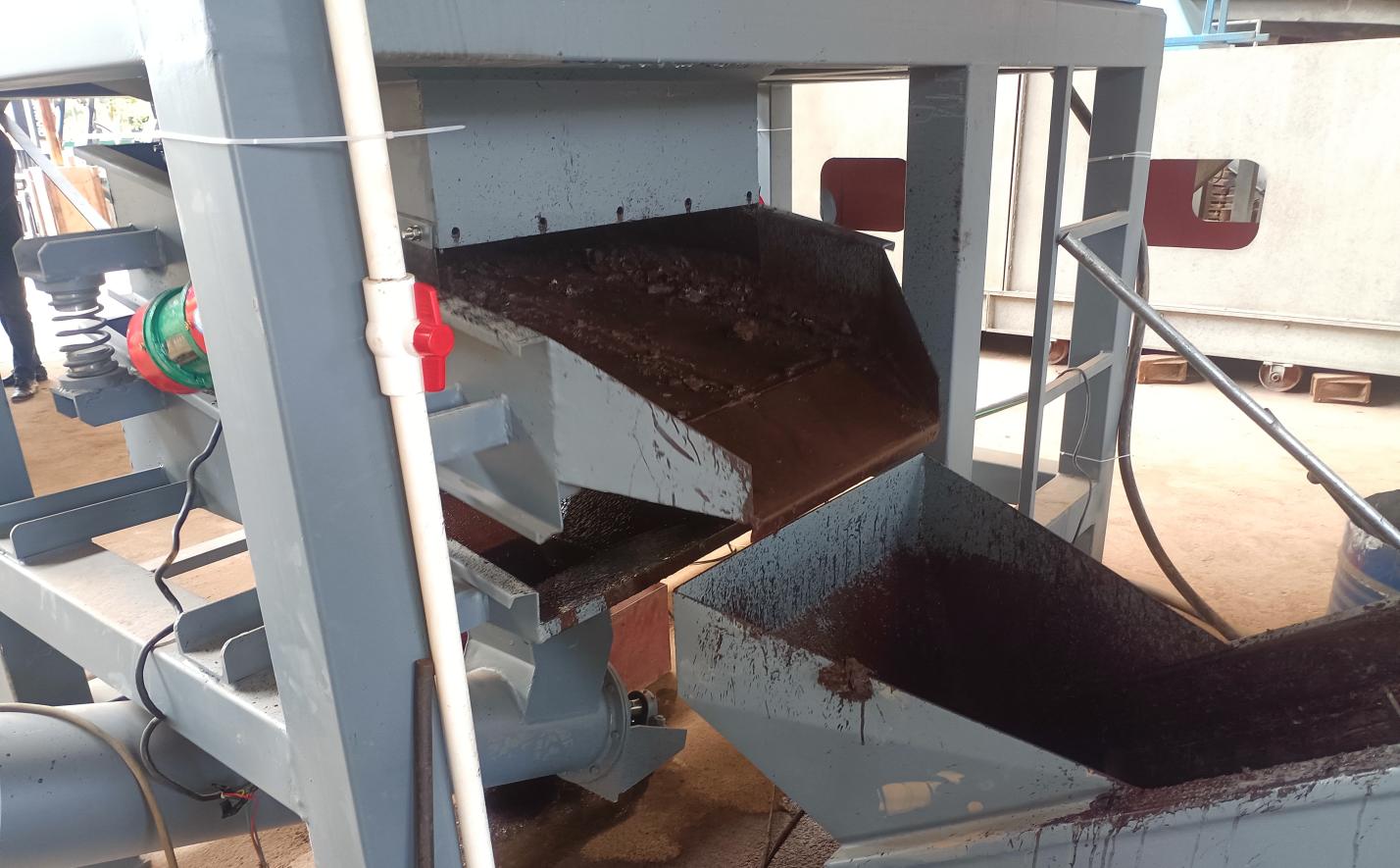
If you've spent any time in the lead acid battery recycling industry, you know the drill: the hum of machinery, the careful handling of scrap batteries, and the quiet satisfaction of turning waste into valuable resources. But there's a silent adversary that often flies under the radar, yet can bring operations to a grinding halt: corrosion in your lead paste desulfurization unit. For plant managers and operators, this isn't just a technical problem—it's a daily challenge that eats into profits, disrupts workflows, and puts safety at risk. Let's dive into why this happens, how it impacts your equipment, and most importantly, how to fix it.
Why Lead Paste Desulfurization Matters in Lead Acid Battery Recycling
First, let's get on the same page about what a lead paste desulfurization unit actually does. When you recycle a lead acid battery, the first step is breaking it down to separate plastic, lead grids, and lead paste. That paste? It's a thick, gooey mixture rich in lead oxide and sulfuric acid—great for batteries, but not so great for smelting. Desulfurization is the process that removes sulfur from the paste, turning it into a clean, smelt-ready material. Without it, your lead refinery furnace equipment downstream would struggle with impure feedstock, leading to lower yields and higher emissions.
But here's the catch: the desulfurization process is tough on equipment. Imagine mixing corrosive chemicals like sodium carbonate or calcium hydroxide with acidic lead paste, then agitating the mixture at high temperatures. It's a harsh environment where metal components are under constant attack. Over time, even the sturdiest reactors, pumps, and pipelines start to show signs of wear—and that's where corrosion creeps in.
The Hidden Cost of Corrosion: What You're Really Losing
Corrosion isn't just about a few rust spots on a pipe. It's a slow, insidious problem that adds up fast. Let's break down the real costs:
- Downtime: When a reactor leaks or an agitator shaft seized, production stops. For a mid-sized plant processing 500kg of lead paste per hour, even a 24-hour shutdown can mean losing 12 tons of output—translating to thousands in missed revenue.
- Repairs and Replacements: A corroded pump might cost $5,000 to fix; a damaged reactor lining could set you back $50,000 or more. Multiply that by frequent failures, and it's easy to see how this erodes your bottom line.
- Safety Risks: Leaking slurry isn't just messy—it's a hazard. Exposure to lead-laden fluids puts your team at risk of lead poisoning, while chemical spills can damage concrete floors and contaminate soil. And if corrosion compromises your air pollution control system equipment, you could be looking at regulatory fines for excess emissions.
- Quality Issues: Corroded metal flakes from reactor walls or agitators can mix into the desulfurized paste, reducing its purity. This means your lead refinery furnace has to work harder, and you might end up with lower-grade lead that fetches a lower price on the market.
Which Components Are Most at Risk?
Not all parts of your desulfurization unit are equally vulnerable. Let's zero in on the components that take the biggest beating:
1. Reactors and Agitators: The Heart of the Operation
The reactor is where the desulfurization reaction happens, and it's ground zero for corrosion. The acidic slurry, combined with constant agitation, attacks the inner walls, leading to pitting and thinning. Agitator shafts and blades are even worse off—they're not just exposed to chemicals, but also mechanical stress from stirring thick paste. Over time, shafts can develop cracks, and blades can wear down to half their original size.
2. Pumps and Pipelines: Moving Slurry, Losing Integrity
Once the desulfurized paste is ready, it's pumped to filter press equipment for dewatering. But the slurry is abrasive and chemically aggressive, especially if pH levels swing out of balance. Pumps with metal impellers often suffer from erosion-corrosion, where the combination of fluid flow and chemical attack eats away at the metal. Pipelines, too, develop thin spots at bends and joints, leading to leaks that are tough to detect until they're already causing damage.
3. Filter Press Equipment: The Last Line of Defense
Your filter press is responsible for separating the solid lead carbonate (the "good stuff") from the liquid sulfate solution. The plates and frames in these presses are often made of metal or polypropylene, but even plastic can degrade over time if exposed to high temperatures or unbalanced pH. Corroded plates mean poor sealing, leading to slurry bypass and messy, inefficient filtration.
Why Does Corrosion Happen? The Root Causes
To fix corrosion, you need to understand what's causing it. Let's debunk the myth that "it's just part of the job"—corrosion is often preventable, and it starts with these common culprits:
Acidic and Alkaline Extremes
Desulfurization relies on chemical reactions that swing between low and high pH. One minute, your reactor might be acidic (pH 2-3) as sulfuric acid reacts; the next, alkaline (pH 10-11) as you add neutralizing agents. This back-and-forth is brutal on metal, breaking down protective oxide layers and accelerating rust.
Abrasive Slurry
Lead paste isn't just corrosive—it's gritty. Tiny particles of lead oxide and sulfate act like sandpaper, wearing away at surfaces and exposing fresh metal to chemical attack. This is especially true in agitators and pumps, where high-speed movement amplifies the abrasion.
Poor Material Selection
Many plants still use carbon steel or standard stainless steel (like 304) in desulfurization units, assuming it's "strong enough." But in acidic environments, these materials are outmatched. Carbon steel rusts quickly, while 304 stainless steel can develop pitting in chloride-rich solutions—common in lead paste processing.
Neglected Maintenance
Let's be honest: with so much to manage, maintenance can fall through the cracks. Skipping regular inspections, letting slurry sit in pipelines overnight, or ignoring small leaks—these habits give corrosion a foothold. By the time you notice a problem, it's often too late for a quick fix.
Fighting Back: Solutions That Actually Work
The good news? You don't have to accept corrosion as a fact of life. With the right materials, design tweaks, and maintenance habits, you can extend equipment life, reduce downtime, and protect your bottom line. Let's break down the strategies that work:
1. Upgrade to Corrosion-Resistant Materials
The single most effective way to stop corrosion is to use materials that can stand up to the environment. Here's a breakdown of the best options for key components (see Table 1 for a quick comparison):
| Component | Common Material (Problematic) | Corrosion-Resistant Alternative | Benefits |
|---|---|---|---|
| Reactor Linings | Carbon Steel | Hastelloy C276 or Ceramic Tile | Withstands pH extremes; resistant to pitting and abrasion |
| Agitator Shafts | 304 Stainless Steel | 316L Stainless Steel or Titanium | Better chloride resistance; stronger under mechanical stress |
| Pump Impellers | Cast Iron | High-Chrome Cast Iron or Polyurethane | Resists erosion from abrasive slurry; longer service life |
| Filter Press Plates | Metal or Standard Polypropylene | Glass-Filled Polypropylene or PVDF | Withstands higher temps and chemical exposure; better sealing |
Table 1: Corrosion-Resistant Material Upgrades for Key Desulfurization Components
2. Optimize Process Design to Reduce Stress
Sometimes, the problem isn't the material—it's the design. Simple changes can make a big difference: for example, adding baffles to reactors to reduce turbulence (and thus abrasion), or installing pipeline bends with thicker walls to prevent thinning. Even something as small as sloping pipelines to drain completely overnight can stop stagnant slurry from eating away at metal.
3. Proactive Maintenance: Catch It Before It Fails
You wouldn't wait for your car's engine to seize before changing the oil—so why treat your desulfurization unit differently? Regular inspections are key. Here's a quick checklist to implement:
- Daily: Check pH levels in the reactor and adjust chemicals to keep it stable (aim for pH 8-9 during reaction).
- Weekly: Inspect agitator shafts for cracks, pump seals for leaks, and filter press plates for pitting.
- Monthly: Use ultrasonic thickness testing on pipelines and reactor walls to spot thinning before it leads to leaks.
- Quarterly: Apply protective coatings (like epoxy or ceramic sprays) to high-wear areas, and replace gaskets on filter press equipment.
4. Control the Environment: Air Pollution and Beyond
Corrosion doesn't just come from the inside. The air around your desulfurization unit can be loaded with acidic fumes, especially if your air pollution control system equipment isn't up to par. A well-designed scrubber or mist collector can reduce airborne sulfuric acid, protecting not just your workers but also the exterior of your equipment. Think of it as a shield for your machinery.
Case Study: How One Plant Cut Corrosion Costs by 70%
Let's look at a real-world example. A lead acid battery recycling plant in the Southeast was struggling with monthly shutdowns due to reactor leaks and pump failures. Their maintenance team was spending 20+ hours a week on repairs, and replacement parts were costing $80,000 a year. After an audit, they implemented three changes:
- Upgraded their reactor lining from carbon steel to ceramic tile.
- Switched agitator shafts to 316L stainless steel and added protective sleeves.
- Installed a pH monitoring system with alerts for sudden swings.
The results? In six months, they saw zero reactor leaks, pump life doubled, and maintenance hours dropped to 5 hours a week. Total savings? Over $50,000 in the first year alone. And perhaps most importantly, their team finally felt like they were in control—not fighting a losing battle against corrosion.
Looking Ahead: Innovations in Corrosion Prevention
The fight against corrosion isn't standing still. Manufacturers are developing new materials and technologies to make desulfurization units more durable. For example, nano composite ceramic ball equipment is being used to create self-healing coatings that repair small scratches before they turn into corrosion spots. Smart sensors that monitor corrosion in real-time (using techniques like electrochemical impedance spectroscopy) are also on the rise, giving operators early warnings before failures occur.
Another trend? Modular design. Instead of replacing an entire reactor when a section corrodes, plants are using bolt-on, corrosion-resistant modules that can be swapped out in hours, not days. This not only reduces downtime but also lowers replacement costs—no more buying a whole new agitator when just the blade is worn.
Final Thoughts: Corrosion Management as a Competitive Advantage
At the end of the day, solving corrosion in your lead paste desulfurization unit isn't just about fixing equipment—it's about building a more efficient, profitable, and sustainable operation. When your machinery runs smoothly, you process more material, reduce waste, and keep your team safe. And in an industry where margins are tight and regulations are getting stricter, that's a competitive edge.
So, what's your first step? Start with a corrosion audit. Walk through your desulfurization unit, note where you've had failures in the past, and check the materials of your key components. Talk to your team—they're the ones on the ground noticing the small leaks or strange noises that could signal a problem. Then, invest in the upgrades that make sense for your plant, whether it's a new ceramic-lined reactor, better pH controls, or a smarter maintenance schedule.
Corrosion might be a silent enemy, but it's not an unbeatable one. With the right strategies, you can turn this daily headache into a strength—ensuring your lead acid battery recycling equipment runs stronger, longer, and more profitably than ever before.