Space Electronic Waste: Extreme Environment Adaptation of PCB Recycling Machine Technology
Picture this: A satellite drifts silently through the icy vacuum of space, its circuits fried by cosmic radiation after decades of service. Down in mission control, engineers face an uncomfortable truth - our celestial ambitions have a hidden cost. Printed Circuit Boards from retired spacecraft now litter orbital pathways, carrying precious metals and toxic components that could contaminate extraterrestrial environments. This isn't just sci-fi anymore; it's our reality as humanity extends its reach beyond Earth.
The conventional machines that recycle electronics on Earth would gasp like fish out of water in the extreme conditions of space. Imagine a standard shredder trying to process circuit boards in sub-zero vacuum where metals become brittle and liquids boil away. Or consider a thermal processing unit facing massive temperature swings from -270°C in shadow to 120°C in direct sunlight. Space doesn't just change the game - it rewrites the entire rulebook.
The Growing Problem of Space E-Waste
Over 9,000 tons of human-made objects currently orbit our planet - everything from spent rocket stages to screwdrivers accidentally released during spacewalks. But the most problematic waste comes from Printed Circuit Boards in defunct satellites. Each PCB contains valuable metals like gold and palladium, but also hazardous brominated flame retardants that could leach into extraterrestrial environments during degradation. Recent ESA data reveals an alarming trend: space debris increased by 5% last year alone, with electronics accounting for over 40% of non-functional payload mass.
Why should we care about recycling in orbit? The economics are startling: Extracting just one kilogram of gold from asteroids costs approximately $800,000 with current technology. Meanwhile, recycling that same amount from space debris in Low Earth Orbit might cost 30% less while simultaneously cleaning our orbital highways. There's also the planetary protection angle - we have an ethical responsibility to prevent contaminating celestial bodies with hazardous substances as we expand our presence in the solar system.
The Unique Challenges of Space-Based Recycling
Operating in space introduces problems unheard of in terrestrial recycling:
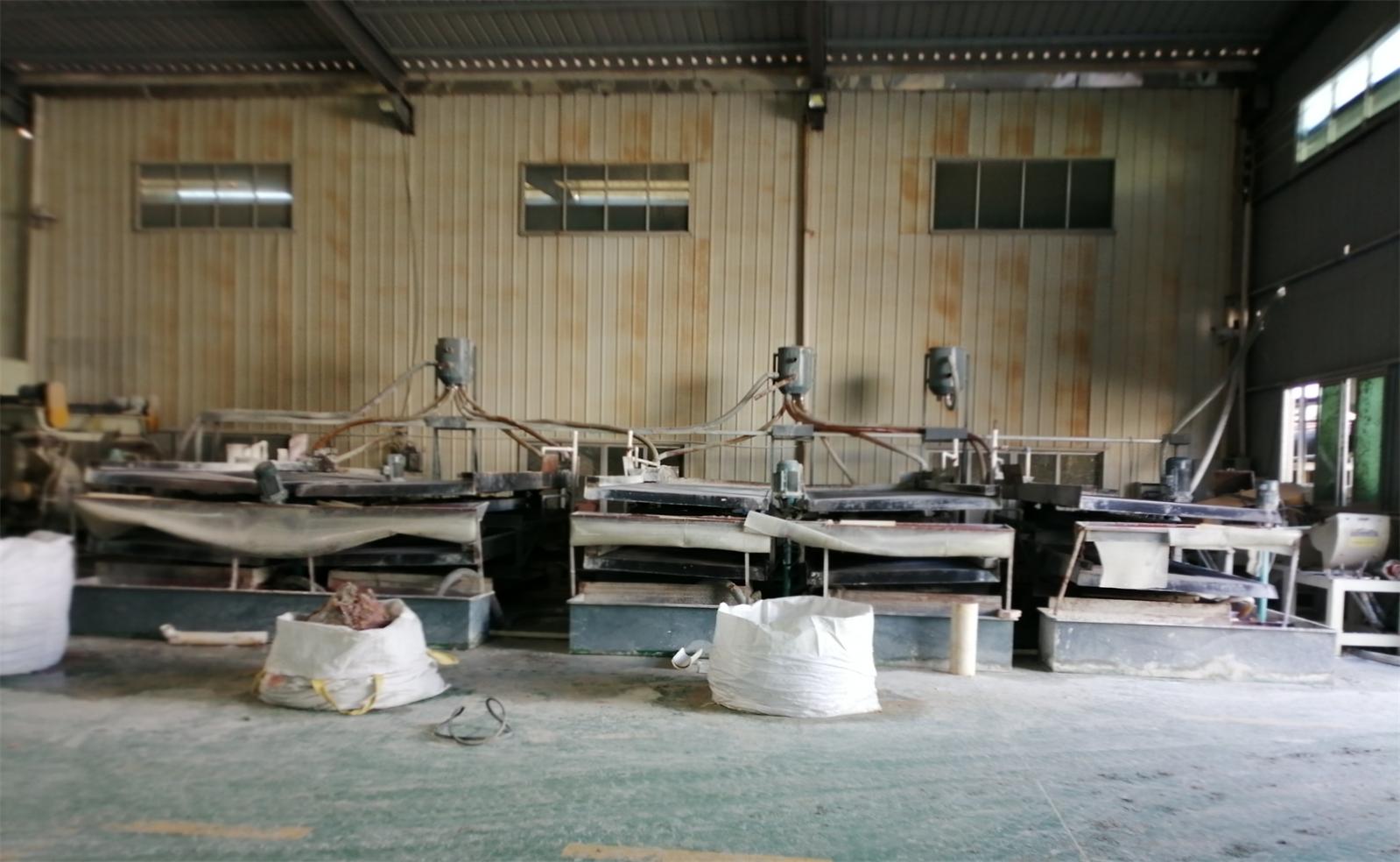
- Microgravity: Without gravity, traditional separation methods fail. A standard vibration table used in PCB separation would send components drifting uncontrollably.
- Vacuum Conditions: Thermal processes behave unpredictably when liquids can't exist.
- Radiation: Cosmic rays degrade electronics and alter material properties.
- Temperature Extremes: Materials contract/expand dramatically causing stress fractures.
- Resource Limitations: Astronaut time and power are extremely limited.
Ground-Based Innovations: Learning from Terrestrial PCB Recycling
Recent breakthroughs in Earth-based PCB recycling provide crucial insights for space adaptation. The Hunan WanRong Technology approach combines thermal processing (265°C) with mechanical agitation, achieving 94% component detachment efficiency. Meanwhile, Shanghai Polytechnic University's multi-stage heating system minimizes thermal stress damage during desoldering - a technique directly transferable to space applications where temperature gradients pose severe challenges.
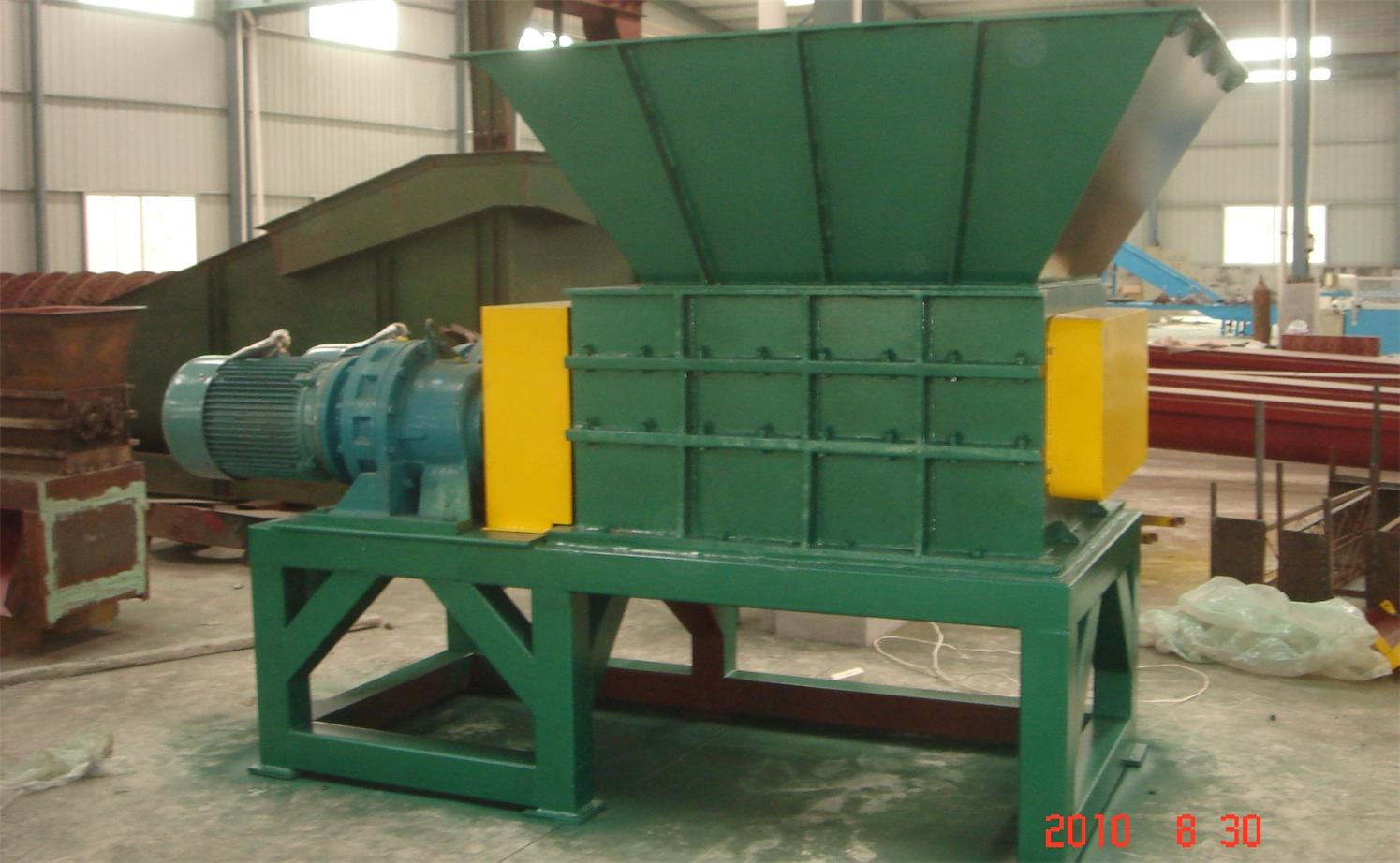
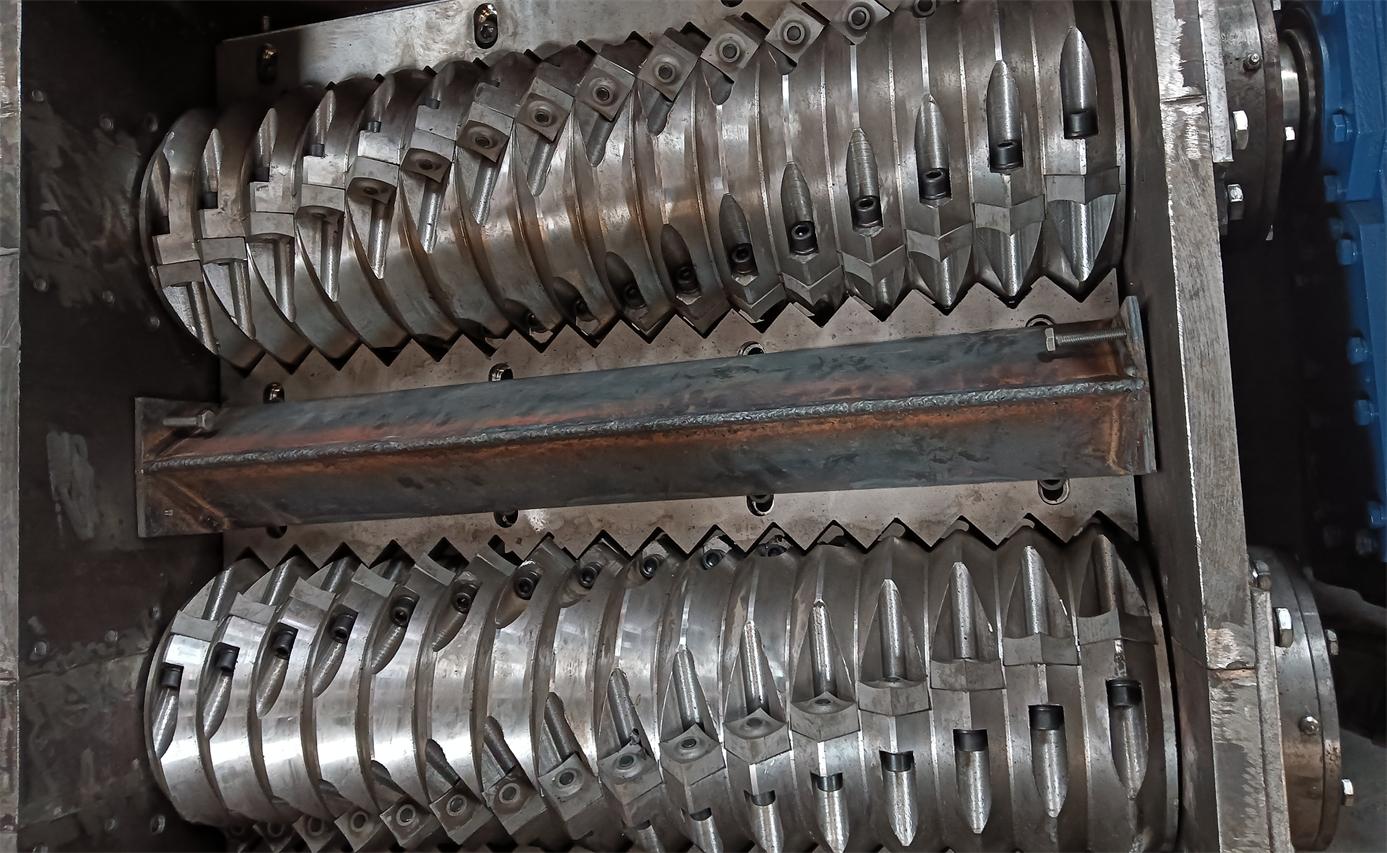
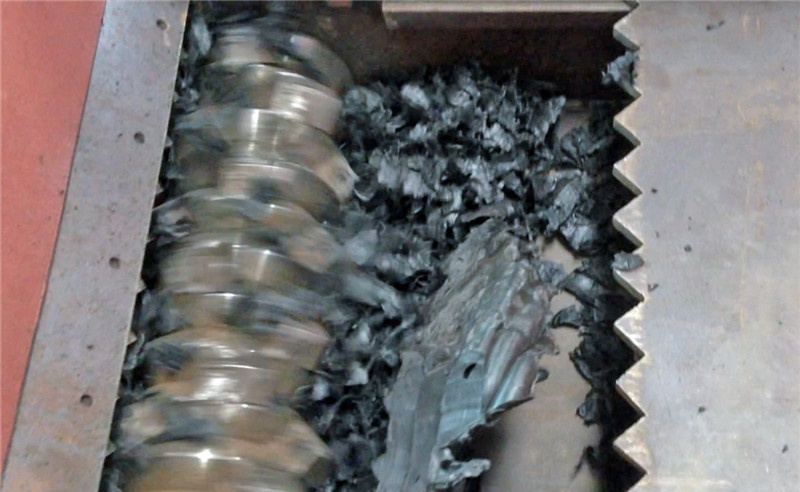
Two innovations stand out for space adaptation potential. Cross-Flow Shredders use flexible chains instead of rigid blades to disassemble PCBs, producing less problematic debris than traditional shredders. Similarly, acoustic resonance separation techniques could manipulate components in microgravity without physical contact - imagine ultrasound frequencies gently separating IC chips from circuit boards as they float freely in a containment chamber.
Adapting Conventional Recycling Methods for Extreme Environments
| Earth Method | Space Adaptation | Advantages |
|---|---|---|
| Thermal Desoldering (250-300°C) | Focused Infrared Beams + Magnetic Fixturing | Precision heating; Avoids convection problems in vacuum |
| Mechanical Separation (Shredding) | Tensile Fracture via Cryogenic Cooling | Energy-efficient; Minimal debris generation |
| Chemical Leaching (Acid Baths) | Ionic Liquid Spot Treatment (In-Situ Application) | Zero liquid spillage; Recyclable solvents |
Radiation-Hardened Recycling: Surviving the Cosmic Onslaught
Space radiation poses unique degradation challenges. Gamma rays alter polymer structures in PCB substrates making them brittle, while cosmic particle impacts can induce shorts in active components. Conventional e-waste robots would suffer single-event upsets within months in unshielded environments. The solution lies in three-pronged hardening: radiation-shielded microprocessors (boron-doped enclosures), mechanical designs with triple redundancy in all critical systems, and self-healing polymers for seals and gaskets.
NASA's recent experiments with vanadium alloys in radiation environments show promise. These materials maintain structural integrity while effectively scattering high-energy particles. Early testing revealed they could extend operational lifetimes in Jupiter's radiation belts from months to years, making them perfect candidates for critical recycling machinery components.
The Microgravity Conundrum: Reinventing Separation Technology
Terrestrial recycling relies heavily on gravity-based separation - from simple manual sorting to complex centrifugal force systems. In weightlessness, we must turn to more exotic methods. Electrostatic separation shows particular promise; tests aboard the International Space Station demonstrated that applying 15kV charge differentials could effectively separate metal fragments from polymer substrates. The ESA-funded ELIPS program recently achieved 89% separation efficiency using this method in microgravity - matching terrestrial performance of conventional processes.
Perhaps the most elegant solution emerged from an unexpected application: acoustic levitation. By carefully tuning standing ultrasonic waves, researchers at MIT managed to separate copper traces from fiberglass substrates purely through acoustic pressure differentials. Since sound travels differently in vacuum chambers, this requires modified frequencies but offers contactless manipulation perfect for delicate operations in orbital facilities.
Energy and Resource Constraints: The Space Recycler's Dilemma
Every joule counts in space operations. Conventional PCB recycling processes on Earth typically consume 3-5 kW per kilogram processed - equivalent to running three microwave ovens continuously. That's unsustainable when solar panels might generate only 1-2 kW total for an entire space station module. The breakthrough comes from leveraging the space environment itself: using exposure to vacuum for degassing epoxy resins, harnessing thermal cycling for material fatigue separation, and utilizing deep-space cold for cryogenic embrittlement processing.
The Closed-Loop Resource Recovery System concept currently undergoing testing at the Jet Propulsion Laboratory exemplifies this approach. It integrates PCB recycling with oxygen generation and water reclamation systems, sharing thermal management infrastructure to minimize energy waste. Early results suggest 70% energy savings compared to running discrete systems, making orbital electronics recycling finally feasible.
Human Factor: Astronauts as Recycling Technicians
Though we envision autonomous systems, humans remain essential decision-makers. Training astronauts for electronics disassembly requires specialized techniques; bulky gloves in spacesuits reduce manual dexterity by 60%, while limited visibility through helmets complicates intricate operations. NASA's recent "electronic autopsy" training modules use augmented reality overlays to highlight solder joints and hidden fasteners, reducing disassembly errors by 45% during trials with crew members.
Cognitive Load Management Protocol
Developed for Lunar Gateway operations, this framework helps allocate tasks optimally:
- Robotics: Heavy mechanical operations (crushing, bulk transport)
- AI Systems: Component identification and routing decisions
- Astronauts: Exception handling and quality control
Case Study: Recycling Mars Rover Components On-Site
NASA's planned Perseverance successor mission includes an audacious technology demonstration: reprocessing the rover's own end-of-life electronics into replacement parts using Martian resources. This requires solving multiple challenges:
First, the system must operate autonomously in dust storms and extreme temperature variations. Second, it must function with limited water availability. Third, waste heat must be managed without liquid cooling. The proposed solution combines dry processing techniques borrowed from terrestrial mining operations with innovative radiative heat dissipation panels recently tested in Death Valley simulations.
The Road Ahead: Next-Generation Technologies
Looking beyond current capabilities, several emerging technologies promise revolutionary advancements. Nanoscale disassembly using engineered enzymes could someday deconstruct electronics at molecular levels without generating debris - currently in early experimentation by ESA's Advanced Concepts team. Phase-change materials in robotic joints could provide stiffness when needed for operations while maintaining flexibility during transport to prevent mechanical fatigue.
The most intriguing prospect might be directed microbial bio-recycling . Genetically engineered bacteria developed at Stanford show promise in selectively extracting precious metals from PCB slurry. In space applications, these microbes could be cultivated using waste CO2 and water, creating a self-sustaining recycling ecosystem that actually grows more processing capacity over time.
Final Thoughts: An Ethical and Practical Imperative
As we stand on the brink of interplanetary civilization, we have a profound responsibility to extend our sustainable practices beyond Earth. Orbital recycling isn't just about recovering valuable materials; it's about demonstrating technological maturity. If we can close resource loops 400 kilometers above our heads, in conditions utterly hostile to life and machinery, we prove humanity's readiness to expand into the cosmos responsibly.
The breakthroughs emerging from this challenge - radiation-resistant materials, zero-gravity manipulation techniques, energy-efficient thermal processes - are already finding applications back on Earth. Portable PCB recycling units inspired by space designs now process electronic waste in disaster zones where infrastructure has collapsed. Radiation-hardened components are extending the operational life of nuclear recycling facilities. In striving to solve the cosmic problem of space e-waste, we're developing tools that will make our terrestrial recycling cleaner, safer, and more efficient.