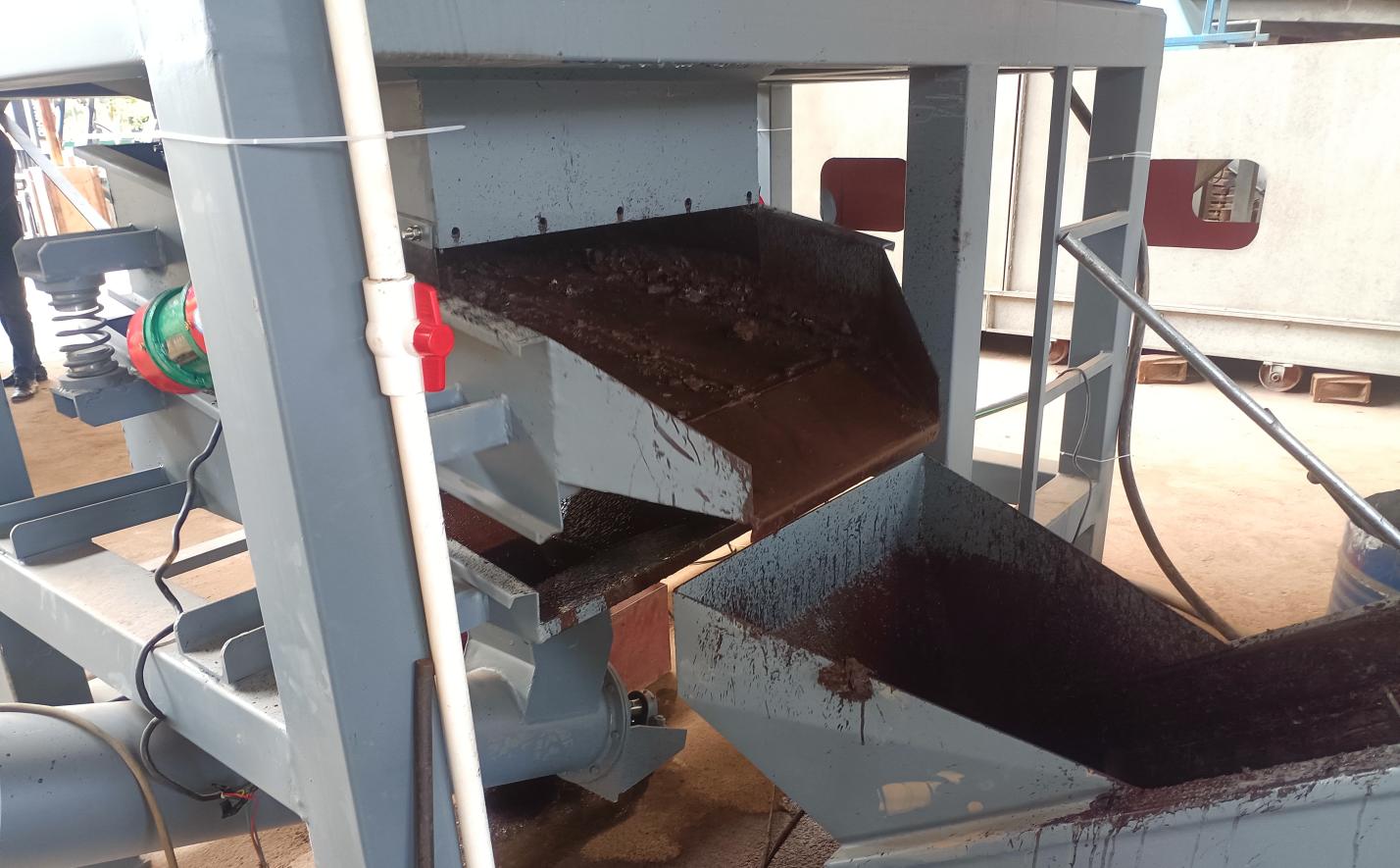
In the quiet hum of communities, there's an unsung hero working tirelessly behind the scenes: wastewater treatment plants. These facilities don't just process water—they protect public health, safeguard ecosystems, and ensure the rivers we fish in, the lakes we swim in, and the groundwater we drink remain clean. But like any hardworking system, they rely on more than just cutting-edge technology; they depend on the little things: the spare parts that keep the gears turning, the pumps pumping, and the filters filtering. Imagine a symphony where every instrument must play in harmony—if even one violin string snaps, the whole piece falters. For wastewater treatment plants, spare parts are those critical "strings," and overlooking them isn't just a maintenance oversight—it's a risk to the communities they serve.
Why Spare Parts Matter: The Backbone of Reliability
Wastewater treatment is a complex dance of mechanical, chemical, and biological processes. From screening out debris to aerating bacteria that break down contaminants, every step relies on equipment performing at its best. But equipment wears out. Seals crack. Filters clog. Valves stick. When these small failures happen, they can snowball into big problems: untreated effluent discharged into waterways, regulatory fines, or even plant shutdowns that leave communities vulnerable. The cost of downtime isn't just financial—it's the trust of residents who depend on clean water, and the integrity of local ecosystems that can't afford delays. That's why spare parts aren't just "extras"—they're insurance. They turn potential crises into minor inconveniences, ensuring that when a component fails, there's a replacement ready to step in.
Key Spare Parts for Wastewater Treatment Plants: The Essentials
Not all spare parts are created equal. Some are critical to daily operations, while others can be sourced on short notice. Below, we'll dive into the unsung stars of wastewater treatment maintenance—components that keep systems efficient, compliant, and reliable.
1. Filter Press Equipment: The Sludge Separator's Lifeline
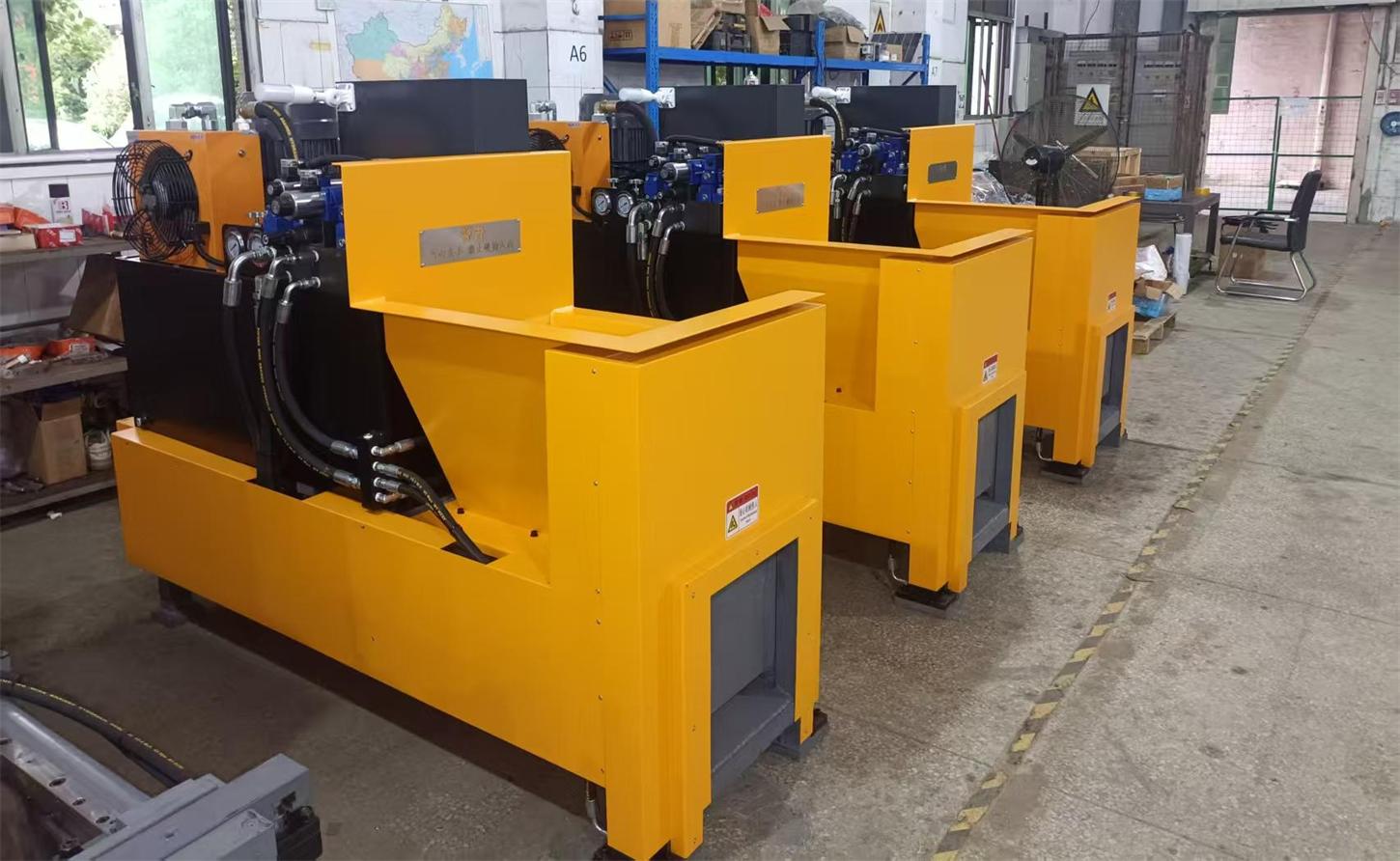
If you've ever wondered how wastewater plants turn thick, messy sludge into manageable solids, look no further than filter press equipment . These workhorses use hydraulic pressure to squeeze water out of sludge, leaving behind dry cake that can be safely disposed of or repurposed. But the real MVPs here? The filter cloths. These porous fabrics line the press plates, trapping solids while letting water pass through. Over time, they get clogged with particles, torn by sharp debris, or degraded by chemicals in the sludge. Without fresh filter cloths, a filter press can't separate solids efficiently—leading to wetter sludge, higher disposal costs, and longer processing times. Spare filter cloths are non-negotiable; they're the difference between a press running at 90% efficiency and one that's barely limping along.
Other must-have spares for filter presses include plate gaskets (to prevent leaks between plates), hydraulic hoses (vulnerable to pressure wear), and valve seals (to control flow). Even a small leak from a worn gasket can waste water, reduce pressure, and create slippery, unsafe conditions for plant workers.
2. Water Process Equipment: Keeping the Flow Going
From pumps that move raw wastewater into the plant to valves that regulate flow through treatment stages, water process equipment is the circulatory system of any treatment facility. Without steady water flow, biological reactors can't aerate properly, clarifiers can't settle solids, and disinfection systems can't treat water effectively. The most common culprits for flow disruptions? Worn-out pump seals and valve seats.
Pump seals are small but mighty. They prevent water from leaking out of the pump housing, protecting motors from water damage and keeping workspaces dry. When a seal fails, pumps lose efficiency, overheat, or even seize up. Similarly, valve seats—the rubber or plastic rings that seal valves shut—wear down from constant friction, leading to leaks or valves that won't fully close. Spare seals, gaskets, and valve seats should be in every plant's inventory. Think of them as the "band-aids" that keep the circulatory system from bleeding out.
3. Effluent Treatment Machine Equipment: Meeting the Final Quality Check
After wastewater goes through primary and secondary treatment, it's time for the final polish: effluent treatment. This stage ensures water meets strict regulatory standards before being released back into the environment, often using clarifiers, sand filters, or UV disinfection systems. For these systems, one spare part stands out: diffusers. Found in aeration tanks, diffusers release tiny air bubbles that feed beneficial bacteria, which break down organic matter. Over time, they get clogged with biofilm or mineral deposits, reducing oxygen transfer and slowing down bacteria growth. Spare diffusers (or replacement membranes for fine-bubble diffusers) keep aeration efficient, ensuring bacteria stay active and effluent stays clean.
For sand filters, spare filter media (like sand or activated carbon) is also critical. As water passes through, media traps fine particles, but over time, it gets saturated. Having extra media on hand means quick backwashing and faster return to service—no waiting for supplier deliveries while effluent quality dips.
4. Air Pollution Control System Equipment: Beyond Water—Protecting Air Quality
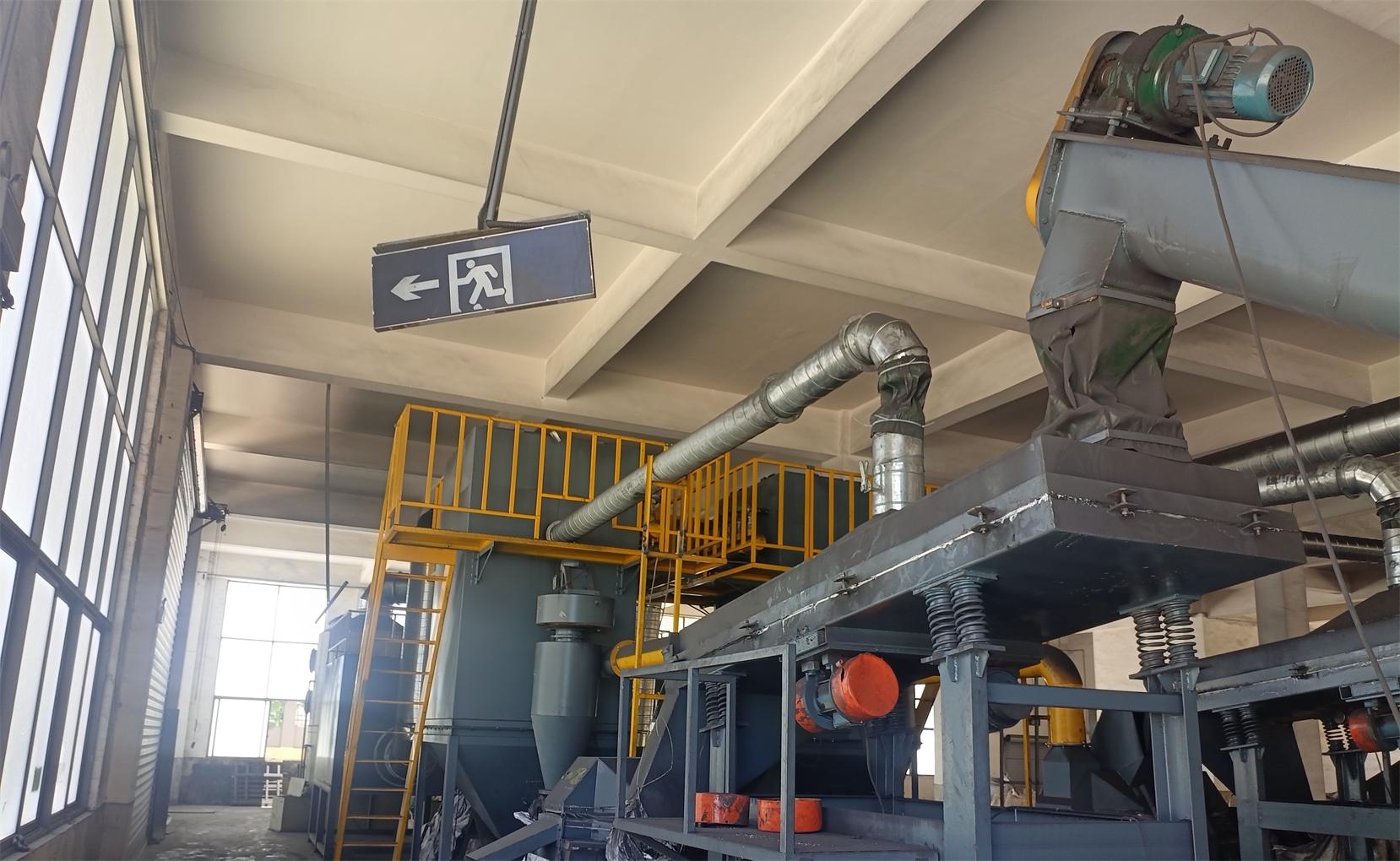
Wastewater treatment isn't just about water—it's about air, too. Aeration tanks, sludge drying beds, and chemical storage areas can release odors or volatile organic compounds (VOCs) that affect nearby communities. That's where air pollution control system equipment comes in, using scrubbers, biofilters, or activated carbon units to neutralize or capture emissions. For these systems, spare parts like scrubber nozzles and biofilter media are essential. Scrubber nozzles spray water or chemicals to dissolve pollutants; if they clog or wear out, emissions slip through. Biofilter media (like wood chips or peat) hosts bacteria that break down odors—over time, it decomposes and needs replacement. Without spares, odors can become a public nuisance, straining community relations and risking regulatory penalties.
The Cost of Cutting Corners: What Happens When Spares Are Overlooked
It's tempting to skip stocking "non-urgent" spares to save money, but the cost of that decision can be staggering. Take the example of a mid-sized plant in the Midwest that delayed replacing filter press cloths to stay under budget. Within months, the old cloths became so clogged that sludge dewatering time doubled. The plant fell behind on processing, and when a heavy rainstorm hit, they couldn't keep up with inflow. Untreated effluent had to be diverted to a local river—resulting in a $250,000 fine, negative press, and a months-long cleanup effort. The cost of a few replacement cloths? Less than $5,000. It's a stark reminder: spare parts are an investment, not an expense.
Another common scenario: a pump seal fails, and the plant has no spare. Without a replacement, the pump shuts down, disrupting flow to aeration tanks. Bacteria die off from lack of oxygen, and when the pump is finally repaired, the plant has to restart the biological process from scratch—a delay of 2–4 weeks. During that time, effluent quality suffers, and the plant risks violating discharge permits. The lesson? When it comes to spares, "just in case" is always better than "oops, too late."
Maintenance Best Practices: Keeping Spares Ready When You Need Them
Having spares on hand is half the battle—keeping them in good condition is the other half. Here's how to make the most of your spare parts inventory:
- Inventory Smartly: Focus on "critical" spares—components that cause downtime if they fail (e.g., filter cloths, pump seals). Use a digital inventory system to track usage, reorder when stock runs low, and note expiration dates (some parts, like rubber seals, degrade over time).
- Store Properly: Keep spares in a clean, dry, temperature-controlled area. Label them clearly, and avoid stacking heavy items on delicate parts like filter cloths or gaskets. For example, storing hydraulic hoses bent or kinked can weaken them, making them prone to failure when installed.
- Partner with Reliable Suppliers: Not all spare parts are created equal. Work with suppliers who specialize in wastewater equipment—they'll understand the unique demands of your systems and provide high-quality, compatible parts. A good supplier can also help you identify which spares are most critical for your plant's specific setup.
- Train Your Team: Ensure maintenance staff know how to inspect, install, and test spare parts. A well-trained team can spot early signs of wear (e.g., frayed filter cloths, cracked gaskets) and replace parts before they fail, reducing downtime even further.
| Spare Part | Equipment It Supports | Common Wear Points | Maintenance Tip |
|---|---|---|---|
| Filter Cloths | Filter Press Equipment | Clogging, tearing, chemical degradation | Inspect weekly for holes; clean with low-pressure water after use. |
| Pump Seals | Water Process Equipment (Pumps) | Hardening, cracking, leakage | Check for leaks monthly; replace every 6–12 months (or as per manufacturer specs). |
| Scrubber Nozzles | Air Pollution Control System Equipment | Clogging, erosion from high-pressure flow | Soak in vinegar or descaling solution quarterly to prevent mineral buildup. |
| Diffusers | Effluent Treatment Machine Equipment (Aeration Tanks) | Clogging with biofilm, physical damage | Backwash aeration systems weekly to remove buildup; replace membranes every 2–3 years. |
Final Thoughts: Spares as an Investment in Community Trust
At the end of the day, wastewater treatment plants are more than just facilities—they're a promise to communities. A promise that their water will be clean, their rivers will be safe, and their health will be protected. Spare parts are how we keep that promise. They're the quiet assurance that when equipment fails, the plant doesn't. They're the reason plant operators can sleep at night, knowing they're prepared for the unexpected.
So, to the plant managers, maintenance technicians, and procurement teams reading this: stock those filter cloths. Store those pump seals. Inspect that air pollution control system's nozzles. Your community is counting on you—and with the right spares, you'll never let them down.