1. Understanding Your Needs and Local Regulations
Before diving into the world of importing equipment, take a step back and clarify your goals. Are you setting up a new recycling plant, or expanding an existing one? The answers will shape everything from the equipment capacity you need to the regulations you must follow. Let's start with the basics: lead-acid battery recycling is a highly regulated industry, and for good reason. These batteries contain toxic materials like lead and sulfuric acid, so compliance with local environmental and safety laws isn't just a formality—it's critical for your business's long-term success.
First, research the specific regulations in your country or region. For example, the EU's REACH and RoHS directives set strict limits on hazardous substances, while the U.S. EPA has guidelines for lead emissions and wastewater discharge. You'll also need to check if there are any import restrictions or certifications required for industrial equipment. This might include safety standards (like CE marking for the EU) or environmental permits for handling waste materials.
Next, define your equipment needs. How much lead-acid battery waste do you plan to process daily? A small-scale operation might handle 500 kg/hour, while a larger plant could target 2000 kg/hour or more. This capacity will directly influence the size and power of the lead acid battery breaking and separation system you choose. You'll also need to consider space constraints: some equipment, like shredders or furnaces, requires significant floor area and ventilation. Don't forget auxiliary systems, either—things like conveyors for moving materials or storage for processed lead paste.
Pro Tip: Reach out to local environmental agencies or industry associations early. They can provide checklists of required permits and help you avoid costly delays later. For example, some regions mandate pre-approval of your pollution control systems before equipment installation.
2. Researching Reputable Suppliers
China is home to hundreds of recycling equipment suppliers, but not all are created equal. Your goal here is to find a partner who doesn't just sell machines—they understand your industry and can support your success. Start by narrowing your search to suppliers specializing in lead-acid battery recycling. A quick online search will yield results, but don't stop at the first page. Look for companies with detailed websites, case studies, and clear product descriptions—these are signs of professionalism.
Trade platforms like Alibaba or Made-in-China can be useful, but treat them as starting points. Many suppliers on these sites are middlemen, not manufacturers. To avoid this, filter for "Gold Suppliers" or "Verified Manufacturers" (check for badges indicating factory audits by third parties like SGS). Better yet, ask for direct contact with the factory sales team—you'll want to speak to someone who knows the equipment inside out.
Once you have a shortlist of 3-5 suppliers, dig deeper. Request references from clients in your region or industry. A reputable supplier will happily share contact information for past customers. You can also check online reviews on forums like Reddit's r/recycling or industry LinkedIn groups. Pay attention to complaints about after-sales service—equipment breakdowns are inevitable, and you'll want a supplier who responds quickly.
If budget allows, consider visiting the factory in person. A trip to China might seem expensive, but seeing the production line, meeting the team, and testing equipment firsthand can save you from investing in subpar machinery. If travel isn't feasible, ask for a virtual factory tour via video call. Watch for red flags: disorganized workshops, outdated equipment, or evasive answers about production processes.
3. Evaluating Equipment Specifications and Compliance
Now that you've identified potential suppliers, it's time to get technical. The lead acid battery breaking and separation system is the heart of your operation, but it's just one piece of the puzzle. A complete recycling line includes several components, each with its own specs to verify. Let's break down the key equipment and what to look for:
| Equipment Component | Key Function | Specs to Verify | Compliance Considerations |
|---|---|---|---|
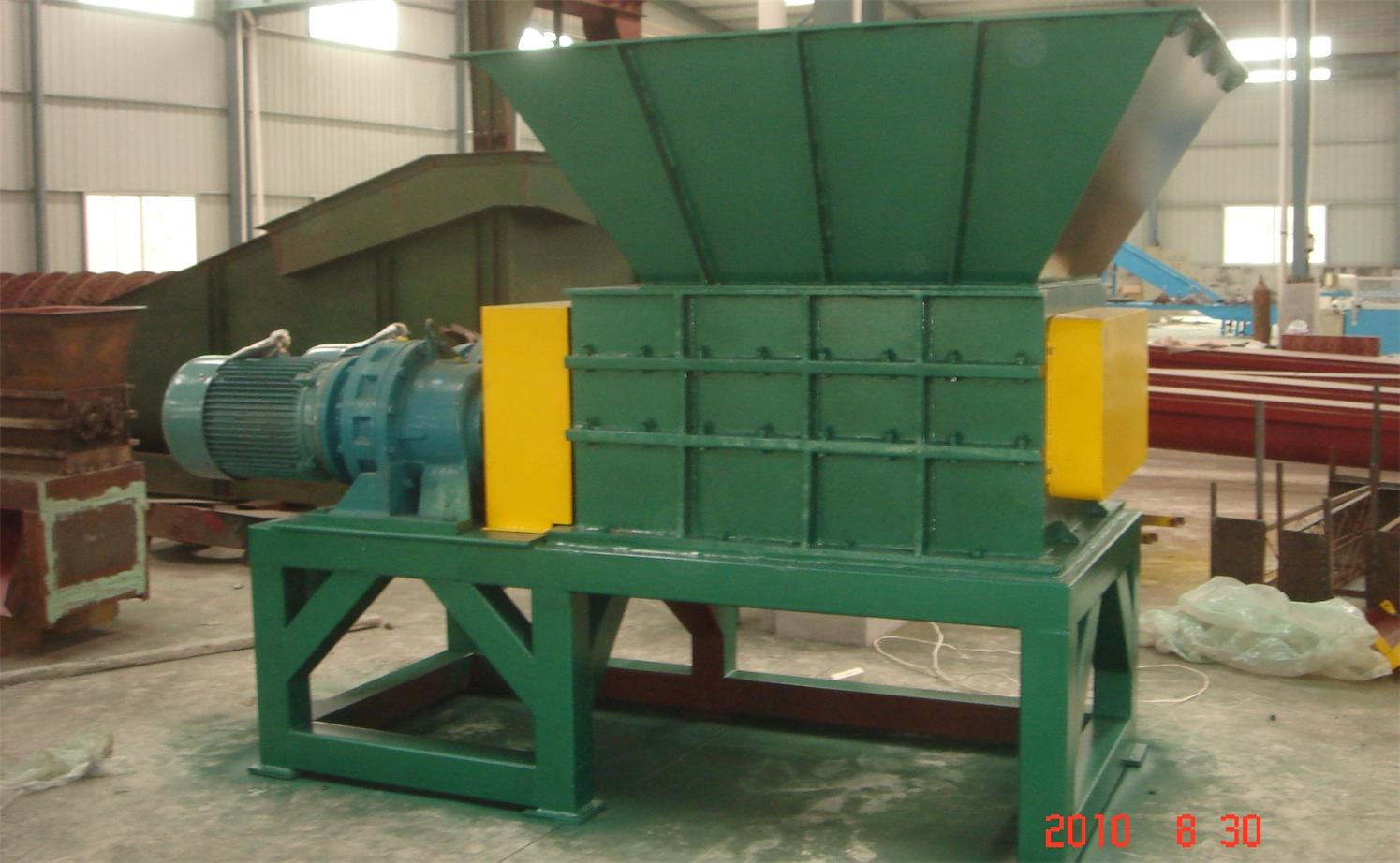
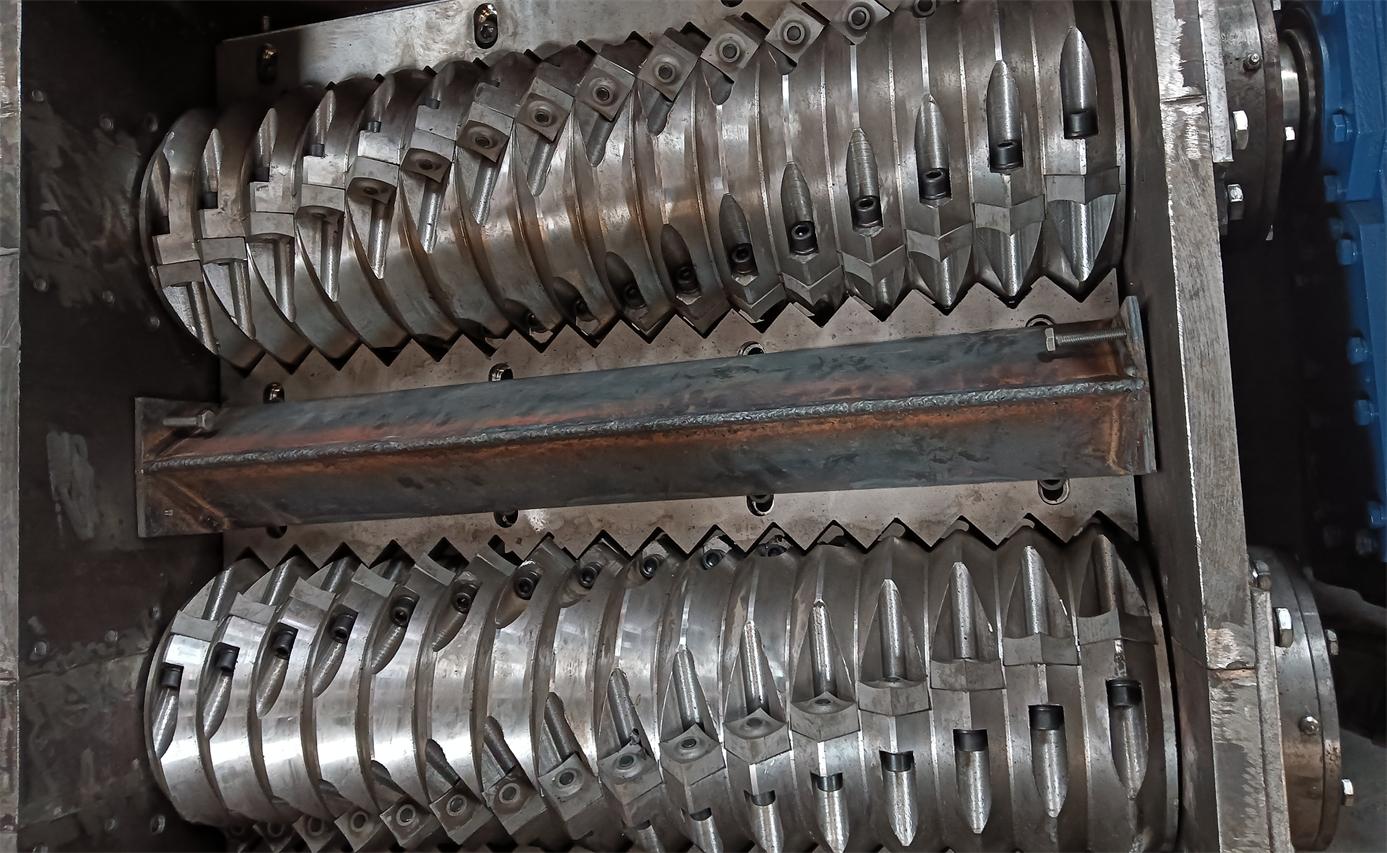
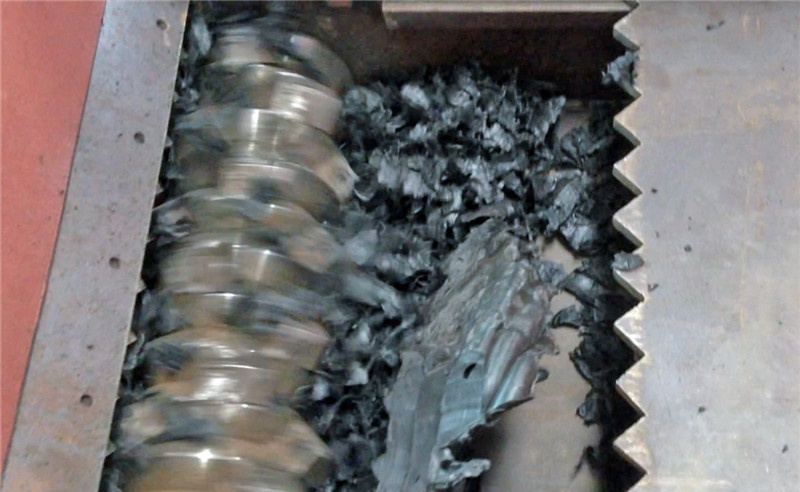
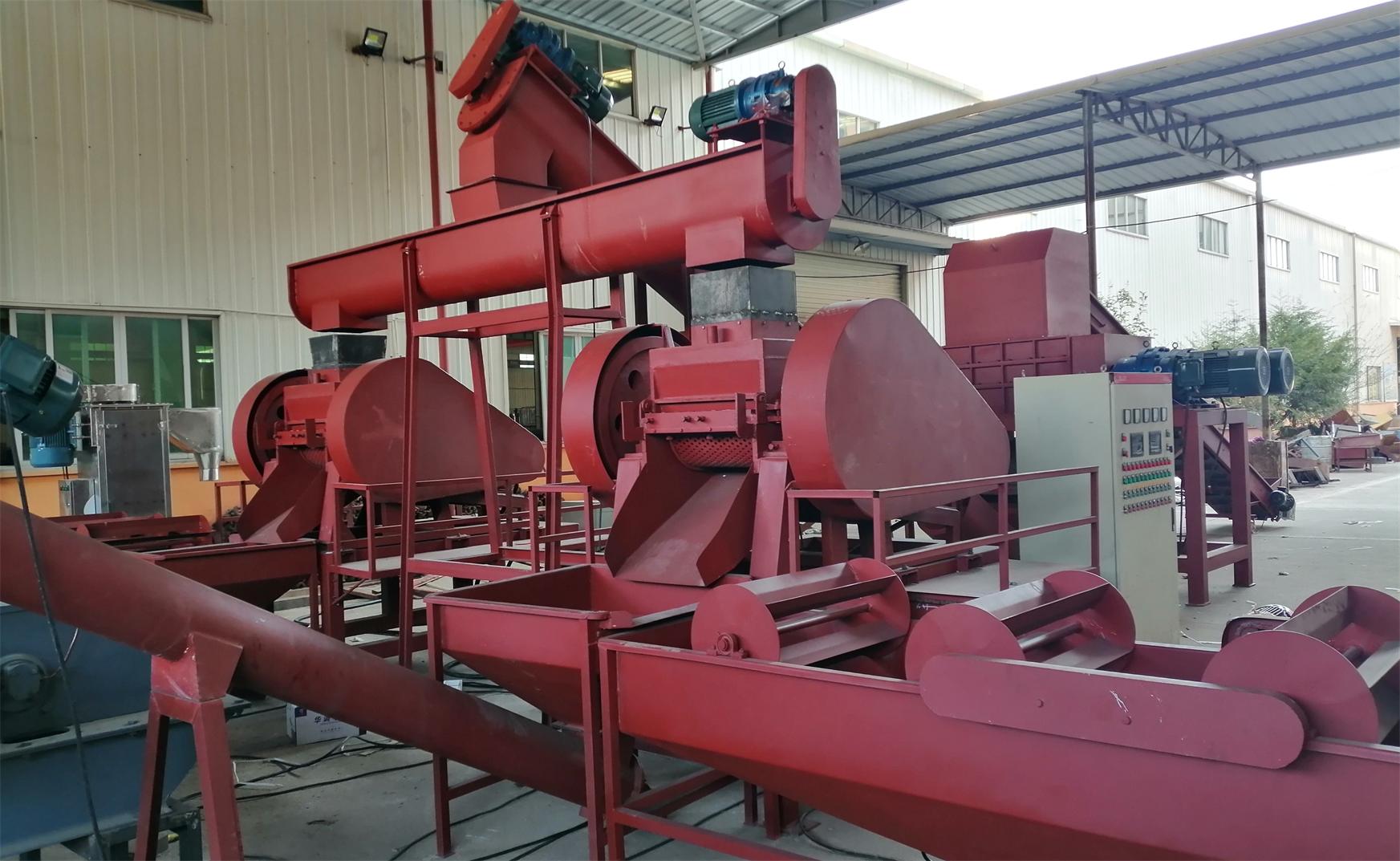
| Lead Acid Battery Breaking and Separation System | Crushes batteries and separates plastic, lead plates, and acid | Capacity (kg/hour), separation efficiency (% of lead/plastic recovered), safety interlocks | Compliance with OSHA (U.S.) or ATEX (EU) for explosive environments |
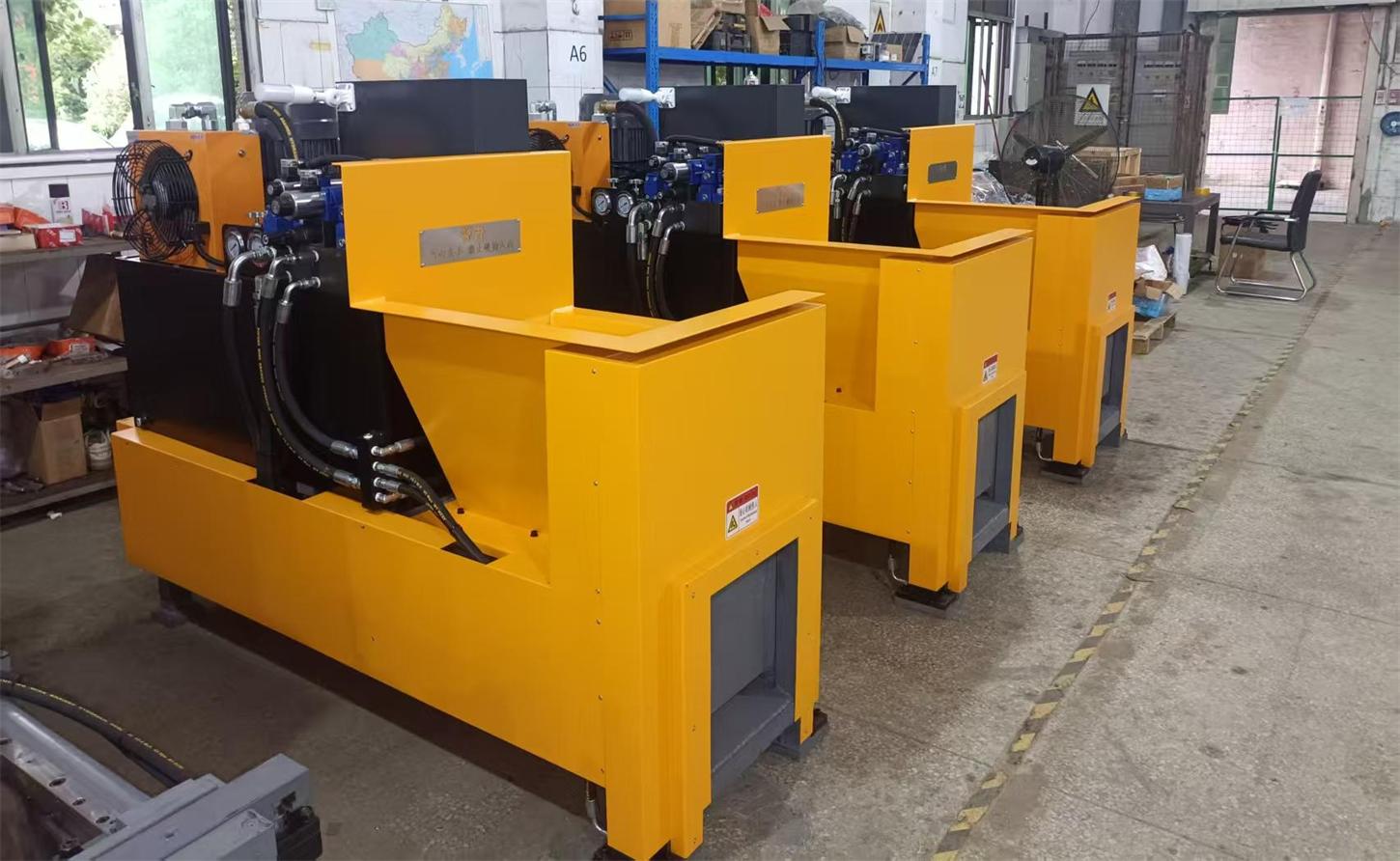
| Filter Press Equipment | Separates solid particles from acid or wastewater | Filtration area (m²), cycle time, material of construction (stainless steel recommended) | Meets local wastewater discharge standards (e.g., EPA's Clean Water Act) |
| Effluent Treatment Machine Equipment | Treats wastewater to remove heavy metals and contaminants | Flow rate (m³/hour), removal efficiency for lead/cadmium, pH adjustment range | Certified by environmental agencies (e.g., ISO 14001) |
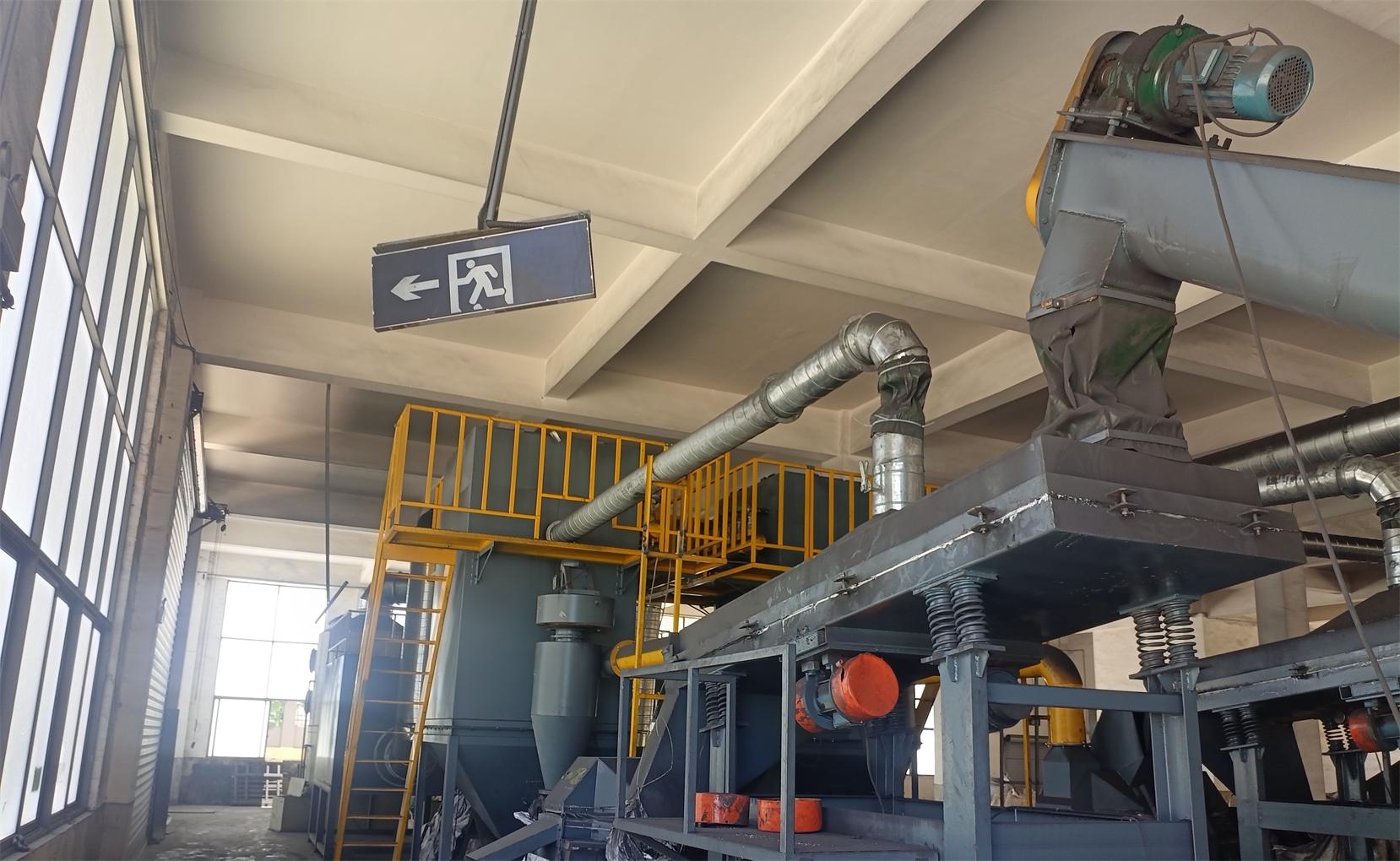
| Air Pollution Control System Equipment | Captures and treats dust, fumes, and sulfur dioxide emissions | Airflow rate (m³/min), filter efficiency (HEPA or bag filters), emission limits | Complies with air quality standards (e.g., EU's Industrial Emissions Directive) |
Beyond individual components, check how well the system integrates. A supplier might offer top-of-the-line shredders but skimp on dust collection, leading to safety hazards and regulatory fines. Ask for a process flow diagram (PFD) of the entire recycling line—this will show how materials move from input to output and where each piece of equipment fits.
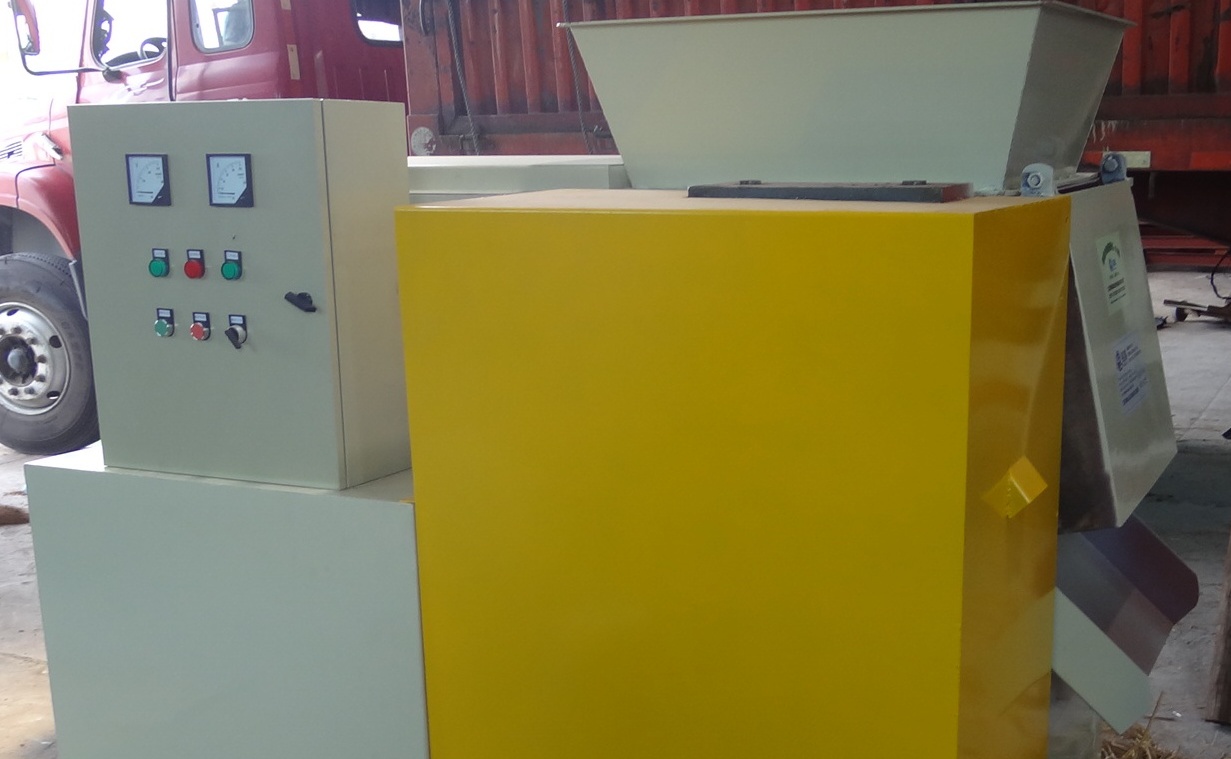
Don't overlook safety features. Lead-acid battery recycling involves moving parts, corrosive materials, and potential fire risks. Look for emergency stop buttons, interlocked access doors (to prevent accidents during operation), and corrosion-resistant materials (like stainless steel or acid-proof coatings). The supplier should also provide safety manuals and training materials in your language.
Pro Tip: Request a sample test. Send a batch of scrap batteries to the supplier and ask them to process it using their equipment. This will show you real-world separation efficiency and help you spot issues like plastic contamination in lead output or incomplete acid drainage.
4. Negotiating Terms and Finalizing the Contract
You've found a supplier, verified their equipment, and are ready to move forward—now comes the negotiation. This step is about more than just price; it's about protecting your investment. Start by discussing payment terms. Most Chinese suppliers ask for a 30% deposit upfront, 60% before shipment, and 10% after installation. This is standard, but you can negotiate: for example, tie the final payment to successful commissioning of the equipment.
Warranty is another critical point. Aim for at least 12 months of coverage for mechanical parts and 6 months for electrical components. Some suppliers offer extended warranties for an extra fee—consider this if you're concerned about long-term reliability. The contract should also specify response times for repairs (e.g., "supplier will dispatch a technician within 48 hours of a breakdown") and whether parts will be shipped for free during the warranty period.
Delivery time is often a sticking point. Chinese factories can face delays due to raw material shortages or high demand, so build a buffer into your timeline. The contract should include a "liquidated damages" clause: if the supplier misses the delivery date, they pay a penalty (e.g., 0.5% of the total order per week, up to 5%). This encourages on-time performance.
Finally, clarify ownership of intellectual property. If you've requested custom modifications to the equipment (e.g., adjusting a shredder to handle larger batteries), ensure the contract states that you own the design rights. This prevents the supplier from selling your custom solution to competitors.
5. Managing Logistics and Shipping
Heavy machinery like lead-acid battery recycling equipment requires careful logistics planning. Most suppliers will offer shipping options: FOB (Free On Board), CIF (Cost, Insurance, Freight), or DDP (Delivered Duty Paid). FOB means you're responsible for shipping from the Chinese port onward, while DDP includes everything up to delivery at your factory. DDP is more expensive but reduces hassle—ideal if you're new to importing.
Choose a freight forwarder experienced in industrial equipment. They'll handle customs documentation, book cargo space, and arrange inland transportation. Ask for quotes from 2-3 forwarders, and compare not just price but services (e.g., door-to-door delivery, insurance coverage). Insurance is a must—marine cargo insurance typically costs 0.5-1% of the shipment value and covers loss or damage during transit.
Packaging is another detail that matters. The supplier should crate the equipment in seaworthy packaging, with fragile parts secured and labeled. Ask for photos of the packed goods before shipment—you'll want to document the condition in case of damage claims. For large machines, consider disassembling them into smaller parts to reduce shipping costs, but confirm with the supplier that this won't void the warranty.
Track your shipment closely. Most freight forwarders provide online tracking, but don't hesitate to follow up with updates. Delays at ports are common, especially during peak seasons (like Chinese New Year or holiday periods). Stay in touch with your supplier and forwarder to address issues quickly—for example, if customs holds your shipment due to missing documents.
6. Customs Clearance and Import Duties
Clearing customs can be a paperwork nightmare if you're unprepared. Start by gathering all required documents: commercial invoice (with detailed item descriptions and values), packing list, bill of lading (from the shipping line), certificate of origin (to qualify for preferential tariffs under trade agreements like China-ASEAN), and compliance certificates (CE, ISO, etc.). Your supplier should provide most of these, but double-check for accuracy—typos in product codes or values can lead to delays.
Import duties vary by country. Use your customs authority's online tariff database to calculate costs. For example, the U.S. uses the Harmonized Tariff Schedule (HTS), where lead-acid battery recycling equipment might fall under code 8479.89.0000, with a duty rate of 2.5%. Some countries offer duty exemptions for environmental equipment—check if your equipment qualifies.
Working with a customs broker can save you time and stress. They'll handle the paperwork, communicate with customs officials, and ensure you pay the correct duties. Choose a broker with experience in industrial machinery—they'll know how to classify your equipment correctly and avoid overpayment. Be transparent about the shipment details; hiding information to reduce duties can result in fines or seizure of goods.
Once customs clears your shipment, arrange for inland transportation to your factory. Heavy equipment may require special permits (e.g., oversized load permits for trucks) or cranes for unloading. Coordinate with your supplier to ensure they provide lifting points or instructions for safe handling—damaging the equipment during unloading could void the warranty.
7. Installation, Training, and After-Sales Support
The equipment has arrived—now it's time to bring it to life. Most suppliers will send a technician to supervise installation, but confirm this in the contract. The technician should arrive within a week of delivery and stay until the system is fully operational. During installation, take notes and ask questions—you'll want to understand how each component works and how to troubleshoot minor issues.
Training is just as important as installation. Ensure the supplier provides hands-on training for your operators, covering safety protocols, daily maintenance (like lubricating shredder blades or cleaning filters), and basic repairs. Request training materials in your language, including videos or step-by-step guides. A well-trained team will minimize downtime and extend equipment life.
After installation, run a test batch of batteries to ensure everything works as expected. Check separation efficiency (are plastic and lead fully separated?), throughput (is the system hitting the promised kg/hour?), and emissions (does the air pollution control system equipment keep dust and fumes within legal limits?). If you notice issues, document them and ask the technician to address them before they leave.
Finally, maintain the relationship with your supplier. Send regular updates on how the equipment is performing—this helps them improve their products. When you need replacement parts (like shredder blades or filter cloths), order from the supplier to ensure compatibility. Many suppliers offer loyalty discounts for repeat orders, so it pays to stay in touch.
Final Thoughts
Importing lead-acid battery crushing and separation equipment from China is a complex process, but with careful planning, it can be a smart investment in your recycling business. By focusing on understanding your needs, vetting suppliers thoroughly, and protecting yourself with clear contracts, you'll set yourself up for success. Remember, this isn't just about buying a machine—it's about building a partnership that supports your growth for years to come.
As you move forward, stay curious. Attend industry trade shows (like IFRA in Germany or China Recycling Expo) to learn about new technologies, and network with other recyclers to share tips. The recycling industry is evolving fast, and staying ahead of trends will help you remain competitive. With the right equipment and support, you'll not only turn scrap into profit—you'll contribute to a more sustainable future.