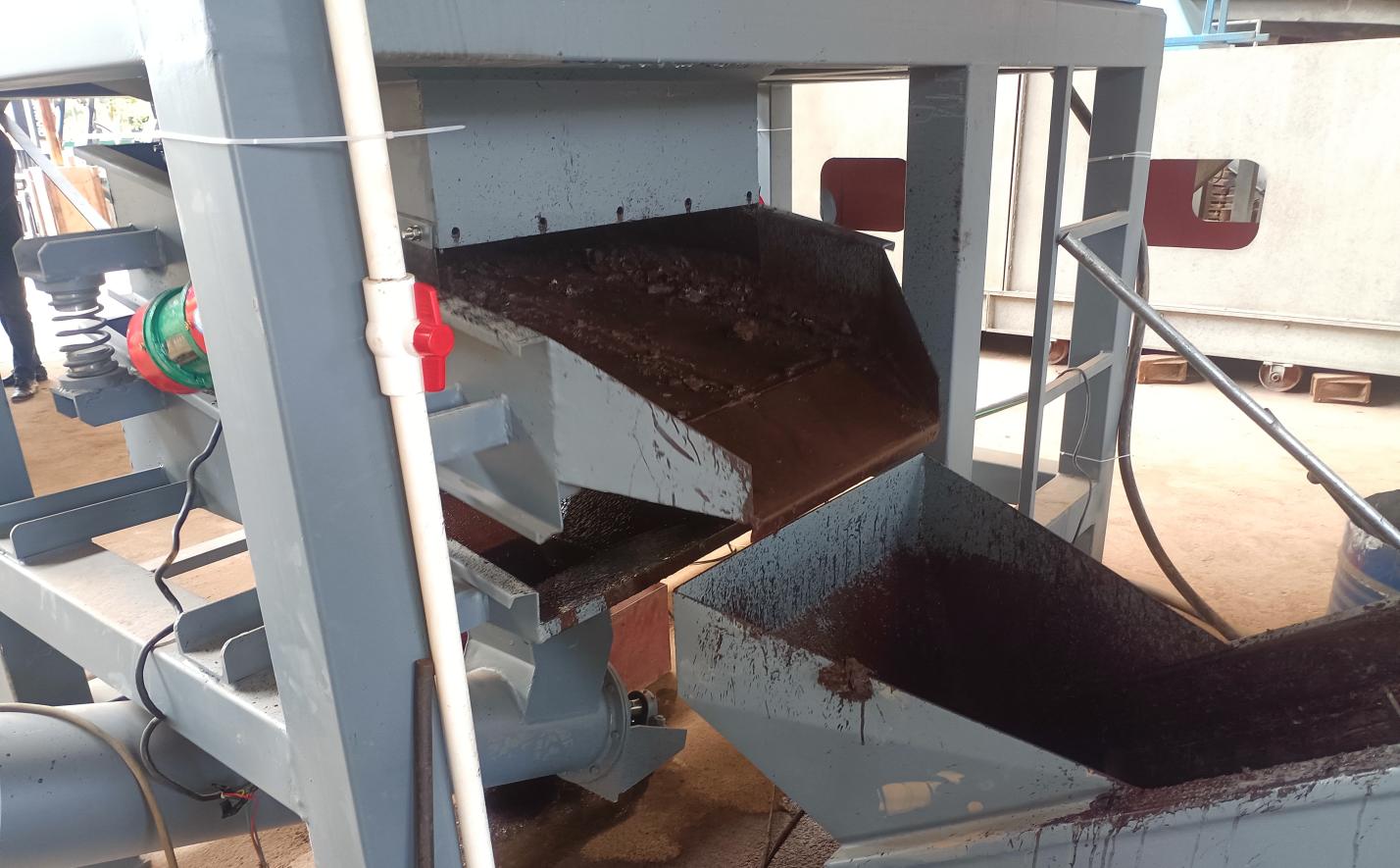
In the world of recycling, where efficiency, safety, and environmental compliance are non-negotiable, every piece of equipment plays a critical role in the process. Among these, filter press equipment stands out as a workhorse—especially in industries like lead acid battery recycling, where separating solids from liquids is essential for both material recovery and waste management. But how do we ensure these machines perform reliably day in and day out? The answer lies in rigorous testing standards. In this article, we'll break down what goes into testing filter press equipment, why it matters, and how it impacts real-world operations, from small-scale facilities to large recycling plants.
Why Testing Filter Press Equipment Matters
Imagine investing in a filter press for your lead acid battery recycling line, only to find it clogs constantly, fails to handle corrosive slurries, or can't meet the throughput needed to keep up with your workflow. Not only would this disrupt operations, but it could also lead to compliance issues with environmental regulations, costly downtime, and even safety risks for your team. That's where testing comes in. Testing isn't just a box to check before shipping—it's the foundation of building equipment you can trust.
For recycling machine suppliers, thorough testing ensures their filter press equipment integrates seamlessly with other systems, like effluent treatment machine equipment, and meets the unique demands of different recycling processes. For operators, it means peace of mind knowing the machine will perform as advertised, even under the tough conditions of processing lead acid battery paste or other abrasive materials. In short, testing transforms a piece of machinery into a reliable partner in your recycling operation.
Key Testing Categories for Filter Press Equipment
Testing filter press equipment isn't a one-size-fits-all process. It involves evaluating multiple aspects of the machine to ensure it's up to the task. Let's dive into the core categories that matter most.
1. Performance Testing: Does It Deliver the Results You Need?
At the end of the day, a filter press's job is to separate solids and liquids efficiently. Performance testing puts this capability under the microscope. Engineers start by measuring flow rates—how quickly the machine can process slurry—using industry-standard meters. For example, in lead acid battery recycling, the filter press might need to handle a specific volume of paste-laden liquid per hour; testing ensures it meets or exceeds that target without sacrificing separation quality.
Pressure testing is another critical part of performance evaluation. Filter presses operate under high pressure to squeeze moisture out of sludge, so testing involves ramping up pressure to maximum operating levels (and even beyond, to simulate worst-case scenarios) to check for leaks, seal integrity, and plate deformation. A machine that fails here could lead to messy spills, reduced efficiency, or even damage to other equipment downstream.
Filtration efficiency is measured by analyzing the clarity of the filtrate (the liquid that passes through the filter) and the dryness of the cake (the solid residue left behind). In lead acid battery recycling, for instance, the cake might contain lead paste that needs to be as dry as possible for further processing in a furnace, while the filtrate must be clean enough to either reuse or safely discharge through effluent treatment systems. Testing with actual slurry samples from recycling operations ensures the filter press performs as it would in real-world conditions.
2. Safety Testing: Protecting Your Team and Facility
Safety is non-negotiable in any industrial setting, and filter presses—with their high-pressure systems and moving parts—require extra scrutiny. Safety testing starts with examining emergency stop mechanisms: Do the buttons respond immediately? Do they cut power to all moving components? A slow or unresponsive emergency stop could lead to serious injuries if an operator's hand gets caught in the press.
Pressure relief valves are another safety critical component. These valves are designed to release excess pressure if the system malfunctions, preventing explosions or ruptures. Testing involves intentionally overpressurizing the system (in a controlled environment) to ensure the valves activate at the correct pressure threshold and vent safely.
Electrical safety is also evaluated, especially for automated filter presses. Technicians check for proper grounding, insulation integrity, and compliance with standards like IEC 60204 (Safety of machinery – Electrical equipment of machines). This is crucial in damp or corrosive environments—common in recycling plants—to prevent shocks or fires.
3. Durability Testing: Ensuring Longevity in Harsh Environments
Recycling environments are tough on equipment. Slurries can be corrosive, abrasive, or both, and machines run for hours on end. Durability testing ensures filter presses can stand up to this abuse over time. One common test is cyclic loading: running the press through thousands of open-close cycles to simulate months of operation and checking for wear on components like filter cloths, gaskets, and hydraulic rams.
Material compatibility testing is also key. Filter plates and frames are often made from materials like polypropylene or stainless steel, but they need to resist the specific chemicals in the slurry. For example, in lead acid battery recycling, the slurry may contain sulfuric acid residues, so testing involves exposing materials to these chemicals for extended periods to check for degradation, cracking, or weakening.
Structural integrity tests examine the frame and support systems of the filter press. Can the frame withstand the weight of fully loaded filter plates without bending or warping? Are the hydraulic cylinders and pistons built to handle repeated pressure cycles without leaking or failing? These tests often involve stress analysis using tools like strain gauges to measure how components respond under load.
4. Environmental Compliance Testing: Meeting Regulations
Today's recycling operations face strict environmental regulations, and filter press equipment must play its part in meeting these standards. Emissions testing, for example, checks for leaks of volatile organic compounds (VOCs) or other harmful gases during operation—critical for facilities using filter presses with heated slurries or in enclosed spaces.
Water usage and discharge testing ensure the filter press doesn't waste excessive water and that any wastewater produced meets local effluent standards. This is closely tied to effluent treatment machine equipment, as the filtrate from the press often feeds directly into these systems. Testing helps verify that the filter press and effluent treatment systems work together harmoniously to minimize environmental impact.
The Step-by-Step Testing Process
Testing a filter press isn't a haphazard process—it follows a structured protocol to cover all bases. Here's a breakdown of the typical steps:
Step 1: Pre-Test Inspection
Before any functional testing begins, technicians conduct a thorough visual inspection. They check for manufacturing defects like cracks in plates, misaligned components, or loose fasteners. They also verify that all parts are correctly assembled—from filter cloths to hydraulic hoses—and that documentation (like material certificates and assembly diagrams) is complete. This step catches obvious issues early, saving time later in the testing process.
Step 2: Performance Testing
As discussed earlier, this phase includes flow rate, pressure, and filtration efficiency tests. Technicians start with clean water to establish a baseline, then move to test slurries that mimic real-world materials (e.g., lead paste slurry for lead acid battery recycling equipment). They record data at various pressure levels and flow rates, comparing results to the manufacturer's specifications.
Step 3: Safety System Verification
Emergency stops, pressure relief valves, and safety interlocks are tested individually and as a system. For example, activating the emergency stop should immediately halt all movement and release pressure. Technicians also check that guards and safety barriers prevent access to moving parts when the machine is in operation.
Step 4: Durability and Endurance Testing
This phase is the most time-consuming, as it involves running the filter press continuously for extended periods (sometimes days) to simulate long-term use. Technicians monitor for signs of wear, track performance metrics like flow rate and pressure over time, and inspect components for degradation. This step often reveals issues that only surface after repeated use, like loosening bolts or fatigue in hydraulic lines.
Step 5: Compliance Verification
Finally, the filter press is checked against relevant industry standards and regulations. This might include ISO standards for filtration equipment, OSHA safety requirements, or local environmental laws. Documentation is compiled to prove compliance, which is essential for both the manufacturer and the end user—especially when applying for permits or certifications.
Key Testing Parameters and Standards
| Test Category | Relevant Standards | Testing Method | Acceptance Criteria |
|---|---|---|---|
| Pressure Testing | ISO 10253, ASME BPVC Section VIII | Hydrostatic pressure testing at 1.5x maximum operating pressure for 30 minutes | No leaks, pressure drop ≤5%, no visible deformation of plates/frames |
| Filtration Efficiency | ASTM D4191, ISO 11732 | Analysis of filtrate clarity (turbidity < 10 NTU) and cake moisture content | Cake moisture ≤25% (varies by application); filtrate turbidity ≤5 NTU |
| Emergency Stop Function | ISO 13850, IEC 60204-1 | Activation of emergency stop buttons; measurement of response time | Full system shutdown within 0.5 seconds; no residual movement |
| Material Compatibility | ASTM G31 (corrosion testing) | Exposure to slurry/chemicals for 1000 hours; visual inspection for degradation | No cracking, pitting, or loss of structural integrity |
| Noise Level | OSHA 29 CFR 1910.95, ISO 11204 | Sound pressure measurement at operator position | ≤85 dBA during normal operation |
Real-World Applications: Filter Presses in Lead Acid Battery Recycling
To understand why testing matters, let's look at a concrete example: lead acid battery recycling equipment. When a lead acid battery is recycled, it's first broken down into components—plastic casings, lead grids, and lead paste. The paste, a slurry of lead oxides and sulfuric acid, is then processed through a filter press to separate the solid paste from the liquid electrolyte. The dry paste cake is sent to a furnace for smelting, while the liquid is neutralized and treated via effluent treatment machine equipment before discharge.
In this scenario, a poorly tested filter press could spell disaster. If the press fails to separate the paste efficiently, the cake might be too wet, leading to longer drying times in the furnace and increased energy costs. If the filtrate is too contaminated, the effluent treatment system might be overwhelmed, risking non-compliance with environmental regulations. Worse, a pressure failure could cause a leak of sulfuric acid, endangering workers and damaging equipment.
That's why manufacturers of lead acid battery recycling equipment subject their filter presses to specialized testing. They use actual lead paste slurry (not just water or generic sludge) to simulate real operating conditions. They test how the press handles variations in slurry viscosity—since battery paste consistency can change based on battery age and type—and ensure the filter cloths resist clogging from fine lead particles. They also verify that the press can operate continuously for 8+ hour shifts without performance degradation, a must for high-volume recycling plants.
Beyond performance, safety testing in this context is critical. Lead acid battery recycling involves toxic materials, so filter presses must be fully enclosed to prevent fume leaks, and their safety systems (like emergency stops and pressure relief valves) must work flawlessly to protect operators from exposure to lead or acid. Compliance testing ensures the press meets OSHA lead exposure limits (≤50 μg/m³ over 8 hours) and EPA regulations for hazardous waste management.
Common Challenges in Filter Press Testing (and How to Overcome Them)
Testing filter press equipment isn't without its hurdles. One common challenge is replicating real-world variability in the lab. Slurries in recycling plants can vary widely in composition, temperature, and viscosity from day to day, but lab tests often use standardized samples. To address this, some manufacturers partner with recycling facilities to conduct on-site testing, allowing them to evaluate the press under actual operating conditions.
Another issue is balancing thoroughness with cost. Endurance testing, for example, can take weeks and requires significant resources. To optimize this, manufacturers use accelerated testing methods—like increasing cycle frequency or subjecting components to higher loads—to simulate years of wear in a shorter time. While not perfect, this approach provides a reasonable approximation of long-term durability.
Material compatibility is also a frequent pain point. In lithium-ion battery recycling, for instance, the slurry might contain corrosive electrolytes or abrasive lithium compounds that can degrade standard filter materials. Testing with these aggressive substances upfront helps identify which materials (e.g., specialty polymers, coated filter cloths) stand up best, preventing premature failure in the field.
Conclusion: Testing as the Backbone of Reliable Recycling Operations
Filter press equipment may not be the most glamorous piece of recycling machinery, but it's undeniably essential. And like any essential tool, its reliability depends on rigorous testing. From performance and safety to durability and compliance, every test ensures that when you invest in a filter press, you're getting a machine that will keep your recycling operation running smoothly, protect your team, and meet the strict environmental standards of today's world.
For recycling machine suppliers, thorough testing isn't just about building a better product—it's about building trust with customers who rely on their equipment to stay profitable and compliant. For operators, understanding these testing standards empowers you to ask the right questions when evaluating suppliers: What tests do you perform? Can you provide data from on-site trials with my specific slurry? How do you ensure long-term durability?
At the end of the day, testing is more than a step in the manufacturing process—it's the foundation of a sustainable, efficient, and safe recycling industry. Whether you're processing lead acid batteries, lithium-ion batteries, or other recyclables, never underestimate the importance of a well-tested filter press. It's the quiet hero that ensures your operation doesn't just work—but thrives.