Ever wonder what happens to that tangle of old cables you threw out after upgrading your home entertainment system? Or the mountains of wiring discarded during industrial renovations? They contain valuable copper - a mineral worth rescuing from landfills. Establishing a copper wire recycling facility allows you to reclaim both ecological value and profit from discarded materials.
Success here isn't just about buying machinery - it requires building relationships with suppliers and buyers, understanding regulations, and creating efficient operations. Through extensive research and industry insights, I've identified four foundational pillars that determine whether plants thrive or fail.
Pillar 1: Strategic Raw Material Sourcing
Think of copper wire sourcing as fuel for your plant - without it, nothing happens. But like fuel quality impacts engine performance, wire quality dictates your profitability.
Real-world scenario: When recycling facilities purchase standard household wiring, it typically contains about 50% copper content. Industrial power cables might boast 65-70% pure copper. This variation in copper content has enormous financial implications - acquiring high-concentration wiring at lower prices boosts profit margins significantly.
Building relationships with consistent suppliers requires visiting demolition companies, construction sites, scrap dealers, and municipalities to formalize waste agreements. Consider:
- Diversifying your suppliers geographically - don't rely on just one region for your scrap
- Implementing testing protocols - assess copper content before purchasing shipments
- Creating sliding scale payment models - offer premium rates for higher-quality material
Pillar 2: Selecting Your Processing Powerhouse
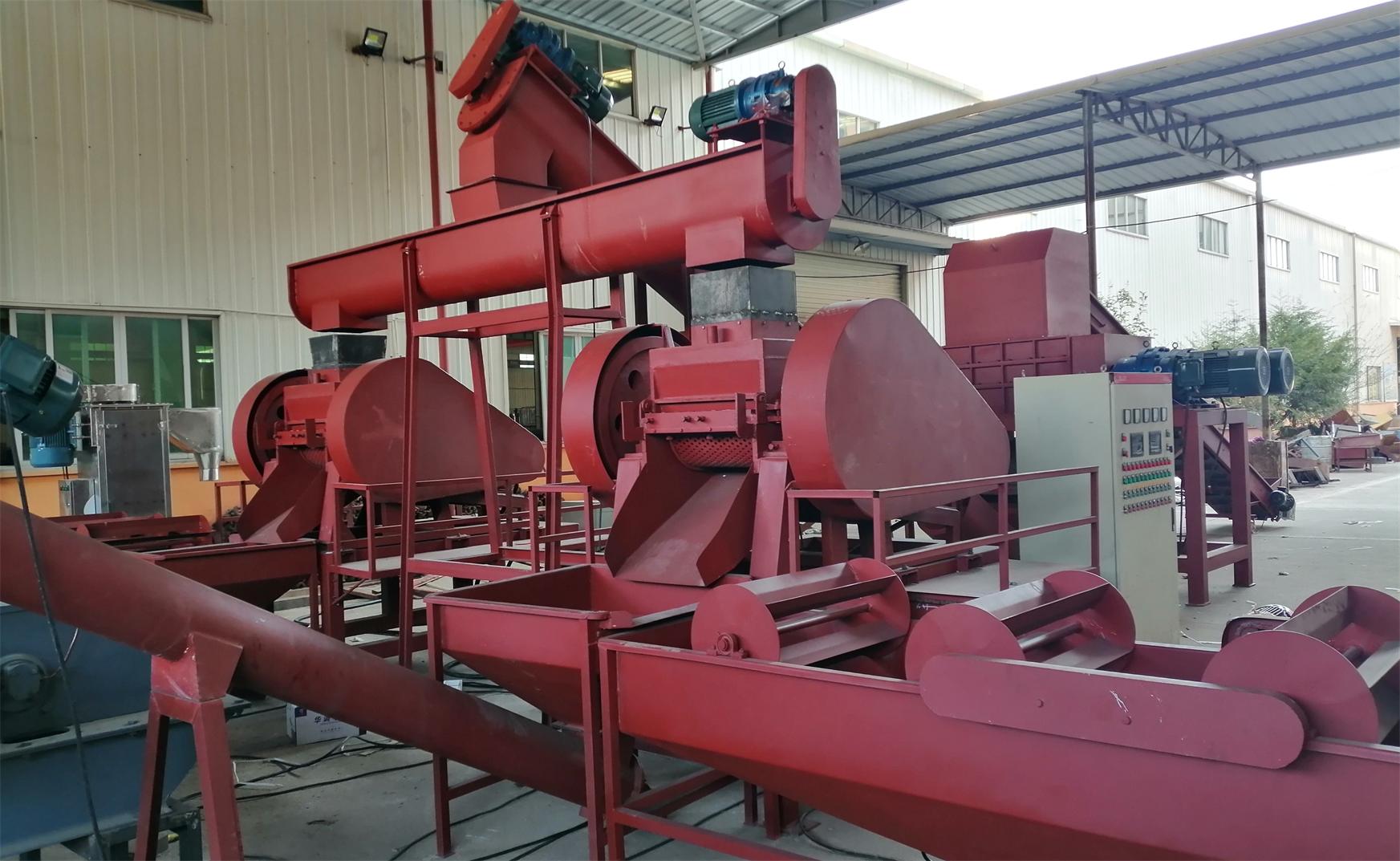
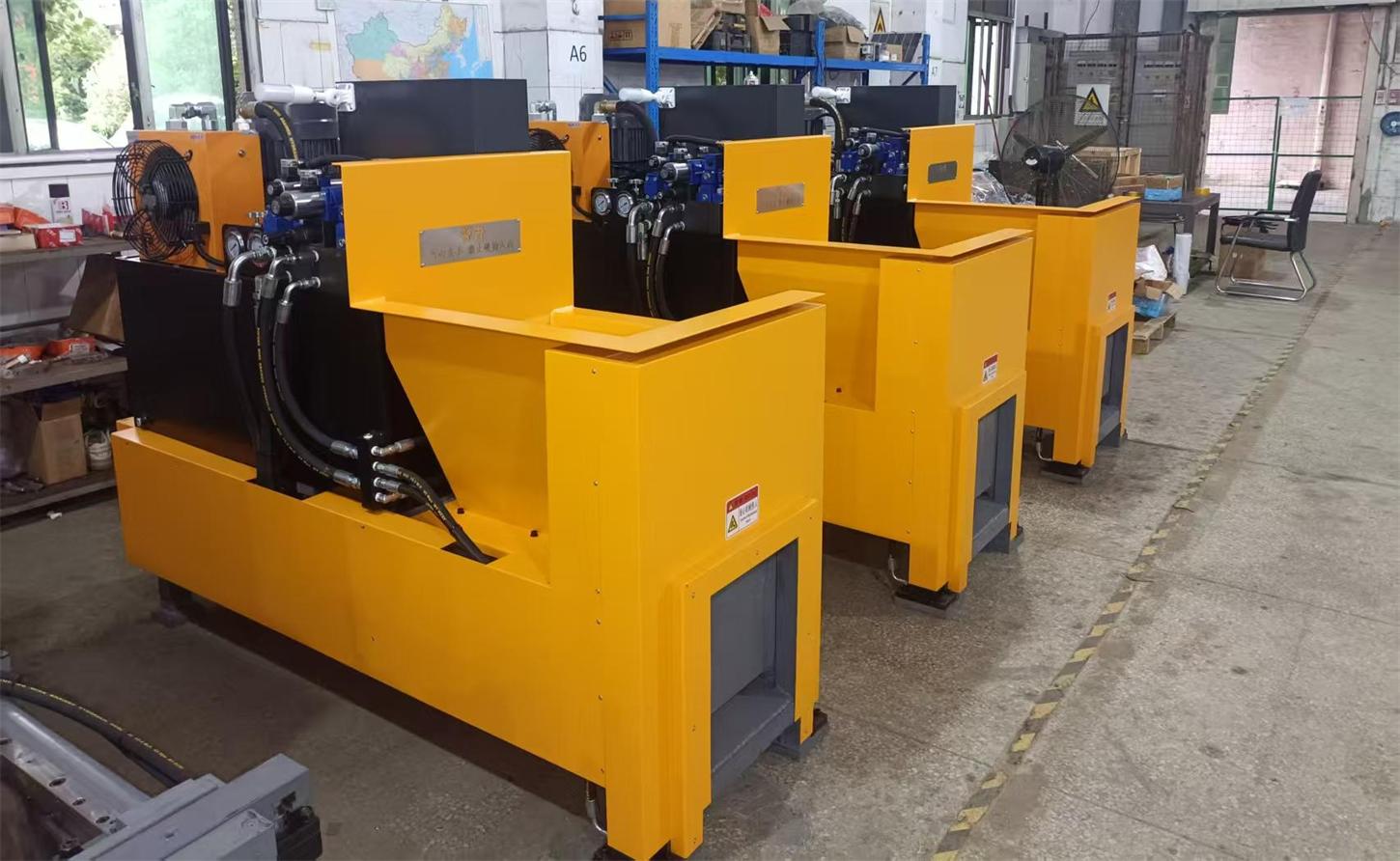
This is where material transformation occurs. Your equipment selection profoundly impacts efficiency, operational costs, and final product quality. The core system requires several integrated components:
Pre-Processing
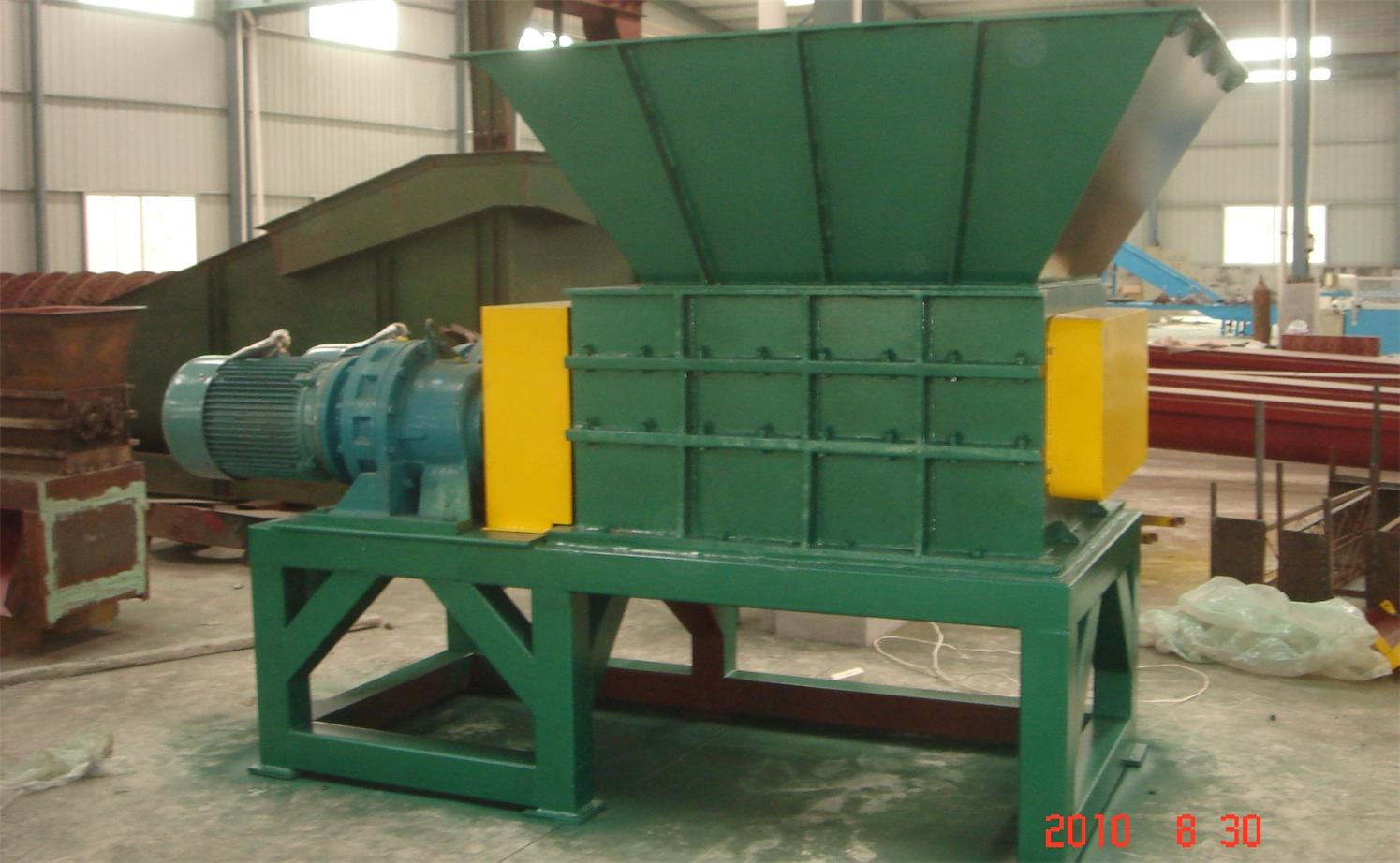
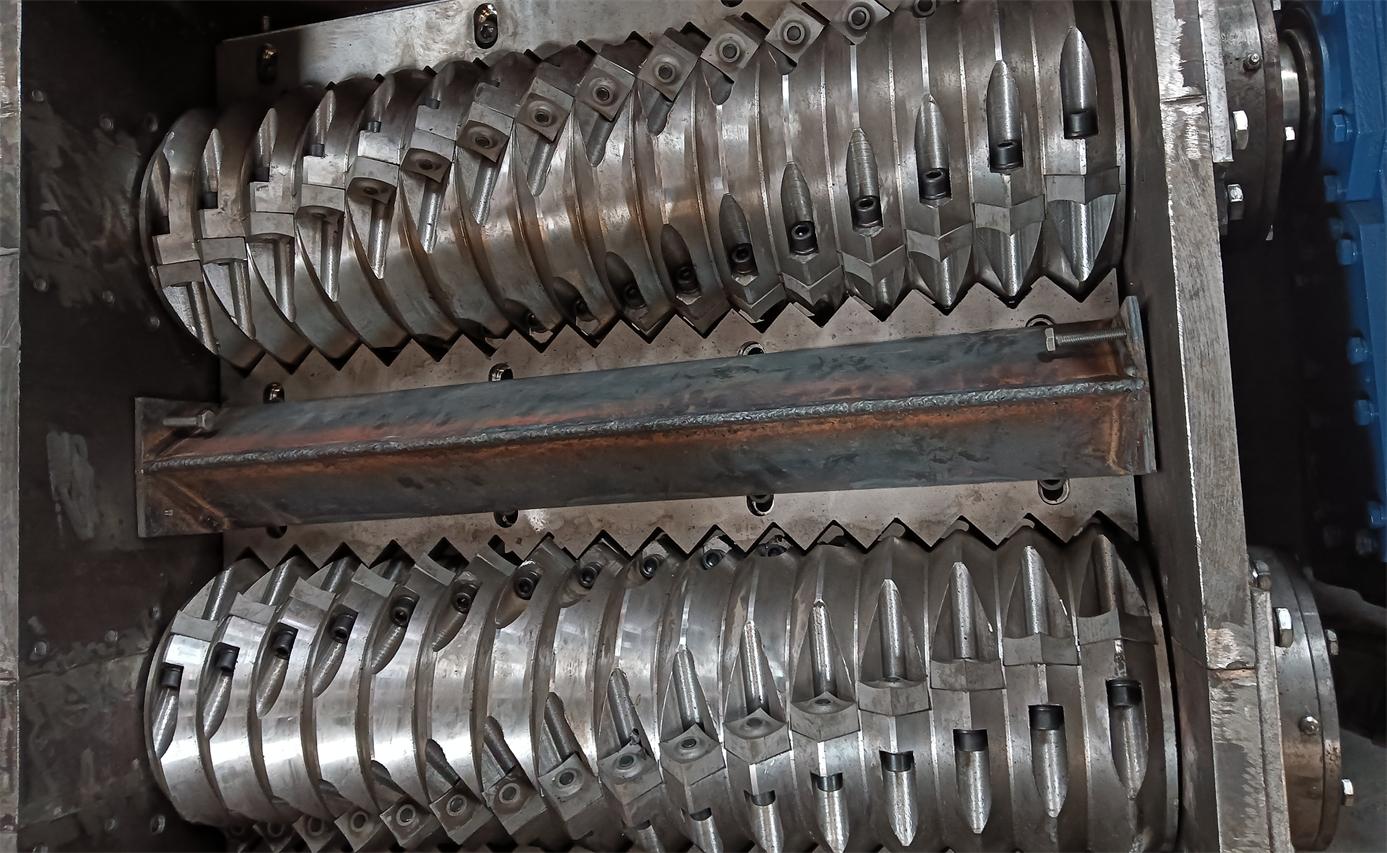
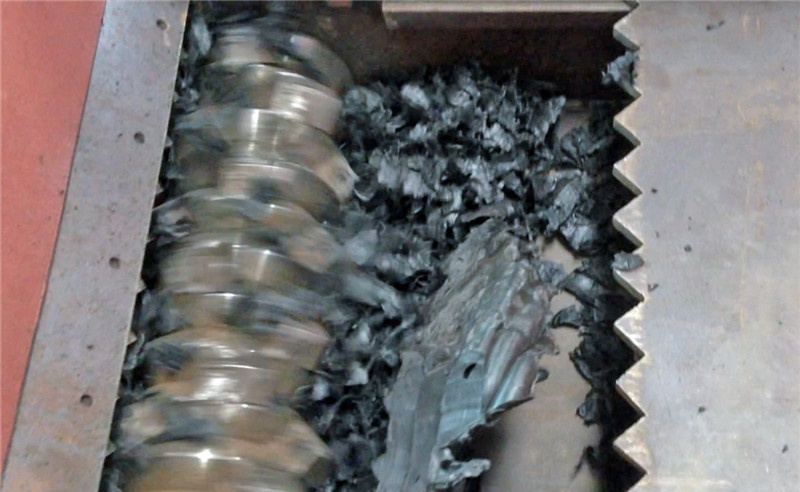
Heavy-duty shredders and granulators break down cables into smaller pieces that machinery can handle. Neglecting this step risks jamming systems and damaging expensive equipment.
Separation Stage
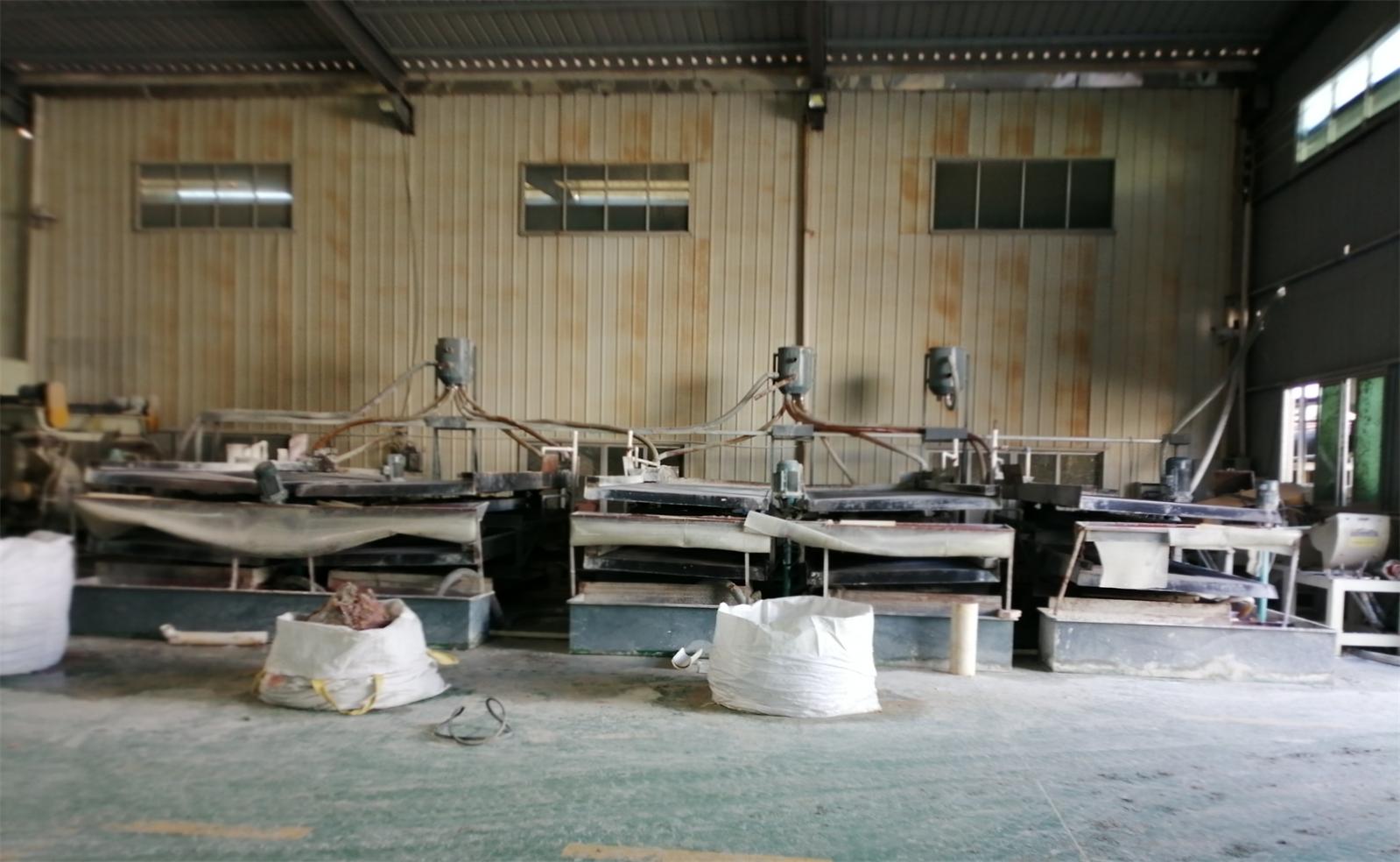
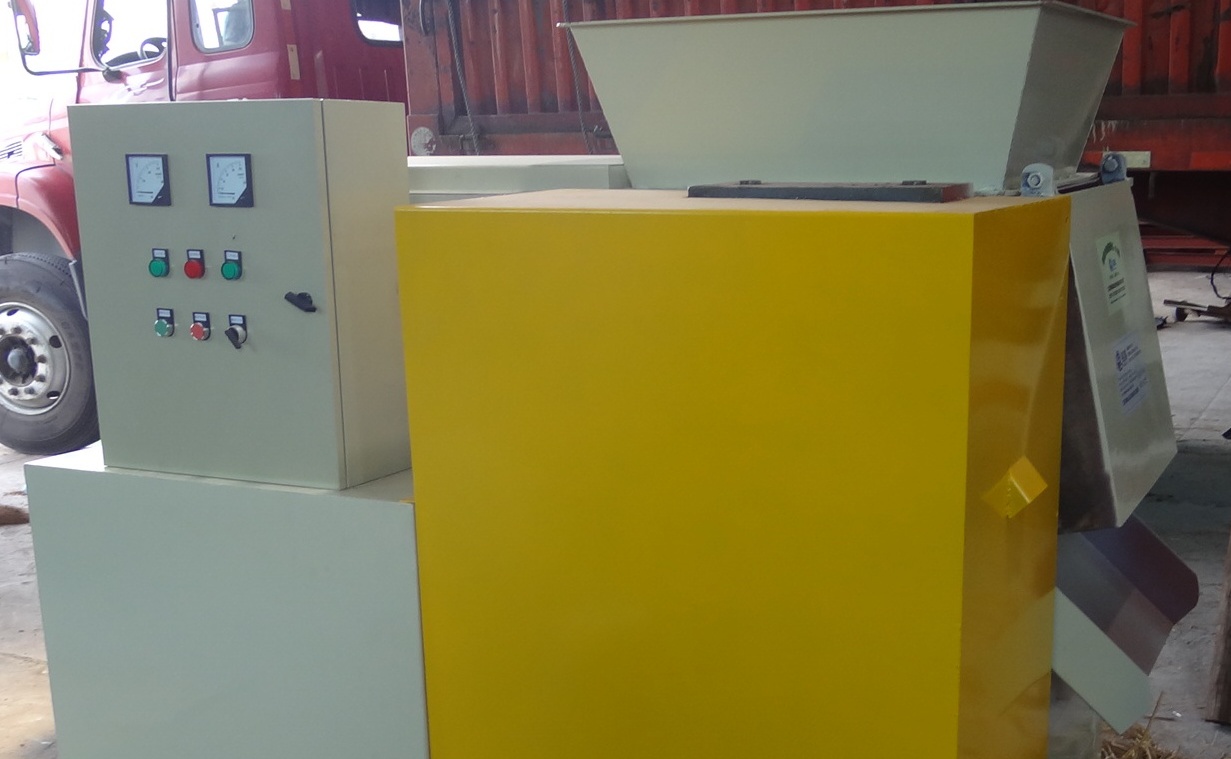
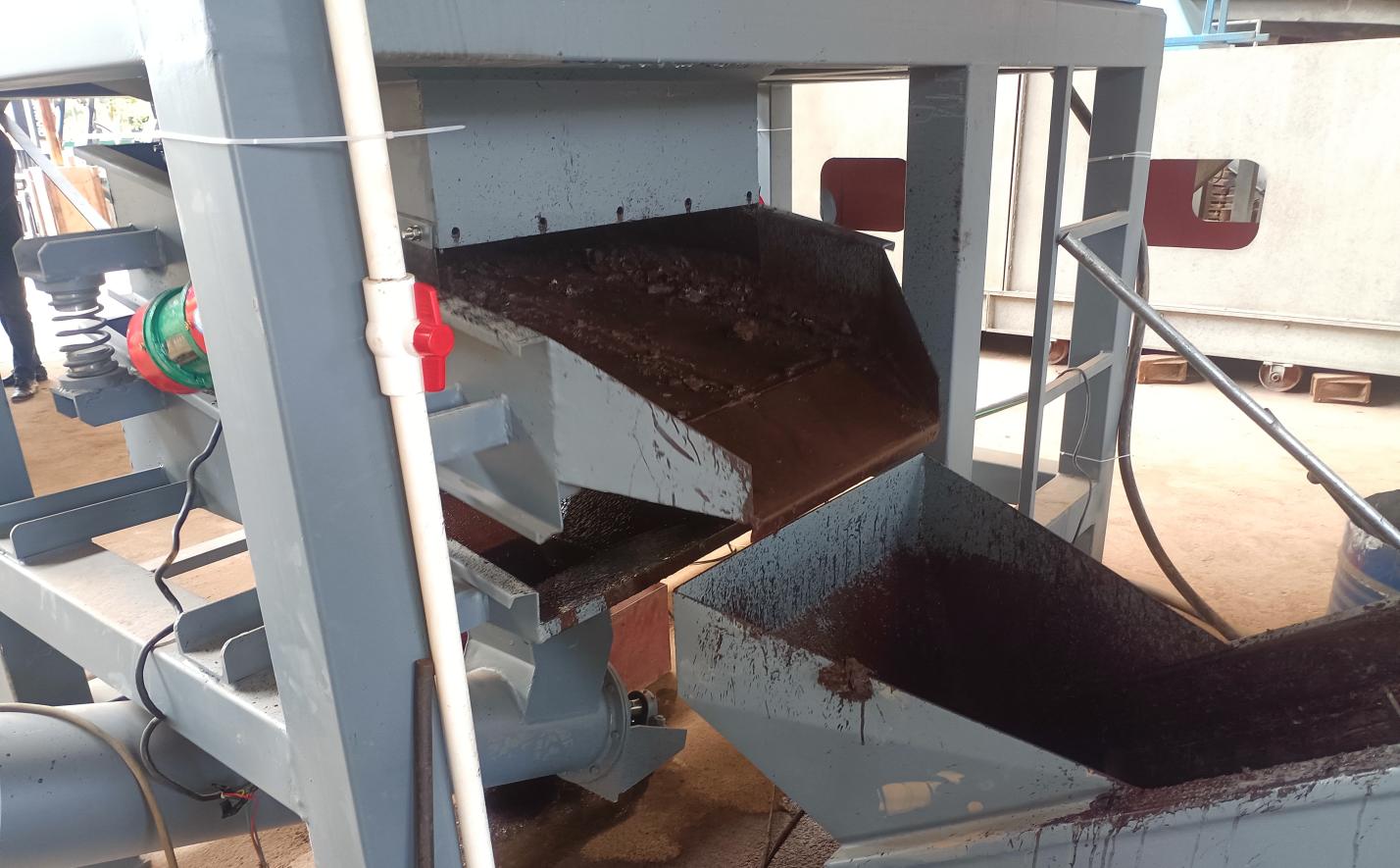
Air separators, vibrating tables, and electrostatic units separate metal from insulation. For copper recovery, investing in a high-performance copper granulator machine makes the difference between 95% efficiency and disappointing recovery rates.
Dust Control
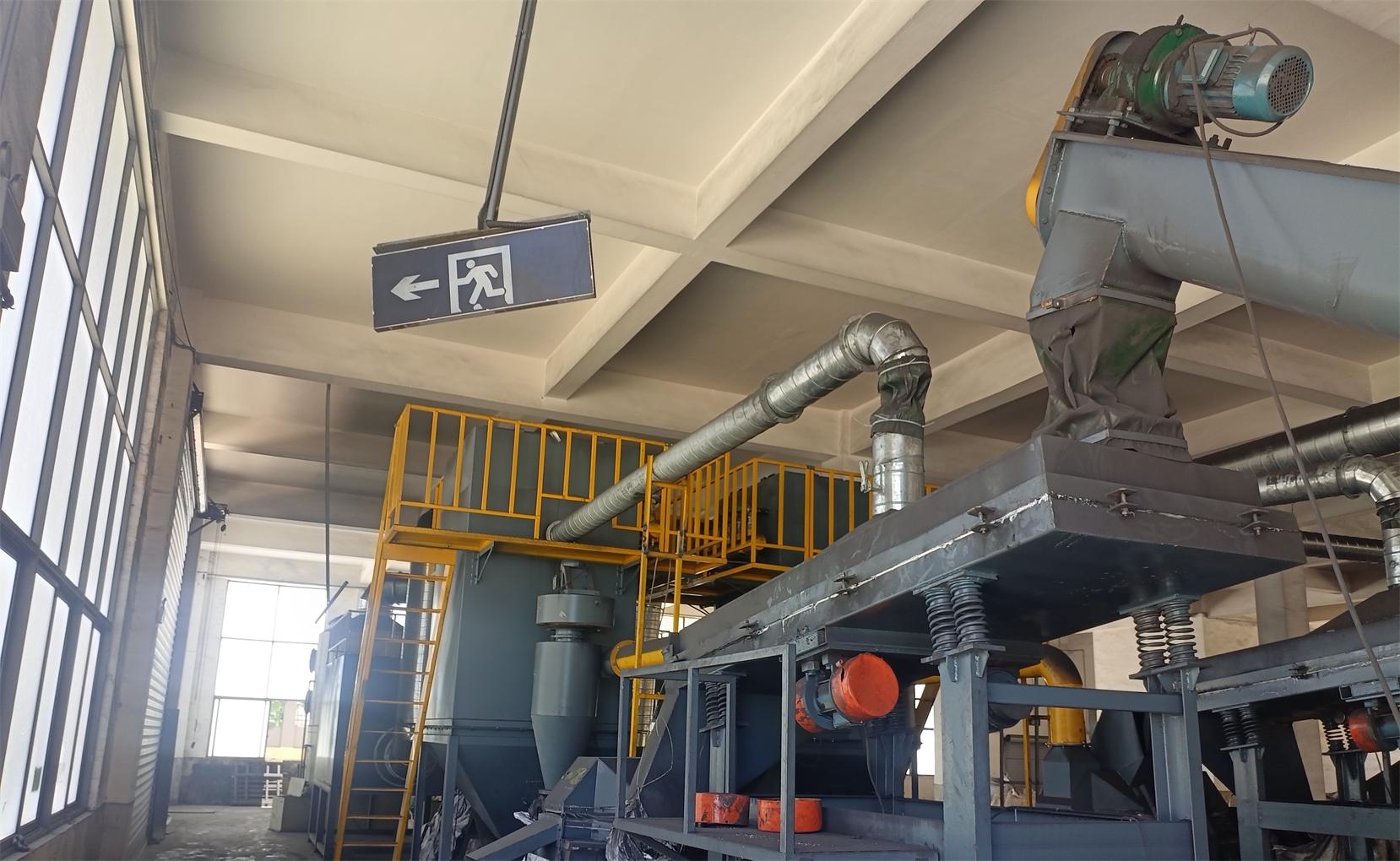
Advanced cyclone dust collectors and HEPA filtration systems capture harmful particles, ensuring compliance and worker safety - often overlooked in budget setups.
Several operators have shared regrets about going with cheaper machines that constantly require maintenance. As one plant manager stated: "Our Chinese-made copper granulator machine produced inconsistent particle sizes during the initial setup. After switching to German engineering, our downstream separation efficiency jumped 35% - paying the premium was a non-negotiable investment."
Pillar 3: Output Value Maximization
Successfully extracting copper is only half the victory - how profitably you sell the recovered materials completes the cycle.
Most failed recycling ventures collapse here - they master collection and processing but haven't created valuable market placements for their end products.
Position yourself strategically:
- Copper markets fluctuate - build relationships with both large foundries and smaller manufacturers for diversified sales channels
- Investigate selling insulation granules to plastic product facilities - it creates an additional revenue stream rather than disposal cost
- Grade materials carefully - high-purity copper commands premium pricing
- Create a consistent output schedule - reliable production wins long-term contracts
Innovative approach: Some plants transform plastic residues into construction-grade acoustic insulation panels. This pivoting repurposing strategy adds $15-30 per ton to operational profits - an inspiring example of adaptive thinking in recycling.
Pillar 4: Regulatory Integration & Efficiency Infrastructure
Environmental compliance determines your legal operation - efficiency infrastructure determines financial viability. Both need equal attention.
Paperwork makes profits possible: Permit acquisition requires planning for waste treatment methods, noise regulation compliance, and stormwater management systems.
Create operational harmony through thoughtful design:
- Position conveyor systems to minimize manual material handling
- Install solar panels to combat one of the biggest costs - power consumption
- Design ventilation strategically - capturing processing dust at its source prevents building-wide contamination
- Create covered outdoor staging areas - protects valuable feedstock during storage
- Implement automated sorting technologies - dramatically reduces labor expenses over time
Weaving It All Together
Creating a successful copper recycling facility isn't about focusing on any single element - it's about harmonizing these four pillars into a mutually-supporting operational ecosystem. Here’s how the integration works:
The virtuous cycle: When you source high-quality wire scrap through strong supplier relationships (Pillar 1), it feeds into your properly selected machinery (Pillar 2), which creates pure, valuable output materials (Pillar 3), while your compliance adherence and efficiency-focused infrastructure (Pillar 4) ensures sustainable operations.
Where new ventures frequently stumble is hyper-focusing on equipment selection while neglecting material sourcing or market development. Others fail by underestimating the complexity of environmental permitting or energy consumption requirements.
Let me assure you - creating a recycling plant involves significant investment. Equipment alone for a medium-capacity facility ranges from $150,000 to $350,000. Building renovations, utility installations, and emission control systems add substantial amounts. But this becomes a rewarding venture when built upon proven frameworks.
Remember that your venture contributes positively beyond profits - recycling copper prevents devastating environmental damage from mining operations and saves tremendous amounts of energy. But the business itself must remain viable to create lasting ecological benefits.
Start by mapping your network - who can supply materials consistently? Who will purchase your output? Only then investigate equipment options suited to your specific material profile. Simultaneously, engage environmental authorities about regulations. Progress these pillars concurrently, rather than sequentially.
The recycling industry welcomes innovative contributors - I encourage you to explore this sustainable entrepreneurial path with clear strategy and purposeful action. Those who thoughtfully combine material acquisition, technological precision, market relationships, and regulatory integration establish plants that flourish both financially and environmentally.