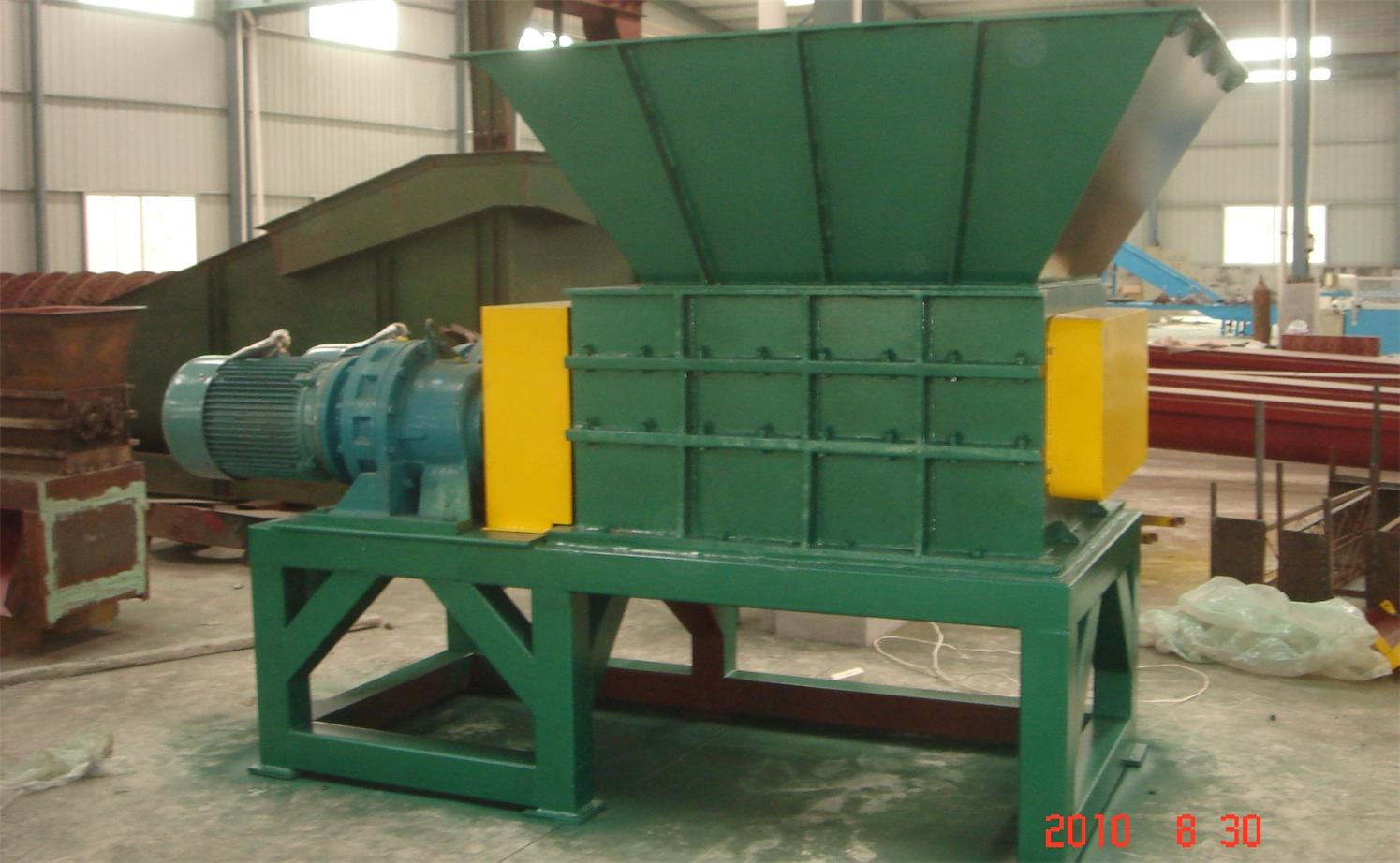
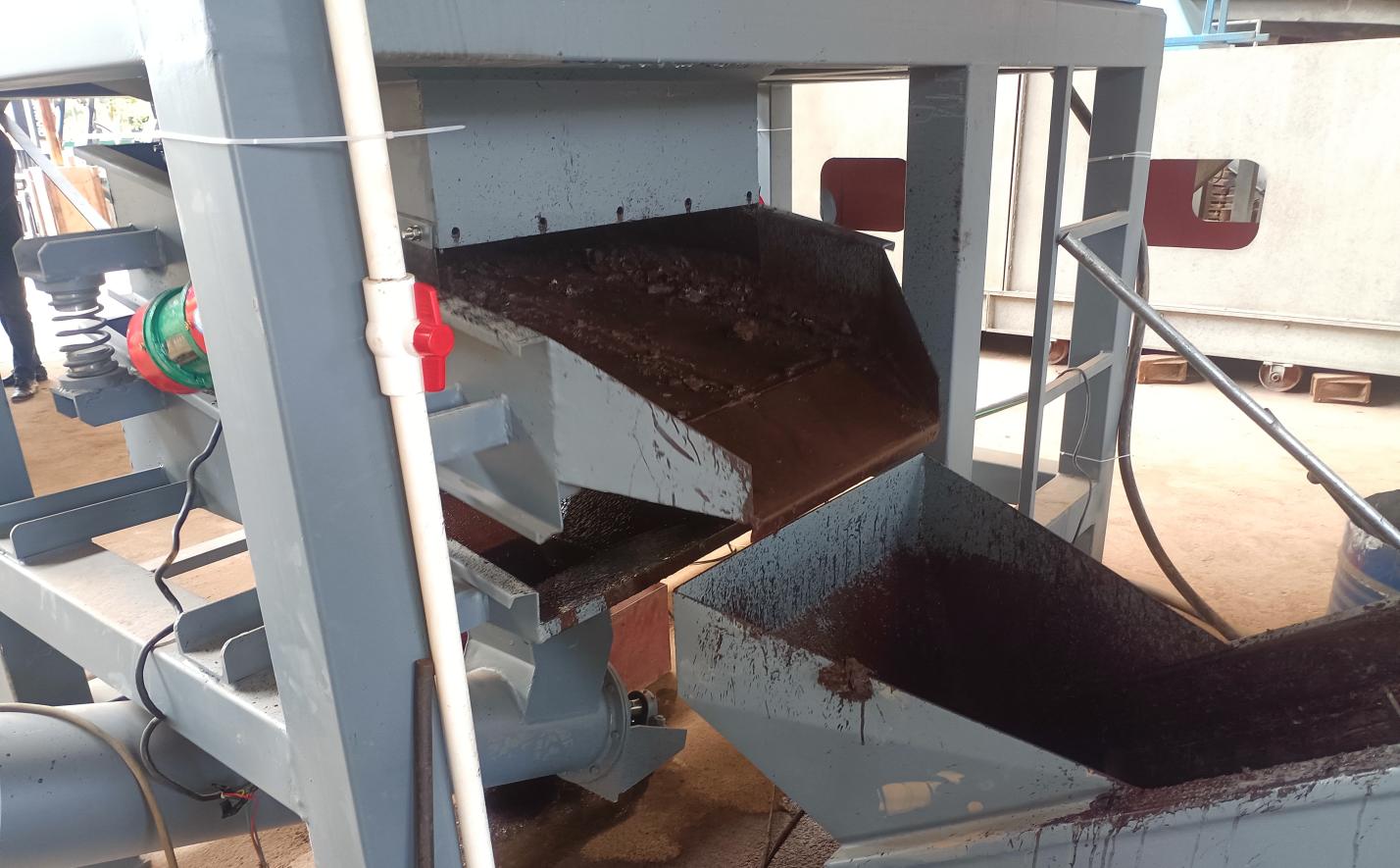
Ever felt like your shredder's output is either too chunky for recycling or too fine for efficient processing? Getting that perfect 0-50mm shredded size isn't just about pushing buttons – it's like baking your grandmother's special cake. You need the right ingredients, careful temperature control, and that intuitive feel when the batter "just looks right." That's what mastering shredder settings feels like for operators.
The beauty of hitting that 0-50mm sweet spot? It opens doors to premium recycling opportunities. Whether you're processing industrial scraps, plastics, or cable recycling materials, this size range delivers optimal density for transport while preserving material integrity for downstream processes. It's where efficiency meets profitability.
Choosing Your Cutting Edge: The Blade Matchmaker
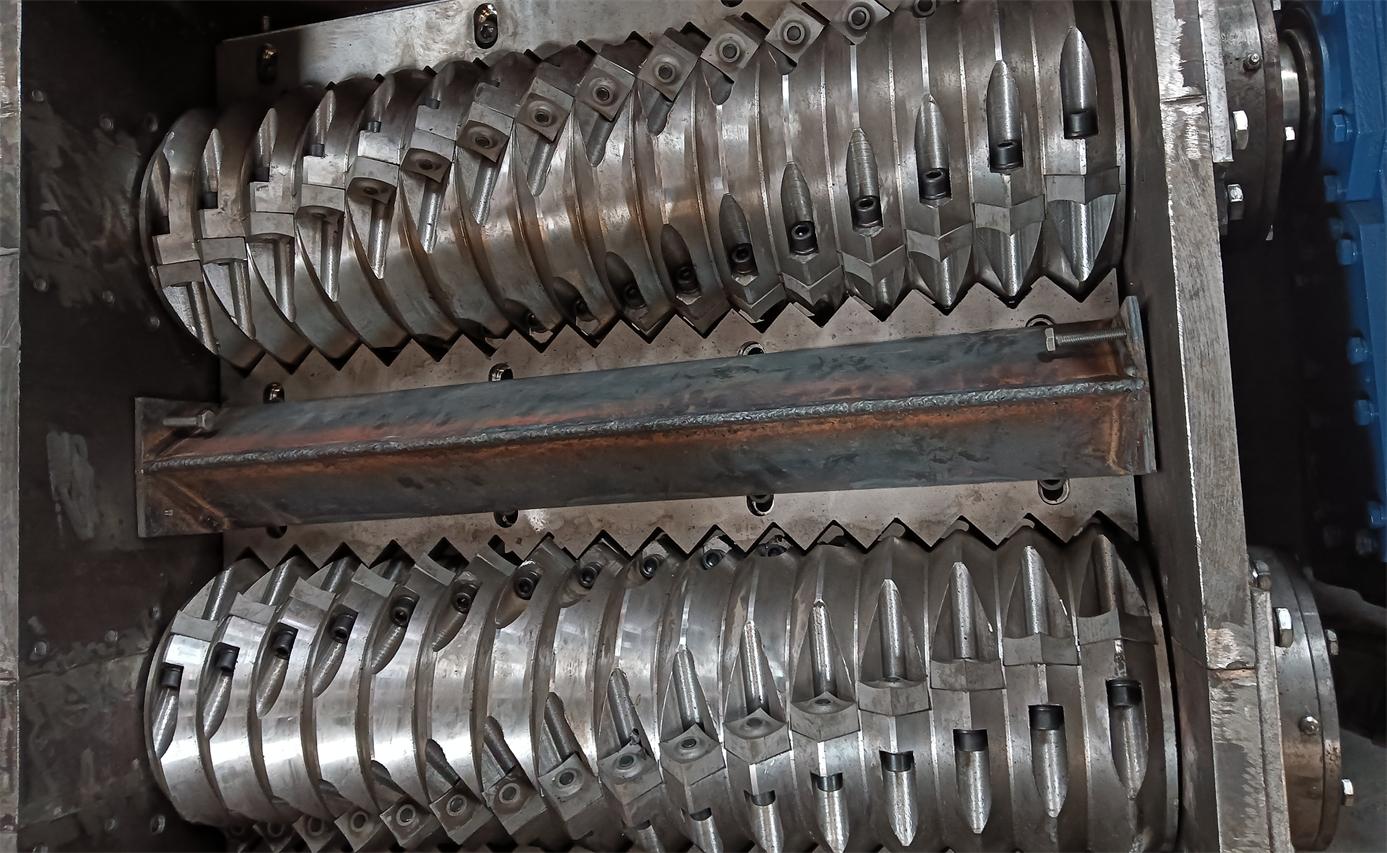
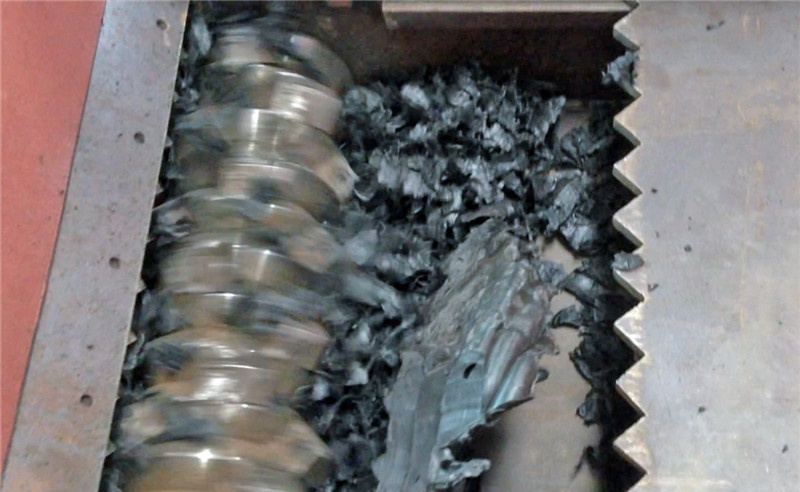
Blades are the unsung heroes – imagine them as the lead violinist in your shredding orchestra. Get the wrong player, and the whole performance falls flat. Here's why blade choice makes or breaks your output size:
| Blade Type | Material Sweet Spot | Size Control | Real-World Fit |
|---|---|---|---|
| Tungsten Carbide | Metals, dense rubbers | Excellent for larger fragments | For 20-50mm outputs on engine blocks |
| High-Speed Steel | Plastics, wires, papers | Superb for fine 0-20mm sizes | Ideal for e-waste PCB fragmentation |
| Alloy Steel | Mixed streams, woods | Versatile mid-range control | Your go-to for general recycling plants |
Operator's Secret: Rotate blades 15° after each sharpening – it doubles service life and maintains consistent sizing better than factory specs claim. That subtle angle change prevents premature dulling on uneven materials.
Feeding Rhythm: The Size Control Metronome
Picture feeding your shredder like pouring pancake batter – uneven streams make inconsistent results. Feeding rhythm directly controls how completely materials get shredded before passing through sizing screens.
Example: Processing bulk plastics? Pulse-feeding creates alternating compression/release phases – like a baker folding dough – giving blades extra engagement for smaller fragments.
Pro Adjustment: For 30-50mm outputs, use "wave feeding" – heavy load for 20 secs followed by light load for 10 secs. This creates natural compression pockets that align fragments for cleaner cuts without wasteful fines.
The Size Regulator: Speed + Torque Tango
Think of speed and torque as a dance couple – their coordination determines your shredded size precision. Get them out of step and your output consistency suffers immediately.
| Material Type | Optimal RPM | Torque Setting | Resulting Size Range |
|---|---|---|---|
| Rigid Plastics | Medium (30-45 RPM) | High | 15-35mm uniform chips |
| Copper Cables | High (50-65 RPM) | Medium | 2-15mm fragments (ideal for cable recycling ) |
| Mixed Metals | Low (15-25 RPM) | Max | 25-50mm dense nuggets |
Size Impact: Just a 5-RPM increase when shredding rubber creates 22% more 0-10mm particles. For consistent 20-40mm outputs, maintain ±2 RPM tolerance.
Screen Sizing: Your Final Quality Filter
Screens are the bouncers at your shredder's exit – they decide what particle sizes make the cut. Understanding their filtering dynamics is crucial for precision size control.
Screen Selection Flow: Bulk cardboard → 25-35mm mesh → Automotive shred residue → 5-15mm mesh → Precious metal recovery → 0-5mm mesh
Screen Secret: Rotate screens 180° monthly. Even high-grade steel wears unevenly – rotation extends precision sizing capability by 40% before replacement needed. Mark rotational position with paint dots.
Size Guardian Protocols: Maintenance Rituals
Neglect maintenance and your precise sizing adjustments become meaningless. Treat blade alignment and screen integrity like a pilot's pre-flight checklist:
| Maintenance Task | Frequency | Size Consistency Impact | Detection Technique |
|---|---|---|---|
| Blade alignment check | Every 40 operating hrs | Prevents 15-25% size deviation | Laser gap measurement |
| Screen tension test | Weekly | Maintains ±3mm sizing precision | Ultrasonic resonance scanning |
| Bearing lubrication | Quarterly | Ensures constant RPM stability | Vibration pattern analysis |
Data Point: Properly lubricated bearings maintain RPM within 0.5% – critical when producing 20mm spec materials where just 1mm oversize causes rejection.
Material-Specific Size Magic Tricks
Each material has its size personality – learning these quirks separates adequate operators from size-control wizards:
Tires (35-45mm): Pre-freeze to -10°C – brittle rubber shatters cleanly into blocks rather than stringy shreds.
Copper Wires: Add wooden dowels to the shred mix – the snapping action separates copper from insulation while achieving 3-8mm fragments perfect for cable recycling processes.
ABS Plastics (5-15mm): Mist with water during shredding – reduces static-induced clumping for free-flowing uniform granules.
Mastering 0-50mm shredder output isn't just technical adjustment—it's developing material intuition. Like a chef knowing when to pull a steak off heat, you'll learn when that shredder hum signals perfect sizing. Start with the blade-feeding-RPM fundamentals but watch your materials like nature documentaries. Your reward? Consistent quality that streamlines downstream operations whether you're in metal recovery, plastic repurposing, or cable recycling specialization.
When your system flows like this, waste streams transform into premium inputs for subsequent processing phases. That transformation begins with understanding that shredder adjustments are both a science and an art—a craft that turns operators into size-control maestros.