Why E-Waste Recycling Is a High-Growth Business
The global volume of discarded electronics and batteries is accelerating. Governments on nearly every continent are tightening landfill restrictions and introducing extended producer responsibility (EPR) frameworks that push manufacturers to fund end-of-life collection. At the same time, commodity prices for copper, lead, lithium, nickel, and cobalt remain high enough to make mechanical recovery economically attractive.
This combination of regulatory pressure and material value creates a reliable demand floor for recycling services. A well-designed plant does not depend on subsidies. It generates revenue by selling recovered metal, plastic, and other fractions back into industrial supply chains.
Key market drivers:
- Rising landfill bans for hazardous e-waste in Asia, Europe, and the Americas
- EPR regulations requiring OEMs to finance take-back and recycling
- Strong and stable demand for secondary lead, copper, and black mass
- End-of-life electric vehicle batteries entering the recycling pipeline
Four High-Value Recycling Streams You Should Consider
Not every recycling stream offers the same margin or capex profile. Experienced operators usually start with one core material, prove the economics, and then expand. Here are four proven streams that justify serious investment.
1. Lead-Acid Battery Recycling
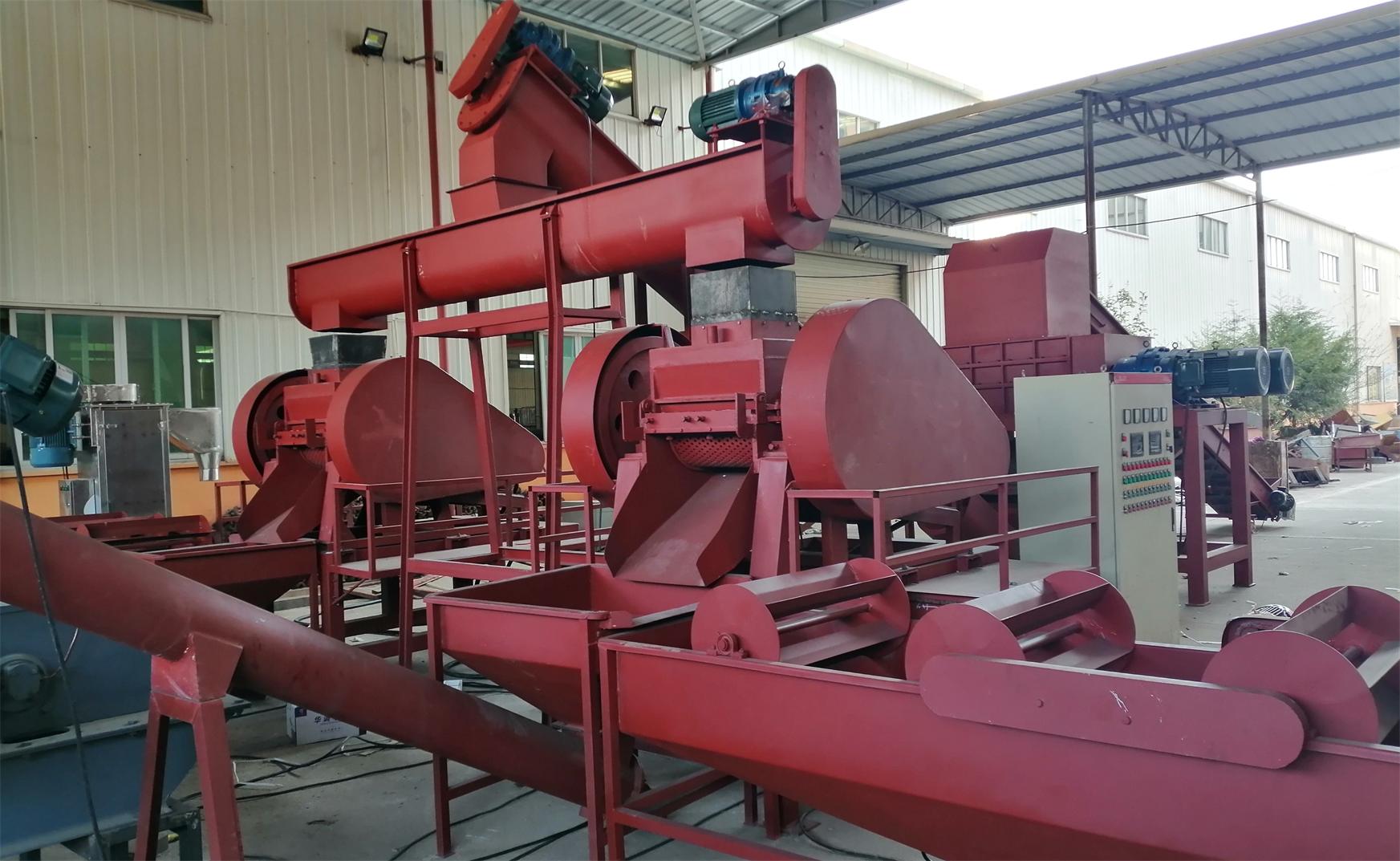
Spent lead-acid batteries still represent the largest share of global battery waste by tonnage. The technology is mature, the end-market for secondary lead is liquid, and the payback period is typically shorter than for other chemistries. A complete lead acid battery recycling equipment line includes breaking and separation systems, rotary furnaces or blast furnaces for paste reduction, refinery kettles for crude lead purification, de-sulfurization units, filter presses, water treatment plants, and air pollution control systems. Recovery rates for lead can exceed 95 percent when the right process chain is installed.
2. Lithium-Ion Battery Recycling
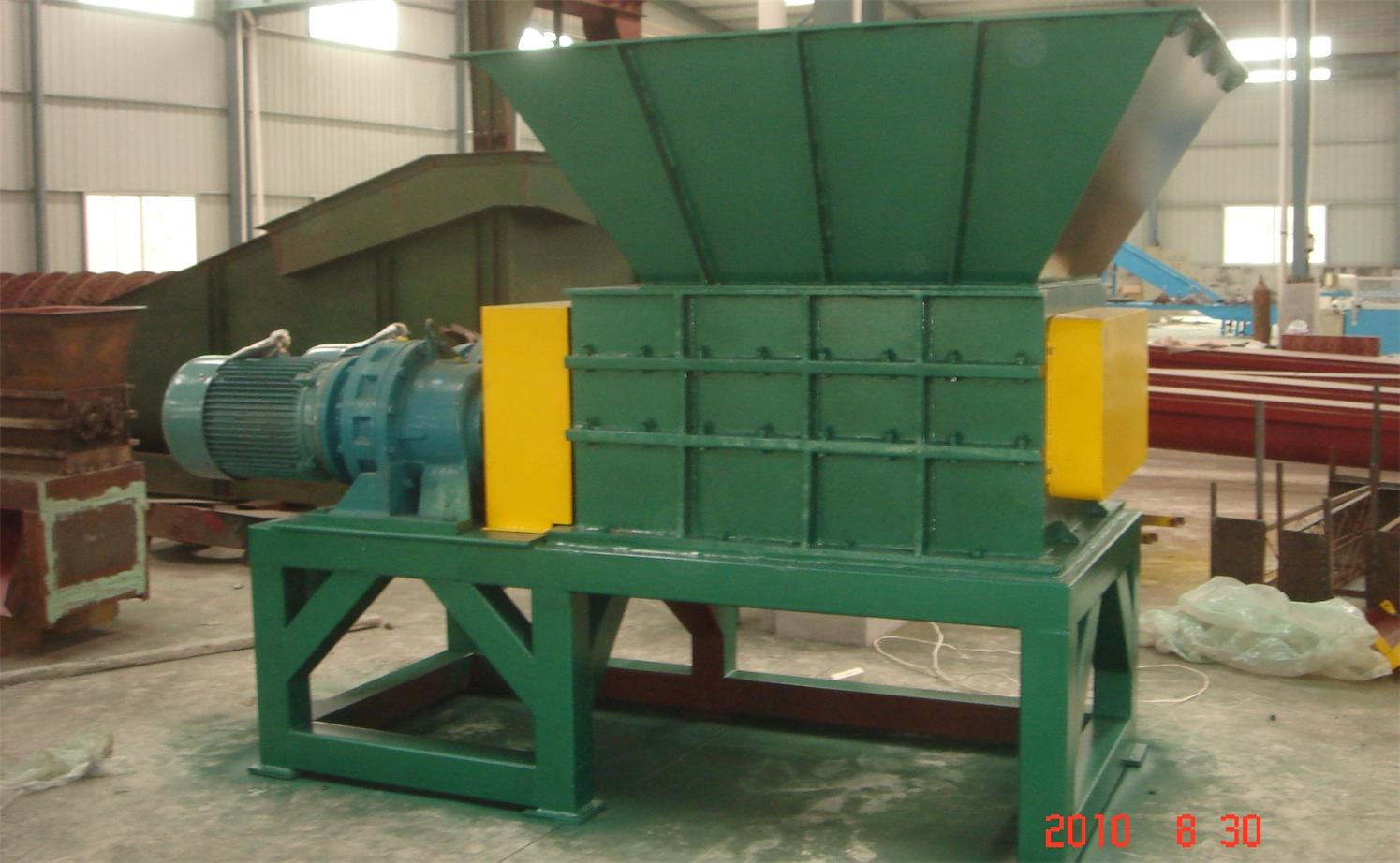
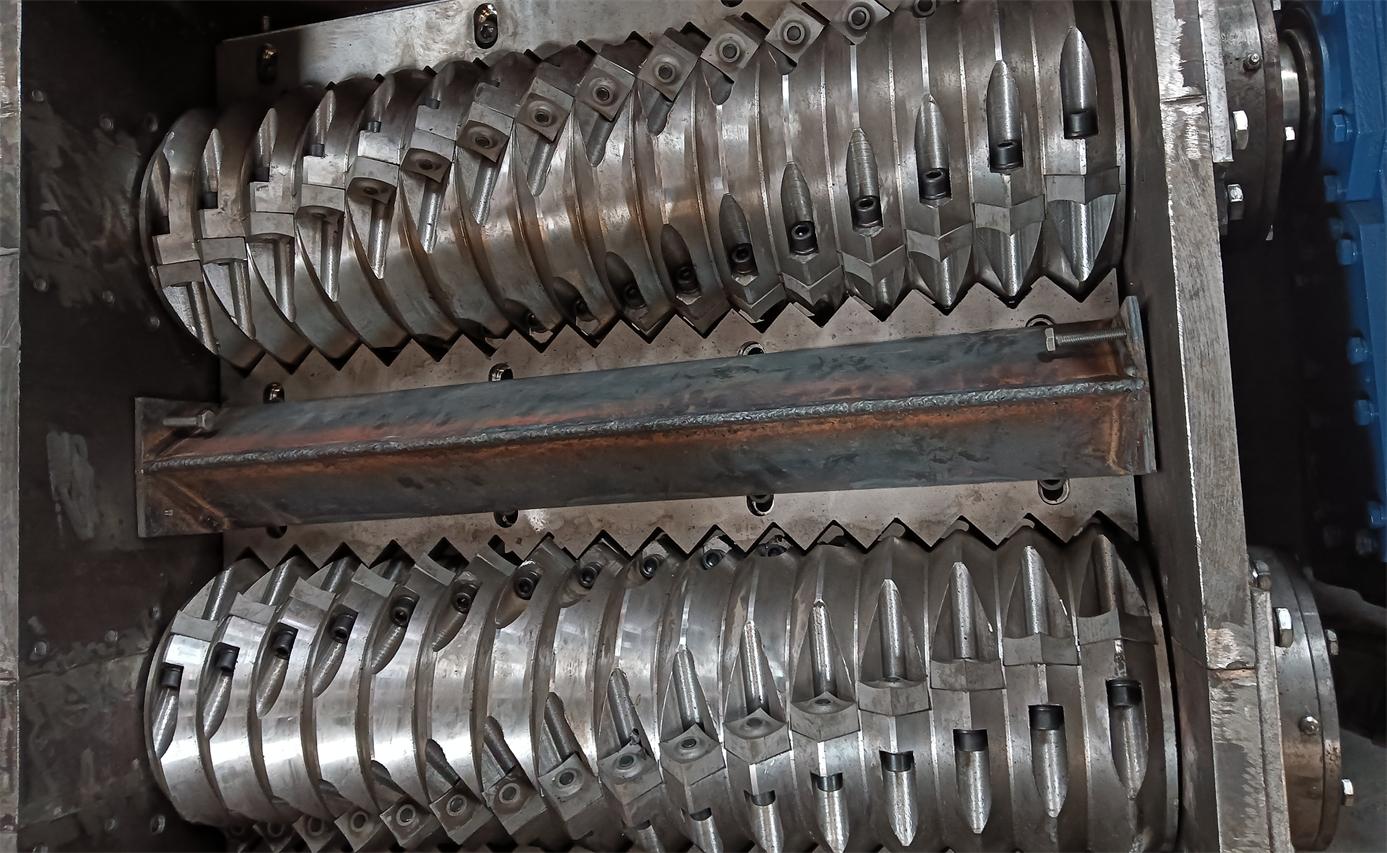
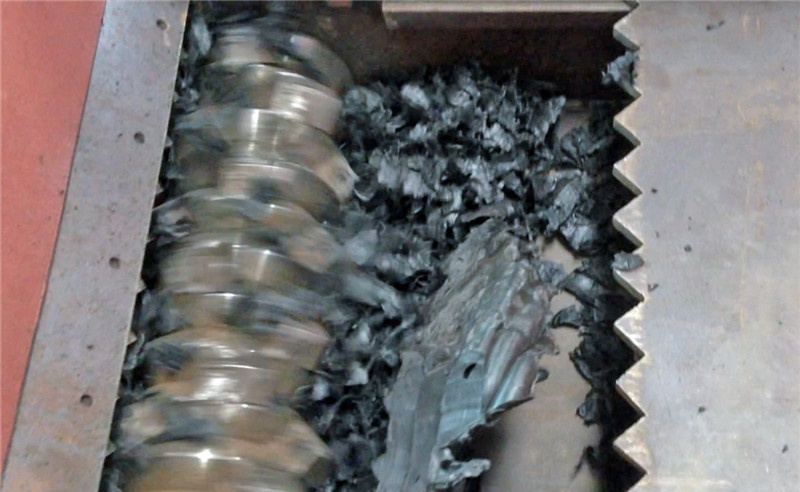
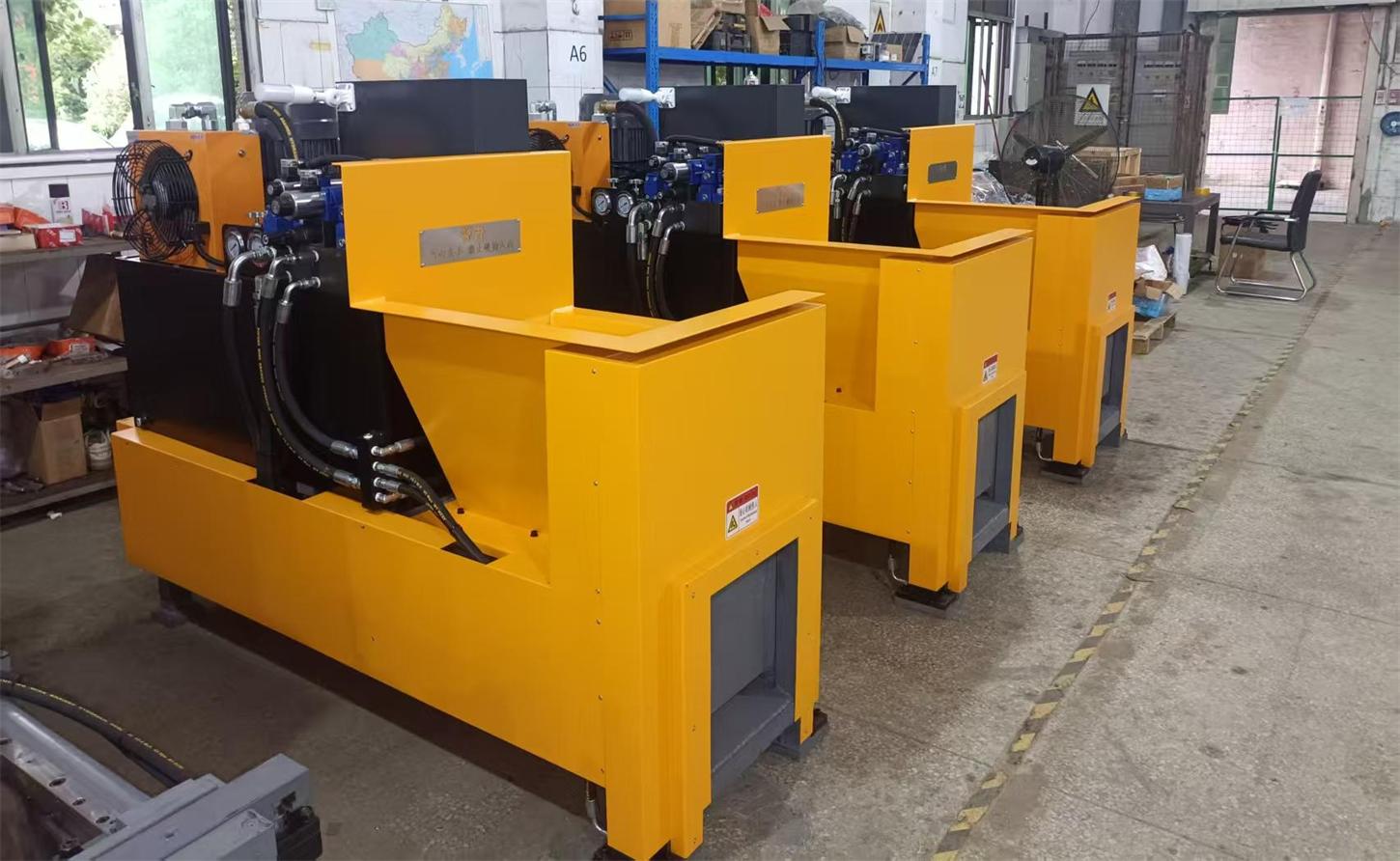
Lithium-ion waste is the fastest-growing segment, driven by the end-of-life wave from consumer electronics and early electric vehicle fleets. The economic prize is black mass rich in nickel, cobalt, manganese, and graphite, plus separated copper and aluminum fractions. A modern li battery recycling equipment line handles safe discharge, pre-crushing, secondary granulation, magnetic separation, and black powder recovery, often with dedicated air pollution control and plastic briquetting to handle separator film. Capacity ranges from 500 kg per hour to 2,500 kg per hour depending on feedstock volume.
3. Circuit Board Recycling
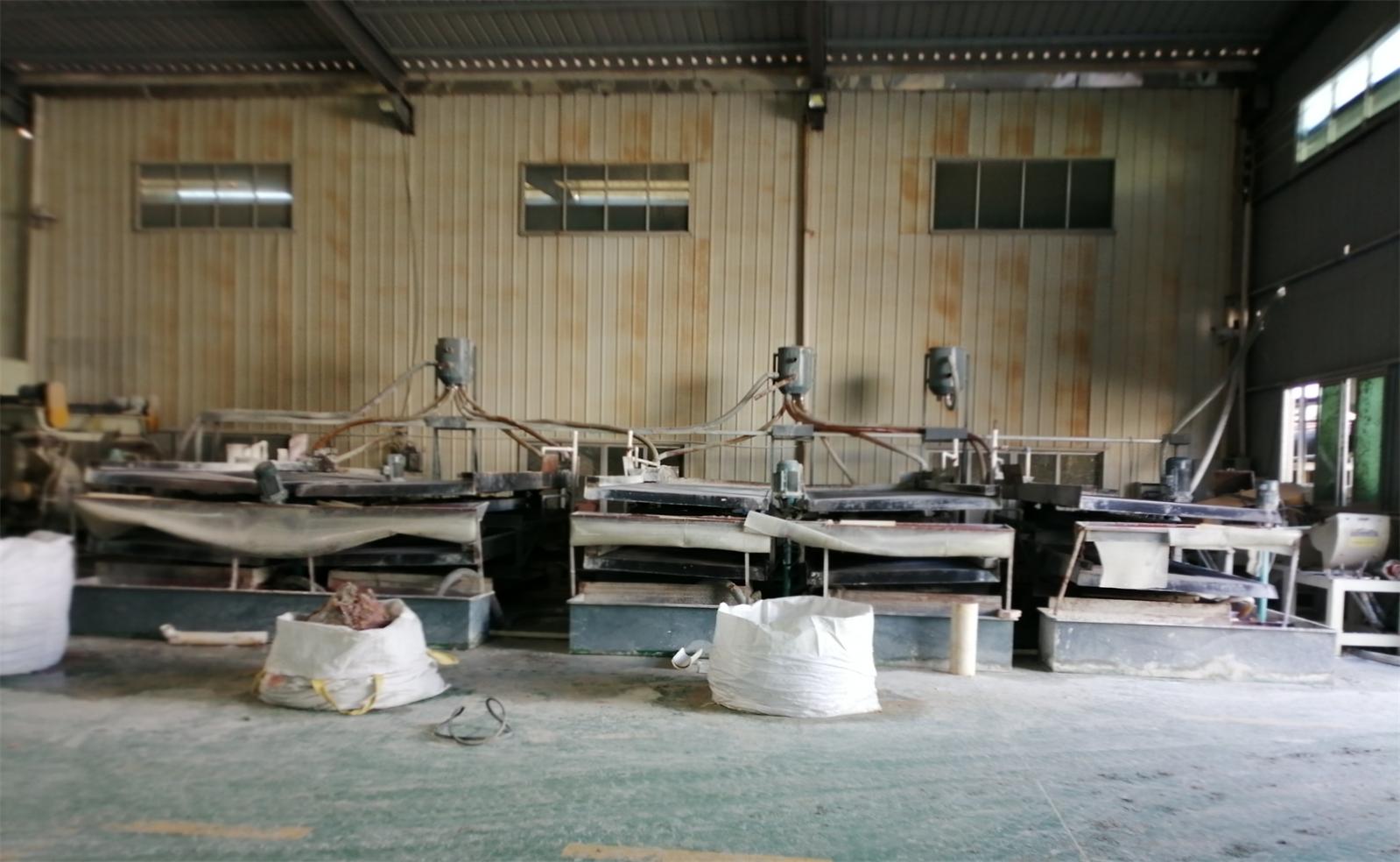
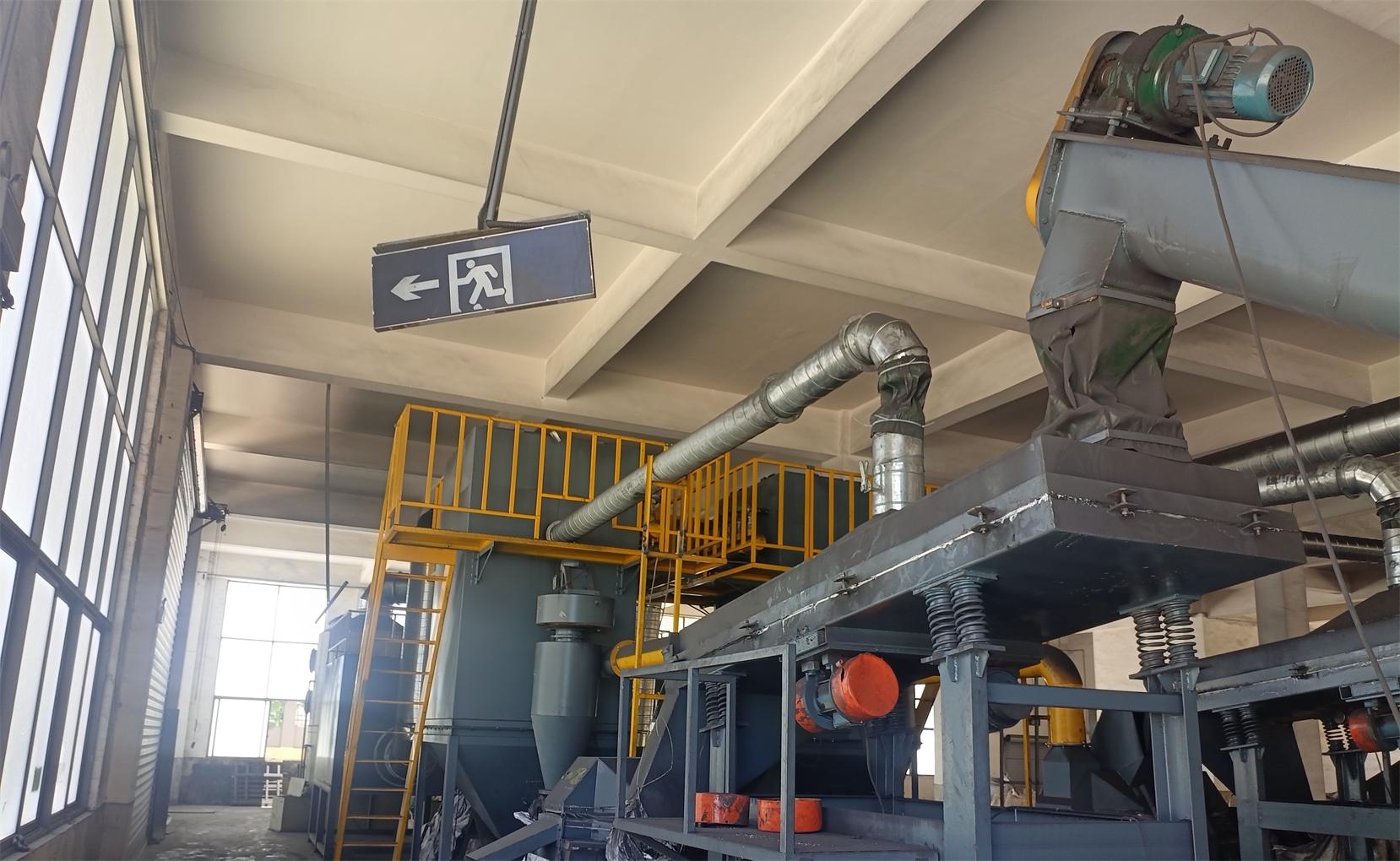
Printed circuit boards contain copper, gold, silver, and palladium in concentrations that exceed many natural ores. Mechanical recycling plants use shredding, grinding, and separation to recover copper powder with purity levels of 96 to 98 percent. Both wet and dry separation technologies are available, with dry systems offering lower water consumption and simpler permitting. Choosing the right circuit board recycling equipment depends on your local environmental rules, available water, and target capacity.
4. Cable Recycling
Scrap cable is one of the most accessible feedstocks for new entrants because collection infrastructure already exists in most countries. Granulators and separators strip plastic insulation from copper or aluminum conductors, producing clean metal fractions that smelters buy without hesitation. Cable recycling equipment ranges from compact stripper machines for small workshops to high-capacity granulator lines for industrial volumes.
What Separates Reliable Equipment from Risky Purchases
Buying recycling machinery is not like buying a standard industrial tool. The equipment must handle variable feedstock, operate under harsh conditions, and meet local emissions standards. Here are the criteria that separate reliable suppliers from risky ones.
| Evaluation Point | What to Ask For |
|---|---|
| Recovery rate | Written guarantees on metal purity and yield, backed by reference plant data |
| Environmental compliance | Integrated air pollution control, water treatment, and sealed effluent systems |
| Capacity match | Equipment sized to actual feedstock volume, not theoretical maximums |
| After-sales support | On-site installation, commissioning, training, and spare parts availability |
| Process integration | Whether individual machines are designed to work together as a continuous line |
Turnkey EPC Solutions: Why Starting with the Right Partner Matters
Piecemeal purchasing sounds cheaper on paper, but mismatched conveyors, incompatible control systems, and missing environmental units often push budgets over budget and timelines into delay. A turnkey EPC approach bundles engineering, procurement, and construction under one responsible party.
San Lan Technologies, established in 2007 and based in Jiangxi Province, China, has delivered complete recycling plants to operators in more than 21 countries. The company’s engineering team holds master’s degrees in mechanical engineering and brings over 15 years of hands-on experience in e-waste recycling machinery design.
What a full-service partner should offer:
- Free preliminary engineering investigation, including local material supply, energy availability, and environmental policy review
- Customized plant layout and process design matched to your feedstock and budget
- One-stop equipment procurement with integrated breaking, separation, smelting, and pollution control units
- On-site installation, commissioning, and operator training
- Assistance sourcing waste material and marketing recovered products such as copper rice, lead ingots, and plastic granules
- Investor and partner introductions for plant construction financing
Real-World Results: What 21+ Countries Already Know
San Lan’s installations span Singapore, Colombia, Vietnam, Mexico, Argentina, Korea, Malaysia, Indonesia, South Africa, Tunisia, India, Kenya, Saudi Arabia, the Philippines, Zambia, Israel, and others. This geographic spread means the company has faced diverse regulatory regimes, feedstock types, and climate conditions, and has adapted its designs accordingly.
For lead-acid battery plants, San Lan offers complete lines with capacities from 1 to 10 metric tons per hour. For lithium-ion, systems handle 500 to 2,500 kg per hour. Circuit board plants range from 300 kg per hour to 2,000 kg per hour, with wet or dry separation options. Cable recycling lines cover compact granulators for entry-level operators up to high-output systems for volume recyclers.
Your Next Step
Building a recycling plant is a capital decision that lasts for decades. The equipment you choose, the process design you approve, and the partner you trust will determine whether your operation becomes a profitable materials recovery business or an expensive lesson.
San Lan Technologies offers free preliminary project consultation, including engineering investigation and custom plant design. If you are evaluating a lead-acid, lithium-ion, circuit board, or cable recycling investment, contact the team to discuss feedstock, capacity, layout, and budget before you commit to any equipment purchase.
Contact San Lan Technologies:
Email: info@san-lan.com
WhatsApp: +86 139 2377 4083
Website: www.san-lan.com