Understanding the E-Waste Recycling Opportunity
The global surge in electronic device consumption has created an unprecedented waste management challenge. From smartphones and laptops to industrial equipment and automotive batteries, the volume of end-of-life electronics continues to accelerate. However, this waste stream is remarkably rich in recoverable materials including copper, gold, silver, lead, lithium, and various rare earth elements.
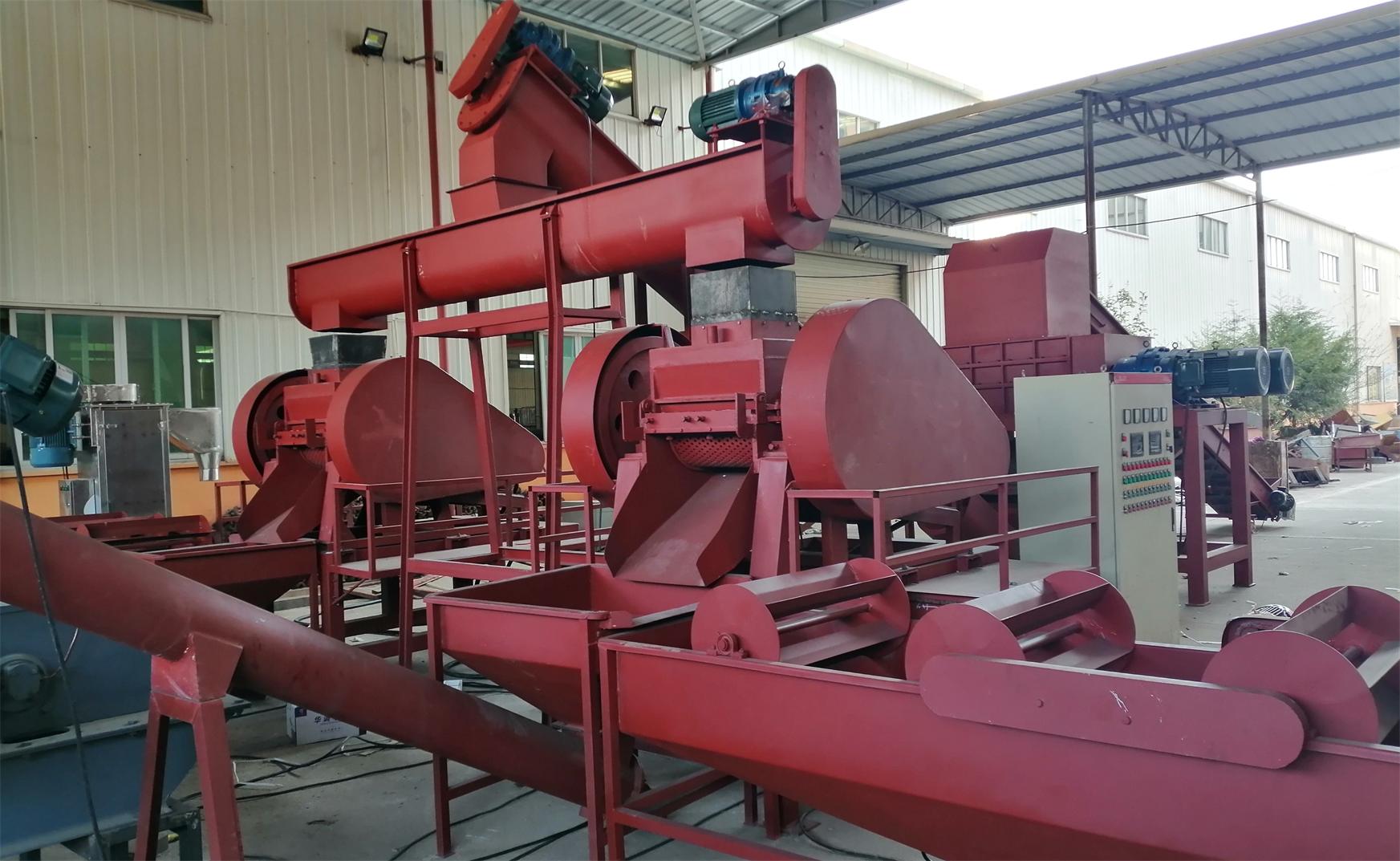
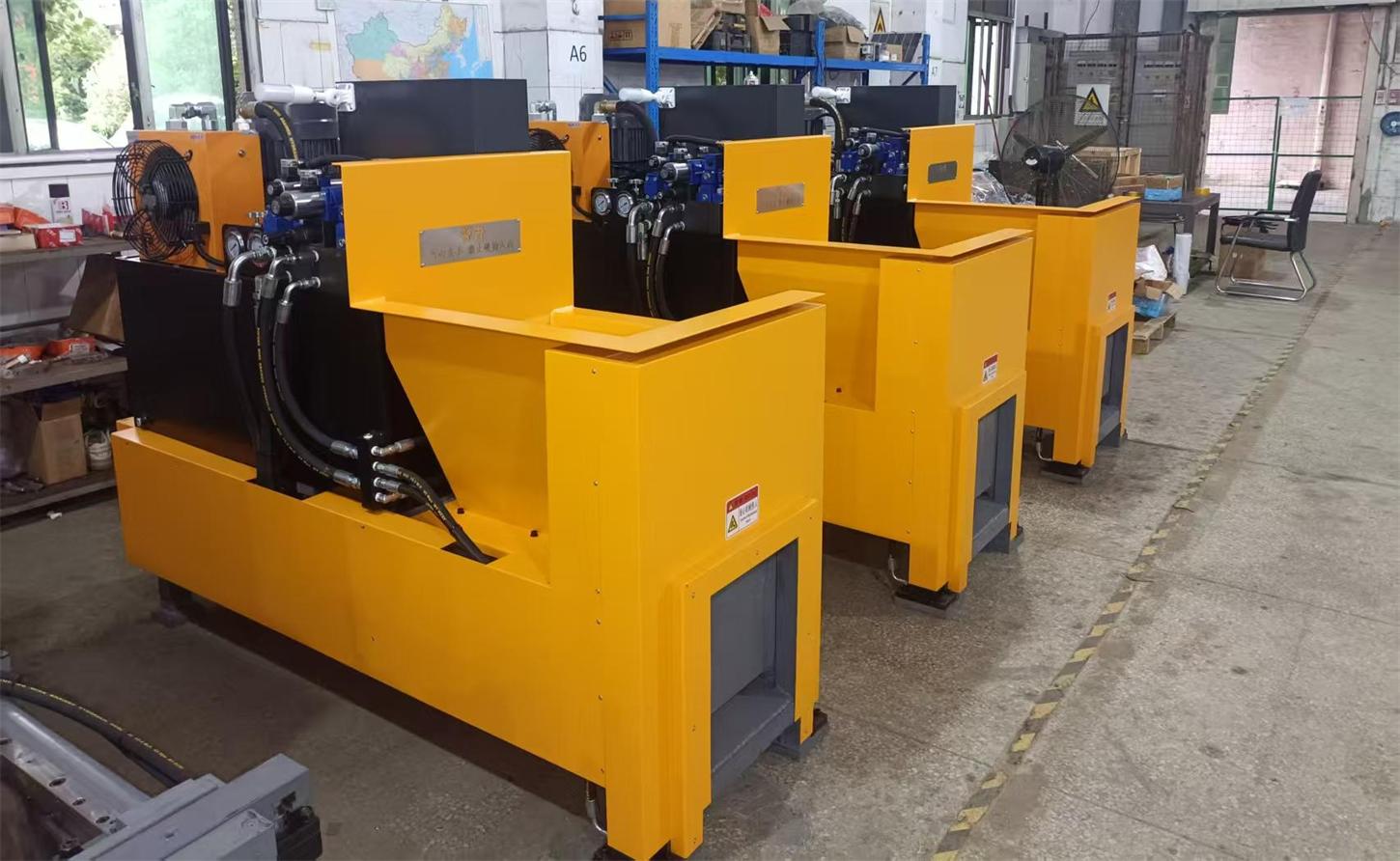
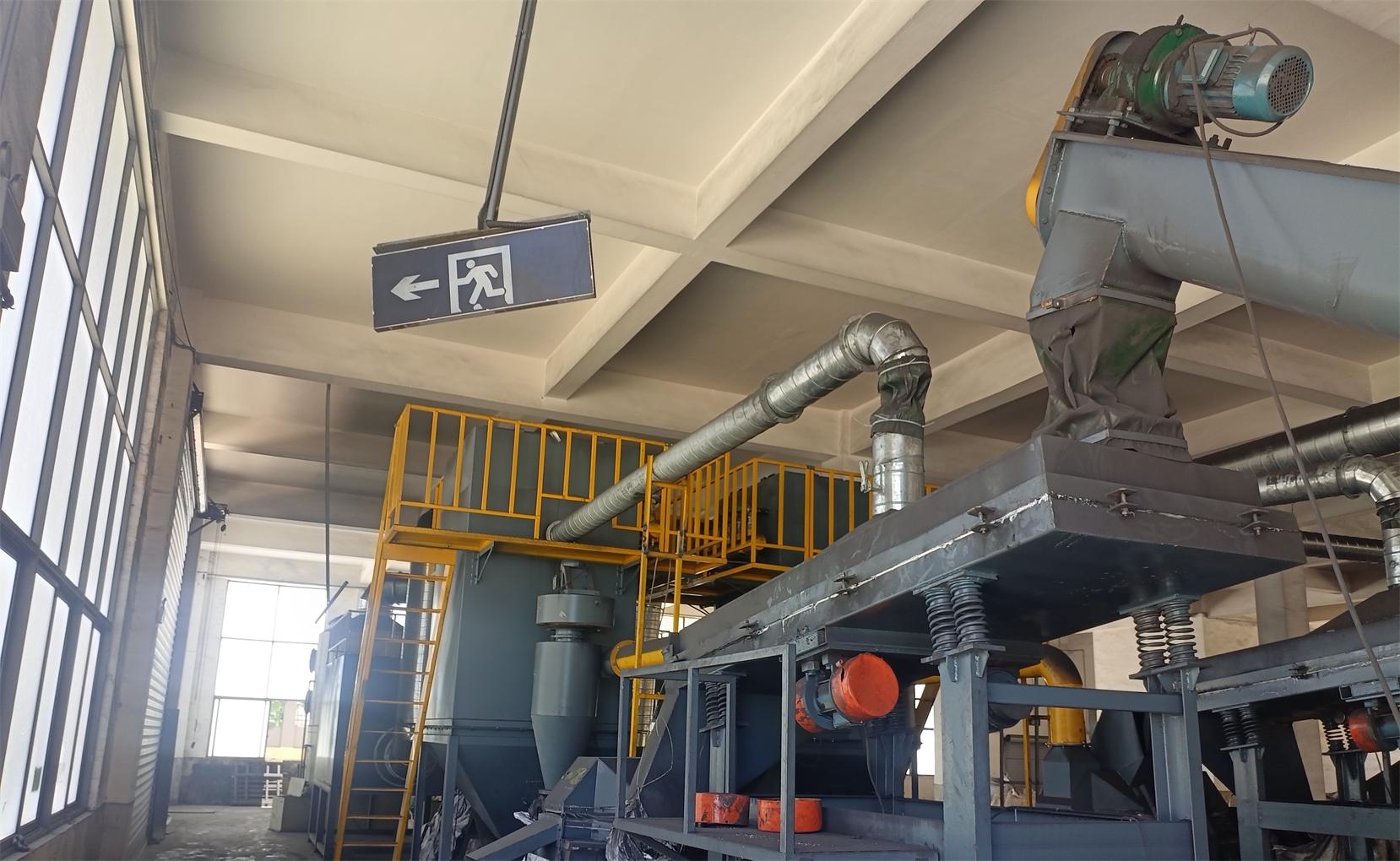
Successful recycling operations require more than good intentions. They demand specialized equipment designed to safely dismantle, separate, and process complex electronic assemblies. The right machinery can achieve recovery rates exceeding 95% for many materials, transforming waste disposal costs into revenue streams.
Core Recycling Equipment Categories
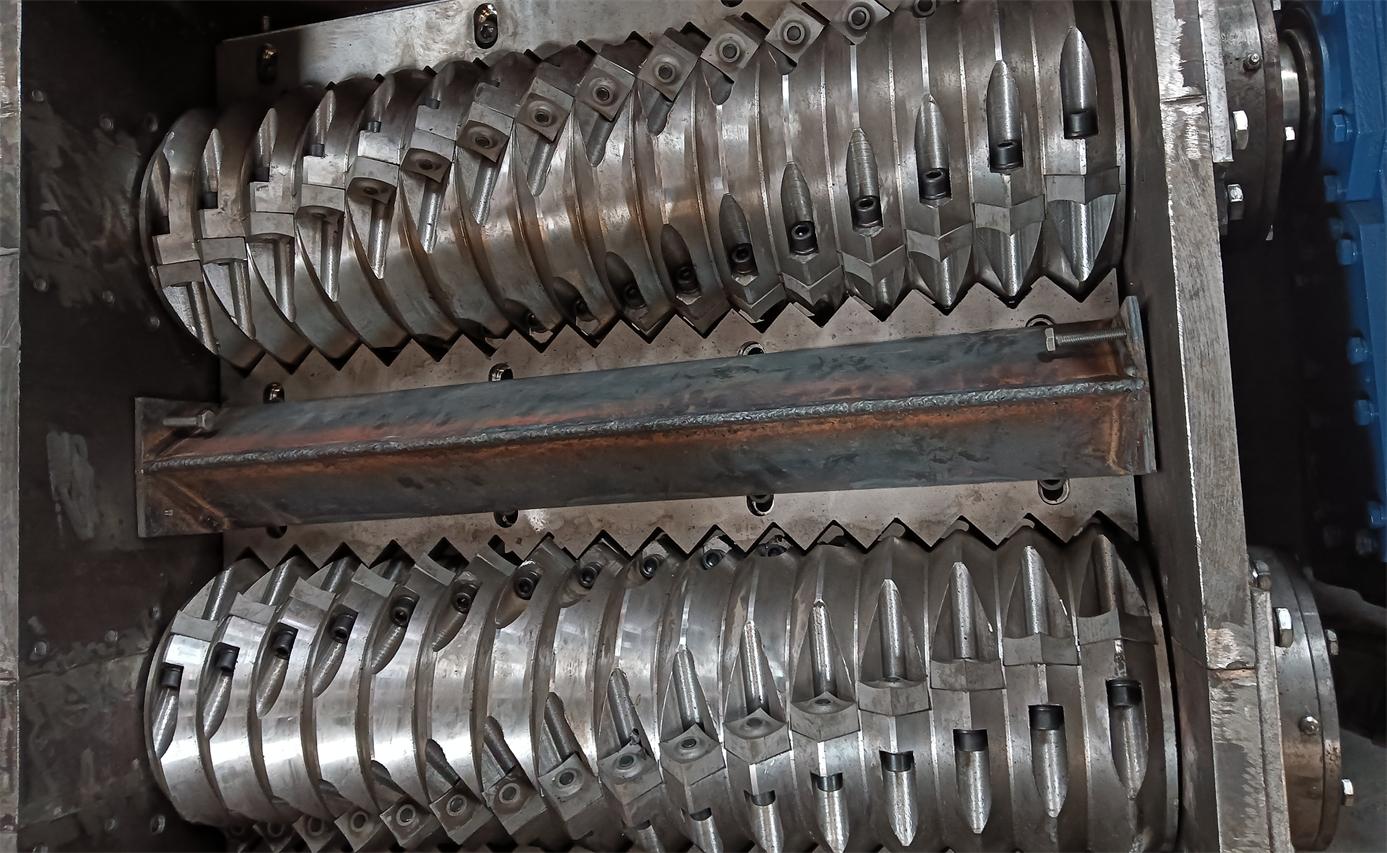
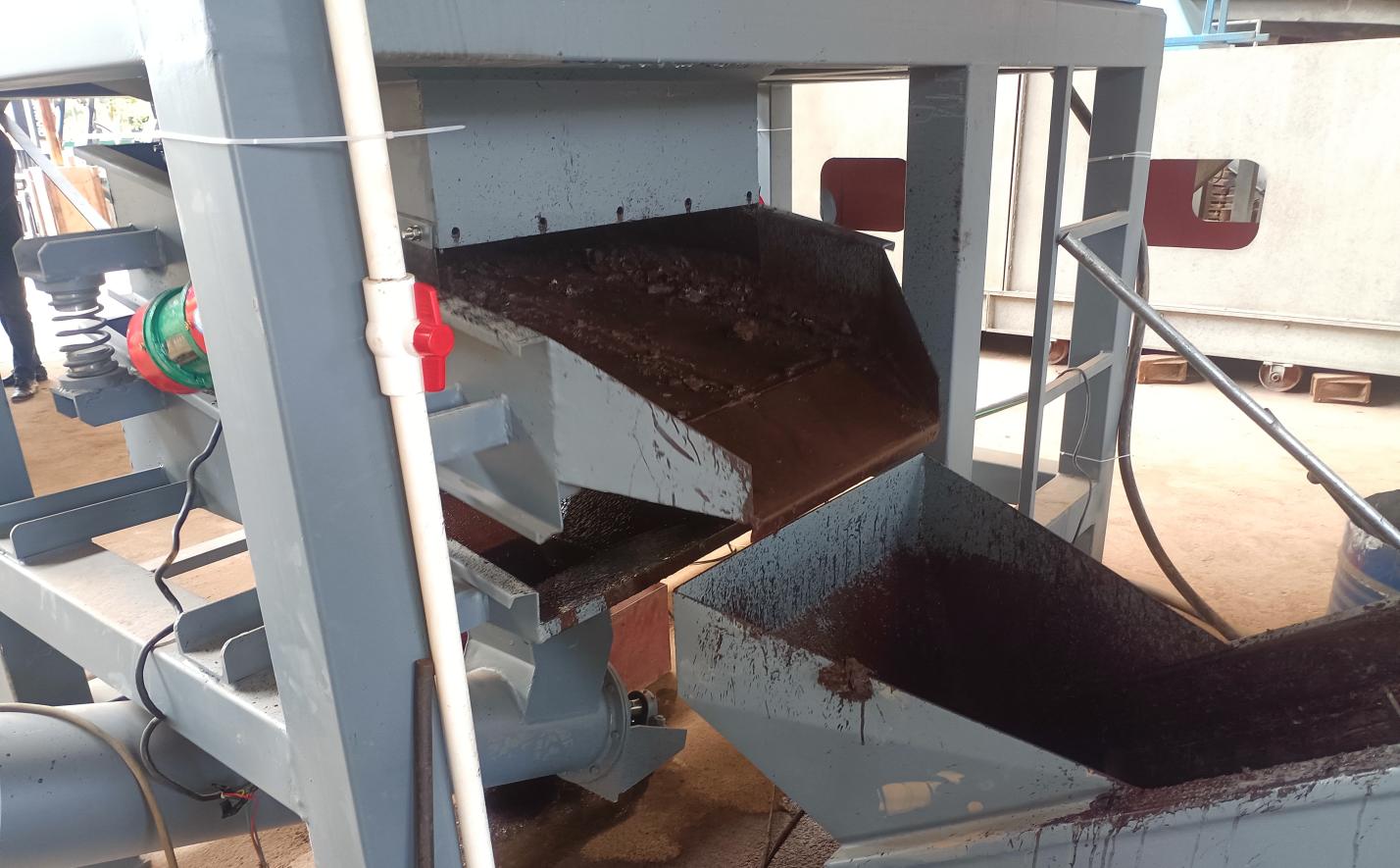
Batteries represent one of the most valuable and environmentally critical recycling streams. Lead acid battery recycling equipment breaks and separates used batteries to recover lead paste, lead grids, plastic casings, and acid for safe treatment. Advanced systems can process 1-10 metric tons per hour while meeting strict environmental standards.
For modern lithium-ion batteries, specialized li battery recycling equipment handles the unique challenges of electrode materials, electrolytes, and flammable components. These systems recover black mass containing nickel, cobalt, and graphite, plus separated copper, aluminum, and plastic fractions. Capacities typically range from 500 to 2,500 kg per hour.
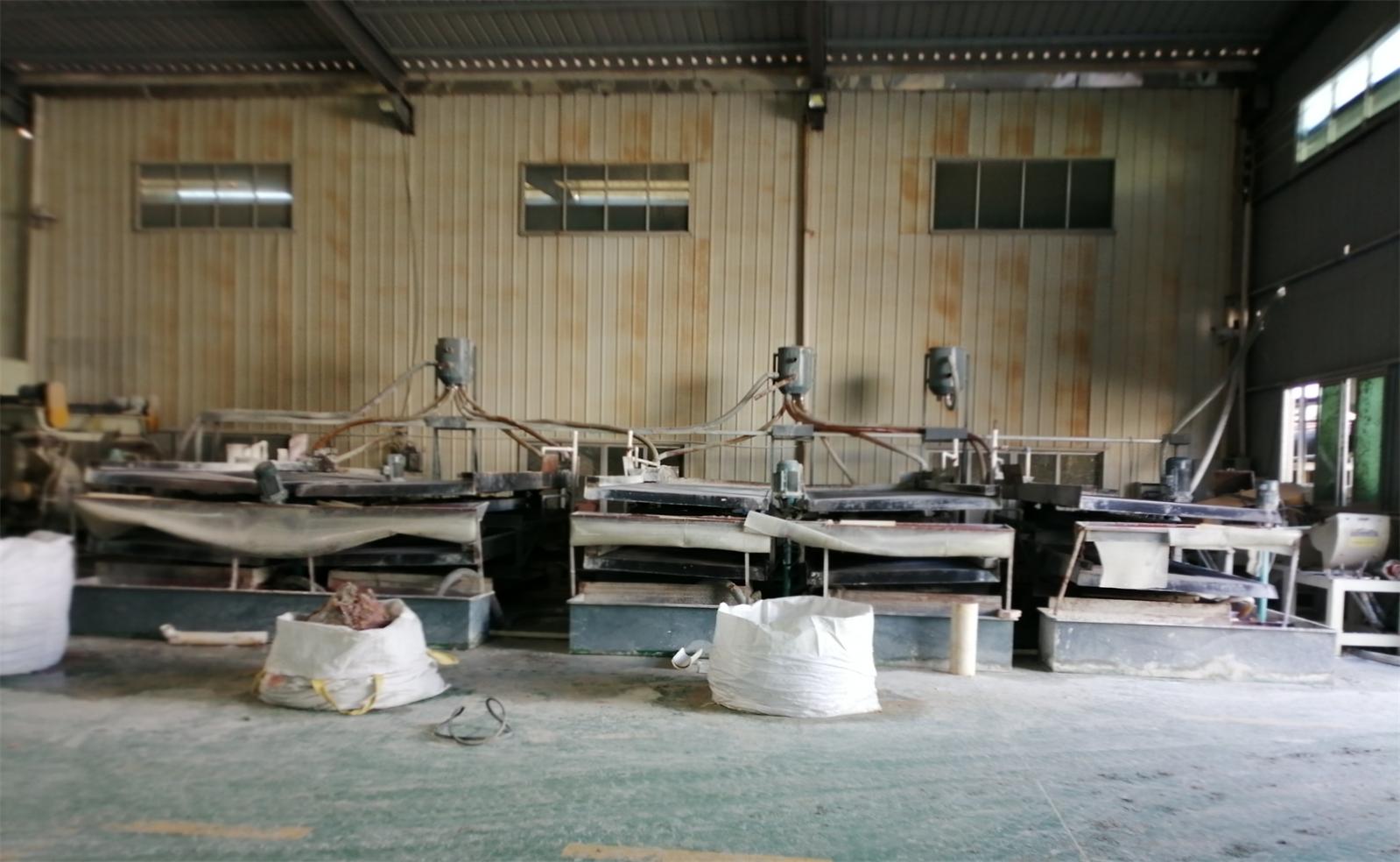
Printed circuit boards contain the highest concentration of precious metals in the e-waste stream. Circuit board recycling equipment uses mechanical processes including crushing, grinding, and separation to recover copper powder with 96-98% purity. Both dry separation and wet separation technologies are available, with capacities from 300 to 2,000 kg per hour depending on processing requirements.
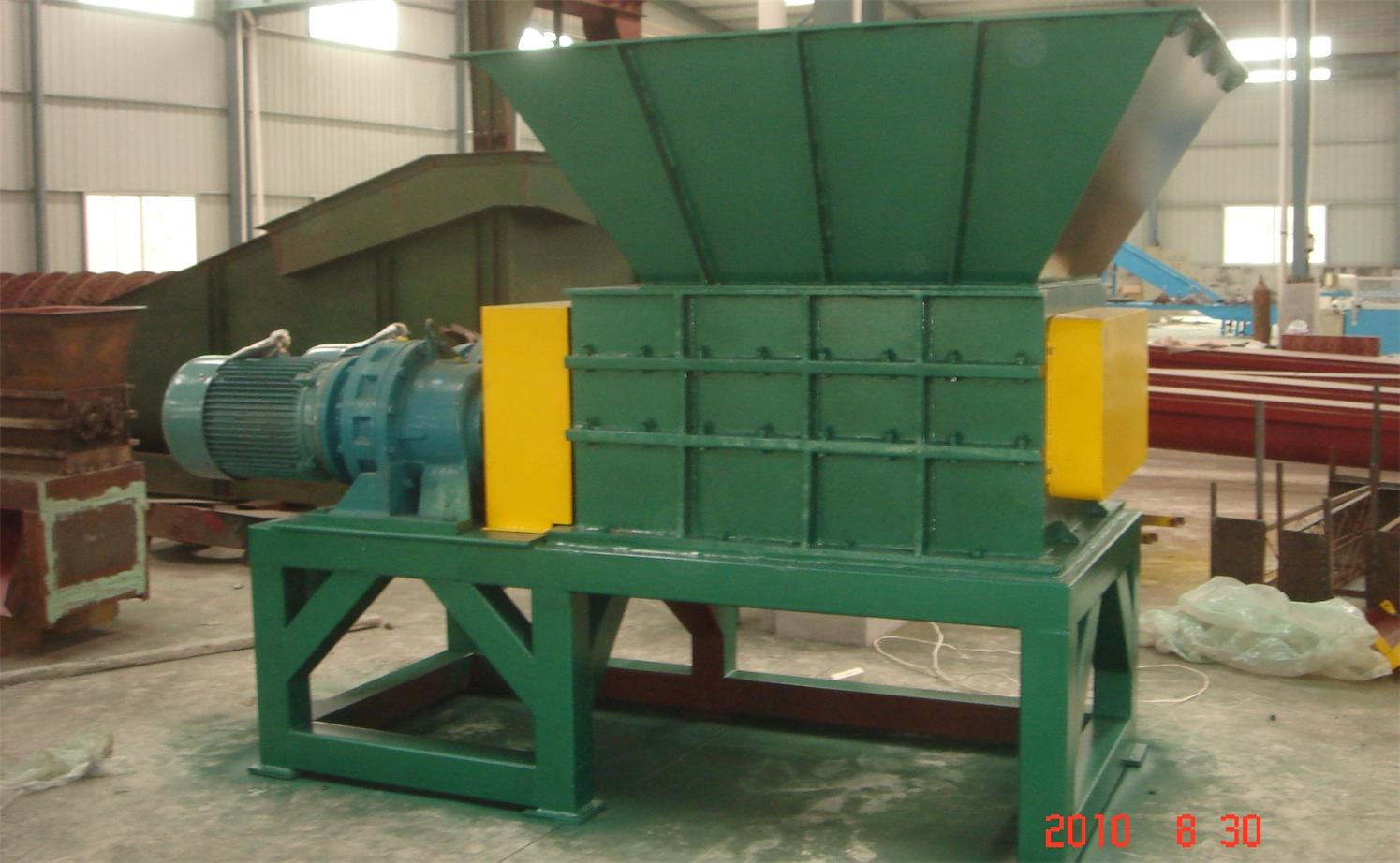
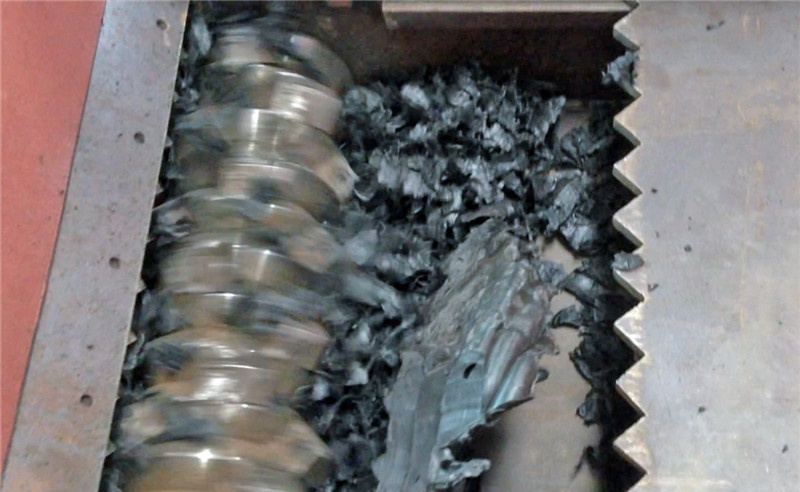
Scrap cables and wires contain valuable copper and aluminum conductors. Cable recycling equipment strips insulation and separates metal from plastic using granulators, air separators, and electrostatic systems. Modern cable granulators can handle various cable types and diameters, producing clean copper granules ready for smelting or direct sale.
Key Factors in Equipment Selection
Choosing the right recycling equipment requires careful evaluation of several critical factors. Recovery rate directly impacts profitability, making it essential to select machinery proven to maximize material extraction. Environmental compliance is equally crucial, as regulations governing emissions, wastewater, and hazardous material handling continue to tighten worldwide.
Processing capacity must align with your available feedstock and business plan. Undersized equipment creates bottlenecks, while oversized systems waste capital. Look for modular designs that allow capacity expansion as your operation grows. Energy efficiency, automation level, and maintenance requirements also significantly affect long-term operating costs.
Turnkey solutions from experienced manufacturers can dramatically reduce project risk. Engineering, procurement, and construction expertise ensures proper equipment integration, installation, and commissioning. This approach accelerates time-to-production and helps avoid costly mistakes common in self-managed projects.
Beyond Equipment: Value-Added Partnership
Equipment alone does not guarantee success. The most effective recycling partnerships extend far beyond machinery supply. Experienced manufacturers provide technical support from teams with advanced engineering degrees and deep industry experience. They understand not just how to build machines, but how to build profitable recycling businesses.
Comprehensive service offerings may include help sourcing waste materials such as cable scrap, PCB scrap, and used batteries. Some partners assist with marketing recovered materials including copper rice, copper powder, and lead ingots. For entrepreneurs seeking to enter the recycling industry, investment and partnership opportunities for plant construction can accelerate market entry.
The Path to Successful Implementation
Building a profitable recycling plant follows a structured process. Begin with thorough feedstock analysis to understand available waste streams, volumes, and material compositions. This data drives equipment selection and facility design. Engage with equipment suppliers early to develop customized solutions matching your specific requirements and budget.
Site preparation, civil works, and utility connections must accommodate equipment footprints, material flows, and environmental controls. Professional installation and commissioning ensure systems operate at designed performance levels. Operator training and maintenance programs protect your investment and sustain production targets.
Market development for recovered materials deserves equal attention. Establish relationships with smelters, refiners, and manufacturers who purchase recycled commodities. Understanding pricing mechanisms, quality specifications, and logistics arrangements transforms recovered materials into reliable revenue.
San Lan Technologies has manufactured e-waste recycling machinery and mining equipment since 2007. With customers across more than 21 countries, we deliver complete recycling plant solutions including lead acid battery recycling, lithium battery recycling, circuit board recovery, cable processing, and specialized equipment for refrigerators, CRT monitors, electric motors, and lamps.
Our engineering team holds master's degrees in mechanical engineering with over 15 years of e-waste recycling experience. We provide EPC project services, customized designs, installation and commissioning, and ongoing technical support. Whether you need individual machines or complete turnkey plants, we help transform waste into valuable resources.
Contact us today to discuss your recycling project requirements and discover how the right equipment partnership can build your profitable recycling operation.