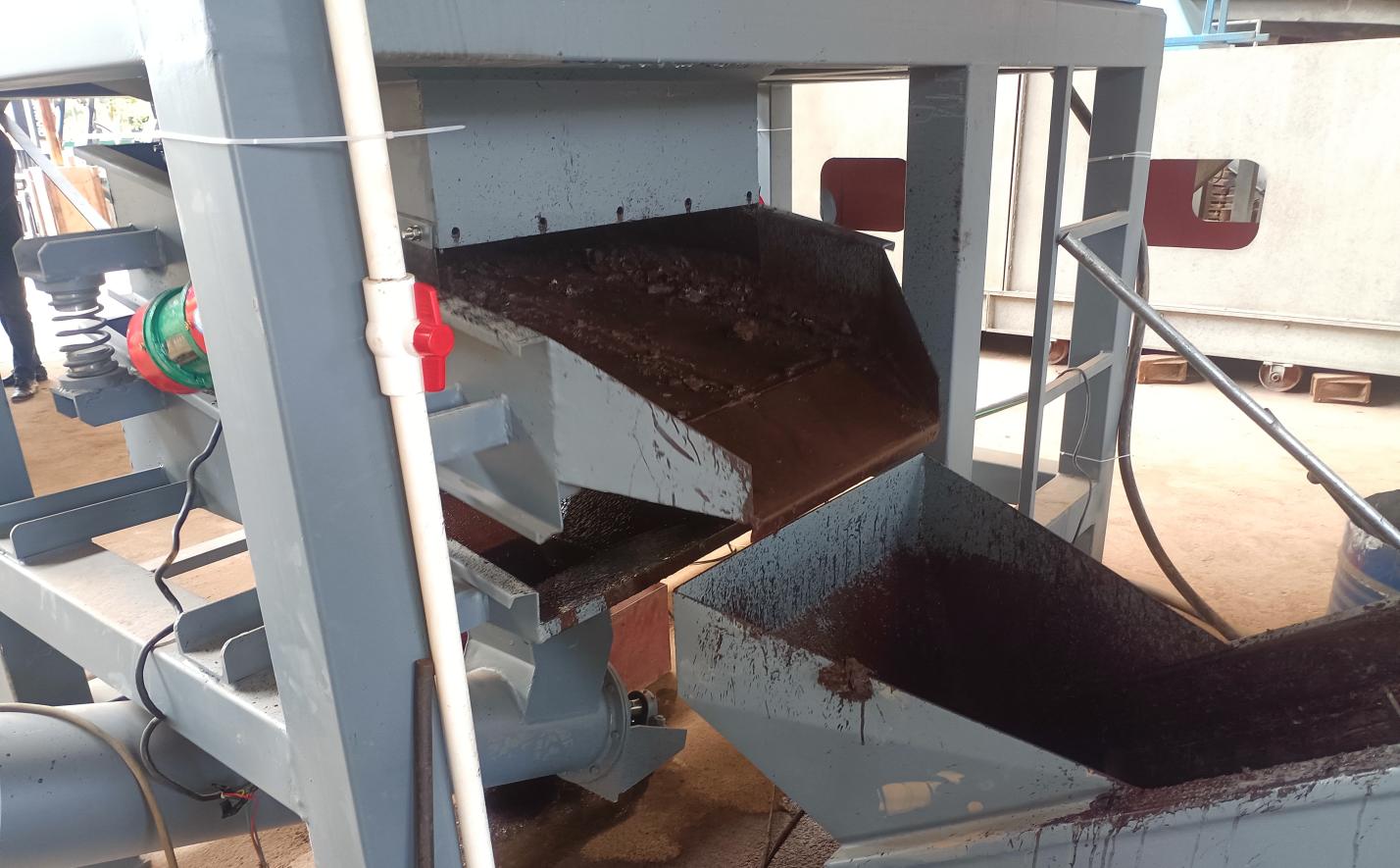
Every year, millions of tons of electronic waste end up in landfills, wasting valuable metals and polluting the environment. For businesses willing to invest in the right technology, this waste stream represents a significant profit opportunity. The global e-waste recycling market continues to expand as regulations tighten and raw material prices rise, making now the ideal time to enter or expand in this industry.
However, not all recycling equipment delivers the same results. Recovery rates, processing capacity, pollution control, and operational safety vary widely between suppliers. This guide walks through the key equipment categories you need to understand when building or upgrading a recycling facility, based on real-world applications and technical specifications.
Lead Acid Battery Recycling: A Proven Revenue Stream
Used lead acid batteries remain one of the most recycled consumer products globally. A complete lead acid battery recycling equipment setup typically includes breaking and separation systems, smelting furnaces, refinery kettles, and pollution control units. The goal is to recover lead paste, lead grids, plastic shells, and sulfuric acid efficiently while meeting strict environmental standards.
Modern lead acid battery recycling plants can process 1 to 10 metric tons per hour. Breaking and separating systems first crush the batteries and classify the components. Lead paste then goes through desulfurization before smelting in rotary furnaces or blast furnaces. Advanced rotary furnaces achieve higher recovery rates than traditional blast furnaces, with batch capacities ranging from 2 to 20 metric tons. Electric refinery kettles using near-infrared heating can save 30 to 50 percent energy compared to conventional fuel heating while refining crude lead to 99.999 percent purity.
Air pollution control systems and water treatment plants are essential additions. These systems purify exhaust gases and treat acidic wastewater, ensuring your facility complies with environmental regulations rather than facing costly shutdowns.
Lithium Battery Recycling: Capturing the Energy Transition
As electric vehicles and renewable energy storage surge, spent lithium-ion batteries are becoming the next major recycling frontier. Unlike lead acid batteries, lithium batteries contain valuable materials including nickel, cobalt, graphite, copper, and aluminum. A well-designed lithium battery recycling plant can recover these materials with capacities ranging from 500 to 2,500 kilograms per hour.
The process typically involves discharging, pre-crushing, secondary granulation, and black powder separation. Magnetic separation removes iron and steel, while air separation and electrostatic methods isolate copper, aluminum, and plastic film. The recovered black mass contains concentrated nickel, cobalt, and graphite, which battery manufacturers increasingly demand as sustainable raw material sources.
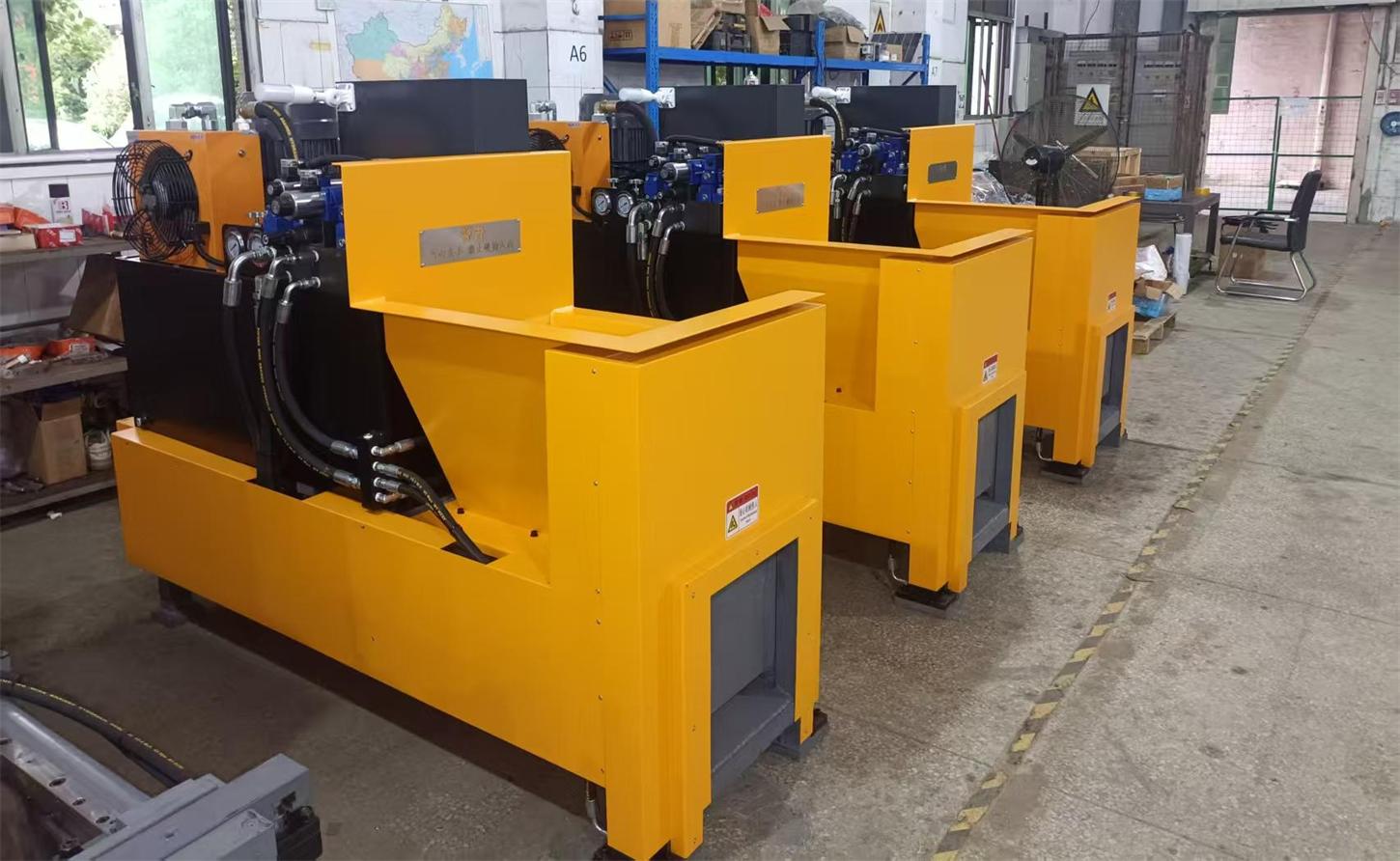
Safety is critical in lithium battery recycling due to fire and chemical risks. Professional systems include dedicated air pollution control units that absorb and neutralize harmful gases before emission. Plastic separator film can be compacted using hydraulic briquetters with volume compression ratios up to 10:1, reducing storage and transportation costs.
Circuit Board and Cable Recycling: Recovering Copper and Precious Metals
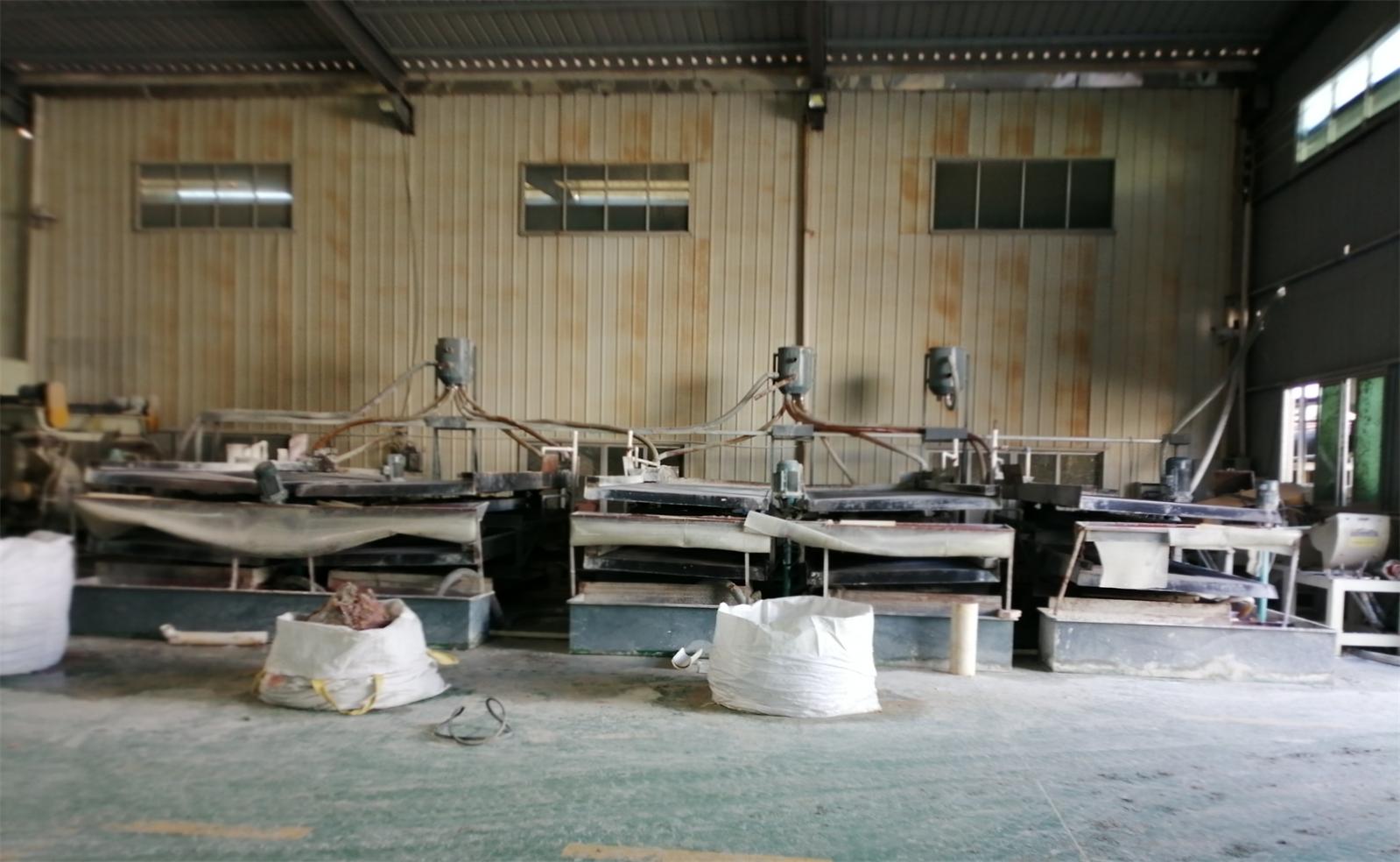
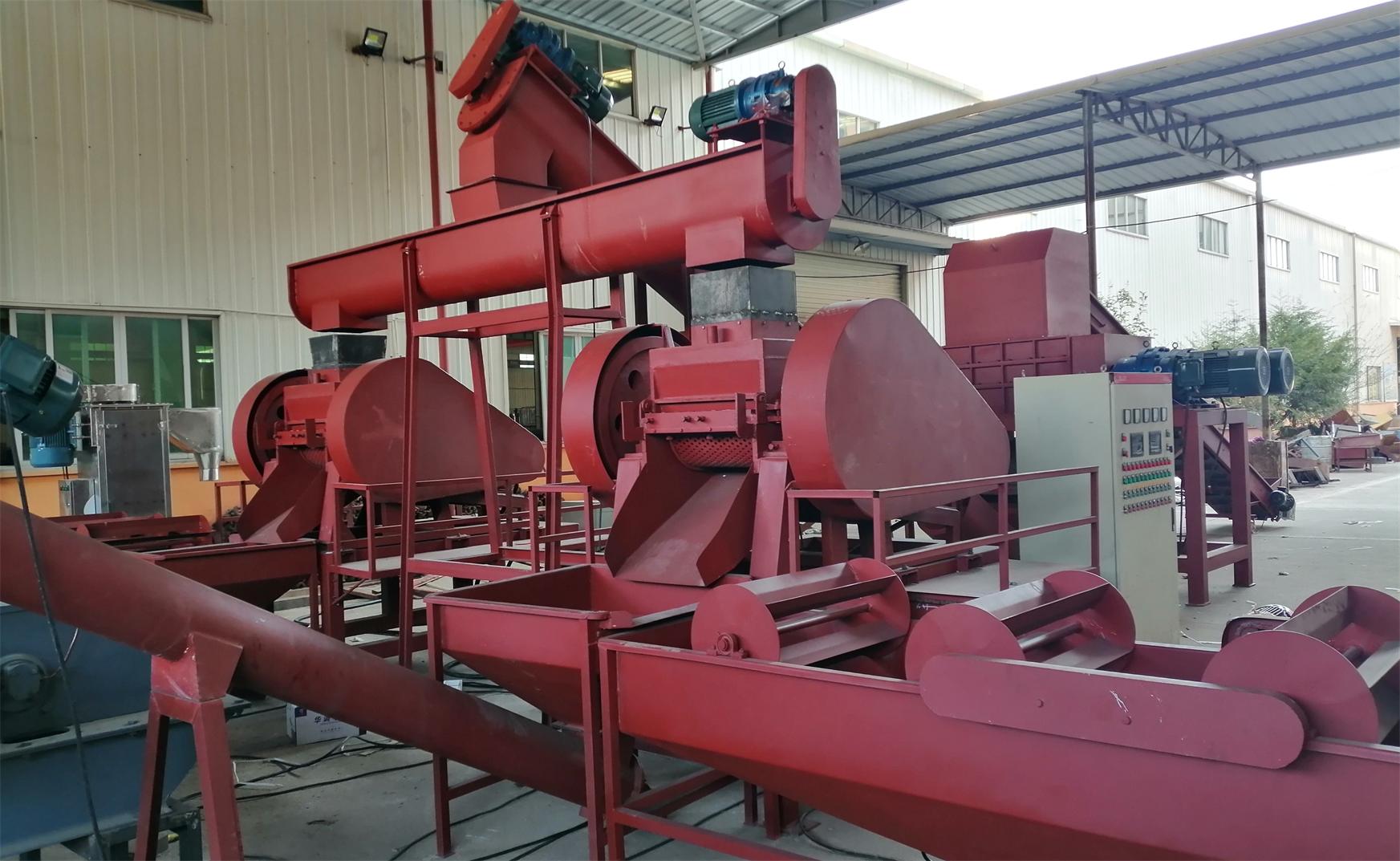
Printed circuit boards contain copper, gold, silver, and other precious metals that make them highly valuable recycling targets. Circuit board recycling equipment uses either dry or wet separation methods. Dry systems with air separators achieve copper powder purity of 96 to 98 percent with recovery rates around 95 percent. Wet separation systems can handle PCB waste still carrying electronic components, offering flexibility for different input materials.
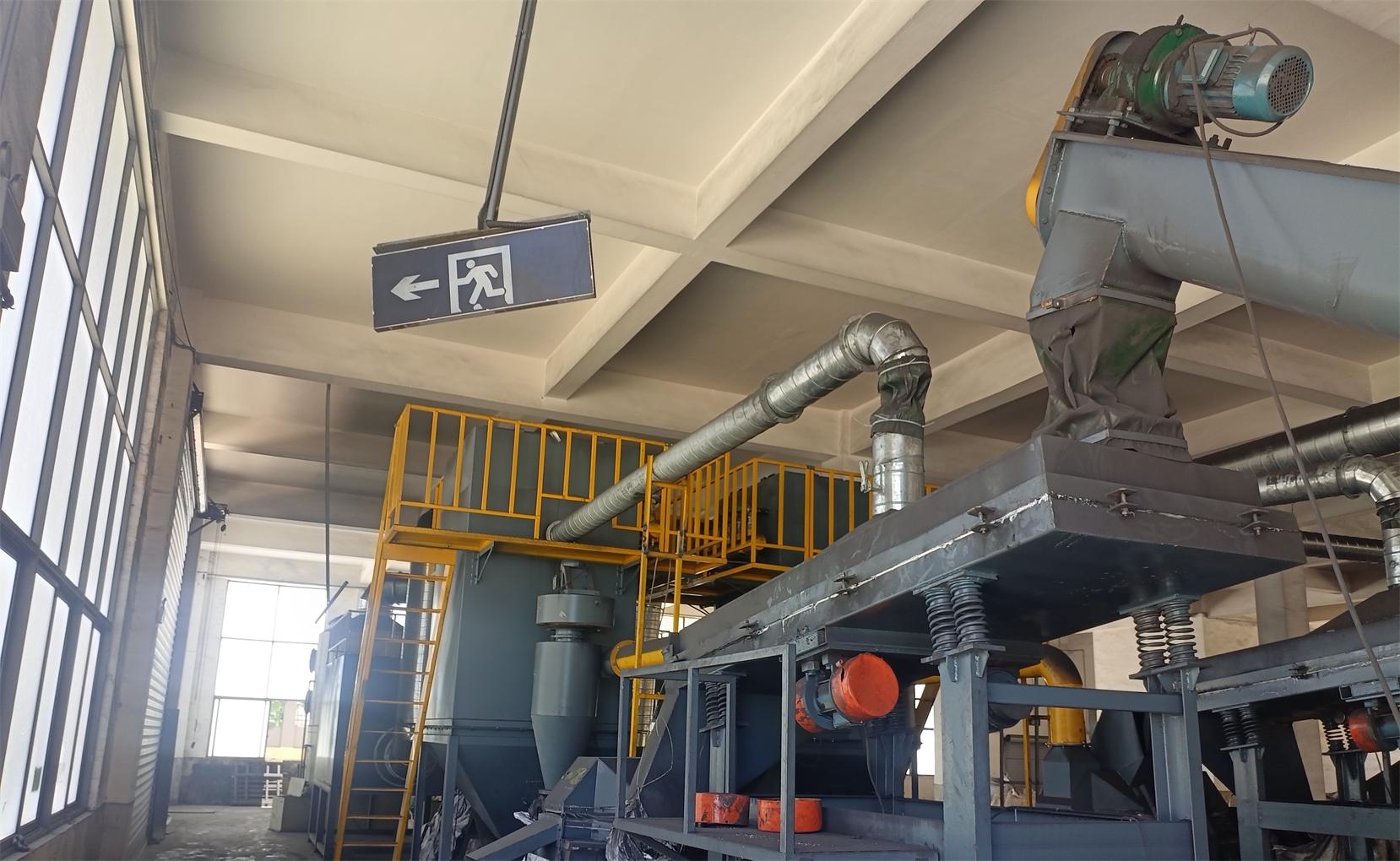
Processing capacities range from 300 kilograms per hour for small operations up to 2,000 kilograms per hour for industrial-scale facilities. Pulse bag dust collectors and cyclone separators ensure the process remains environmentally friendly without dust pollution.
Cable recycling represents another profitable segment. Scrap cables contain copper or aluminum surrounded by plastic insulation. Cable granulators and wire stripping machines separate these materials efficiently. Pre-choppers and shredders handle large or armored cables before granulation. Modern cable recycling plants can process various cable types including jelly-filled telecommunications cables, delivering clean copper or aluminum granules ready for smelting.
Supporting Equipment for a Complete Recycling Line
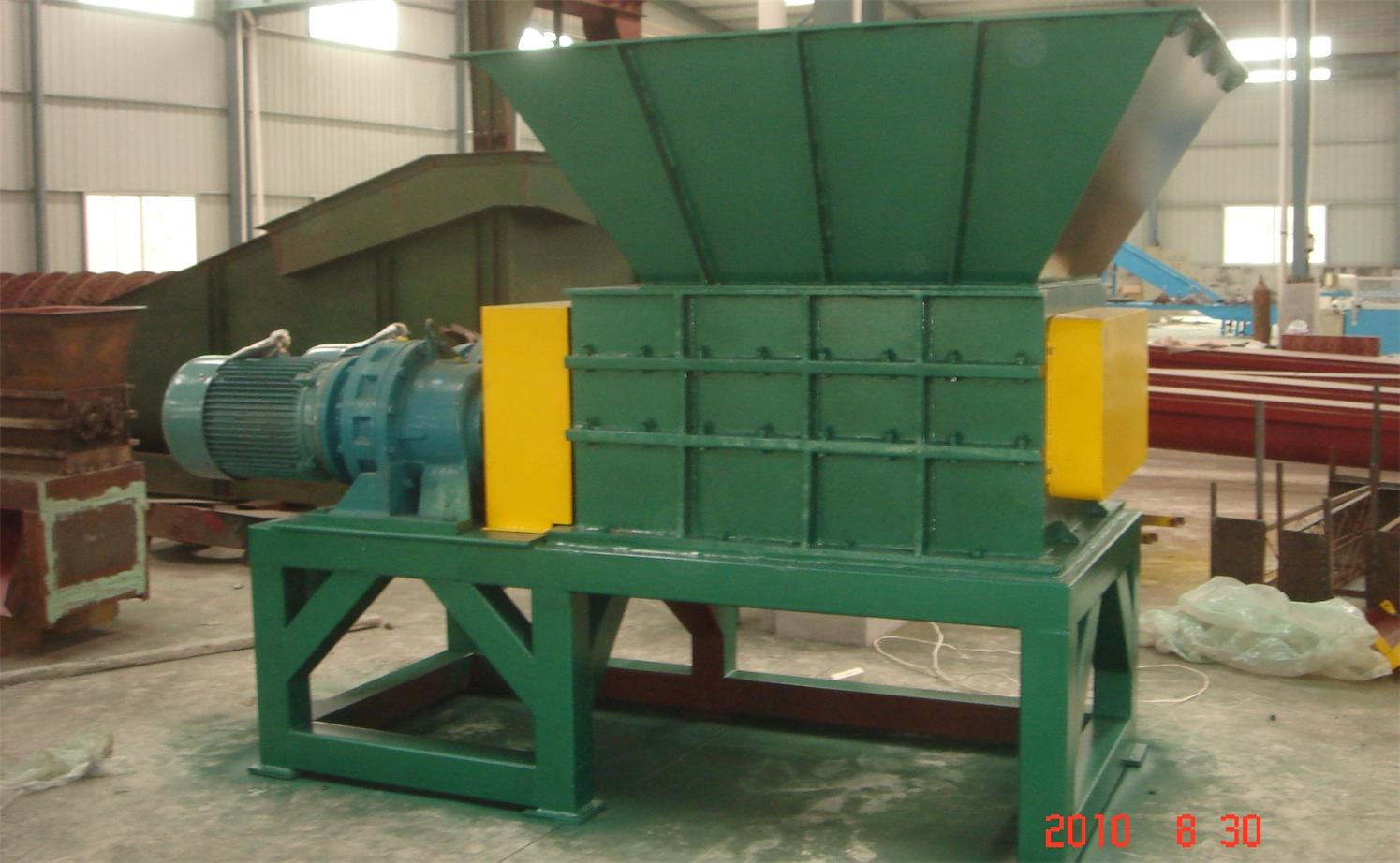
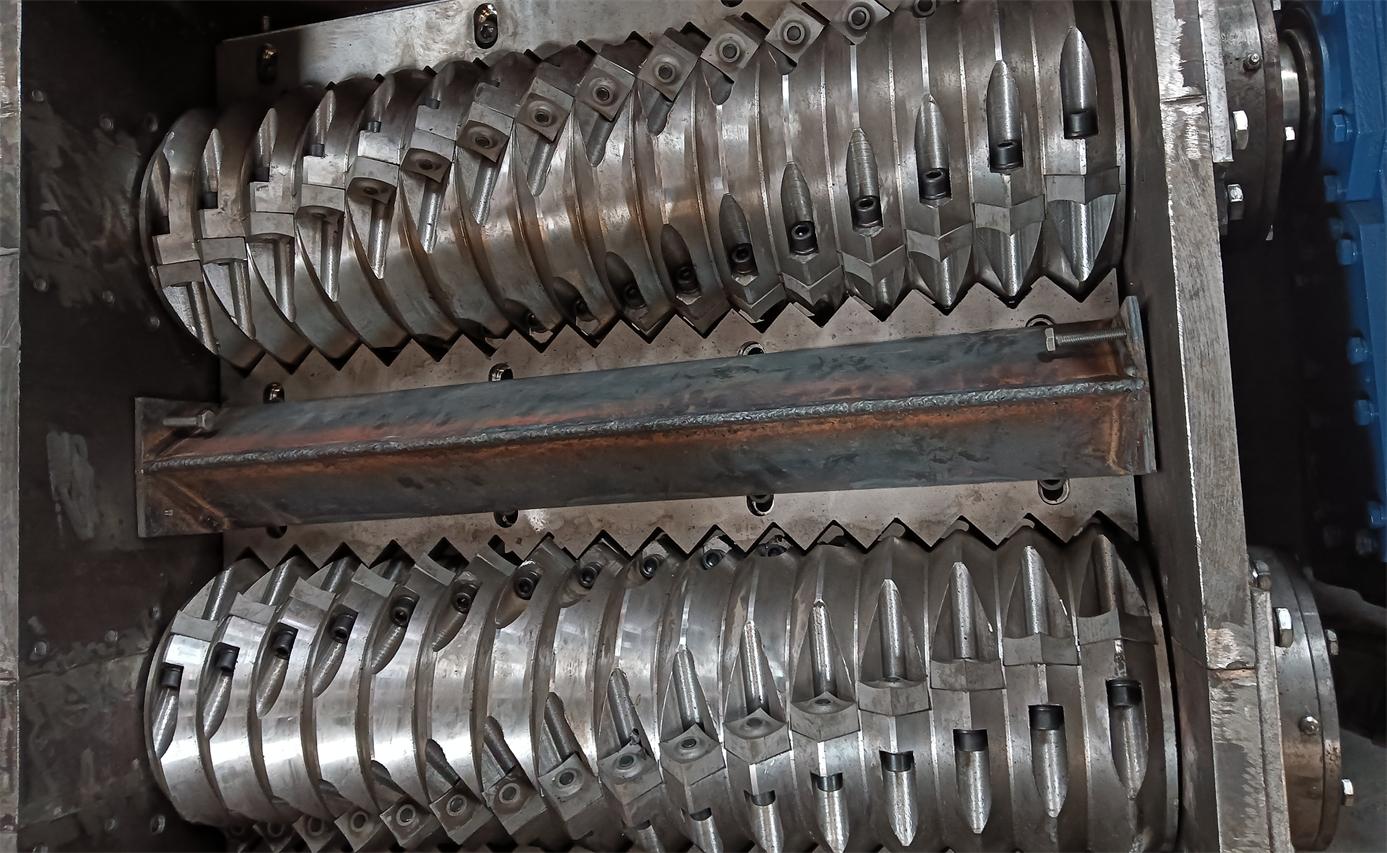
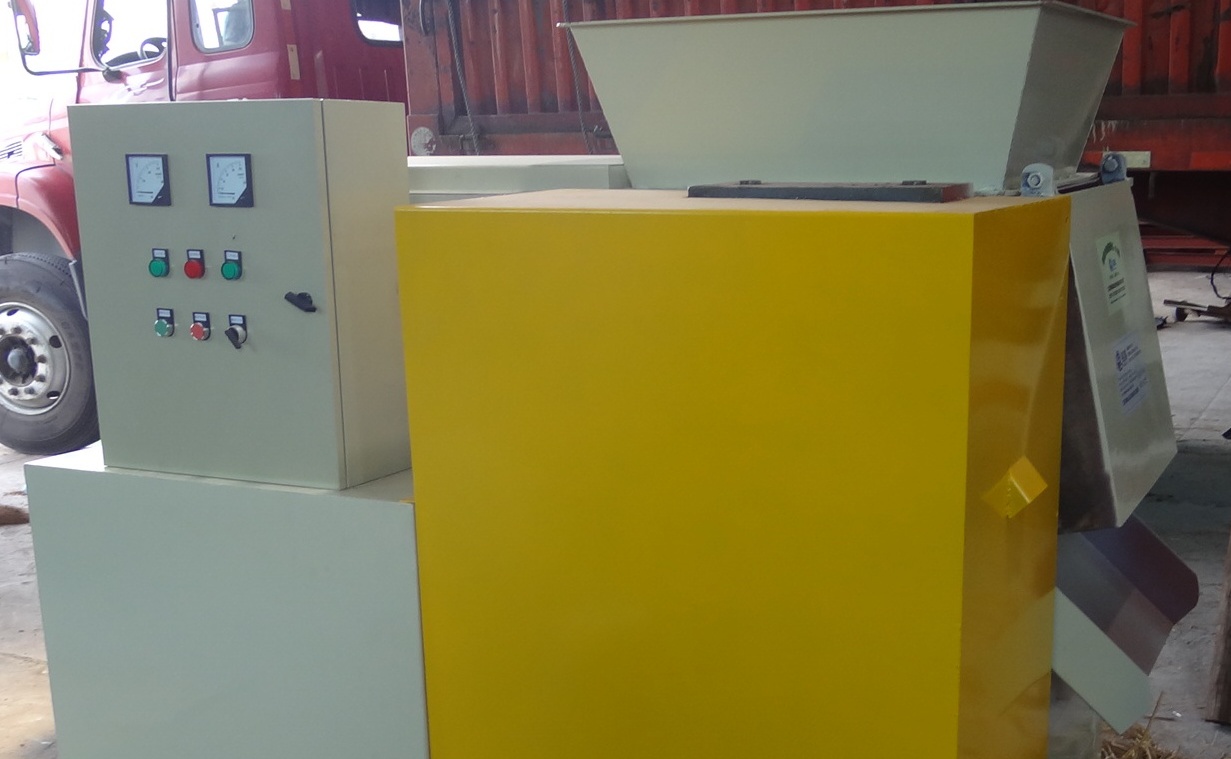
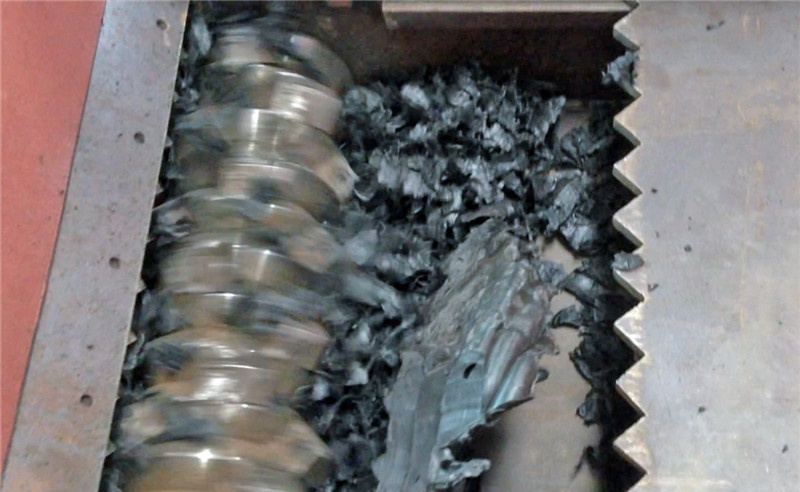
Beyond the core recycling systems, several auxiliary machines improve overall efficiency. Four-shaft and twin-shaft shredders serve as pre-choppers for e-waste, handling everything from refrigerators and washing machines to circuit boards and batteries. Hydraulic press machines including briquetters and balers compress metal chips and plastic films into dense blocks, saving storage space and transportation costs.
For facilities handling end-of-life appliances, refrigerator and air conditioner recycling plants extract refrigerants safely before shredding and separating iron, copper, aluminum, plastic, and polyurethane foam. CRT cutters safely separate monitor glass and funnel parts while collecting phosphor powder. Motor stator cutters dismantle electric motors to extract copper windings from iron cores.
Finally, medium frequency induction furnaces melt recovered metals into ingots. These furnaces handle iron, copper, aluminum, tin, gold, and silver, with models ranging from 15 kilowatt laboratory units to 160 kilowatt industrial systems capable of melting 250 kilograms of copper per batch.
What to Look for in a Recycling Equipment Supplier
Choosing equipment is only half the battle. The supplier you partner with determines whether your project succeeds. Look for manufacturers with deep technical expertise and proven international experience. A supplier that offers EPC services, meaning they handle engineering, procurement, and construction as a single package, dramatically reduces project complexity and coordination risk.
Key supplier capabilities to evaluate:
- Technical team with advanced engineering degrees and over 15 years of hands-on experience in e-waste recycling machinery
- Customized design capability for different raw materials, capacities, and local regulations
- Complete installation and commissioning support, not just equipment delivery
- Proven track record with customers across multiple continents and regulatory environments
- Ability to assist with raw material sourcing and product offtake, closing the business loop
- Bilingual communication for smooth international project execution
Building a Sustainable and Profitable Recycling Business
The e-waste recycling industry rewards operators who invest in quality equipment and think systematically about their entire value chain. Start by identifying your primary feedstock, whether used lead acid batteries, lithium batteries from electric vehicles, scrap cables from demolition projects, or circuit boards from electronics dismantlers. Then select equipment matched to that feedstock's characteristics and your targeted processing volume.
Consider future expansion when planning your facility layout. A modular approach allows you to add capacity or new processing lines as your business grows. Pollution control should never be an afterthought. Build environmental compliance into your initial design to avoid expensive retrofits and regulatory penalties later.
San Lan Technologies, established in 2007 and based in Jiangxi Province, China, manufactures a comprehensive range of WEEE recycling machines and mining equipment. With customers in over 21 countries including Singapore, Colombia, Vietnam, Mexico, Argentina, Korea, Malaysia, and South Africa, the company provides everything from individual machines to complete turnkey recycling plants. Their technical team holds master's degrees in mechanical engineering and brings more than 15 years of direct experience in e-waste recycling equipment design and operation.
Ready to start or expand your recycling operation? Whether you need a single machine or a complete EPC recycling plant, partnering with an experienced manufacturer makes the difference between a project that struggles and one that delivers consistent returns. Contact San Lan Technologies today to discuss your specific requirements and receive customized equipment recommendations tailored to your feedstock, capacity targets, and budget.