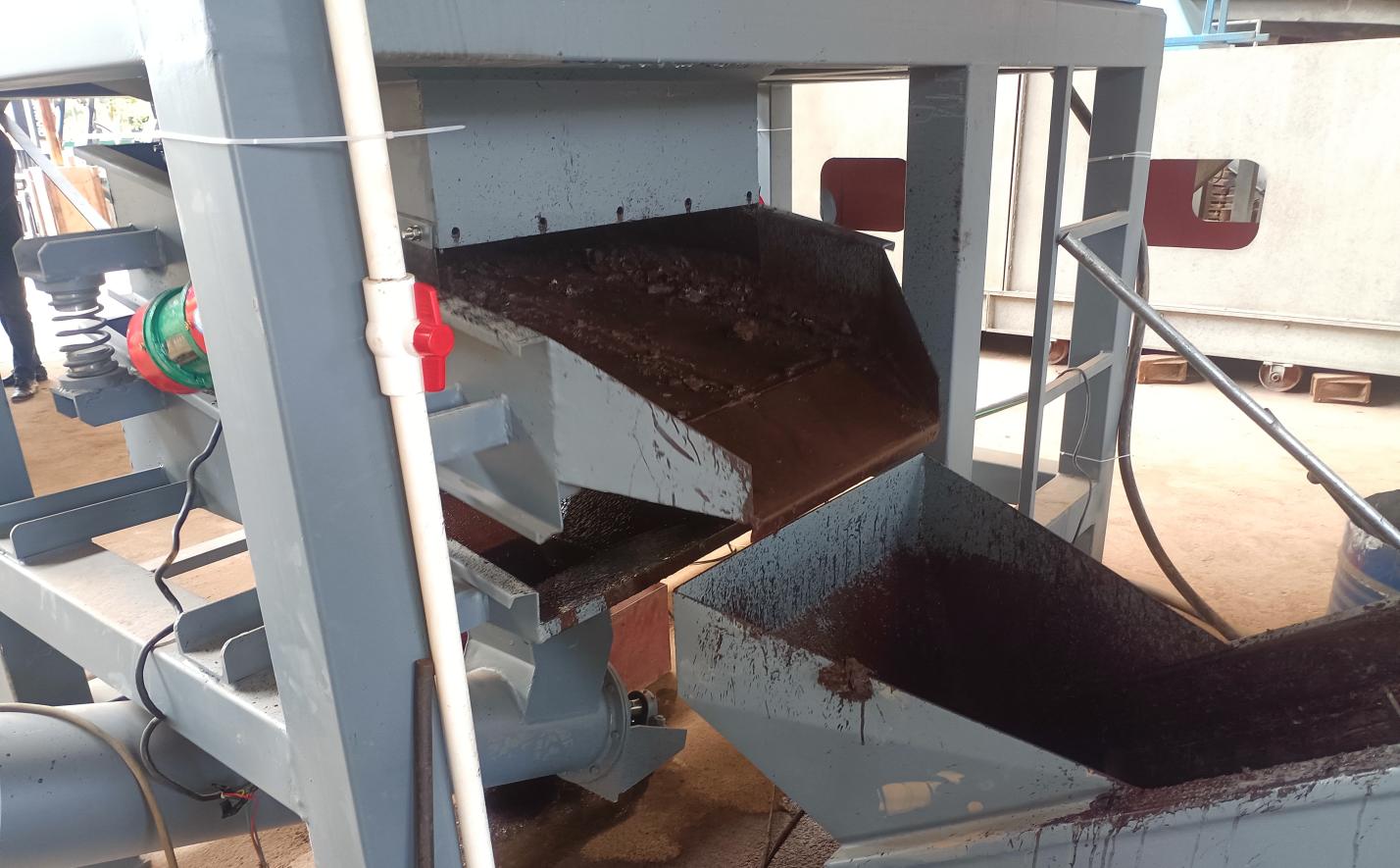
How modern recycling plants recover valuable metals from lithium batteries, lead-acid batteries, circuit boards, and cable scrap with industrial-grade machinery.
Why E-Waste Recycling Is a Growth Industry
The world generates more than 60 million tons of electronic waste every year, and that number keeps climbing. Inside discarded smartphones, laptop batteries, car battery packs, and industrial cables lie significant quantities of copper, aluminum, lead, nickel, cobalt, and graphite. Without proper processing, these materials end up in landfills. With the right equipment, they become a profitable secondary raw-material stream.
For entrepreneurs and established recyclers alike, the decision to invest in li battery recycling equipment or lead acid battery recycling equipment is no longer optional. Regulatory pressure, supply-chain security for critical metals, and rising landfill costs are pushing the industry toward mechanical separation and smelting solutions that maximize recovery rates while keeping emissions under control.
Lithium Battery Recycling: From Black Mass to Pure Metal
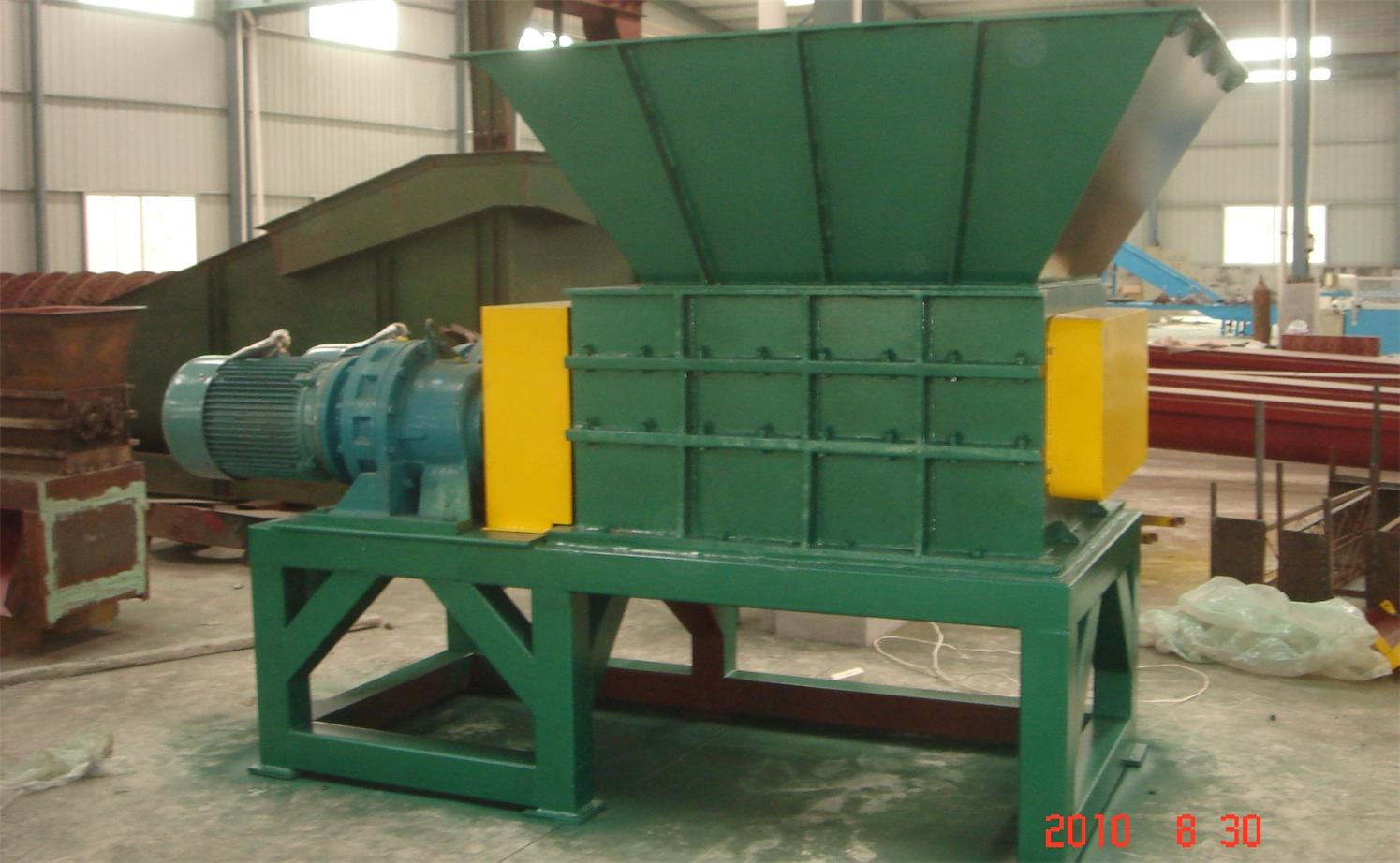
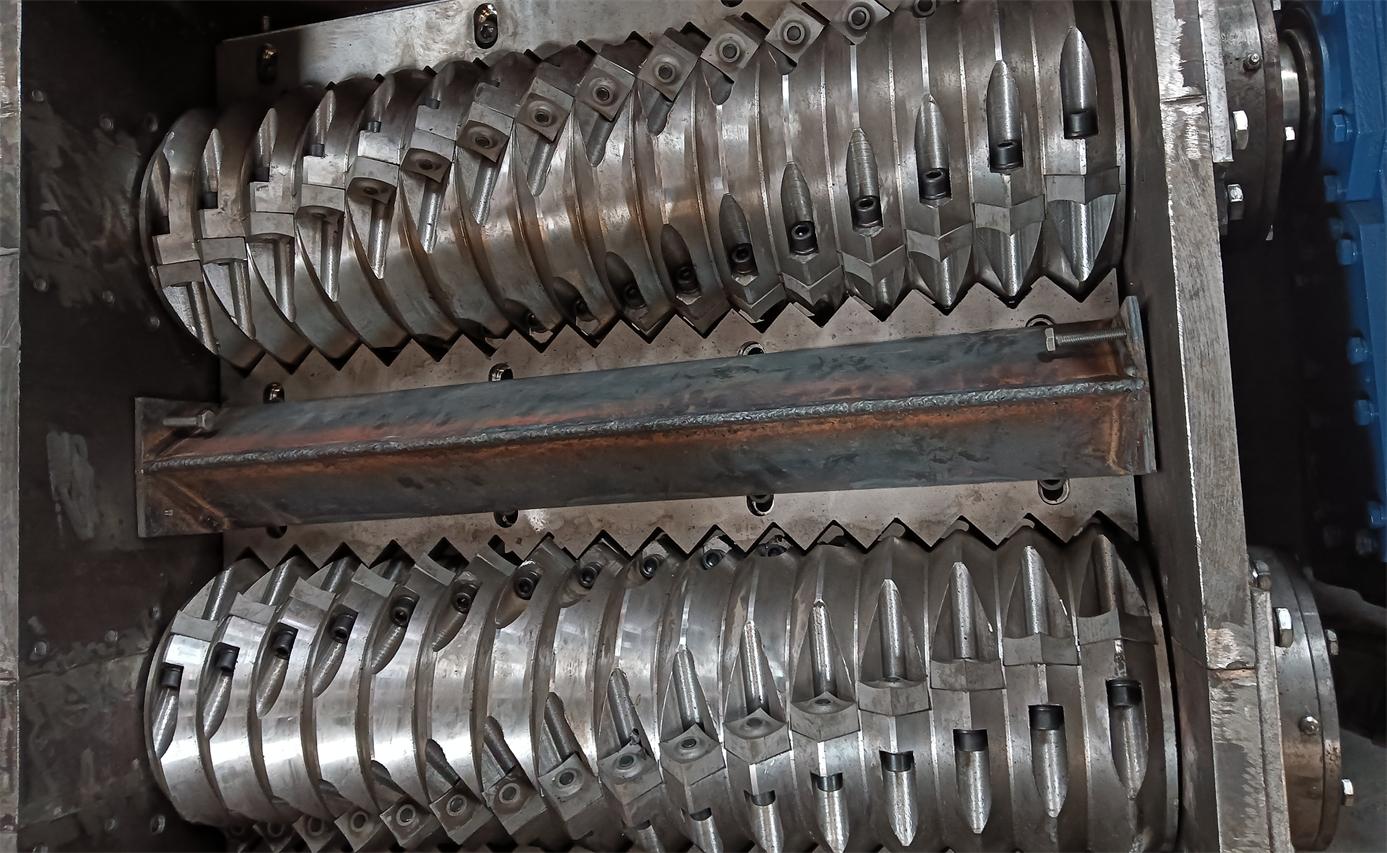
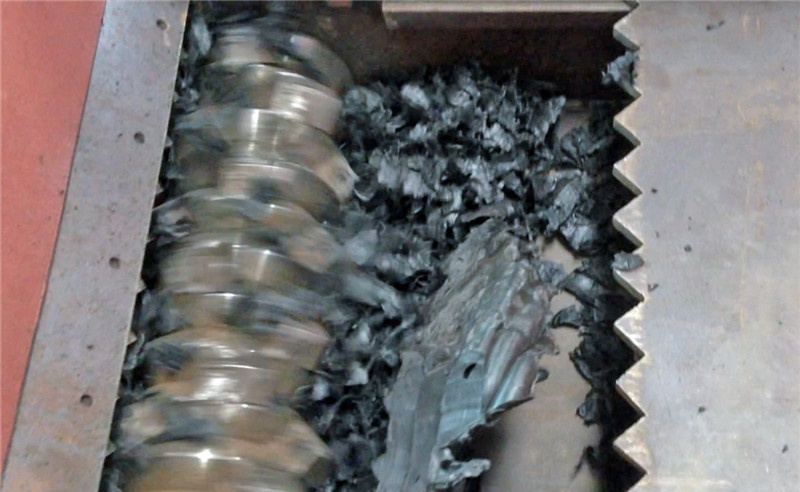
Spent lithium-ion batteries arrive at the plant in various formats: soft-pack cells, cylindrical 18650 cells, cellphone batteries, and hard-shell EV modules. Because chemistries differ, a flexible preprocessing line is essential. A well-designed li battery recycling equipment line handles this diversity through a standardized mechanical flow:
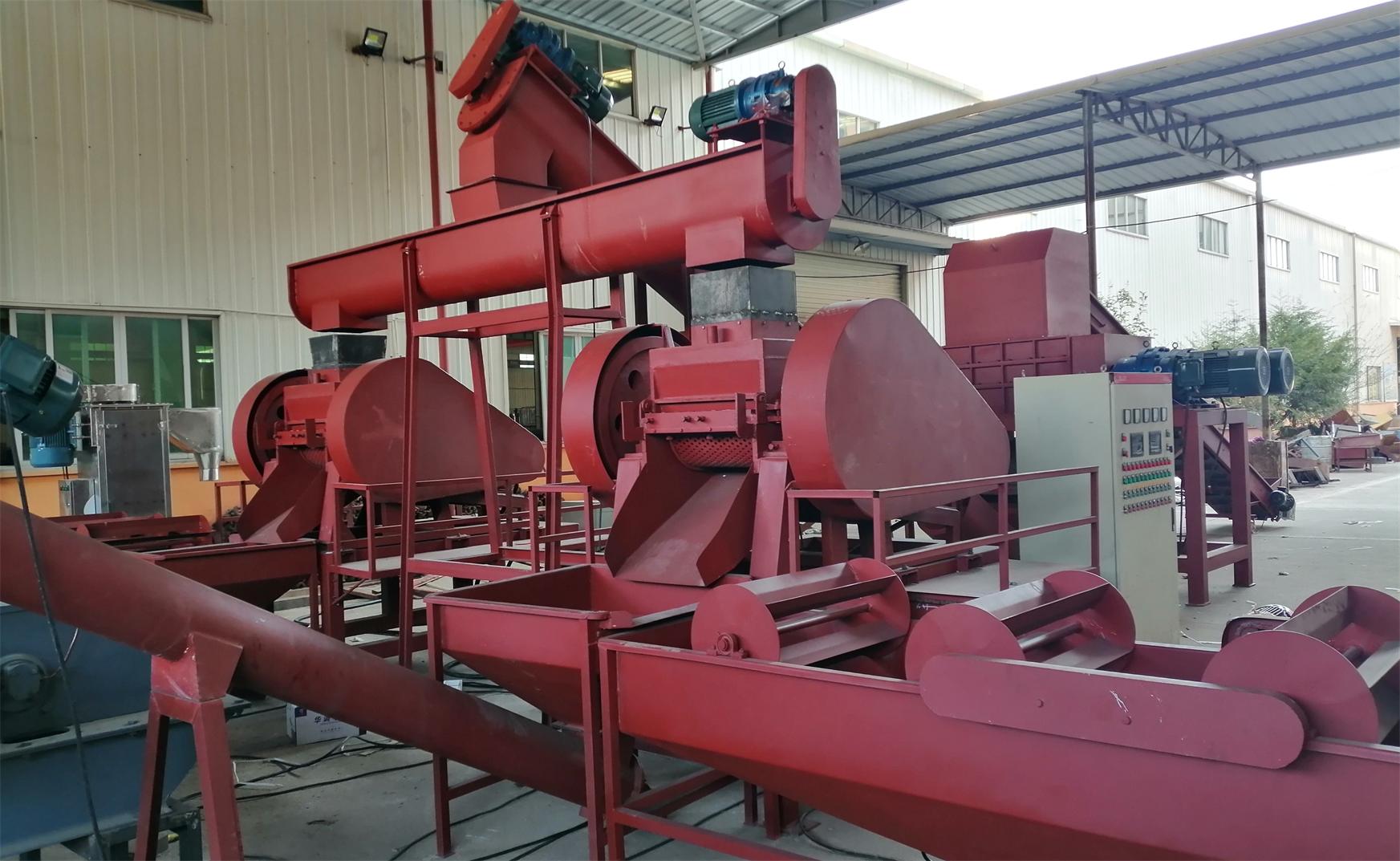
Discharge → Pre-crushing → Secondary Granulation → Magnetic Separation → Air Classification → Gravity Separation → Pulse Dust Collection. The output is a clean stream of black mass (containing nickel, cobalt, and graphite), separated copper, aluminum, and plastic film.
Capacity ranges from 500 kg/hour up to 2,500 kg/hour, depending on feedstock volume and automation level. Key auxiliary systems include an air-pollution control unit that neutralizes electrolyte vapors and a pneumatic conveying system that transports plastic separator film directly into a hydraulic briquetter, compressing it at a 10:1 volume ratio for easier downstream handling.
Recovery efficiency matters. Plants that run properly tuned crushing-and-separation lines can recover the vast majority of metallic content, turning what was once hazardous waste into salable copper fractions, aluminum scrap, and black-mass concentrate for hydrometallurgical refiners.
Lead-Acid Battery Recycling: High-Volume, High-Value
Despite the rise of lithium, lead-acid batteries still dominate automotive starting, lighting, and ignition applications, as well as stationary backup power. Their recycling loop is one of the most mature in the metals industry, but only when the plant uses robust lead acid battery recycling equipment.
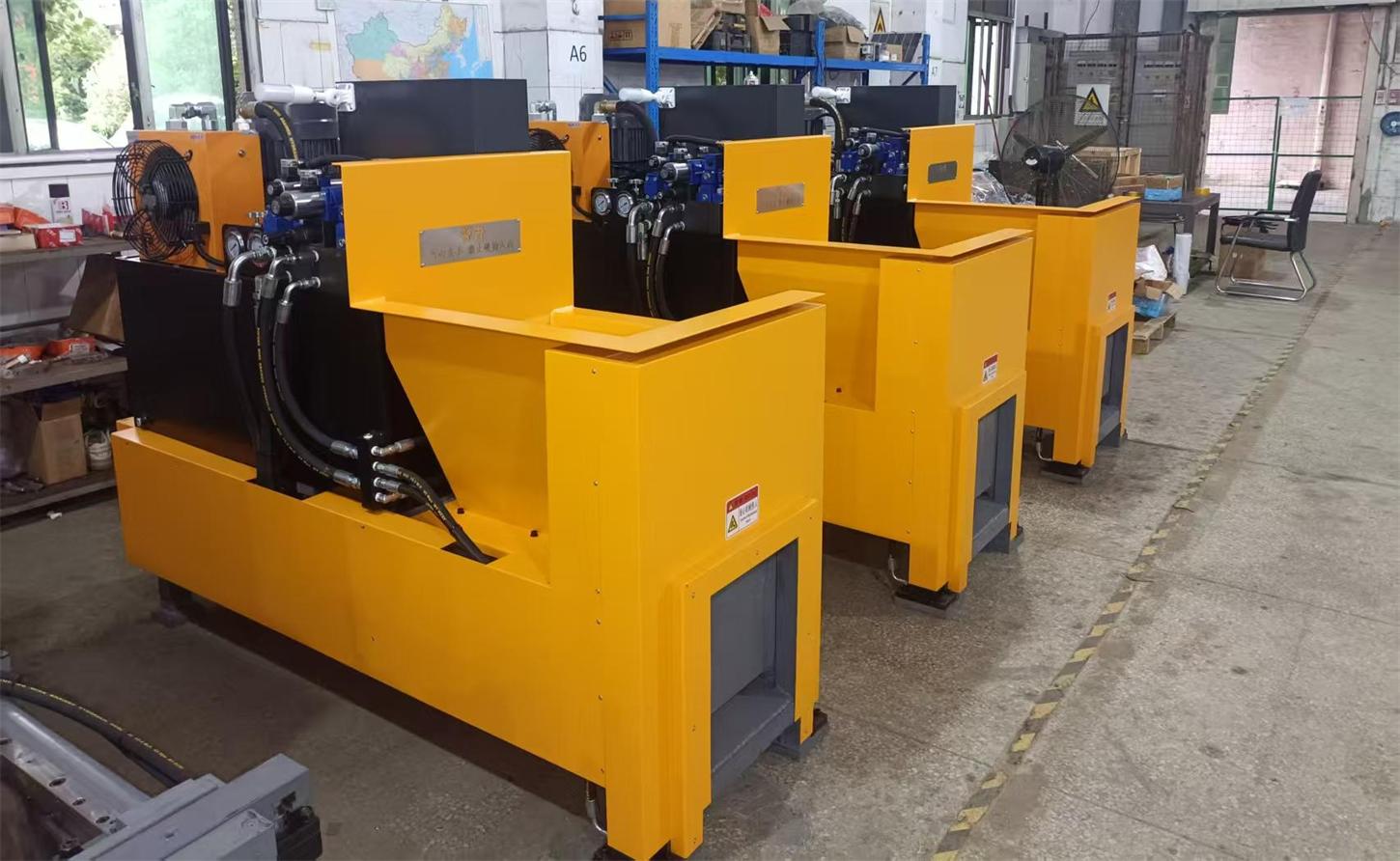
The first step is safe breaking and separation. A hydraulic cutter slices the battery casing, draining sulfuric acid before mechanical crushing begins. The crushed material is then sorted into four main fractions: lead paste, lead grids, PVC or PP plastic, and hard rubber. Capacity for this stage typically runs from 1 MT/hour up to 10 MT/hour.
From there, the lead paste may pass through a de-sulfurization unit to remove sulfur and lower smelting temperatures. Smelting itself is carried out in rotary furnaces or blast furnaces. Modern rotary furnaces achieve higher recovery rates than traditional blast designs, while refinery kettle furnaces can push crude lead to 99.999 percent purity. Electric heated kettles using near-infrared technology can cut energy consumption by 30 to 50 percent compared with fuel-fired alternatives.
Environmental compliance is non-negotiable. A complete plant therefore includes acidic wastewater treatment, filter presses for lead-paste dewatering, and air-pollution control scrubbers that clean furnace off-gases before stack release.
Circuit Boards and Cable Scrap: Capturing Copper and Precious Metals
Printed circuit boards contain copper, gold, silver, and palladium, but they also contain fiberglass, resin, and hazardous flame retardants. Safe, profitable recovery requires dedicated circuit board recycling equipment.
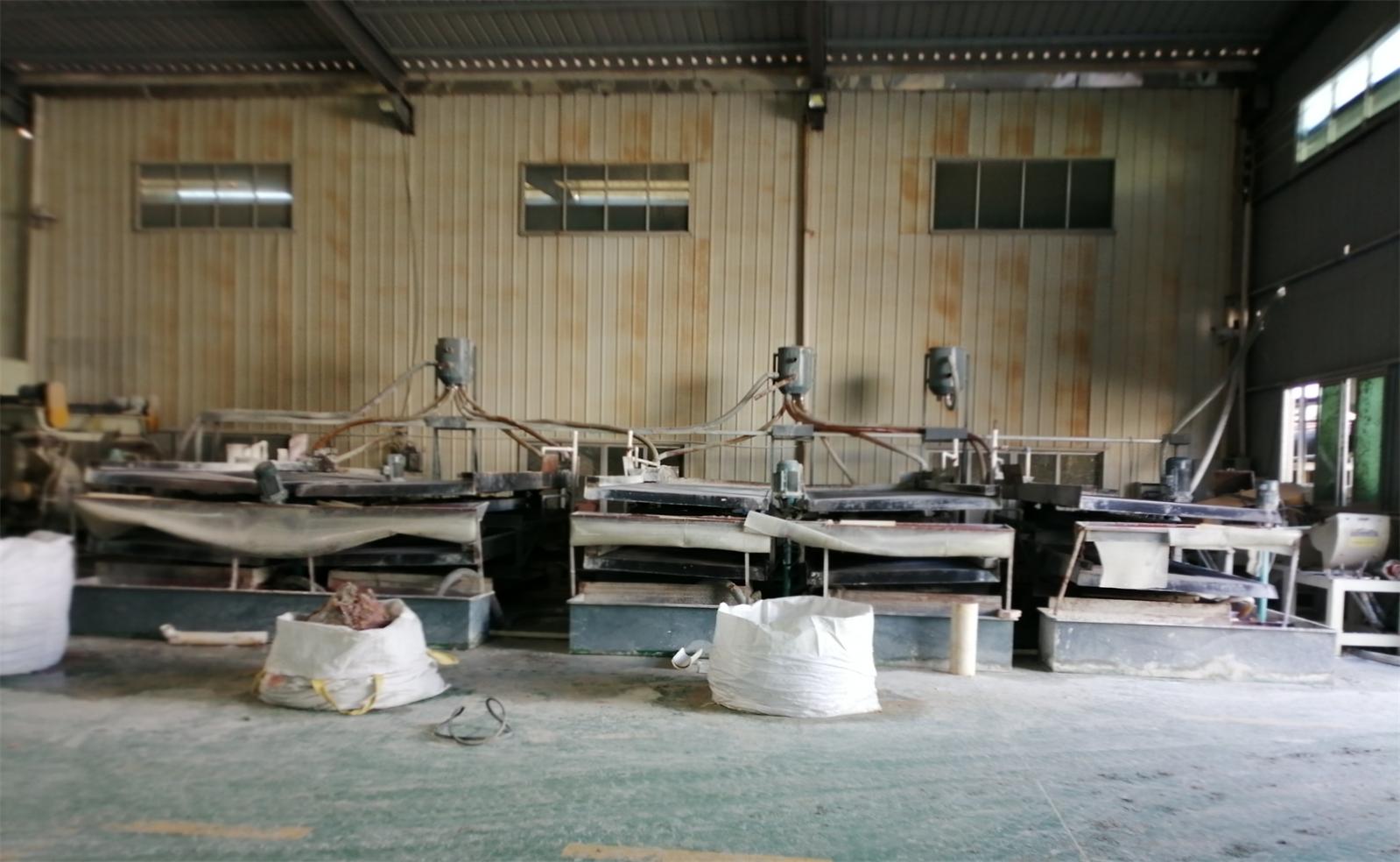
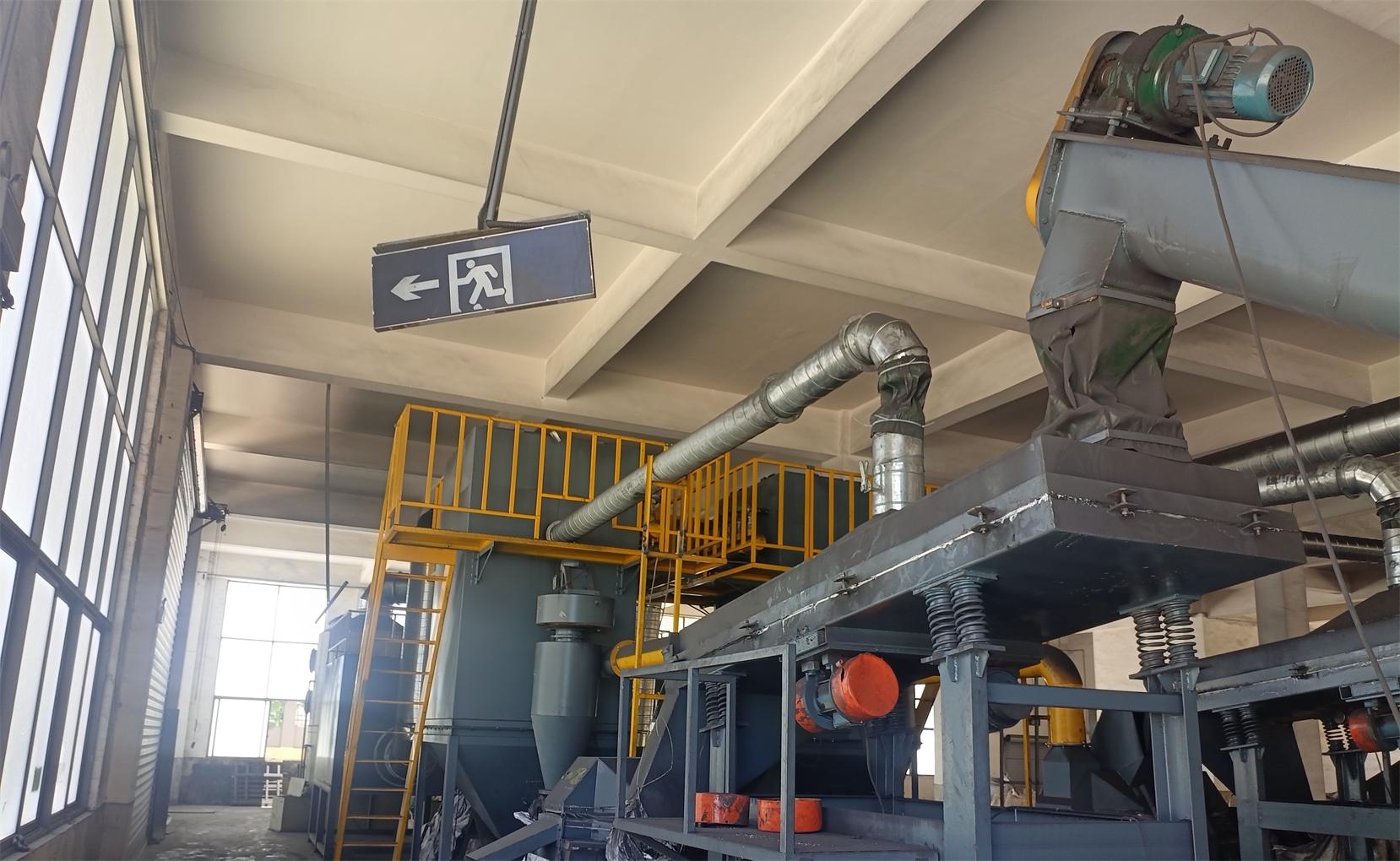
Dry-separation plants use air classifiers, electrostatic separators, cyclones, and pulse-bag dust collectors to isolate copper powder with 96 to 98 percent purity. Wet-separation alternatives use water-based metal separators and can handle boards still carrying electronic components. Throughput ranges from 300 kg/hour to 2,000 kg/hour, with daily outputs of 4 to 6 MT per eight-hour shift on smaller lines.
For cable recyclers, cable recycling equipment covers a wide spectrum. Manual or motorized scrap cable strippers handle diameters from 1.5 mm up to 150 mm, preparing thick armored wire for granulation. Dry-separator cable granulators then shred and sort insulation from copper or aluminum, delivering clean metal fractions ready for smelter or direct sale.
What to Look for in a Recycling Equipment Supplier
Buying a recycling plant is not a catalog purchase. It is a long-term partnership. Before committing, verify the following:
- Engineering depth. Does the supplier offer master-level mechanical engineering support and customized design, or only standard skids?
- EPC capability. Can they manage engineering, procurement, and construction as a single contract, or will you coordinate multiple vendors?
- Feedstock flexibility. Can the line handle mixed or evolving input streams, such as new battery form factors or varying cable diameters?
- Environmental integration. Are dust collection, effluent treatment, and exhaust scrubbing included in the scope, or treated as afterthoughts?
- Downstream support. Does the supplier assist with installation, commissioning, operator training, and spare-parts logistics?
- Commercial ecosystem. Can they help source incoming scrap or connect you to buyers for your output fractions?
San Lan Technologies: Built for Recyclers, by Recyclers
San Lan Technologies Co., Ltd. has manufactured WEEE recycling machinery and mining equipment since 2007. The company operates from an industrial park in Jiangxi Province, China, and has shipped plants to more than 21 countries across Asia, Africa, the Americas, and the Middle East.
The in-house technical team holds master degrees in mechanical engineering and brings more than 15 years of hands-on experience in e-waste recycling machine design. San Lan does not merely fabricate individual machines; it delivers turnkey recycling plants with customized layouts, one-stop purchasing, installation, and commissioning.
Beyond hardware, San Lan offers commercial services that many equipment vendors ignore: assistance with scrap material procurement, investor matchmaking for plant construction, and offtake support for finished products such as copper rice, lead ingots, and aluminum scrap. For operators entering the recycling business for the first time, this ecosystem can mean the difference between a dormant warehouse and a running profit center.
The product catalog spans 13 categories and roughly 60 machines, including lithium battery recycling lines, lead-acid battery breaking and smelting systems, circuit board separation plants, cable granulators and strippers, shredders, hydraulic presses, CRT cutters, refrigerator recycling lines, motor dismantling equipment, lamp recycling machines, metal melting furnaces, and nano ceramic grinding media for mineral processing.
Ready to turn scrap into revenue? Whether you are evaluating your first li battery recycling equipment line or expanding an existing lead-acid or cable recycling operation, San Lan Technologies can provide a tailored plant design, installation support, and long-term after-sales service. Contact the team at info@san-lan.com or via WhatsApp at +86 139 2377 4083 to discuss your feedstock, capacity targets, and layout requirements.