Every year, millions of used lead acid batteries (ULABs) reach the end of their service life. Found in vehicles, backup power systems, and industrial equipment, these batteries represent both a significant environmental hazard and a tremendous economic opportunity. The global lead-acid battery market continues to grow — and with it, the need for efficient, environmentally sound recycling infrastructure.
At the heart of every modern lead acid battery recycling plant lies one critical process: the breaking and separation system. It is the gateway that transforms discarded batteries into recoverable raw materials. If this stage is done poorly, everything downstream suffers — from metal recovery rates to environmental compliance. If it is done well, the entire plant runs more efficiently, more safely, and more profitably.
In this guide, we explore how a lead acid battery breaking and separation system works, why it matters, and what to look for when investing in lead acid battery recycling equipment.
Why Breaking and Separation Is the Make-or-Break Stage
A used lead acid battery is not a simple object. It contains sulfuric acid electrolyte, lead-alloy grids, lead oxide paste, polypropylene (PP) or PVC casing, and ebonite separators. Simply crushing a battery and melting everything together is not a viable approach — it wastes energy, produces excessive pollution, and yields low-quality metal that requires expensive secondary refining.
A proper breaking and separation system does something far more sophisticated: it mechanically dismantles the battery and sorts every component into individual streams, each ready for its own optimized downstream process.
1. Lead grid (Pb-Sb alloy) — metallic lead-antimony that can be melted and refined directly at relatively low temperatures.
2. Lead paste (Pb, PbO, PbSO₄) — a fine powder containing lead oxides and sulfates that requires reduction smelting.
3. Polypropylene / PVC plastic — clean, saleable plastic from battery cases.
4. Ebonite / hard rubber — separated for proper disposal or resale.
Separating these streams brings clear, measurable benefits. The grid metal, being already in metallic form, can be sent straight to a lead refinery machine equipment operating below 500°C — avoiding the energy-intensive reduction furnace that the paste requires. The plastic, once separated, carries no lead contamination and can be sold to plastic recyclers. And because the acid has been drained and the components washed early in the process, SO₂ emissions during smelting are dramatically reduced.
How a Modern Breaking and Separation System Works: Step by Step
While individual plant designs may vary, a well-engineered breaking and separation line typically follows a sequence designed to maximize material recovery while minimizing cross-contamination.
Step 1 — Battery Cutting and Acid Drainage
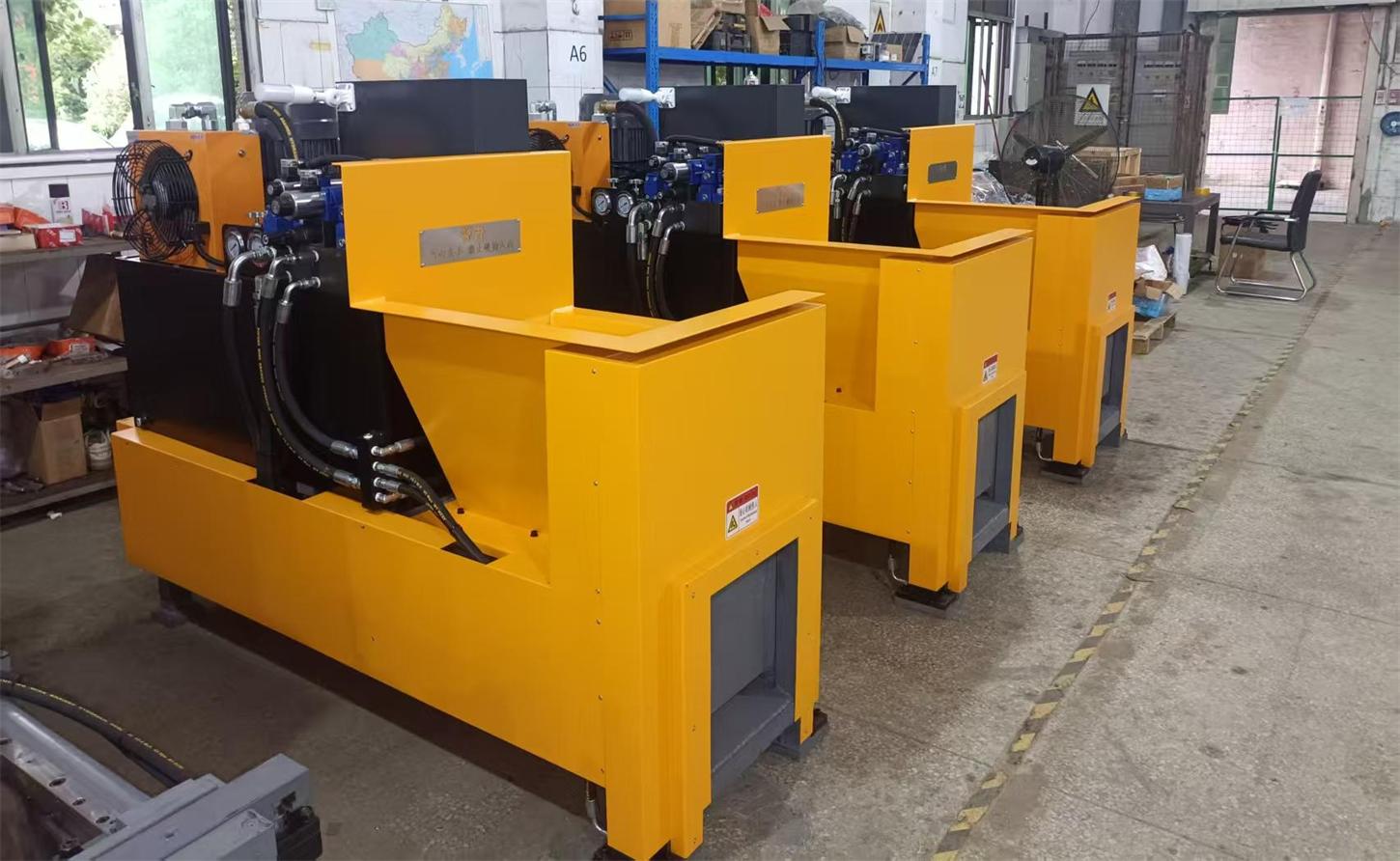
The process begins with a hydraulic battery cutter. Each ULAB is cut into four sections, allowing the sulfuric acid electrolyte to drain completely into a collection tank. This step alone prevents acid from contaminating downstream equipment and reduces fume generation.
Step 2 — Primary Shredding
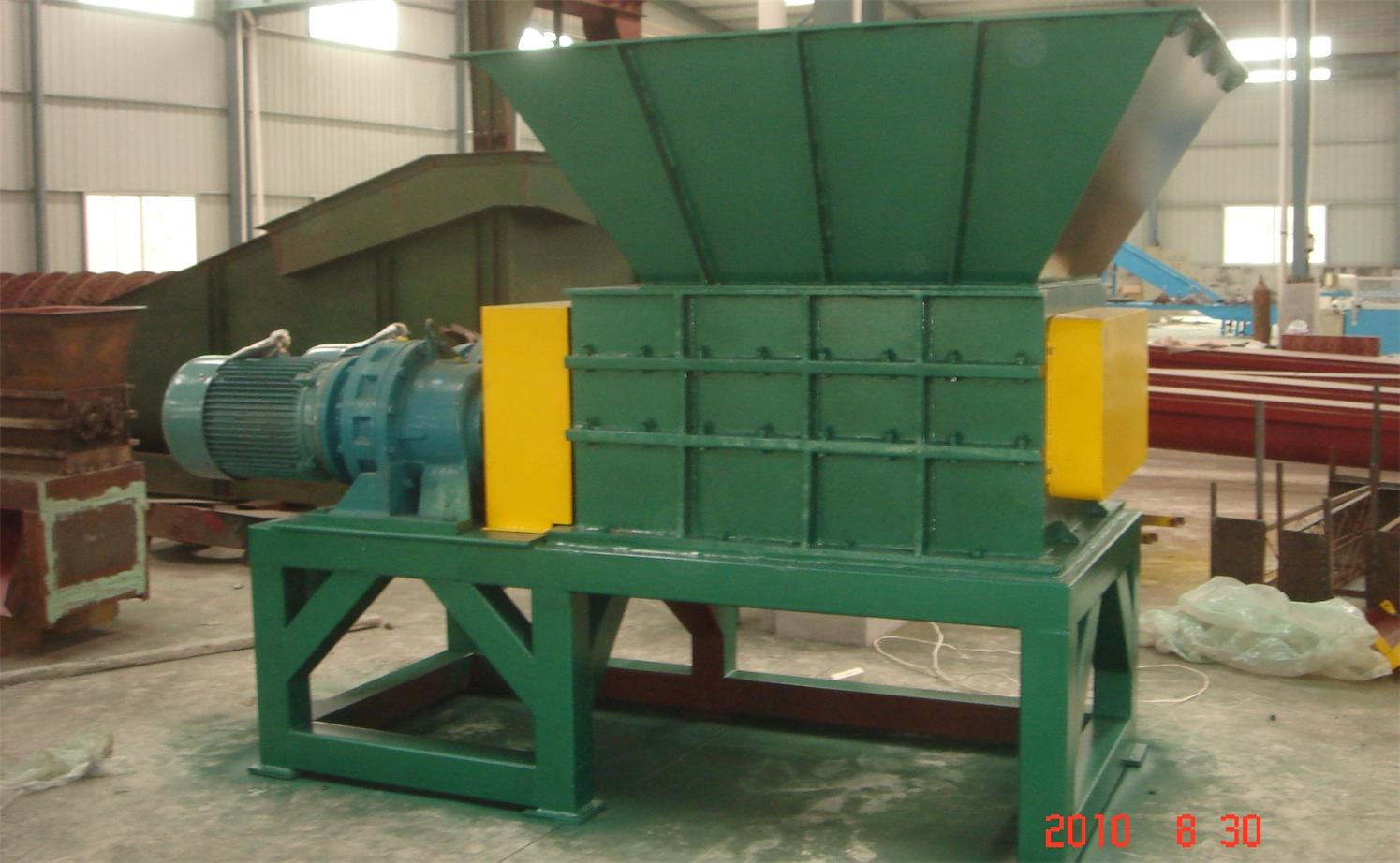
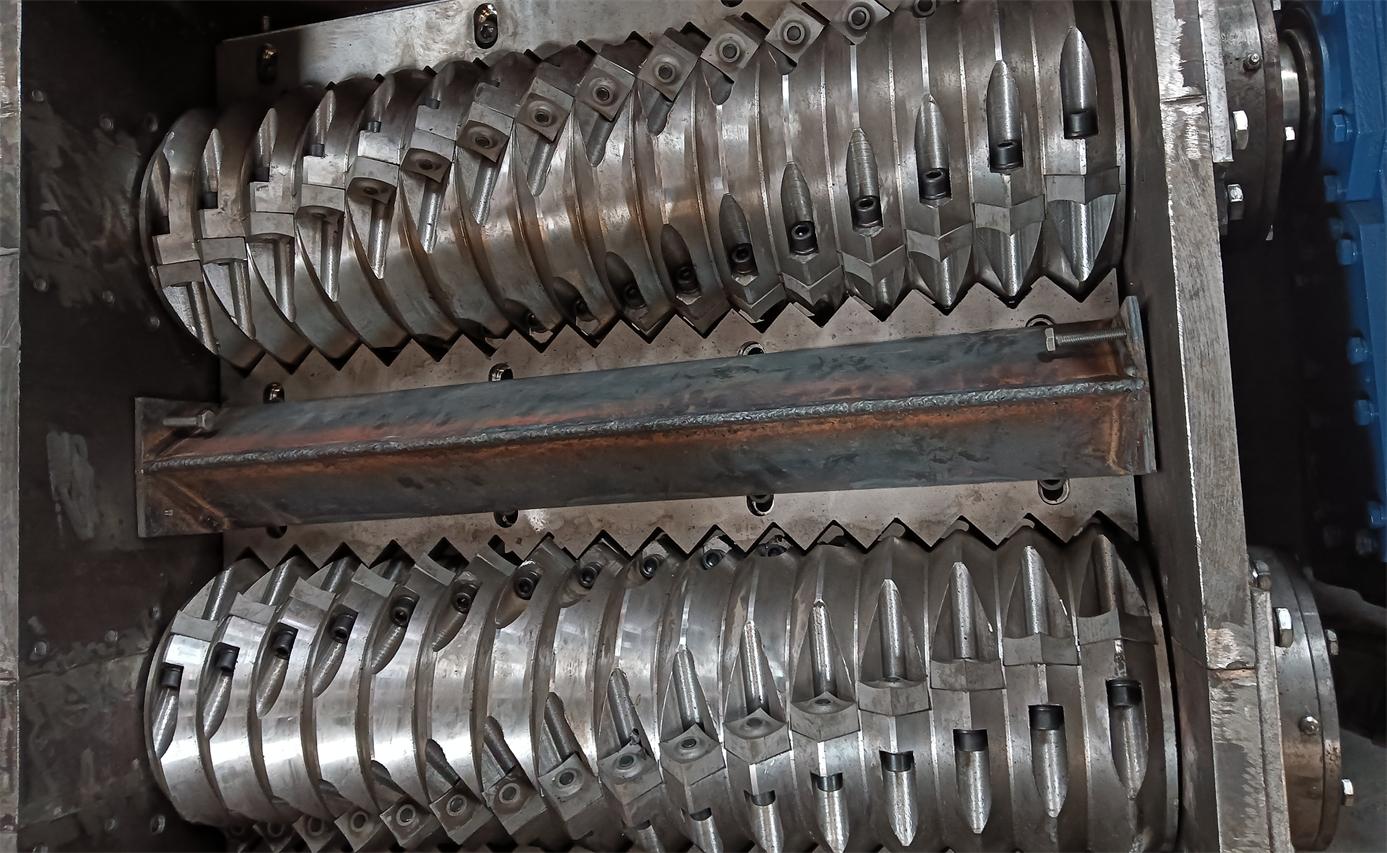
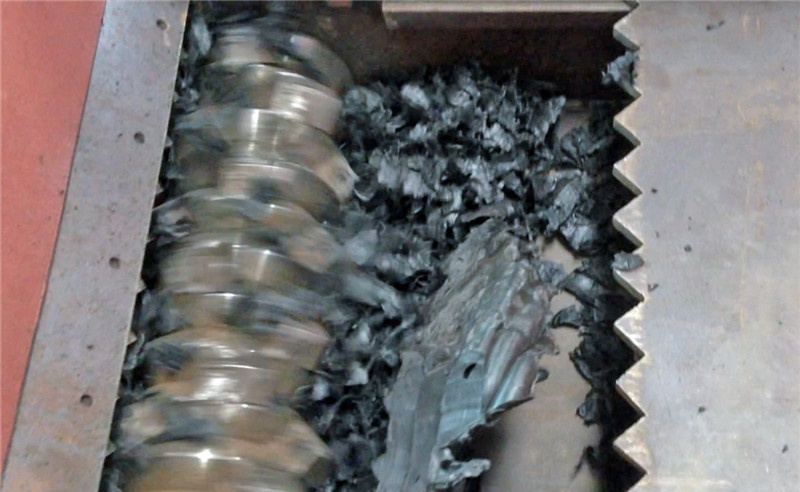
The drained battery sections enter a multi-shaft shredder — typically a four-shaft design — that reduces them to pieces approximately 4–6 cm in size. At this stage, the lead paste that was formerly pressed into the grids begins to loosen and fall away.
Step 3 — Vibrating Screen Separation
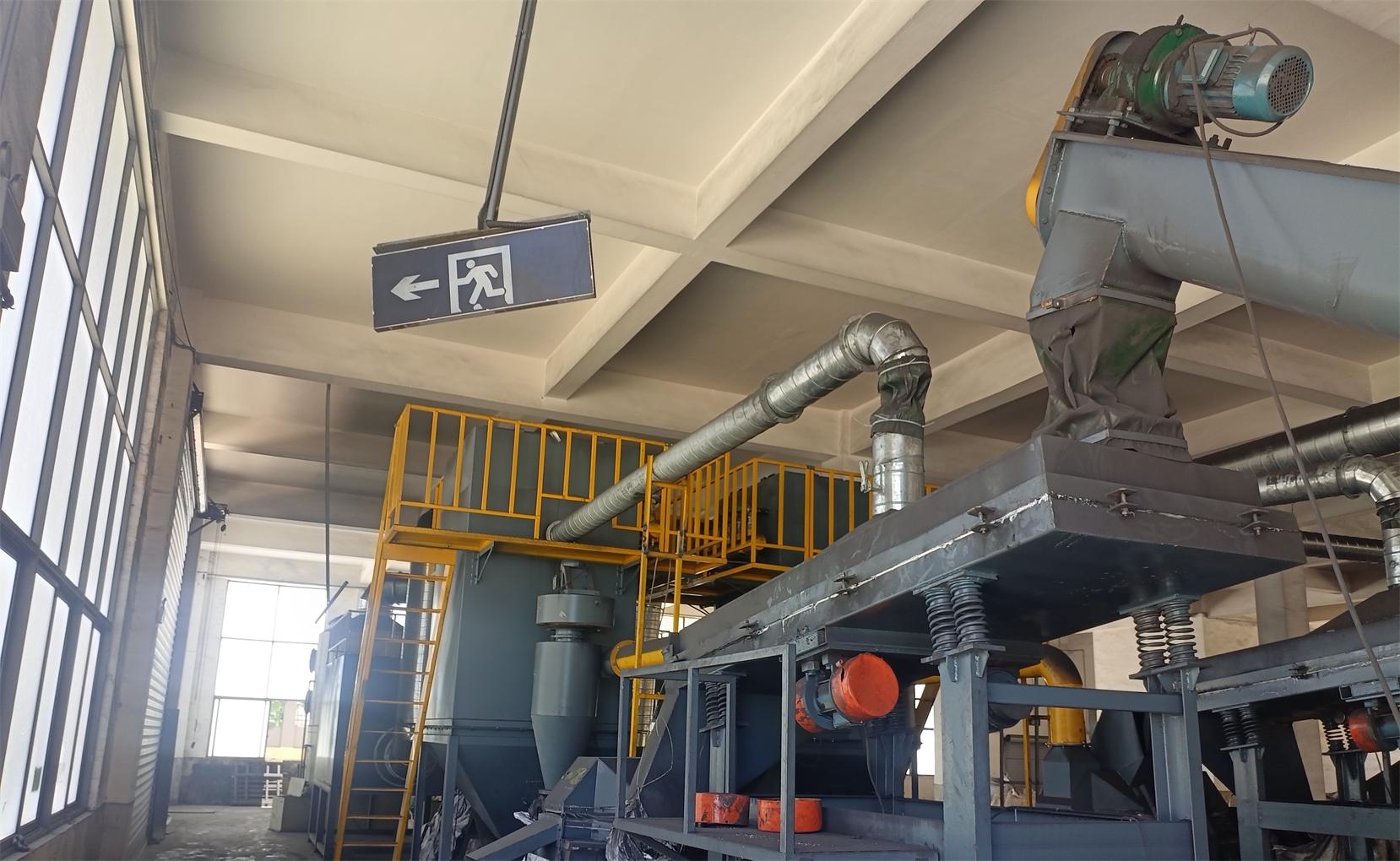
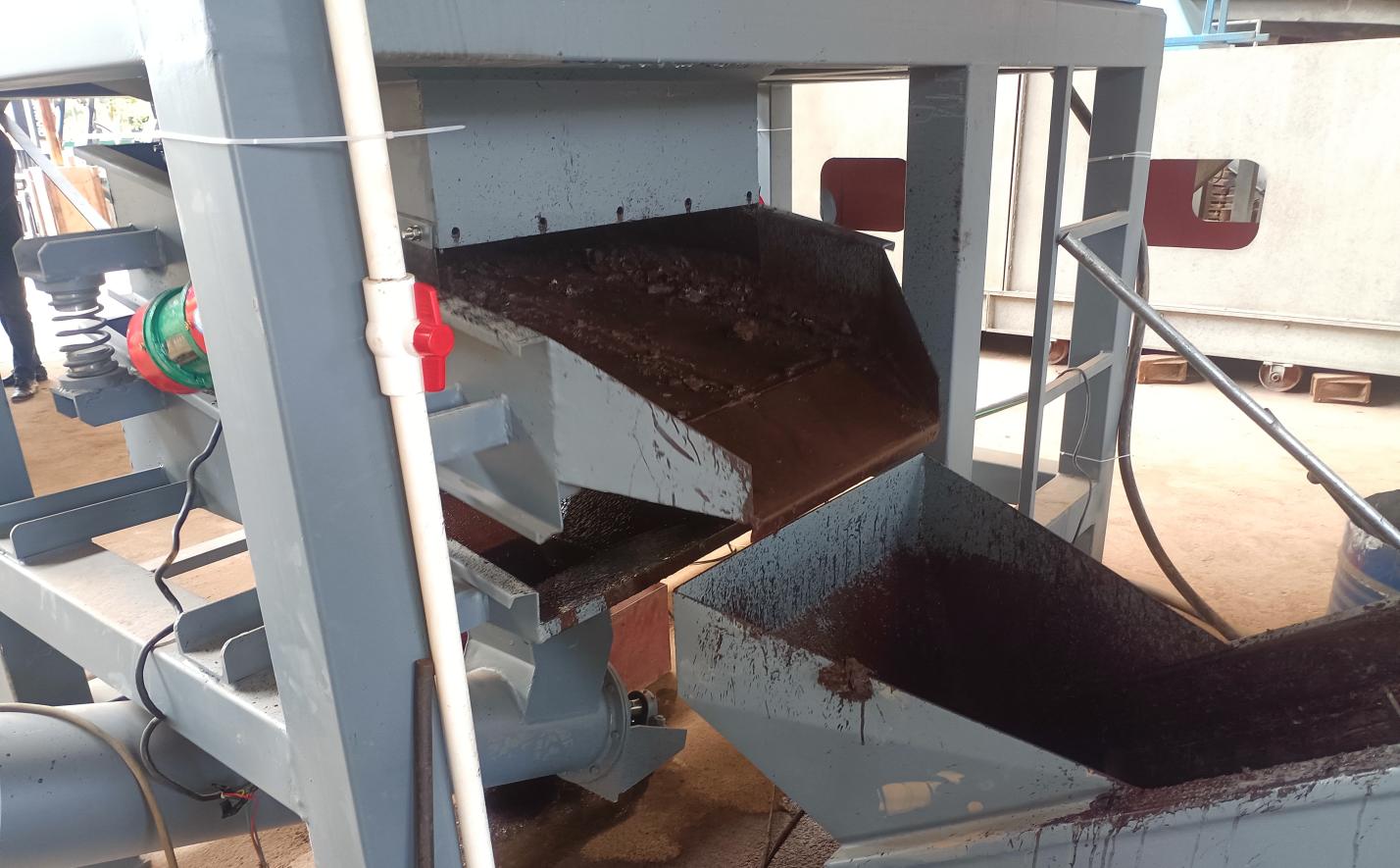
The shredded material passes over a vibrating screen with a fine mesh (around 1 mm aperture). The loose lead paste powder falls through the screen and is collected in a settling pool, while the larger fragments — grids, plastic, and ebonite — continue along the conveyor.
Step 4 — Secondary Granulation
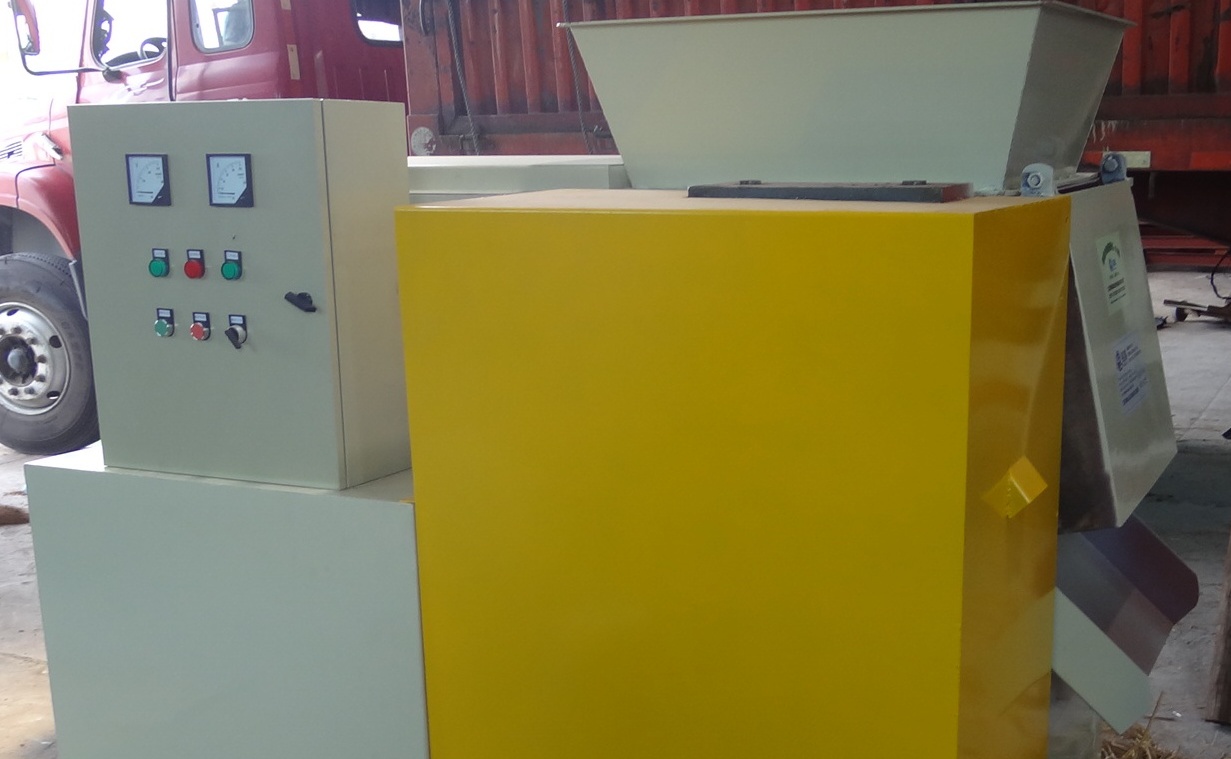
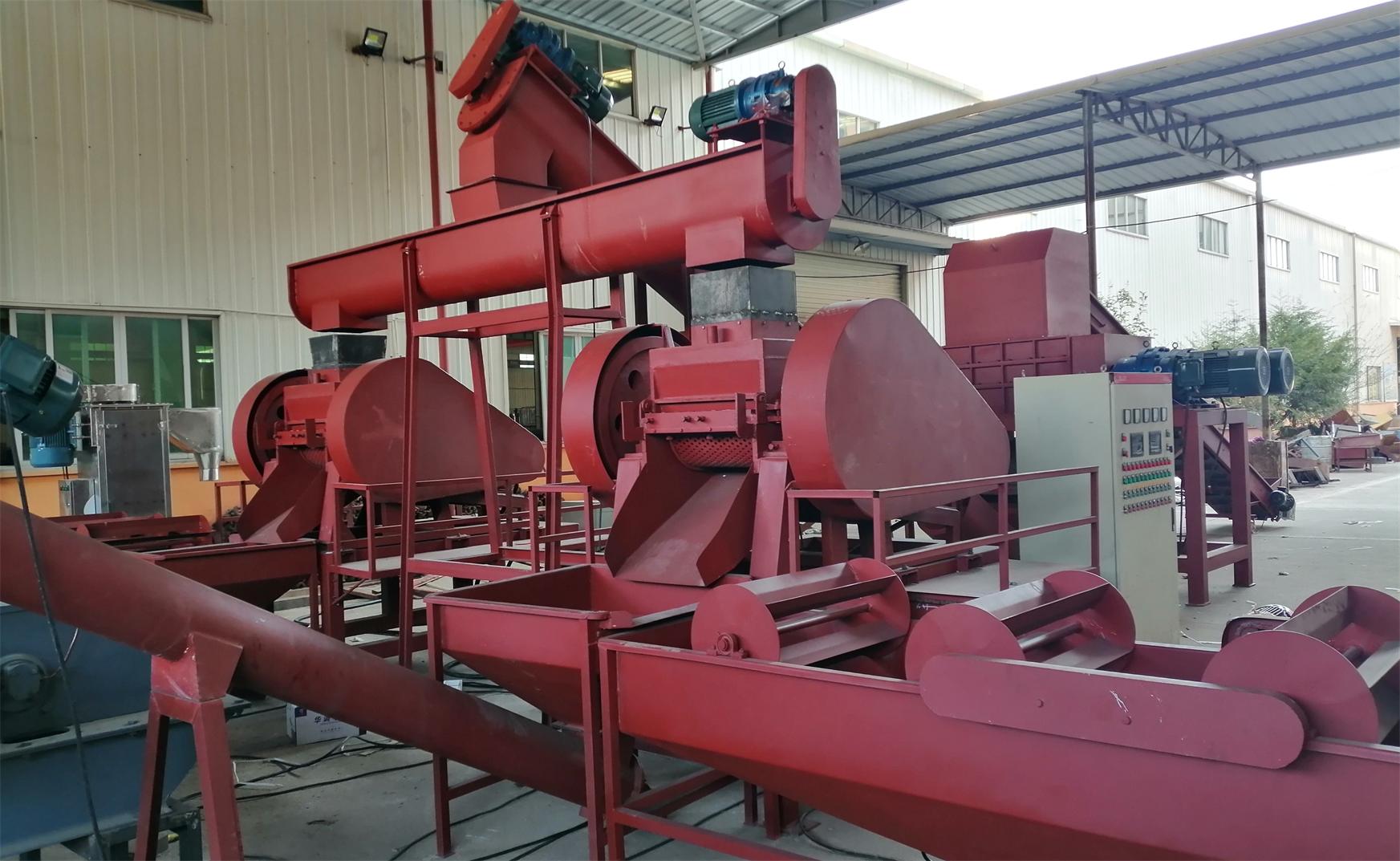
The remaining coarse material enters a high-speed granulator fitted with a 12 mm screen. Here, the material is crushed further and mixed with water to form a slurry. The water serves dual purposes: it prevents dust generation and creates the medium for the next critical stage — density-based separation.
Step 5 — Water Float Separation
The slurry flows into a float-sink tank. Light materials — primarily PP and PVC plastics from battery cases — float to the surface and are skimmed off via a spillway. Heavy materials — lead grids and ebonite — sink to the bottom and are conveyed to the next stage. This simple gravity-based separation is remarkably effective because of the significant density differences between lead alloys and plastics.
Step 6 — Shaking Table Refinement
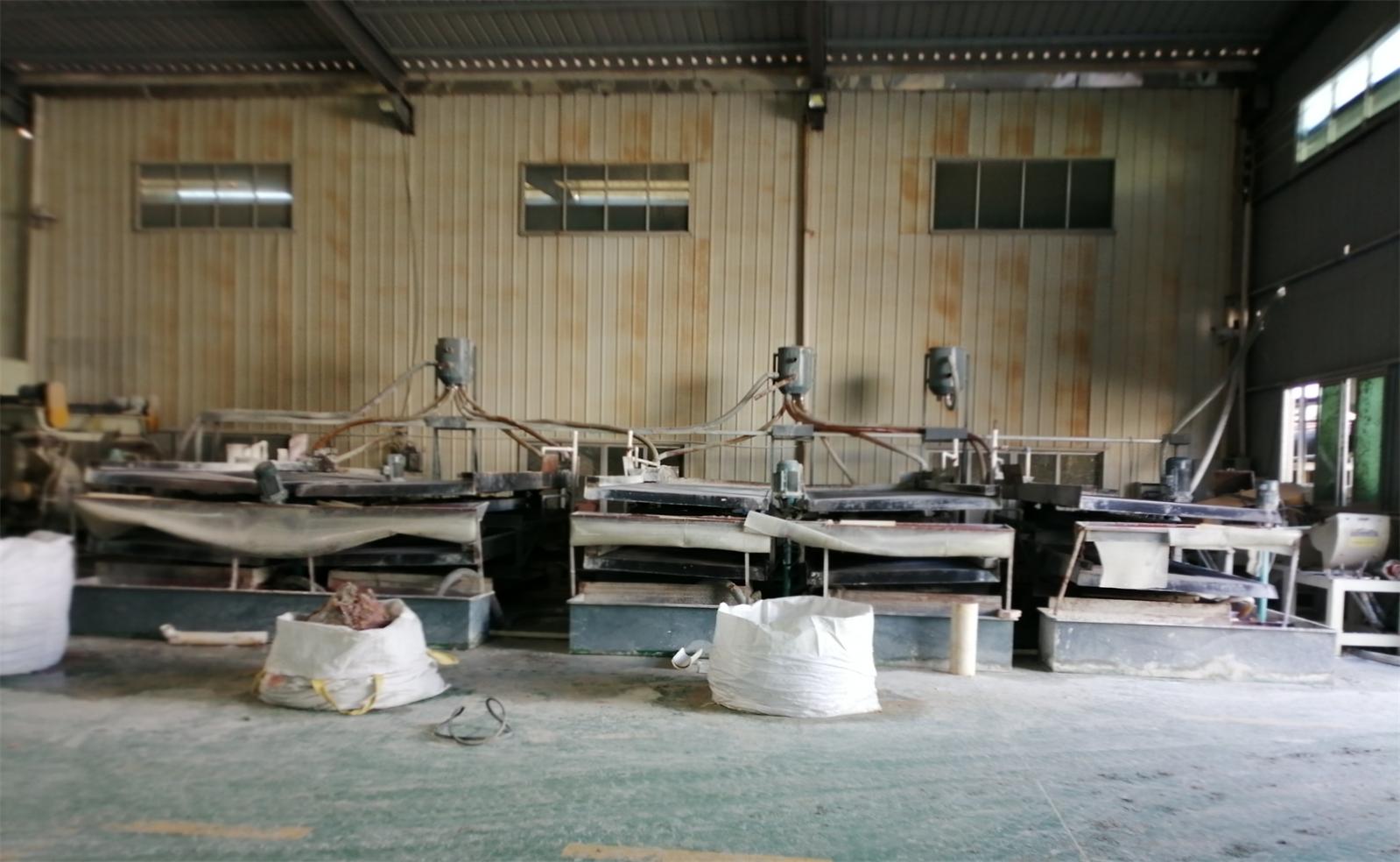
The heavy fraction from the float tank is fed onto a water shaking table. The table's vibrating motion combined with water flow separates the dense lead-antimony grid metal from the slightly less dense ebonite. The result: a clean lead alloy stream ready for melting, and an ebonite stream ready for disposal.
Step 7 — Paste Recovery
Meanwhile, the lead paste that settled in the collection pool is pumped to a filter press. The filter press squeezes the paste into a cake, separating it from the process water. The water is treated through an effluent treatment plant (ETP) and recirculated, achieving near-zero liquid discharge.
This complete sequence transforms a dirty, hazardous waste item into clean, sorted raw materials — all within a continuous, automated line operating at capacities from 1 to 10 metric tons per hour.
Beyond Breaking: The Complete Recycling Ecosystem
The breaking and separation system is just the beginning. A fully integrated lead acid battery recycling plant connects this front-end process with several downstream subsystems:
- Paste desulfurization — Before smelting, the recovered paste typically passes through a de-sulfurization machines equipment stage. This converts lead sulfate (PbSO₄) into lead carbonate, reducing the melting temperature needed and cutting SO₂ emissions.
- Smelting and reduction — The desulfurized paste is melted in a rotary furnace or blast furnace to produce crude metallic lead.
- Refining — Crude lead moves to a lead refinery machine equipment, where it is purified to 99.97% or higher.
- Air pollution control — Throughout the plant, air pollution control machines equipment capture dust, fumes, and gases, ensuring the facility meets local and international environmental standards.
- Water treatment — Process water is treated and recycled, minimizing consumption and preventing discharge of contaminated effluent.
When all these subsystems are designed to work together — rather than being pieced together from different suppliers — the result is a plant that operates reliably, complies with regulations, and delivers strong return on investment.
What to Look for When Choosing a Recycling Equipment Partner
Not all lead acid battery recycling equipment is created equal. For recyclers and investors evaluating suppliers, here are the factors that make a real difference:
Integrated design capability. Can the supplier deliver the complete plant — from battery receiving to finished lead ingot — as an integrated package? A single-source EPC (Engineering, Procurement, Construction) partner eliminates the compatibility headaches and finger-pointing that come with multi-vendor projects.
Proven installations. Look for a track record of installed plants operating in different countries and regulatory environments. Real-world experience across diverse conditions is worth more than a glossy catalog.
Materials knowledge. Recycling is not just about machinery — it is about understanding the metallurgy, chemistry, and material flows. A supplier who can advise on waste sourcing strategies or help sell your recovered copper and lead products brings value far beyond equipment delivery.
After-sales support. Installation and commissioning are just the start. Ongoing technical support, spare parts availability, and operator training determine whether a plant meets its design capacity year after year.
The Bigger Picture: Why Lead Battery Recycling Matters
Lead-acid batteries are the most recycled consumer product in the world, with recycling rates exceeding 95% in many countries. The infrastructure for collecting and processing ULABs is well-established, and the economics of lead recovery are compelling.
Yet the gap between best practice and informal recycling remains wide. In regions where batteries are still broken by hand and smelted in open furnaces, the human and environmental costs are severe. Mechanized, enclosed breaking and separation systems represent the single most impactful upgrade a recycling operation can make — replacing hazardous manual labor with automated, contained processing.
As environmental regulations tighten globally — from the EU's Battery Regulation to stricter emission standards across Asia and Africa — the operators who invest in modern recycling technology today will be the ones positioned to thrive tomorrow.
Build Your Recycling Plant with a Trusted Partner
San Lan Technologies has been designing and manufacturing lead acid battery recycling equipment since 2007. With installations in over 21 countries — including India, Colombia, Vietnam, Mexico, South Africa, and Saudi Arabia — and a professional engineering team with more than 15 years of hands-on experience, San Lan delivers complete EPC solutions for lead acid battery recycling plants. From the initial lead acid battery breaking and separation system through to air pollution control, refining, and water treatment, every subsystem is designed and integrated under one roof. Whether you are building a new facility or upgrading an existing one, San Lan provides the technology, know-how, and ongoing support to make your recycling operation a success.
Contact the team at curbing888@hotmail.com or reach out via WhatsApp at +86 139 2377 4083 to discuss your project requirements.