Understanding the machinery, processes, and key considerations for building an efficient and environmentally compliant recycling plant
Lead-acid batteries are among the most recycled consumer products on the planet. With a global recycling rate exceeding 99% in many developed countries, the industry has built a remarkably efficient circular economy for lead. However, behind every successful recycling operation stands a carefully selected set of lead acid battery recycling equipment — machinery that determines not only recovery rates but also environmental compliance, operational safety, and long-term profitability.
Whether you are planning to build a new recycling facility or upgrade an existing one, understanding the full spectrum of equipment involved is essential. This guide walks you through each stage of the process, from battery breaking to final lead refining, and explains what to look for when choosing equipment for your plant.
Why Lead Acid Battery Recycling Equipment Matters
The global lead-acid battery market continues to grow, driven by demand from automotive, telecommunications, and energy storage sectors. With over one million metric tons of lead consumed annually by the auto industry alone, the pressure to recycle efficiently and safely has never been greater.
Poorly designed or outdated equipment not only reduces metal recovery rates — it also increases the risk of environmental contamination. Lead is a potent neurotoxin, and improper handling during the recycling process can release hazardous dust and fumes that endanger workers and surrounding communities. This is why investing in high-quality, modern recycling equipment is both a business decision and an ethical responsibility.
A well-integrated lead acid battery recycling plant typically recovers four distinct products: lead grid, lead paste, polypropylene plastic, and sulfuric acid electrolyte. Each requires specialized equipment for separation and processing.
Stage 1: Battery Breaking and Separation
The first and most critical stage in any lead-acid battery recycling line is the breaking and separation process. Used lead-acid batteries (ULABs) must first be drained of acid, then crushed to separate the major components.
The Role of a Battery Cutter
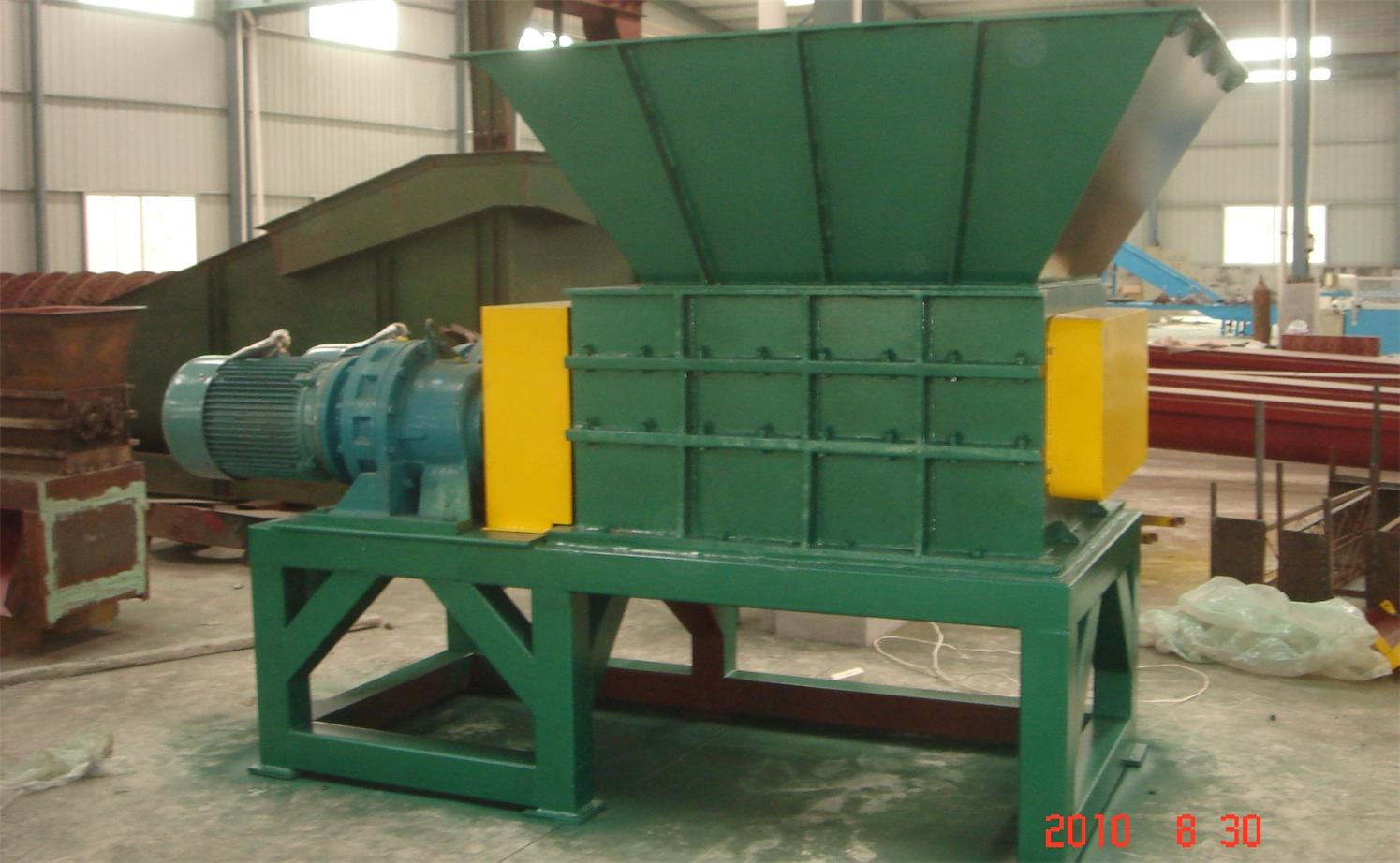
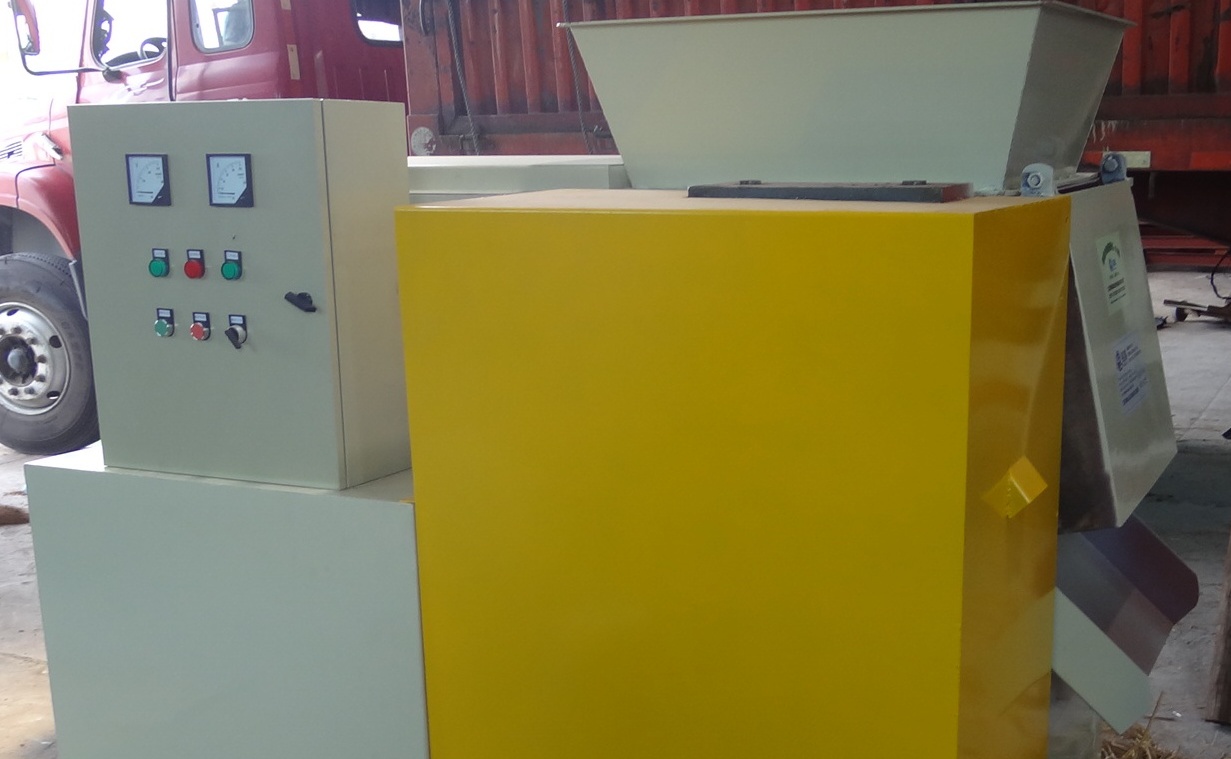
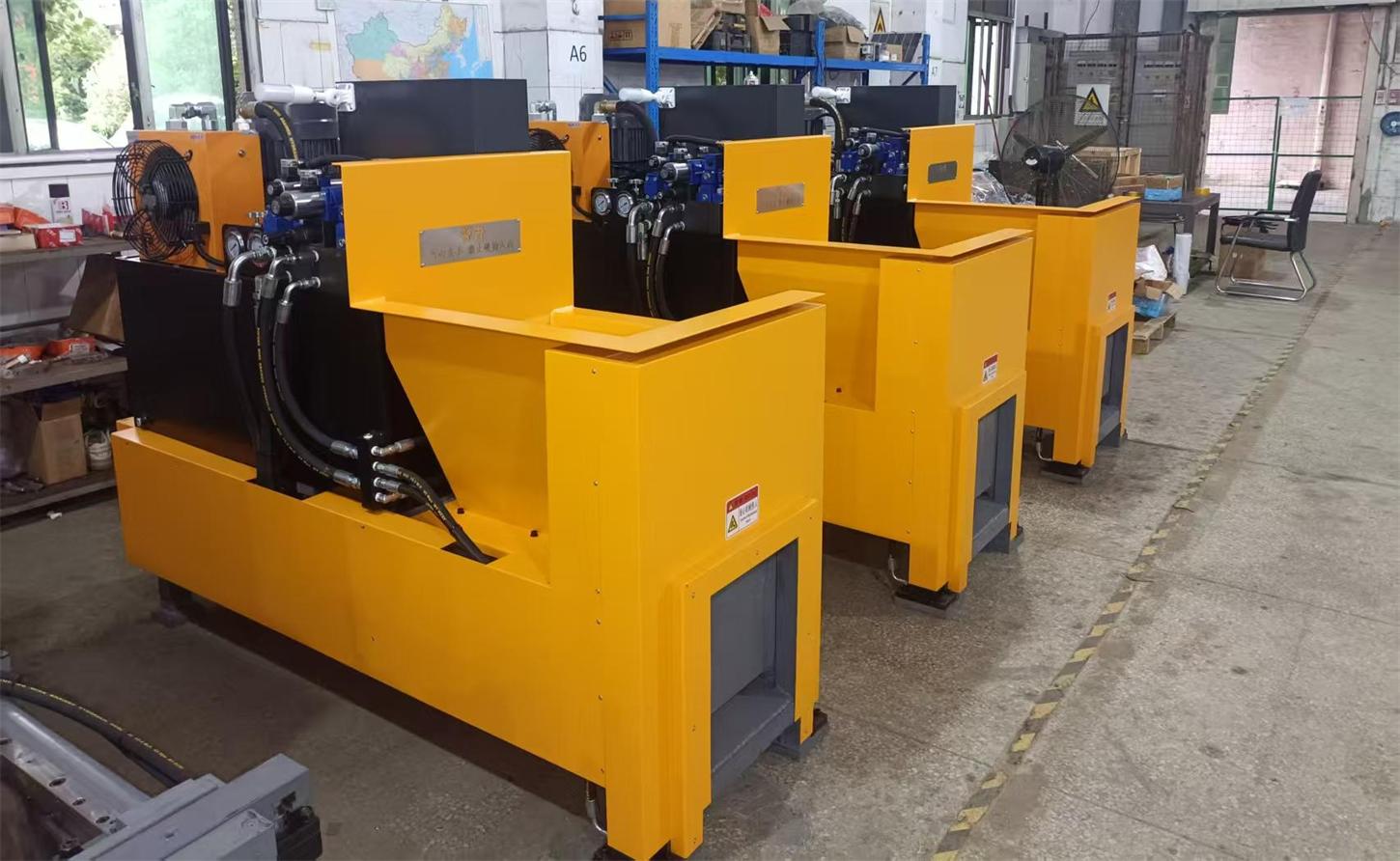
Before full-scale crushing, large batteries are often processed through a dedicated hydraulic battery cutter. This machine cuts the battery into sections and empties the sulfuric acid electrolyte for collection and treatment. A high-quality cutter, such as those designed for capacities ranging from 1 to 10 metric tons per hour, ensures that the downstream separation equipment receives properly prepared material.
Breaking and Separating Plant
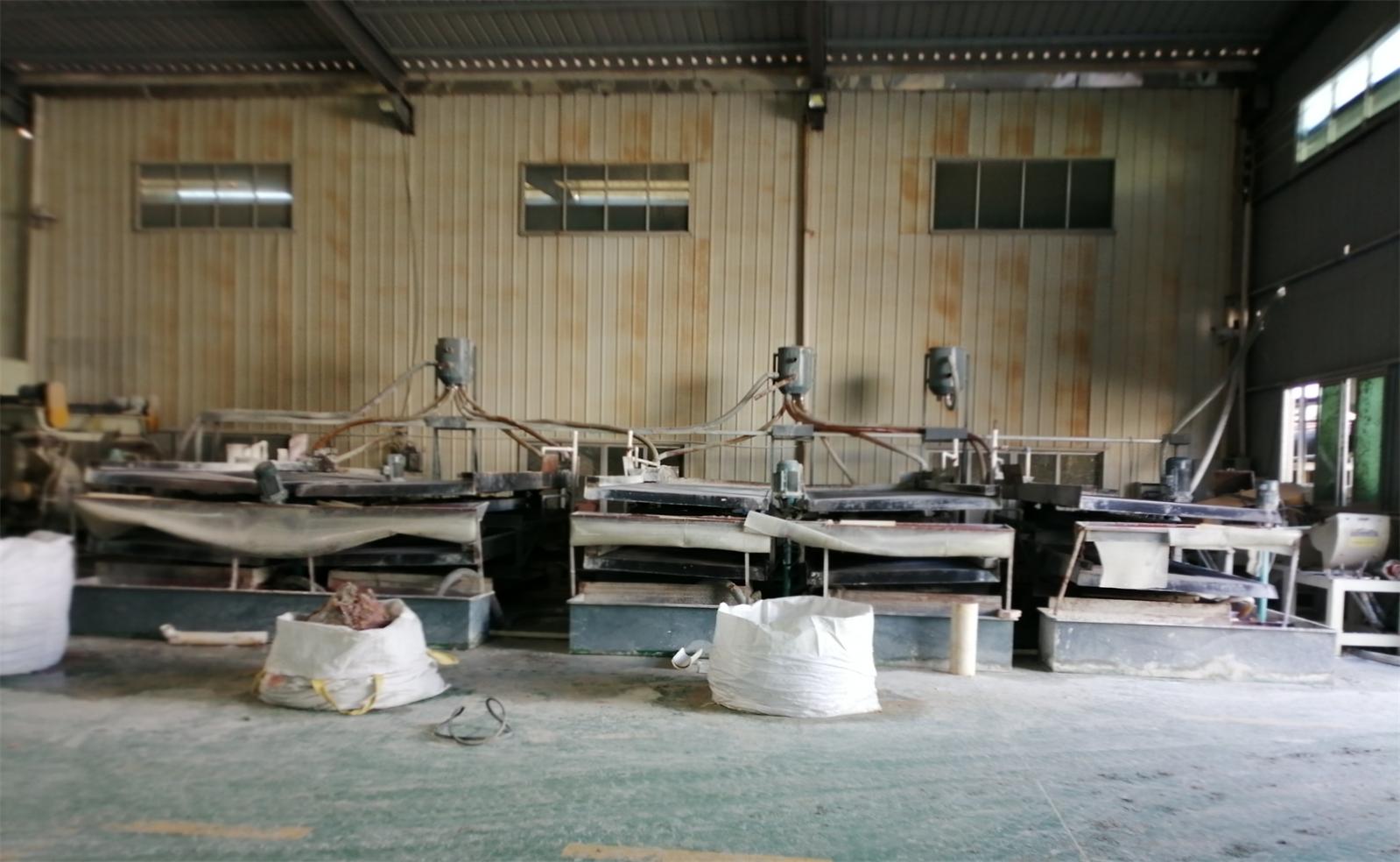
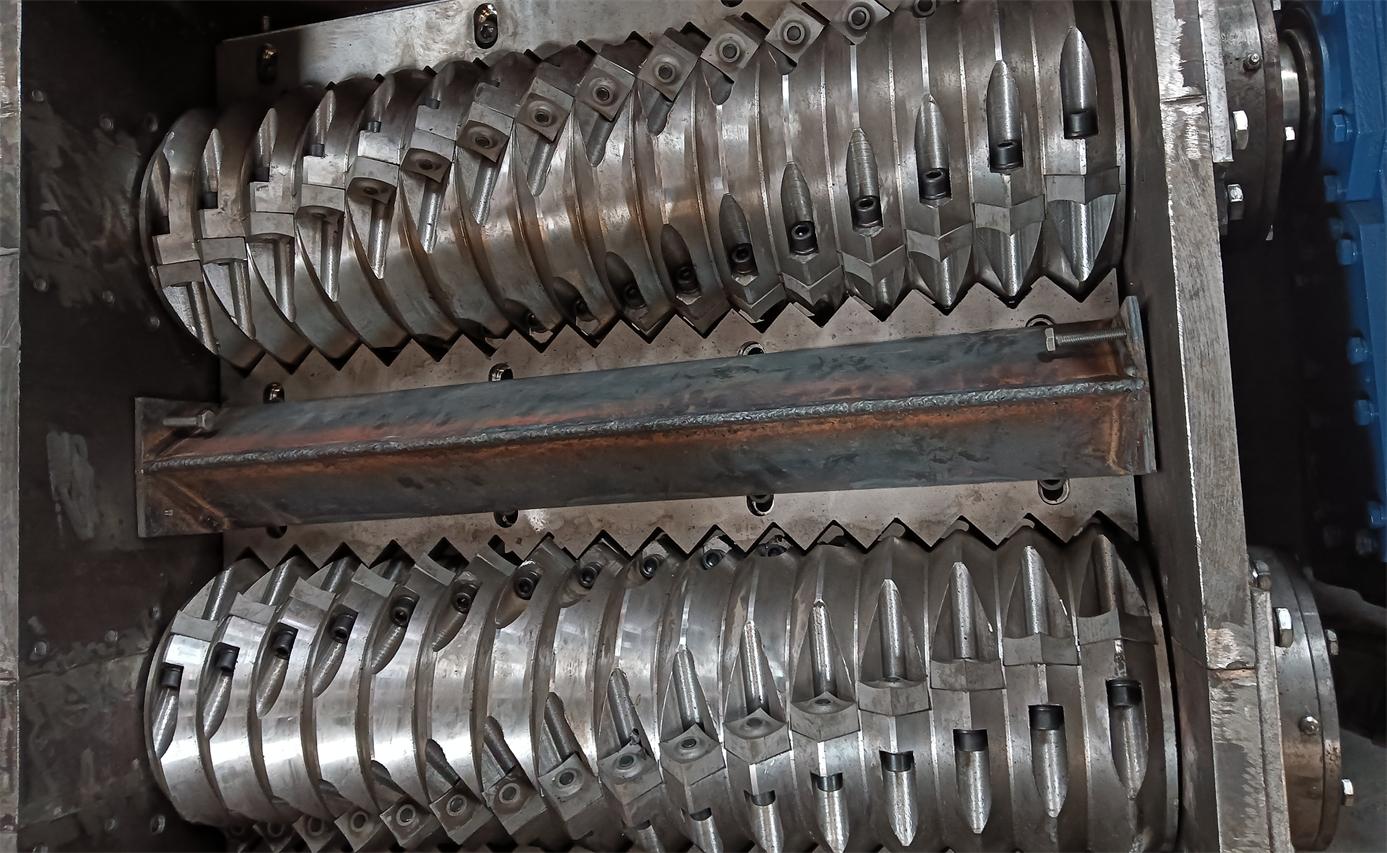
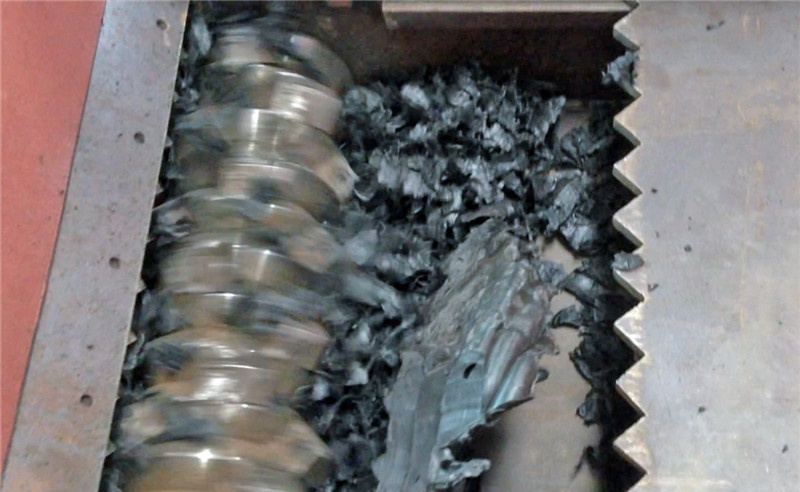
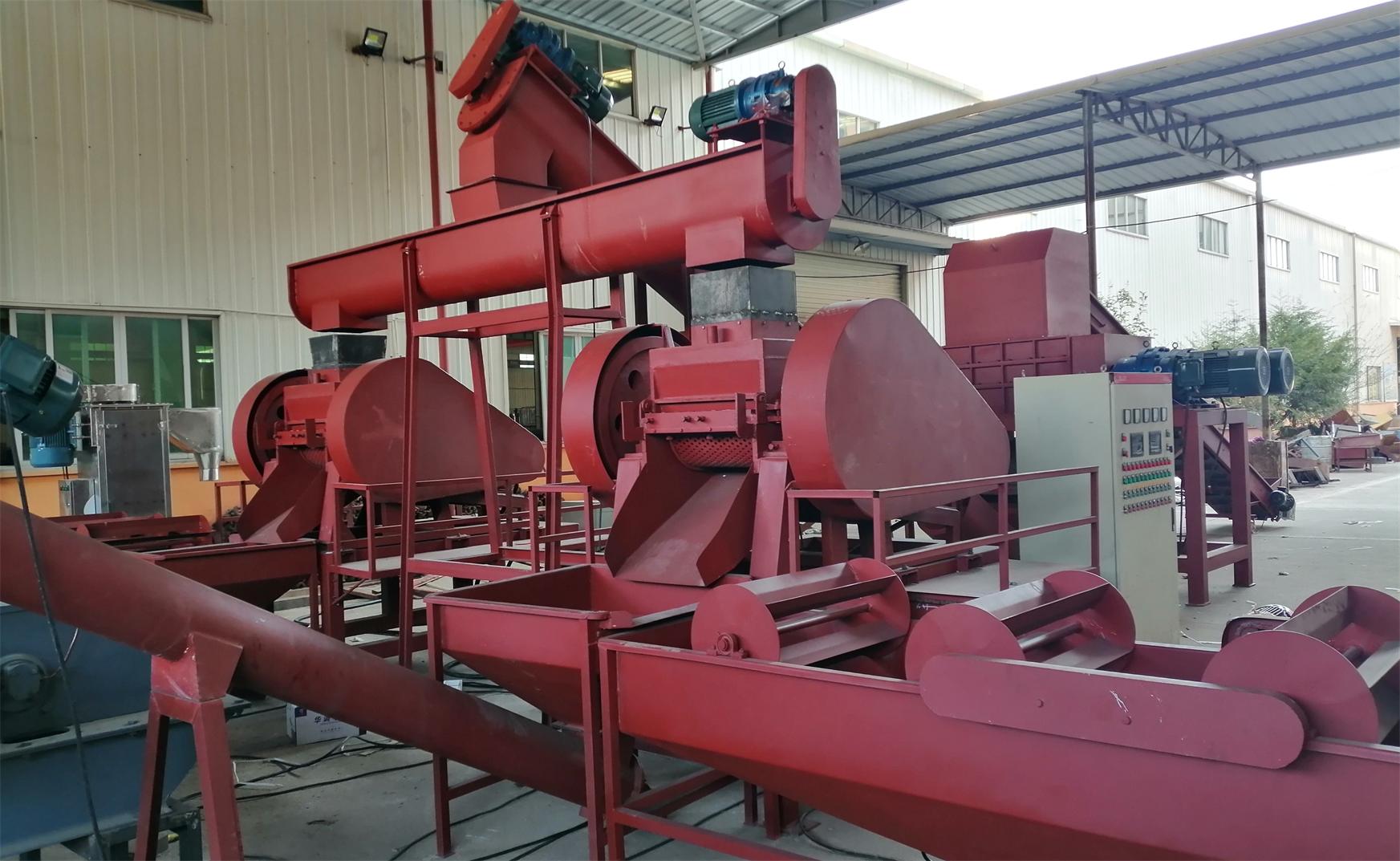
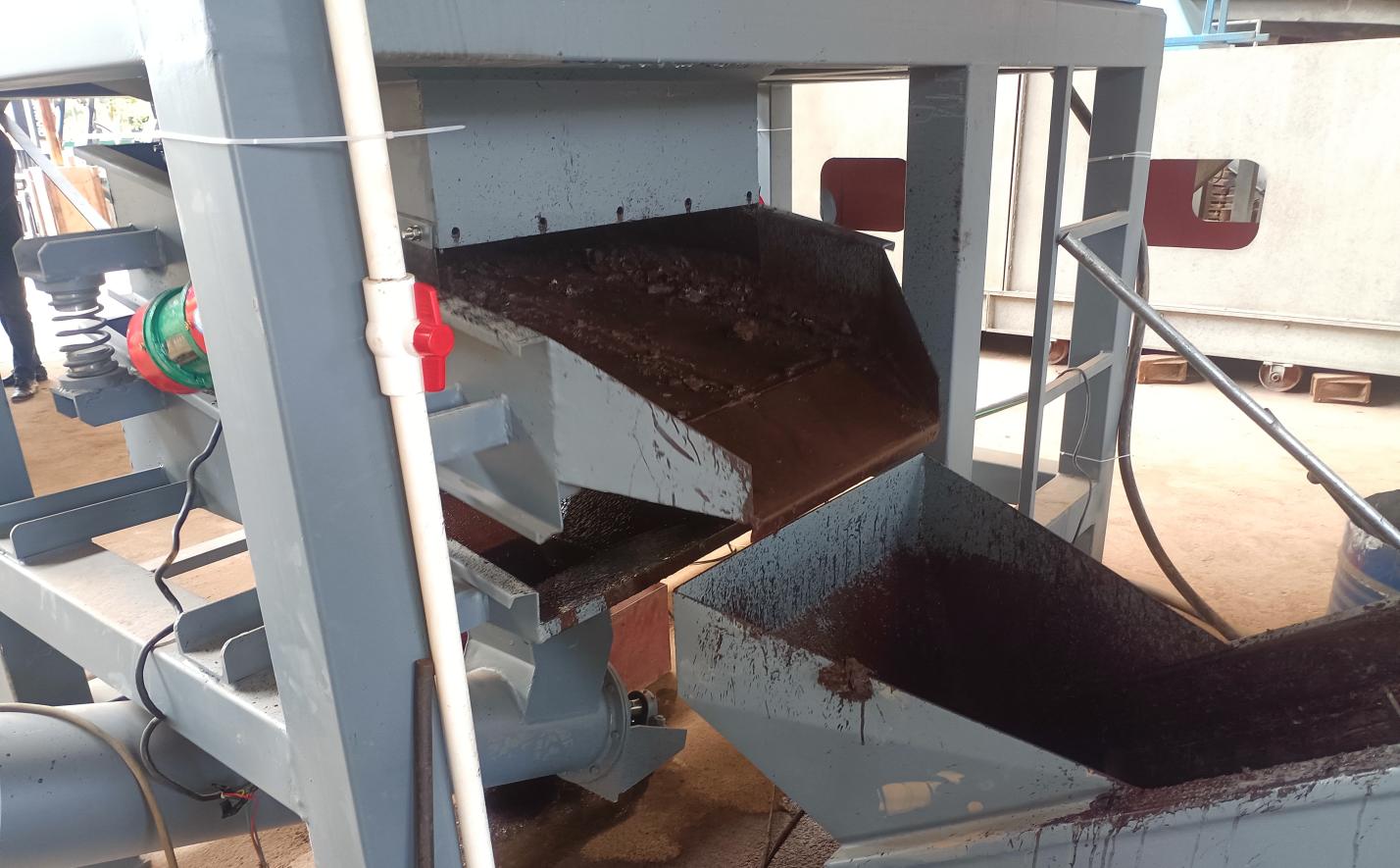
The heart of the operation is the lead acid battery breaking and separation system. This automated line crushes whole batteries and classifies the output into four streams: lead grid (metallic lead), lead paste (lead sulfate and lead oxide), polypropylene plastic chips, and sulfuric acid. Modern systems achieve capacities from 1 to 10 MT per hour and use a combination of hammer mills, vibrating screens, hydro-separators, and filter presses to achieve clean separation.
The quality of separation at this stage directly affects the efficiency of downstream smelting and refining. A poorly separated feed means more impurities in the furnace, higher energy consumption, and lower lead purity in the final product.
Stage 2: Desulfurization
Before the lead paste goes to the smelting furnace, it must undergo desulfurization. Lead paste contains lead sulfate (PbSO₄), which requires extremely high temperatures to break down and releases sulfur dioxide (SO₂) when smelted directly. A desulfurization unit reacts the lead paste with a reagent (typically sodium carbonate or sodium hydroxide) to convert lead sulfate into lead carbonate — a form that melts at a much lower temperature and produces far less SO₂ emission.
This step is not just about environmental compliance. Desulfurization reduces the smelting temperature by several hundred degrees, significantly lowering energy consumption while also extending the service life of the furnace refractory lining. For any plant operating at scale, the desulfurization unit pays for itself through energy savings and reduced emissions treatment costs.
Stage 3: Smelting and Refining
Once the lead paste has been desulfurized, it enters the smelting stage. This is where the lead compounds are chemically reduced to metallic lead through high-temperature processing.
Rotary Furnace vs. Blast Furnace
| Feature | Rotary Furnace | Blast (Cupola) Furnace |
|---|---|---|
| Capacity | 2-20 MT per batch | 40-100 MT per 24 hours |
| Lead Recovery Rate | Higher than blast furnace | ~95% |
| Operating Temperature | Lower (with desulfurization) | Up to 1800°C |
| Best For | Medium-scale plants, paste reduction | Large-scale, high-throughput operations |
| Energy Efficiency | Better with desulfurized feed | Higher energy consumption |
The choice between furnace types depends on your plant's scale, feedstock characteristics, and local energy costs. Many modern plants combine both: a rotary furnace for paste reduction and a smaller blast furnace for other lead-bearing materials.
Lead Refining
After smelting, crude lead still contains impurities such as antimony, tin, copper, and silver. A lead refinery furnace — also known as a lead refinery kettle — brings the lead to market-grade purity. Using either natural gas, diesel, or electric heating (near-infrared technology), these kettles can refine crude lead to 99.999% purity. Electric-heated models are particularly noteworthy for their 30-50% energy savings compared to conventional fuel-fired kettles.
Stage 4: Pollution Control and Effluent Treatment
No lead-acid battery recycling plant is complete without a robust pollution control infrastructure. This is non-negotiable — both for regulatory compliance and for the health of workers and the local environment.
Air Pollution Control
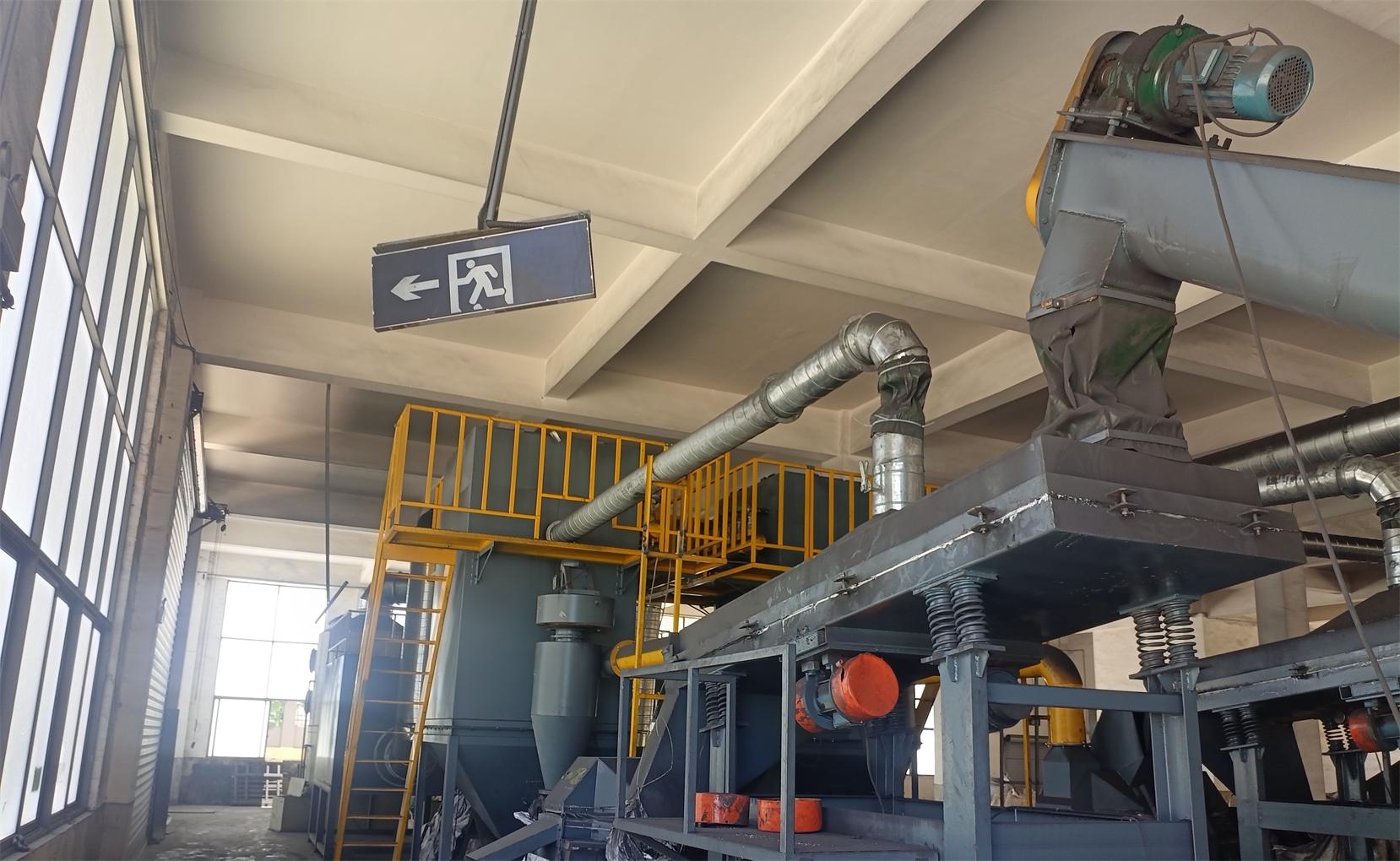
The smelting and refining processes generate gases containing lead dust, sulfur dioxide, and other particulates. An air pollution control system typically includes baghouse dust collectors, wet scrubbers, and activated carbon adsorption units. These systems capture airborne particulates and neutralize harmful gases before emission to the atmosphere, ensuring compliance with local environmental regulations.
Water Treatment
The acidic wastewater from the battery breaking and separation process cannot be discharged without treatment. A dedicated water treatment plant neutralizes the acid, precipitates dissolved metals, and produces clean water that can be either safely discharged or recycled back into the process. Closed-loop water systems are increasingly common in modern plants, reducing both water consumption and environmental risk.
Choosing the Right Equipment Supplier
Selecting a recycling equipment supplier is as important as choosing the equipment itself. Here are key factors to evaluate:
- Engineering expertise: Does the supplier have a track record in EPC (Engineering, Procurement, Construction) projects for e-waste and battery recycling plants?
- Customization capability: Can they design a plant tailored to your specific capacity requirements and local environmental regulations?
- After-sales support: Do they offer installation, commissioning, and ongoing technical support?
- Technology maturity: Are their machines based on proven, field-tested designs with verifiable performance data?
- Comprehensive product range: Can they supply the full line — from battery cutter to pollution control system — or will you need to coordinate multiple vendors?
A supplier with over 15 years of experience in e-waste recycling machinery, a professional engineering team, and a presence in 21+ countries offers a level of reliability that newer entrants simply cannot match. The ability to provide a one-stop solution — from design through commissioning — significantly reduces project risk and timeline.
The Business Case for Quality Equipment
While the upfront investment in high-quality lead acid battery recycling equipment may be higher than budget alternatives, the long-term economics strongly favor quality. Consider the following:
- Higher lead recovery rates mean more product to sell from the same feedstock
- Lower energy consumption reduces operating costs year after year
- Better pollution control minimizes regulatory fines and community opposition
- Longer equipment service life reduces replacement and downtime costs
- Higher purity output commands premium prices in the metals market
For operators processing 5,000 to 50,000 metric tons of batteries per year, even a 1% improvement in recovery rate can translate to hundreds of thousands of dollars in additional annual revenue.
Looking for a Complete Lead Acid Battery Recycling Plant?
San Lan Technologies Co., Ltd provides turnkey solutions for used lead acid battery recycling — from battery cutters and breaking-separation systems to rotary furnaces, lead refinery kettles, and full pollution control integration. With over 15 years of engineering experience and customers across 21+ countries, we deliver customized plants designed for your capacity and compliance requirements.
Explore Lead Acid Battery Recycling Equipment