Every year, millions of used lead acid batteries (ULABs) reach the end of their service life across the globe. These batteries power vehicles, backup power systems, and industrial equipment — and when they are spent, they become one of the most recycled consumer products in the world. Yet the way they are recycled makes all the difference between a profitable, environmentally sound operation and one that creates liabilities. This guide walks you through the complete process of industrial lead acid battery recycling, from breaking and separation to smelting and refining, and explains how to choose the right lead acid battery recycling equipment for your plant.
Why Lead Acid Battery Recycling Matters
Lead acid batteries contain several components that are both hazardous and valuable: sulfuric acid electrolyte, lead grids and paste, polypropylene (PP) or PVC plastic casings, and hard rubber separators. Improper disposal can contaminate soil and groundwater with lead and acid. At the same time, lead is a finite resource with strong market demand, and recycling it consumes far less energy than primary mining and smelting.
A professionally designed recycling plant recovers up to 99% of the battery materials, turning what would be hazardous waste into reusable commodities: refined lead ingots, clean plastic chips, and neutralized acid. This makes lead acid battery recycling not only an environmental necessity but also a commercially viable industry.
The Lead Acid Battery Recycling Process: Step by Step
A modern lead acid battery recycling plant operates through a series of integrated stages. Each stage requires specialized machinery designed to handle specific materials safely and efficiently. Here is how the complete process works:
Step 1: Battery Breaking and Separation
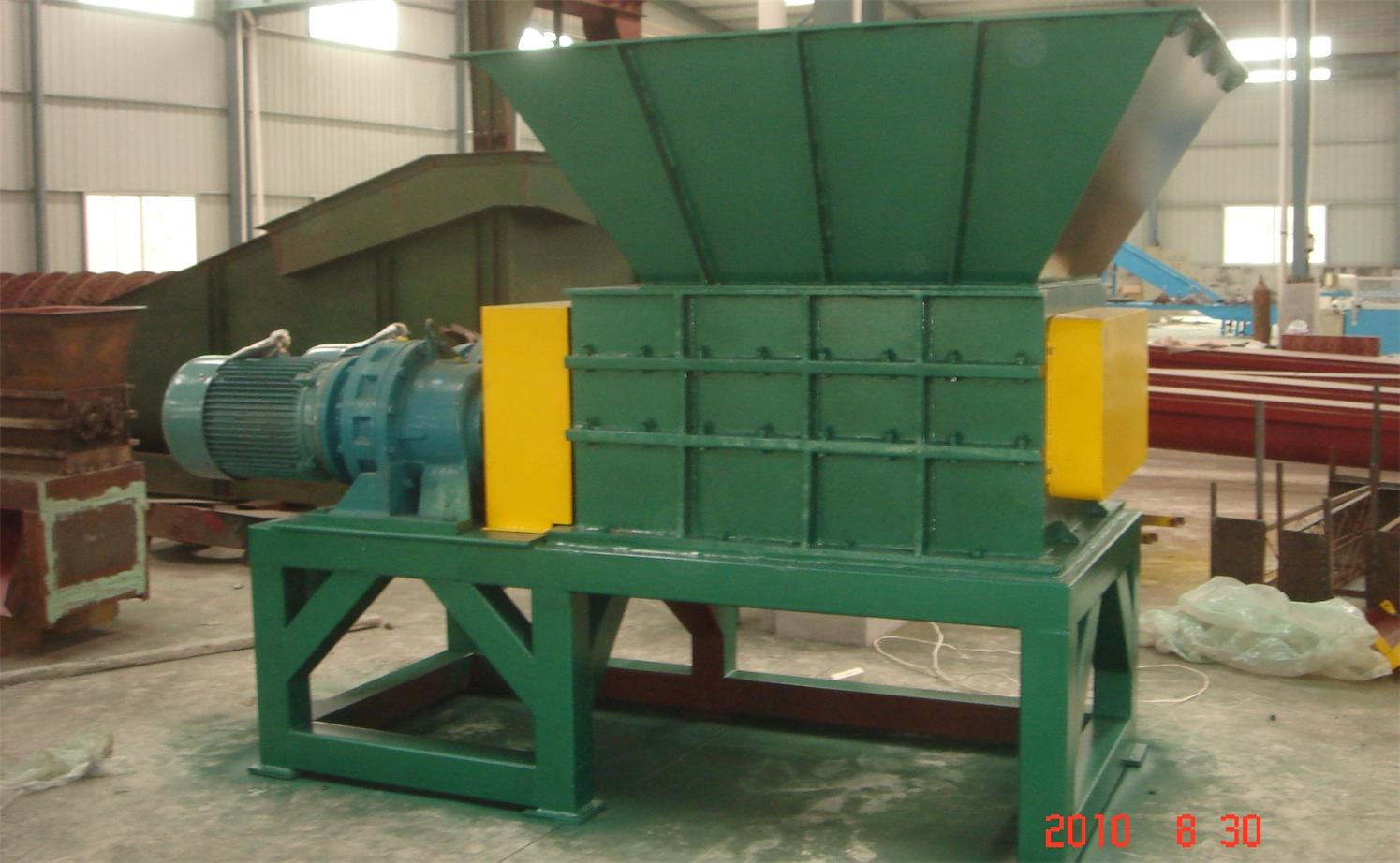
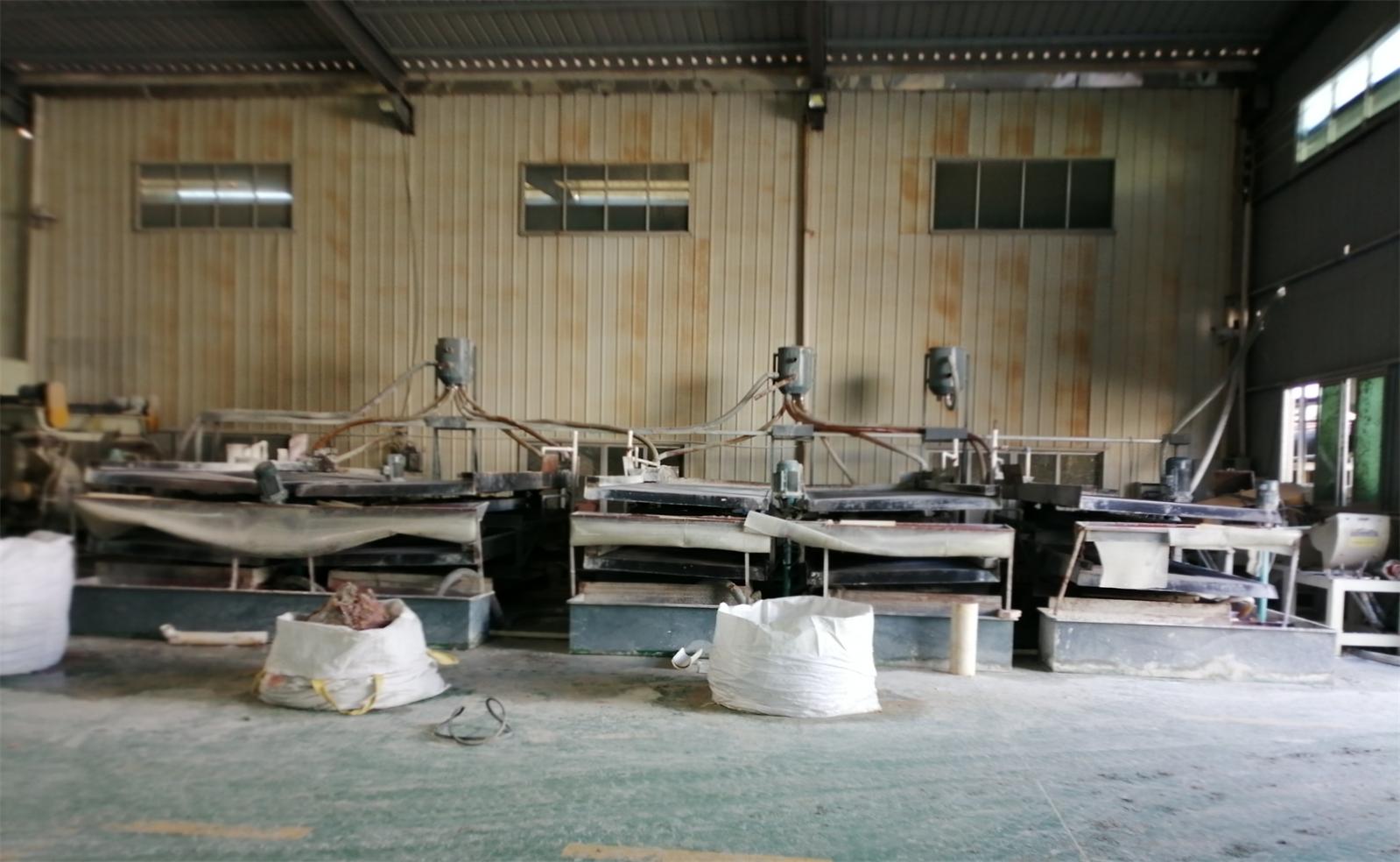
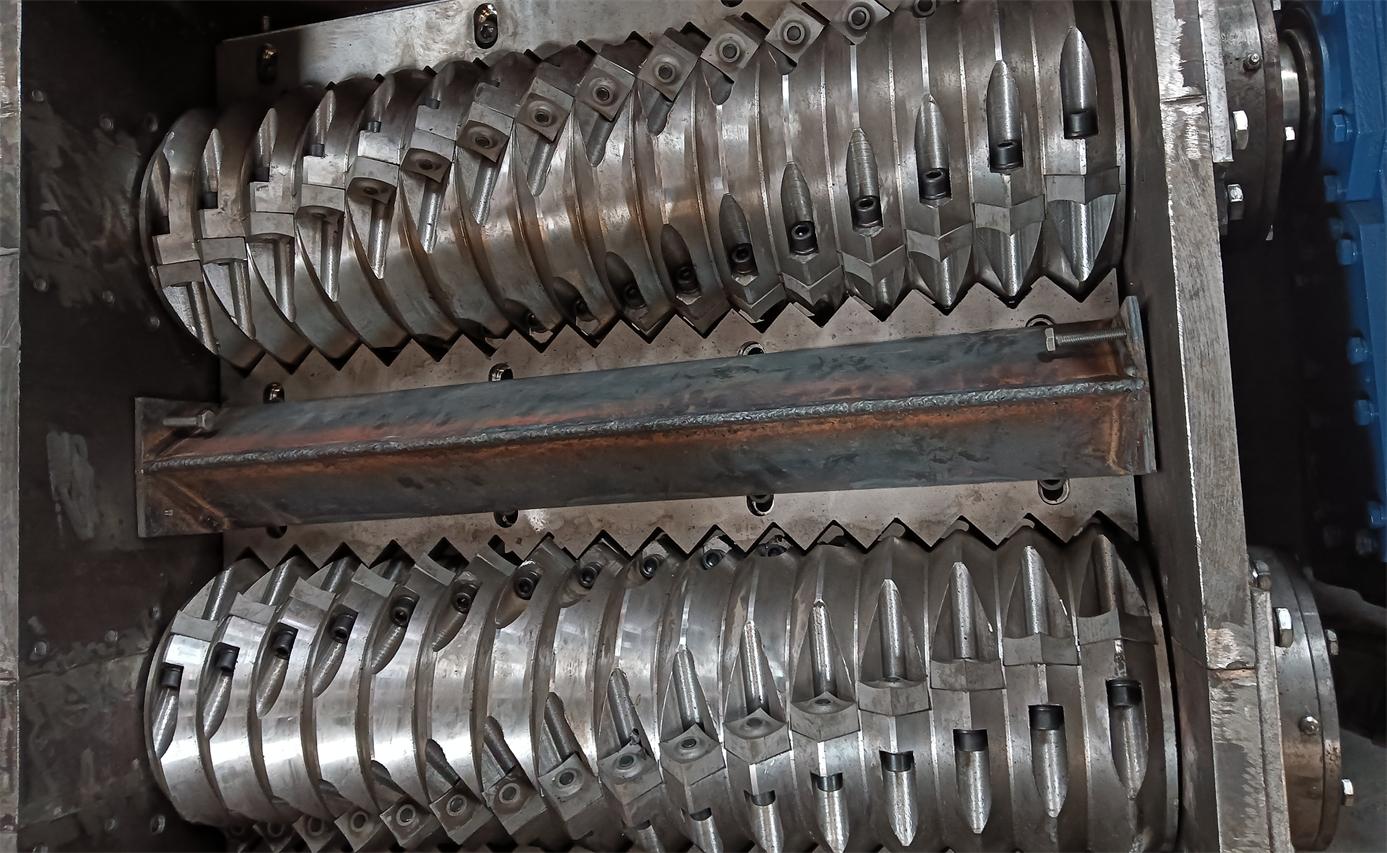
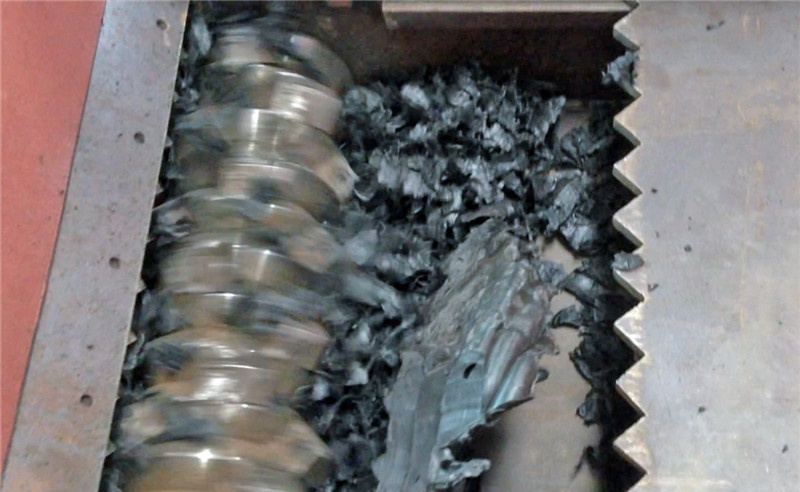
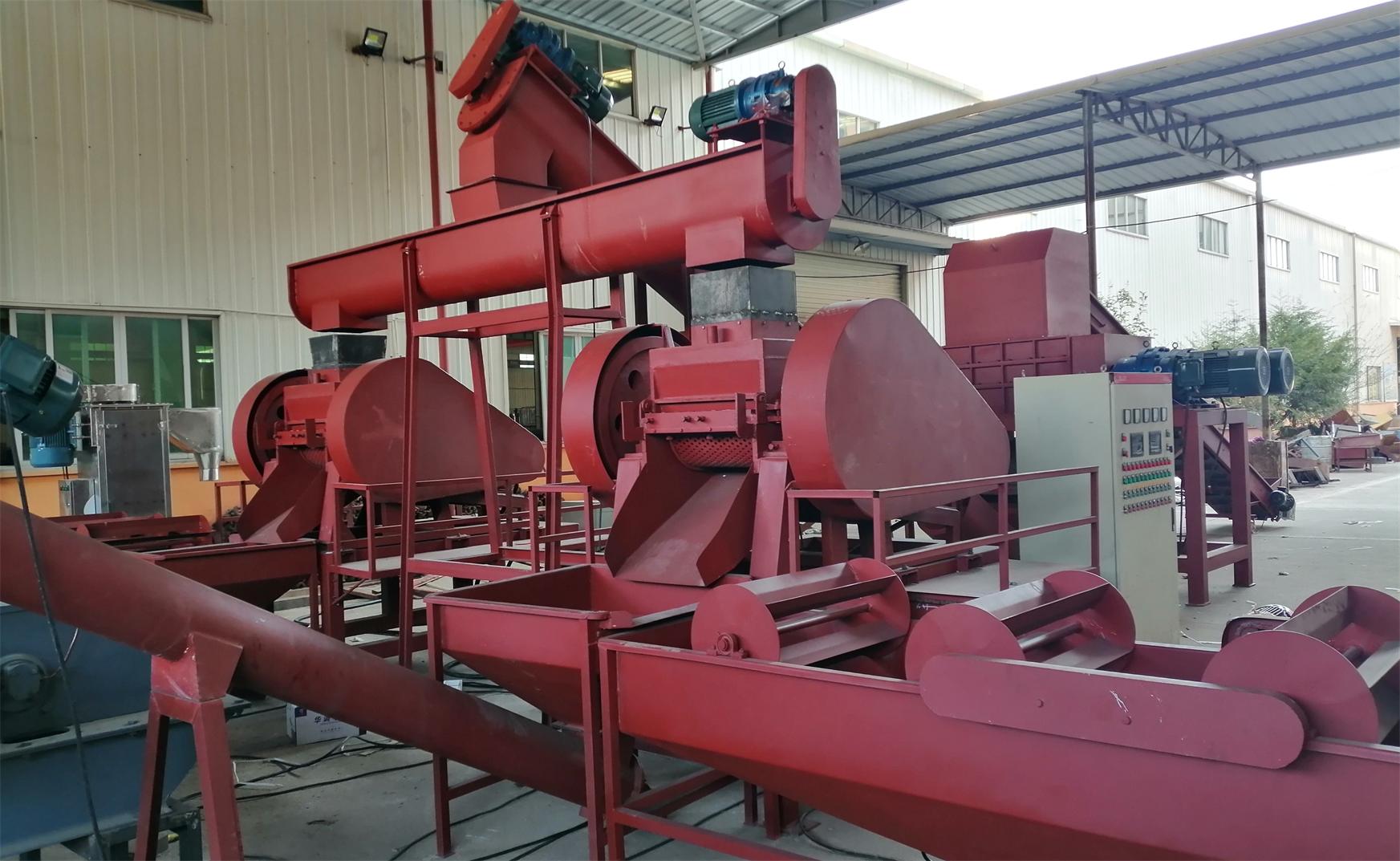
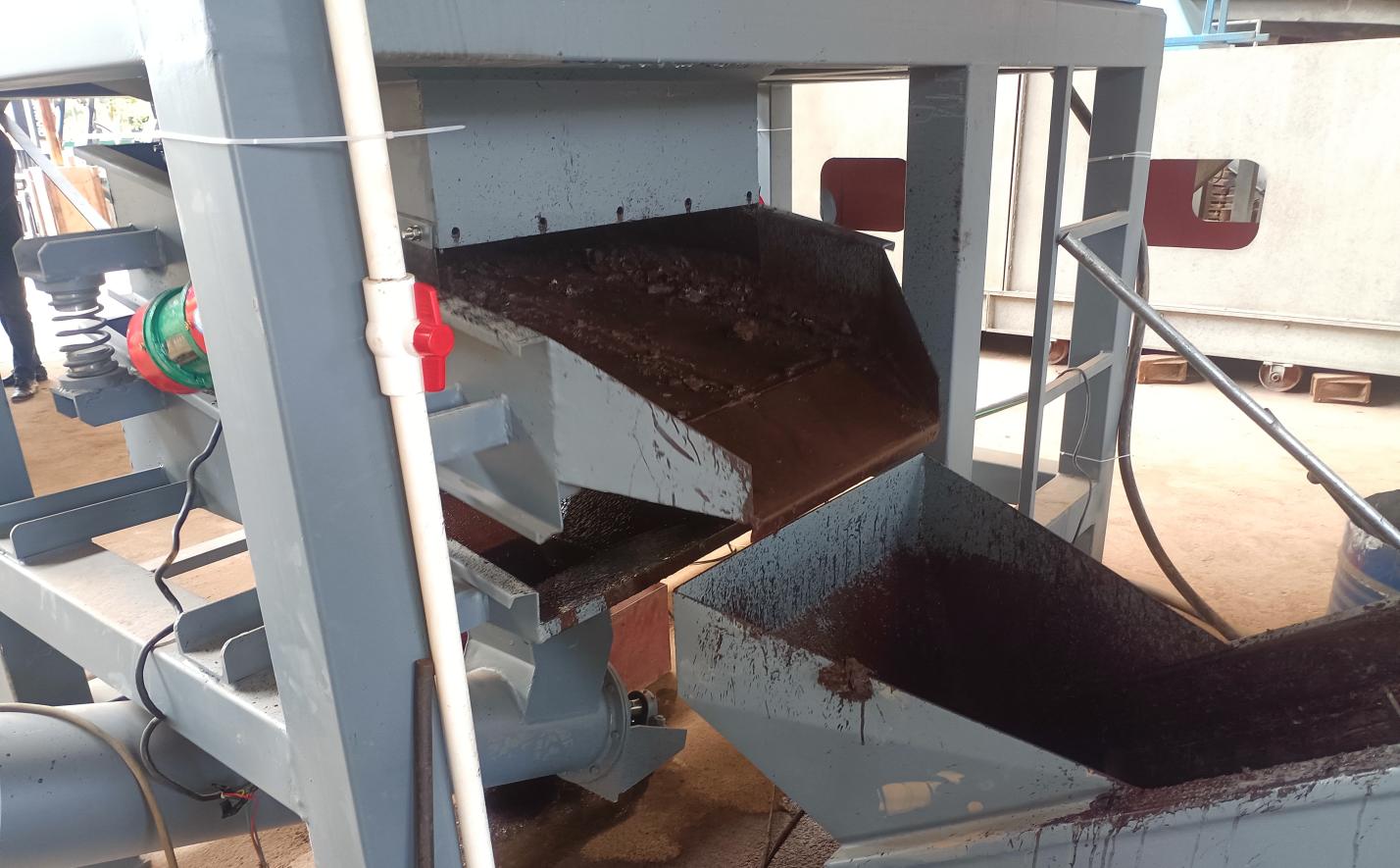
The first stage of the recycling process is breaking the used batteries and separating their components. An advanced lead acid battery breaking and separation system crushes whole batteries and classifies the output into four streams: lead paste, metallic lead grids, polypropylene or PVC plastic, and sulfuric acid electrolyte. Modern systems operate at capacities of 1 to 10 metric tons per hour, achieving high separation purity with minimal cross-contamination. The acid is collected and neutralized or processed through a water treatment plant, while the plastic is washed and prepared for recycling.
Step 2: Lead Paste De-Sulfurization
The lead paste recovered from battery breaking contains lead sulfate (PbSO₄), which requires high temperatures to smelt and produces sulfur dioxide (SO₂) emissions. A de-sulfurization unit addresses this by chemically reacting the lead paste with a desulfurizing agent — typically sodium carbonate or sodium hydroxide — to convert PbSO₄ into lead carbonate. This step lowers the melting temperature in the furnace, reduces energy consumption, and significantly cuts SO₂ emissions. The byproduct, sodium sulfate, can be sold as a separate commodity.
Step 3: Smelting and Reduction
After de-sulfurization, the lead paste is fed into a smelting furnace for reduction. Two common furnace types are used: the rotary furnace and the blast (cupola) furnace. The rotary furnace is preferred for its higher lead recovery rate at capacities of 2 to 20 metric tons per batch. Blast furnaces operate at higher temperatures up to 1800°C with capacities of 40 to 100 metric tons per 24 hours. Both furnace types reduce the lead compounds to crude metallic lead using carbon-based reducing agents and fluxes.
Step 4: Lead Refining
Crude lead from the smelting furnace still contains impurities such as antimony, tin, copper, and arsenic. A lead refinery furnace — also known as a refining kettle — removes these impurities through a series of pyrometallurgical treatments, producing lead with purity up to 99.999%. Modern refinery kettles are available in natural gas, diesel, or electric heating configurations. Electric models using near-infrared heating technology can reduce energy consumption by 30% to 50% compared to conventional fuel-fired units.
Step 5: Environmental Control Systems
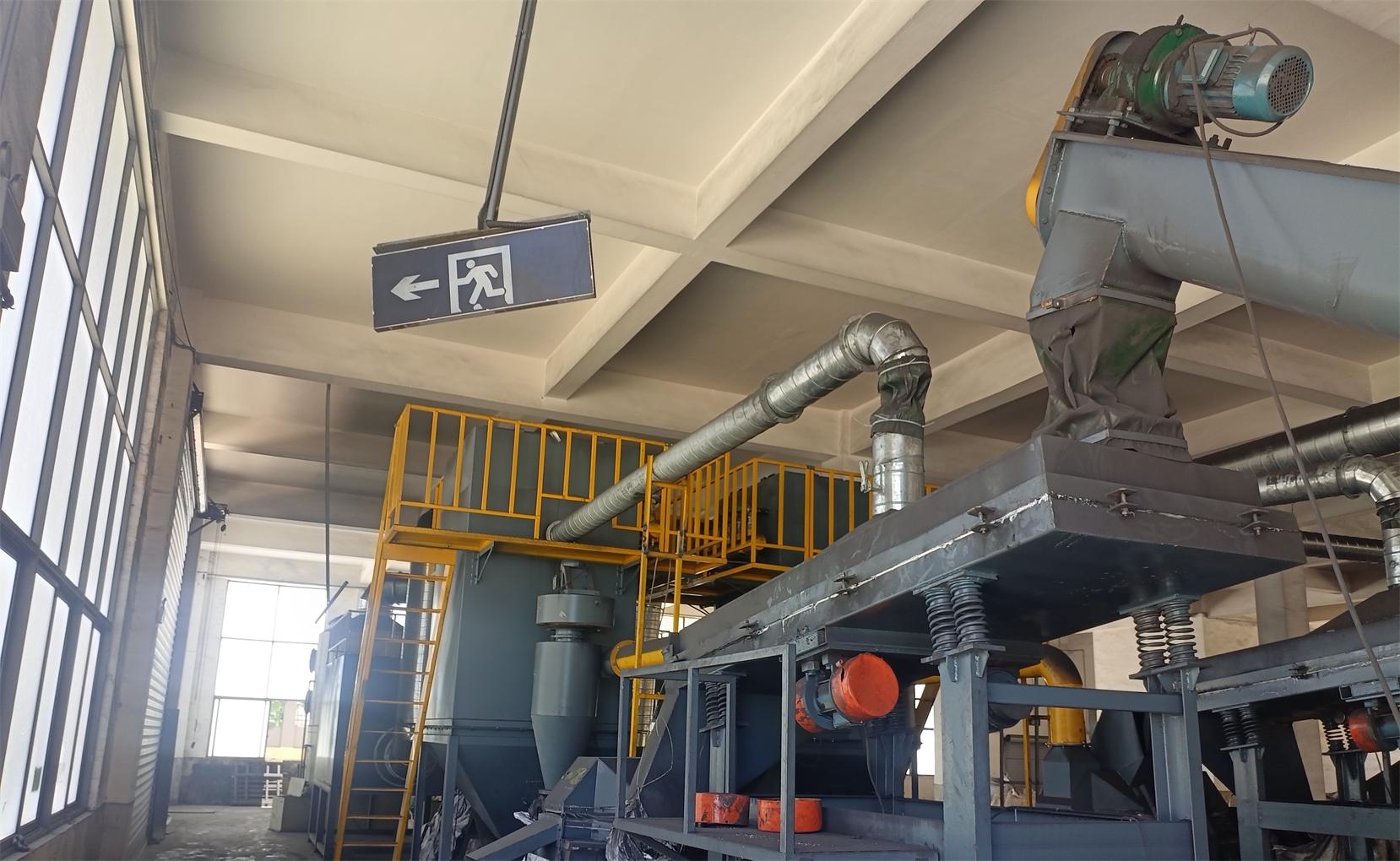
Throughout the recycling process, environmental control systems capture and treat emissions. Air pollution control systems purify gases from the rotary furnace, blast furnace, and refinery kettles through baghouse filtration, wet scrubbing, or a combination of both. Water treatment plants process acidic wastewater from the breaking and separation stages, ensuring that all liquid effluent meets environmental discharge standards before release.
Key Equipment in a Lead Acid Battery Recycling Plant
A complete recycling plant integrates multiple machines working in sequence. The table below summarizes the core equipment and its function:
| Equipment | Primary Function | Typical Capacity |
|---|---|---|
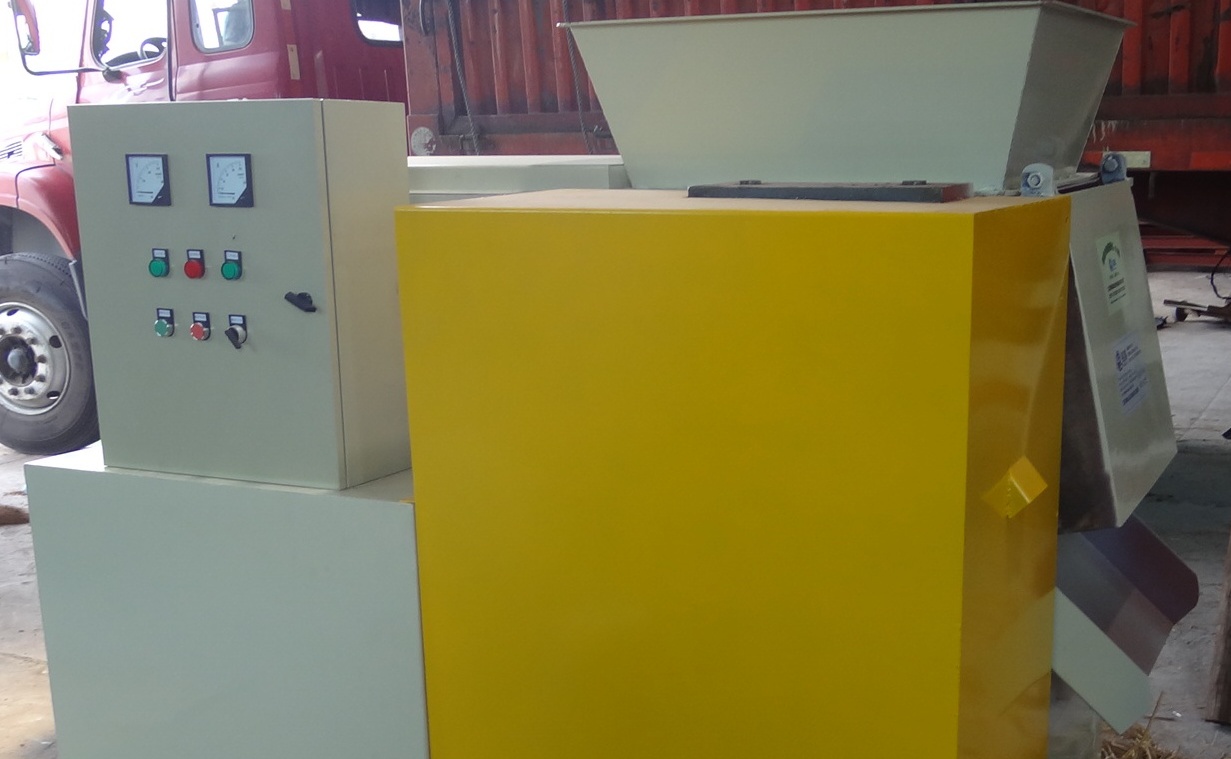
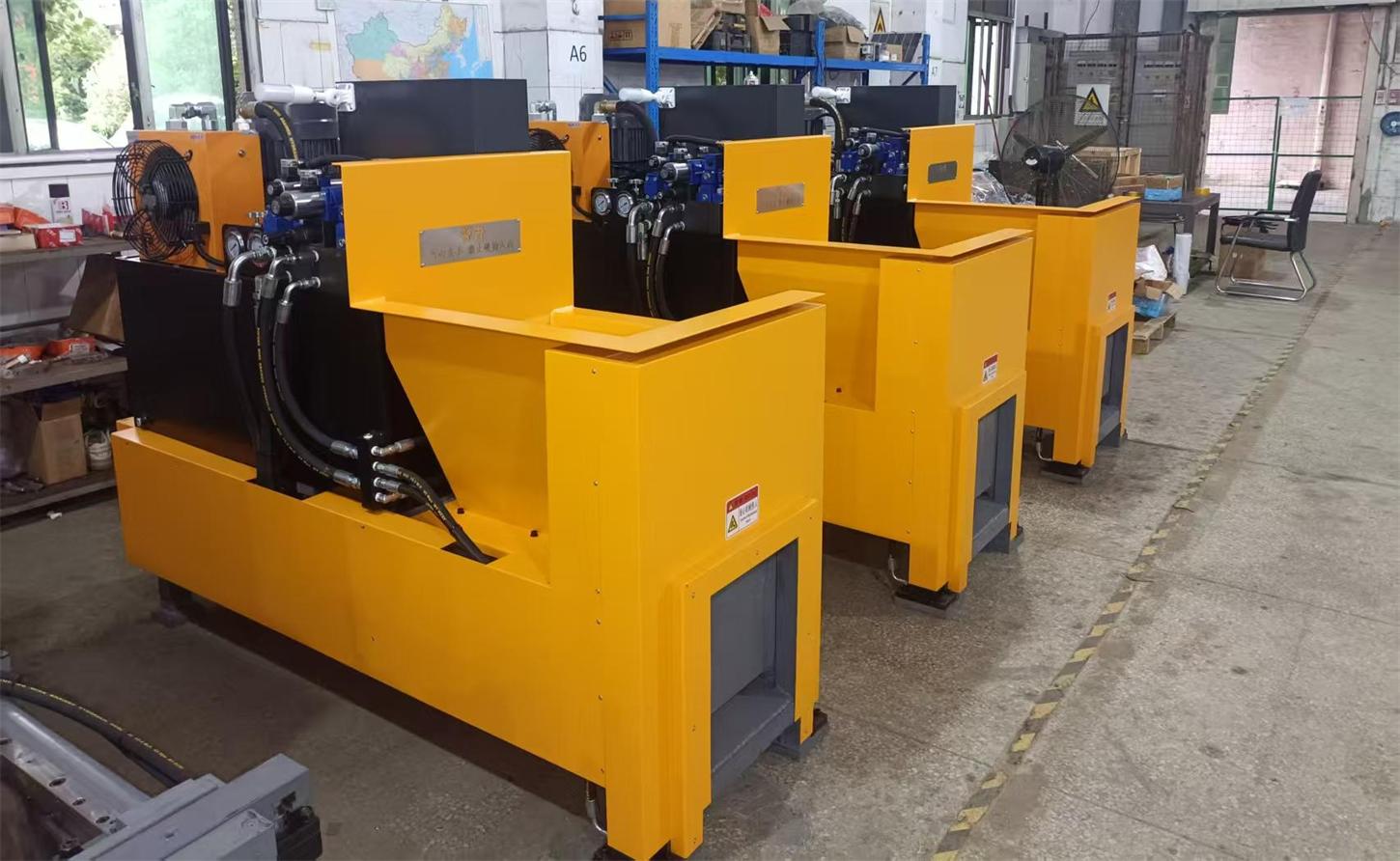
| Battery Cutter / Breaker | Cuts open batteries, drains acid, feeds into crusher | 45 seconds per piece |
| Breaking & Separation System | Crushes batteries, separates paste, grids, plastic, acid | 1–10 MT/hour |
| Filter Press | Separates lead paste from slurry after crushing | 60 m² filtration area |
| De-Sulfurization Unit | Removes sulfur from PbSO₄ in lead paste | Matches plant throughput |
| Rotary / Blast Furnace | Smelts lead paste into crude metallic lead | 2–20 MT/batch or 40–100 MT/day |
| Refinery Kettle Furnace | Refines crude lead to 99.999% purity | Varies by model |
| Air Pollution Control System | Captures and treats furnace and refinery off-gases | Custom-designed |
| Water Treatment Plant | Treats acidic wastewater from processing | Custom-designed |
How to Choose the Right Equipment for Your Plant
Selecting the right equipment involves more than comparing capacity figures. Here are the key factors to evaluate:
San Lan Technologies Co., Ltd, established in 2007 and based in Ganzhou, China, is a professional manufacturer of WEEE recycling machines with over 15 years of experience in e-waste recycling equipment. The company's technical support team holds master's degrees in mechanical engineering and has solid experience in EPC projects — from customized plant design and equipment procurement to on-site installation and commissioning. San Lan has supplied equipment to customers in more than 21 countries, including Singapore, Colombia, Vietnam, Mexico, South Africa, India, Saudi Arabia, and the Philippines.
Environmental and Economic Benefits
Environmental Protection
A properly designed lead acid battery recycling plant prevents lead, sulfuric acid, and plastic waste from entering the environment. De-sulfurization technology reduces SO₂ emissions. Air pollution control systems capture particulate matter and volatile organic compounds. Water treatment plants ensure that processed water is safe for discharge or reuse. These measures collectively transform battery recycling from a pollution source into a clean industrial operation.
Resource Recovery
Recycling lead acid batteries recovers lead, polypropylene plastic, and sodium sulfate — all of which have established markets. Lead recovery rates in modern plants reach 95% or higher. The recovered lead can be reused in new battery manufacturing, closing the material loop and reducing the need for primary lead mining.
Economic Opportunity
For entrepreneurs and established recyclers alike, a lead acid battery recycling plant represents a business with steady feedstock supply and consistent demand for output materials. The global push toward circular economy principles and stricter environmental regulations is driving demand for professional recycling infrastructure. Manufacturers that offer comprehensive support — including help with waste material procurement, investment partner matching, and assistance in selling recycled products — add significant value beyond equipment supply alone.
Common Questions About Lead Acid Battery Recycling
What is the typical capacity of a lead acid battery recycling plant?
Breaking and separation systems typically handle 1 to 10 metric tons of batteries per hour. Smelting furnace capacities range from 2 to 20 metric tons per batch for rotary furnaces and 40 to 100 metric tons per 24 hours for blast furnaces. The specific capacity depends on the equipment configuration and is often customized to the client's requirements.
How much does it cost to set up a recycling plant?
The total investment depends on plant capacity, automation level, environmental control requirements, and local construction costs. A complete plant includes breaking and separation equipment, de-sulfurization, smelting furnaces, refinery kettles, air pollution control, and water treatment systems. Consulting directly with equipment manufacturers is the best way to obtain an accurate quotation.
Can the recovered lead be sold directly?
Yes. After refining, the lead reaches 99.999% purity and can be sold as lead ingots to battery manufacturers and other industrial users. The plastic casings can be sold to plastic recyclers, and the sodium sulfate byproduct from de-sulfurization has applications in detergent and glass manufacturing.
What environmental permits are required?
Permit requirements vary by country and region. Generally, lead acid battery recycling plants require air emission permits, wastewater discharge permits, hazardous waste handling licenses, and environmental impact assessments. Reputable equipment manufacturers can provide documentation and technical support to assist with the permitting process.
Ready to Start Your Lead Acid Battery Recycling Plant?
San Lan Technologies brings over 15 years of expertise in designing and manufacturing lead acid battery recycling equipment. Whether you are planning a new facility or upgrading an existing operation, our team offers customized solutions, EPC project support, and comprehensive after-sales service. With customers in over 21 countries and a team of mechanical engineering professionals, we are committed to helping you build a profitable, environmentally compliant recycling business.
Contact San Lan Technologies Today