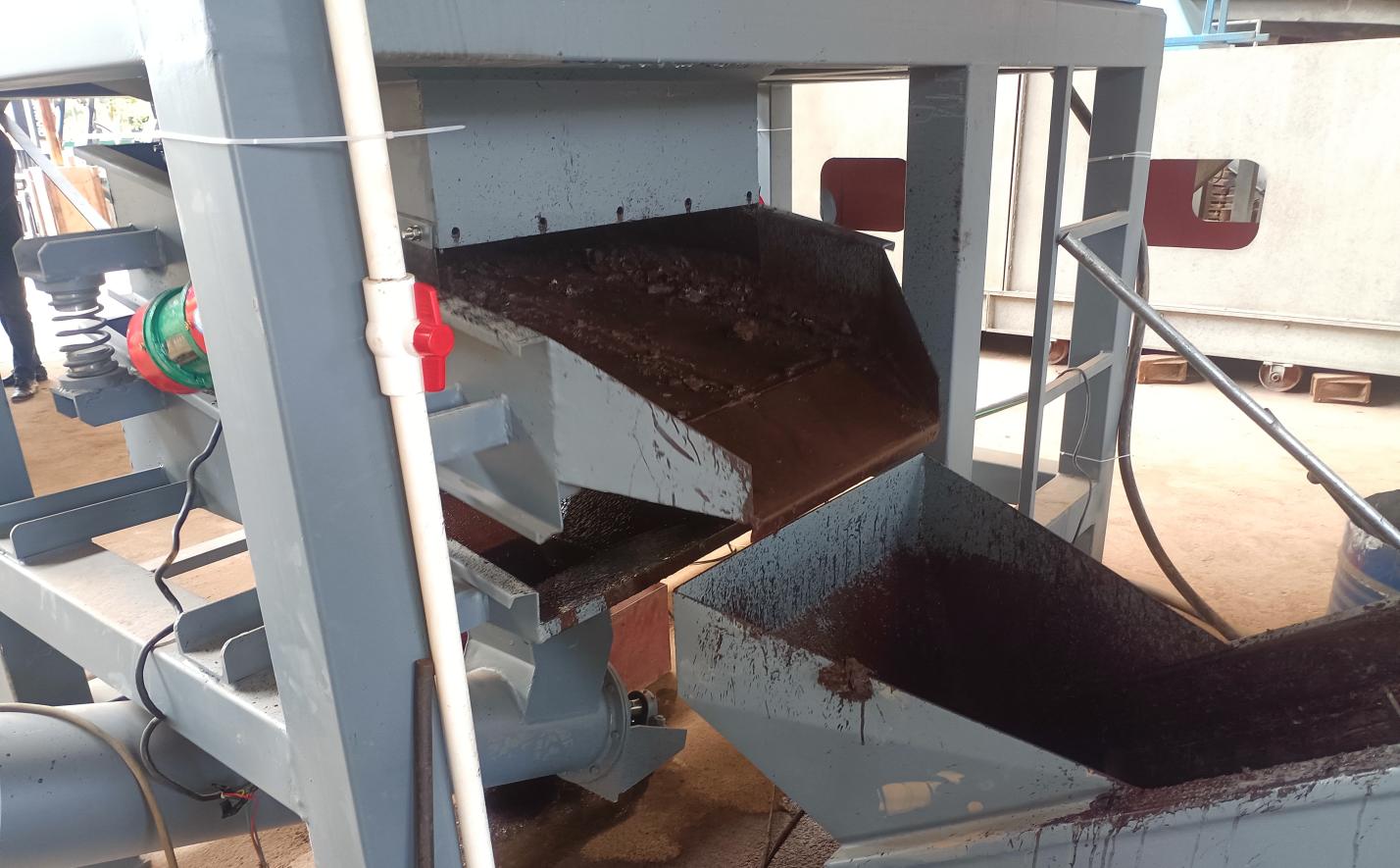
Used lead acid batteries (ULABs) represent one of the most widely recycled consumer products in the world. In a complete lead acid battery recycling equipment plant, the refining stage is where the real value is created — it is the step that transforms crude, impure lead into a commercially usable product that meets stringent industry standards. Without high-quality lead refinery machine equipment, even the most efficient upstream breaking and smelting operations will fail to deliver a market-ready end product.
Understanding Where Refining Fits in the Recycling Chain
A modern lead acid battery recycling equipment line typically follows a multi-stage process. First, used batteries are broken and separated to recover acid, plastic casing, lead grids, and lead paste. The lead paste then undergoes desulfurization to reduce sulfur content and lower the melting temperature required in the subsequent smelting phase. Smelting — whether in a rotary furnace or blast furnace — reduces the lead compounds to crude metallic lead. But crude lead straight from the furnace still contains impurities such as copper, tin, antimony, arsenic, and other trace elements. This is where refining comes into play, and where selecting the right equipment makes all the difference.
The Lead Refinery Kettle: Heart of the Refining Operation
The lead refinery kettle is the core piece of equipment in any lead refining setup. It is essentially a large, heated vessel in which crude lead is brought to a controlled temperature and treated with various reagents to remove specific impurities in sequence. The process, known as pyrometallurgical refining or kettle refining, is both an art and a science — it requires precise temperature control, carefully timed reagent additions, and thorough dross removal at each stage.
San Lan Technologies offers a lead refinery furnace system that is available in two distinct heating configurations. The first uses traditional natural gas or diesel burners, a proven approach that has served recycling plants for decades. The second employs near-infrared electric heating technology, which represents a significant advancement in energy efficiency — reducing energy consumption by 30% to 50% compared to conventional heating methods. For operators concerned with both operational costs and environmental footprint, the electric option offers a compelling value proposition.
San Lan''s kettle furnace system is capable of refining crude lead to 99.999% purity, meeting the demanding specifications required by battery manufacturers and other industrial users. This level of purity directly impacts the market price at which refined lead can be sold.
The Equipment Ecosystem Around the Kettle
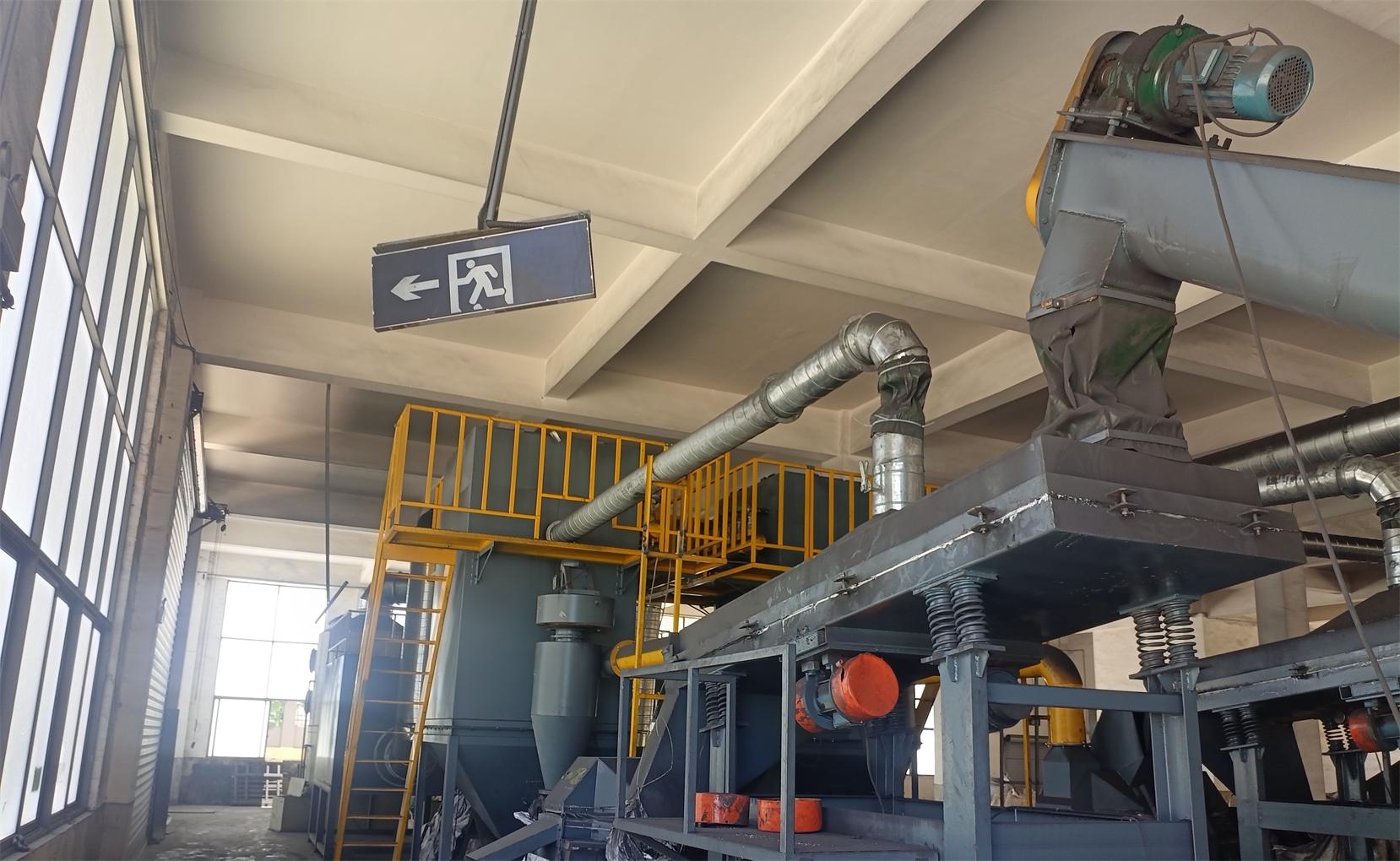
A lead refinery machine equipment setup is rarely just a single kettle. To run an efficient and environmentally compliant refining operation, several supporting systems must work in harmony. An effective lead paste desulfurization unit upstream of the furnace reduces SO2 emissions during smelting and lowers the energy required for reduction. Downstream, a properly sized air pollution control system captures fumes and particulates generated during the refining process, ensuring compliance with local environmental regulations. Water treatment equipment manages any liquid waste streams, and a filter press can be used to handle residual slurries from earlier processing stages.
Together, these components form a complete ecosystem that turns battery scrap into pure lead ingots ready for sale. A plant that invests in quality refining equipment but neglects its pollution control or desulfurization capacity will inevitably face operational bottlenecks or regulatory challenges.
Why Refining Quality Matters for Your Business
In the lead recycling business, the refining stage is often what separates profitable operations from marginal ones. The difference between selling crude lead at a discount and selling 99.999% pure lead at full market rate can be substantial over the course of a year. Moreover, battery manufacturers have increasingly strict quality requirements — they need lead with tightly controlled impurity profiles to ensure consistent battery performance and longevity. A refinery kettle that cannot consistently hit purity targets becomes a liability rather than an asset.
Equally important is operational reliability. Refining is a continuous thermal process involving molten metal at high temperatures. Equipment failures in this environment are not just costly in terms of downtime — they pose serious safety risks to plant personnel. This is why experienced recyclers look beyond the initial purchase price and evaluate build quality, material specifications, and the manufacturer''s track record in the field.
Choosing the Right Equipment Partner
San Lan Technologies Co., Ltd, based in Ganzhou, Jiangxi, China and operating since 2007, has built its reputation by supplying complete lead acid battery recycling equipment solutions to customers in over 21 countries including Mexico, South Africa, India, Vietnam, Saudi Arabia, and Kenya. The company''s engineering team brings more than 15 years of hands-on experience in e-waste recycling machinery, offering not just individual pieces of equipment but full EPC (Engineering, Procurement, Construction) project capabilities.
What this means for a recycling plant operator is straightforward: rather than sourcing a breaking system from one supplier, a furnace from another, a refinery kettle from a third, and then struggling to make everything work together, working with a single partner that understands the entire process chain can reduce project risk and accelerate the path to production. San Lan also provides value-added services that go beyond equipment supply — including assistance with sourcing waste battery material, help finding investors or partners for new recycling projects, and support in marketing the lead ingots and other products that the plant produces.
Looking Ahead
As global demand for lead acid batteries continues — driven by automotive starter batteries, backup power systems for telecommunications, and energy storage applications — the volume of used batteries entering the recycling stream will grow steadily. The recyclers who invest in efficient, reliable, and high-purity lead refinery machine equipment today are positioning themselves to capture more value from this expanding market. Whether you are building a new recycling plant from the ground up or upgrading an existing facility, the refining stage deserves careful attention — it is, after all, where battery scrap becomes a valuable commodity.
Interested in learning more about our lead refinery machine equipment or need a customized solution for your recycling plant? Contact San Lan Technologies today to discuss your project requirements with our engineering team.