As global e-waste generation continues to surge, investing in the right recycling equipment has become a critical business decision. This guide walks you through the key types of e-waste recycling machinery and what to look for when choosing a supplier.
Electronic waste represents one of the fastest-growing waste streams worldwide. From discarded smartphones and laptops to automotive batteries and industrial cables, the volume of material requiring proper processing increases every year. For entrepreneurs and established recycling companies alike, selecting the appropriate lead acid battery recycling equipment, circuit board processors, and cable separation systems can mean the difference between a profitable operation and a costly mistake.
Understanding the Major Categories of E-Waste Recycling Equipment
Not all e-waste is processed the same way. Different materials require specialized machinery designed to handle their unique physical and chemical properties. Here are the four primary categories that form the backbone of most comprehensive e-waste recycling operations.
Lead-Acid Battery Recycling Systems
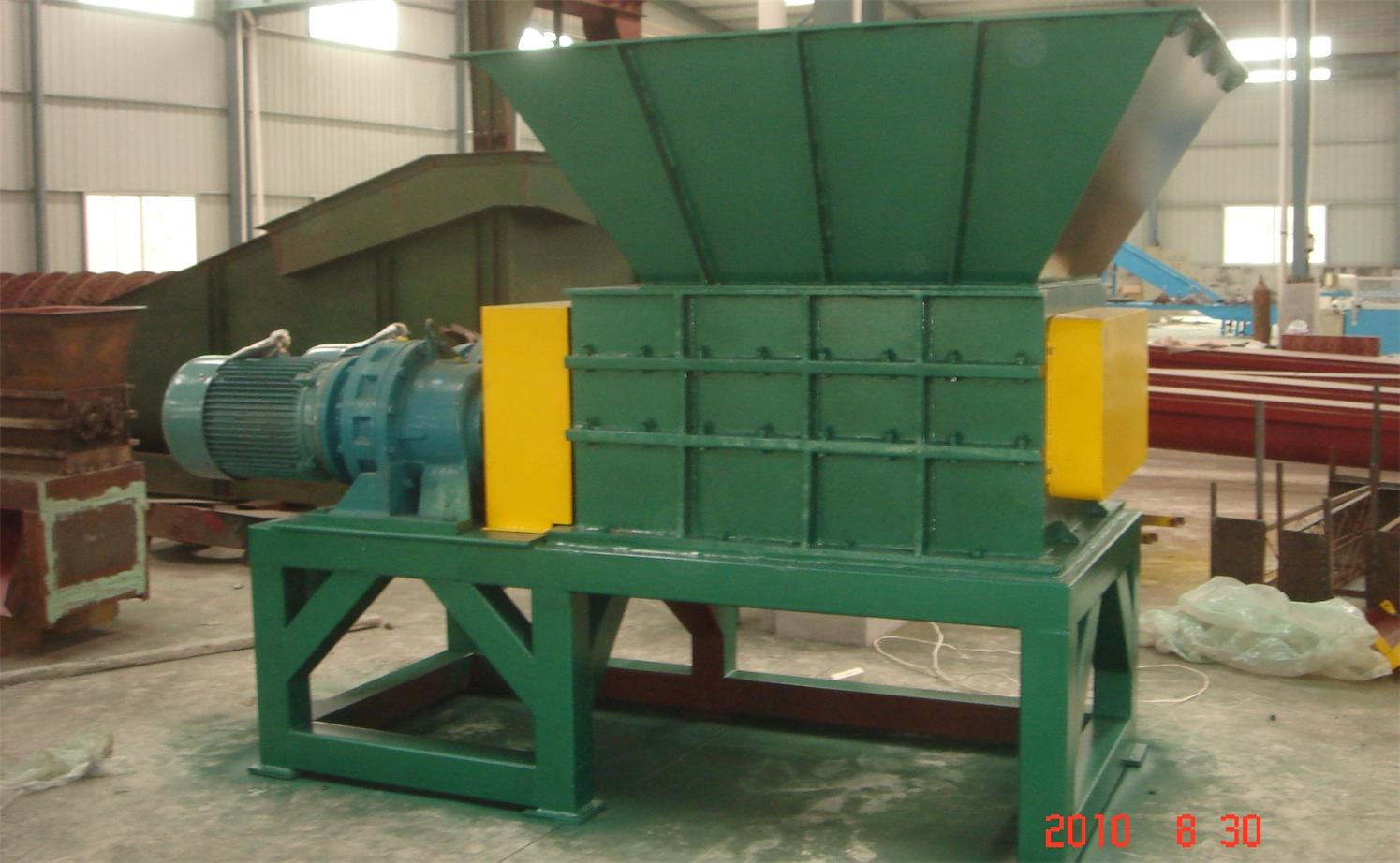
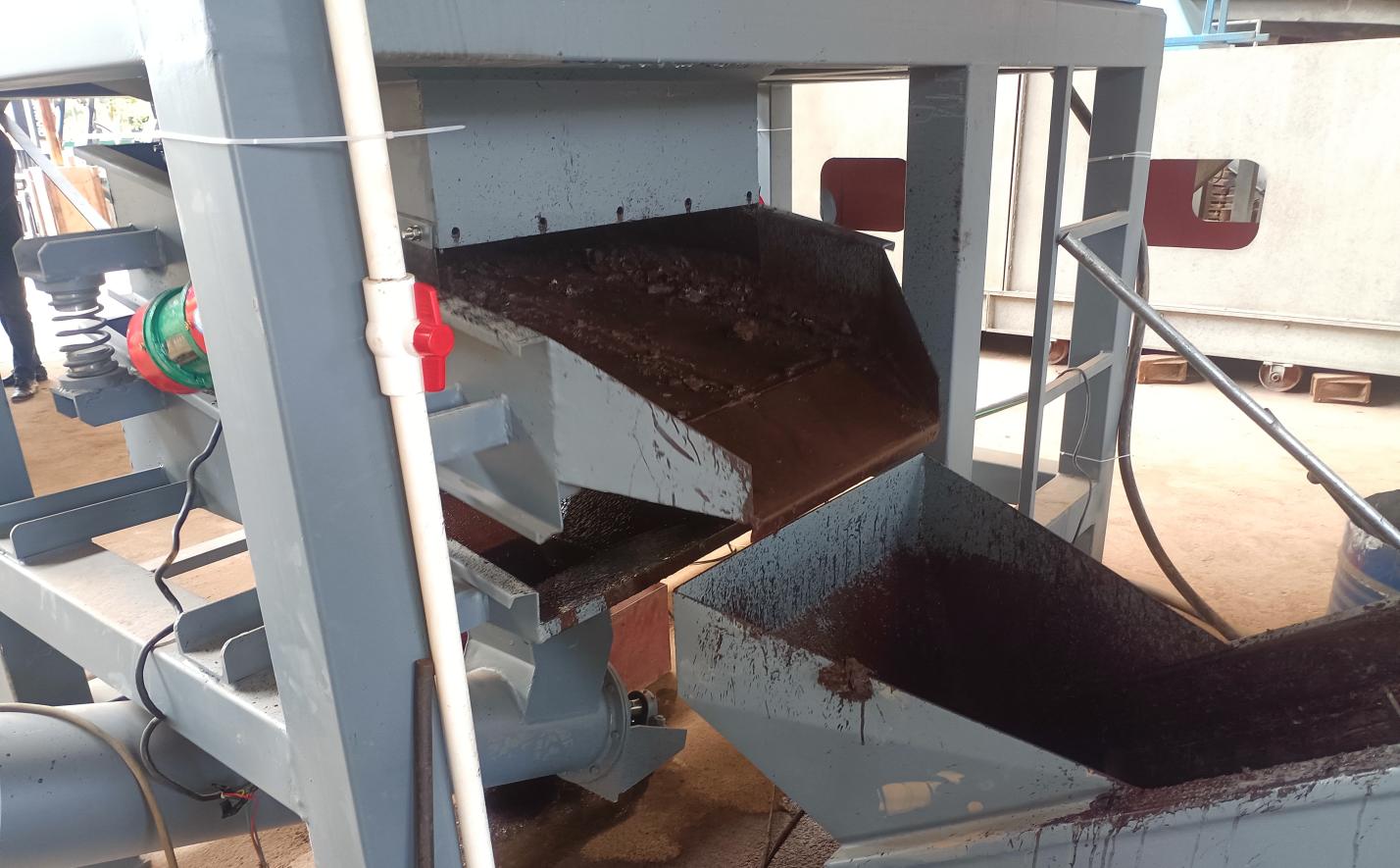
Used lead-acid batteries (ULAB) remain one of the most recycled consumer products globally, primarily because of the economic value of recovered lead and plastic. A complete lead acid battery recycling equipment setup typically includes a battery breaking and separation unit, a filter press for lead paste collection, a de-sulfurization unit, a smelting furnace, and an air pollution control system.
Modern systems can process between 1 and 10 metric tons per hour, separating batteries into four main output streams: lead grid, lead paste, PVC or PP plastic, and hard rubber. Advanced plants also incorporate water treatment systems to handle acidic wastewater, ensuring compliance with environmental regulations.
Key consideration: Lead recovery rate and emission control capabilities should be top priorities when evaluating lead-acid battery recycling equipment. Look for systems with lead recovery rates of 95% or higher and integrated gas purification.
Lithium-Ion Battery Recycling Plants
The explosive growth of electric vehicles and portable electronics has created massive demand for lithium-ion battery recycling. Unlike lead-acid systems, lithium battery recycling requires specialized handling due to fire risks and the complexity of separating black mass (containing nickel, cobalt, and graphite) from copper, aluminum, and plastic components.
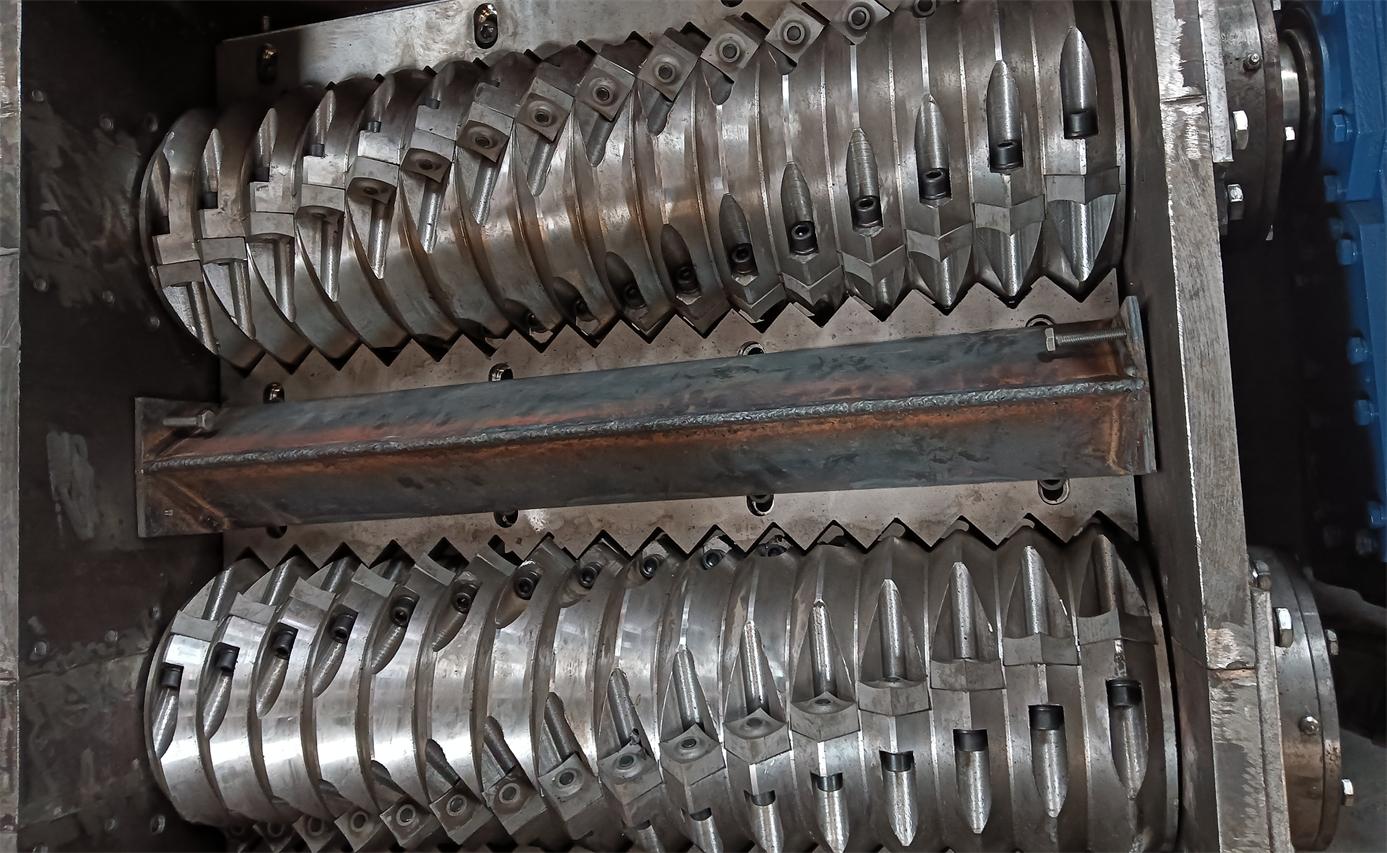
A typical lithium battery recycling plant includes discharging equipment, pre-crushing units, secondary granulation systems, magnetic separation for ferrous metals, and air pollution control systems designed specifically for the gases generated during lithium battery crushing. Capacities generally range from 500 to 2,500 kg per hour depending on the configuration.
Circuit Board Recycling Equipment
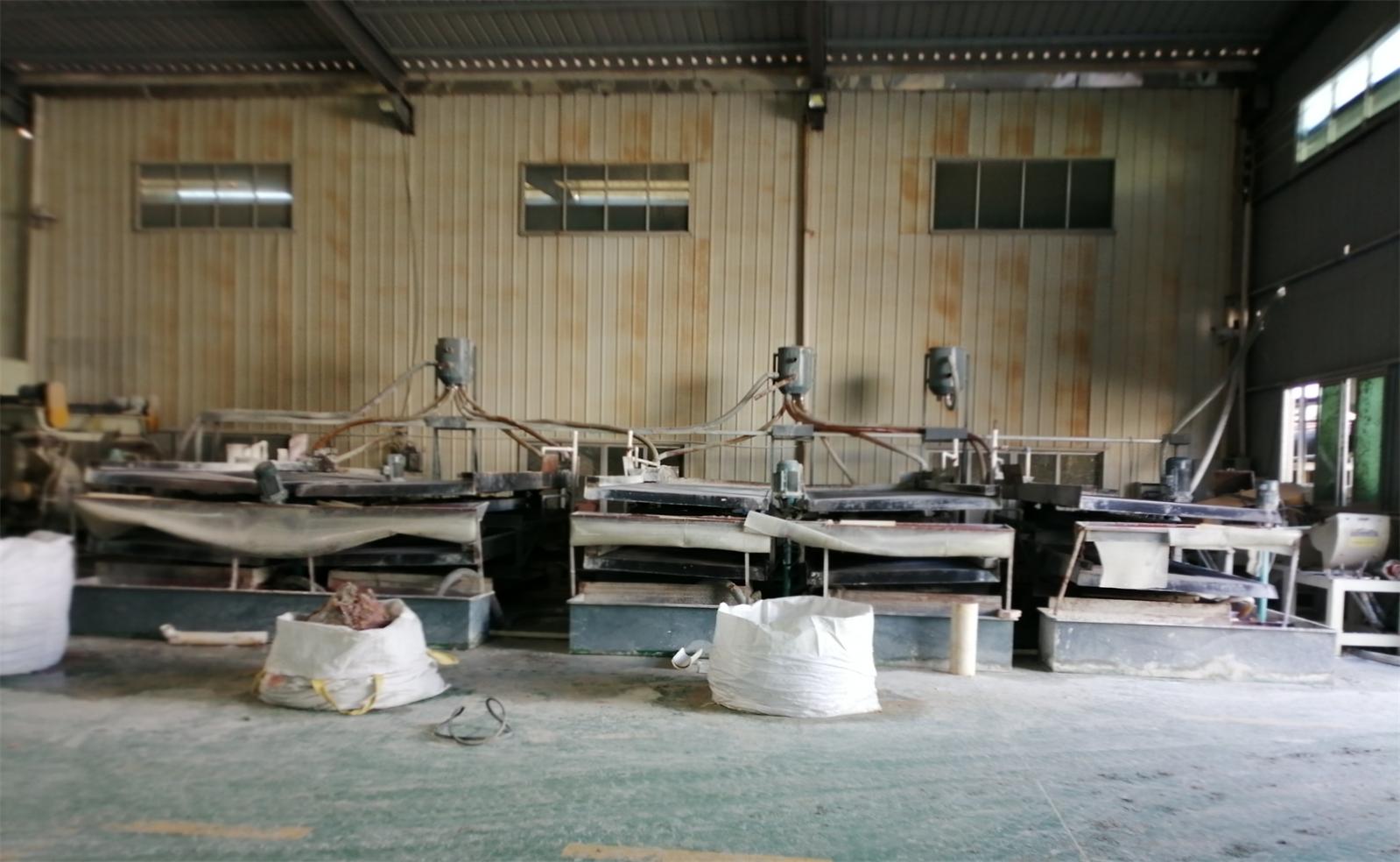
Printed circuit boards (PCBs) contain valuable concentrations of copper, gold, silver, and other precious metals, making them high-value recycling targets. Circuit board recycling equipment uses either dry separation (air separation and electrostatic separation) or wet separation (water-based metal separation) to recover copper powder with purity levels reaching 96-98%.
Capacity options vary widely, from compact 300 kg/hour systems suitable for small operations to industrial-scale 2,000 kg/hour plants. Dry separation systems are generally preferred for their environmental advantages, as they eliminate wastewater discharge concerns entirely.
Cable and Wire Recycling Machinery
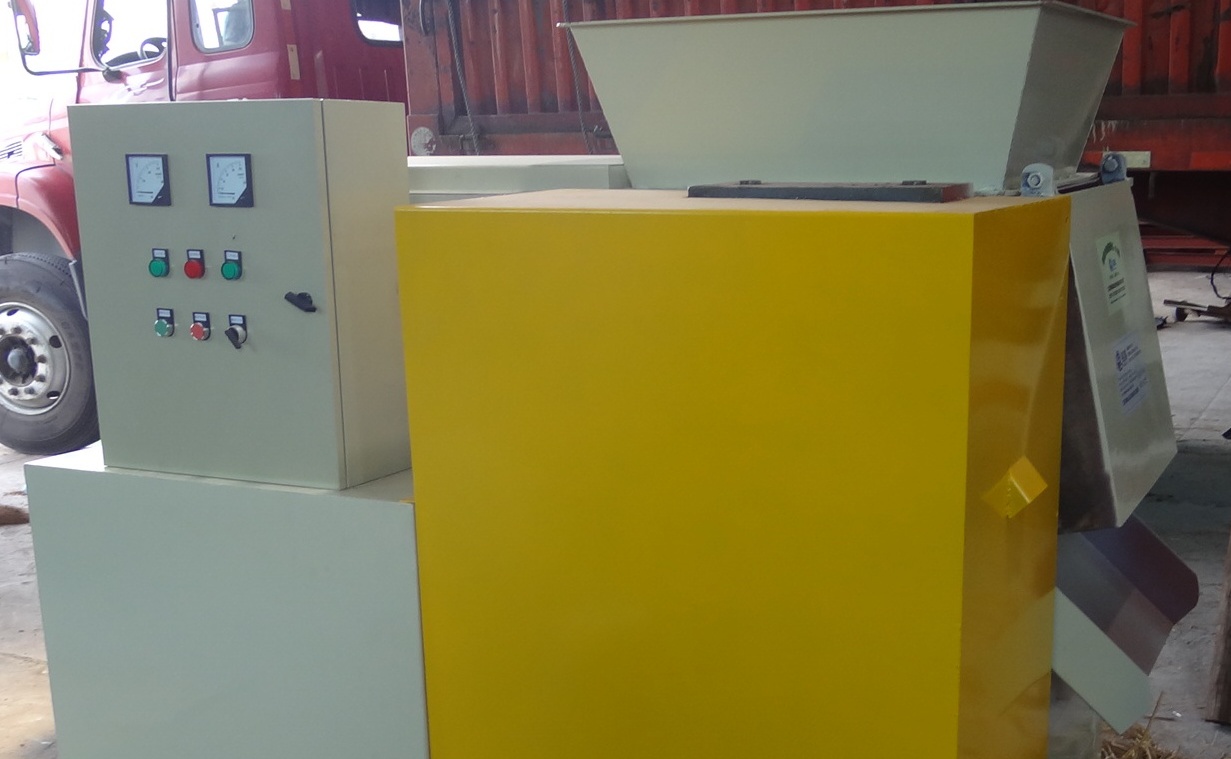
Scrap cables represent one of the most accessible entry points into the recycling business because of the consistent demand for recovered copper and aluminum. Cable recycling equipment ranges from manual and semi-automatic cable strippers for small-diameter wires to fully automated cable granulators capable of processing over 1,000 kg per hour.
Modern cable granulators use dry separation technology to separate copper or aluminum from plastic insulation without water or chemicals. The resulting copper granules, often called "copper rice," command premium prices in metal markets due to their purity and ease of transport.
Critical Factors When Selecting Recycling Equipment
Beyond understanding the types of machinery available, several practical considerations should guide your purchasing decision.
Why Experience Matters in Equipment Manufacturing
The recycling equipment industry has no shortage of manufacturers, but the gap between a catalog supplier and an experienced engineering partner is substantial. Companies with deep hands-on experience in e-waste recycling understand the practical challenges that technical specifications alone cannot capture.
Established manufacturers bring several advantages that newer entrants struggle to match. They have refined their designs through years of real-world operation, encountered and solved the edge cases that cause downtime, and developed relationships with quality component suppliers. They also understand that successful recycling projects require more than just machinery; they demand integrated solutions that account for material sourcing, process flow optimization, and product offtake.
The Value of Turnkey Solutions and EPC Partnerships
For companies entering the recycling business or expanding existing operations, turnkey solutions offer significant advantages over piecing together equipment from multiple vendors. Engineering, Procurement, and Construction (EPC) partnerships provide a single point of accountability for the entire project, from initial design through commissioning.
Experienced EPC providers in the recycling sector can also offer valuable ancillary services that new operators often overlook. These include assistance with sourcing waste materials such as cable scrap, PCB scrap, and used batteries; guidance on selling recovered commodities like copper rice, copper powder, and lead ingots; and even connecting clients with potential investors or joint venture partners for larger plant constructions.
Conclusion: Making an Informed Investment
The e-waste recycling industry offers substantial opportunities for companies that approach it with the right equipment and expertise. Whether you are processing lead-acid batteries, lithium-ion cells, circuit boards, or scrap cables, investing in well-engineered equipment from an experienced manufacturer provides the foundation for long-term operational success.
Take time to evaluate suppliers not just on price, but on their technical capabilities, project experience, and willingness to stand behind their equipment with installation support and after-sales service. The lowest initial purchase price rarely translates to the lowest total cost of ownership over a plant's operational lifetime.
Looking for reliable e-waste recycling equipment? San Lan Technologies Co., Ltd has been manufacturing WEEE recycling machines and mining equipment since 2007. With a professional technical team holding master's degrees in mechanical engineering and over 15 years of experience in e-waste recycling equipment, San Lan offers complete solutions including lead-acid battery recycling plants, lithium battery recycling systems, circuit board recycling equipment, and cable recycling machinery.
Serving customers across 21+ countries, San Lan provides customized design, one-stop purchasing, installation, commissioning, and ongoing technical support. Contact us today to discuss your project requirements.
Contact San Lan Technologies