The global surge in electronic waste has created both an environmental challenge and a business opportunity. With millions of tons of discarded batteries, cables, and circuit boards accumulating each year, the demand for efficient recycling solutions has never been higher. For entrepreneurs and established recyclers alike, investing in the right equipment is the difference between a profitable operation and a costly mistake.
Not all recycling machinery is created equal. The efficiency of your plant depends on separation purity, processing capacity, energy consumption, and environmental compliance. A well-designed system recovers more valuable material, reduces labor costs, and keeps your facility within emission standards. Whether you are processing used lead-acid batteries from automotive fleets or lithium-ion packs from consumer electronics, the technology behind your plant determines your bottom line.
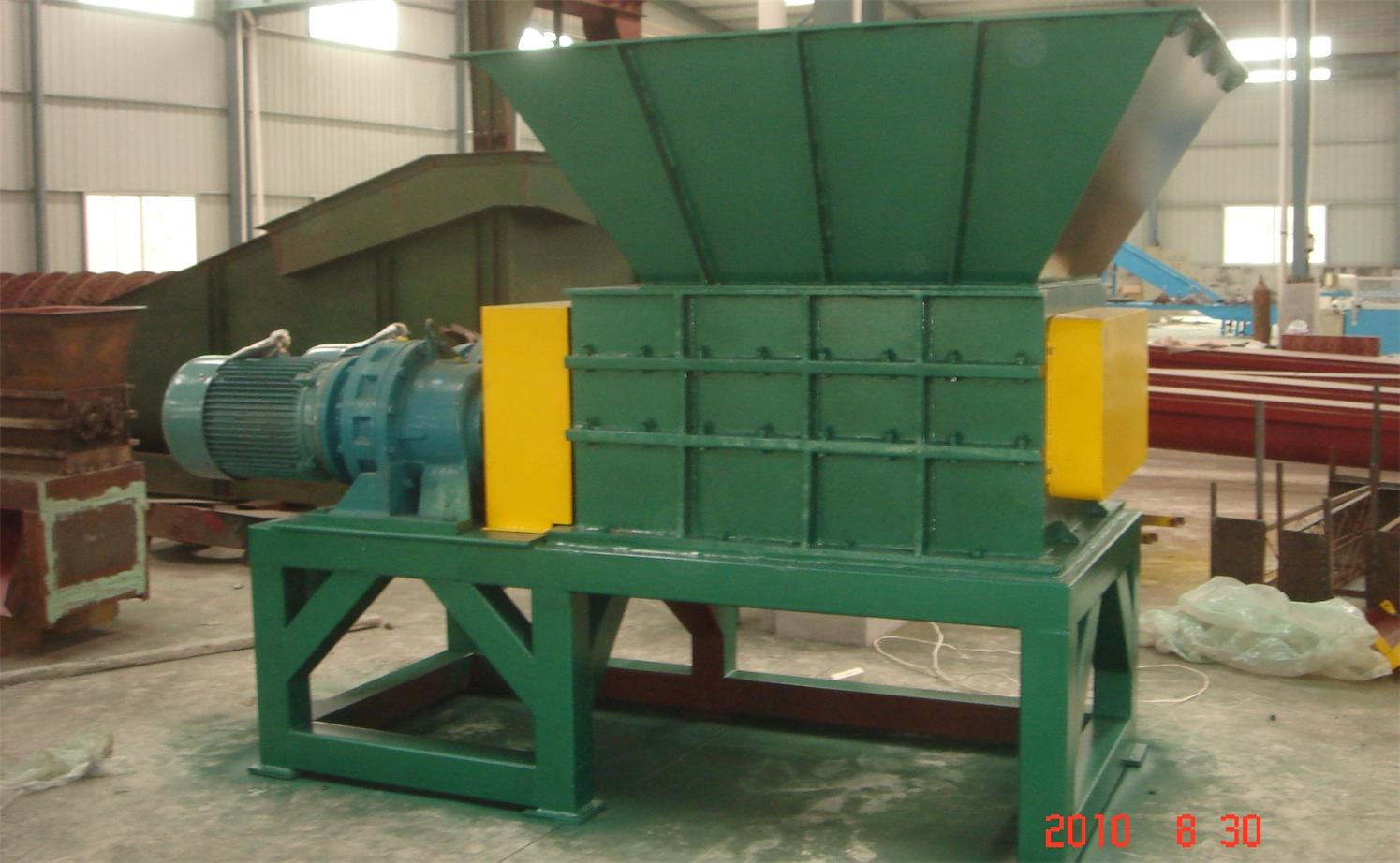
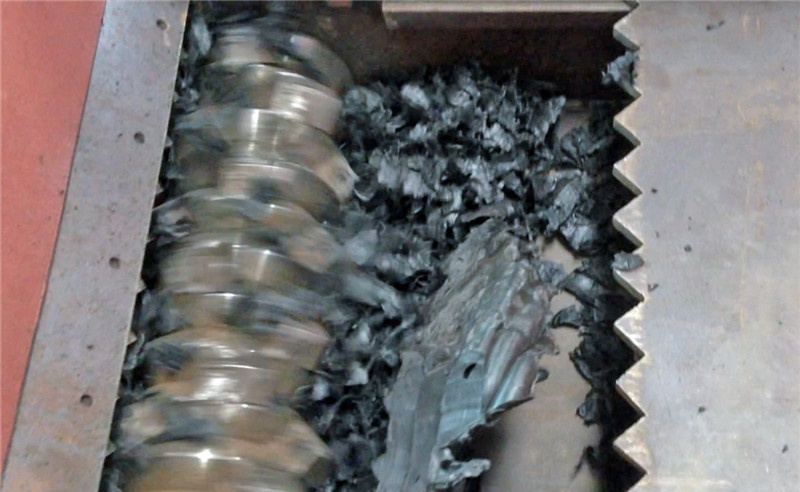
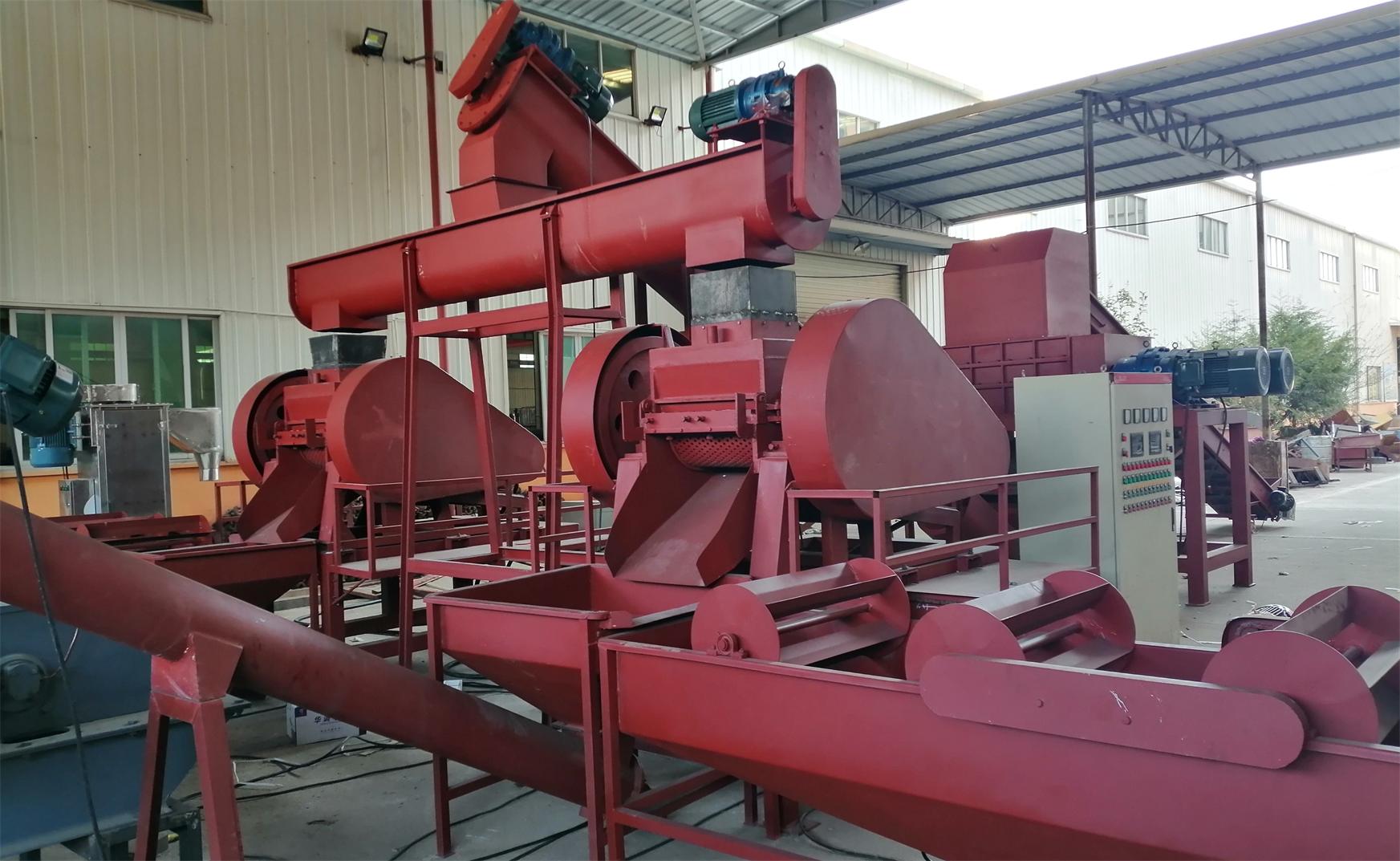
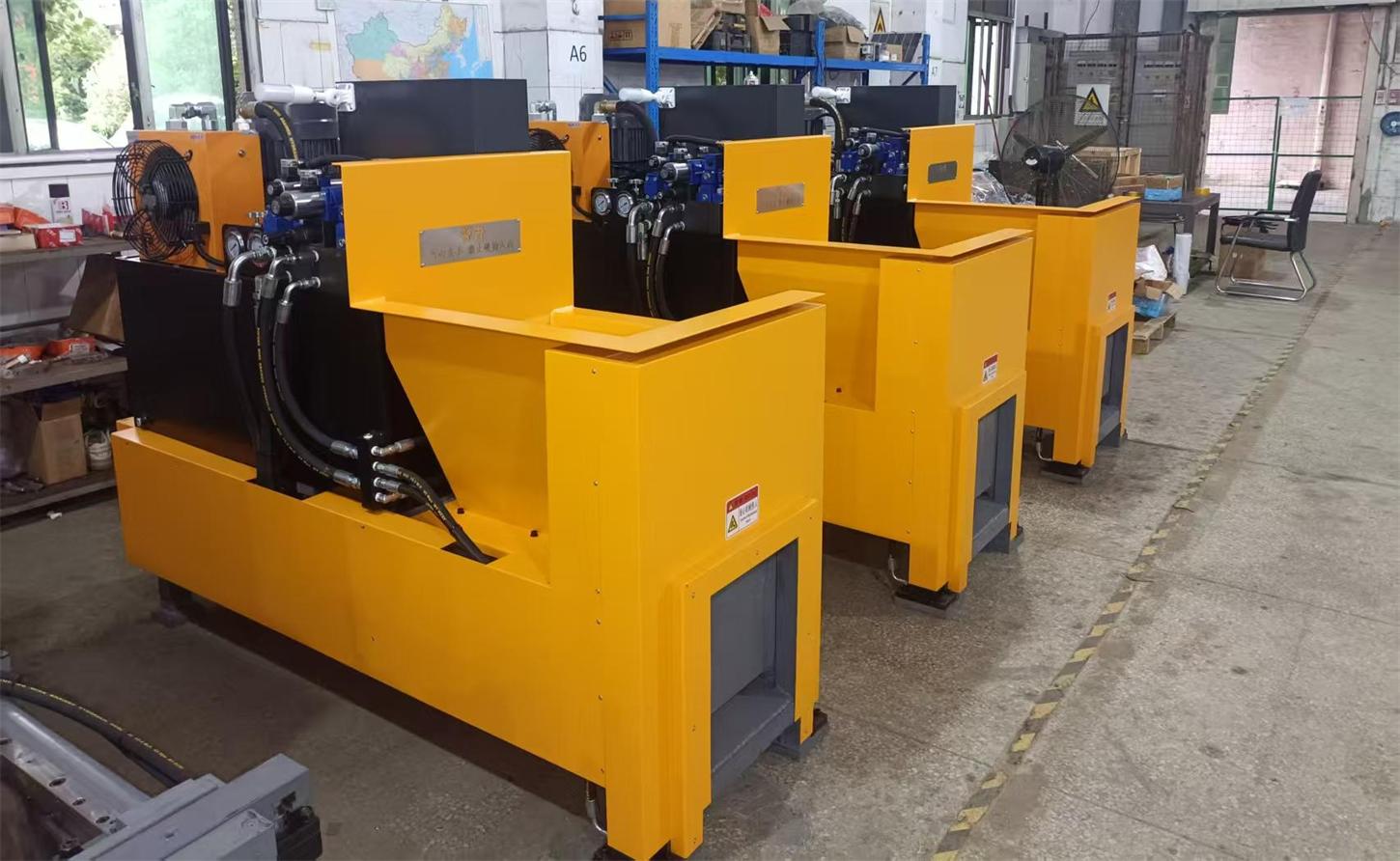
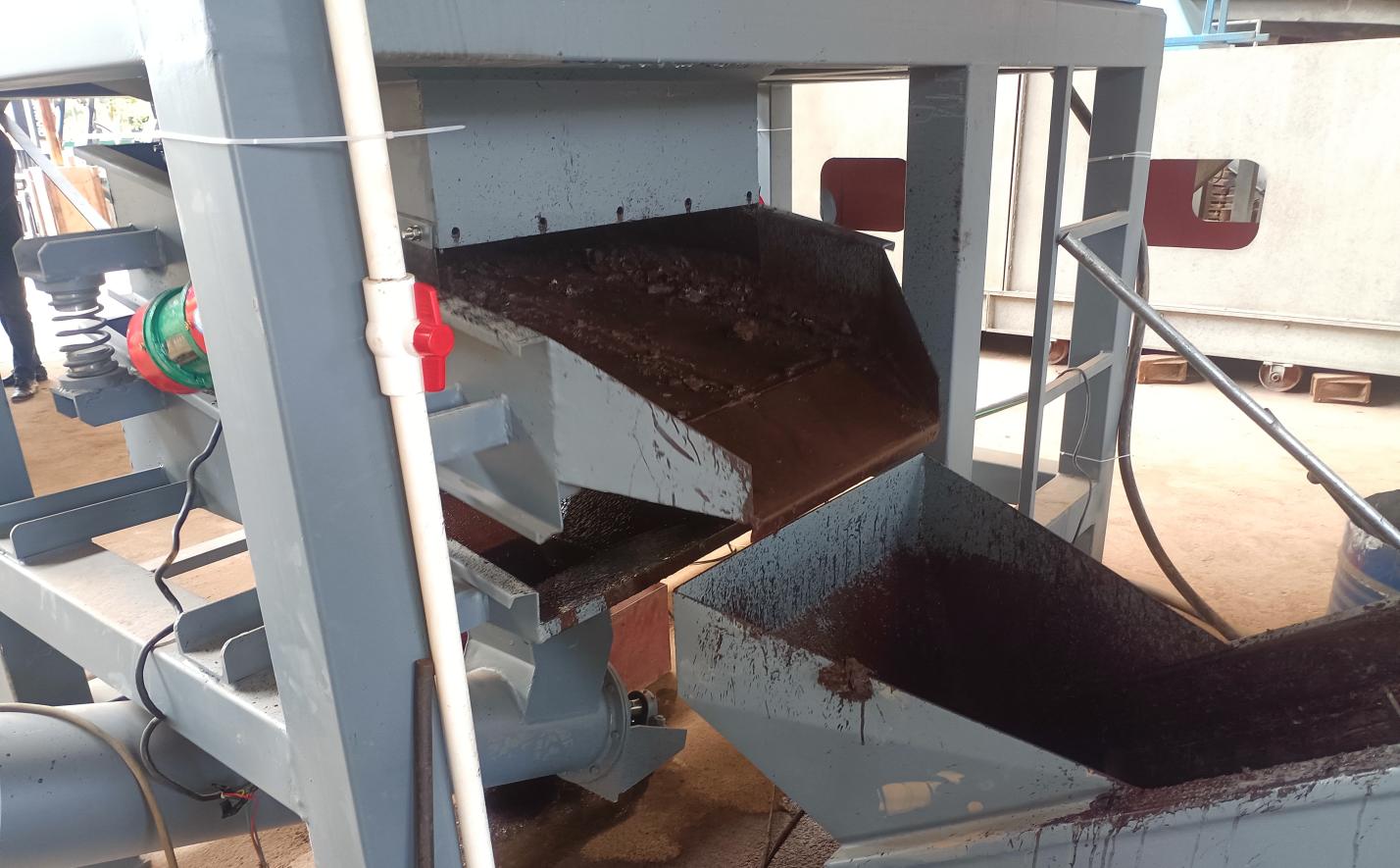
Used lead-acid batteries remain one of the most recycled products on the planet. The economics are compelling: lead, plastic, and acid can all be recovered and reintroduced into manufacturing streams. Modern lead acid battery recycling equipment automates the breaking and separation process, sorting lead paste, lead grids, plastic shells, and acid with precision. Advanced systems include de-sulfurization units that reduce sulfur content before smelting, rotary furnaces for high-recovery paste reduction, and refinery kettles capable of producing 99.999% pure lead. For operators looking to enter this mature market, turnkey plants with capacities from 1 to 10 metric tons per hour provide a clear path to profitability.
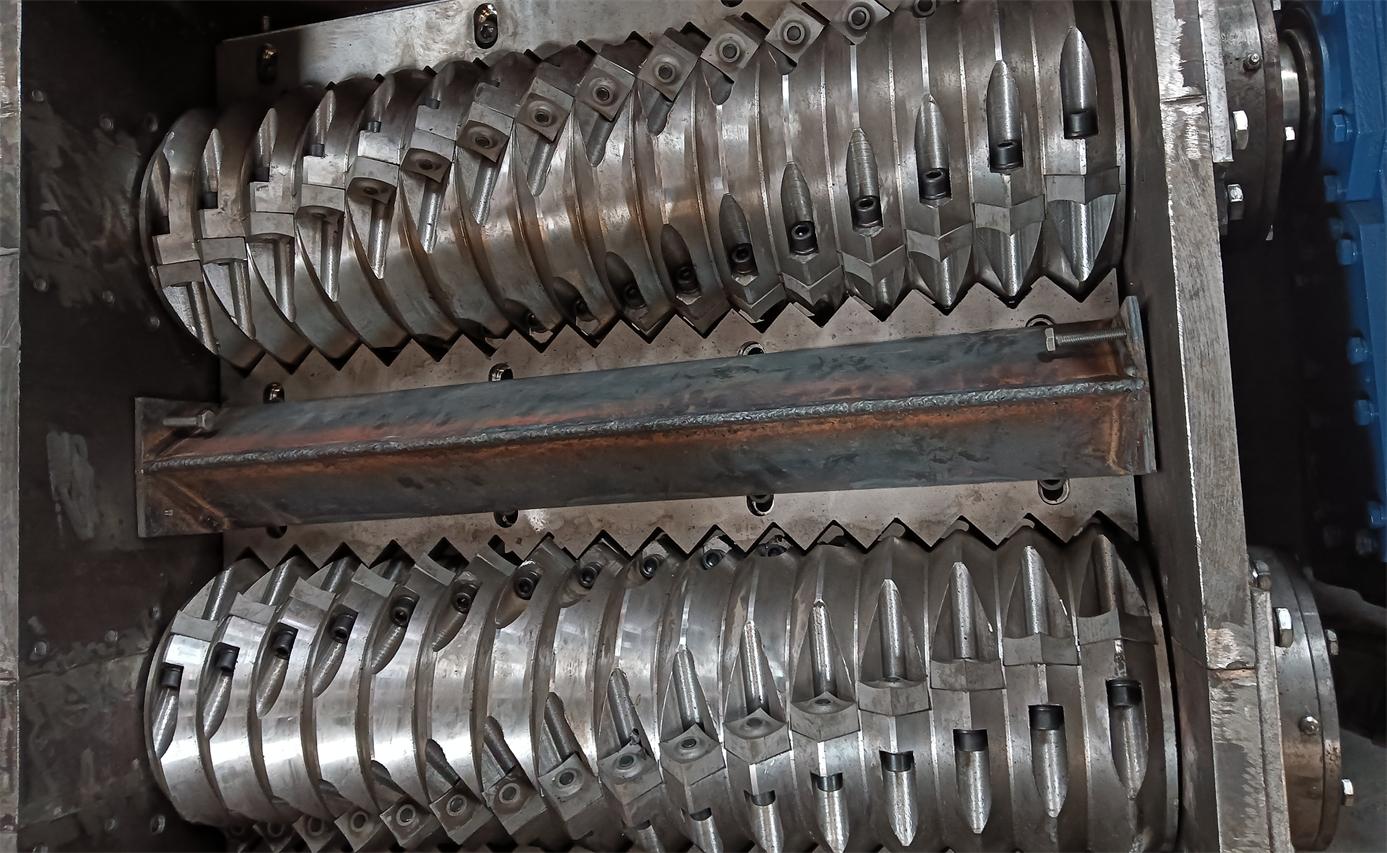
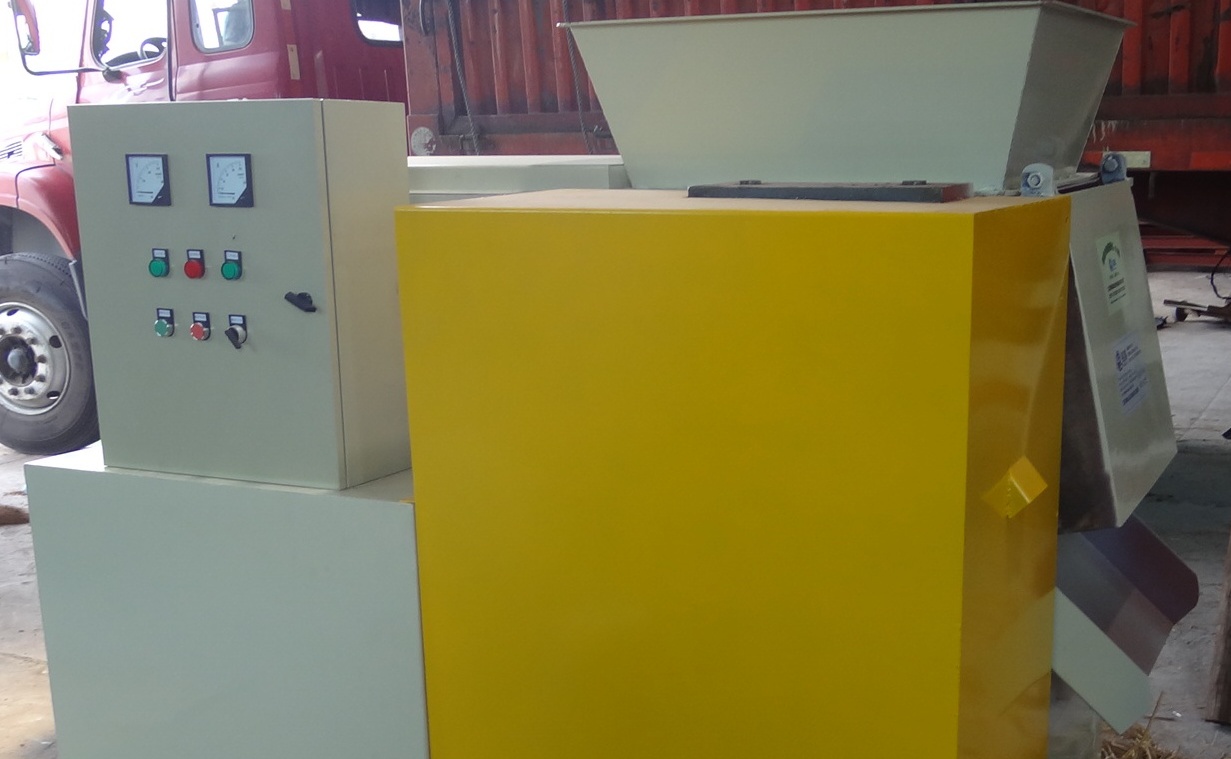
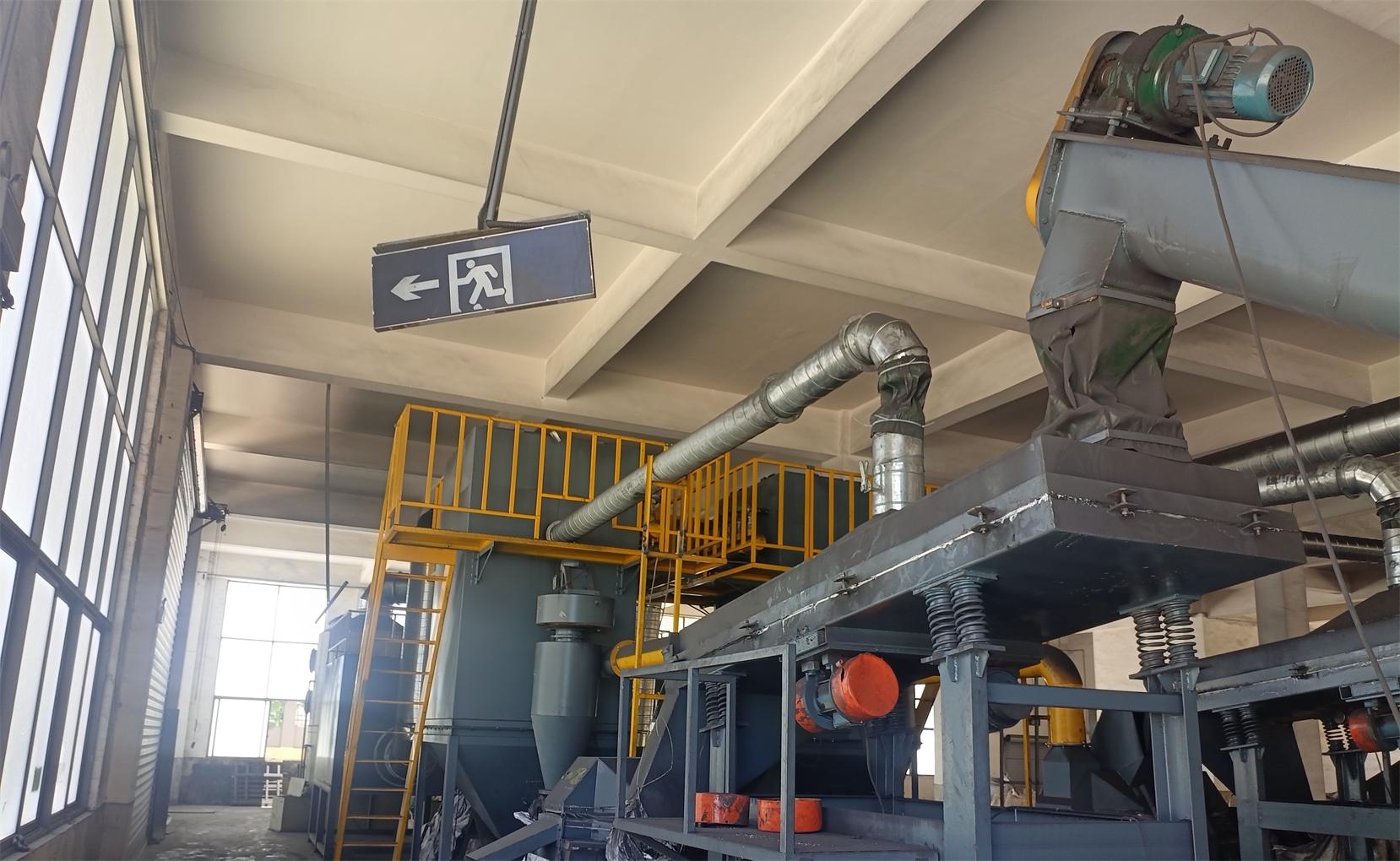
The explosive growth of electric vehicles and portable electronics has created a parallel waste stream that demands specialized handling. Lithium-ion batteries contain valuable black mass rich in nickel, cobalt, and graphite, along with recoverable copper, aluminum, and plastic. A complete lithium battery recycling plant safely discharges, pre-crushes, and granulates cells before separating these fractions through magnetic, gravity, and pneumatic processes. Capacity typically ranges from 500 to 2,500 kilograms per hour, with custom configurations available for different feedstock sizes. Because lithium batteries pose fire and chemical risks, integrated air pollution control systems are essential to neutralize harmful gases and protect both workers and the environment.
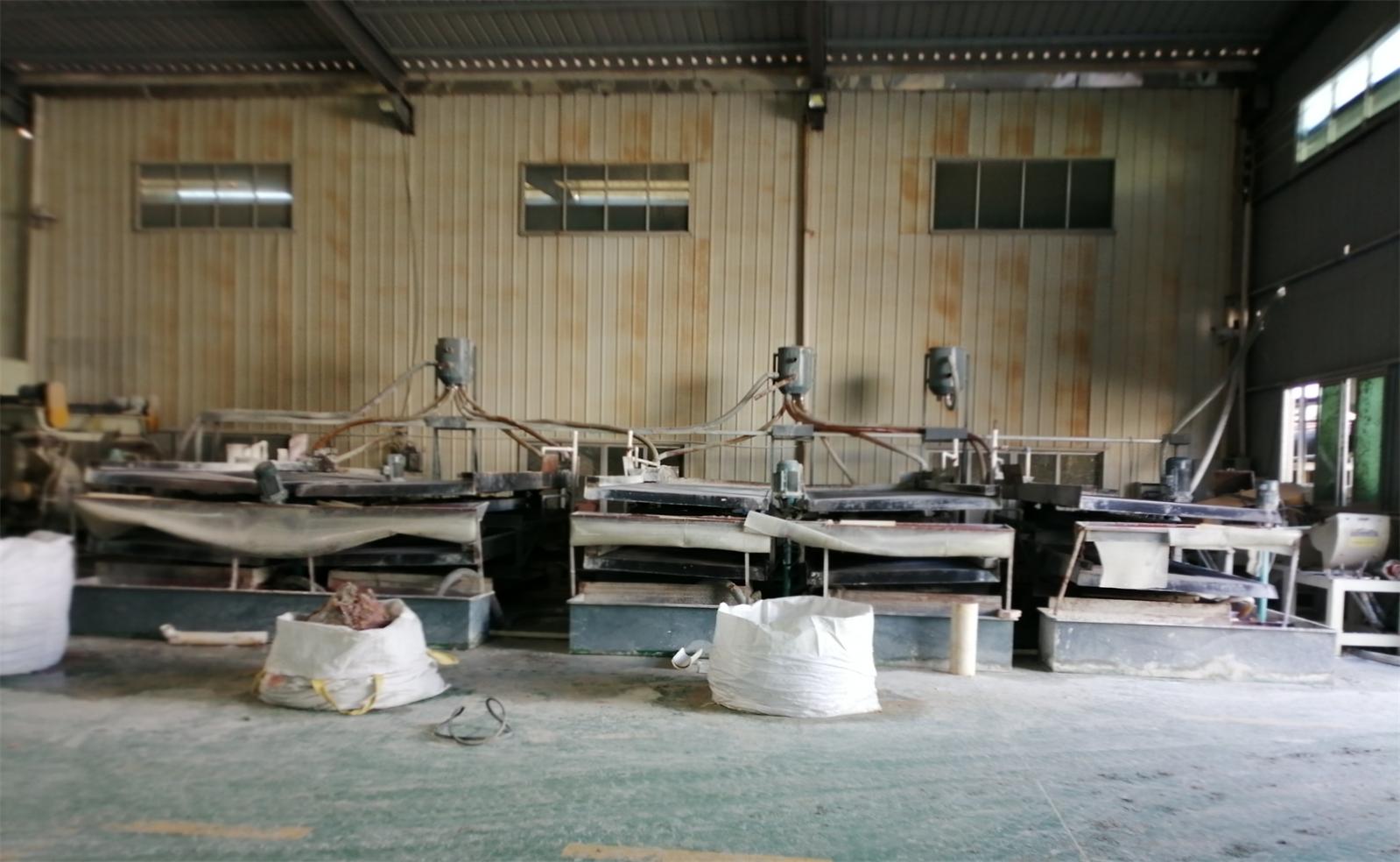
Scrap cables and printed circuit boards represent two of the highest-margin feedstocks in the recycling industry. Copper prices and the embedded precious metals in PCBs make these materials especially attractive. Cable recycling equipment strips or granulates insulated wire to separate copper and aluminum from plastic insulation, achieving purity levels that command premium market prices. Meanwhile, circuit board recycling equipment uses dry or wet separation methods to extract copper powder and precious metals from discarded electronics. Modern plants handle capacities from 300 to 2,000 kilograms per hour, with copper powder purity reaching 96–98% and overall recovery rates above 95%.
Equipment specifications tell only part of the story. Building a successful recycling plant requires project design, installation, commissioning, and ongoing technical support.
San Lan Technologies brings over 15 years of specialized experience in WEEE recycling machinery, with a technical team holding master's degrees in mechanical engineering. The company has delivered projects across more than 21 countries, offering EPC services that cover engineering, procurement, and construction. Beyond installation, San Lan assists clients with waste material sourcing, product offtake for recovered metals, and even investor partnerships for new plant construction. This essentially bilingual team understands both the technical and commercial realities of international recycling operations.
Before committing to any recycling line, evaluate your feedstock volume, target output purity, local environmental regulations, and available floor space. Request detailed flow sheets, visit reference installations when possible, and confirm that the supplier can provide spare parts and remote technical support. The lowest purchase price rarely delivers the lowest total cost of ownership.
The recycling industry rewards operators who combine quality feedstock with reliable, efficient technology. Whether your focus is lead-acid batteries, lithium-ion packs, scrap cables, or circuit boards, choosing equipment from an experienced manufacturer with proven global installations minimizes risk and accelerates your path to positive cash flow.
Ready to start your recycling project? Contact San Lan Technologies today to discuss your requirements and receive a customized proposal tailored to your material stream and production goals. Reach us at info@san-lan.com or via WhatsApp at +86 139 2377 4083.