Let's start with a scenario many recycling facility operators know all too well. Last year, Maria, who runs a mid-sized recycling plant in Texas, spent three months researching lead-acid battery recycling equipment. She compared specs, read reviews, and finally settled on a used lead battery cutter—model HBC-045—from a reputable supplier. The quoted price fit her budget, and the cutter's 45-ton cutting force promised to handle 300 batteries a day, exactly what her facility needed. But when the equipment arrived, her excitement turned to frustration: the final invoice was $15,000 higher than expected. The culprit? Logistics costs—shipping fees that ballooned due to weight surcharges, a two-week port delay that tacked on storage fees, and customs clearance charges she hadn't anticipated. "We thought we'd accounted for everything," Maria later said. "But logistics snuck in and almost derailed the whole project."
For anyone in the recycling industry, especially those procuring specialized equipment like lead-acid battery cutters, this story isn't unique. The success of a recycling operation hinges on more than just the quality of the machinery—it depends on getting that machinery to the facility on time, on budget, and in working order. And in that journey, logistics costs are often the silent budget-busters. In this article, we'll unpack why logistics matter so much in lead-acid battery cutter procurement, the challenges that often arise, and how to navigate them without derailing your project.
Why Lead-Acid Battery Cutters Can't Afford Logistics Oversights
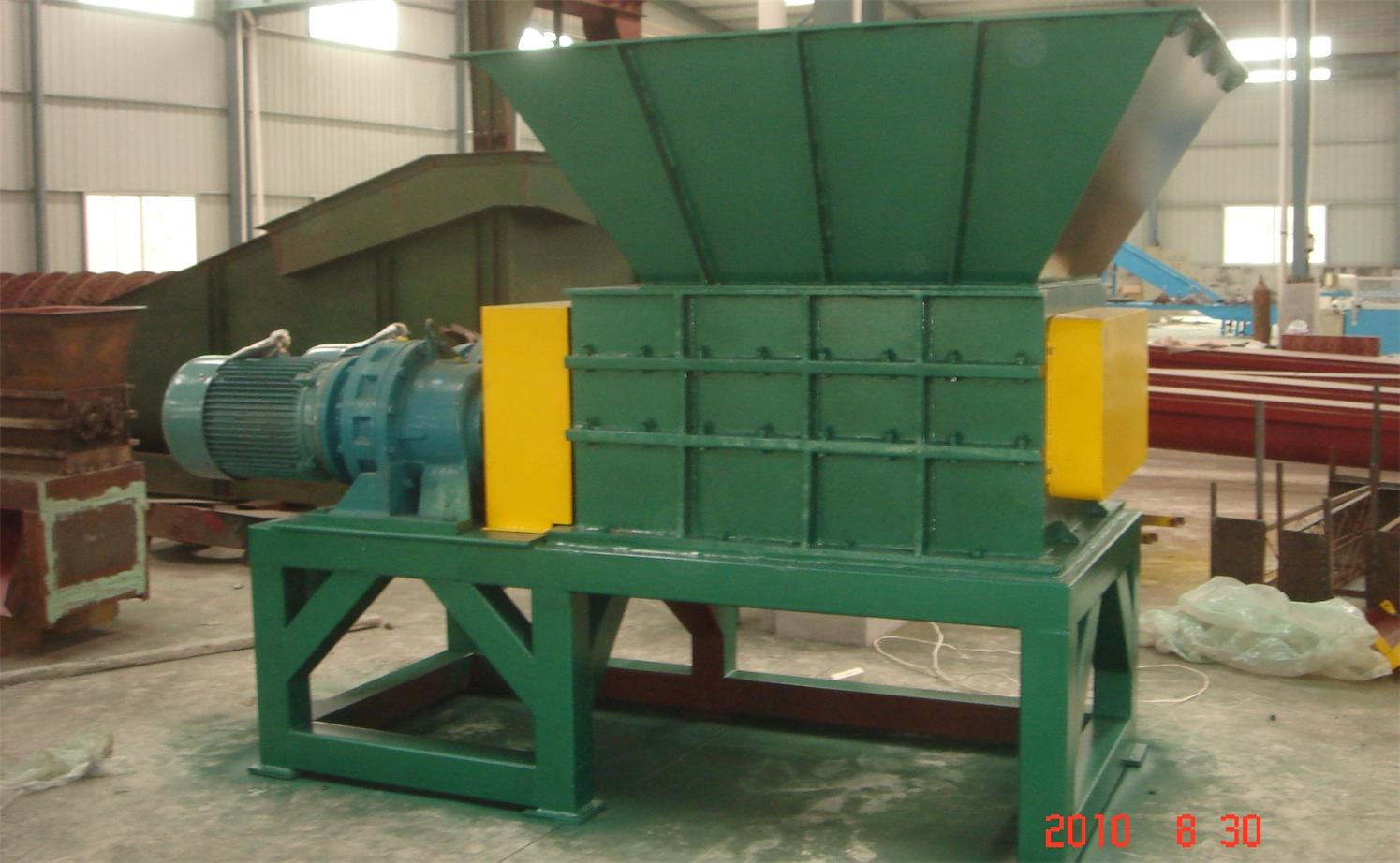
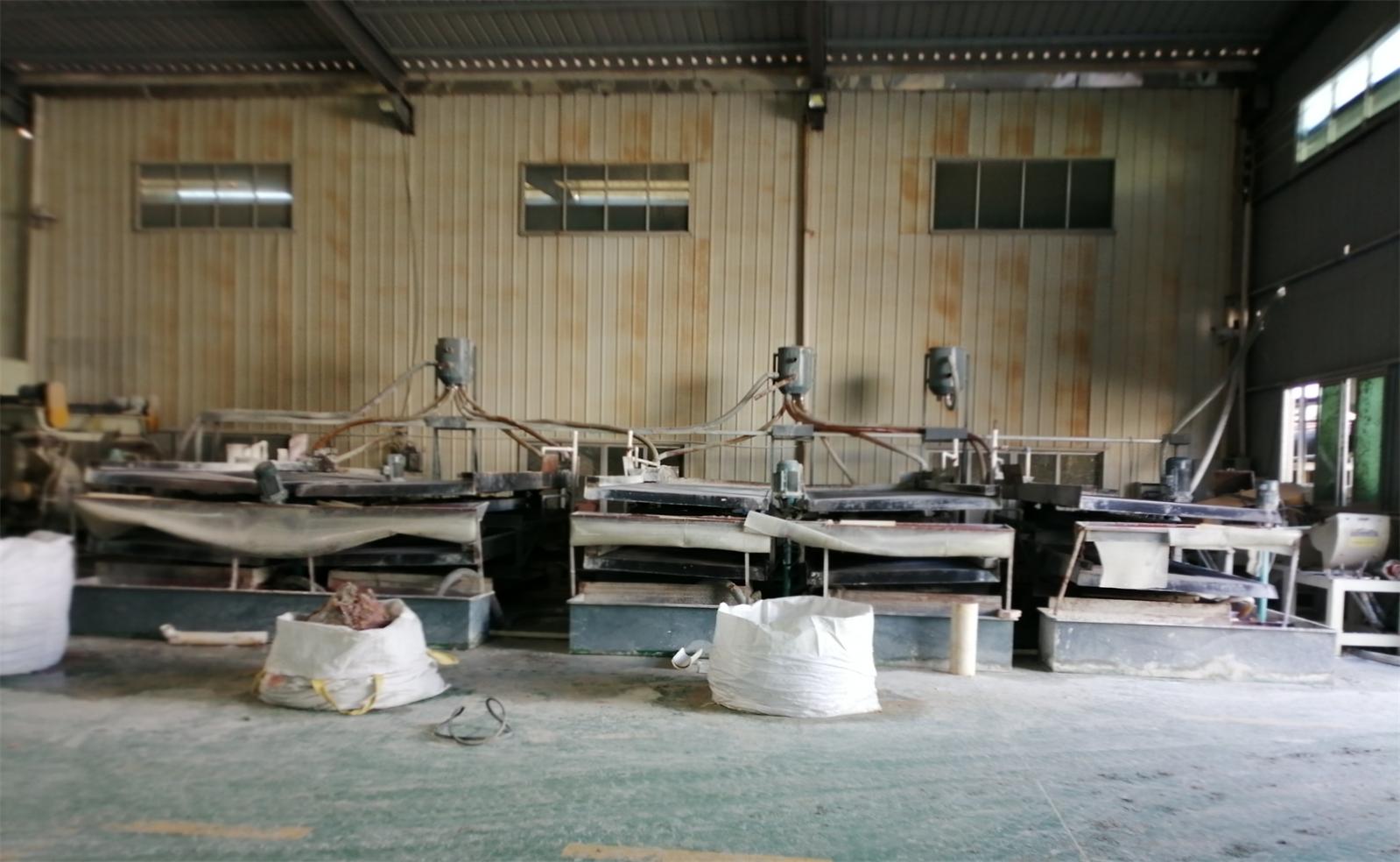
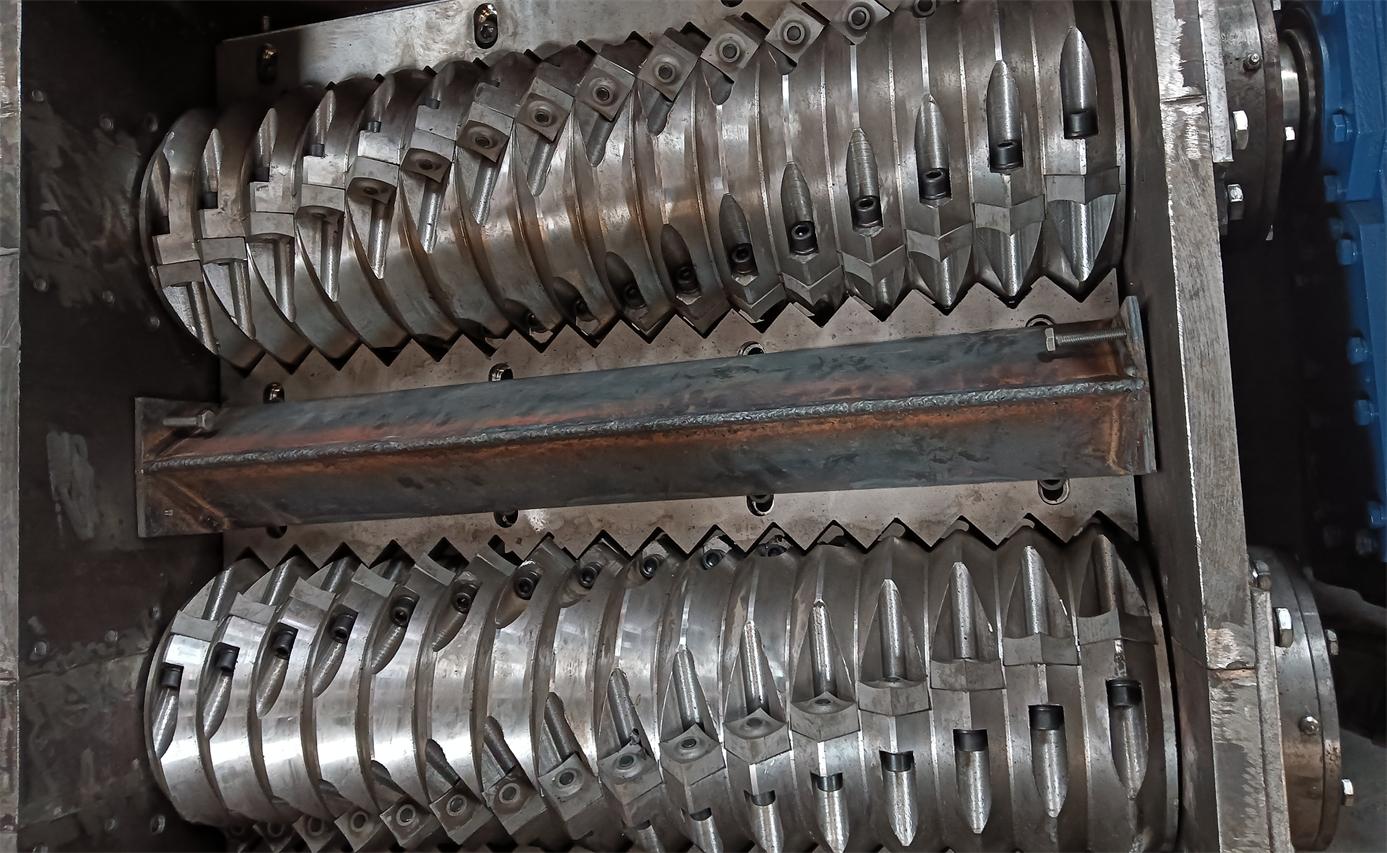
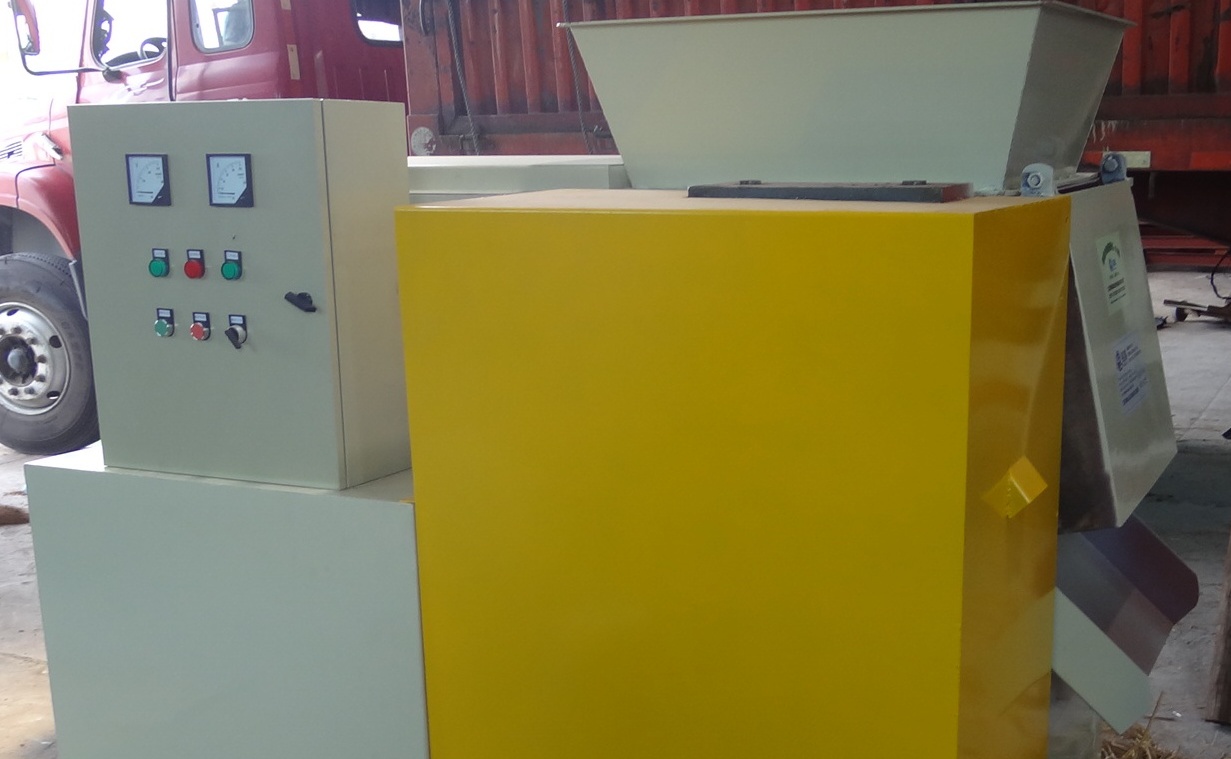
Before diving into logistics, let's ground ourselves in why lead battery cutters are such a critical investment. Lead-acid batteries—found in cars, forklifts, and backup power systems—are dense, heavy, and contain toxic materials like sulfuric acid and lead plates. To recycle them safely, you need precision equipment: the cutter slices the battery casing, separating the plastic shell from the lead paste and plates, which then move to a lead acid battery breaking and separation system for further processing. A subpar cutter slows down the line, increases labor costs, and raises safety risks. That's why operators like Maria prioritize reliability—opting for models like the HBC-045, which combines hydraulic power with adjustable blade settings to minimize waste and maximize efficiency.
But here's the catch: these machines aren't lightweight tools. A standard lead battery cutter weighs anywhere from 800 kg to 1,500 kg, and when paired with auxiliary equipment like conveyors or safety guards, the total shipment can tip the scales at 2,000 kg or more. This weight isn't just a numbers game—it directly impacts how the equipment is shipped, stored, and delivered. A 1,200 kg cutter, for example, can't be loaded onto a standard delivery truck; it requires flatbed transport with specialized lifting gear. And if you're importing from overseas (as many operators do to access advanced models), you're looking at ocean freight, which adds layers of complexity—port fees, customs paperwork, and the ever-looming threat of delays.
The Hidden Price Tag: Logistics Costs Breakdown
Logistics costs for heavy machinery like lead battery cutters typically account for 10-25% of the total procurement budget—but they can climb higher if not planned for. Let's break down where that money goes, using Maria's HBC-045 as a case study:
- Freight Charges: Ocean freight from the supplier's factory (say, in China) to a U.S. port runs roughly $1,200-$1,800 per cubic meter for heavy cargo. For a cutter packed in a 20-foot container, that's $3,000-$5,000 upfront. Then there's inland transport from the port to the facility—another $1,500-$2,500 for a flatbed truck, plus fees for a crane to unload it at your dock.
- Customs and Duties: Importing industrial equipment often means paying tariffs (up to 2.5% for machinery in the U.S.), plus customs brokerage fees ($300-$800) and document processing charges. If paperwork is incomplete—say, missing a certificate of origin—delays can stretch into weeks, with daily storage fees at the port ($100-$200/day).
- Insurance: Heavy machinery is vulnerable to damage during transit—dents from shifting cargo, rust from sea spray, or even accidents. Cargo insurance typically costs 0.5-2% of the equipment's value, but skipping it is a gamble. Maria learned this the hard way: her cutter's blade guard was bent during shipping, requiring $1,200 in repairs because she'd opted for minimal coverage.
- Unexpected Delays: Global events—port strikes, fuel price spikes, or even extreme weather—can throw timelines into chaos. In 2023, for example, a drought in the Panama Canal slowed shipping, adding 10+ days to transit times and forcing shippers to switch to longer (and costlier) routes around Cape Horn.
| Equipment Type | Avg. Shipping Weight (kg) | Typical Logistics Cost Range | Common Pain Points |
|---|---|---|---|
| Lead Battery Cutter (HBC-045) | 1,200 | 15-22% of equipment cost | Port congestion, flatbed truck shortages |
| Li-ion Battery Separator | 850 | 20-30% (often air-freighted for speed) | Customs holds, fuel surcharges |
| Hydraulic Briquetter | 2,500 | 10-18% | Rail delays, overweight permits |
Strategies to Tame Logistics Costs: Lessons from the Field
The good news? Logistics costs don't have to be a mystery. By planning ahead and partnering with the right people, you can keep these expenses in check. Let's look at actionable strategies that operators like Maria now swear by:
1. Start with a "Logistics-First" Mindset
When comparing suppliers, don't just look at the equipment price—ask for a total landed cost , which includes shipping, duties, and insurance. A supplier in Europe might quote $25,000 for a cutter, while a Chinese supplier quotes $20,000—but the European option could end up cheaper once logistics are factored in. "Now, I ask suppliers to include a detailed logistics breakdown in their proposals," Maria says. "It's non-negotiable."
2. Partner with a Freight Forwarder Specializing in Industrial Machinery
General freight forwarders might handle consumer goods, but recycling equipment requires expertise. Look for companies that understand heavy cargo—they'll know how to pack the cutter to avoid damage, navigate customs for industrial machinery, and even negotiate better rates with carriers. "Our new forwarder has a dedicated industrial team," says Raj, who runs a recycling plant in Ontario. "They got our lead acid battery breaking and separation system through customs in 3 days instead of 3 weeks. Worth every penny."
3. Plan for Seasonal and Global Trends
Shipping rates spike during peak seasons—Chinese New Year (January/February) slows production, while U.S. retail peaks (August-October) clog ports. If your timeline is flexible, schedule shipments during off-peak months. Also, stay informed about global events: when fuel prices rise, ocean freight surcharges follow, so locking in rates early can save 5-10%.
4. Invest in Comprehensive Insurance
Basic "free from particular average" (FPA) insurance only covers total loss, which is useless if your cutter's blade is damaged. Opt for "all risk" insurance, which covers theft, damage from accidents, and even delays caused by carrier negligence. It costs more upfront (1-2% of equipment value) but avoids nightmare scenarios like Maria's $1,200 repair bill.
Case Study: From Frustration to Efficiency
Let's circle back to Maria. After her initial logistics headache, she revamped her approach for a second equipment purchase: a hydraulic briquetter to compact lead scrap. This time, she:
- Requested total landed cost from three suppliers, not just equipment price.
- Hired a freight forwarder with industrial machinery experience, who suggested splitting the shipment into two smaller pallets to avoid overweight fees.
- Locked in shipping rates 3 months early, avoiding a 12% fuel surcharge that hit later that quarter.
- Added all-risk insurance, which covered a minor dent in the briquetter's frame during transit.
Result? The briquetter arrived on time, under budget, and ready to use. "Logistics went from our biggest stressor to a well-oiled part of the process," Maria says. "We even saved enough to invest in an air pollution control system for the plant—something we'd put off before."
Looking Ahead: The Future of Logistics for Recycling Equipment
As recycling grows—driven by stricter environmental regulations and demand for raw materials—logistics is evolving too. Here's what to watch for:
- Regionalization: More suppliers are setting up regional warehouses—e.g., a Chinese manufacturer with a U.S. hub—to reduce shipping times and costs. This could cut logistics fees by 30% for North American buyers.
- Digital Tracking: Tools like blockchain and IoT sensors let you monitor your shipment in real time—tracking location, temperature, and even vibration (to detect damage early). Some forwarders now offer apps that send alerts if delays are likely, giving you time to adjust.
- Sustainable Shipping: As recycling plants prioritize eco-friendliness, carriers are offering carbon-neutral shipping options—using biofuels or offsetting emissions. It costs a bit more, but aligns with green branding and customer expectations.
Final Thoughts: Logistics as a Strategic Advantage
Lead-acid battery cutters are the backbone of responsible battery recycling—they turn hazardous waste into reusable materials, from lead plates to plastic casings. But their impact depends on getting them to your facility efficiently, safely, and affordably. Logistics isn't just a "necessary evil"—it's a strategic lever that can make or break your operation's profitability.
So, whether you're procuring a used lead battery cutter HBC-045 or a full lead acid battery breaking and separation system, remember: the best equipment in the world won't help if logistics derail your budget or timeline. Plan carefully, partner wisely, and treat logistics as an investment—not an afterthought. Your bottom line (and your peace of mind) will thank you.