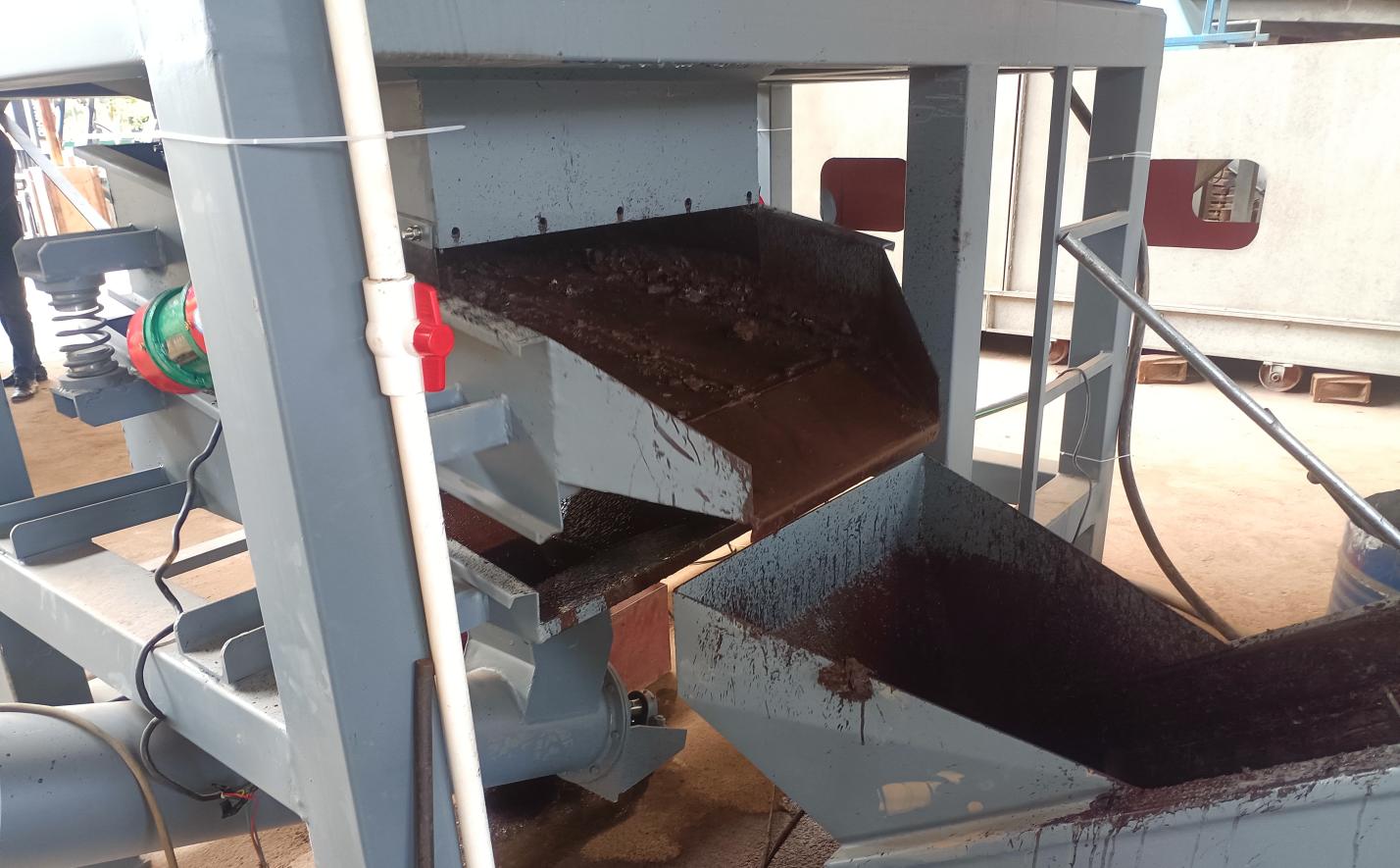
You know that feeling when old electronics pile up in your garage? Or when construction sites leave tangles of discarded cables behind? That's actually a massive environmental challenge – and a huge opportunity. Let's chat about how smarter material choices in cables are quietly revolutionizing recycling practices. More importantly, how these changes impact what professionals call the "wet process" (we'll break that down in plain terms).
What Happens When Cables Retire?
The Old Way
Most cables ended up in landfills or worse – illegally dumped. Burning them? That released toxic halogens like chlorine and fluorine straight into our air. Remember those thick cables wrapped in PVC? Their metals had value, but those plastic jackets became environmental liabilities.
The Modern Reality
Thanks to EU directives like WEEE, manufacturers must now care about cradle-to-grave responsibility. As Habia’s sustainability team puts it: “We constantly evaluate materials for health/environmental impact.” Turns out – how you make something ultimately determines how easy it is to unmake responsibly.
The eye-opener? A study found many “eco-friendly” halogen-free alternatives actually caused higher environmental harm than PVC! Why? Their manufacturing consumed disproportionate energy and resources. Real sustainability requires holistic thinking.
Designing for the Afterlife: Material Choices Matter
Think of cable design like planning a dinner party – if you prepare thoughtfully, cleanup becomes smooth:
| Material Type | Recycling Friendliness | Wet Process Impact |
|---|---|---|
| Standard Plastics (PE, PP) | ♻️ Easily melted/reused | Minimal chemical residue in water treatments |
| Specialized Plastics (UV-resistant) | ⚠️ Hard to process due to additives | Creates complex chemical byproducts |
| Copper Conductors | ♻️ High scrap value, fully recyclable | Recovery avoids mining water contamination |
| Biodegradable Options | Poor durability compromises recycling | Organic decomposition alters pH balance |
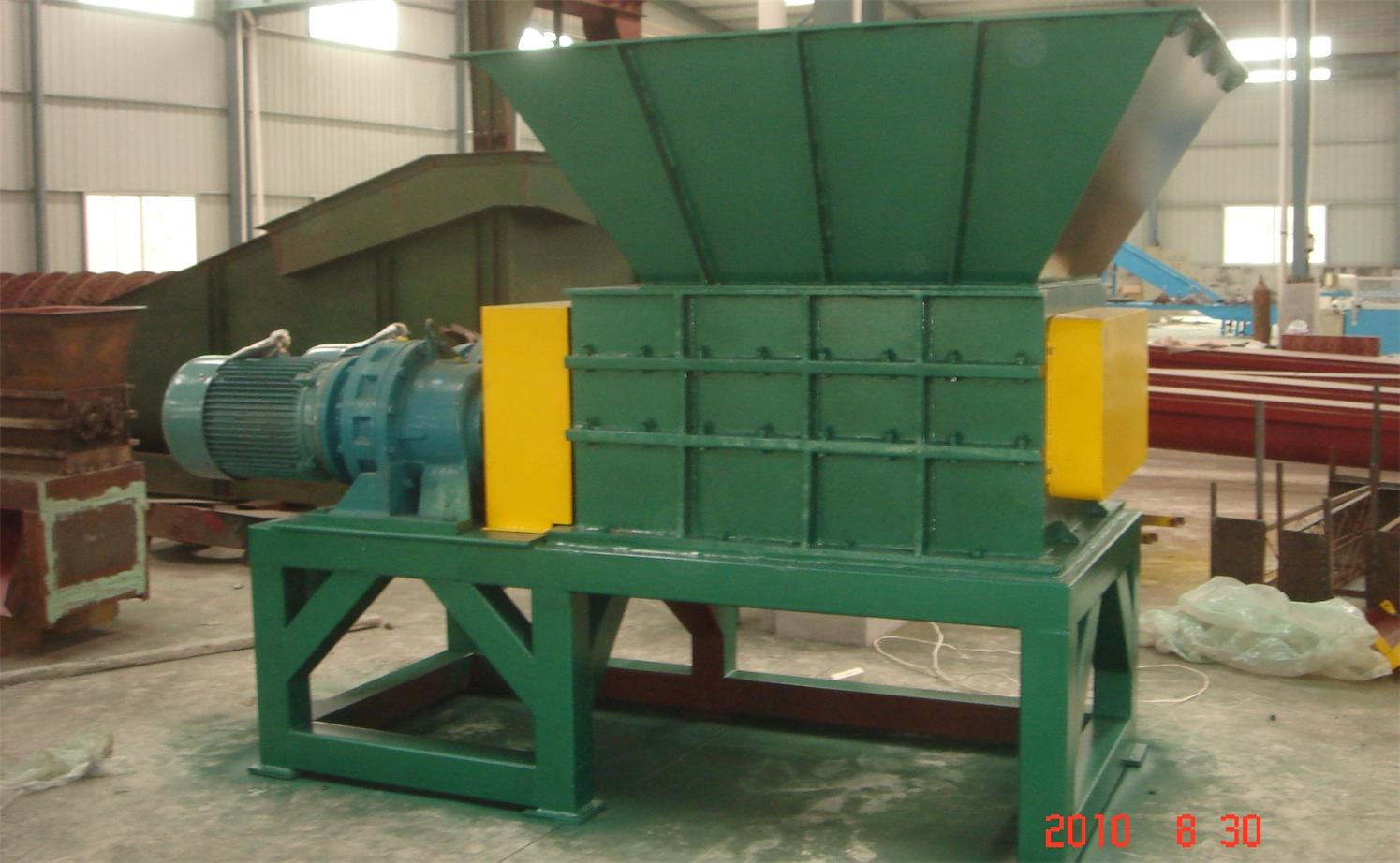
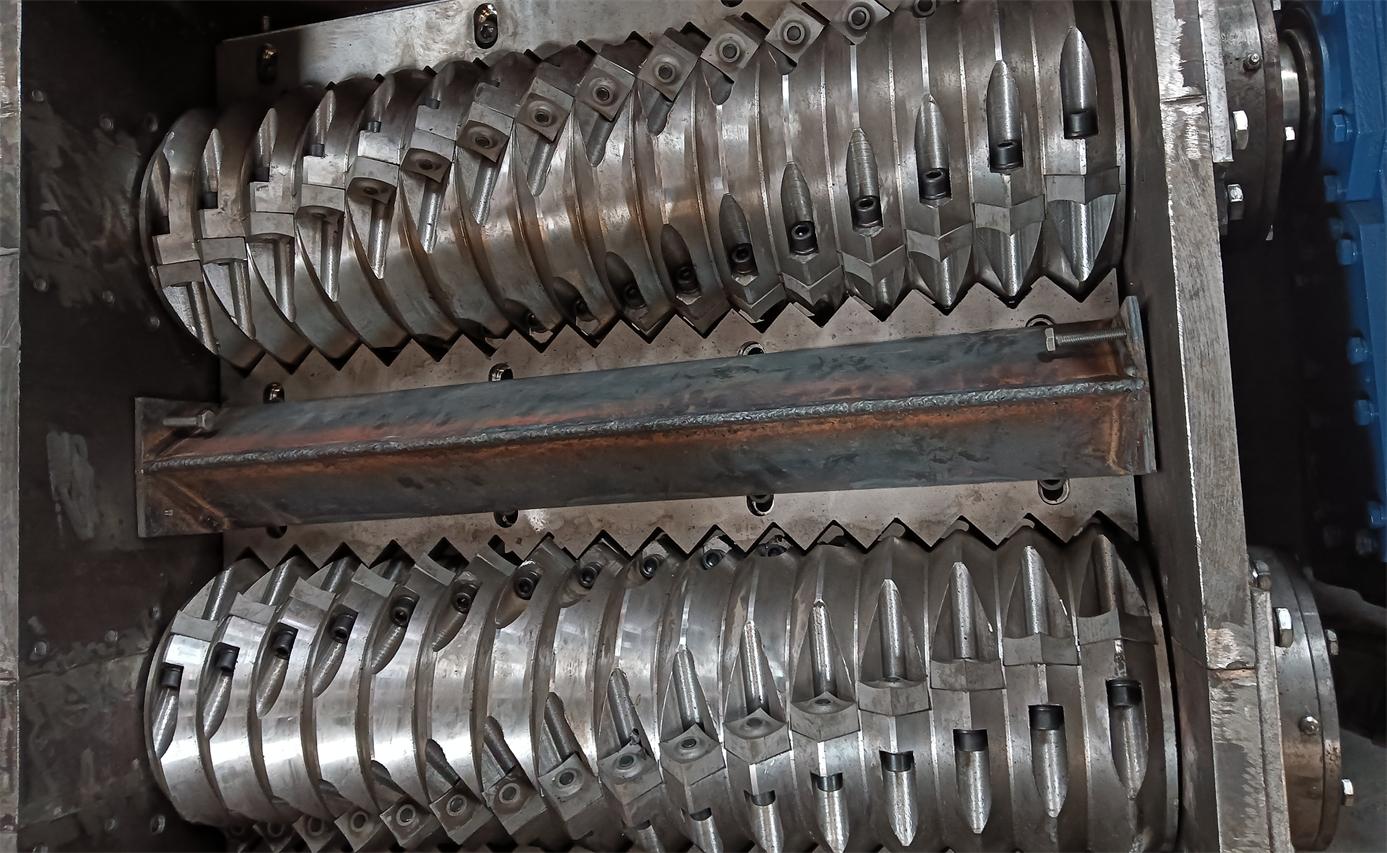
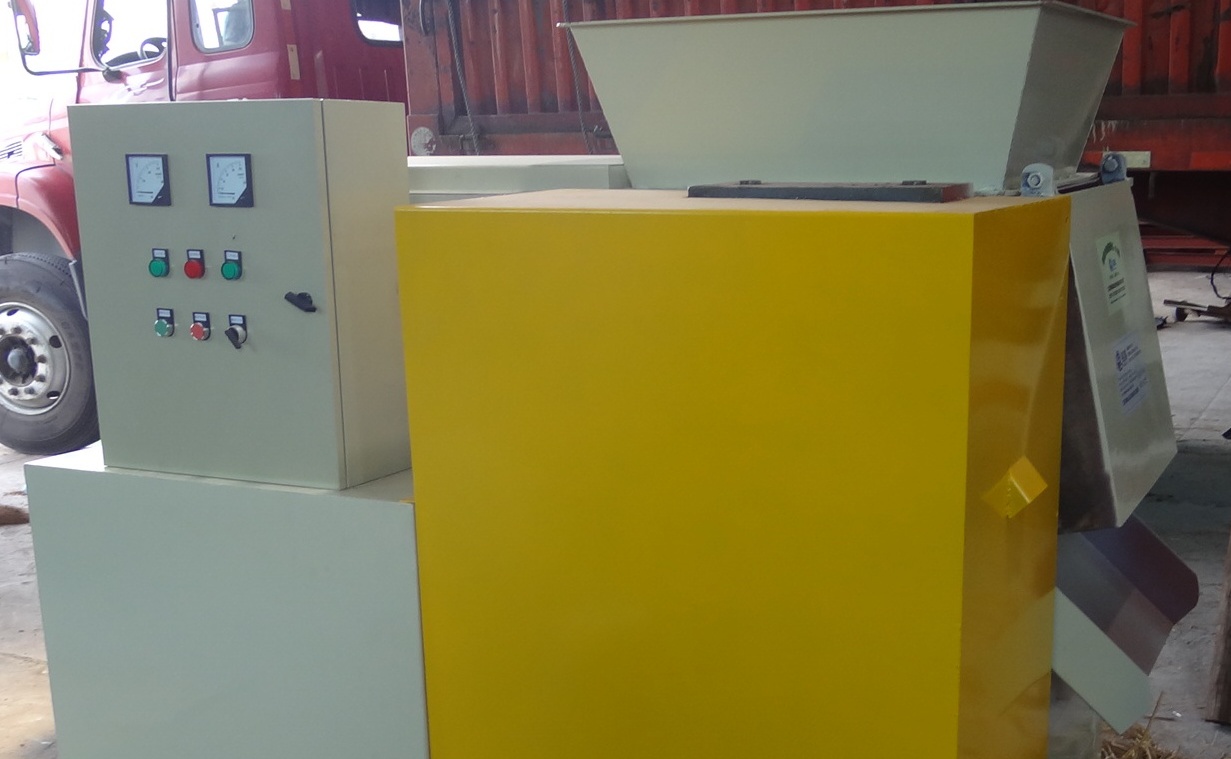
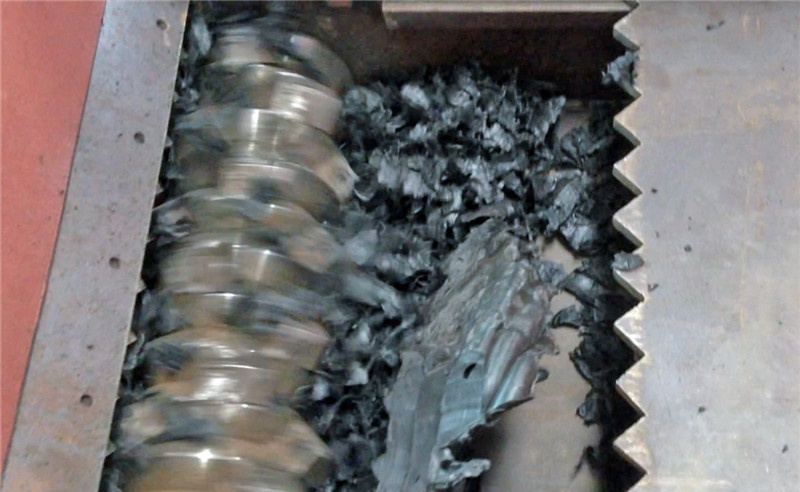
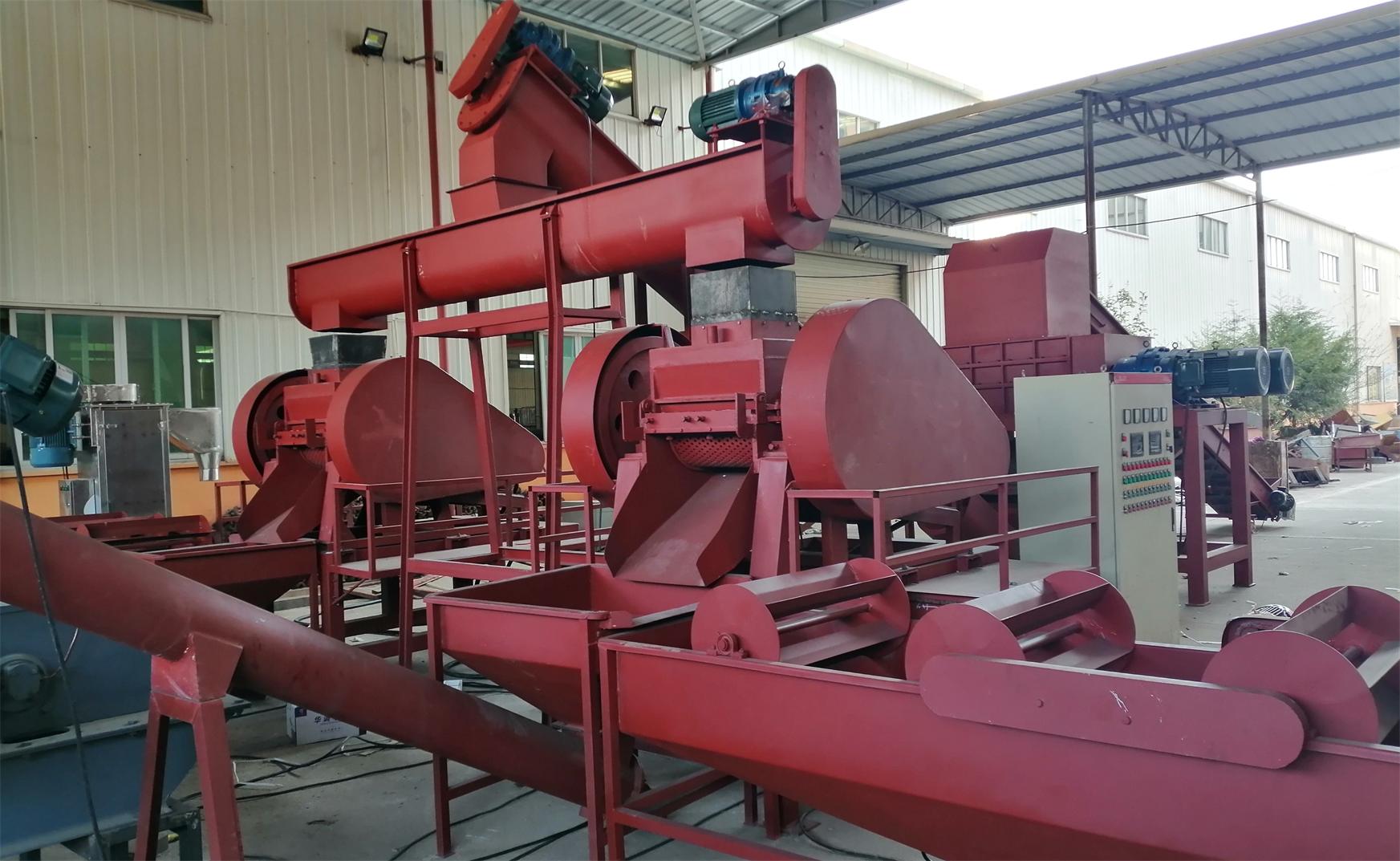
A professional cable manufacturer (who requested anonymity) shared this insight: “Our copper granulator machines work beautifully with pure materials, but specialized additives cause havoc.” This underscores why designer/materials scientists increasingly collaborate with recyclers during development.
Wet Process: The Unsung Hero of Cable Recycling
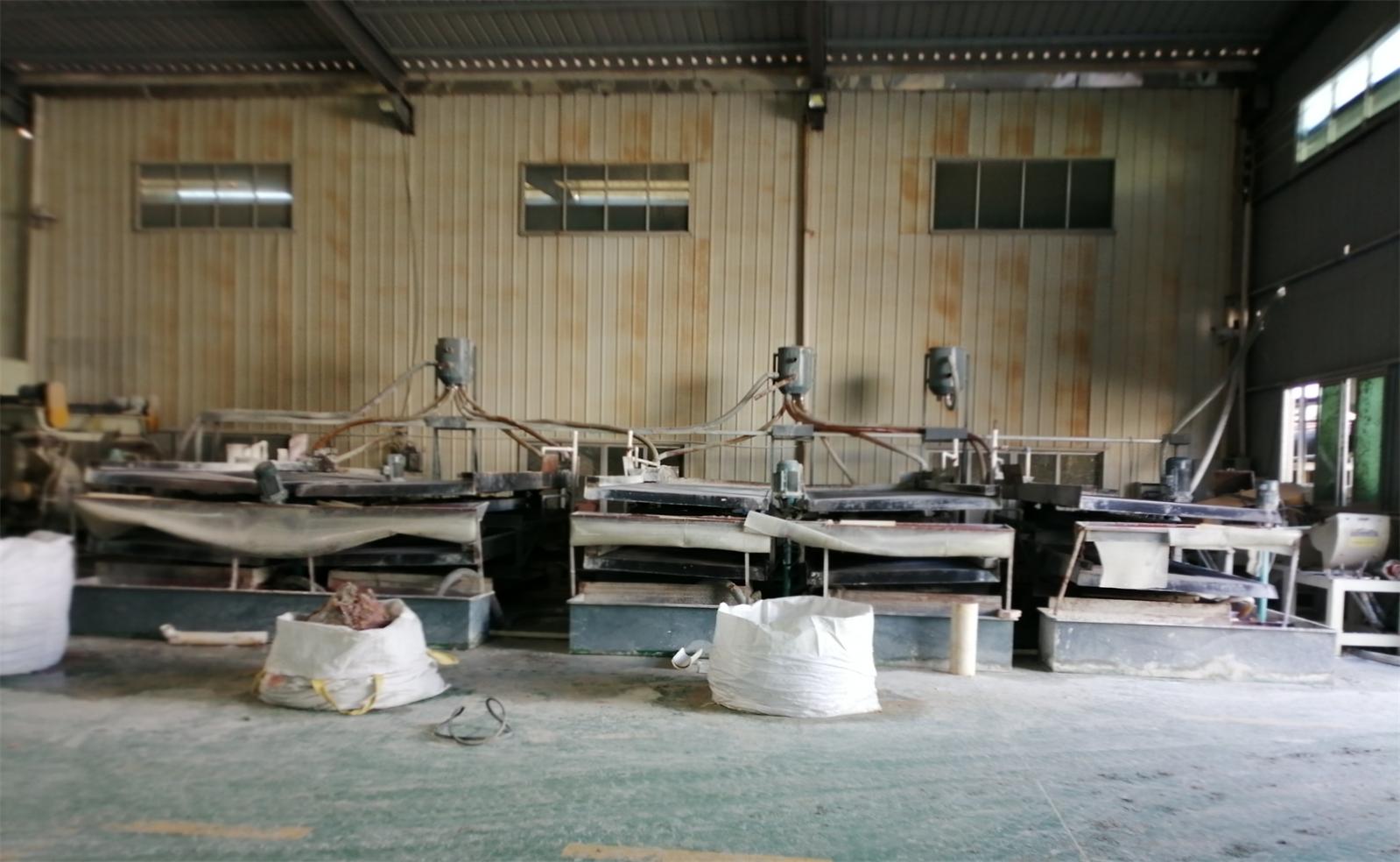
You might wonder – what exactly is the "wet process"? Simply put, it’s the watery phase of recycling where chemicals help separate metals from plastics:
Shredded cables soak in solution baths to dissolve adhesives/coatings
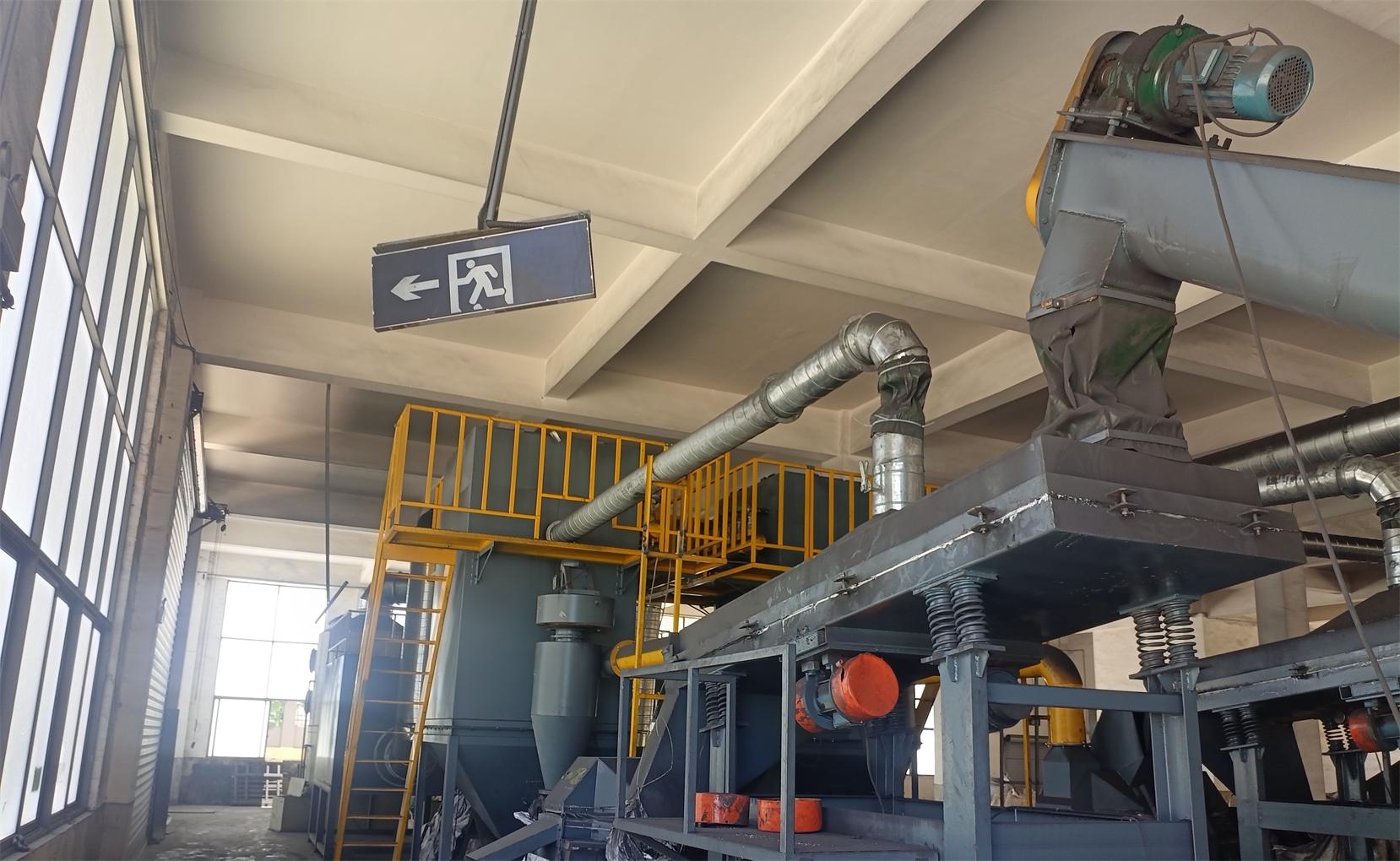
Water-driven separators isolate metals from plastics via density differences
Filtration systems remove microplastics and chemical residues
Sustainable design massively reduces wet process headaches. For example:
- ️ Halogen-free plastics = no toxic runoff during soaking
- ️ Simplified polymer blends = less chemical interventions needed
- ️ Water-soluble adhesives = easier material separation
Superior Essex, an industry leader, recently achieved 90% landfill diversion by optimizing both material streams and wet process chemistry. Their secret? Designing cables knowing exactly how they’ll break apart decades later.
Beyond Recycling: Packaging & Hidden Waste Streams
We often forget about cable spools and pallets! Sustainable design considers every touchpoint:

Plastic Spools
Fully recyclable ♻️ but energy-intensive. Best reused >15 times

Plywood Spools
Treated woods complicate recycling Better for energy recovery
As Habia’s disposal guide advises: “Wooden spools should be reused first, recycled second.” Simple labeling changes like this can divert tons of material annually. Forward-thinking companies now use returnable steel-spool systems that eliminate packaging waste entirely.
Looking Ahead: Innovation Frontiers
Where’s sustainable cable design headed? Three exciting developments:
Self-Separating Polymers
Materials designed to release metals when heated to precise temperatures
Biological Wet Processing
Using enzyme baths instead of harsh chemicals for material separation
Blockchain Tracking
Digital IDs enabling automatic recycling instructions decades after installation
The payoff? One industry study projects 40% reduction in wet process water consumption by 2030 through material innovations alone. But this demands unprecedented cooperation between designers, manufacturers and recycling engineers. Sustainability isn’t a product feature – it’s an ecosystem.
Your Role in the Cycle
Every time you specify a cable in construction, design products, or handle waste:
“Ask manufacturers two questions: What happens to this at end-of-life? And what water treatment does your recycling process require? This pushes innovation where it matters most.”
– Sustainability Officer, Leading Cable Recycler
The quiet revolution in cable design proves little choices create ripple effects. When materials align with recycling realities, everything gets cleaner – especially our air and water.