Recycling has long been celebrated as a vital step toward sustainability, turning discarded materials into valuable resources. But when dealing with hazardous waste—such as old batteries, circuit boards, or scrap cables—the process carries a hidden risk: air pollution. As we shred, melt, and separate these materials, toxic substances can escape into the atmosphere, threatening human health and the environment. This is where air pollution control system equipment becomes indispensable, acting as the silent guardian that ensures recycling doesn't come at the cost of clean air.
Why Air Pollution Control Matters in Hazardous Waste Recycling
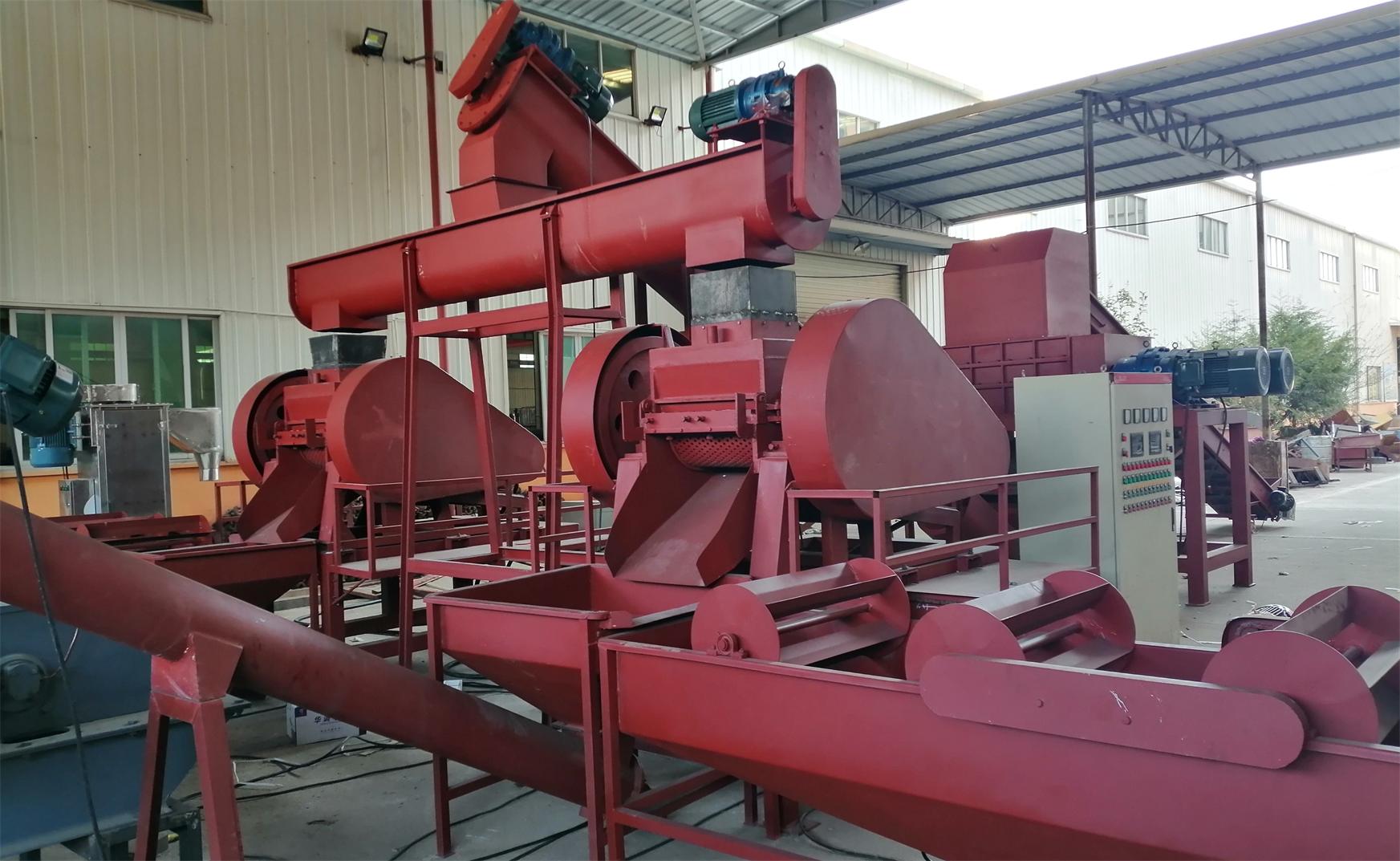
At first glance, recycling hazardous waste seems like an unqualified win. It reduces reliance on mining, cuts landfill use, and conserves energy. However, without proper safeguards, the process can release a toxic mix of pollutants. For example, lead acid battery recycling equipment —essential for recovering lead from car batteries—can emit lead dust and sulfur dioxide if unregulated. Similarly, li battery recycling equipment , used to process lithium-ion batteries from phones and laptops, may release volatile organic compounds (VOCs) and heavy metals like cobalt during shredding.
These pollutants don't just vanish. They linger in the air, contributing to smog, acid rain, and respiratory illnesses in nearby communities. Children and the elderly are particularly vulnerable. Governments worldwide, from the EPA to the EU's EEA, have tightened emissions rules, making air pollution control systems both a moral duty and a legal requirement. For recycling facilities, investing in these systems isn't just about avoiding fines—it's about protecting communities and preserving the planet.
Hazardous Waste Streams and Their Airborne Threats
Different hazardous materials release distinct pollutants, and understanding these is key to effective pollution control. Let's explore three critical categories:
| Waste Category | Key Pollutants Released | Common Recycling Equipment | Typical APCS Solutions |
|---|---|---|---|
| Lead Acid Batteries | Lead dust, sulfur dioxide, hydrogen sulfide | Lead acid battery breaking and separation system, lead refinery furnace | Baghouse filters, wet scrubbers, electrostatic precipitators |
| Lithium-Ion Batteries | VOCs, cobalt, nickel, lithium particulates | Li-ion battery breaking and separating equipment, dry process equipment | Activated carbon adsorbers, HEPA filters, thermal oxidizers |
| Circuit Boards | Cadmium, mercury, brominated flame retardants | Circuit board recycling equipment , compact granulator with dry separator | Fabric filters, acid gas scrubbers, catalytic converters |
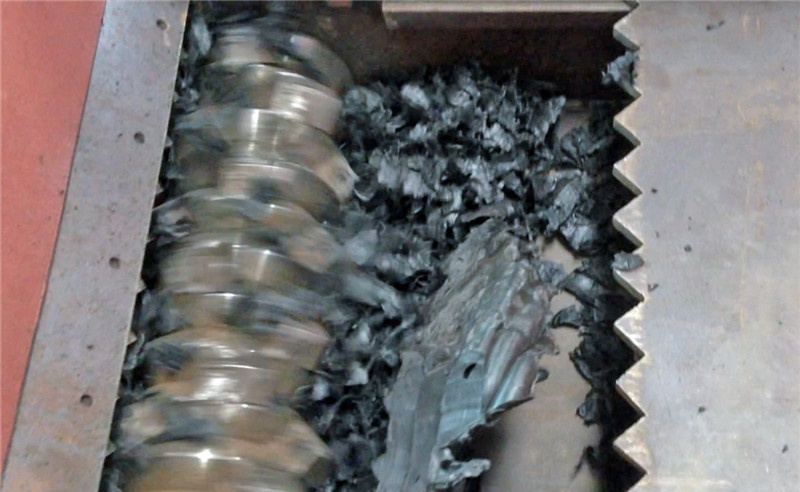
Consider circuit board recycling equipment : when old circuit boards are shredded to recover copper and precious metals, tiny heavy metal particles can become airborne. Without APCS, these particles might drift into neighborhoods, contaminating soil and water. A facility using a compact granulator with dry separator would typically pair it with fabric filters to trap these toxins before they escape.
Inside Air Pollution Control System Equipment
Air pollution control systems aren't single machines but coordinated networks of technologies. Here's how they work:
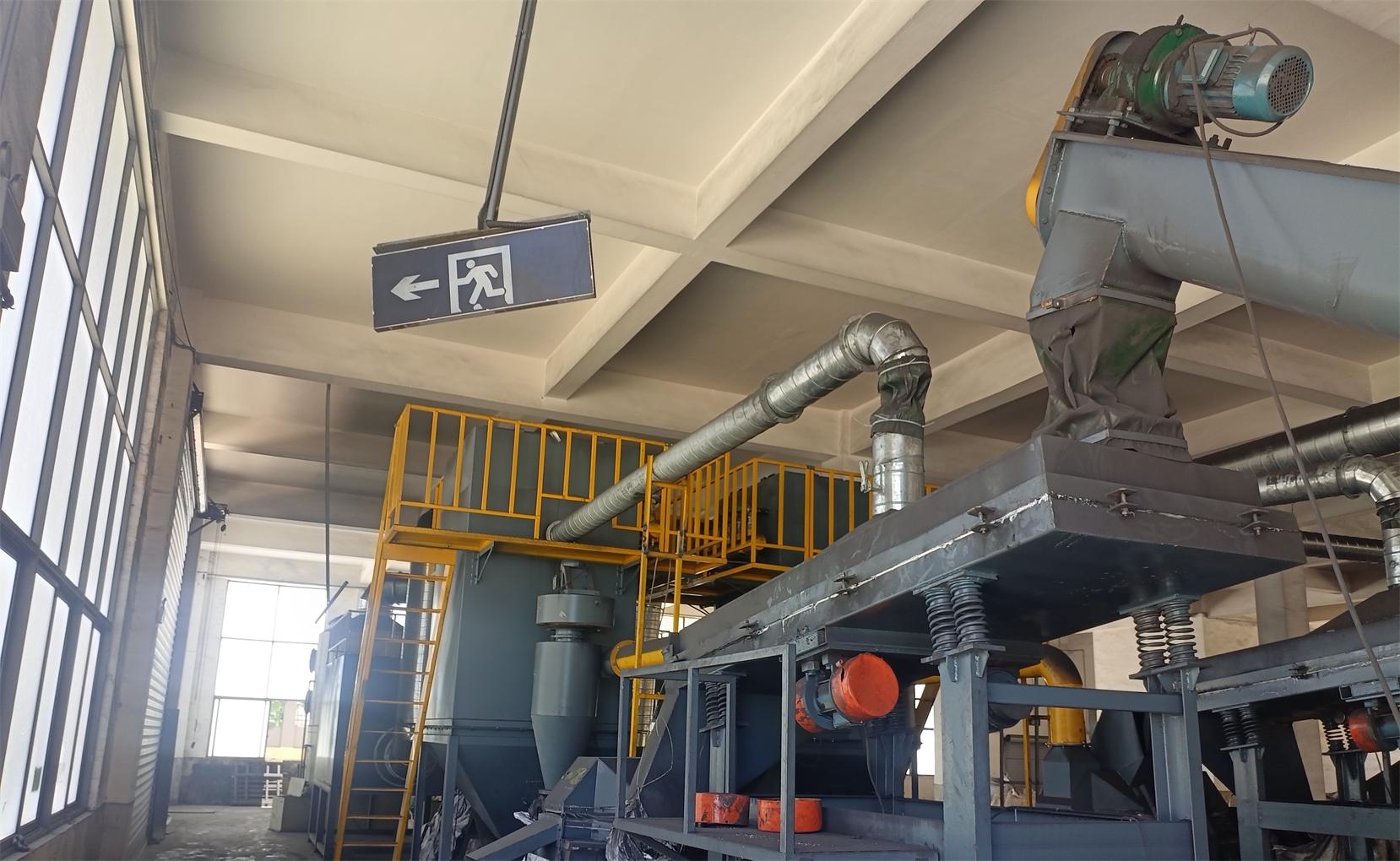
Filters & Scrubbers: Baghouse filters—made of woven fabric—capture solid particles like lead dust. Picture a giant, industrial-scale vacuum bag trapping 99% of particulates. Wet scrubbers use liquid sprays to dissolve gases like sulfur dioxide, turning harmful fumes into manageable wastewater.
Electrostatic Precipitators (ESPs): These use electric charges to attract particles. As polluted air flows through, particles pick up a charge and stick to oppositely charged plates, which are then cleaned. ESPs excel at handling high-volume emissions, such as those from lead refinery furnaces.
Thermal Oxidizers: For VOCs and organic compounds, these systems use high heat (800–1,000°C) to break pollutants into harmless CO₂ and water. Think of them as precision incinerators that neutralize toxins without releasing new pollutants.
Real Impact: APCS Transforming Recycling Facilities
The difference APCS makes is tangible. Take a mid-sized lead acid battery recycling plant in Ohio. Before installing air pollution control system equipment , lead emissions exceeded EPA limits, workers reported breathing difficulties, and neighbors complained of a metallic odor. Within months of adding baghouse filters and a wet scrubber, emissions dropped by 95%. Air quality improved, health complaints ceased, and the plant became a local model for responsible recycling.
In Germany, a circuit board recycling facility faced strict EU emissions laws. By upgrading to an acid gas scrubber and activated carbon adsorber, they cut emissions by 90% while doubling processing capacity. Cleaner air reduced machinery wear, lowering maintenance costs. Today, they're a leader in e-waste recycling, proving APCS drives both environmental and economic success.
Challenges and Innovations in APCS
Despite its benefits, APCS adoption faces hurdles. Cost is a barrier for small facilities, especially in developing nations. New waste streams—like lithium batteries—also pose challenges, as their variable chemistry demands adaptable systems. Innovators are responding with modular APCS designs that scale with facility size and multi-pollutant capture technologies that handle diverse toxins.
Energy efficiency is another focus. Traditional systems can be power-intensive, but smart controls now adjust energy use based on real-time emissions. Heat recovery systems even capture waste heat from thermal oxidizers to power other plant operations, turning a cost into a resource.
Conclusion: APCS—The Backbone of Responsible Recycling
As the world generates more hazardous waste, air pollution control system equipment has become essential to sustainable recycling. It ensures that processing lead acid batteries, lithium-ion batteries, or circuit boards doesn't compromise the air we breathe. From protecting workers to complying with regulations, APCS is the quiet force that makes hazardous waste recycling truly green.
The future holds promise: smarter, more efficient systems will make APCS accessible to even small facilities. As technology advances, we'll continue to prove that with the right tools, we can recycle hazardous materials without sacrificing clean air. After all, the goal of recycling is to leave the planet better than we found it—and that starts with the air we share.