You know that moment when you see a garbage truck rumbling down the street? Most of us just see... well, garbage. But what if I told you that same trash holds hidden energy treasure? That's where RDF (Refuse-Derived Fuel) comes in - the unsung hero turning our waste into real power. And at the heart of this transformation lies a superstar piece of equipment: the shredder.
See, raw municipal waste is messy business - plastic bottles mixed with banana peels, tangled wires, and forgotten toys. To make it usable fuel, we need to tame this chaos. That's what shredders do brilliantly. They're the first responders in the waste-to-energy revolution, breaking down everything into manageable, energy-packed pieces ready for their second life.
The Game-Changing Technology
Think of modern shredders as master chefs in a high-stakes kitchen. Their job? Taking unpredictable waste and turning it into consistent, high-energy fuel pellets. This isn't just cutting up trash - it's precision engineering at its finest.
Beyond Basic Shredding
What makes today's RDF shredders special? They don't just tear things apart. They're selective artists:
- The Bouncer: Magnets pull out metals while air systems blow away lightweight plastics
- The Chemist: Advanced sensors analyze composition in real-time
- The Precision Surgeon: Sophisticated cutting systems handle anything from mattresses to industrial waste
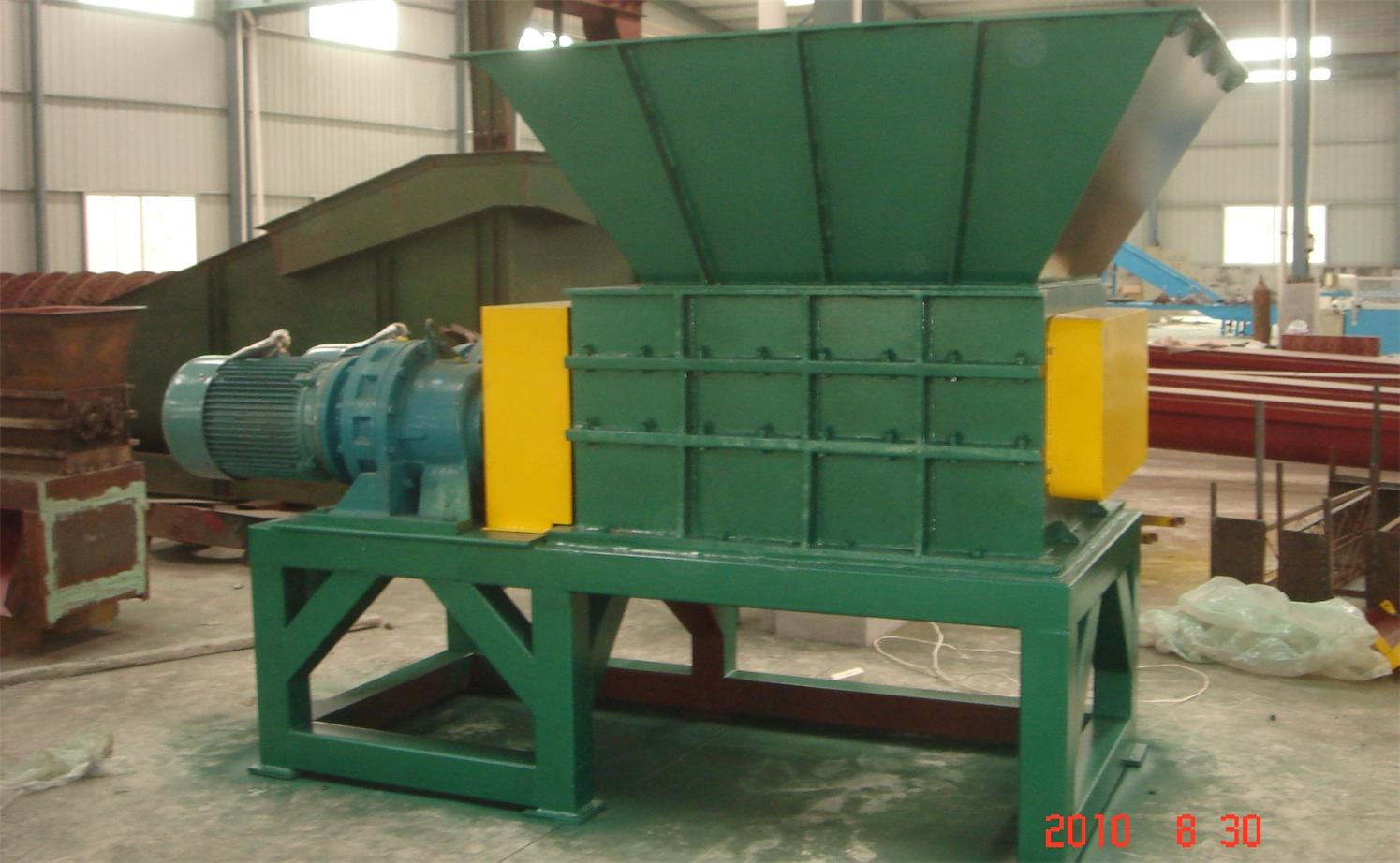
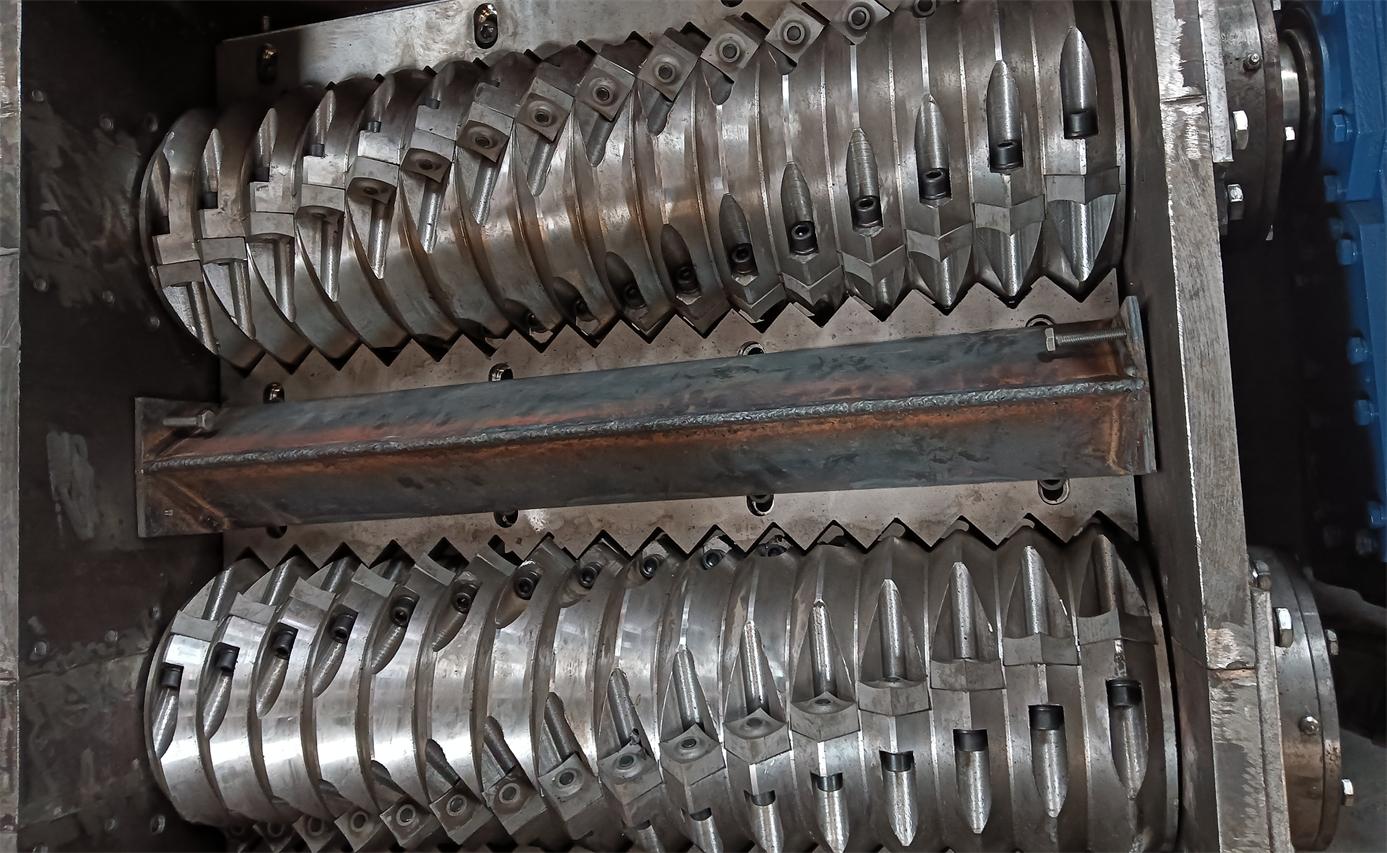
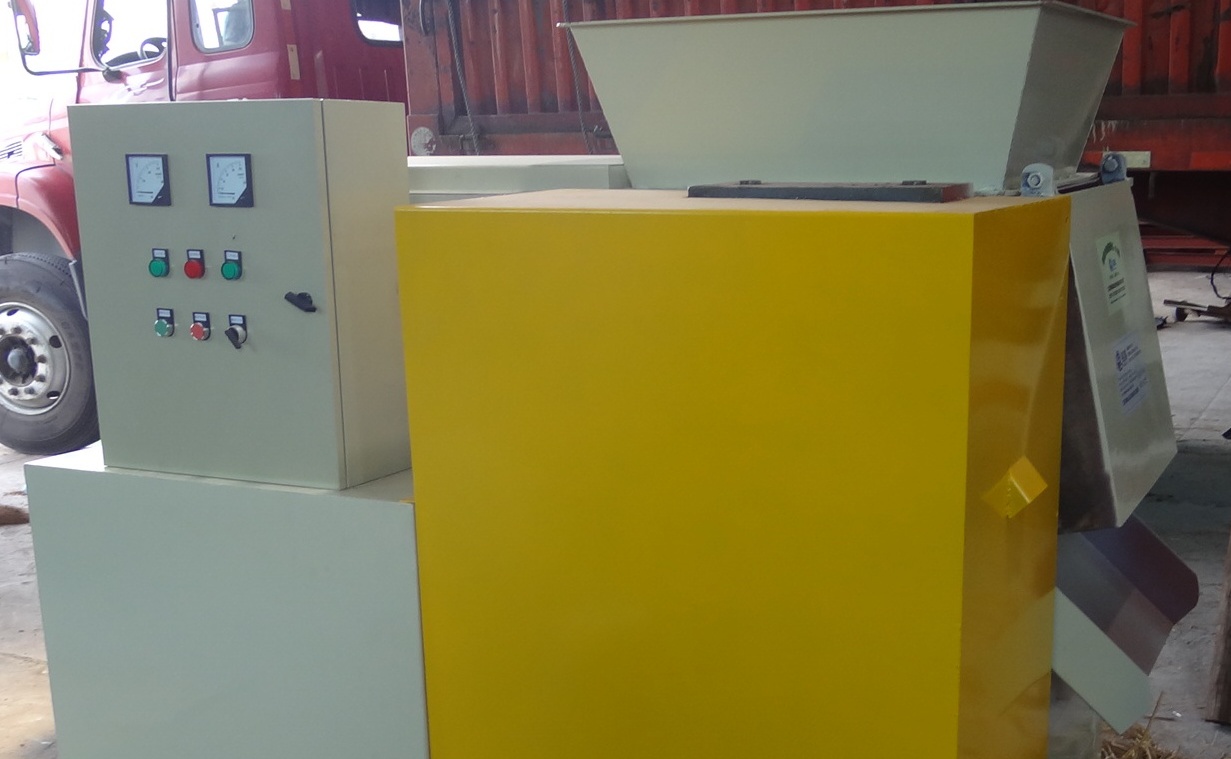
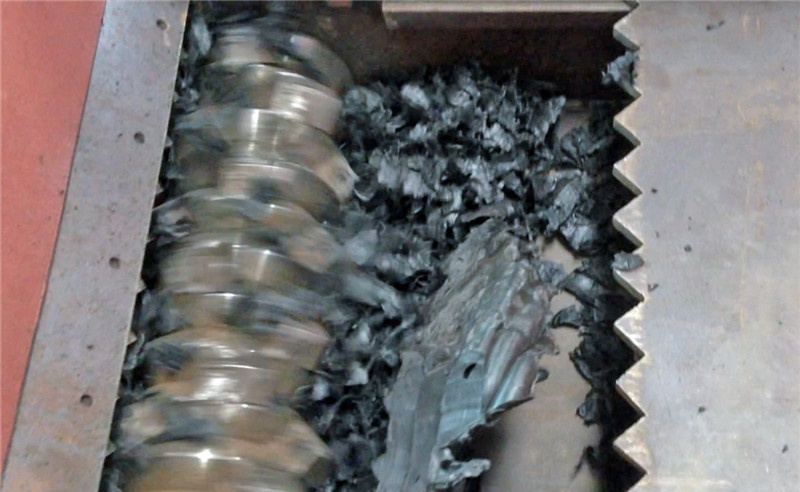
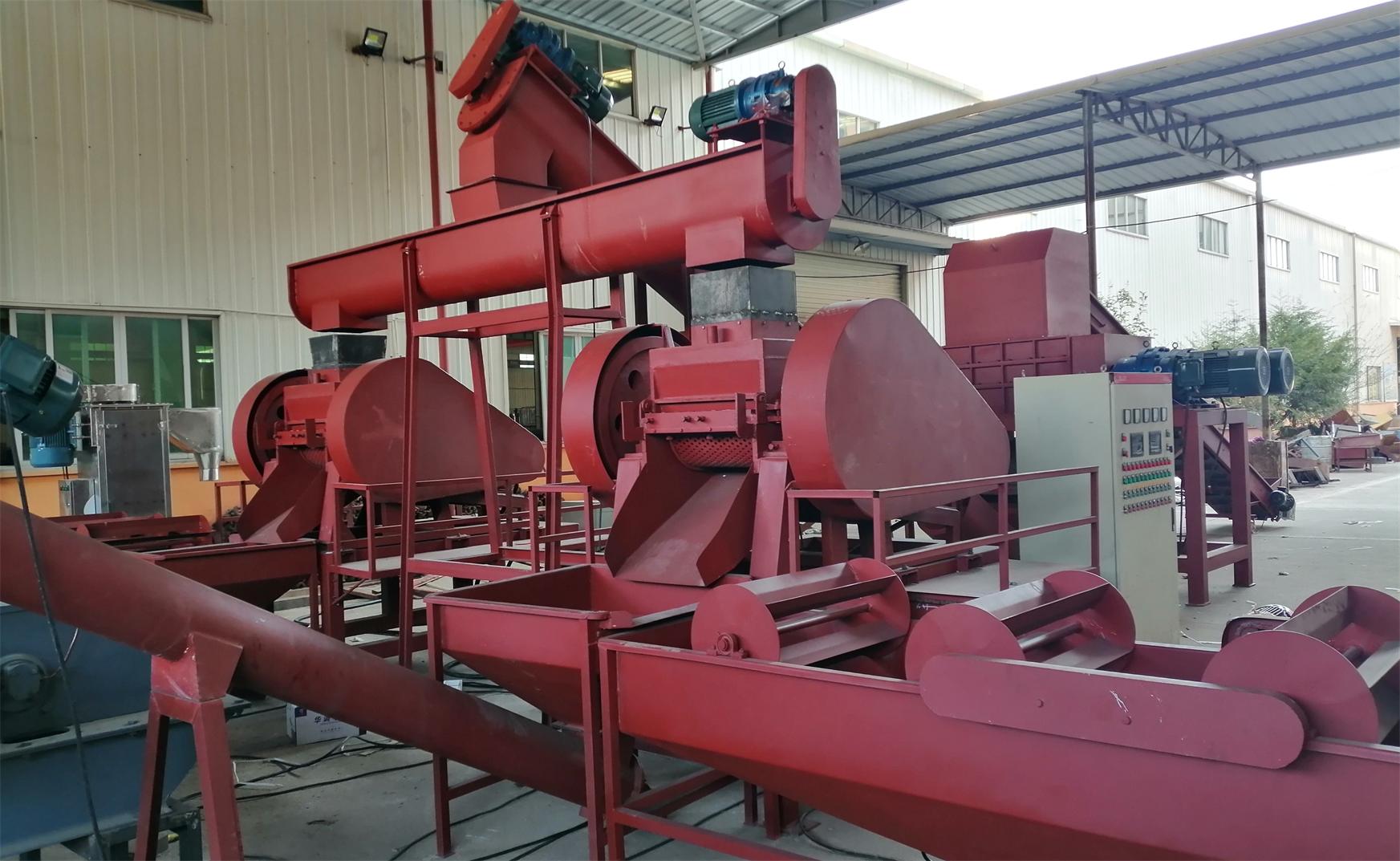
One game-changer has been the double shaft shredder . These twin-engine beasts grab waste like giant hands, efficiently ripping apart the toughest materials without jamming. They're the muscle behind consistent RDF quality.
Calorie Counter Tech
Did you know waste has calories? Seriously! Modern shredders help boost the energy content of waste by 20-30%. That's like upgrading fast food into gourmet fuel. Using X-ray tech similar to hospital equipment, they ensure each piece meets strict calorie counts - usually 14-18 MJ/kg. That's serious heat potential!
Behind the Scenes: How Shredding Transforms Waste
Creating quality RDF isn't just tossing garbage into a machine. It's a carefully choreographed process:
Pre-Shred Prep Work
Before shredders get to work, waste gets a spa treatment:
- Moisture Management: Think of it as blow-drying trash. High moisture content can ruin everything, so systems pre-dry materials using waste heat (talk about recycling!)
- Contaminant Elimination: Laser-guided sorting systems spot and remove glass pieces as small as 3mm - stuff you'd miss with the naked eye
- Metal Extraction: Powerful magnets remove ferrous metals while electromagnetic fields grab non-ferrous metals
The Main Event: Size Matters
Shredders attack waste in layers:
- First Pass: Slow-speed shredders (15-30 RPM) tear elastic materials like tires and carpets using hook-shaped blades
- Brittle Breakup: Impact crushers shatter glass and ceramics into safe, non-sharp pieces
- Final Polish: High-speed shredders create the ideal 10-50mm pieces - the Goldilocks zone for efficient burning
Real World Impact: Where RDF Shines
This isn't lab theory - RDF is making real differences globally:
Industrial Heavy Hitters
Cement plants are RDF's biggest fans. Why? Burning RDF reaches the crazy 1,450°C needed for clinker production, replacing up to 30% of their coal use. Each ton of quality RDF saves about 0.6 tons of coal. That's serious carbon cutting!
Waste-to-energy plants have evolved too. Advanced stepped-grate systems create ideal burning conditions, with emission control systems making their exhaust cleaner than most coal plants. We're talking dioxin levels below 0.1 ng TEQ/Nm³ - crazy low numbers!
Environmental Payday
Here's where shredders become climate heroes. Lifecycle analyses show:
- 60% lower greenhouse gases compared to landfills (methane from landfills is 28x worse than CO₂!)
- 95% of heavy metals like lead and cadmium become safely trapped in cement clinkers
- Contaminated water leaching from RDF ash is orders of magnitude lower than untreated waste
Future Horizons: Where Shredding Technology is Headed
Shredding tech is evolving faster than smartphones:
The Smart Shredder Revolution
Imagine shredders with digital twins - virtual replicas that test thousands of scenarios to optimize real machines. German engineers are already achieving 22% energy savings using this tech. Plus, AI-powered shredders "see" incoming materials using hyperspectral cameras, instantly adjusting settings for perfect results.
Zero-Carbon Ambitions
The future shines green. Dutch innovators now operate hydrogen-powered shredders - yes, you heard that right! Using waste heat to pre-dry materials creates an eco-loop cutting emissions to zero. These systems cost more today but should be competitive by 2030 as hydrogen tech scales up.
Why This Matters to All of Us
Beyond tech specs, RDF shredding represents something bigger: a fundamental shift in our relationship with waste. We're moving from "out of sight, out of mind" to "nothing wasted, everything transformed." Shredders are the critical first step - the unsung bridge between our trash cans and cleaner energy.
As global policies like the EU's Waste Framework Directive push toward 65% recycling by 2035, and regions from California to South Korea enact landfill bans, the demand for efficient RDF preparation will only grow. The latest IPCC report explicitly calls out RDF as a vital transition solution for industries struggling to decarbonize. That's serious validation!
So next time you hear a shredder roaring at a waste facility, know it's not just breaking things down. It's building a smarter, cleaner energy future - one shredded piece at a time.