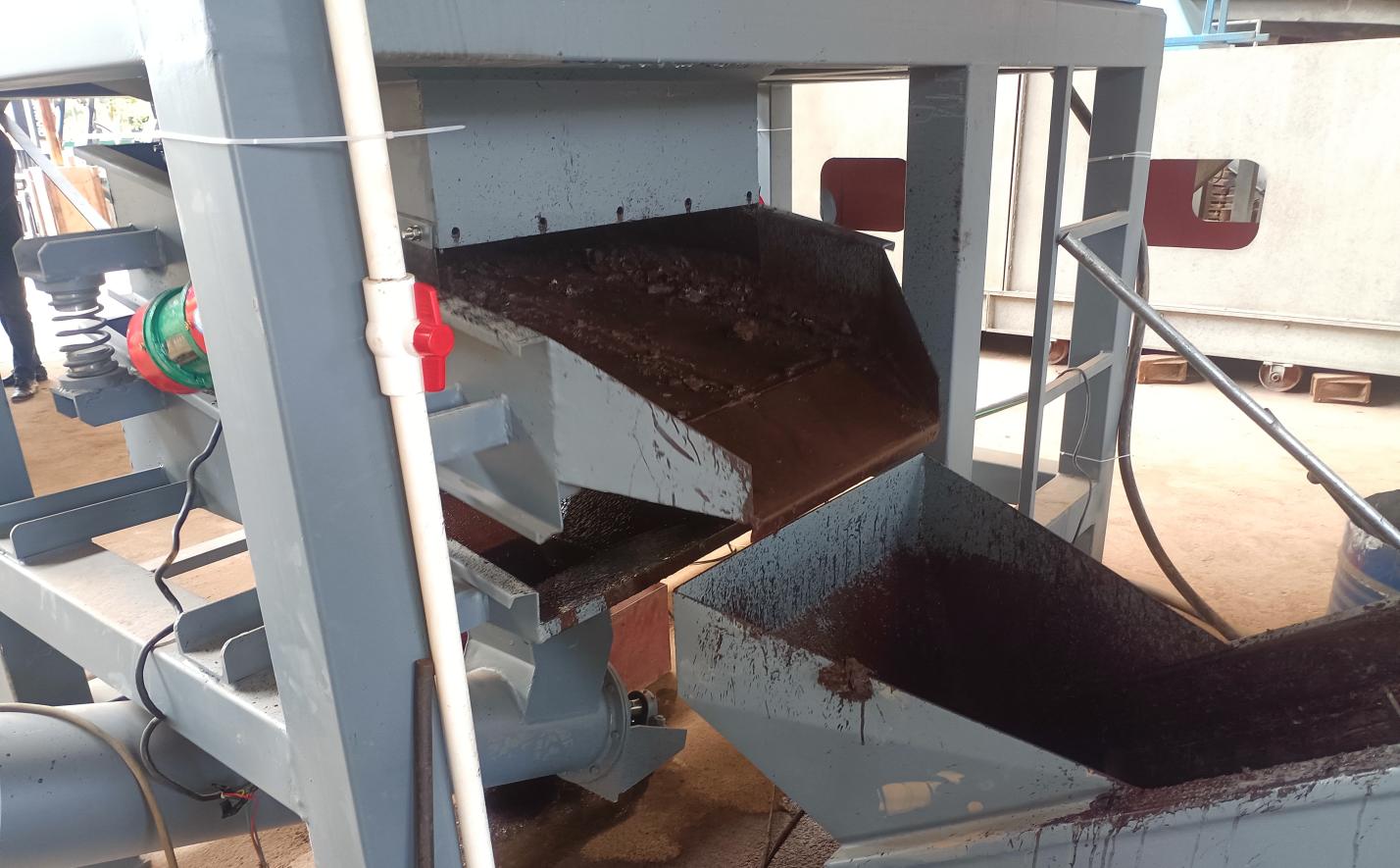
Every time you turn on a faucet, flush a toilet, or wash your hands, you're part of a cycle that connects you to rivers, oceans, and the countless lives that depend on clean water. What many of us don't see is the invisible journey of that water after it disappears down the drain—a journey filled with contaminants, bacteria, and pollutants that could harm ecosystems and human health if left unchecked. Enter wastewater treatment plants: the unsung heroes working 24/7 to turn what we discard into something safe, reusable, and respectful of the planet. These facilities aren't just concrete and machinery; they're guardians of our waterways, protectors of public health, and vital players in the fight against environmental degradation. Let's dive into their world, exploring how they work, the tools they rely on, and why they matter more than ever in today's changing climate.
What Are Wastewater Treatment Plants, Anyway?
Think of wastewater treatment plants as the "cleanup crew" for our communities. They take in all the water we use—from household sewage and industrial runoff to stormwater—and put it through a rigorous series of processes to remove harmful substances. The goal? To return water to the environment (or even reuse it) in a state that won't harm fish, plants, or people. Without them, our rivers would be choked with chemicals, our beaches unsafe for swimming, and our drinking water supplies at risk of contamination. In short, they're the bridge between human activity and a healthy planet.
But these plants aren't one-size-fits-all. Some are small, serving rural towns, while others are massive, handling millions of gallons daily for big cities. They can treat wastewater from homes, factories, hospitals, and more—each with its own mix of pollutants. Yet no matter their size or scope, they all share a common mission: to protect water quality and, by extension, the environment.
The Journey of Wastewater: From "Dirty" to "Clean"
If you've ever wondered what happens to your wastewater after it leaves your home, imagine a carefully choreographed dance of science and engineering. Let's break down the typical journey step by step:
Preliminary Treatment: First stop: removing the big stuff. Screens and grit chambers catch sticks, rags, sand, and other debris that could damage equipment downstream. Think of this as "taking out the trash" before the real cleaning begins.
Primary Treatment: Next, the water slows down in large tanks, allowing heavier particles (like food scraps and sediment) to sink to the bottom. This sludge is later removed and treated separately, while the clearer water moves on.
Secondary Treatment: Now it's time to tackle the invisible threats: bacteria, organic matter, and dissolved pollutants. Here, tiny organisms—like bacteria and protozoa—are introduced to "eat" the waste, breaking it down into harmless byproducts like carbon dioxide and water. This is often done in aeration tanks, where oxygen is pumped in to help the microbes thrive.
Tertiary Treatment: For extra cleanliness, some plants add a final polish. This might involve filtering the water through sand or membranes to remove remaining particles, or using chemicals like chlorine or ultraviolet light to kill any leftover bacteria. The result? Water that's safe to release back into rivers, lakes, or even reuse for irrigation, industrial processes, or groundwater recharge.
"Wastewater treatment is like solving a puzzle where every piece matters. Miss one step, and the whole system suffers. But when it works, you can see the difference—in clearer rivers, healthier fish, and communities that don't have to worry about getting sick from their water." — Maria Gonzalez, Environmental Engineer with 15 years in wastewater management.
The Backbone of Treatment: Key Equipment That Makes It All Possible
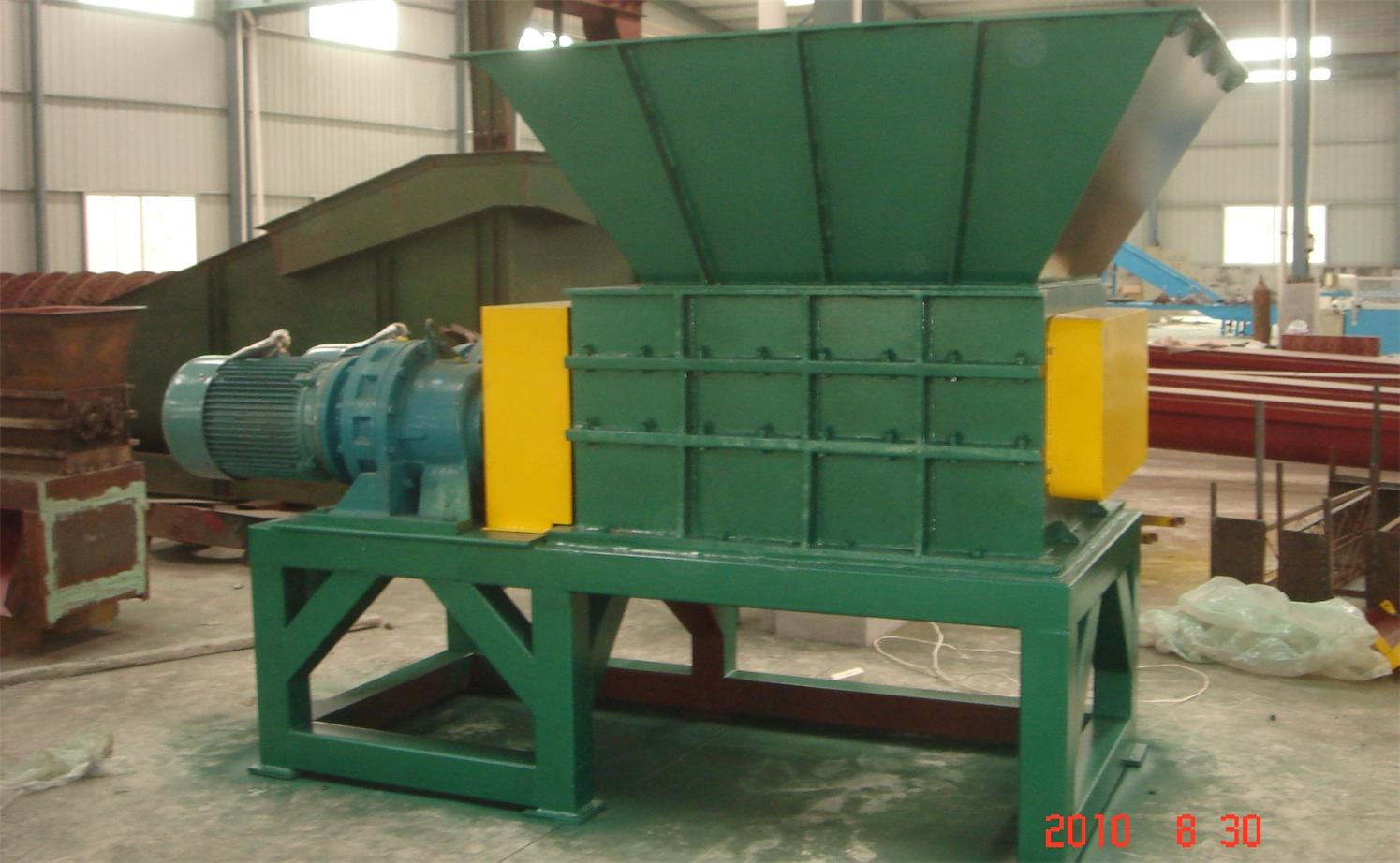
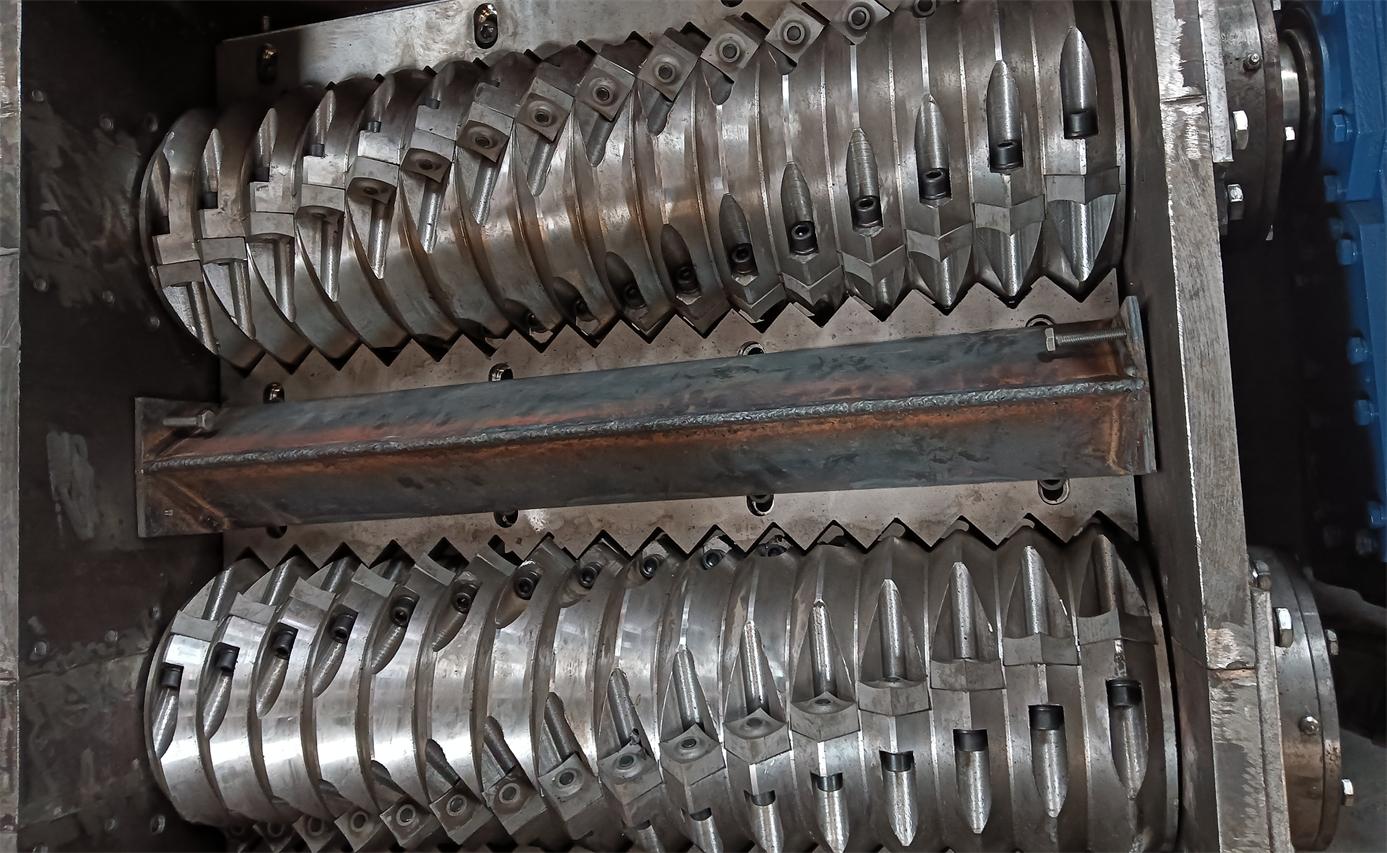
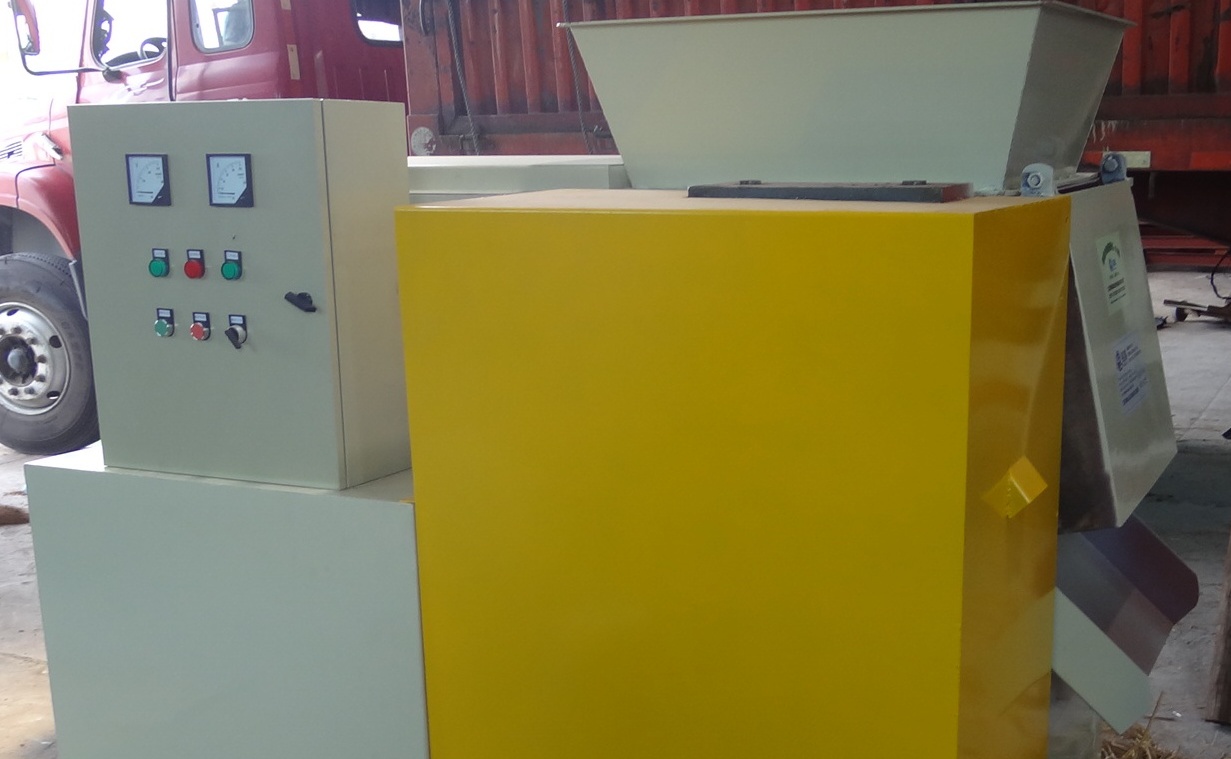
Behind every successful wastewater treatment plant is a suite of specialized equipment designed to handle each stage of the process. Without these tools, even the best-laid plans would fall flat. Let's shine a light on some of the most critical players—including a few you might not have heard of but rely on daily.
Water Process Equipment: This is the umbrella term for all the machinery that moves, treats, and monitors water through the plant. From pumps that push water between tanks to sensors that track pH levels and pollutant concentrations, water process equipment ensures everything runs smoothly. It's like the nervous system of the plant, keeping tabs on every detail and making adjustments as needed.
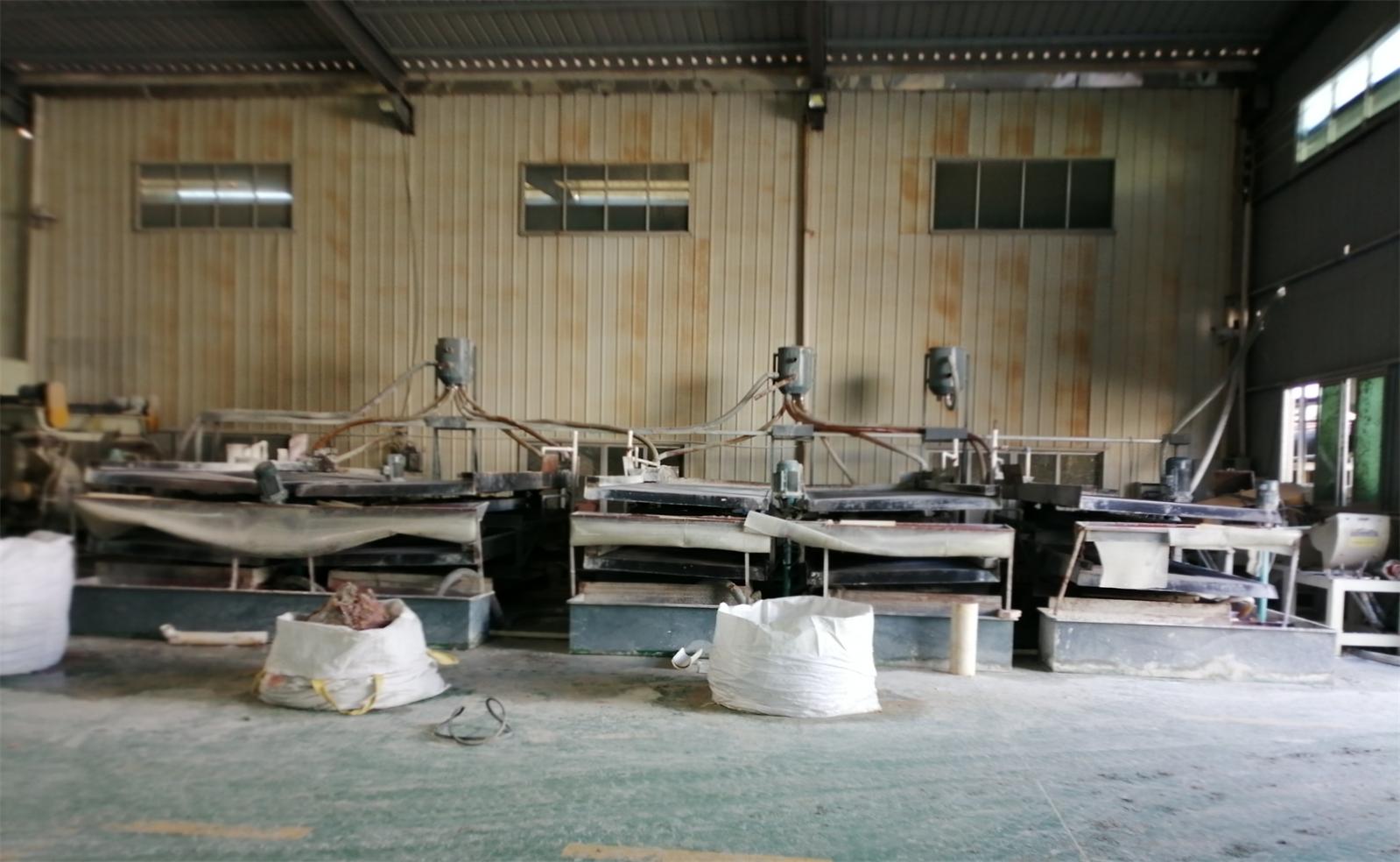
Wet Process Equipment: Many treatment steps rely on "wet processes"—methods that use water itself to remove contaminants. For example, in secondary treatment, activated sludge systems use water-based tanks where bacteria break down waste. Wet process equipment includes aeration basins, clarifiers, and trickling filters—all designed to use water as both a medium and a tool for cleaning. These systems are especially effective for organic pollutants, which dissolve or mix easily with water.
Effluent Treatment Machine Equipment: Once water has gone through all stages of treatment, it's time for the final check: effluent treatment. Effluent is the term for water that's ready to be released back into the environment, and effluent treatment machine equipment ensures it meets strict quality standards. This might include advanced filters to remove microplastics, disinfection units to kill pathogens, or chemical dosing systems to adjust pH levels. In short, these machines are the last line of defense, making sure nothing harmful escapes into rivers or oceans.
| Equipment Type | Role in Treatment | Environmental Benefit |
|---|---|---|
| Water Process Equipment | Moves and monitors water through treatment stages | Ensures consistent, efficient treatment |
| Wet Process Equipment | Uses water-based methods to break down organic pollutants | Reduces harmful bacteria and nutrients in discharge |
| Effluent Treatment Machine Equipment | Polishes final water before release | Prevents contaminants from entering natural waterways |
Why Wastewater Treatment Matters for the Environment
It's easy to take clean water for granted, but the impact of untreated wastewater is stark. Let's paint a picture: without treatment, sewage would flow directly into rivers, causing algal blooms that suck oxygen from the water, killing fish and other aquatic life. Industrial chemicals would poison groundwater, making drinking water unsafe. Pathogens like E. coli would spread through waterways, leading to outbreaks of cholera, dysentery, and other diseases. In short, the environment—and all of us who depend on it—would suffer.
Wastewater treatment plants turn this scenario around. By removing pollutants, they:
- Protect Aquatic Ecosystems: Clean water supports fish, frogs, birds, and plants that rely on healthy rivers and lakes. For example, in the Chesapeake Bay, improved wastewater treatment has helped restore oyster populations—a keystone species that filters water and provides habitat for other creatures.
- Reduce Public Health Risks: By killing bacteria and removing toxins, treated water is safer for swimming, fishing, and drinking. This is especially critical in developing countries, where access to clean water can mean the difference between life and death.
- Combat Climate Change: Many plants capture methane from sludge (a byproduct of treatment) and use it to generate energy, reducing reliance on fossil fuels. Some even turn sludge into fertilizer, closing the loop on waste and reducing greenhouse gas emissions.
Challenges Facing Wastewater Treatment Plants Today
Despite their importance, wastewater treatment plants face significant challenges. One of the biggest is aging infrastructure. In many countries, plants built decades ago are struggling to keep up with growing populations and stricter environmental regulations. Pipes leak, equipment breaks down, and upgrades are costly—leaving some communities with limited capacity to treat their wastewater properly.
Then there are emerging contaminants: chemicals like pharmaceuticals, microplastics, and PFAS (so-called "forever chemicals") that traditional treatment methods weren't designed to remove. These substances can linger in waterways, harming wildlife and potentially humans over time. Plants are racing to adopt new technologies to address these threats, but it's a constant battle.
Climate change adds another layer of complexity. Extreme weather events—like floods and droughts—can overwhelm plants, causing untreated water to spill into rivers. Rising sea levels threaten coastal plants, while higher temperatures speed up the growth of harmful algae in treatment tanks. Adapting to these changes requires innovative thinking and investment.
The Future of Wastewater Treatment: Smarter, Greener, and More Resilient
The good news? The wastewater treatment industry is evolving. Engineers and scientists are developing smarter, more sustainable solutions to meet today's challenges. For example:
Resource Recovery: Instead of seeing wastewater as "waste," plants are starting to view it as a resource. Sludge can be turned into biogas (a renewable energy source), while nutrients like nitrogen and phosphorus can be extracted and used as fertilizer. Some plants even recover water for irrigation or industrial use, reducing pressure on freshwater supplies.
Advanced Technologies: New water process equipment, like membrane bioreactors, combines filtration and biological treatment in a single step, producing cleaner water more efficiently. Sensors and AI are also being used to monitor treatment processes in real time, allowing operators to adjust settings and fix issues before they become problems.
Decentralized Systems: Smaller, community-scale treatment plants are gaining popularity, especially in rural areas. These systems are often more flexible, cost-effective, and easier to maintain than large centralized facilities, making wastewater treatment accessible to more people.
Final Thoughts: We All Have a Role to Play
Wastewater treatment plants are more than just facilities—they're a testament to our ability to live in harmony with the environment. They remind us that the water we use is a shared resource, and protecting it is a collective responsibility. As individuals, we can do our part by conserving water, properly disposing of chemicals (like not flushing medications), and supporting policies that fund plant upgrades and innovation.
So the next time you turn on the tap or walk along a clean river, take a moment to appreciate the hard work happening behind the scenes. Wastewater treatment plants may not get the glory, but they're working tirelessly to keep our planet healthy—one drop at a time.