Let's be honest - hydraulic briquetting machines are workhorses. They transform industrial waste like metal shavings and biomass into compact, transportable briquettes day in and day out. But if there's one Achilles' heel that can bring your entire operation to a grinding halt, it's worn-out hydraulic seals. The frustration starts small: maybe a tiny leak here, diminished pressure there. Then suddenly you're facing downtime, messy oil spills, and costly replacements.
Don't worry. With a few thoughtful habits, you can extend seal life by years - saving thousands in maintenance costs while improving your machine's performance. Let's dive into three practical strategies that make the difference.
Tip 1: Build a Foolproof Daily Maintenance Routine
Hydraulic seals aren't superheroes - they need consistent care. A stitch in time truly does save nine. Start with a daily "morning ritual" for your machine:
- Inspect like a detective: Spend just five minutes visually inspecting every accessible seal for cracks or oil residue. Look around connections where cylinders meet the barrel or piston. If you spot dampness, it's a red flag.
- Cleanliness is non-negotiable: Contaminants are the ultimate seal killers. When changing hydraulic oil, triple-check tools for dust. Apply the "white glove" test: run a clean cloth over surfaces touching hydraulic fluid.
- Temperature matters: Hydraulic fluids have a sweet spot. Before pushing your machine to max output, let it warm up for 5-8 minutes in colder weather. You'll literally feel seals relax and respond better.
- Lubrication schedules are sacred: Stick rigorously to manufacturer guidelines, especially for cylinder rods and guide rings. Using the wrong lubricant is like feeding diesel to a gasoline engine - it destroys seals from within.
Tip 2: Master Material Input & Processing
What you feed into your briquetting machine shapes seal lifespan. Ever noticed how some raw materials seem to "eat" seals faster?
- Moisture control is key: Biomass with 8-12% moisture is ideal. Too dry? You get friction that grinds seals down. Too wet? Material gums up cylinders, forcing seals to overcompensate. Use simple moisture meters at intake points.
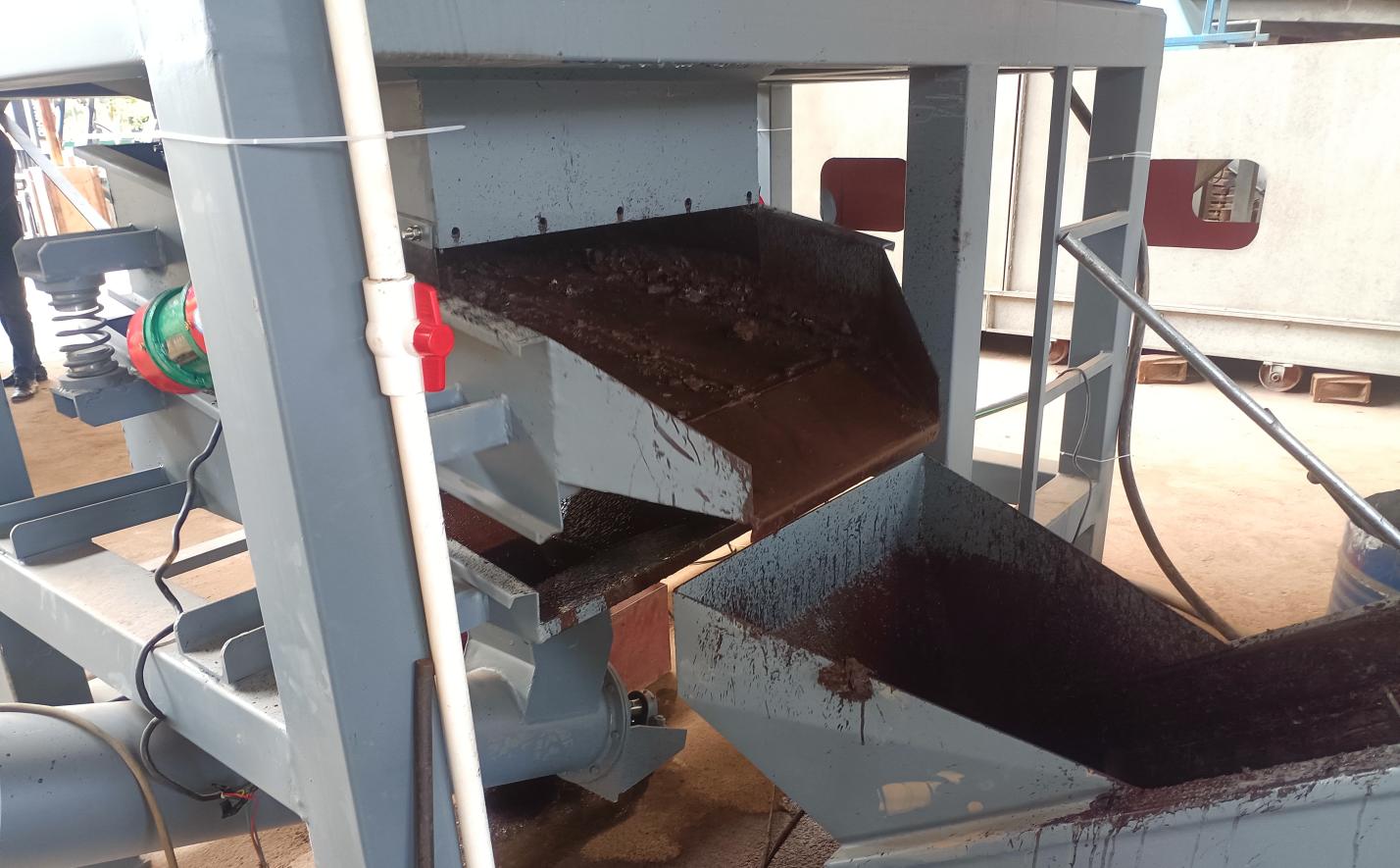
- Filter foreign objects: That stray pebble or metal fragment becomes a sandblaster inside cylinders. Install magnetic or vibrating screens upstream. Train staff to inspect material batches.
- Watch the temperature gauge: Operating at max pressure builds heat that cooks seals. Notice sustained high temps? Scale back slightly or install auxiliary cooling.
- Synchronize material flow: Jerky feeding strains hydraulic systems. Ensure conveyor systems feed consistently - irregular bursts overwhelm seals as they scramble to handle pressure spikes.
Tip 3: Smart Protection During Downtime
How you treat your machine during rest periods determines tomorrow's performance. Seals suffer most when machinery sits idle.
- Piston protection pays off: When storing overnight, position pistons retracted. This removes pressure points on seals. Even better? Slide reusable protective sleeves over cylinders - they're cheaper than replacements.
- Combat cold's sneak attack: In freezing conditions, hydraulic oil thickens into sludge. This makes seals work harder on startup. Consider tank heaters or switching to winter-grade fluids.
- Humidity is the silent enemy: Moisture condensation corrodes metal surfaces seals glide against. If storing >48 hours, run the machine for 10 minutes daily just to circulate oil and displace moisture.
- Seal documentation: Keep logs noting each seal's install date, pressure metrics, and observations. Patterns emerge. You'll predict failures before they happen.
Remember that modern briquetting equipment often includes advanced sensors. Linking these to monitoring software lets you track hydraulic pressure deviations in real time - a tiny fluctuation could reveal a seal weakening.
Implementing these tips consistently creates a virtuous cycle. Your machine runs longer between maintenance cycles. Seals experience less stress. Most importantly? You avoid those production-stopping surprises where you find oil puddles forming beneath your machine at the worst possible moment.