Introduction: The Critical Role of Refrigerator Recycling
When you replace that old, energy-guzzling refrigerator with a sleek, new model, have you ever stopped to wonder where the discarded appliance ends up? For far too long, many old fridges and air conditioners found their way into landfills, leaching harmful refrigerants like CFCs and HCFCs into the atmosphere—gases known to deplete the ozone layer and contribute to global warming. Others rusted away, wasting valuable materials like steel, copper, aluminum, and plastic that could have been recycled and reused.
Today, the tide is turning. With stricter environmental regulations and a growing focus on circular economies, refrigerator recycling has become a cornerstone of sustainable waste management. But here's the thing: recycling a refrigerator isn't as simple as tossing it in a bin. These appliances are complex, with thick metal casings, foam insulation, hazardous coolants, and intricate internal components. To efficiently recover resources and minimize environmental harm, you need specialized equipment—machines designed to handle the unique challenges of breaking down, separating, and processing refrigerators at scale.
This guide dives into the world of large refrigerator shredding and separating equipment, exploring the top tools that make modern recycling facilities tick. Whether you're a recycling plant operator looking to upgrade your setup or simply curious about how these machines work, we'll break down the essentials, from the first cut of the shredder to the final separation of metals and plastics. Let's get started.
Behind the Scenes: How Refrigerator Recycling Works
Before we jump into the equipment, let's walk through the typical recycling process. It's a multi-step dance that requires precision, power, and a keen eye for separating materials. Here's a quick overview:
1. Pre-Processing: First, the refrigerator is drained of refrigerants—a critical step to prevent harmful emissions. Technicians use specialized tools to extract coolants like R-134a or R-22, which are then recycled or destroyed according to environmental standards.
2. Shredding: Next, the fridge is fed into a shredder, which tears it into smaller pieces (think fist-sized chunks). This breaks down the outer metal shell, plastic parts, insulation, and internal components like compressors and coils.
3. Separation: The shredded material then moves through a series of separators. Magnets pull out ferrous metals (like steel), while air classifiers separate lighter materials (plastics, foam) from heavier non-ferrous metals (copper, aluminum). Some systems even use eddy current separators to target non-ferrous metals with precision.
4. Pollution Control: Throughout the process, dust, fumes, and particles are captured by air filtration systems to keep workers safe and comply with air quality regulations.
5. Post-Processing: Finally, the separated materials are compacted, baled, or further processed for resale. Steel might go to a foundry, plastics to a granulator, and copper to a smelter.
Each of these steps relies on specialized equipment, and the best systems integrate these tools into a seamless workflow. Now, let's explore the top 10 machines that make this possible.
Top 10 Large Refrigerator Shredding and Separating Equipment
1. Heavy-Duty 2 Shaft Shredder Equipment
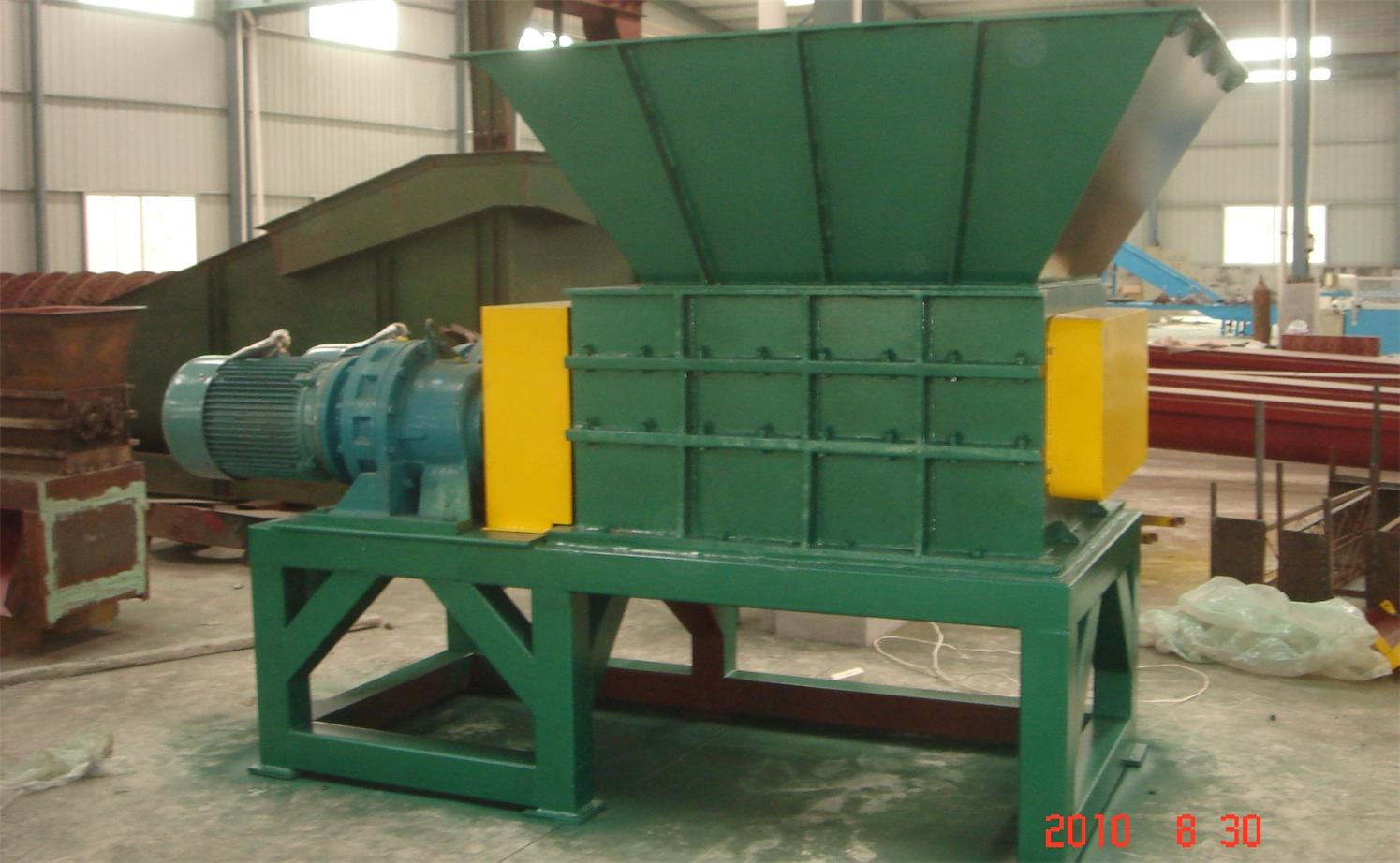
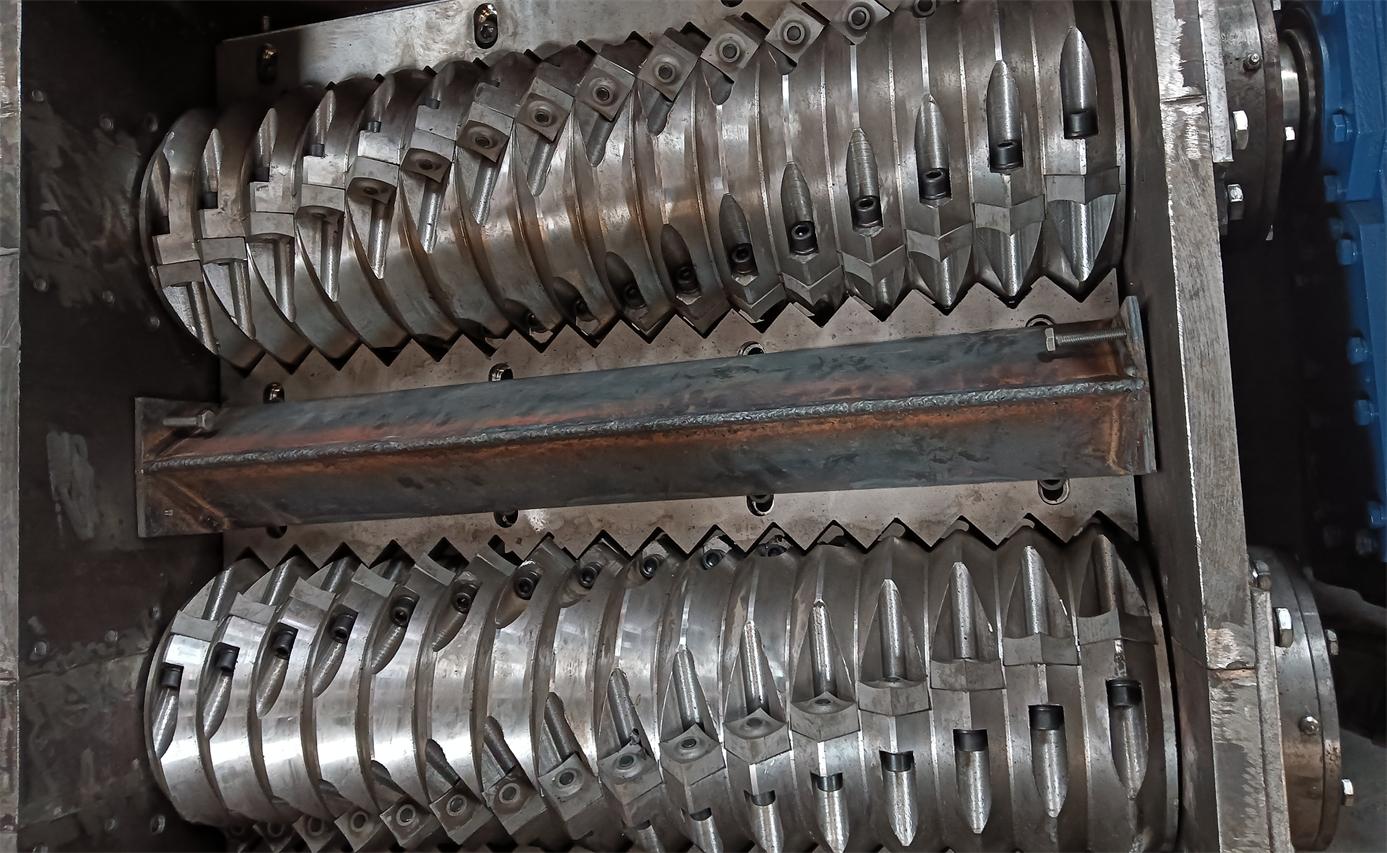
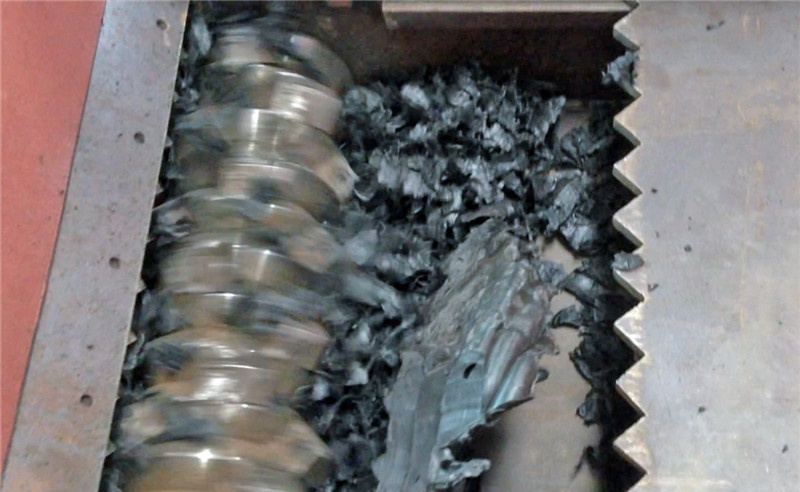
At the heart of any refrigerator recycling line is the shredder, and when it comes to handling tough, bulky appliances, 2 shaft shredder equipment is a workhorse. These machines feature two interlocking shafts with sharp, hardened steel blades that rotate in opposite directions, grabbing and tearing through the refrigerator's metal casing, plastic panels, and even the thick insulation foam.
Key Features:
- Robust construction with reinforced steel frames to withstand impact from dense materials.
- Adjustable blade spacing to control particle size (critical for efficient downstream separation).
- Hydraulic drive systems for consistent power, even when processing tough components like compressors.
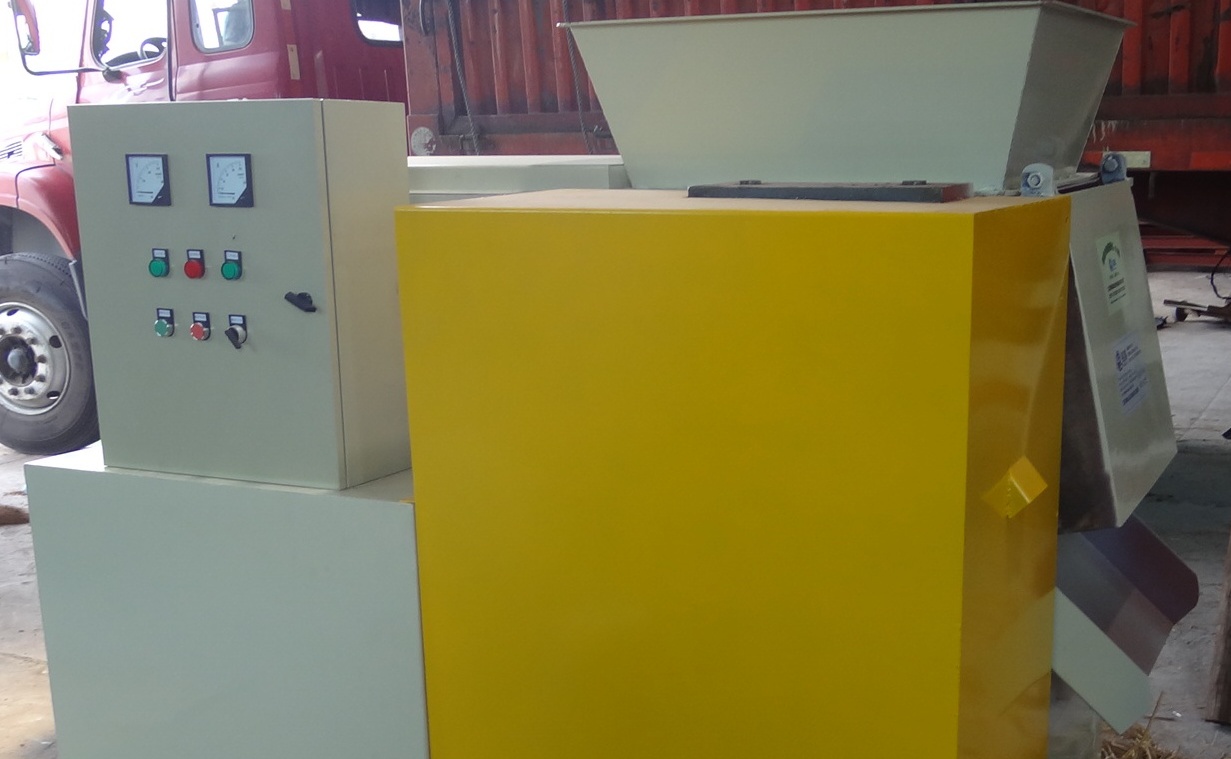
- Emergency stop buttons and overload protection to prevent jams and downtime.
Why It Stands Out: Unlike single-shaft shredders, 2 shaft models excel at handling irregularly shaped items like refrigerators, thanks to their ability to "grip" and pull materials into the cutting zone. They're ideal for high-volume facilities processing 100+ refrigerators per day, as they can handle continuous feeding without frequent clogs.
2. Shredder and Pre-Chopper Equipment
For facilities dealing with extra-large refrigerators or those with particularly thick walls, shredder and pre-chopper equipment offers a one-two punch. The pre-chopper first makes rough cuts, reducing the fridge to more manageable pieces (like removing doors, separating the cabinet from the compressor, or chopping off protruding parts) before feeding it into the main shredder.
Key Features:
- High-torque pre-chopper blades designed to slice through metal and plastic with minimal effort.
- Integrated conveyor systems that move material seamlessly from pre-chopper to shredder.
- Variable speed controls to match the feed rate to the shredder's capacity, preventing overloads.
- Easy access for blade maintenance—critical for keeping the machine running smoothly.
Why It Stands Out: By breaking down the refrigerator into smaller, uniform pieces upfront, pre-choppers reduce strain on the main shredder, extending its lifespan and improving overall efficiency. This combo is perfect for facilities processing mixed loads (including refrigerators, freezers, and AC units) or those with limited space, as it streamlines the initial breakdown step.
3. Refrigerator & AC Recycling Machines Equipment
Some equipment is designed specifically for the unique challenges of refrigerators and air conditioners, integrating multiple steps into one system. Refrigerator & AC recycling machines equipment often includes refrigerant extraction, pre-processing, shredding, and initial separation in a single unit, making it a favorite for mid-to-large facilities looking to minimize manual labor.
Key Features:
- Built-in refrigerant recovery ports and gauges for safe extraction of coolants.
- Automated feeding systems that reduce the need for manual loading.
- Integrated magnetic separators to pull out steel early in the process.
- User-friendly control panels with touchscreen interfaces for monitoring and adjusting settings.
Why It Stands Out: These all-in-one systems are a game-changer for compliance. Many come pre-certified to meet strict environmental standards (like EPA regulations in the U.S. or CE marks in the EU), ensuring that refrigerants are handled safely and emissions are minimized. They're also great for facilities new to appliance recycling, as they simplify training and workflow.
4. Air Pollution Control System Equipment
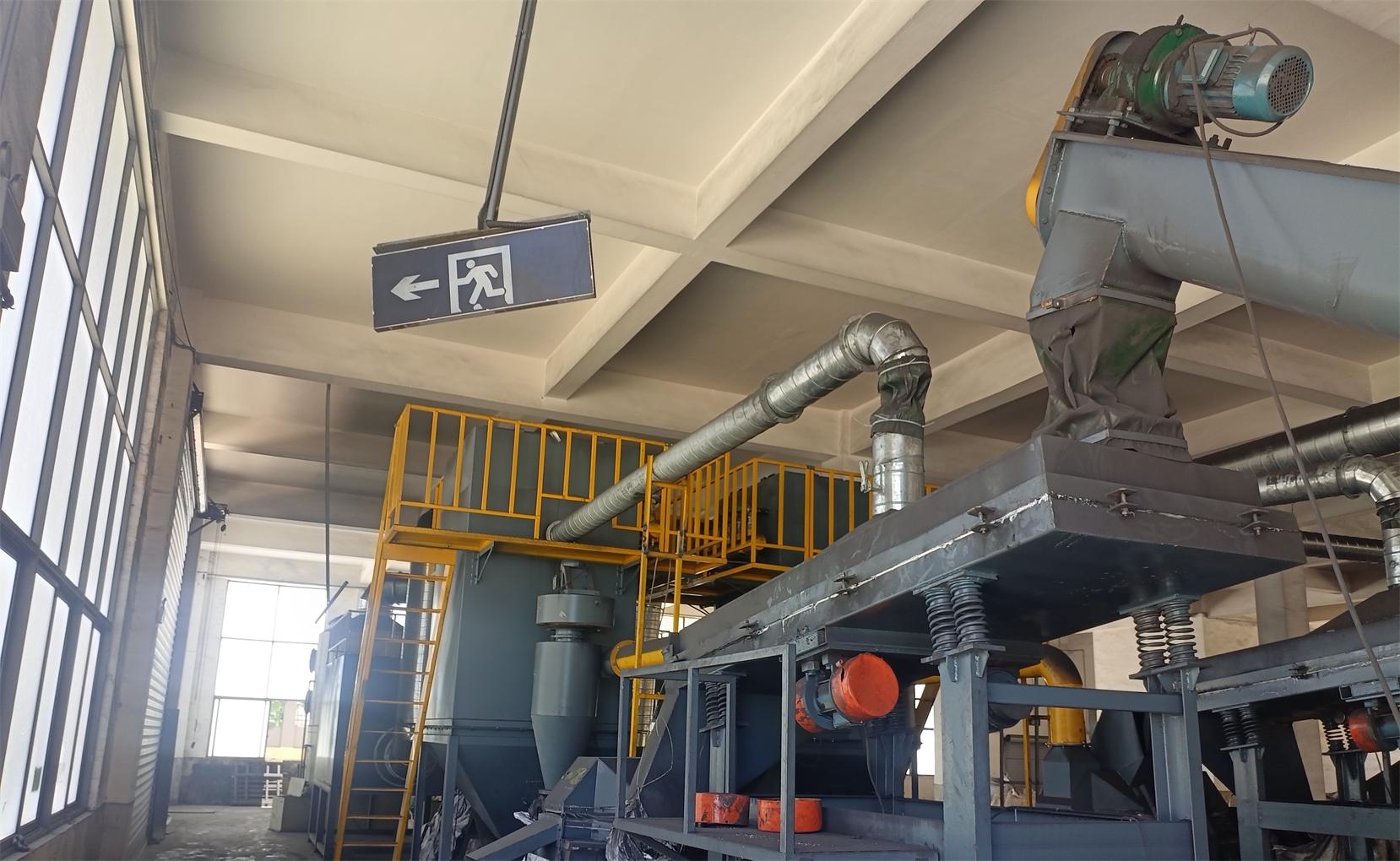
Shredding refrigerators generates a lot of dust, and if you're not careful, harmful particles (like insulation fibers or residual refrigerant fumes) can escape into the air. Air pollution control system equipment is non-negotiable for protecting workers and meeting environmental laws, capturing and filtering contaminants before they leave the facility.
Key Features:
- High-efficiency particulate air (HEPA) filters to trap fine dust and fibers.
- Activated carbon beds to absorb volatile organic compounds (VOCs) and refrigerant residues.
- Centrifugal fans with variable speed controls to maintain optimal airflow through the system.
- Real-time monitoring sensors that alert operators to filter clogs or airflow issues.
Why It Stands Out: Beyond compliance, a good air pollution control system improves workplace safety and reduces maintenance costs. By capturing dust, it prevents buildup on machinery, extending the life of shredders and separators. For facilities in urban areas or near residential zones, it also minimizes community complaints about dust or odors.
5. Magnetic Separator Systems
Steel makes up a large portion of a refrigerator's weight—think the outer cabinet, inner shelves, and compressor housing. Magnetic separator systems use powerful electromagnets or permanent magnets to pull ferrous metals out of the shredded material stream, ensuring they're separated early and efficiently.
Key Features:
- Overband magnets thatover conveyor belts, picking up steel as it passes by.
- Adjustable magnetic strength to handle different metal sizes (from small screws to large steel sheets).
- Self-cleaning mechanisms (like rotating drums or scrapers) that automatically remove captured metal, reducing manual intervention.
- Durable casings resistant to dust and debris buildup.
Why It Stands Out: Magnetic separators are low-maintenance and highly effective, with recovery rates often exceeding 95% for ferrous metals. By separating steel early, they reduce wear on downstream equipment (like air classifiers) and ensure a higher-purity end product, which fetches better prices on the recycling market.
6. Eddy Current Separators
While magnets handle ferrous metals, non-ferrous metals like copper (from coils) and aluminum (from fins) require a different approach. Eddy current separators use magnetic fields to repel non-ferrous metals, separating them from plastics and other materials with precision.
Key Features:
- High-speed rotating magnetic drums that induce eddy currents in non-ferrous metals, creating a repelling force.
- Adjustable splitter plates to fine-tune separation between metals and non-metals.
- Variable speed controls to match the feed rate of the material stream.
- Compact design that fits easily into existing recycling lines.
Why It Stands Out: Copper and aluminum are valuable commodities, and eddy current separators ensure you don't leave money on the table. These machines can distinguish between small metal fragments (like copper wires) and larger pieces (like aluminum condenser coils), making them essential for maximizing resource recovery.
7. Air Classifiers
After metals are removed, the remaining material is a mix of plastics, foam insulation, and small debris. Air classifiers use controlled airflow to separate lighter materials (like polystyrene foam or plastic panels) from heavier non-metallic residues, ensuring each material stream is clean and ready for further processing.
Key Features:
- Adjustable air velocity to target specific material densities (foam is lighter than rigid plastic, for example).
- Multi-stage classification for fine-tuning separation (e.g., first pass removes foam, second pass separates plastics).
- Dust collection ports to capture airborne particles during separation.
- Low energy consumption compared to other separation methods.
Why It Stands Out: Air classifiers are versatile and energy-efficient, making them a staple in recycling lines. By separating plastics and foam, they allow facilities to sell these materials as high-quality feedstock—foam might be recycled into insulation boards, while rigid plastics could become new packaging or automotive parts.
8. Hydraulic Baler Equipment
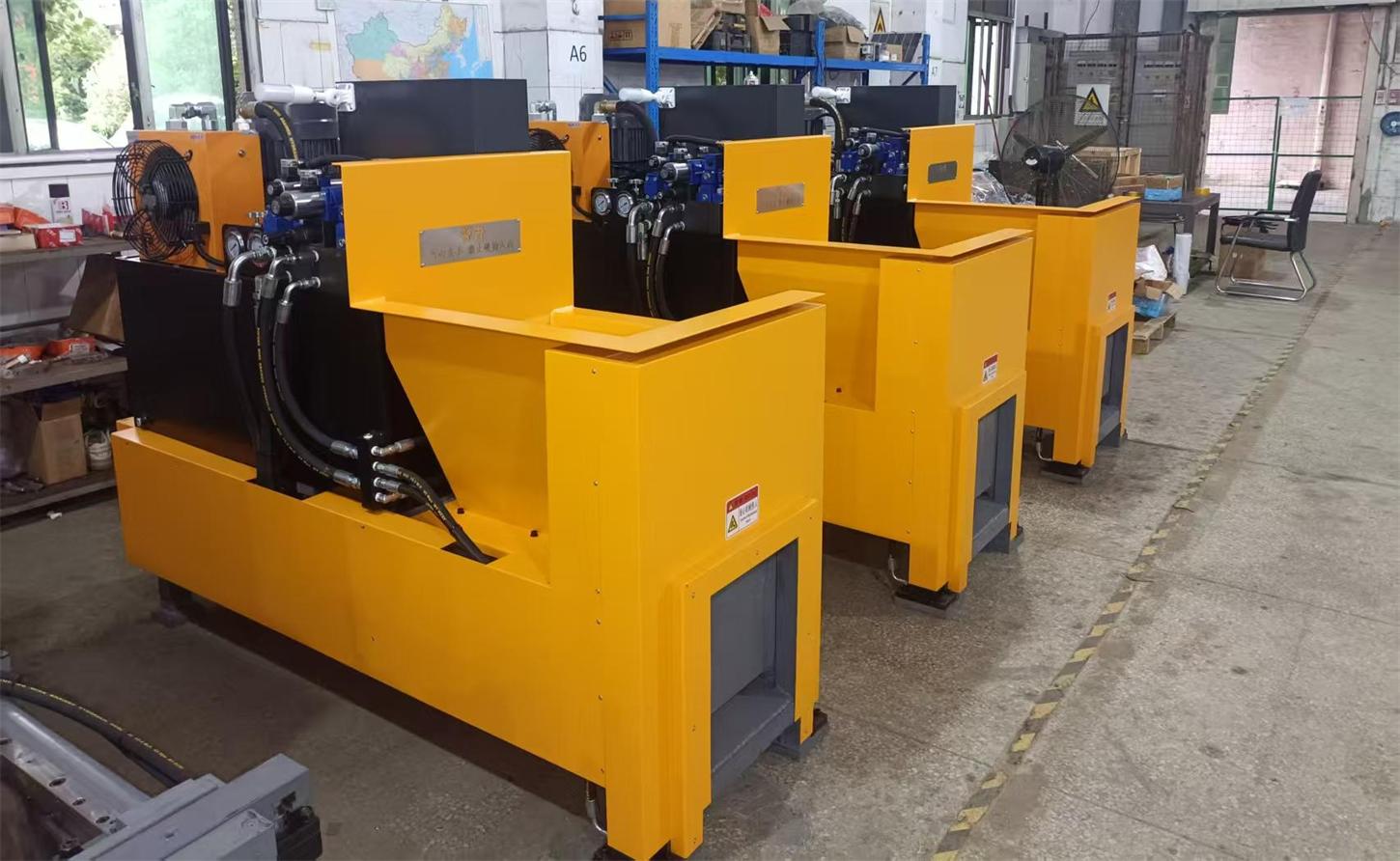
Once materials are separated, they need to be compacted for storage and transport. Hydraulic baler equipment uses hydraulic pressure to compress metals, plastics, or foam into dense bales, reducing volume by up to 90% and making handling and shipping far more efficient.
Key Features:
- High-pressure hydraulic cylinders (up to 200 tons of force) for compacting tough materials like steel scrap.
- Automatic tying systems that wrap bales with wire or plastic strapping, eliminating manual tying.
- Customizable bale sizes to match shipping container dimensions or buyer requirements.
- Quick cycle times (often 30–60 seconds per bale) to keep up with high-volume lines.
Why It Stands Out: Balers save space, reduce transportation costs, and make materials more attractive to buyers. A steel bale, for example, is easier to load onto a truck and less likely to shift during transport than loose scrap. For facilities with limited storage, hydraulic balers are a must-have.
9. Auxiliary Equipment Equipment
No recycling line is complete without the "little things"—auxiliary equipment that keeps the workflow running smoothly. This category includes conveyors, feeders, sorting tables, and dust collectors, all designed to support the main machines and fill in gaps in the process.
Key Features:
- Modular conveyor systems that can be customized to fit the layout of your facility (inclined, horizontal, or curved).
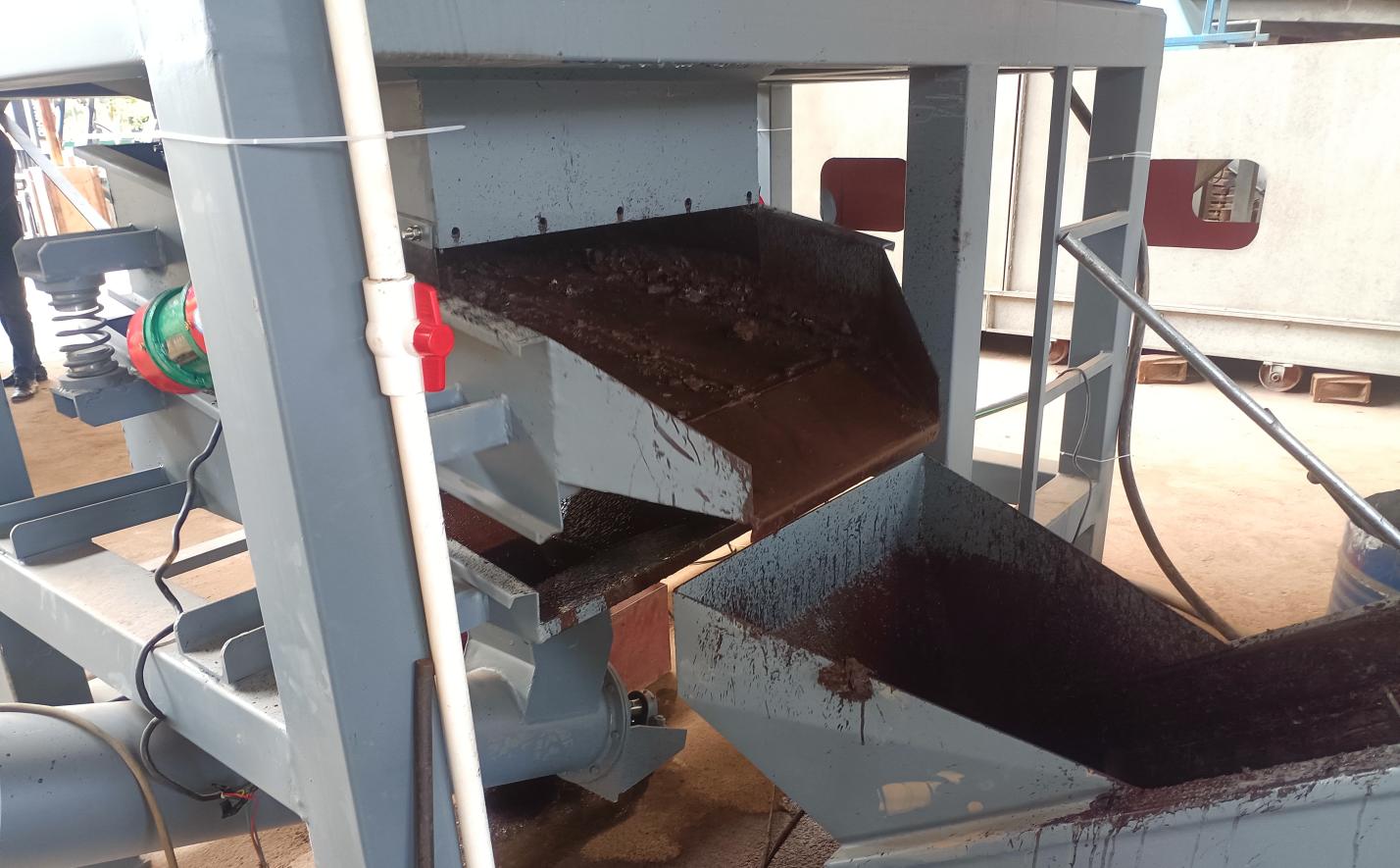
- Vibratory feeders that evenly distribute shredded material to separators, preventing overloads.
- Manual sorting tables with overhead lighting and adjustable heights, where workers can pick out any remaining contaminants (like glass or rubber).
- Portable dust collectors that can be moved to different points in the line as needed.
Why It Stands Out: Auxiliary equipment might not be the star of the show, but it's the glue that holds the system together. A well-designed conveyor system, for example, reduces manual handling and speeds up material flow, while sorting tables ensure the final product meets strict purity standards.
10. Integrated Refrigerator Recycling Lines
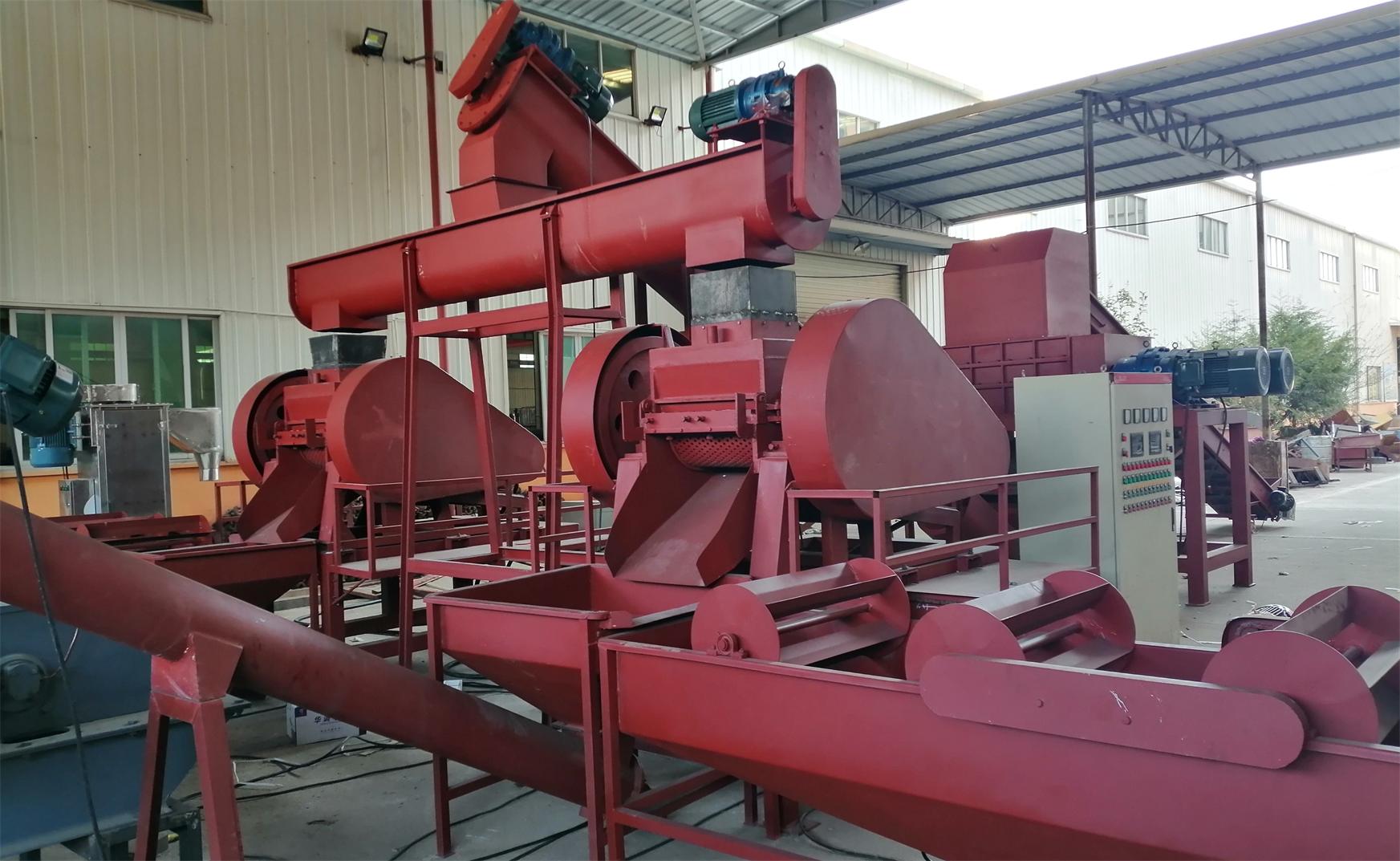
For large-scale operations processing hundreds of refrigerators daily, integrated recycling lines are the gold standard. These turnkey systems combine refrigerant extraction, pre-chopping, shredding, separation, pollution control, and baling into a single, automated workflow, often controlled by a central computer system.
Key Features:
- Customizable layouts to fit facility size and throughput needs (from 500 to 2,000+ refrigerators per day).
- Advanced PLC (Programmable Logic Controller) systems that monitor every step, adjusting speeds and settings in real time to optimize efficiency.
- Remote monitoring capabilities, allowing operators to track performance and troubleshoot issues from a computer or tablet.
- Built-in safety features, including emergency stop zones and interlocks to prevent access to moving parts.
Why It Stands Out: Integrated lines offer unmatched efficiency and consistency. By automating the entire process, they reduce labor costs, minimize human error, and ensure compliance with environmental regulations. While they require a larger upfront investment, they pay off quickly for high-volume facilities through increased throughput and higher material recovery rates.
Comparison Table: Top Equipment at a Glance
| Equipment Type | Key Feature | Ideal Daily Capacity | Standout Benefit |
|---|---|---|---|
| 2 Shaft Shredder Equipment | Dual interlocking shafts for tough materials | 100–500+ refrigerators | Handles bulky, irregular shapes with minimal jams |
| Shredder and Pre-Chopper Equipment | Two-step breakdown for large appliances | 50–300 refrigerators | Reduces strain on main shredder, extends blade life |
| Refrigerator & AC Recycling Machines Equipment | Integrated refrigerant extraction + shredding | 30–200 refrigerators | Simplifies compliance with environmental regulations |
| Air Pollution Control System Equipment | HEPA filters + activated carbon for emissions | Any size facility | Protects workers and meets air quality standards |
| Magnetic Separator Systems | Powerful magnets for ferrous metal recovery | Any size facility | High recovery rates (95%+) for steel and iron |
| Eddy Current Separators | Magnetic repulsion for non-ferrous metals | 50–1,000+ refrigerators | Targets copper, aluminum, and other valuable metals |
| Air Classifiers | Adjustable airflow for material density separation | 50–500+ refrigerators | Separates plastics, foam, and light debris efficiently |
| Hydraulic Baler Equipment | High-pressure compaction for dense bales | Any size facility | Saves space and reduces transportation costs |
| Auxiliary Equipment Equipment | Conveyors, feeders, sorting tables | Any size facility | Streamlines workflow and supports main machines |
| Integrated Recycling Lines | Automated, all-in-one workflow | 500–2,000+ refrigerators | Maximizes efficiency and material recovery for large ops |
How to Choose the Right Equipment for Your Facility
With so many options, selecting the right equipment can feel overwhelming. Here are key factors to consider to ensure you make the best choice for your needs:
1. Throughput Requirements: Start by calculating how many refrigerators you process daily. A small facility handling 50 units might thrive with a basic 2 shaft shredder and manual sorting, while a large plant processing 500+ units will need an integrated line with automated separators and balers.
2. Space Constraints: Measure your facility carefully. Some equipment (like 4 shaft shredders or integrated lines) requires significant floor space, while others (like compact 2 shaft shredders) are more space-efficient. Don't forget to account for conveyors, storage, and worker access.
3. Environmental Regulations: Check local and national laws regarding refrigerant recovery, air emissions, and waste disposal. Equipment like refrigerator & AC recycling machines and air pollution control systems are designed to meet strict standards, so prioritize certified models to avoid fines.
4. Budget: Balance upfront costs with long-term savings. While integrated lines cost more initially, they often reduce labor and maintenance expenses over time. Consider financing or leasing options if cash flow is a concern.
5. Material Recovery Goals: If you want to maximize revenue, invest in high-quality separators (like eddy current systems) to capture more copper and aluminum. If compliance is your top priority, focus on pollution control and refrigerant extraction equipment.
6. After-Sales Support: Choose suppliers that offer training, maintenance, and spare parts. A great machine is useless if it breaks down and you can't get replacement blades or technical support.
Conclusion: Investing in a Greener Future
Refrigerator recycling isn't just about getting rid of old appliances—it's about reclaiming resources, protecting the planet, and building a circular economy where nothing goes to waste. The equipment we've explored here is the backbone of this effort, turning bulky, complex machines into valuable raw materials that can be reused to make new products.
Whether you're outfitting a new facility or upgrading an existing line, the key is to choose equipment that aligns with your throughput, space, and sustainability goals. From the rugged power of 2 shaft shredder equipment to the precision of eddy current separators, each machine plays a vital role in the recycling process. And as technology advances, we can expect even more efficient, eco-friendly solutions to emerge—making refrigerator recycling faster, cleaner, and more profitable than ever.
So the next time you see an old refrigerator on the curb, remember: with the right tools, it's not trash—it's a treasure trove of resources waiting to be reborn. Here's to building a future where every appliance gets a second life.